Top 8 Caves in the Himalaya
Best caves in the Himalaya are found across a vast mountain range known for its diverse geological formations and rich cultural heritage. These subterranean sites include natural ice and limestone formations, alongside man-made structures carved into mountainsides. The region's caves offer a glimpse into ancient human occupation, spiritual practices, and unique natural beauty. They serve various purposes, from pilgrimage sites to historical dwellings and meditation retreats.
Best caves in the Himalaya
- The most popular caves is Singye Phug (Lion Cave), a cave located near the Taktsang Waterfall. This meditation cave features a small building constructed into the rock crevice, accessible via a steep staircase.
- Another must-see spot is Gupteshwor Mahadev Cave, a cave known for being one of the longest explored in Nepal. It extends for approximately 2,960 meters and has six entrances, hidden within an urban area.
- Visitors also love Chungsi Cave, a cave temple highly revered in Buddhist tradition. It is believed that Master Guru Rinpoche spent part of his life here in the eighth century.
- The Himalaya is known for natural ice, limestone, and man-made caves. These subterranean sites offer insights into geological formations, ancient cultures, and spiritual practices.
- The caves in the Himalaya are appreciated by the komoot community, with more than 10 upvotes and over 30 photos shared.
Last updated: July 11, 2026
Singye Phug (Lion Cave)
Highlight • Cave
bayuel.com/attractions/paro-taktsang-history
Translated by Google •
Tip by

Gupteshwor Mahadev Cave
Highlight • Cave
Costs 100 Rp only.
Tip by

Sign up now to discover places like this
Get recommendations on the best single tracks, peaks, & plenty of other exciting outdoor places.
Sign up for free
Chungsi Cave
Highlight • Cave
Translated by Google •
Tip by

Bishnudwar Cave and Sacred Site
Highlight • Cave
Tip by

Cliffside Caves of Lo Manthang
Highlight • Cave
Translated by Google •
Tip by

Chhoser
Highlight • Cave
Translated by Google •
Tip by
Koteshwar Temple
Highlight • Religious Site
Translated by Google •
Tip by

Siddha Cave
Highlight • Cave
Translated by Google •
Tip by

Phuktal Monastery
Highlight • Religious Site
Tip by

Vaishno Devi Temple and Cave Shrine
Highlight • Religious Site
Showing Translation
Tip by
Start today with a free account
Your next adventure awaits.
Login or Signup
Popular around Himalaya
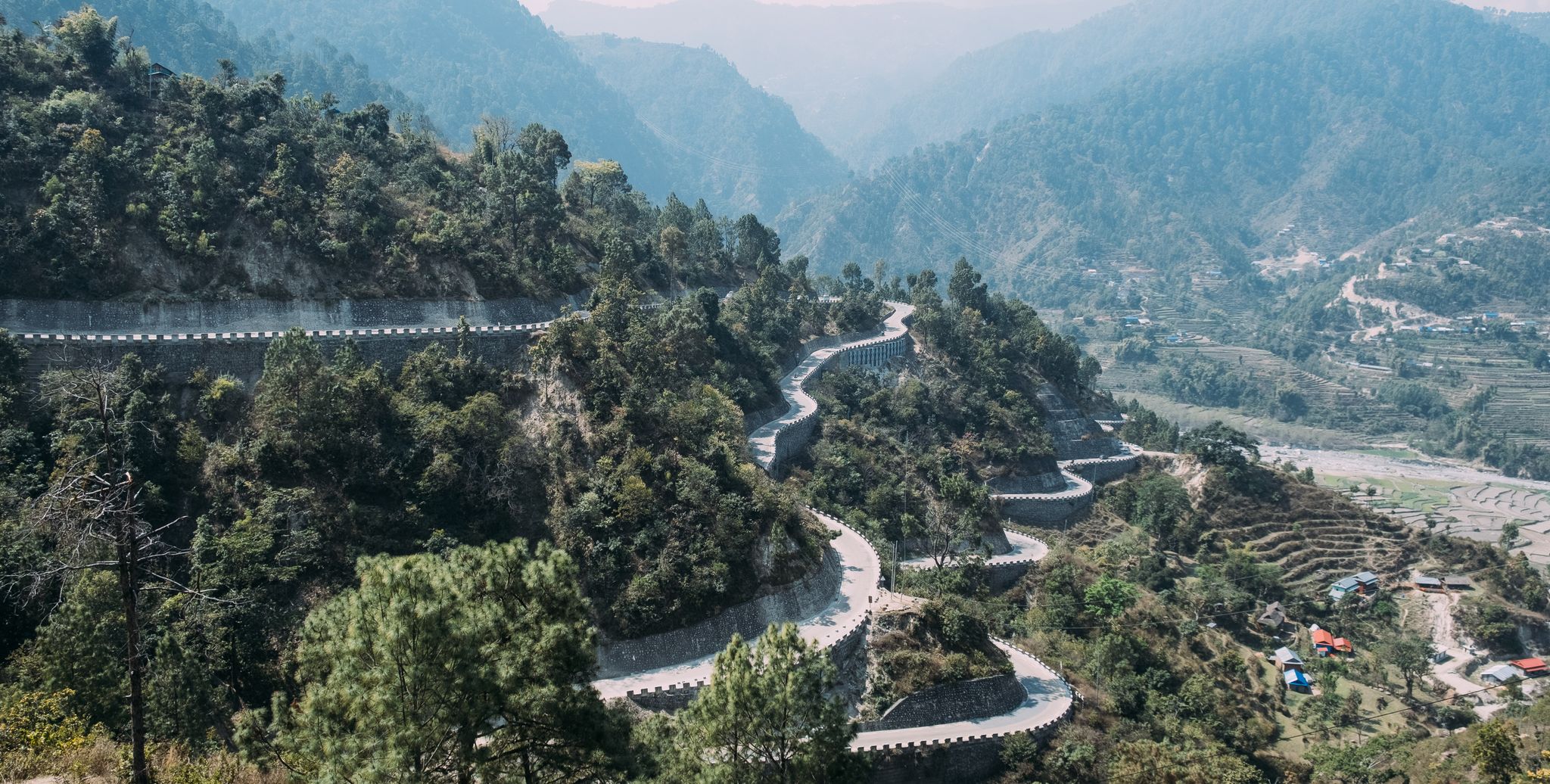
An unforeseen incredible journey – cycling from India to Nepal
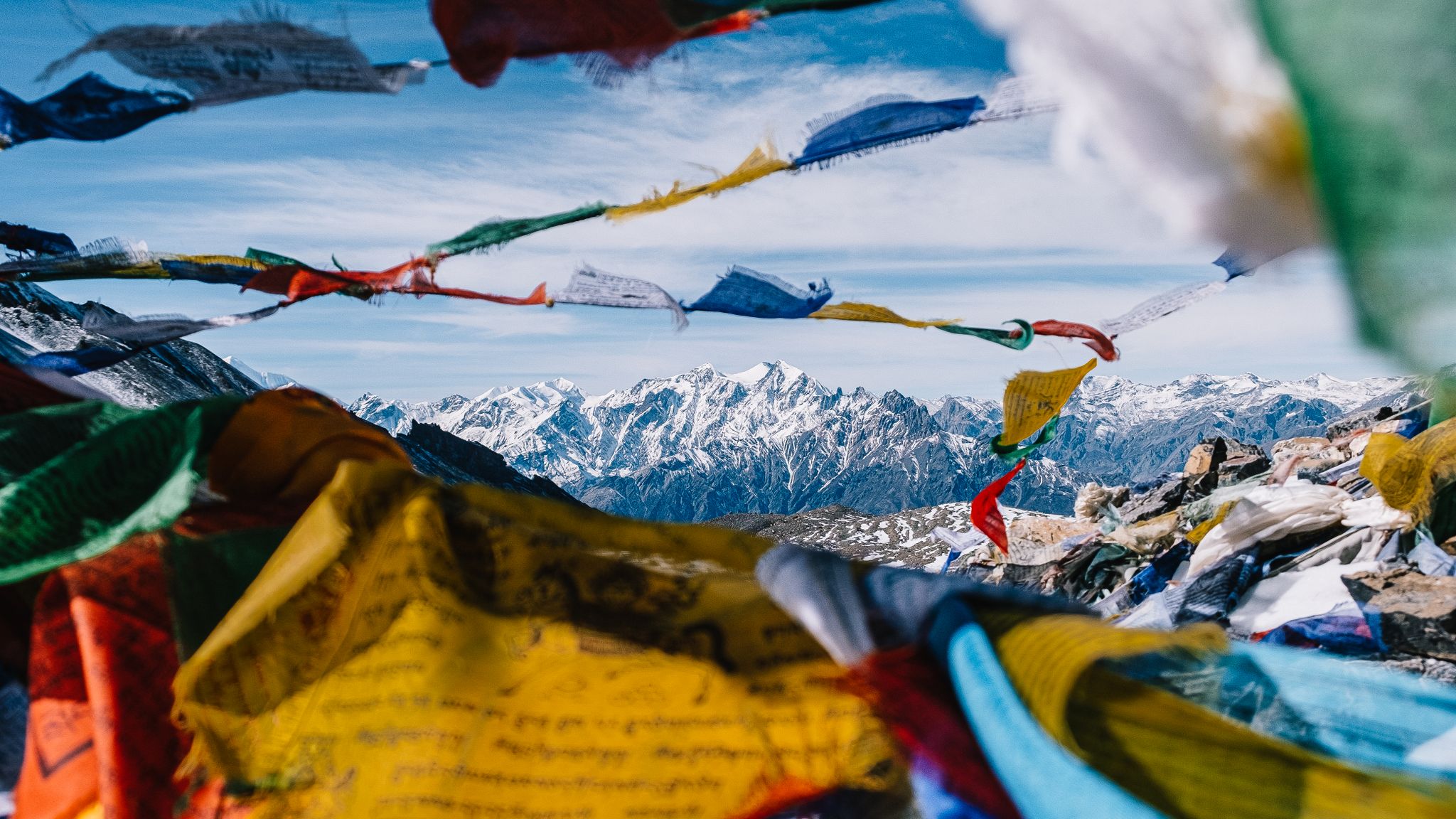
Annapurna Circuit in Nepal – Bikepacking the roof of the world
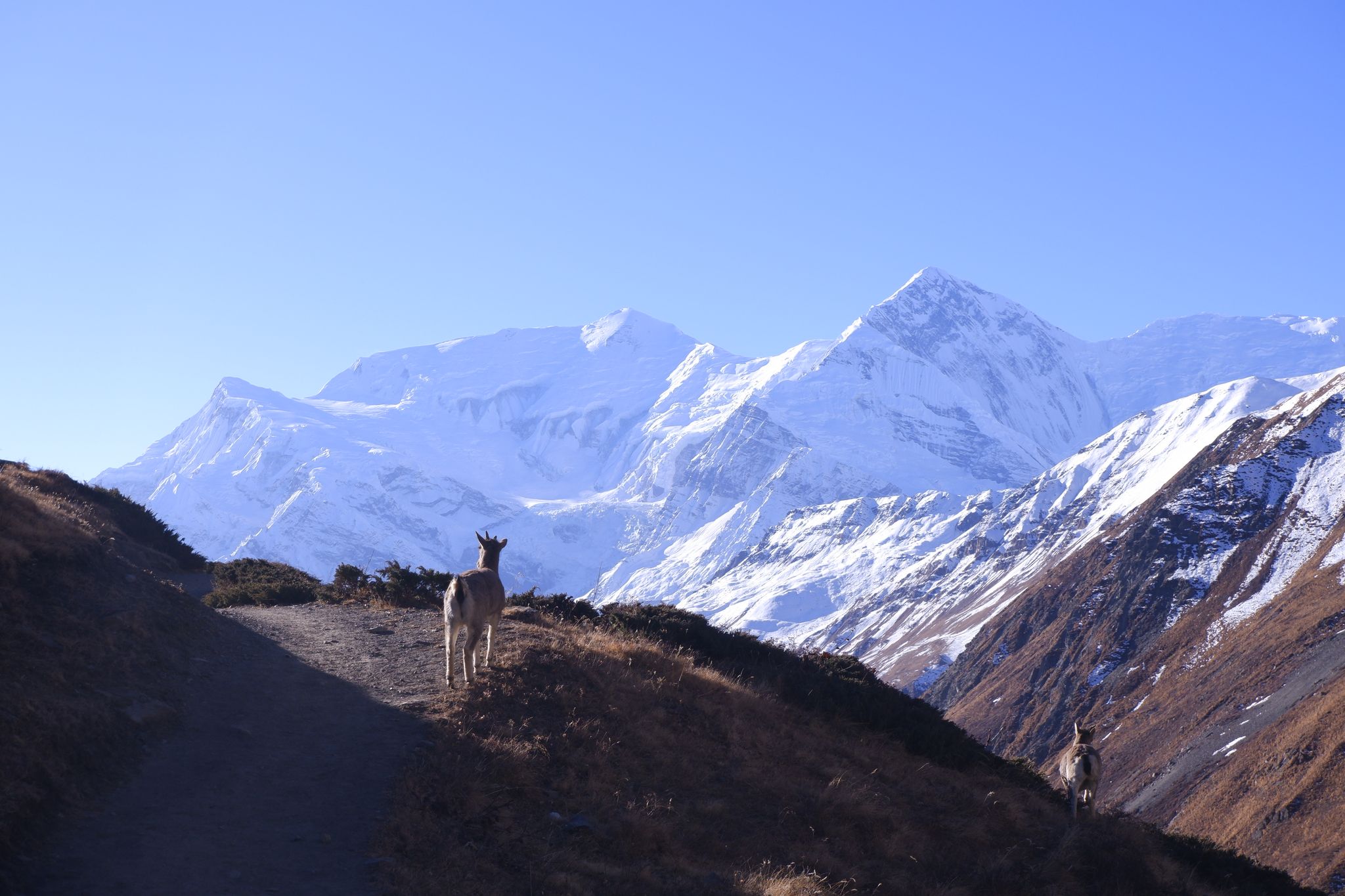
Annapurna Circuit – History and culture at high altitude in Nepal
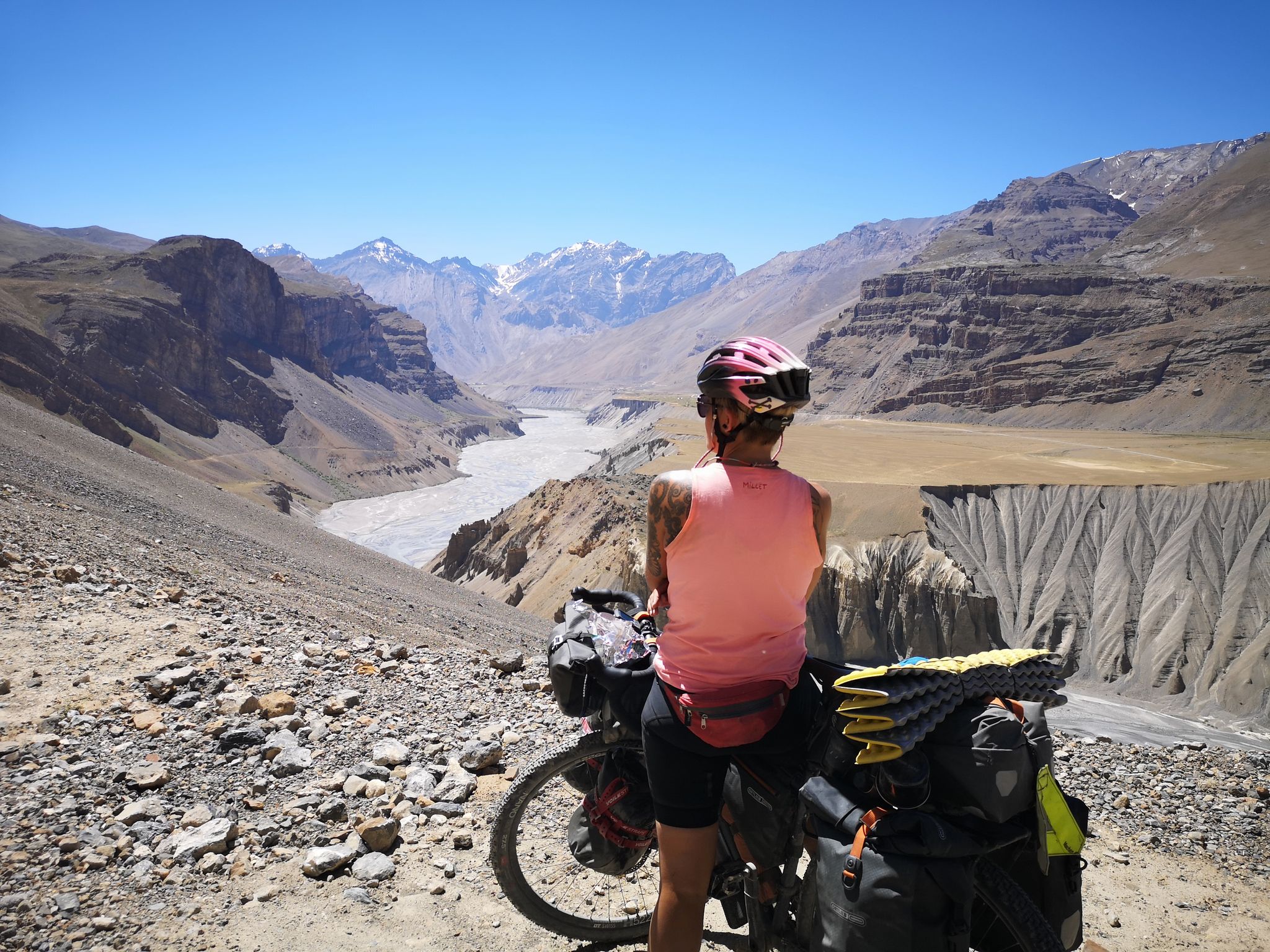
The Spiti Valley – Bikepacking in India
The Leh-Manali Highway – Cycling India
Winter Himalaya: My road to Everest Base Camp at 5364 meters
Beneath mighty Everest – fastpacking and running passes in the Khumbu
Authentic Nepal – trekking in the history of Mustang
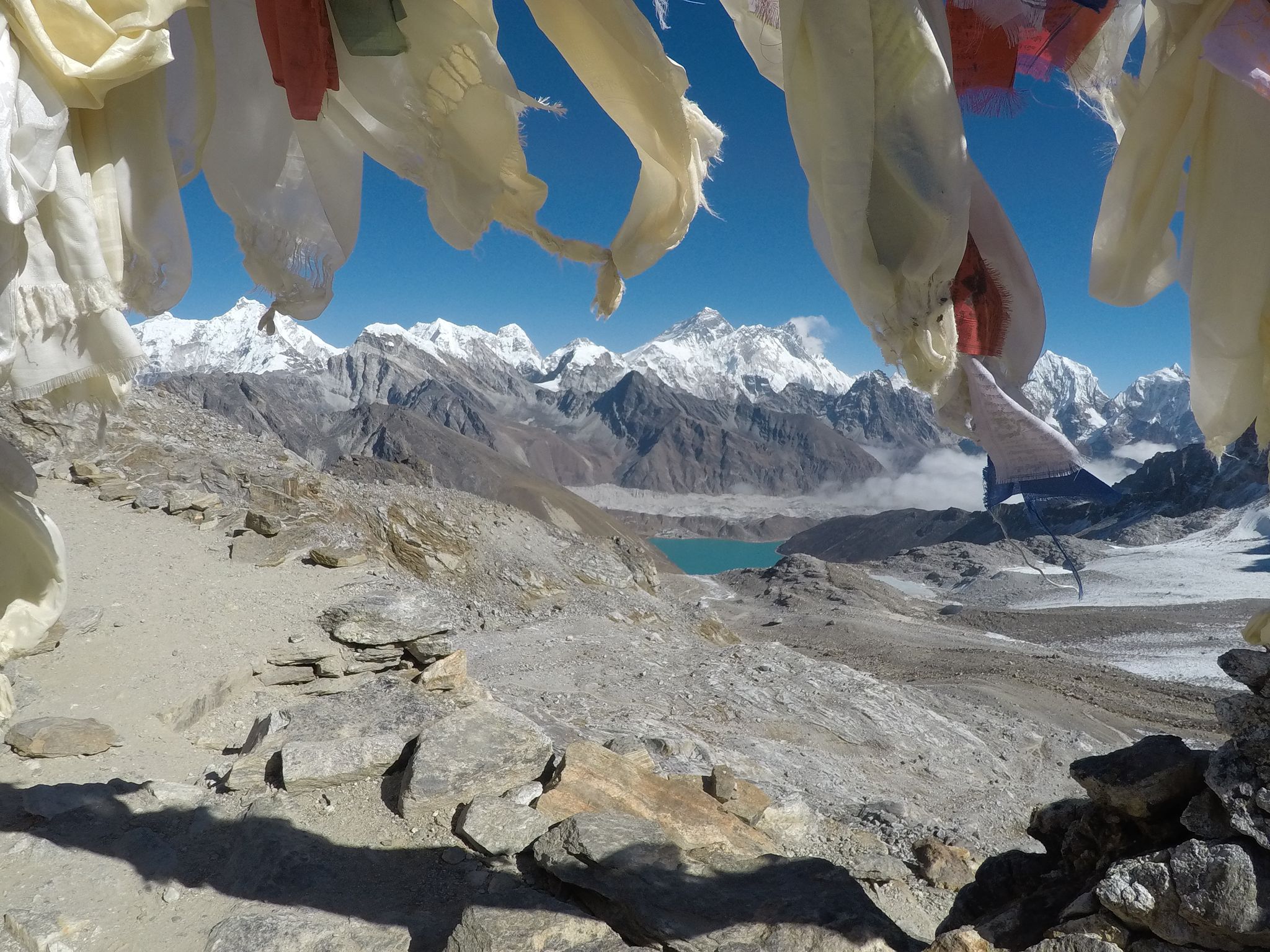
At the foot of Everest – Everest Base Camp with the three passes
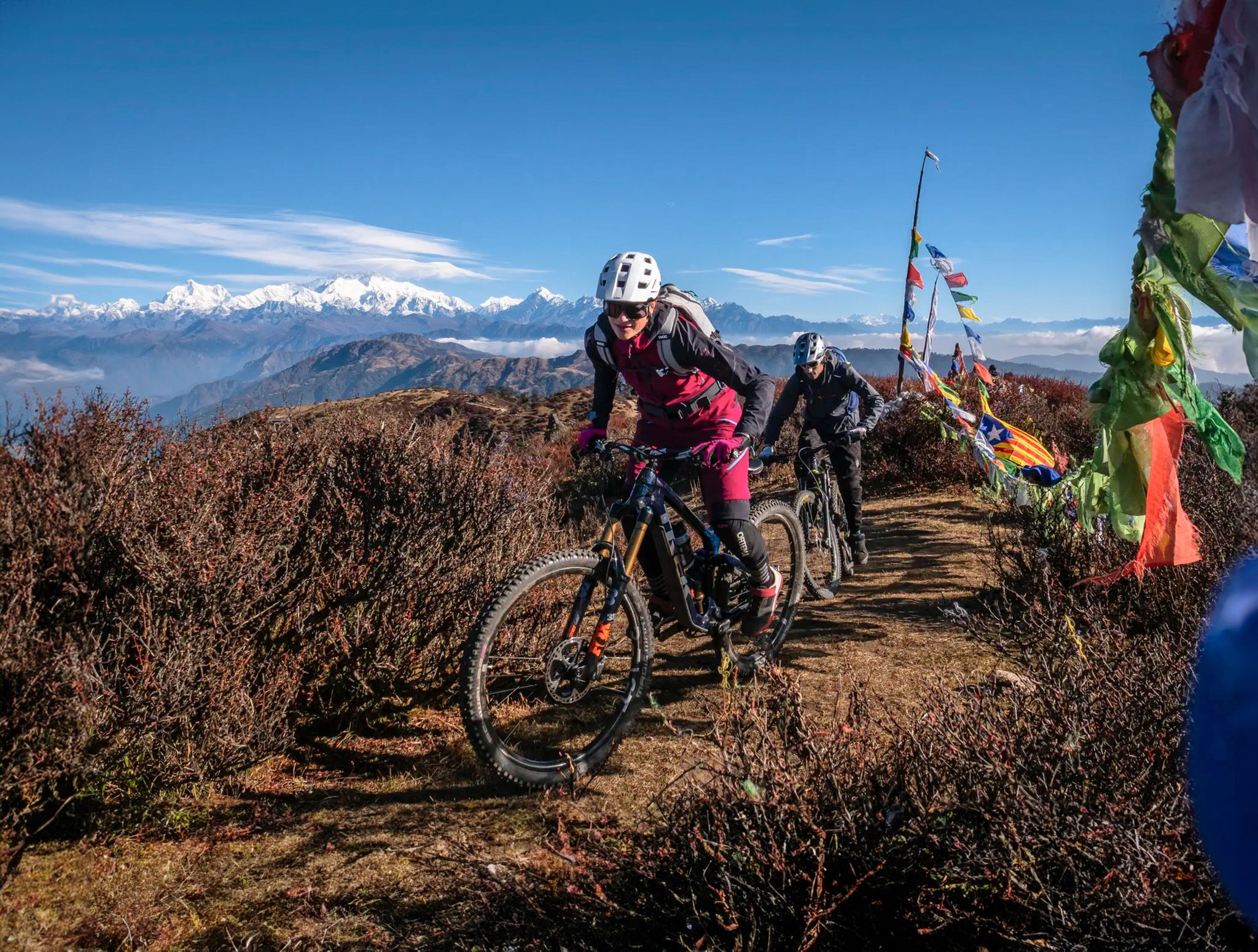
Discover India – an MTB adventure with Steffi Marth


Tips from the Community

We just walked up from the parking lot. Path very slippery in the rain. Wonderful place!
0
0
Ascent from Katra approx. 12 km on foot, by horse or with porters. Only with registration and pilgrim ID card from Katra / online. Open 24/7.
0
0

The Koteshwar Mahadev Temple is located in a cave. The Alaknanda River flows just a few meters away. Legend says that the god Shiva meditated in the cave on his way to Kedarnath. Pilgrims from faraway places visit the Koteshwar Temple to receive the blessings of the god Shiva.
1
0

The meditation cave ‘Singye Phug‘ (Lion Cave) is located near the ‘Taktsang Waterfall‘, just above the path to ‘Paro Taktsang‘. In front of the cave, a small building was built in the crevice of the rock, which can be reached via a steep staircase. https://bayuel.com/attractions/paro-taktsang-history
2
0

Chhoser is one of the most beautiful places in Upper Mustang. Here you can visit two monasteries and the Jhong Caves, a place where dwellings are carved into stone.
0
0
The Chungsi Cave temple is highly revered by those who profess the Buddhist religion. In fact, Buddhism says that Master Guru Rinpoche spent part of his life here in the eighth century.
0
0
It's difficult to take revealing photos, but this cave is absolutely worth the detour! she is superb !
0
0

This is not a spectacular attraction. The cave is tight, there are many tourists, and the air is very stuffy. The interesting thing is that something like this is located inside the city, under the streets and buildings.
0
0
Frequently Asked Questions
What are some unique natural features found in the caves of the Himalaya?
The Himalaya region boasts diverse cave features. For instance, the Amarnath Cave in India is famous for its natural ice stalagmite, the Shivalingam, which changes with the lunar cycle. Gupteshwor Mahadev Cave in Nepal is notable for being one of the longest explored in the country, stretching approximately 2,960 meters. Robber's Cave (Gucchu Paani) in Uttarakhand, India, is known for its captivating natural water flow and clear, cold streams.
Which caves in the Himalaya have significant historical or spiritual importance?
Many caves in the Himalaya hold deep historical and spiritual significance. The Upper Mustang Caves in Nepal, also known as Sky Caves, contain 2,000-year-old paintings, mummified bodies, and served as ancient dwellings. Chungsi Cave is revered in Buddhist tradition, believed to be a place where Master Guru Rinpoche spent time. Milarepa Cave in Nepal is worshipped by Buddhists as the former residence of the Tibetan yogi Milarepa. Additionally, the Koteshwar Temple Cave in India is a sacred site dedicated to Lord Shiva, and the Phuktal Gompa Cave in India houses a Buddhist monastery built around a natural cave, visited by sages for millennia.
Are there any caves in the Himalaya that are particularly challenging to access?
Yes, some caves in the Himalaya require a challenging journey. For example, the Singye Phug (Lion Cave), a meditation cave near the Taktsang Waterfall, is accessible via a steep staircase. Phuktal Gompa Cave in the remote Lungnak Valley of Zanskar is also a challenging trekking destination. Rakhiot Cave in Pakistan, located on Nanga Parbat, is known for having the highest known cave entrance in the world, and the trek to its face is demanding.
What is the best time to visit caves in the Himalaya?
The best time to visit varies by cave. Amarnath Cave, for instance, is only open between July and August each year due to weather conditions. While Gupteshwor Mahadev Cave can be visited year-round, it's important to note that it can experience significant flooding during the rainy season, which typically occurs during the monsoon months.
Are there any family-friendly caves in the Himalaya?
While many caves in the Himalaya involve treks of varying difficulty, some are more accessible for families. Robber's Cave (Gucchu Paani) in Uttarakhand, India, is a popular attraction with a trekking path suitable for picnics, making it a good option for families. However, it's always advisable to check specific access details and conditions for each cave before planning a family visit.
What kind of outdoor activities can I do near the caves in the Himalaya?
The Himalaya region offers a wide range of outdoor activities near its caves. You can find numerous hiking opportunities, from easy strolls to challenging treks. For example, there are many easy hikes and more general hiking routes available. Road cycling is also popular, with various road cycling routes that can take you through scenic landscapes near some cave locations.
Which caves are known for meditation or spiritual retreats?
Several caves in the Himalaya are renowned for meditation and spiritual retreats. Milarepa Cave in Nepal, located above Braga, features a small temple and a hermitage, offering a serene environment. The Mahavatar Babaji Cave in Uttarakhand, India, is a highly revered site believed to be where Kriya Yoga was initiated, making it popular for meditation. Additionally, the Rudra Cave (Modi Cave) near Kedarnath Temple complex provides facilities specifically for meditation. The Tabo Caves in Himachal Pradesh, historically used by Buddhist monks, still offer remote and peaceful environments for contemplation.
Are there any man-made caves in the Himalaya?
Yes, the Himalaya region features significant man-made caves. The Upper Mustang Caves (Sky Caves) in Nepal are an impressive collection of over ten thousand man-made caves, carved into cliffs and used for various purposes including living quarters and burial chambers. The Tabo Caves in Himachal Pradesh, India, are also artificially made by cutting rocks, consisting of interconnected rooms that historically served as residences for Buddhist monks and for storage.
What should I know about visiting the Amarnath Cave?
The Amarnath Cave, located in the western Himalayas at an elevation of 12,756 feet, is a major Hindu pilgrimage site. It is famous for a natural ice stalagmite symbolizing Lord Shiva. Due to its high altitude and challenging conditions, the cave is only accessible and open to visitors between July and August each year. It draws numerous devotees and tourists for its spiritual significance.
What do visitors enjoy most about the caves in the Himalaya?
Visitors often appreciate the unique blend of natural beauty, historical depth, and spiritual significance found in the Himalayan caves. For example, the Gupteshwor Mahadev Cave is considered interesting for its urban location and extensive length. The Singye Phug (Lion Cave) offers a unique meditation experience near a waterfall. Many also enjoy the stunning views and the sense of history at sites like Milarepa Cave and Stupa, which is worshipped by Buddhists.
Are there any caves in the Himalaya that are part of a larger settlement or monastic complex?
Yes, some caves are integral parts of larger settlements or monastic complexes. Chhoser in Upper Mustang, Nepal, is a place where dwellings are carved into stone, and you can visit monasteries within the area. The Phuktal Gompa Cave in India is home to a Buddhist monastery built directly around a natural cave. The Tabo Caves in India were historically used by monks from the nearby Tabo Monastery.
Can I find information about permits or accessibility for specific caves?
Information regarding permits and specific accessibility requirements can vary greatly for caves in the Himalaya, especially for more remote or sacred sites. For places like the Amarnath Cave, specific pilgrimage permits and health checks are required. For other sites, such as the Koteshwar Temple Cave, access might be more straightforward. It is always recommended to check with local tourism authorities or official websites for the most up-to-date information on permits, entry fees, and accessibility before planning your visit. For example, information about Kedarnath, which is near Rudra Cave, can be found on uttarakhandtourism.gov.in.
Most popular routes in the Himalaya
Most popular attractions in the Himalaya

Get inspired with the komoot mobile app


