Top 20 Gorges in the Himalaya
Canyons in the Himalaya are significant geological features carved by powerful rivers across several countries. These deep valleys in the Himalaya offer diverse landscapes and natural formations. The region is known for its immense scale and varied ecosystems. Many of these gorges in the Himalayas are integral to local culture and provide routes through challenging terrain.
Best canyons in the Himalaya
- The most popular canyons is Landslide Area Trail to Thorong Phedi, a trail that features a demanding ascent in thin air with beautiful views. The passage is technically undemanding, but the mountain slopes become rockier.
- Another must-see spot is Dudh Koshi Suspension Bridge at Phunki Thanga (3,300 m), a bridge over a gorge. Visitors can expect an impressive bridge and a nice gorge with a rest stop.
- Visitors also love Temple and waterfalls in the Annapurna Conservation Area, a waterfall with a viewpoint. This location offers great views and is a good place for a break after climbing stairs, showcasing an impressive waterfall where the river cuts deep into the rock.
- Himalaya is known for its challenging trails, river gorges, and waterfalls. The region offers a variety of canyons to see and explore, from demanding ascents to scenic river valleys.
- The canyons in the Himalaya are appreciated by the komoot community, with more than 20 upvotes and nearly 30 photos shared by users.
Last updated: July 11, 2026
Dudh Koshi Suspension Bridge at Phunki Thanga (3,300 m)
Highlight • Bridge
Tip by

Marsyangdi Gorge Ascent to Tal
Highlight • Gorge
Translated by Google •
Tip by

Sign up now to discover places like this
Get recommendations on the best single tracks, peaks, & plenty of other exciting outdoor places.
Sign up for free
Landslide area (Pine Trail, Annapurna Conservation Area)
Highlight • Trail
Translated by Google •
Tip by

Tal Village and the Marsyangdi River Valley
Highlight • Settlement
Showing Translation
Tip by
Temple and waterfalls in the Annapurna Conservation Area
Highlight • Waterfall
Translated by Google •
Tip by

Scenic Road Between Chame and Pisang
Highlight • Trail
Translated by Google •
Tip by
Taktsang Waterfall
Highlight • Waterfall
Translated by Google •
Tip by
Road to Himalaya
Highlight (Segment) • Settlement
Translated by Google •
Tip by

Kali Gandaki River Valley
Highlight • River
Translated by Google •
Tip by
View of Machhakhola River Valley
Highlight • Viewpoint
Across the bee bridge that crosses the big gorge and continue along the road...you are on your way.
Today is going to be a long day with some steep, consistent ascents and a handful of landslides to cross to have a good breakfast, start early and dress for the day!
Tip by

Sign up for free to discover even more gorges in the Himalaya.
Sign up for free
Already have an account?
Start today with a free account
Your next adventure awaits.
Login or Signup
Popular around Himalaya
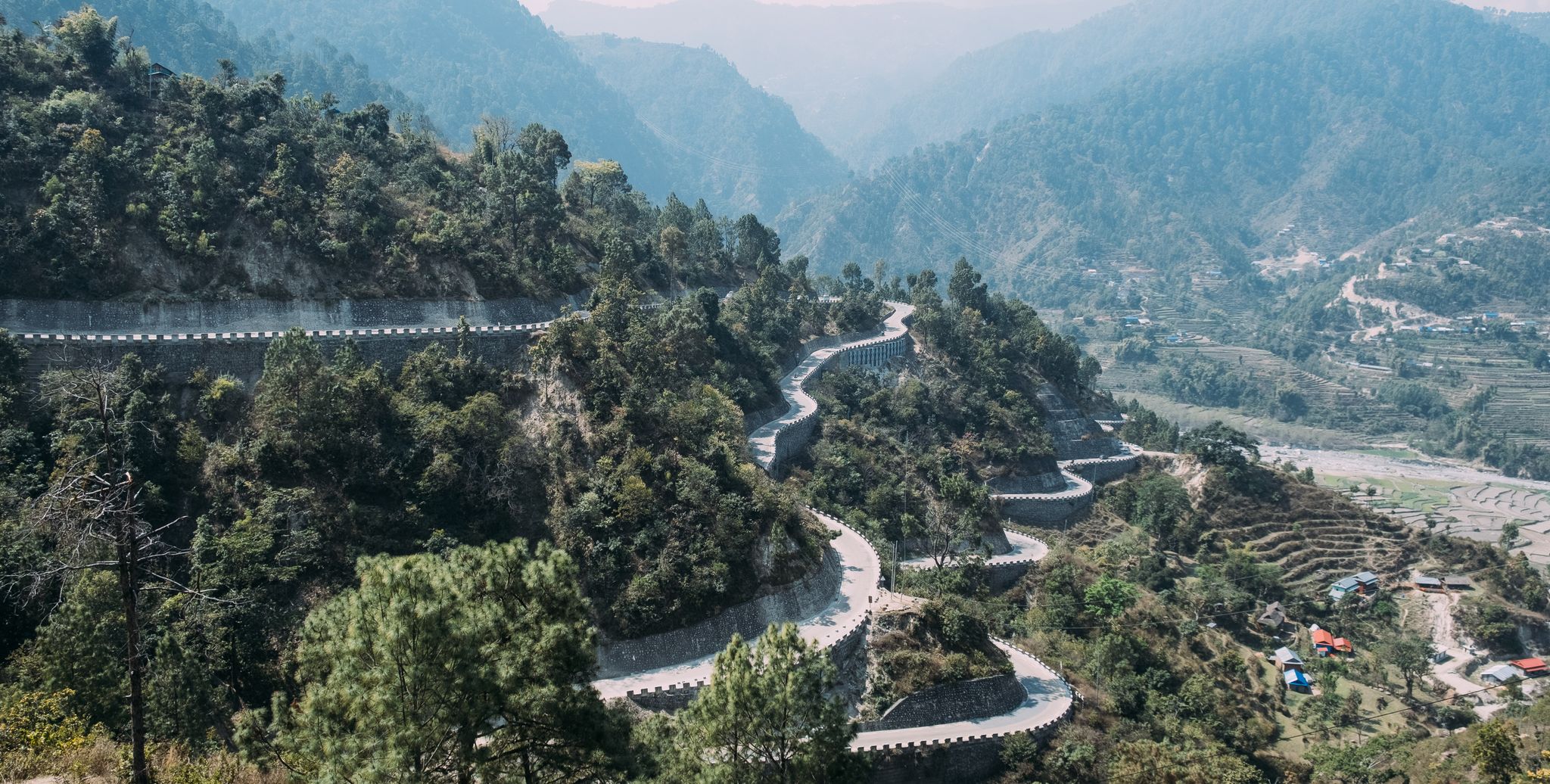
An unforeseen incredible journey – cycling from India to Nepal
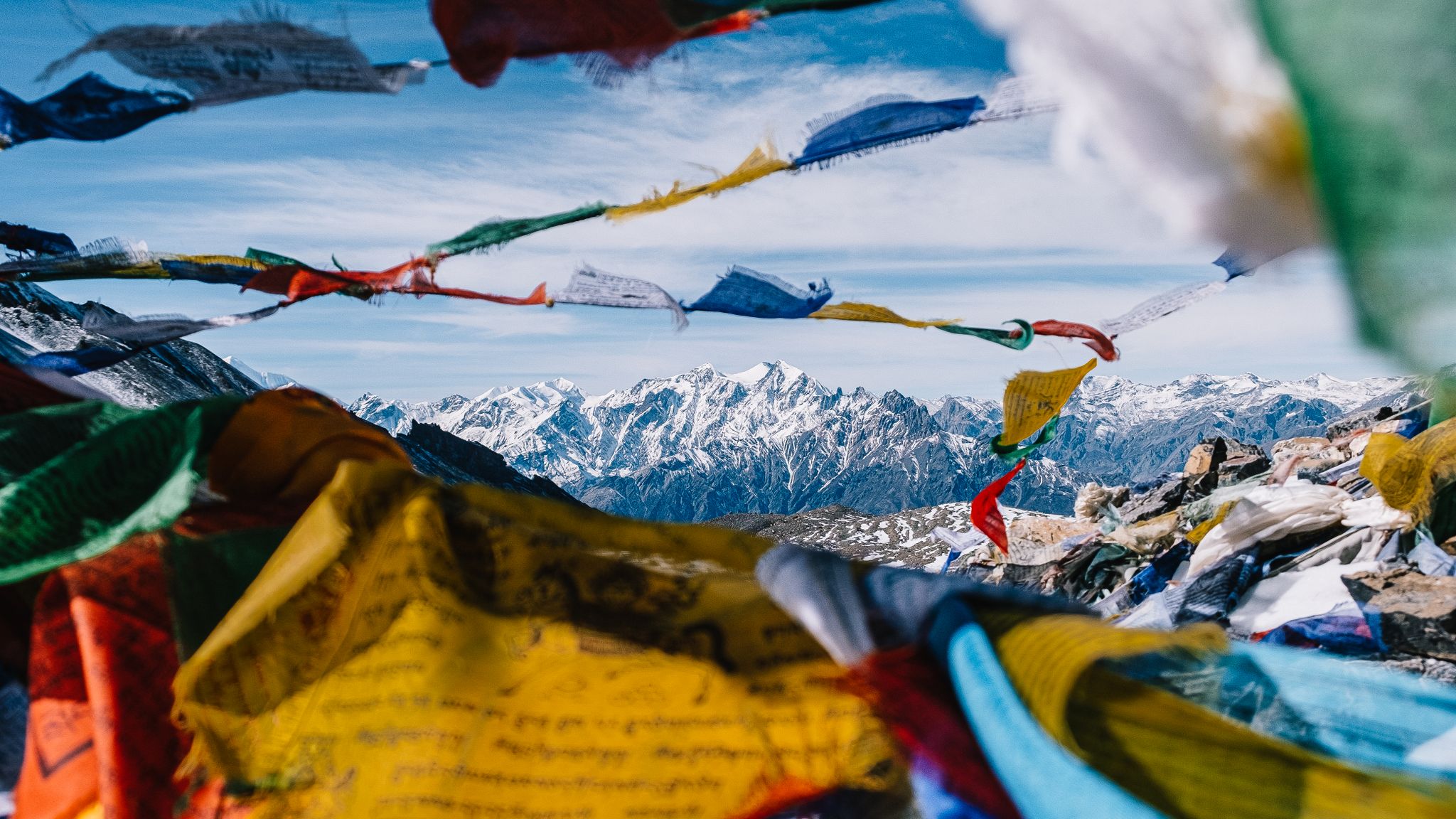
Annapurna Circuit in Nepal – Bikepacking the roof of the world
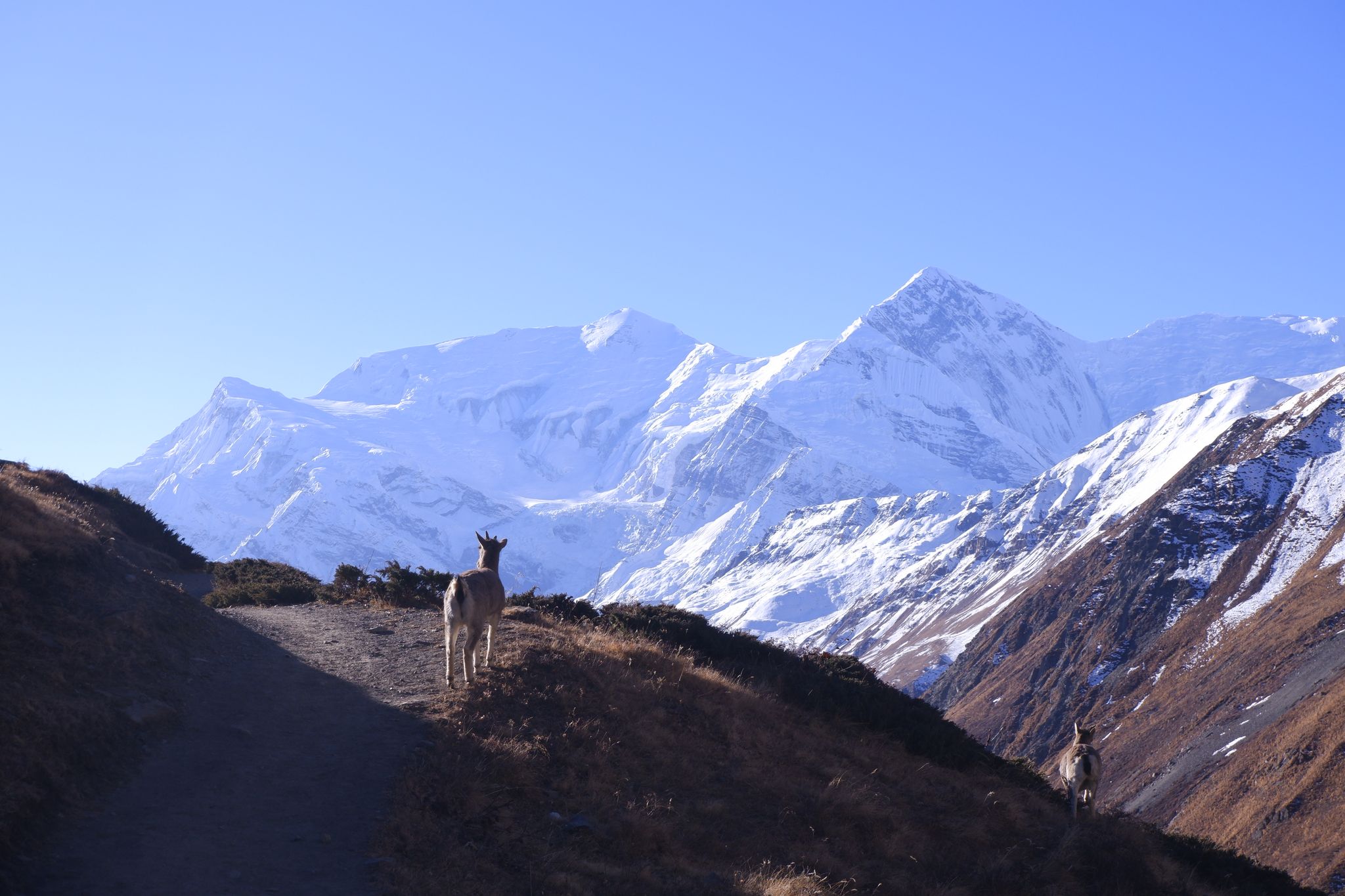
Annapurna Circuit – History and culture at high altitude in Nepal
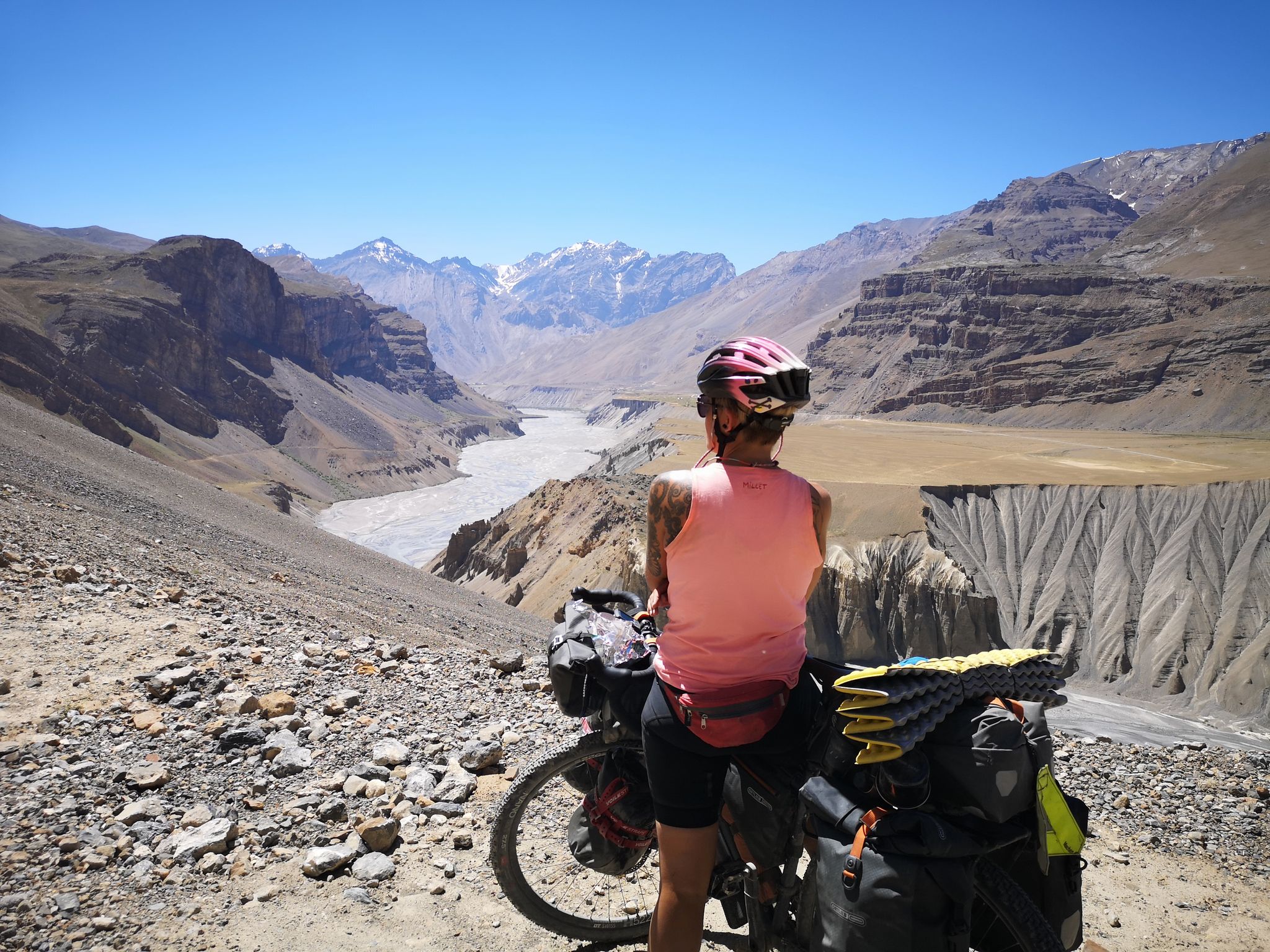
The Spiti Valley – Bikepacking in India
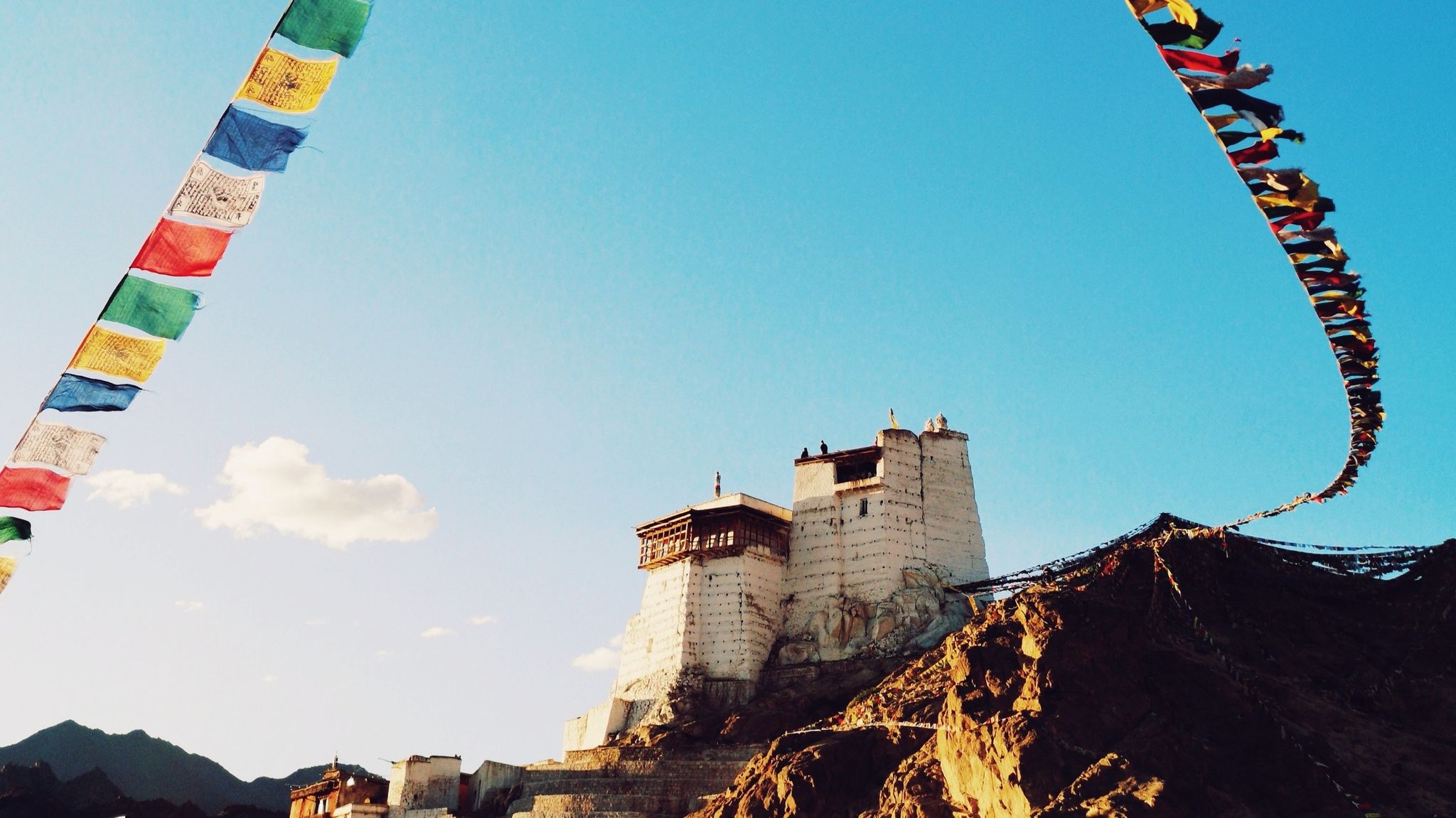
The Leh-Manali Highway – Cycling India
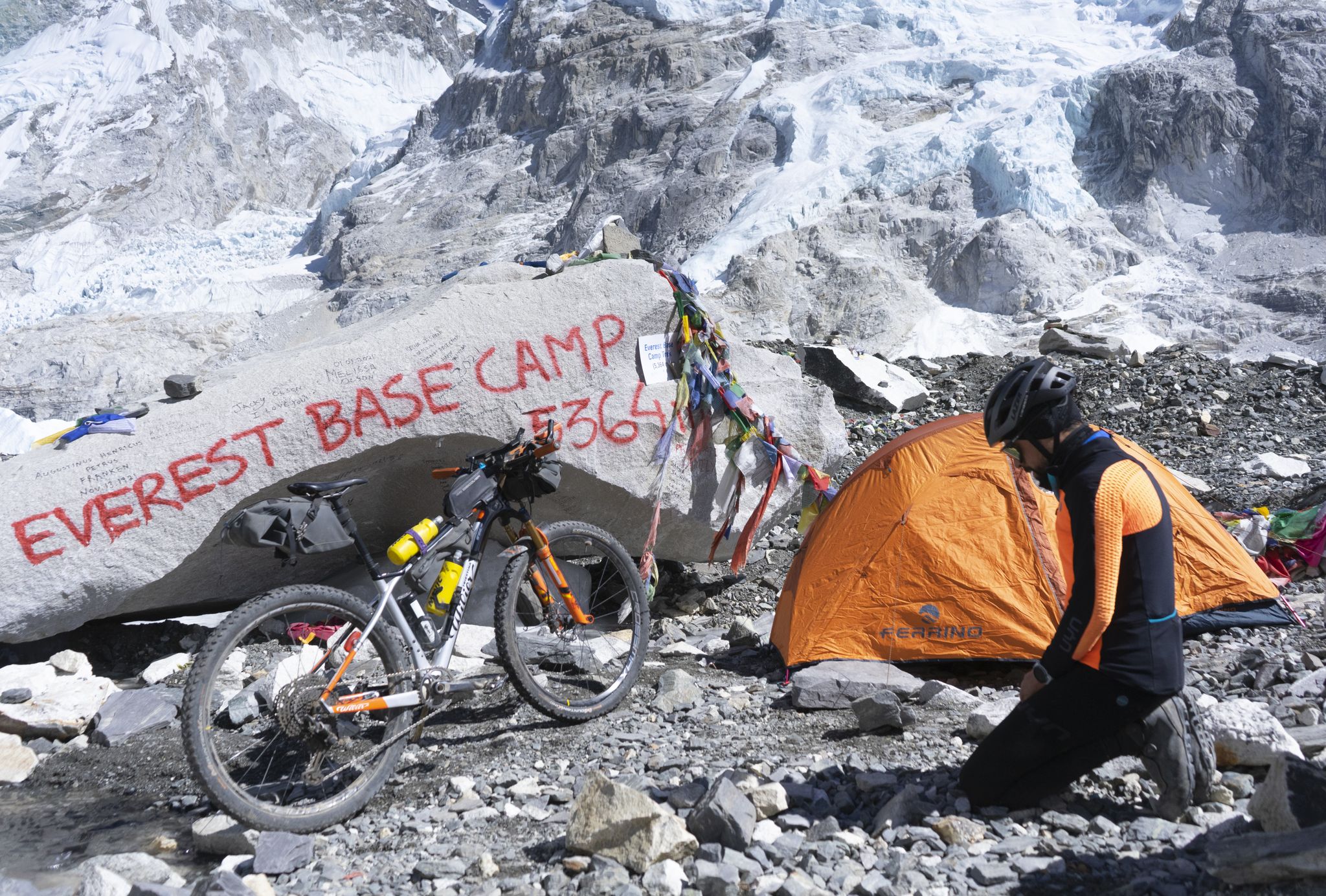
Winter Himalaya: My road to Everest Base Camp at 5364 meters
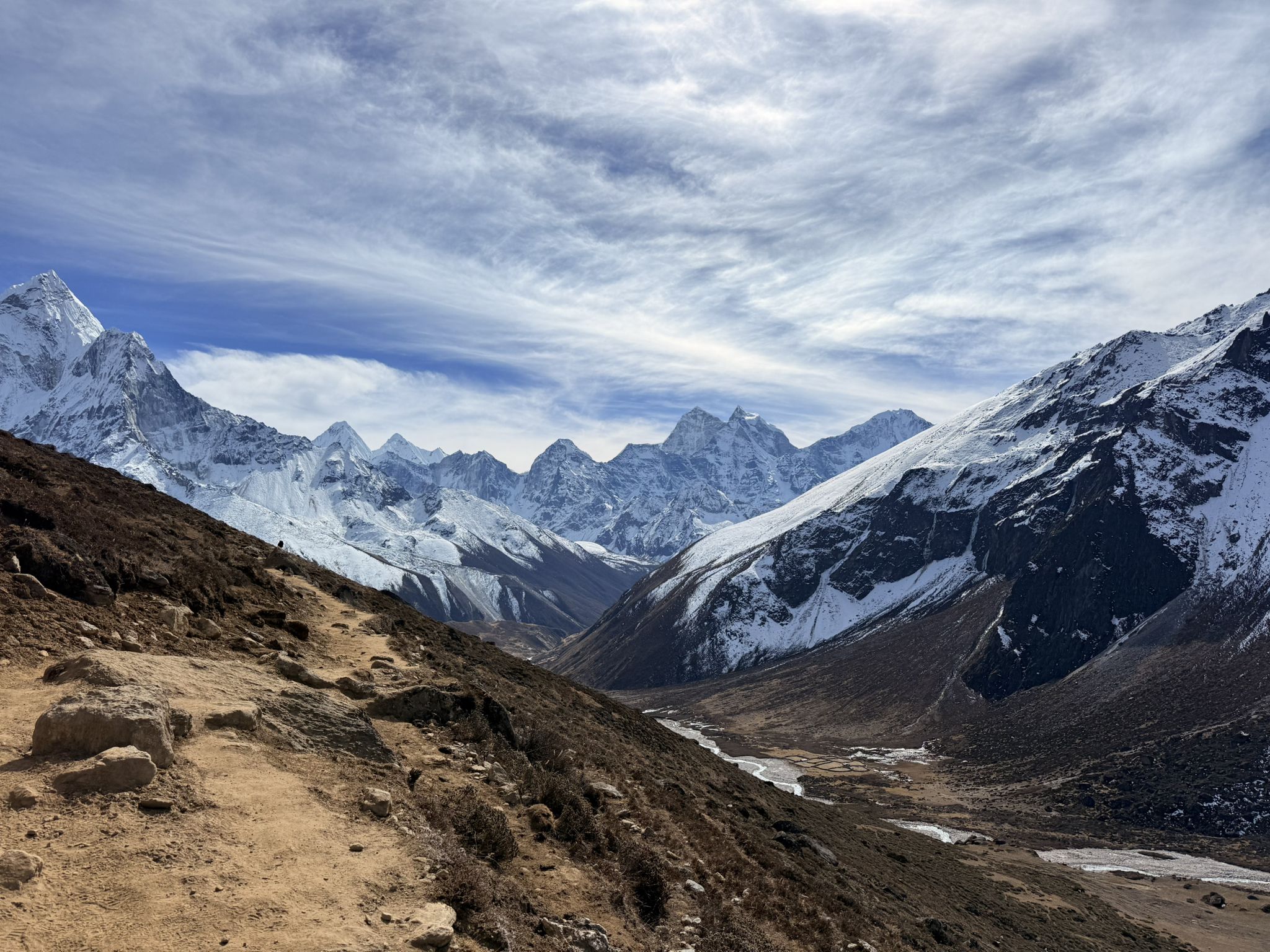
Beneath mighty Everest – fastpacking and running passes in the Khumbu
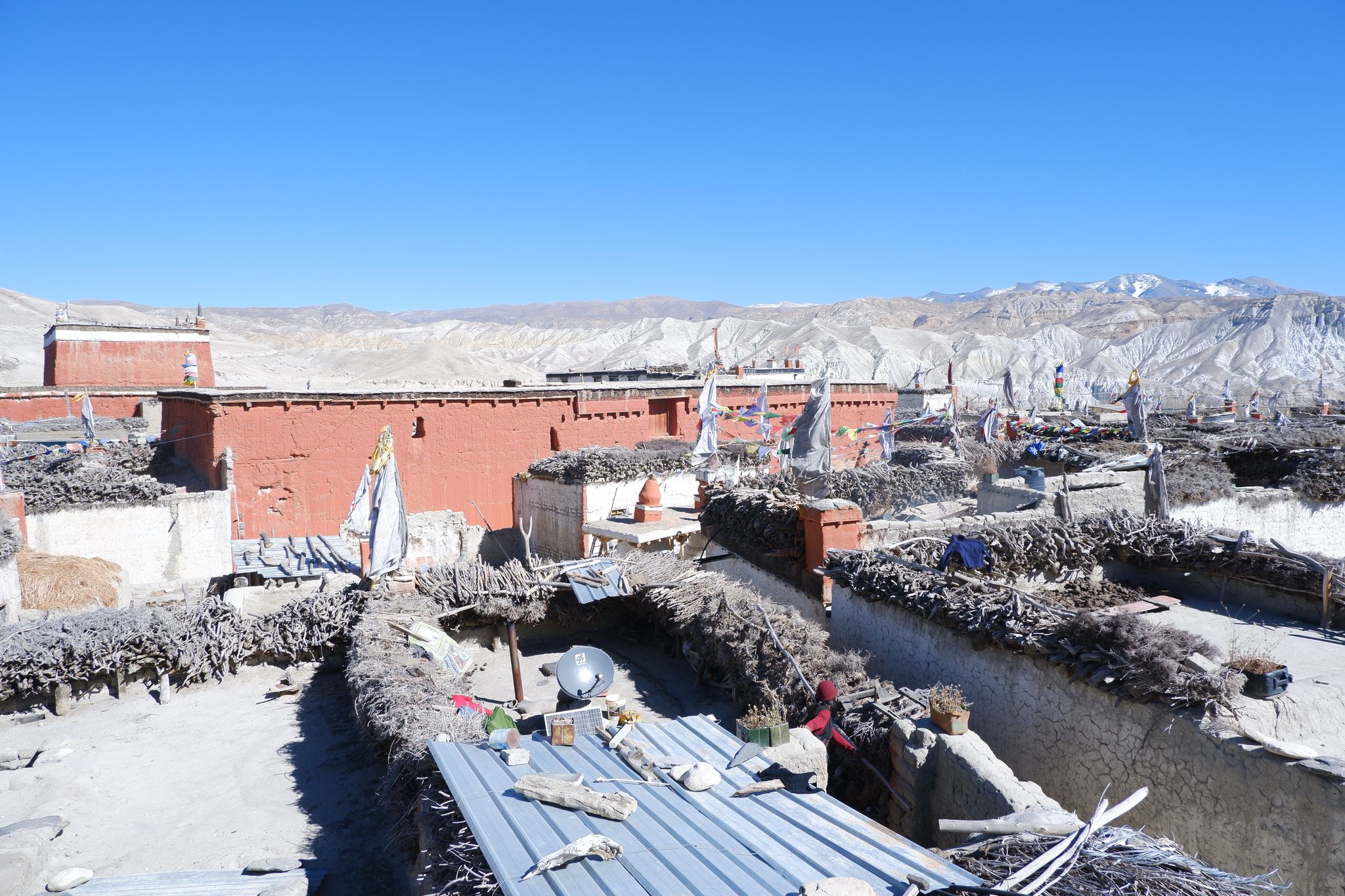
Authentic Nepal – trekking in the history of Mustang
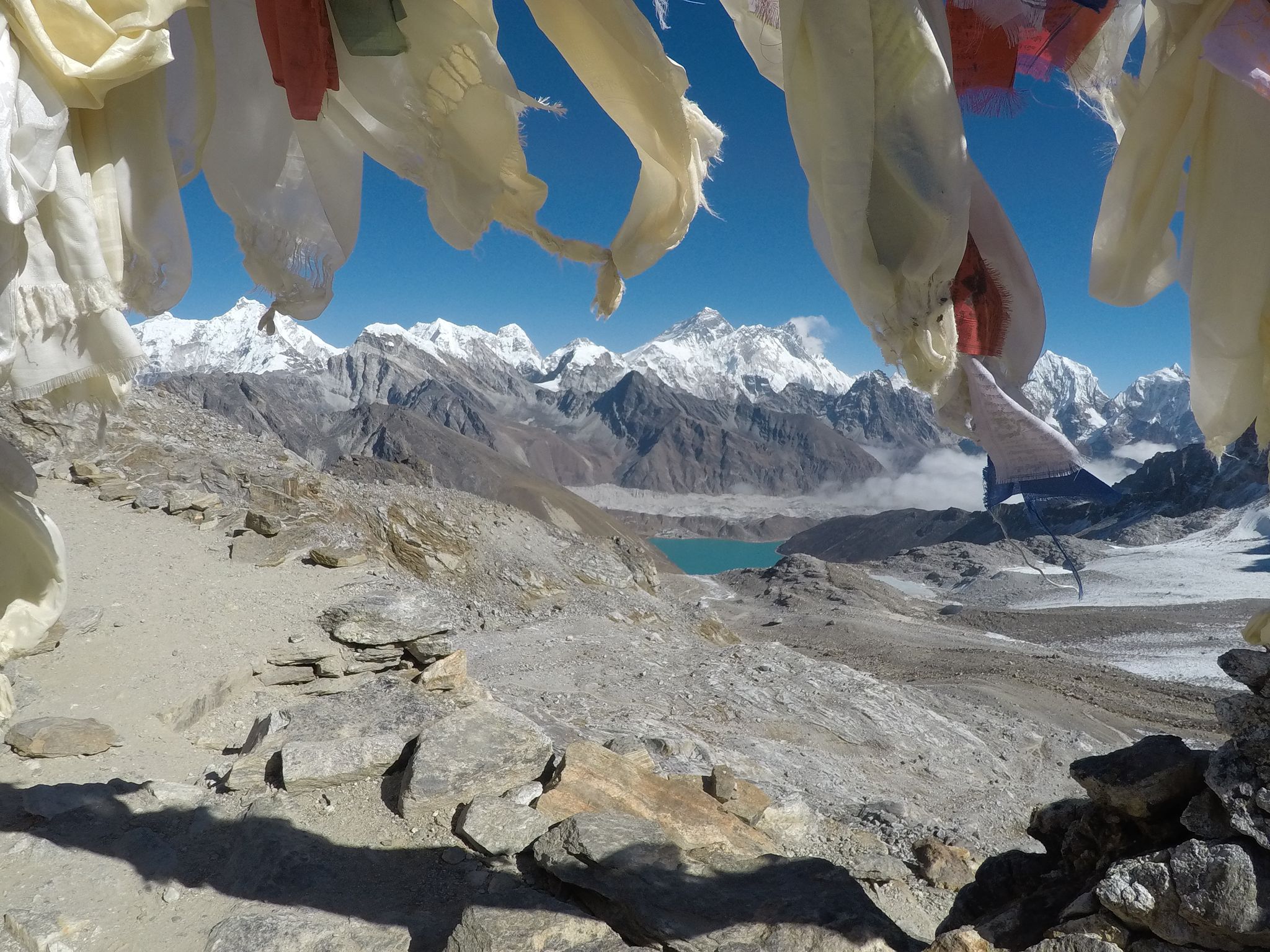
At the foot of Everest – Everest Base Camp with the three passes
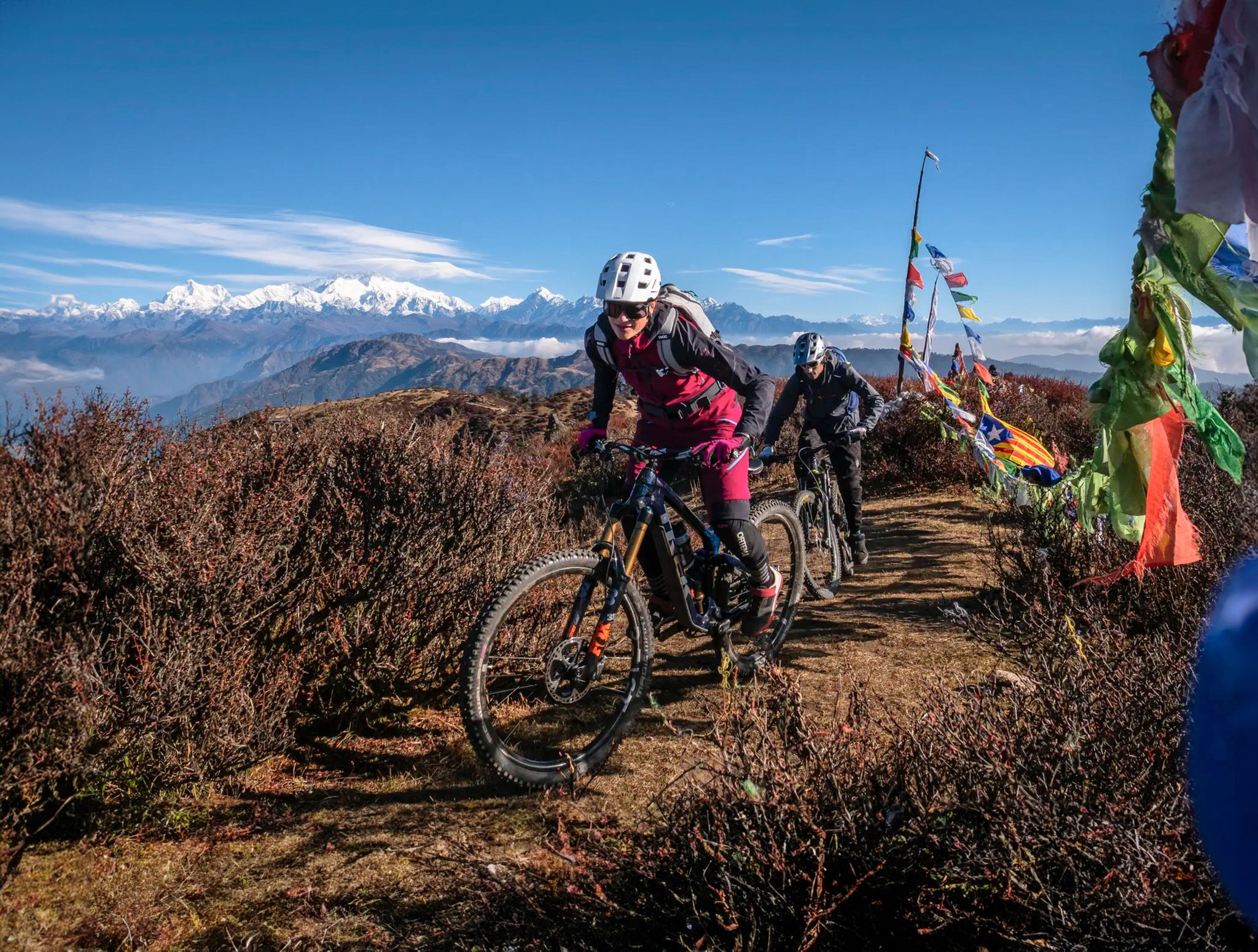
Discover India – an MTB adventure with Steffi Marth


Tips from the Community

Respect for the people who built this road. And respect for the people who use it.
0
0

Before the final climb to the 'Taktsang Palphug Monastery', the path leads down steps into a rock cut. Here, a 100-meter-high waterfall falls deep into the gorge.
2
0

On the way you will find this huge waterfall and many small places of worship.
0
0
One must overcome a steep step to reach the hamlet of Tal on the Marsyangdi River in Manang District. Above the escarpment the valley opens. The river has deposited alluvial material here before it breaks through the narrow section and drops steeply.
1
0
The hamlet of Tal is located on the upper reaches of the Marsyangdi River in Manang District on the border with Lamjung. After a steep step the valley opens; the river has deposited alluvial material before it breaks through the narrow section and drops steeply.
1
0

In this place it is possible to admire the valley of the Kali Ghandaki river, splendid even when the river is dry.
1
0
The road connecting Chame and Pisang is an engineering jewel. In fact, the road, which passes near the Marsyangdi River, was carved into the rock.
1
0
The 'Landslide Area' is an area of possible landslides. In this part you have to be very careful, and it is advisable to walk these twenty minutes in a group or with a guide. In fact, especially in the late afternoon there is the possibility that some stones may fall onto the path. In this section you must walk with a brisk and confident pace.
0
1
Frequently Asked Questions
What are some of the most impressive gorges in the Himalaya region?
The Himalaya region is home to several spectacular gorges. Notable ones include the Kali Gandaki Gorge in Nepal, renowned as one of the deepest in the world, separating the massive peaks of Dhaulagiri and Annapurna I. Another significant feature is the Marsyangdi Gorge, which offers a challenging ascent through canyon-like terrain. Visitors also appreciate the dramatic scenery around the Landslide Area Trail to Thorong Phedi, known for its demanding ascent and beautiful views.
What kind of natural features can I expect to see in the Himalayan canyons?
You can expect to encounter a diverse range of natural features. Many canyons are carved by powerful rivers, leading to impressive waterfalls like the Temple and waterfalls in the Annapurna Conservation Area, where the river cuts deep into the rock. Suspension bridges, such as the Dudh Koshi Suspension Bridge at Phunki Thanga (3,300 m), often span these gorges, offering unique vantage points. The geological formations are immense, with canyon walls rising thousands of meters, showcasing the sheer scale of the Himalayan range.
Are there opportunities for trekking or hiking near these canyons?
Yes, the Himalaya region offers extensive trekking and hiking opportunities. For instance, you can find numerous routes for hiking in the Himalaya, including challenging trails like the Landslide Area Trail to Thorong Phedi. The Kali Gandaki Gorge, for example, is part of an 18-day circuit on the southeastern flank of Dhaulagiri. There are also specific waterfall hikes that allow you to explore the dramatic landscapes where rivers carve through the mountains.
What is the difficulty level of exploring canyons in the Himalaya?
Exploring canyons in the Himalaya can range from intermediate to challenging. Many trails, such as the Landslide Area Trail to Thorong Phedi and the Marsyangdi Gorge Ascent to Tal, involve demanding ascents, often in thin air due to high altitudes. Some areas, like the Chamje Khola canyon, are known for extreme canyoning. It's advisable to be prepared for strenuous conditions and potentially loose terrain.
What outdoor activities, besides hiking, can I do near the Himalayan canyons?
Beyond hiking, the region offers a variety of outdoor activities. White-water rafting is popular in rivers like the Zanskar River, which features strong Grade IV rapids. For cyclists, there are many routes for cycling in the Himalaya that traverse scenic roads and valleys. Some areas also offer extreme canyoning experiences for thrill-seekers.
Are there any family-friendly options for visiting canyons in the Himalaya?
While many Himalayan canyons present challenging terrain, some areas offer more accessible experiences. For instance, the Dudh Koshi Suspension Bridge at Phunki Thanga (3,300 m) provides an impressive view of a gorge with a rest stop, which can be part of a less strenuous day trip. Viewing platforms are also available at places like Tiger Leaping Gorge, offering dramatic views without requiring extensive trekking.
What do visitors enjoy most about the canyons in the Himalaya?
Visitors frequently praise the unparalleled natural beauty and the sheer scale of the geological formations. The breathtaking scenery, from towering canyon walls to powerful rivers and impressive waterfalls, is a major draw. Many also appreciate the sense of adventure and the unique cultural immersion found amidst the dramatic landscapes, often highlighted by the challenging yet rewarding trails and the serene atmosphere at viewpoints like the Temple and waterfalls in the Annapurna Conservation Area.
What is the best time to visit the Himalayan canyons?
The best time to visit Himalayan canyons generally depends on the specific activity and region. For trekking and rafting, the spring (March to May) and autumn (September to November) seasons typically offer the most favorable weather with clear skies and moderate temperatures. During monsoon season (June to August), rivers are high and trails can be slippery, making some areas more challenging or inaccessible. Winter offers unique experiences like the Chadar Trek on the frozen Zanskar River, but requires specialized gear and experience.
Can I see wildlife in the Himalayan canyons?
Yes, Himalayan canyons are part of diverse ecosystems and can offer opportunities to spot wildlife. The Yarlung Tsangpo Grand Canyon, for example, is known for its incredible biodiversity. While specific sightings depend on the location and time of year, the remote and varied environments of these gorges support a range of flora and fauna, from high-altitude birds to various mammal species.
Are there any specific villages or settlements located within or near these gorges?
Yes, several settlements are nestled within or near these dramatic landscapes. For instance, the hamlet of Tal, located on the Marsyangdi River, opens up after a steep ascent through the gorge, offering a beautiful town with garden lodges. The Tal Village and the Marsyangdi River Valley is a notable example where the valley widens, providing a unique setting amidst the rugged terrain.
What are some geological highlights of the Himalayan gorges?
The geological highlights of Himalayan gorges are truly spectacular. They are characterized by immense depths, with canyon walls rising thousands of meters, carved by powerful rivers over millennia. The Kali Gandaki Gorge, for instance, is a significant geographical feature that splits the Himalayas. You'll observe dramatic rock formations, evidence of ancient river erosion, and the sheer scale of the mountains, as seen in areas like the Landslide area (Pine Trail, Annapurna Conservation Area).
Most popular routes in the Himalaya
Most popular attractions in the Himalaya

Get inspired with the komoot mobile app


Explore more
Already discovered everything in this region? See additional gorges in the Himalaya for your next adventure:
