The 20 Most Amazing Peaks in the Himalaya
Best mountain peaks in the Himalaya are part of the world's highest mountain range, home to numerous majestic peaks. The region features over a hundred peaks surpassing 7,200 meters, including ten of the world's fourteen eight-thousanders. These mountains offer diverse experiences, from challenging mountaineering to spiritual quests and scenic beauty. The Himalayas are also known for their rich cultural and spiritual significance, with many communities preserving distinct traditions and worshipping the mountains as sacred.
Best mountain peaks in the Himalaya
- The most popular mountain peaks include Thorong La Pass, a mountain pass that connects the Manang area to that of Mustang. Positioned at an altitude of 5,416 meters, it offers views over the Himalayan Annapurna mountains.
- Another must-see spot is Annapurna Base Camp, a summit and base camp. Visitors can expect a majestic 360-degree view of the Annapurna range, Hiuchuli, and Machhapuchhre.
- Visitors also love Poon Hill Viewpoint, a viewpoint located at an altitude of 3,200 meters. From here, it is possible to admire the Annapurna range, Dhaulagiri, and Machapuchare, especially at dawn.
- Himalaya is known for its high-altitude passes, challenging summits, and scenic viewpoints. The region offers a variety of mountain peaks to see and explore, catering to different levels of experience.
- The mountain peaks in the Himalaya are appreciated by the komoot community, with 83 highlights, 121 photos, and 93 upvotes.
Last updated: July 11, 2026
Poon Hill Viewpoint
Highlight • Viewpoint
Translated by Google •
Tip by

Thorong La Pass
Highlight • Mountain Pass
Tip by

Sign up now to discover places like this
Get recommendations on the best single tracks, peaks, & plenty of other exciting outdoor places.
Sign up for free
Path through the mountain ridge
Highlight • Trail
Translated by Google •
Tip by

Kongma La Pass
Highlight • Mountain Pass
Translated by Google •
Tip by
Pumori Peak
Highlight • Summit
Tip by

Thapla Pass (3,165 m)
Highlight • Mountain Pass
Translated by Google •
Tip by

Annapurna Base Camp
Highlight • Summit
I highly recommend witnessing the fiery sunrise over the surrounding peaks and Annapurna.
Translated by Google •
Tip by

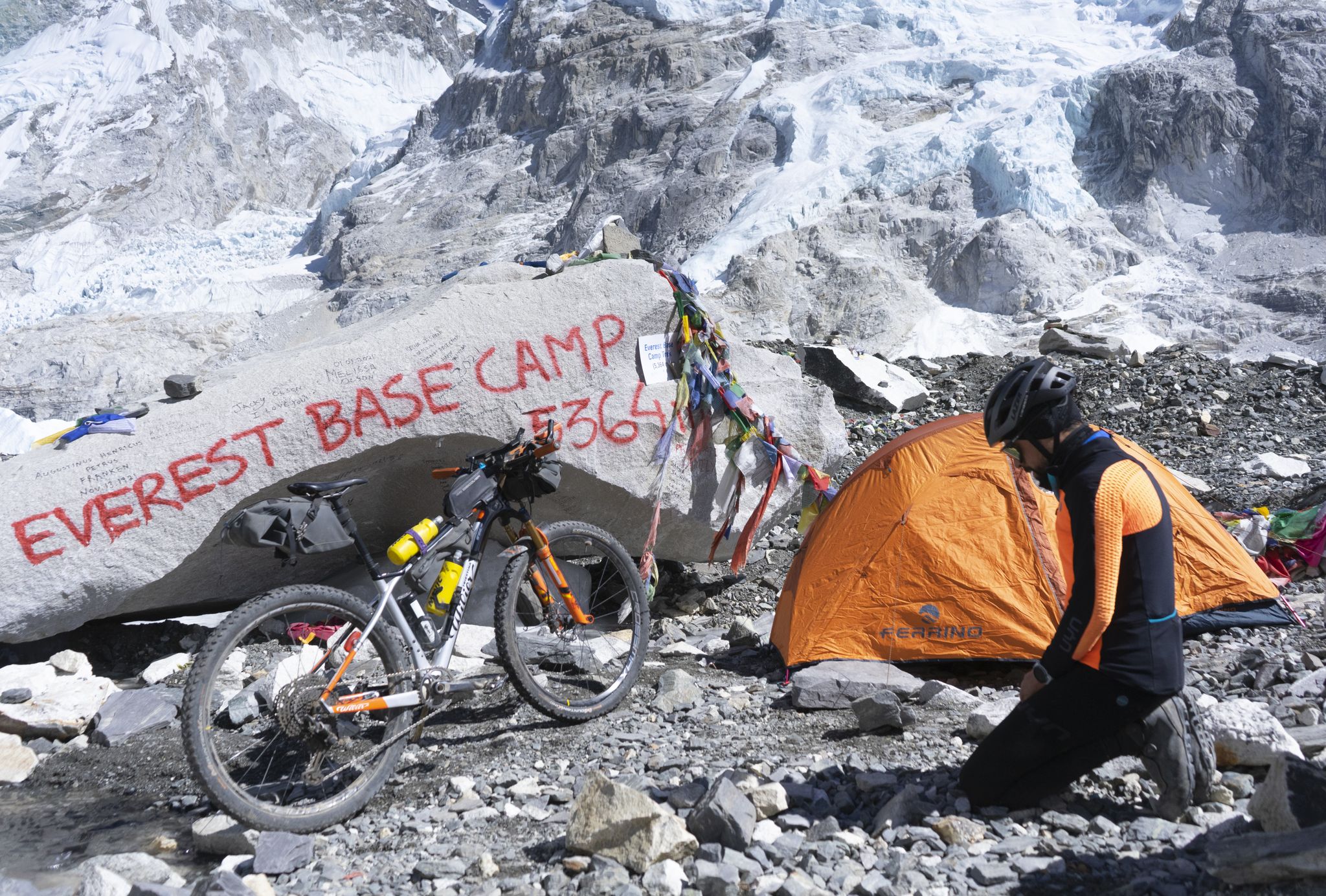
Everest Base Camp
Highlight • Summit
Translated by Google •
Tip by
Mountain Scenery Near Lukla
Highlight • Viewpoint
Translated by Google •
Tip by

View of Annapurna and Dhaulagiri from Ghorepani village
Highlight • Viewpoint
Translated by Google •
Tip by

Sign up for free to discover even more peaks in the Himalaya.
Sign up for free
Already have an account?
Start today with a free account
Your next adventure awaits.
Login or Signup
Popular around Himalaya
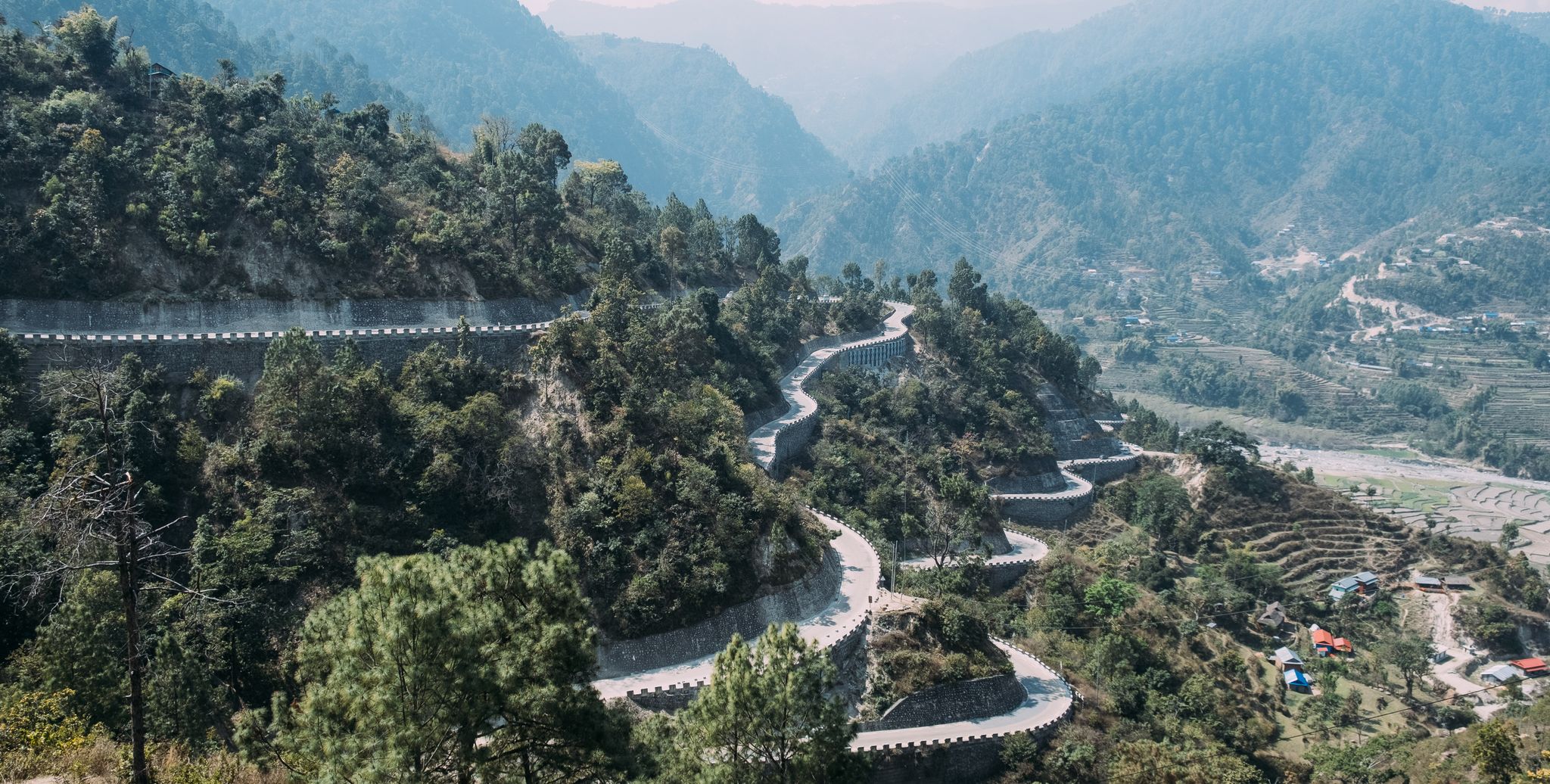
An unforeseen incredible journey – cycling from India to Nepal
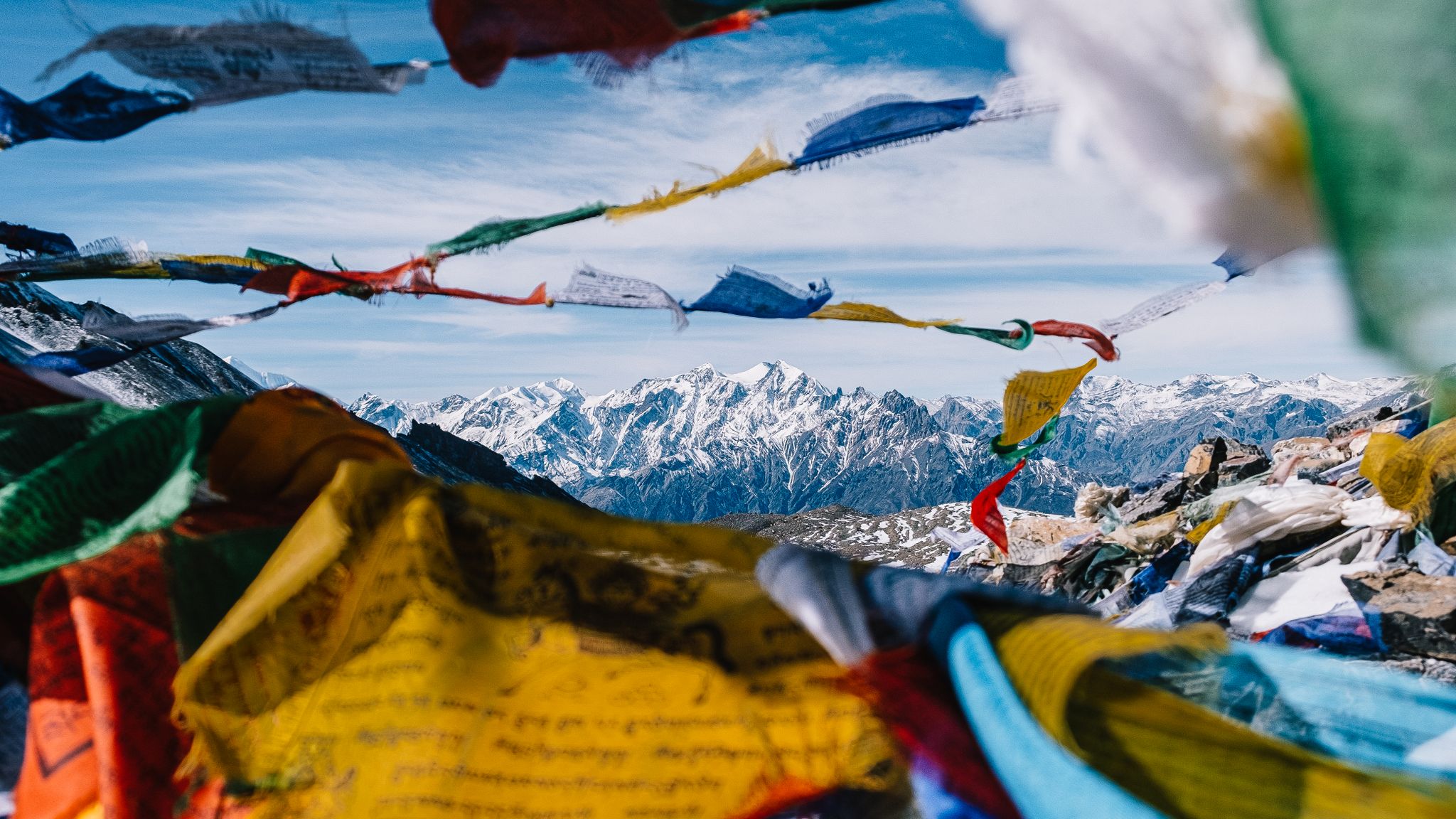
Annapurna Circuit in Nepal – Bikepacking the roof of the world
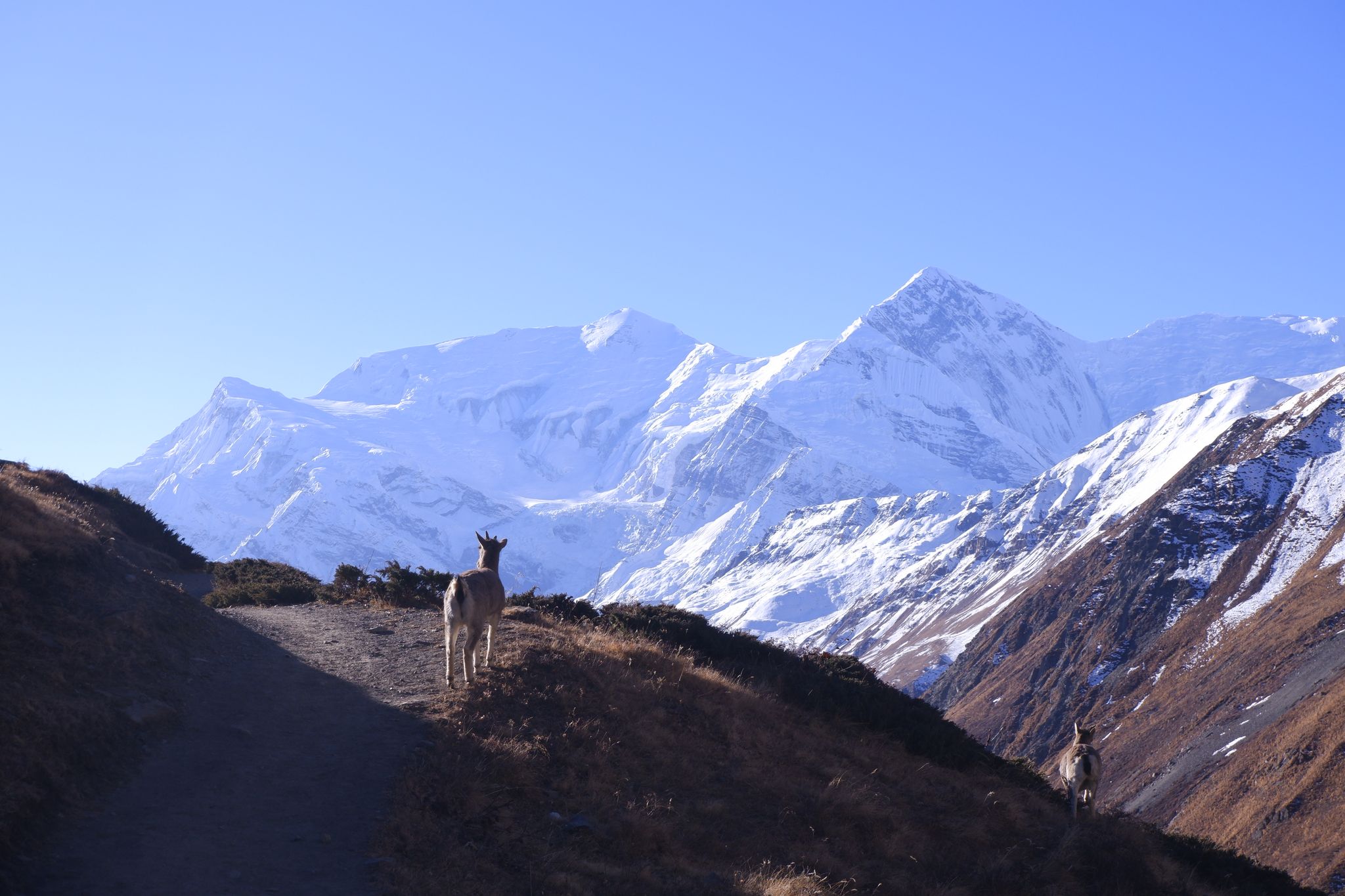
Annapurna Circuit – History and culture at high altitude in Nepal
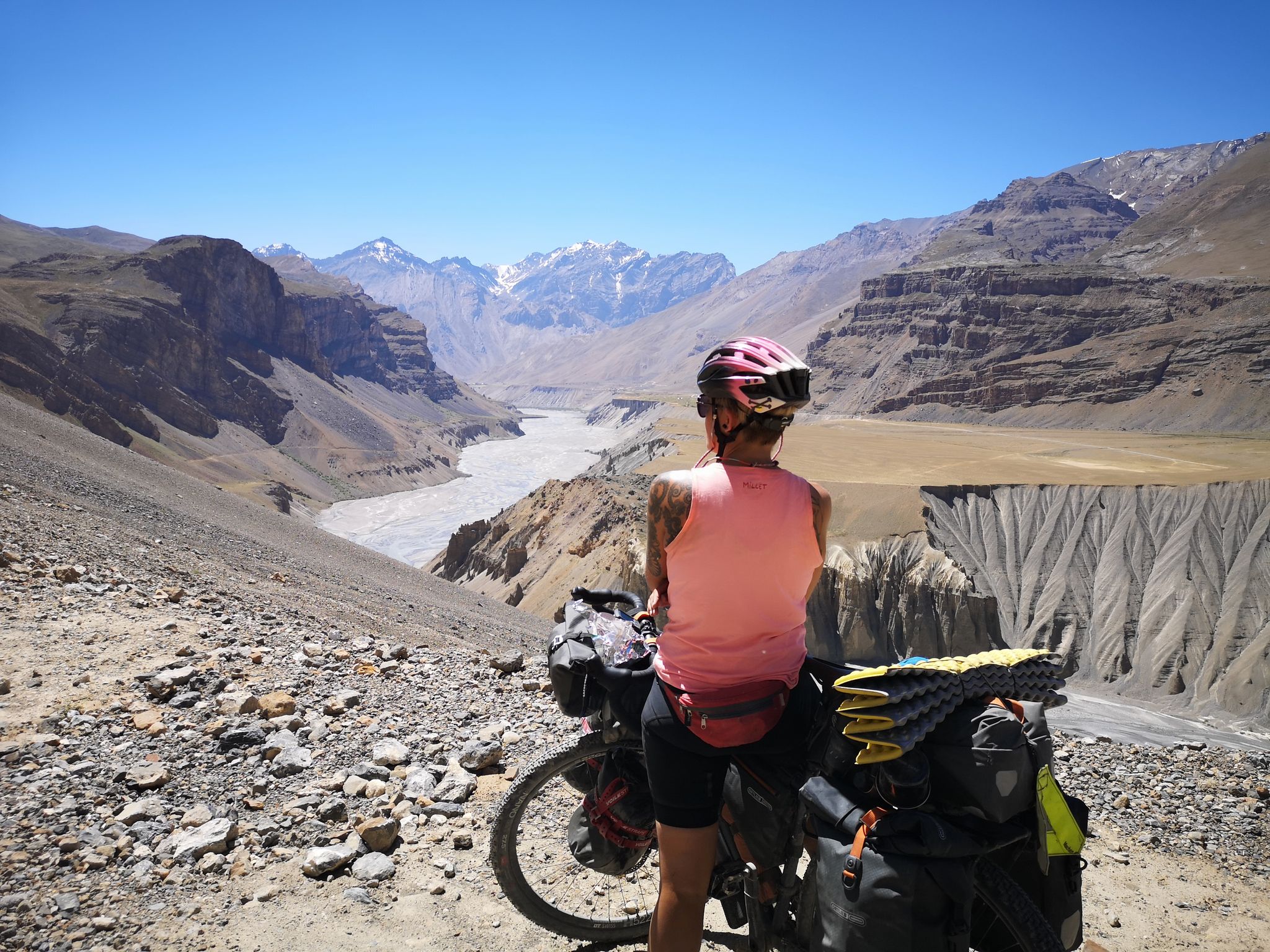
The Spiti Valley – Bikepacking in India
The Leh-Manali Highway – Cycling India
Winter Himalaya: My road to Everest Base Camp at 5364 meters
Beneath mighty Everest – fastpacking and running passes in the Khumbu
Authentic Nepal – trekking in the history of Mustang
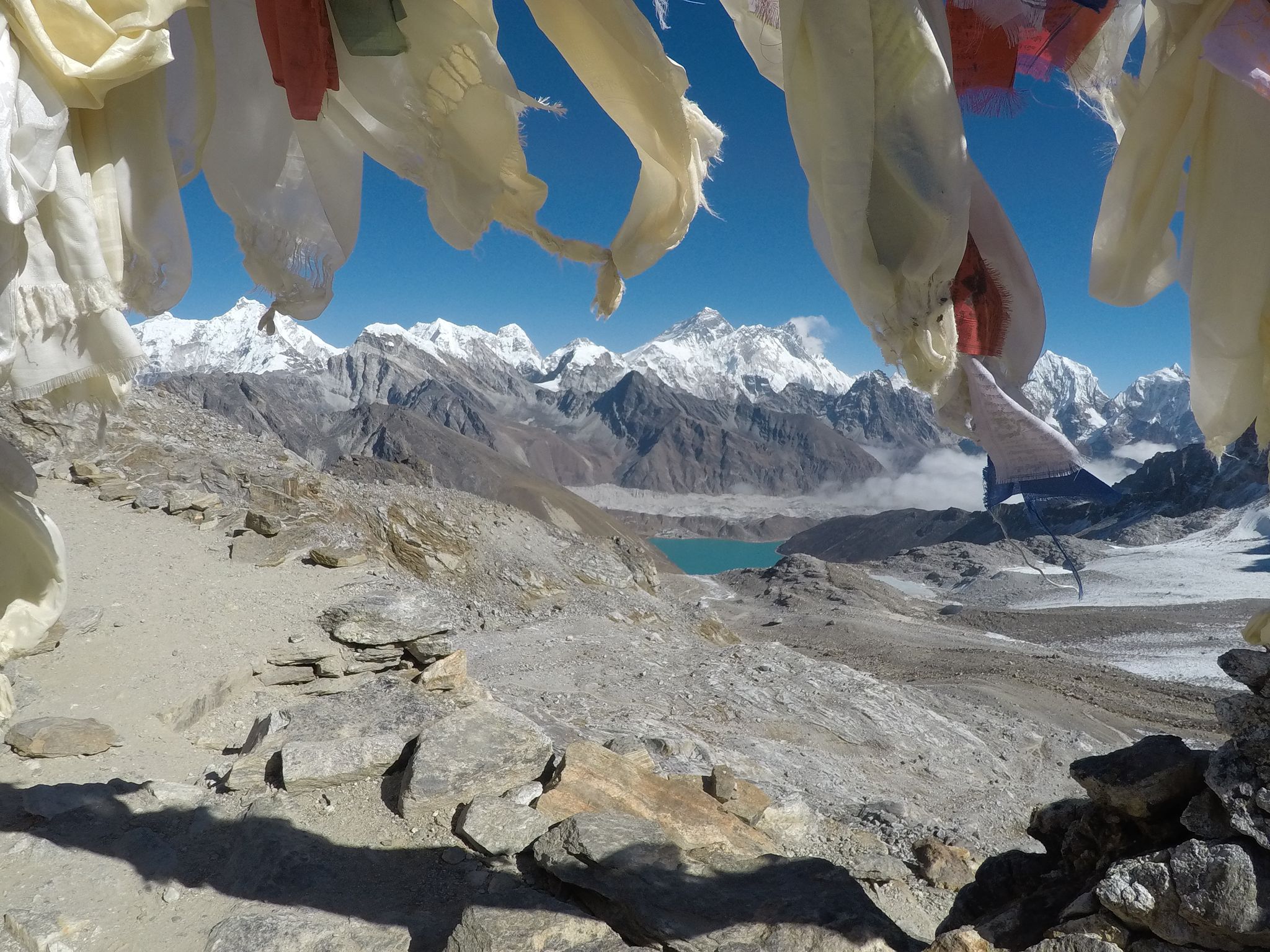
At the foot of Everest – Everest Base Camp with the three passes
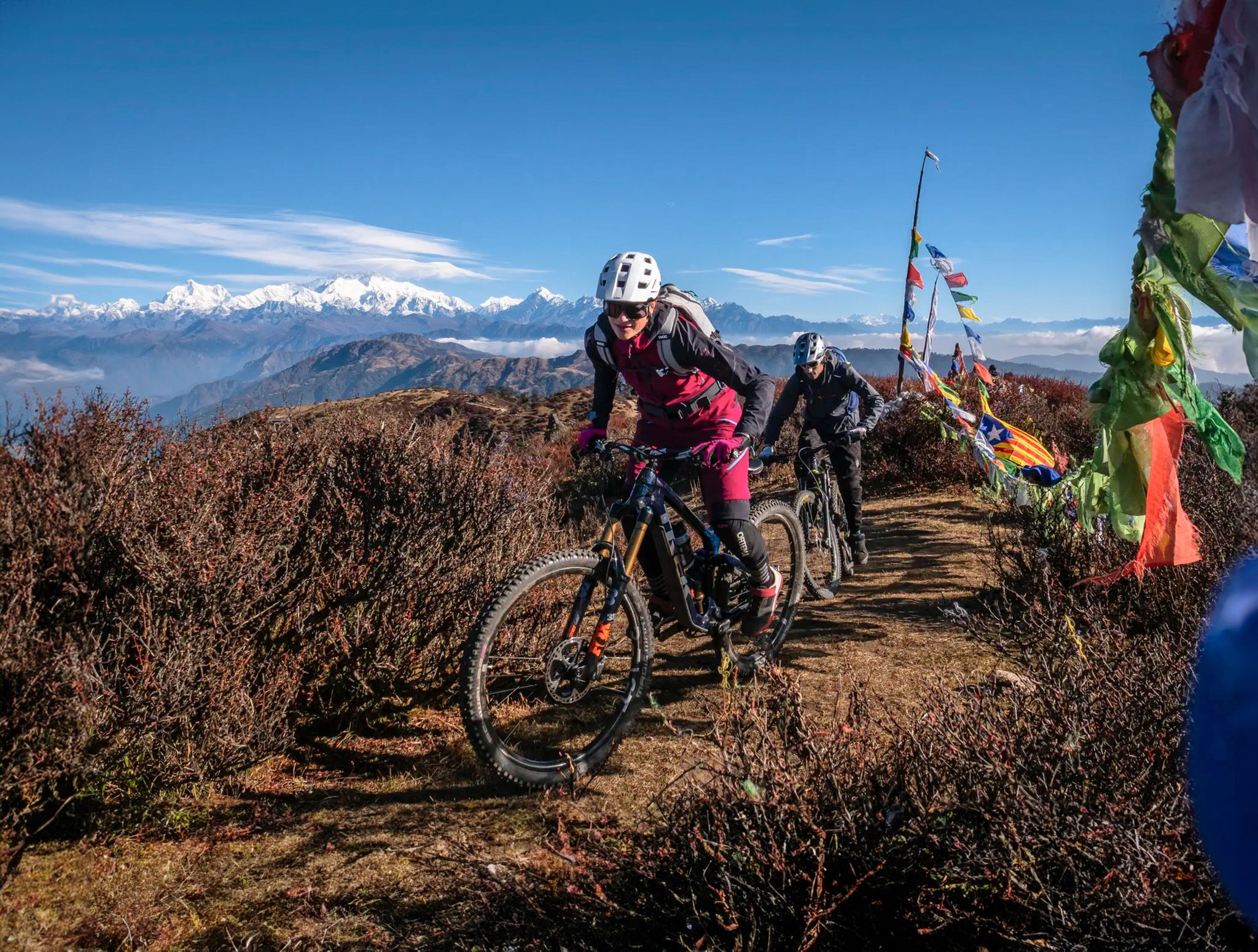
Discover India – an MTB adventure with Steffi Marth


Tips from the Community

The highest pass that can be crossed in the world. It is an experience that will not be forgotten anytime soon.
1
0

Beautiful viewpoint 🤩, the climb from Ghorepani is worth it 👍🏻.
18
0
It's very, very strenuous to hike up there, especially because of the cold, the thin air, and the altitude. But the view is worth it 🤩.
12
0


The view from Ghorepani is a true highlight for any trekker – even before climbing the famous Poon Hill viewpoint, the village of Ghorepani offers impressive views and a very special atmosphere. 🌄 What can you see from Ghorepani? Although Ghorepani lies slightly below Poon Hill, even from the village you have a sweeping view of: Machhapuchhre (Fishtail Mountain) – with its striking shape, particularly beautiful at sunrise or sunset. Annapurna South – one of the dominant peaks in the panorama. Dhaulagiri – visible on clear days, appears mighty and snow-capped in the background. Tukuche Peak – often shrouded in clouds, but impressive. Added to this is the view over the gently rising hill ranges, which range in various shades of green and glow golden-orange in the evening hours. 🌿 The atmosphere in the village Ghorepani lies at an altitude of about 2,850 meters, nestled in dense rhododendron forests that bloom spectacularly, especially in spring (March–April). In the morning hours, the valleys are often shrouded in fog, while the peaks already glisten in the sun – an almost mystical scene. In the evening, the sun slowly sinks behind the mountains, and the village appears like a balcony overlooking the Himalayas. 📷 Tip for photography or quiet moments Those who prefer a cozy atmosphere can take dreamy pictures from the lodge terrace. Many travelers report that Ghorepani itself is one of the most beautiful places in the region – not just because of the view, but also because of the peaceful atmosphere, the hospitality, and the connection between nature and culture.
0
0

An indescribable feeling to reach the pass.
1
0
The highest point of the Annapurna Circuit and also the highest point that can be reached without climbing and without spending a lot of money. We were traveling without a porter or guide. It was a unique experience to cross the pass under our own steam and without assistance.
2
0
Frequently Asked Questions
What are some of the most popular viewpoints in the Himalaya region?
The Himalaya region offers several breathtaking viewpoints. Poon Hill Viewpoint, at 3,200 meters, is highly appreciated for its magnificent dawn views of the Annapurna range, Dhaulagiri, and Machapuchare. Another popular spot is Thorong La Pass, which provides stunning vistas over the Annapurna mountains from 5,416 meters. Visitors also enjoy the View of Annapurna and Dhaulagiri from Ghorepani village, especially at sunrise.
What are the most challenging mountain passes for trekkers in the Himalaya?
For experienced trekkers, the Himalaya presents several challenging mountain passes. Thorong La Pass, at 5,416 meters, is a significant challenge on the Annapurna Circuit, known for its strenuous climb due to cold, thin air, and altitude. Another demanding pass is Kongma La Pass, which also offers a challenging experience for those seeking high-altitude adventure.
Are there any famous base camps in the Himalaya that can be visited?
Yes, two of the most iconic base camps are accessible to visitors. Annapurna Base Camp offers an immense emotional experience with a majestic 360-degree view of the Annapurna range, Hiuchuli, and Machhapuchhre. The Everest Base Camp (Nepalese side), at 5,364 meters, is a dream destination for many hikers and the starting point for expeditions to the world's highest peak.
What kind of natural features can I expect to see on a trek in the Himalaya?
The Himalaya region is rich in diverse natural features. You'll encounter towering snow-capped peaks, rugged terrains, and lush valleys. Many areas, like the Mountain Scenery Near Lukla, feature mountains still overgrown with trees at 3,000 meters, showcasing nature's adaptability. You can also witness impressive snow slopes and hear avalanches near high-altitude areas like Everest Base Camp.
What outdoor activities are available near the mountain peaks in the Himalaya?
The Himalaya is a paradise for adventure enthusiasts. Besides challenging mountaineering, you can enjoy extensive trekking. For hiking, popular routes include the Mani Stone near Monjo loop or the Annapurna Base Camp loop. Mountain biking is also popular, with trails like the Himalayan Single Track. Other adventure sports in the region include paragliding, rafting, and even ice skating.
Are there any easy day hikes or family-friendly treks in the Himalaya?
Yes, while many Himalayan treks are challenging, there are options for easier day hikes and family-friendly routes. For instance, the Poon Hill Viewpoint loop from Ghorepani is considered an easy hike. Other accessible options include the View of Phewa Lake and Pokhara loop or the Swayambhunath Stupa loop, which offer cultural insights along with scenic beauty.
What is the cultural and spiritual significance of the Himalaya's mountain peaks?
The Himalaya is deeply steeped in ancient spiritual traditions. Many communities, such as the Sherpas, Gurungs, and Tamangs, worship the mountains as sacred beings. Peaks like Kangchenjunga, known as the 'Five Treasures of the Snow,' hold immense spiritual importance. Mount Kailash is revered by Hindus, Buddhists, and Jains as the home of Lord Shiva and the center of the world. This rich cultural tapestry is evident in pilgrimage sites and remote monasteries throughout the region.
What makes the Annapurna region particularly special for visitors?
The Annapurna region is renowned for its stunning scenery and diverse trekking opportunities. It's home to the iconic Annapurna Base Camp, offering panoramic views of the Annapurna range. The region also features the popular Poon Hill Viewpoint, famous for its sunrise vistas. The Annapurna Circuit is a world-famous trek, and the area is known for its lush valleys and the impressive Machapuchare peak.
What are some of the most challenging peaks for mountaineering in the Himalaya?
The Himalaya is home to some of the world's most formidable peaks. Mount Everest is the ultimate challenge, known for its extreme conditions. K2, though technically in the Karakoram, is often associated with the greater Himalayan system and is dubbed the 'Savage Mountain' due to its difficulty. Makalu, with its distinctive pyramid shape, and Nanga Parbat, known as the 'Killer Mountain,' are also among the most difficult and dangerous peaks to climb, attracting elite mountaineers.
What is the best time of year to visit the Himalaya for trekking?
The best time for trekking in the Himalaya generally depends on the specific region and altitude. Typically, the spring (March to May) and autumn (September to November) seasons offer the most favorable weather conditions with clear skies and moderate temperatures, making them ideal for most treks, including those to base camps and high passes. These periods avoid the monsoon rains and the harsh winter cold.
What kind of wildlife can be found in the Himalayan mountain regions?
The Himalayas boast a rich and diverse range of flora and fauna, with many species adapted to high-altitude conditions. The lush valleys and glaciers surrounding peaks like Kangchenjunga are habitats for rare species such as the snow leopard and red panda. This ecological diversity makes the region a focal point for nature lovers and wildlife enthusiasts.
Are there any peaks in the Himalaya that are considered sacred and not climbed?
Yes, several peaks hold deep sacred significance. Machapuchare, meaning 'fish tail' in Nepali and located in the Annapurna Himal, is considered sacred and has never been successfully summited out of respect. Similarly, Mount Kailash is a holy mountain for several religions and is not permitted to be climbed. Nanda Devi, the highest peak entirely within India, has also had its surrounding area closed to travelers to protect its ecological diversity and out of respect.
Most popular routes in the Himalaya
Most popular attractions in the Himalaya

Get inspired with the komoot mobile app


Explore more
See even more amazing summits in the Himalaya with these guides:
