Top 20 Waterfalls in the Himalaya
Waterfalls in the Himalaya are found across a vast mountain range, offering diverse natural features. The region's geology contributes to cascades ranging from significant vertical drops to multi-tiered flows. These natural monuments are often integrated into the local landscape, providing points of interest for exploration. The Himalaya is a prominent geographical area known for its varied terrain and water resources.
Best waterfalls in the Himalaya
- The most popular waterfalls is Enchanted Forest in the Annapurna Conservation Area, a forest…
Last updated: July 11, 2026
Sherpa Stone Steps and Waterfall
Highlight • Waterfall
Translated by Google •
Tip by

Enchanted Forest in the Annapurna Conservation Area
Highlight (Segment) • Forest
Translated by Google •
Tip by

Sign up now to discover places like this
Get recommendations on the best single tracks, peaks, & plenty of other exciting outdoor places.
Sign up for free
Bhagsu Waterfall
Highlight • Waterfall
Translated by Google •
Tip by

Temple and waterfalls in the Annapurna Conservation Area
Highlight • Waterfall
Translated by Google •
Tip by

Neer Garh Waterfall
Highlight (Segment) • Waterfall
Tip by

Waterfalls and Forests in the Annapurna Conservation Area
Highlight (Segment) • Waterfall
Translated by Google •
Tip by
Taktsang Waterfall
Highlight • Waterfall
Translated by Google •
Tip by

Waterfall Before Chamje
Highlight • Waterfall
Showing Translation
Tip by

Waterfall in Annapurna Conservation Area
Highlight • Waterfall
Showing Translation
Tip by
108 Chahara
Highlight • Waterfall
Translated by Google •
Tip by

Sign up for free to discover even more waterfalls in the Himalaya.
Sign up for free
Already have an account?
Start today with a free account
Your next adventure awaits.
Login or Signup
Popular around Himalaya
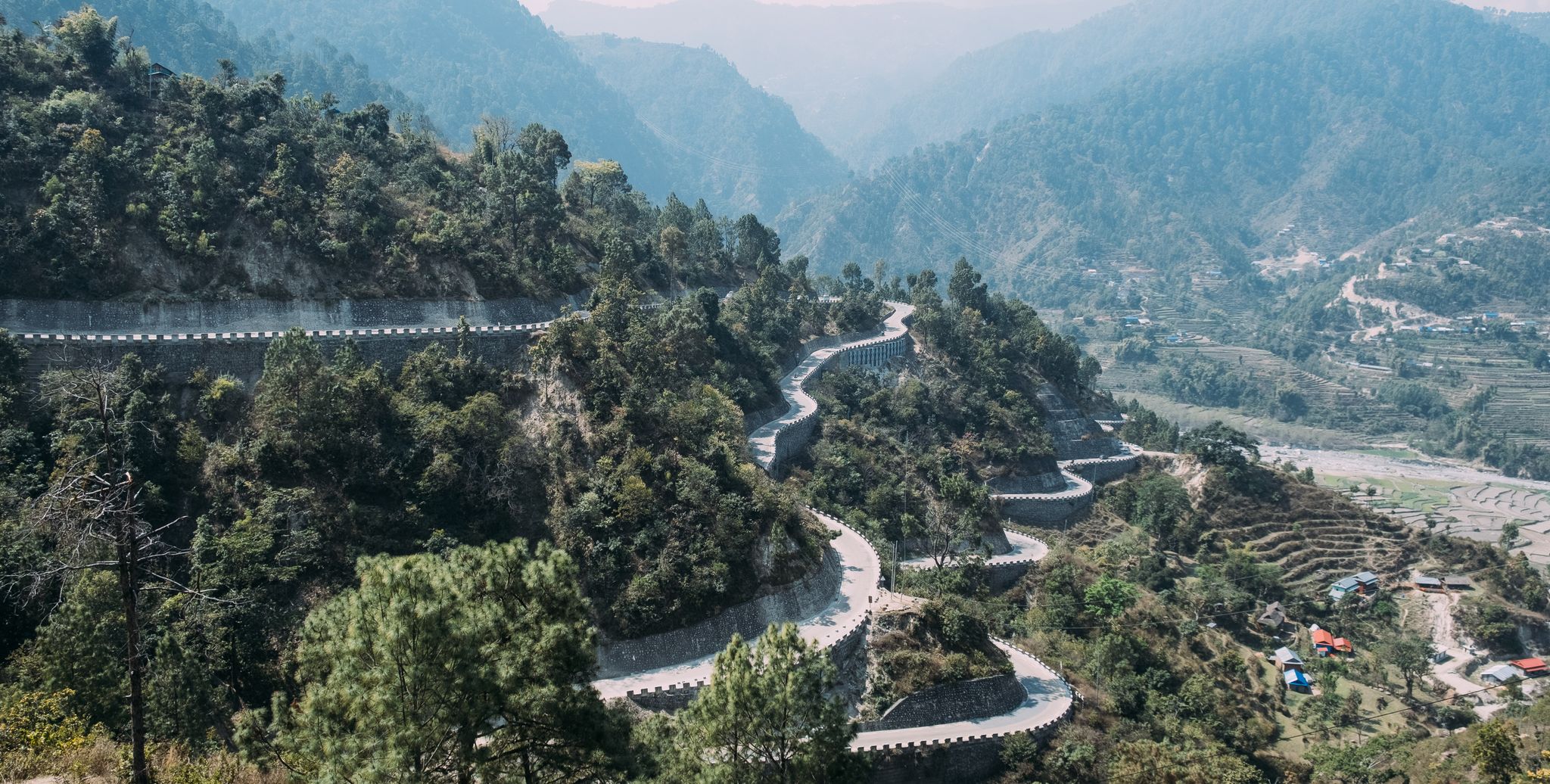
An unforeseen incredible journey – cycling from India to Nepal
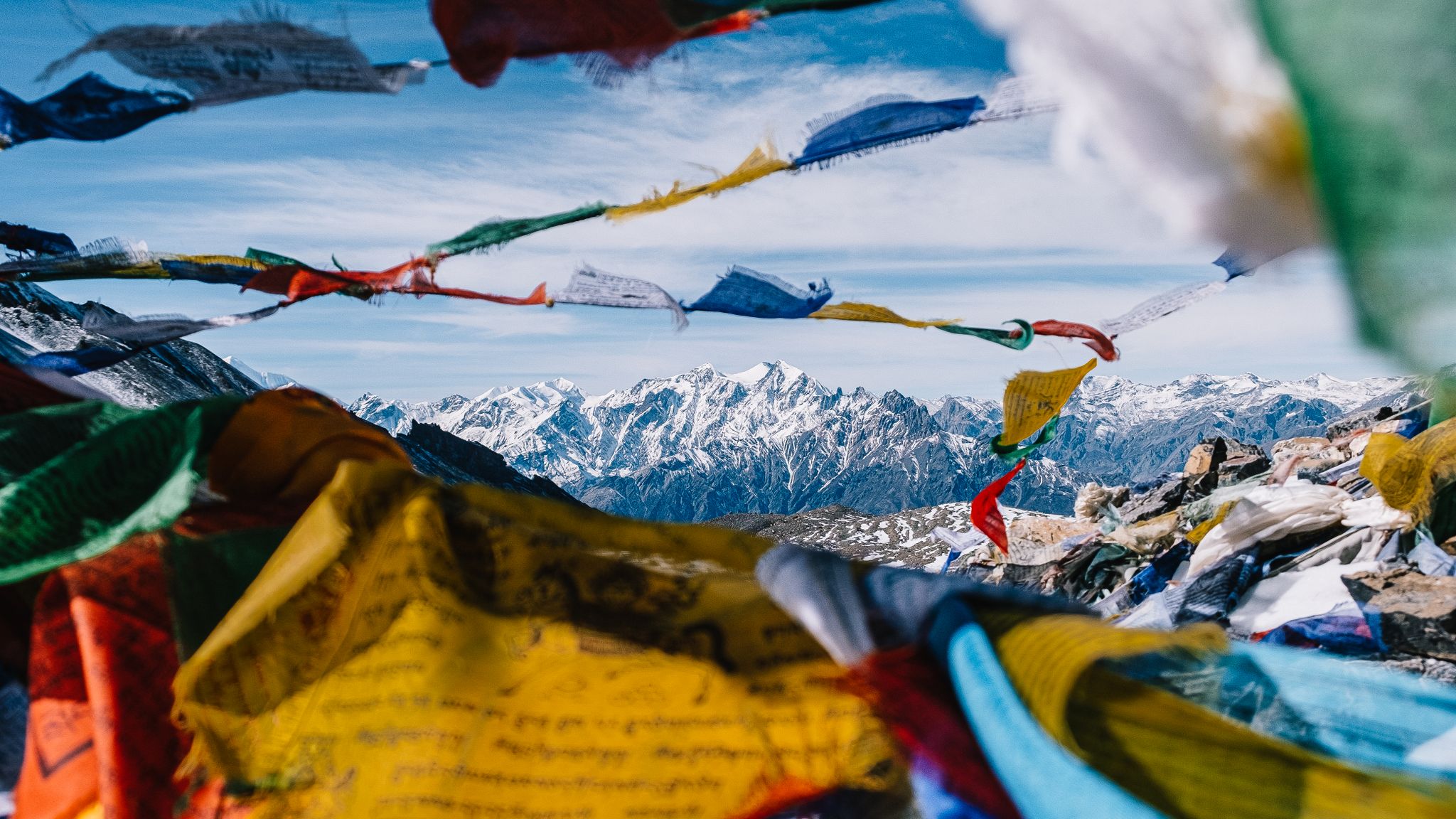
Annapurna Circuit in Nepal – Bikepacking the roof of the world
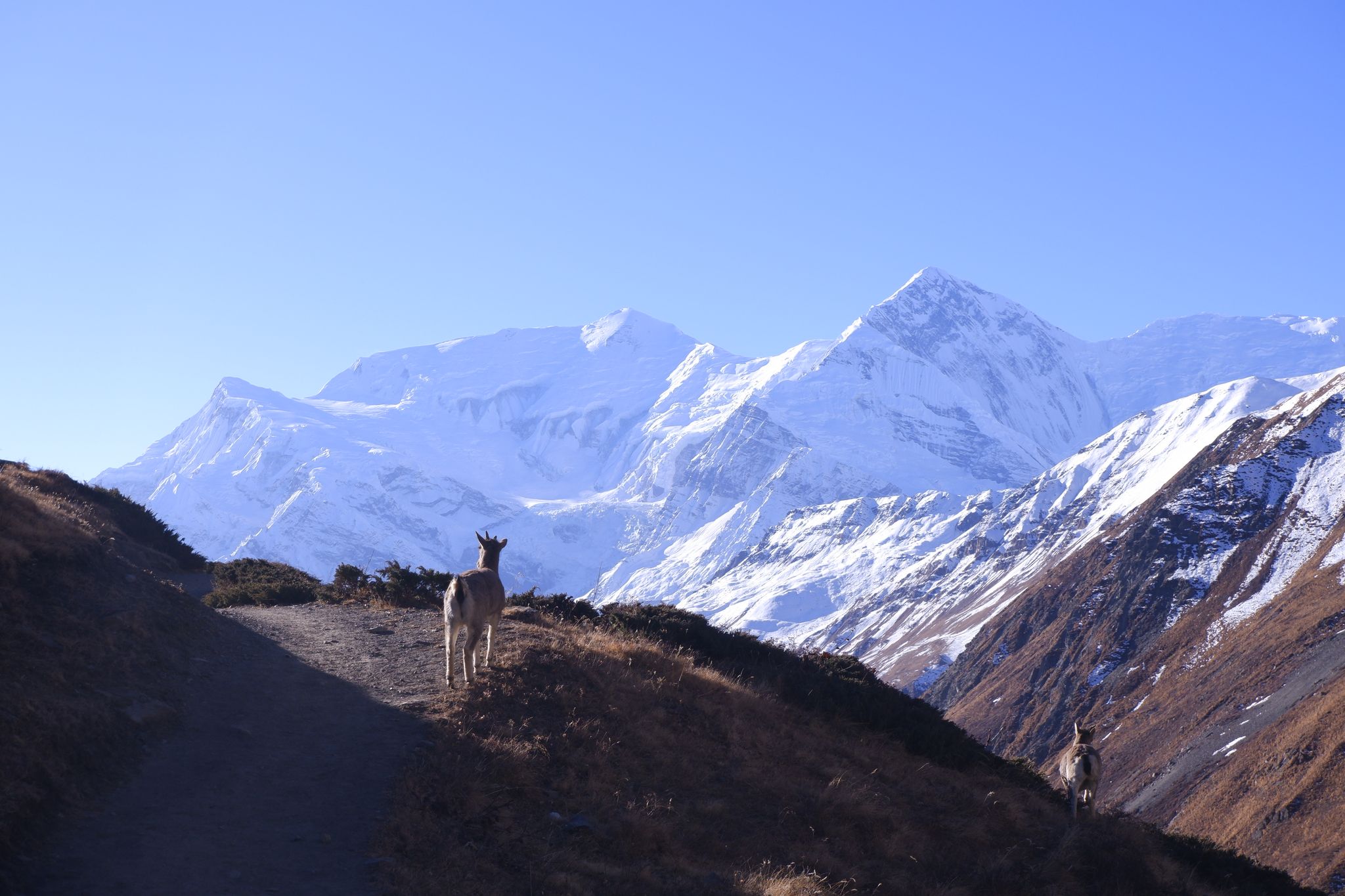
Annapurna Circuit – History and culture at high altitude in Nepal
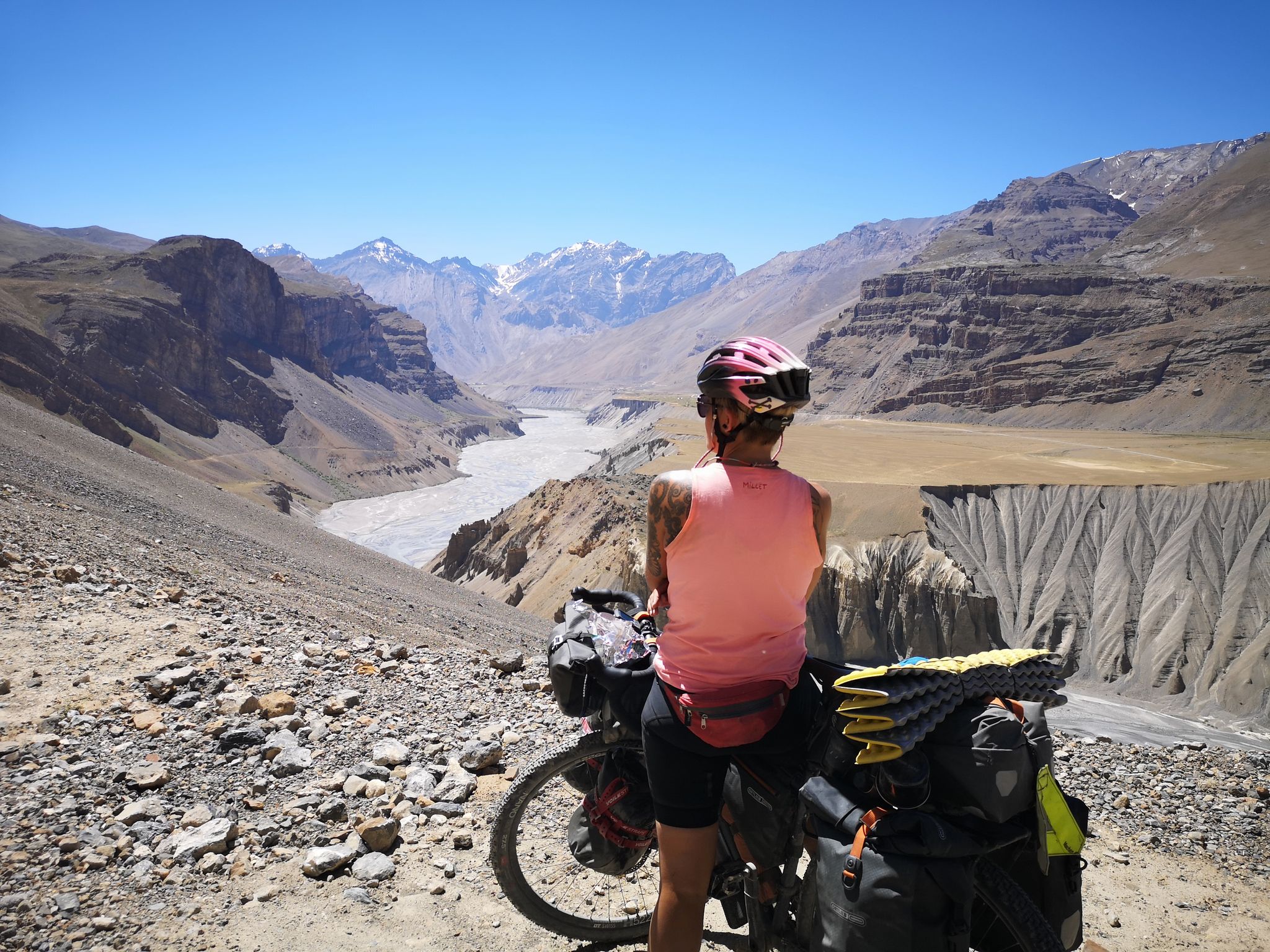
The Spiti Valley – Bikepacking in India
The Leh-Manali Highway – Cycling India
Winter Himalaya: My road to Everest Base Camp at 5364 meters
Beneath mighty Everest – fastpacking and running passes in the Khumbu
Authentic Nepal – trekking in the history of Mustang
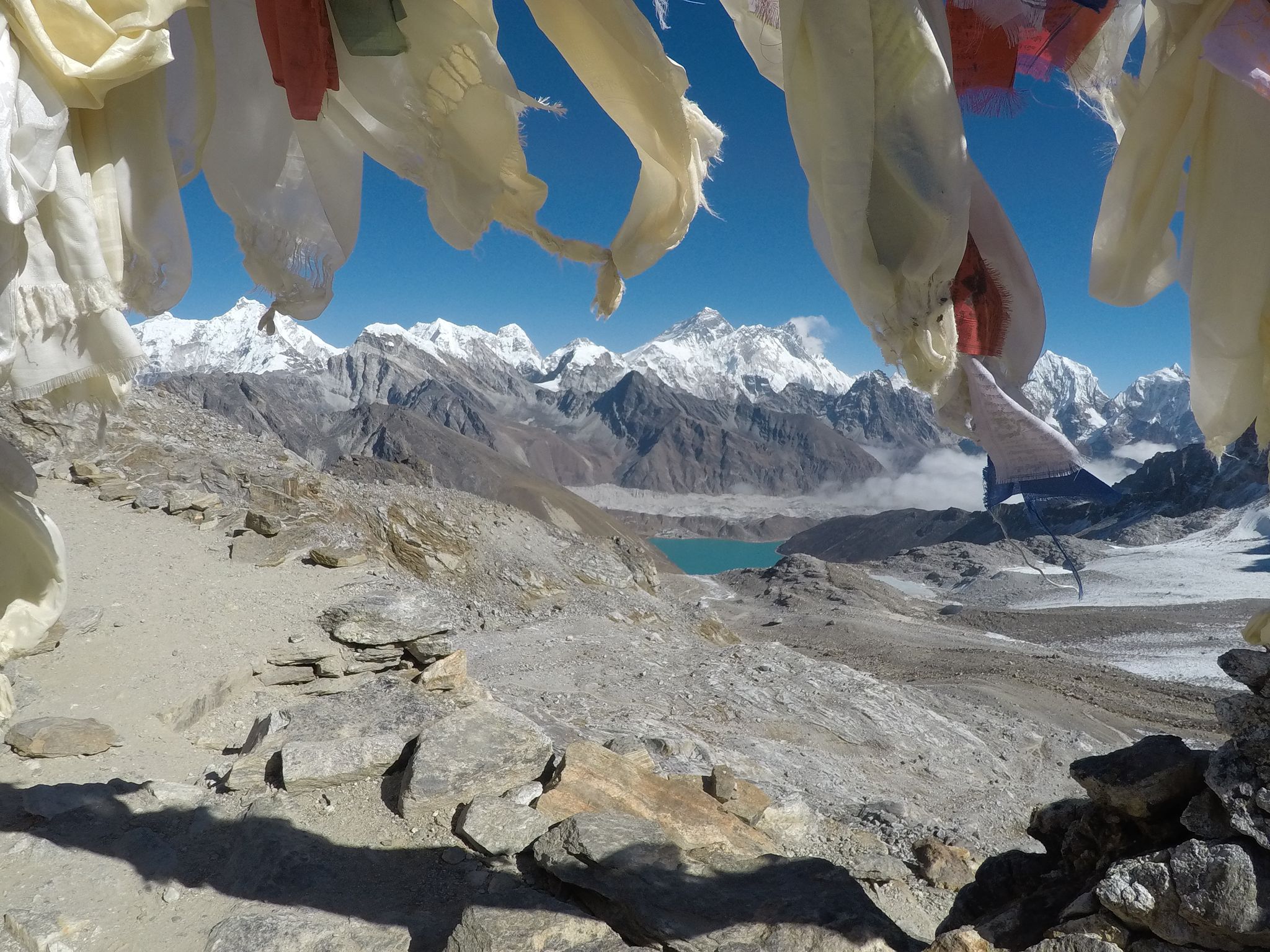
At the foot of Everest – Everest Base Camp with the three passes
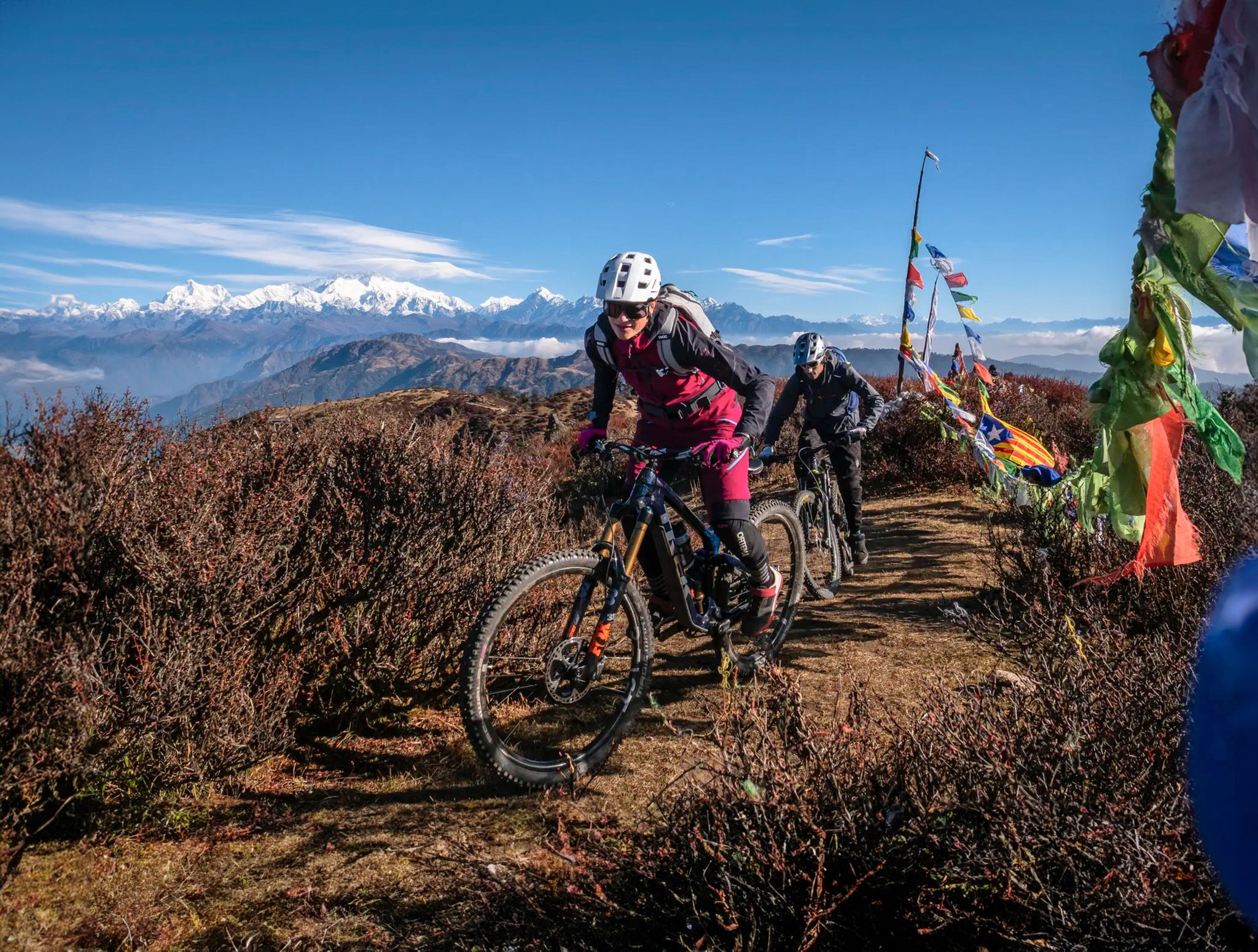
Discover India – an MTB adventure with Steffi Marth


Tips from the Community


acquaintance with the traditional Gurung culture in the charming village of Ghandruk https://www.md-ezpass.com
0
0

Sherpa Stairs are natural stone steps built on relatively steep terrain. The name originates from Nepal. There, Sherpas – members of an ethnic group with primarily Tibetan origins – build such steps, which are distinguished by their careful use of nature. However, they place extreme demands on the hiker's physical fitness.
0
0
Great forest. Untouched nature.
0
0

Dharamshala is the center of Buddhism and the exile of the 14th Tibetan Dalai Lama since 1959. His Holiness is also home to a large community of Tibetan refugees. This area lies on the border of the Himalayas and translates to "refuge". It is home to the Kangra Art Museum, which houses miniature paintings from the Kangra school, examples of local embroidery and traditional costumes, and photos of Kangra devastated by the 1905 earthquake.
1
0
A short walk takes you from the center of Dharmasala to the waterfalls.
1
0

Before the final climb to the 'Taktsang Palphug Monastery', the path leads down steps into a rock cut. Here, a 100-meter-high waterfall falls deep into the gorge.
2
0

On the way you will find this huge waterfall and many small places of worship.
0
0
Frequently Asked Questions
What are some of the most impressive waterfalls in the Nepal Himalayas?
Nepal is home to several remarkable waterfalls. The Temple and waterfalls in the Annapurna Conservation Area offers impressive views within a deep gorge. Other notable cascades include Pachal Waterfall, recognized as Nepal's tallest, and Hyatung Waterfall, one of Asia's highest, both offering dramatic plunges amidst lush landscapes. Rupse Waterfall is also popular due to its accessibility along the Beni-Jomsom Highway.
Are there any family-friendly waterfalls in the Indian Himalayas?
Yes, the Indian Himalayas offer options suitable for families. Neer Garh Waterfall is a great choice, accessible after an easy hike and featuring natural pools for swimming. It's a popular spot with amenities like tea and snack stalls nearby.
What unique natural features can I expect to see around Himalayan waterfalls?
Beyond the cascades themselves, you'll encounter diverse natural features. Many waterfalls, like those in the Annapurna Conservation Area, are surrounded by lush forests, some with stone stairs and tropical trekking environments. Others, such as Temple and waterfalls in the Annapurna Conservation Area, are nestled within deep gorges. You might also find rhododendron forests, terraced hills, and snow-capped peaks, depending on the location.
What is the best time to visit waterfalls in the Himalayas?
The monsoon season often enhances the beauty of many Himalayan waterfalls, making them particularly impressive with increased flow and misty effects. However, accessibility can be challenging during heavy rains. For places like Hyatung Waterfall, the monsoon creates a stunning rainbow effect. For a more tranquil experience with lush greenery, the post-monsoon period is also ideal.
Are there any waterfalls with cultural or historical significance in the Himalayas?
Yes, several waterfalls hold cultural importance. Temple and waterfalls in the Annapurna Conservation Area combines a natural cascade with a religious building. In the Indian Himalayas, Jogini Falls near Manali is highly revered by locals and symbolizes female energy. Vasudhara Falls is considered sacred by Hindus, with its waters believed to have purifying properties. Bhagsunag Falls is home to the Bhagsunath Temple, a significant site for Hindu pilgrims.
What outdoor activities can I do near waterfalls in the Himalayas?
The areas around Himalayan waterfalls offer various outdoor activities. You can find easy hikes like those leading to Poon Hill Viewpoint or the World Peace Pagoda. For more adventurous options, there are mountain biking trails, including the Himalayan Single Track, and challenging cycling routes like the Path to World Peace Pagoda.
Which waterfalls are easily accessible by road in the Himalayas?
Rupse Waterfall in Nepal is notably accessible by road, located along the Beni-Jomsom Highway, making it a convenient stop for travelers. In the Indian Himalayas, Rahala Waterfalls are situated on the Leh-Manali highway, and Sissu Waterfall is near the Atal Tunnel, both offering roadside views or short walks.
What do visitors enjoy most about the waterfalls in the Annapurna Conservation Area?
Visitors frequently praise the immersive natural experience. For instance, the Enchanted Forest in the Annapurna Conservation Area is described as a 'magic forest' with constant sounds of crickets, small waterfalls, and lush green landscapes. The Waterfalls and Forests in the Annapurna Conservation Area offers a 'tropical trekking' feel with 'dreamlike waterfalls'.
Are there any waterfalls near famous monasteries or spiritual sites?
Yes, the Taktsang Waterfall in Bhutan is a prime example. It's a 100-meter-high cascade visible before the final climb to the iconic Taktsang Palphug Monastery, also known as Tiger's Nest, adding to the spiritual journey.
Can I find food and refreshments near Himalayan waterfalls?
Some waterfalls offer nearby amenities. For example, Waterfall Before Chamje along the Annapurna Circuit has restaurants nearby. Neer Garh Waterfall features small tea and snack stalls on the way. Jana Waterfall in the Kullu Valley is also known for local food stalls offering traditional Himachali cuisine after a short trek.
Are there any waterfalls known for unique geological formations or multiple streams?
Yes, the Himalayas feature waterfalls with distinct formations. Octopus Jharana along the Annapurna Circuit is known for its multi-stream, octopus-like appearance. Tindhare Waterfall in Nepal is dubbed the 'Niagara Falls of Nepal' due to its broad, three-pronged flow. Satdhara Falls in Dalhousie, meaning 'seven springs,' is unique for its multiple streams and the presence of mica in its water.
What is the difficulty level for reaching most waterfalls in the Himalayas?
The difficulty varies greatly. Some waterfalls, like Rupse Waterfall and those along major highways, are easily accessible. Others, such as Sherpa Stone Steps and Waterfall, are part of more challenging trails. Many, including Bhagsu Waterfall and Taktsang Waterfall, are considered intermediate, requiring a moderate trek.
Are there any hidden or less-known waterfalls worth exploring in the Indian Himalayas?
Yes, for those seeking tranquility, Chadwick Falls near Shimla is a captivating cascade tucked away in the Glen Forests, particularly beautiful during or after the monsoon. Chhoie Waterfall in the Tirthan Valley, near the Great Himalayan National Park, is praised for its breathtaking natural beauty and peaceful environment, reachable via a short trek from Nagini village.
Most popular routes in the Himalaya
Most popular attractions in the Himalaya

Get inspired with the komoot mobile app


Explore more
Happy to travel a little further afield? Then browse these guides for the best waterfalls in the Himalaya:
