Top 4 Gorges in the Cordillera Central Ecuador
Best canyons in the Cordillera Central Ecuador are characterized by deep river gorges and dramatic valleys carved within this majestic mountain range. The region, also known as the Cordillera Real, is primarily recognized for its towering volcanic peaks and high-altitude páramo ecosystems. Rivers originating from these peaks create impressive geological formations, often experienced as part of broader outdoor activities. These features provide unique landscapes for exploration.
Best canyons in the Cordillera Central Ecuador
- The most popular canyons is Pailón del…
Last updated: October 28, 2026
Pailón del Diablo Waterfall
Highlight • Waterfall
Translated by Google •
Tip by

Mini Gully
Highlight • Gorge
Translated by Google •
Tip by

Sign up now to discover places like this
Get recommendations on the best single tracks, peaks, & plenty of other exciting outdoor places.
Singletrack to Nariz del Diablo
Highlight (Segment) • Trail
Translated by Google •
Tip by

Ojo de Fantasma Waterfall
Highlight • Waterfall
Translated by Google •
Tip by

View of the Valley Between Tumianuma and Santorum
Highlight • Viewpoint
Tip by

Start today with a free account
Your next adventure awaits.
Popular around Cordillera Central Ecuador
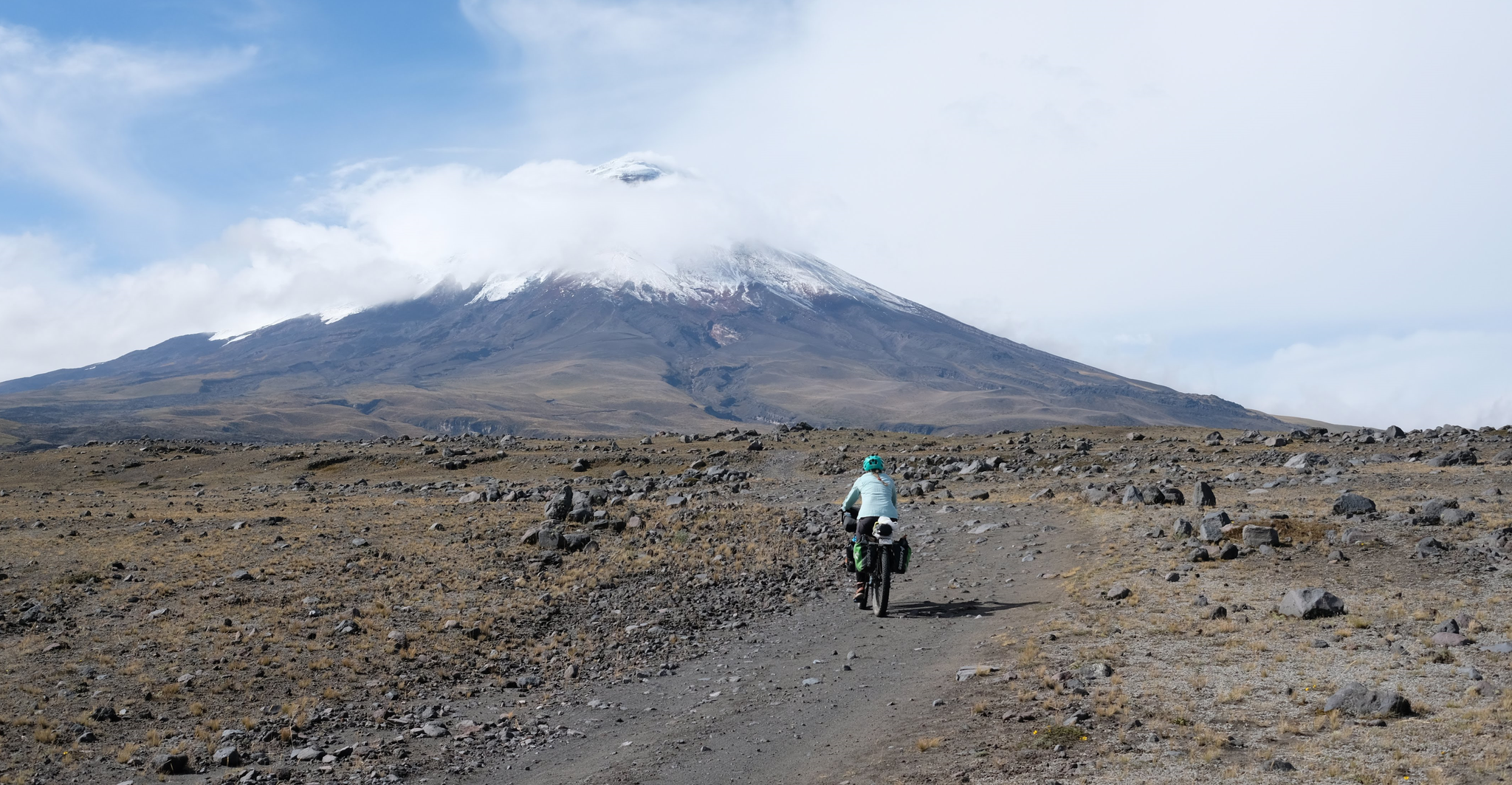
Trans Ecuador MTB Route (TEMBR) – Travel to the ends of the earth
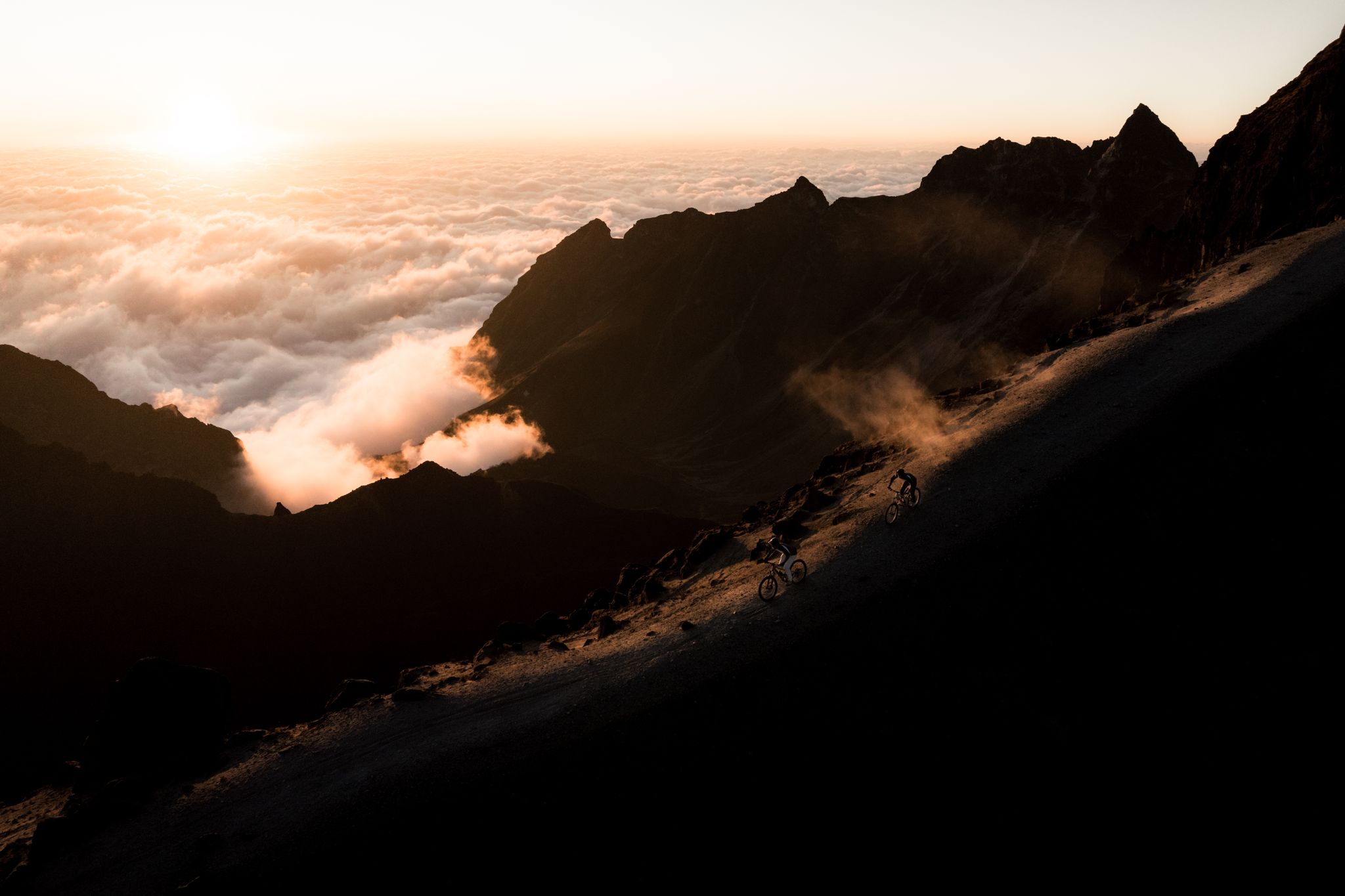
Explorer-Trip Ecuador 2024

Hiking in the Cordillera Central Ecuador

Road Cycling Routes in the Cordillera Central Ecuador

Running Trails in the Cordillera Central Ecuador

Cycling in the Cordillera Central Ecuador

MTB Trails in the Cordillera Central Ecuador
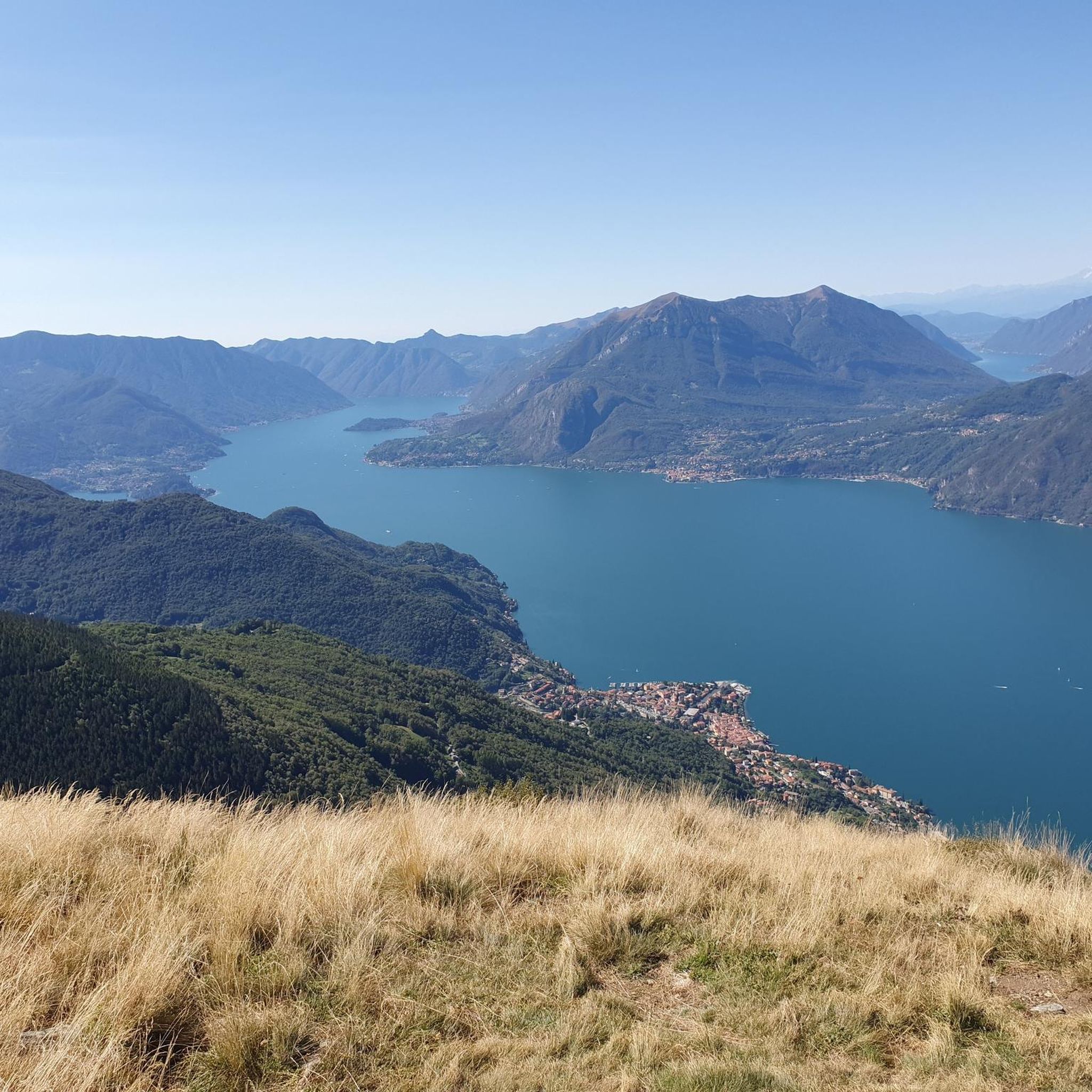
Mountain Hikes in the Cordillera Central Ecuador

Gravel biking in the Cordillera Central Ecuador
Other adventures in the Cordillera Central Ecuador


Tips from the Community

Vista - Tumianuma - Santorum great views and rest place 😎
0
0
Beautiful valley- good rest spot !!
0
0
Vista of the valley between Tumianuma and Santorum
0
0

We walked this trail downhill towards Sibambe. The view from the first bends towards the gorges formed by the Guasuntos and Pumacocha rivers, which flow into the Chanchan, is breathtaking. The two rivers have carved very deep valleys divided by a promontory with a particular shape, called Nariz del Diablo by the locals. The climb is challenging but the view is so unique that it is worth all the effort.
1
0

The way over the suspension bridge to the Pailon del Diablo is just awesome. Magnificent views and a spectacular waterfall feeling are guaranteed.
0
0

Beautiful waterfall and to take a closer look you should take the path over the suspension bridge
0
0

Despite the crowds of tourists, a place worth seeing to get wet. Passing snack bars and knick-knack stands, you walk 150m into the valley to climb under the edge of the waterfall on the other side. Nice that the narrow path, which you sometimes have to work out while crouching or simply climbing, leads behind the waterfall. Here the spray splashes. Nothing stays dry during this impressive experience.
1
0
Impressive gorge of volcanic rock. Created by a waterfall entering the narrows from above. The atmosphere is wonderful if you make the effort to climb the small cascades in the middle and follow the river further back, where the great waterfall commands respect with its roar.
0
0
Frequently Asked Questions
What kind of gorges and valleys can I expect to see in the Cordillera Central Ecuador?
The Cordillera Central Ecuador is known for its deep river gorges and dramatic valleys, which are often carved by powerful rivers originating from its towering volcanic peaks. These are primarily geological formations experienced as part of broader outdoor activities like trekking or whitewater sports, rather than standalone canyon attractions. You'll find impressive features like the Pailón del Diablo Waterfall, which is set within a gorge, and the deep valleys formed by the Guasuntos and Pumacocha rivers near Nariz del Diablo.
Are there any challenging trails or gorges for experienced adventurers?
Yes, for those seeking a challenge, the Mini Gully offers a challenging experience with loose rock, especially if you choose to go through the middle section. Similarly, the Singletrack to Nariz del Diablo is described as a challenging climb, rewarding visitors with unique views of the river gorges. The Ojo de Fantasma Waterfall also involves climbing small cascades to explore its impressive volcanic rock gorge.
What are some unique natural features to look out for in the gorges of this region?
Beyond the deep river gorges themselves, you can discover unique features such as the Pailón del Diablo Waterfall, where you can climb through the rock to get behind the large waterfall. The Ojo de Fantasma Waterfall features an impressive gorge of volcanic rock, with a powerful waterfall at its heart. The promontory known as Nariz del Diablo, dividing the deep valleys of the Guasuntos and Pumacocha rivers, also offers a distinct geological formation.
Are there family-friendly options for visiting gorges or waterfalls?
The Pailón del Diablo Waterfall is a popular spot with two distinct routes, offering different perspectives, and is generally accessible for families. While some sections of the gorges can be challenging, many areas provide scenic viewpoints and opportunities for shorter walks suitable for various fitness levels. Always check the specific trail details for difficulty before heading out with children.
What outdoor activities can I do near the gorges and valleys of the Cordillera Central Ecuador?
The region offers a variety of outdoor activities. You can find numerous road cycling routes, including challenging loops like the 'Mariscal Sucre Airport – La Carolina Park loop' or 'Cuenca – Swing With a View of Gualaceo loop'. For hikers, there are easy trails such as those around Ondinas Waterfall and Peguche Waterfall. Touring cyclists can explore routes like the 'El Chaguiñán Ecological Route'. For more details, you can explore the Road Cycling Routes in the Cordillera Central Ecuador, Easy hikes in the Cordillera Central Ecuador, and Cycling in the Cordillera Central Ecuador guides.
What do visitors enjoy most about the gorges in the Cordillera Central Ecuador?
Visitors frequently praise the breathtaking views and the unique natural experiences. For instance, the Pailón del Diablo Waterfall is loved for the ability to climb behind the waterfall. The Singletrack to Nariz del Diablo offers unique views of deep river gorges. The atmosphere at Ojo de Fantasma Waterfall is described as wonderful, especially after making the effort to explore further into the gorge.
Are there good viewpoints to appreciate the valleys and gorges?
Absolutely. The Singletrack to Nariz del Diablo offers breathtaking views from its first bends towards the gorges formed by the Guasuntos and Pumacocha rivers. Additionally, the View of the Valley Between Tumianuma and Santorum provides a beautiful vista and is noted as a great rest spot to take in the scenery.
What is the best time to visit the gorges and valleys in the Cordillera Central Ecuador?
The Cordillera Central experiences varied weather due to its high altitude. Generally, the dry season (June to September) offers clearer skies and more stable conditions for outdoor activities, making it a popular time for hiking and exploring. However, even during the wet season (October to May), mornings can often be clear, and the landscape is lush. Always check local weather forecasts before your visit, especially if planning to explore areas with loose rock or water features.
Are there specific tips for exploring the Mini Gully?
When exploring the Mini Gully, it's recommended to go through the middle section, though be aware of loose rock. If you are with experienced climbers, a rope might not be necessary, but it can be set up if needed, which will increase travel time. Always take due precautions, especially in areas with loose rock, and consider going with people who are familiar with climbing and de-climbing techniques.
Can I find food or accommodation near these natural attractions?
Yes, for instance, near the Pailón del Diablo Waterfall, you can find restaurants offering affordable 'almuerzo' (lunch menus) with soup, a drink, and a main dish. While specific accommodation details are not provided for each highlight, popular tourist areas often have options available. It's advisable to research local towns or cities near your chosen gorge for dining and lodging.
What should I know about the difficulty of trails leading to these gorges?
The difficulty varies. Some trails, like the Singletrack to Nariz del Diablo, are considered challenging, especially the climb, but are highly rewarding. The Mini Gully is also challenging due to loose rock. Other areas, particularly viewpoints or the routes to Pailón del Diablo Waterfall, may offer intermediate or easier access. Always check the specific trail descriptions and categories (e.g., 'challenging', 'intermediate') for each highlight to match your skill level.
Most popular routes in the Cordillera Central Ecuador
Most popular attractions in the Cordillera Central Ecuador

Get inspired with the komoot mobile app


