The 10 Most Amazing Peaks in the Cordillera Central Ecuador
Best mountain peaks in the Cordillera Central Ecuador are part of the majestic Andes Mountains, offering diverse landscapes and high-altitude ecosystems. This region features prominent volcanic peaks, many of which are snow-capped and present significant mountaineering opportunities. The terrain ranges from open mountain grasslands at lower elevations to permanent snowfields and glaciers at higher altitudes. These mountains provide a range of experiences for hikers and climbers, set within protected areas that showcase unique Andean biodiversity.
Best mountain peaks in the…
Last updated: October 28, 2026
Rucu Pichincha Summit
Highlight • Summit
Tip by

Iliniza Norte Summit
Highlight • Summit
Tip by

Sign up now to discover places like this
Get recommendations on the best single tracks, peaks, & plenty of other exciting outdoor places.
Mandango Summit
Highlight • Summit
Translated by Google •
Tip by

Ilaló Cross
Highlight • Monument
Translated by Google •
Tip by

Cotopaxi Summit
Highlight • Summit
Translated by Google •
Tip by
Corazón Summit
Highlight • Summit
Translated by Google •
Tip by
View of Cotopaxi Volcano from Refugio José Rivas
Highlight • Viewpoint
Translated by Google •
Tip by

Sunrise and Sunset Viewpoint
Highlight • Viewpoint
Translated by Google •
Tip by

Viewpoint at 2,900 meters – Parque Nacional Podocarpus
Highlight • Viewpoint
Translated by Google •
Tip by

Rumiñahui (4,721 m)
Highlight • Volcano
Tip by
Sign up for free to discover even more peaks in the Cordillera Central Ecuador.
Already have an account?
Start today with a free account
Your next adventure awaits.
Popular around Cordillera Central Ecuador
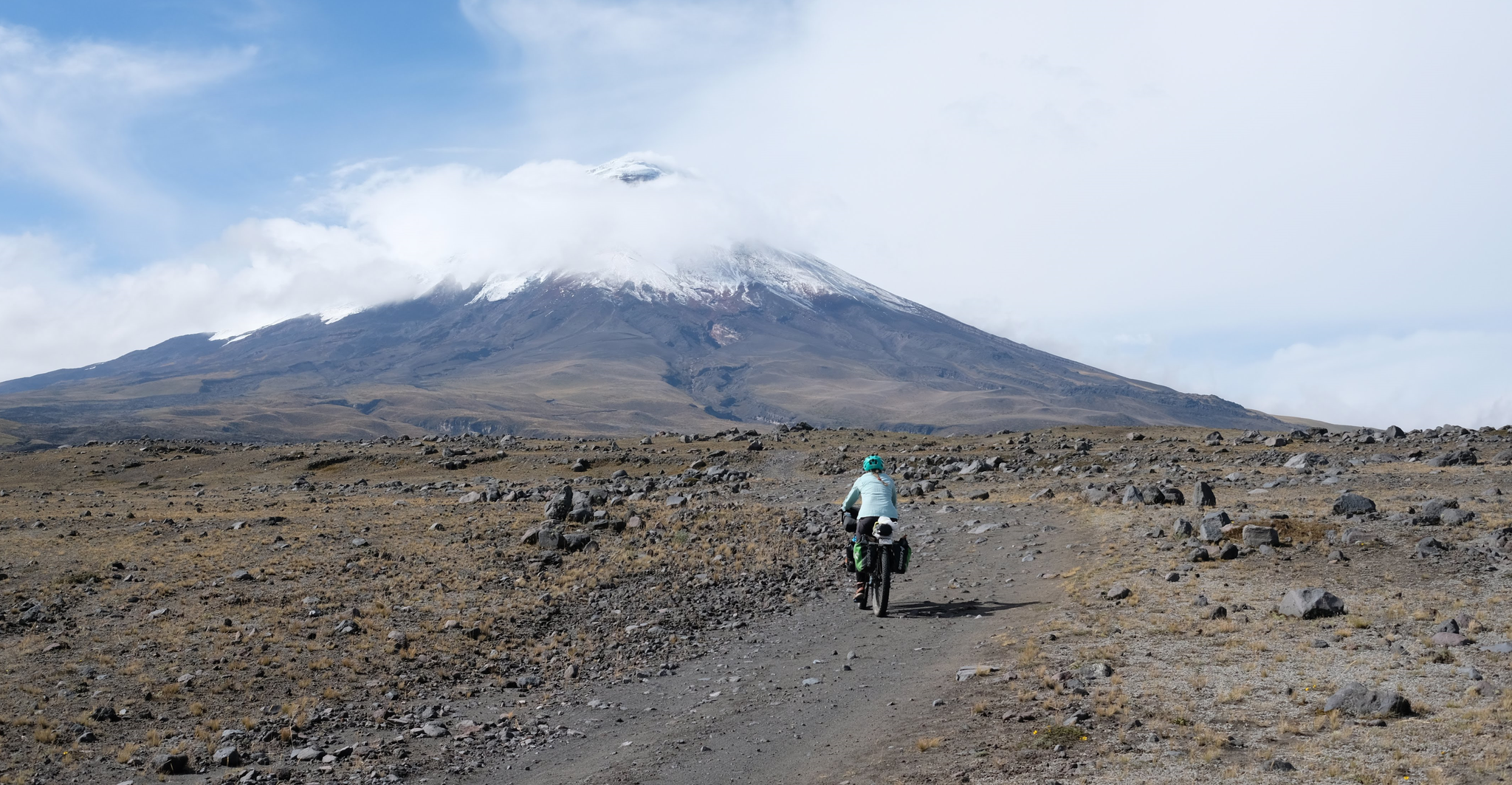
Trans Ecuador MTB Route (TEMBR) – Travel to the ends of the earth
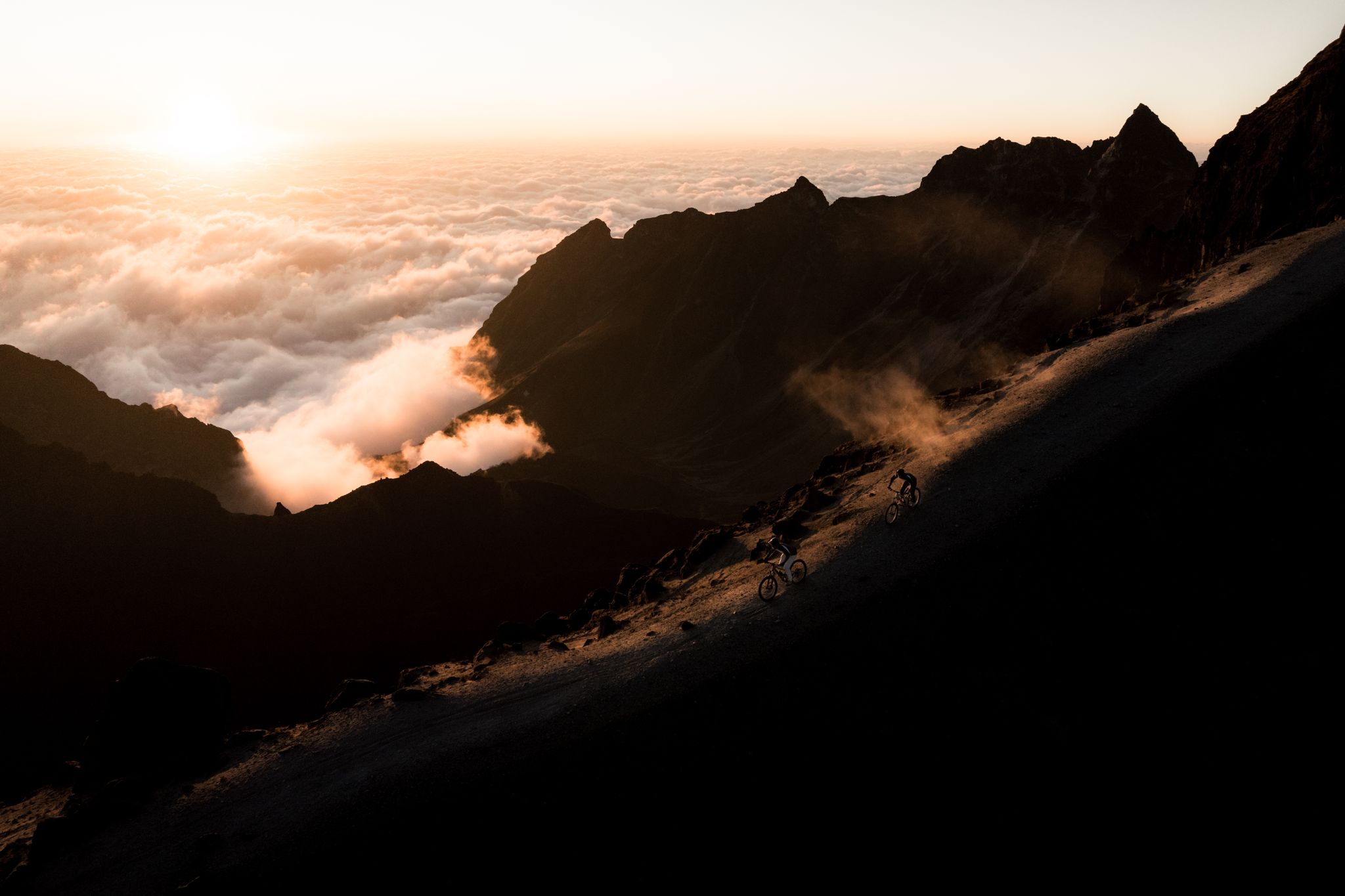
Explorer-Trip Ecuador 2024

Hiking in the Cordillera Central Ecuador

Road Cycling Routes in the Cordillera Central Ecuador

Running Trails in the Cordillera Central Ecuador

Cycling in the Cordillera Central Ecuador

MTB Trails in the Cordillera Central Ecuador
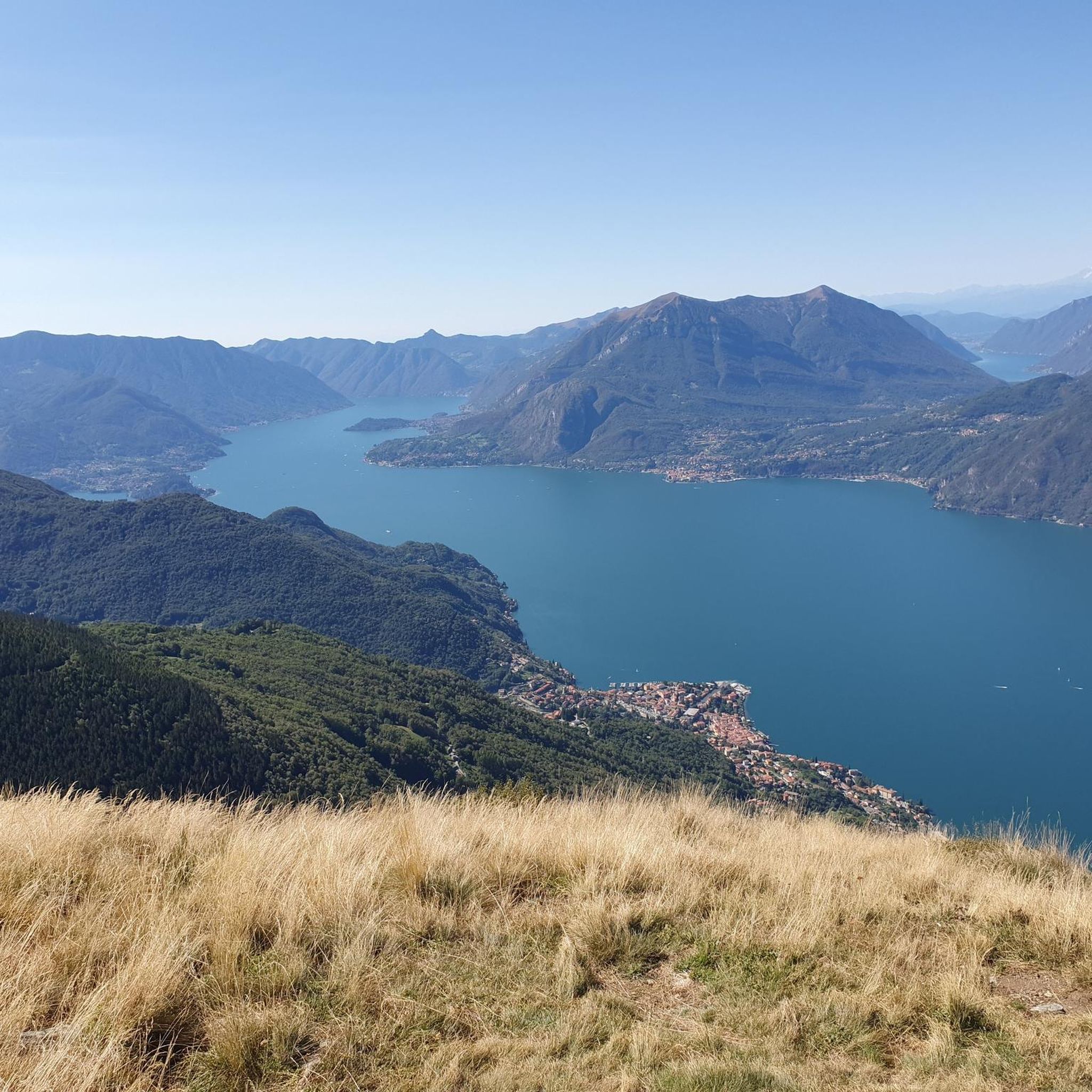
Mountain Hikes in the Cordillera Central Ecuador

Gravel biking in the Cordillera Central Ecuador
Other adventures in the Cordillera Central Ecuador


Tips from the Community

Regarding the Mandango hike: Due to the heavy rainfall in January 2026, the path to the "tip of the nose" is very slippery and therefore difficult. A lot of earth has slid down.
1
0

A section of rock climbing, the ridge of the Sucre Face, climbing in a gully, and crossing the "pass of death." It's an excellent route for those who enjoy climbing and the adrenaline rush of traversing a narrow path.
0
0

beautiful place to train 45 uphill 25 downhill...
1
0

excellent route to do in the morning and at night
0
0

It’s a great place but you must bring a warm clothes because at the night temperatures are low and cold
0
0

With a clear view you have wonderful views. With the knowledge that it is an active volcano and that the summit has also been closed since October 22, you see things with different eyes. Always with the thought that he can break out at any time!
0
0
An experience you won't forget. Nice and slowly upwards. We were lucky and were rewarded with sun on the ascent. It rained briefly. But you always have to reckon with a change in the weather. Once at the top, there was delicious potato soup
1
0
Frequently Asked Questions
Which mountain peaks in the Cordillera Central Ecuador are most popular for visitors?
Among the most prominent and popular peaks are Cotopaxi and Cayambe, both renowned for their stunning landscapes and mountaineering opportunities. The komoot community also highly appreciates Rucu Pichincha Summit, a challenging mountain near Quito, and Ilaló Cross, an intermediate viewpoint suitable for training.
What makes Cotopaxi a significant mountain peak in the Cordillera Central Ecuador?
Cotopaxi is one of the world's highest active volcanoes, famous for its almost perfectly symmetrical, snow-capped cone. It features a large summit crater and is protected within Cotopaxi National Park. It's a popular destination for climbers seeking high-altitude challenges and offers stunning views of the Andean mountains and high-altitude ecosystems.
What is unique about Cayambe in the Cordillera Central Ecuador?
Cayambe is Ecuador's third-highest mountain and a compound volcano. It holds the unique distinction of being the only snow-covered volcano directly on the Equator. Its slopes are part of the Cayambe-Coca Ecological Reserve, which is rich in biodiversity, including rainforests, rivers, lakes, and hot springs, and is home to animals like Andean condors and monkeys.
Are there twin peaks in the Cordillera Central Ecuador, and what are their characteristics?
Yes, the Illinizas are a pair of volcanic mountains in the Ecuadorian Central Highlands. Iliniza Norte Summit (5,126 meters) is generally considered an easier climb, often used for acclimatization, involving trekking and scrambling. Illiniza Sur (5,248 meters) is more glaciated and presents a harder, more technical challenge suitable for experienced climbers.
What are the difficulty levels for climbing mountain peaks in the Cordillera Central Ecuador?
The difficulty levels vary significantly. Peaks like Cotopaxi and Cayambe present very challenging and technical climbs due to steep slopes, icy conditions, and crevasses, suitable only for advanced mountaineers. Rucu Pichincha Summit and Corazón Summit are challenging but can be managed by experienced hikers with good fitness and some scrambling skills. Iliniza Norte Summit is considered easier and non-technical, often used for acclimatization.
Are there any easier mountain peaks or trails suitable for acclimatization in the Cordillera Central Ecuador?
Yes, Iliniza Norte Summit is often recommended for acclimatization due to its relatively easier and non-technical ascent. Additionally, Ilaló Cross offers an intermediate trail and viewpoint, suitable for training and less strenuous activities.
What natural features can I expect to see when visiting the mountain peaks in the Cordillera Central Ecuador?
You can expect to see majestic snow-capped volcanic cones, permanent glaciers, and vast open mountain grasslands (páramo) at lower elevations. The region is characterized by high-altitude ecosystems, diverse flora, and stunning panoramic viewpoints. Many peaks, like Cotopaxi and Cayambe, are active or dormant volcanoes.
What kind of wildlife can be found around the mountain peaks in the Cordillera Central Ecuador?
The protected areas surrounding these peaks, such as Cotopaxi National Park and Cayambe-Coca Ecological Reserve, are home to diverse wildlife. You might encounter Andean condors, various bird species, turkeys, and even monkeys in the lower, more forested slopes. The unique páramo ecosystem also supports specialized high-altitude flora and fauna.
Are there family-friendly mountain peaks or viewpoints in the Cordillera Central Ecuador?
While many peaks offer challenging climbs, some viewpoints are more accessible. The Sunrise and Sunset Viewpoint is categorized as family-friendly, offering scenic views without requiring a strenuous climb. Always check specific trail conditions and difficulty before heading out with family.
What outdoor activities can I do near the mountain peaks in the Cordillera Central Ecuador?
Beyond mountaineering, the region offers a variety of outdoor activities. You can find numerous hiking trails, including moderate loops around Quilotoa Lagoon or Cuicocha Lake. Road cycling is also popular, with routes like the Mariscal Sucre Airport loop. For more options, explore the Hiking in the Cordillera Central Ecuador guide or the Road Cycling Routes in the Cordillera Central Ecuador guide.
What should I pack for hiking or climbing in the Cordillera Central Ecuador?
Given the high altitudes and variable weather, it's crucial to pack warm clothing, including layers, a waterproof and windproof outer shell, and good quality hiking boots. For more technical climbs, crampons and an ice axe are essential. Always bring sufficient provisions, water, and be prepared for potential snow, even at lower elevations, as mentioned by visitors to Rucu Pichincha Summit.
What is the best time to visit the mountain peaks in the Cordillera Central Ecuador?
The dry season, typically from June to September, is generally considered the best time for climbing and trekking due to clearer skies and more stable weather conditions. However, weather in the Andes can be unpredictable, so always be prepared for sudden changes. Even during the dry season, mornings often offer the clearest views before clouds roll in.
Most popular routes in the Cordillera Central Ecuador
Most popular attractions in the Cordillera Central Ecuador

Get inspired with the komoot mobile app


Explore more
See even more amazing summits in the Cordillera Central Ecuador with these guides:
