Top 20 Lakes in the Cordillera Central Ecuador
Best lakes in the Cordillera Central Ecuador are situated within dramatic volcanic landscapes, offering diverse natural beauty and recreational opportunities. This region, part of the Andean mountain range, features high-altitude crater lakes and extensive lake systems. The area provides opportunities for hiking, birdwatching, and exploring unique ecosystems like the paramo. These lakes are integral to the region's geography and cultural landscape.
Best lakes in the Cordillera Central Ecuador
- The most popular lakes is Quilotoa Lagoon, a lake and volcano…
Last updated: October 28, 2026
Quilotoa Lagoon
Highlight • Lake
Tip by

Limpiopungo Lagoon
Highlight • Lake
Translated by Google •
Tip by

Sign up now to discover places like this
Get recommendations on the best single tracks, peaks, & plenty of other exciting outdoor places.
Cuicocha Lagoon Loop Trailhead
Highlight • Trail
Translated by Google •
Tip by

Laguna Toreadora
Highlight • Lake
Translated by Google •
Tip by

García Moreno Trail
Highlight • Trail
Translated by Google •
Tip by

Toreadora Refuge, Cajas National Park
Highlight • Lake
Translated by Google •
Tip by

Yahuarcocha Lake
Highlight • Lake
Tip by

Laguna Condor Cocha (5100 m)
Highlight • Lake
Translated by Google •
Tip by
Laguna Grande de Mojanda
Highlight • Lake
Translated by Google •
Tip by
Wildflower Path in Reserva Ecológica Cotacachi-Cayapas
Highlight (Segment) • Trail
Translated by Google •
Tip by

Sign up for free to discover even more lakes in the Cordillera Central Ecuador.
Already have an account?
Start today with a free account
Your next adventure awaits.
Popular around Cordillera Central Ecuador
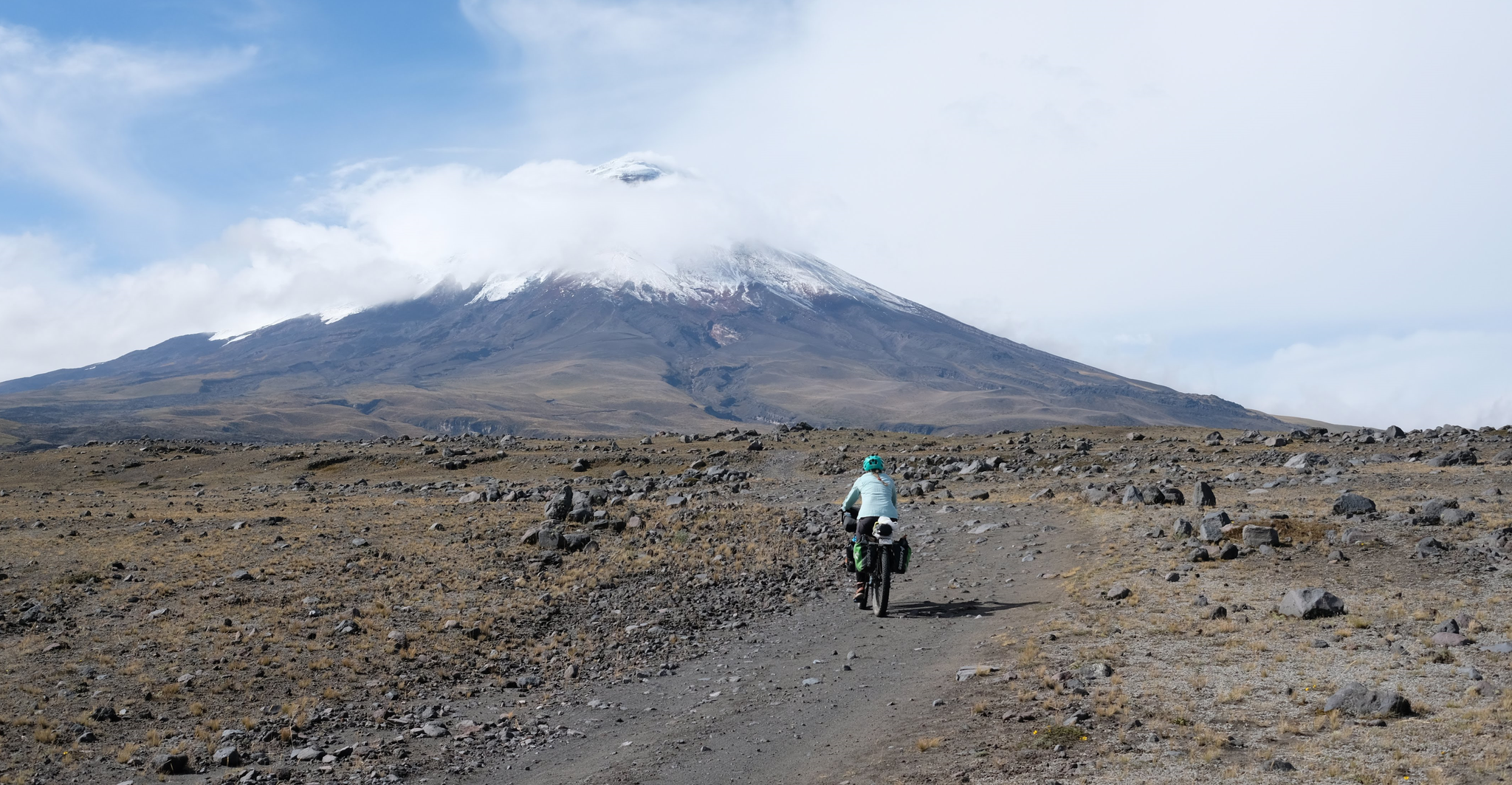
Trans Ecuador MTB Route (TEMBR) – Travel to the ends of the earth
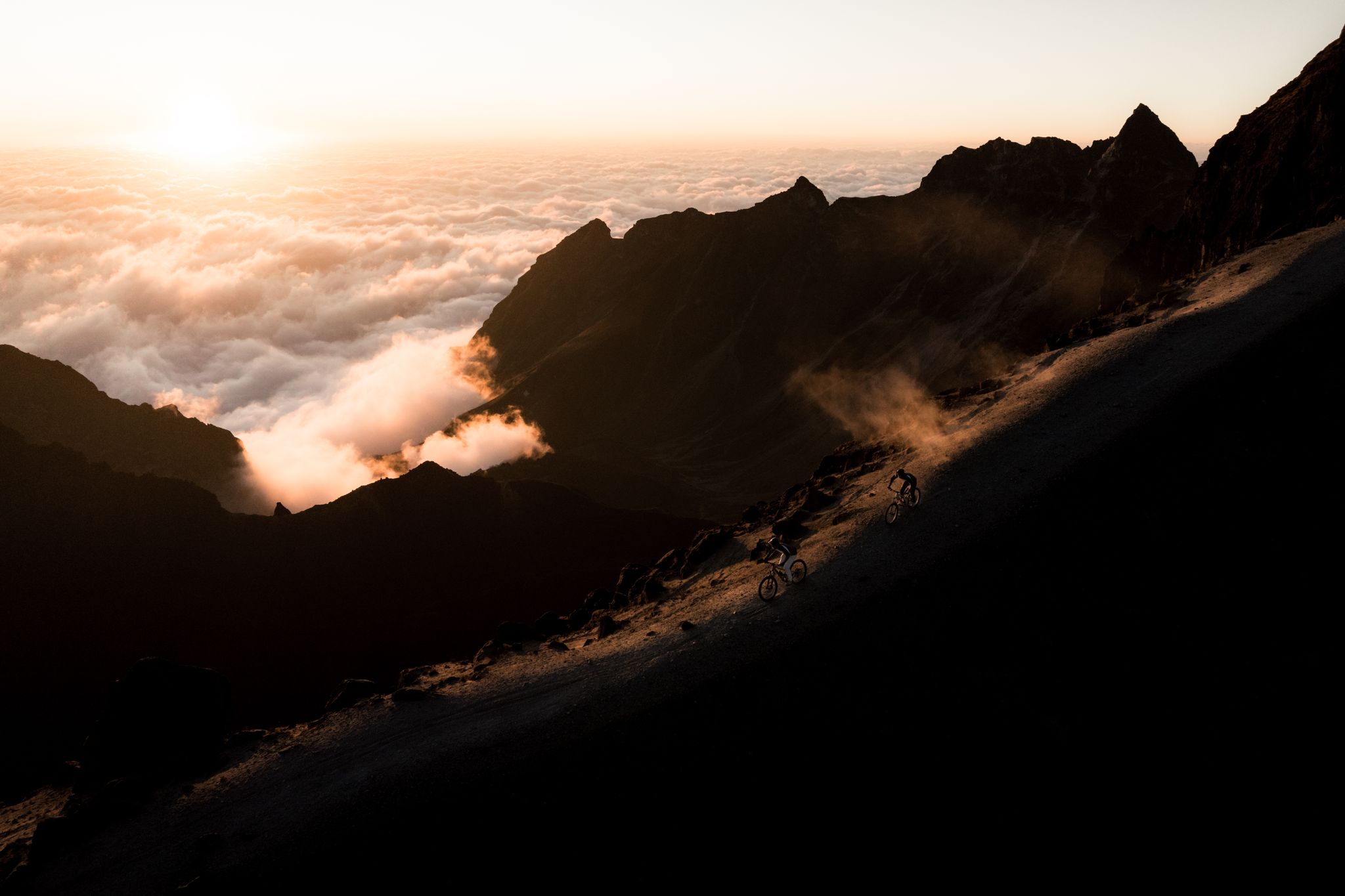
Explorer-Trip Ecuador 2024

Hiking in the Cordillera Central Ecuador

Road Cycling Routes in the Cordillera Central Ecuador

Running Trails in the Cordillera Central Ecuador

Cycling in the Cordillera Central Ecuador

MTB Trails in the Cordillera Central Ecuador
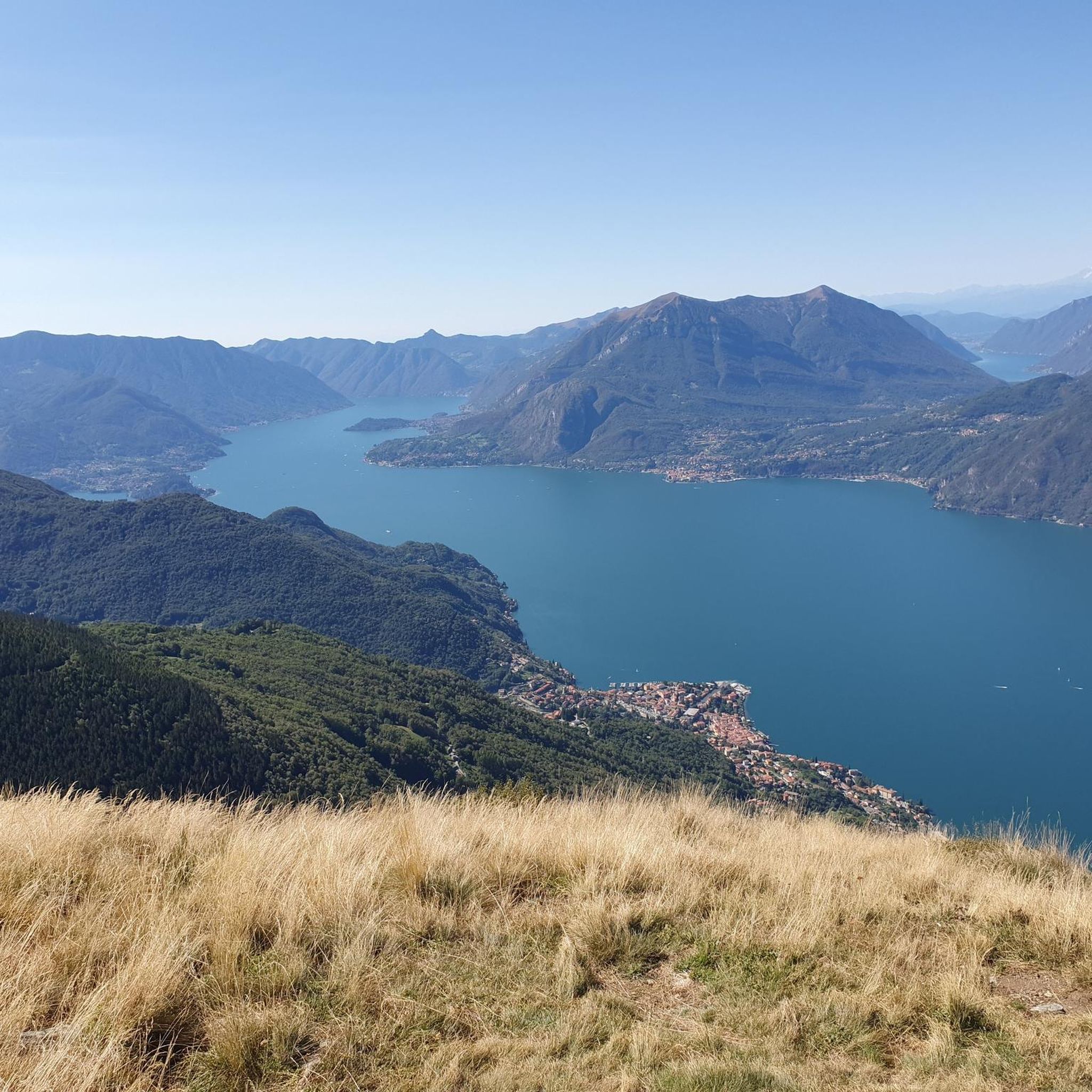
Mountain Hikes in the Cordillera Central Ecuador

Gravel biking in the Cordillera Central Ecuador
Other adventures in the Cordillera Central Ecuador


Tips from the Community

It's an excellent viewpoint, both for Limpiopungo Lagoon and for Rumiñahui and Cotopaxi Volcano. Because of the cold, you'll need to wear a coat.
0
0

A beautiful circular path leads around the lagoon and great animal sightings are possible.
0
0

Being in this place and having the feeling of turning around and knowing everything you walked, is beautiful. A different view of everything and the most refreshing and delicious breeze there is.
0
0

A beautiful lagoon that you can also walk around from the parking lot. When the weather is nice, you have a good view of the Cotopaxi.
2
0

Arriving from Otavalo without your own car: From the bus terminal, take the bus to Cotacachi or Quiroga. Buses run every 15-20 minutes. Just ask for Laguna at the terminal and someone will direct you to the right bus. Cost per ride: $0.4. The bus driver will drop you off at a taxi rank in Cotacachi or at the central park in Quiroga. From there, the only way to get to the lagoon is by taxi, as there are no buses going there. A taxi will cost around USD 5-6. For the return trip, it's best to use the taxi driver's phone number to call him for the return trip, as the lagoon is pretty deserted and there aren't really any taxis around. The price for the return trip is the same as for the outward trip. It would also be possible to hitchhike back at least to Quiroga, since the road from the lagoon goes through Quiroga. From there or Cotacachi, take the $0.4 bus to Otavalo again. The buses also leave here very regularly.
0
0

Nice views from the hills along the way. A deep view of the lake landscape and the Paramo
2
0
Still above the Whymper hut, this small body of water feeds on meltwater. Colored by the local minerals, the water appears tinted orange. The color changes depending on the sunlight. A fair reward for the hard work of the ascent
0
0

Beautiful lake at the Toreadora ranger station. It is just off Ruta 1 or can be viewed from an elevated vantage point next to the station.
1
0
Frequently Asked Questions
What are the most popular lakes for visitors in the Cordillera Central Ecuador?
Among the most popular lakes are Quilotoa Lagoon, known for its stunning crater and shifting water colors, and Cuicocha Lagoon Loop Trailhead, a beautiful crater lake near Otavalo. Limpiopungo Lagoon in Cotopaxi National Park is also highly favored for its reflective waters and volcano views.
Are there family-friendly lakes or trails in the Cordillera Central Ecuador?
Yes, several lakes offer family-friendly experiences. Limpiopungo Lagoon features a beautiful circular path that is suitable for families, offering great animal sightings and views of Cotopaxi. Yahuarcocha Lake is also noted as family-friendly, with options for cycling.
What kind of hiking routes can I find around the lakes in this region?
The Cordillera Central Ecuador offers a variety of hiking routes around its lakes. You can find challenging treks like the rim trail around Quilotoa Lagoon, which takes 4-5 hours, or the full loop around Cuicocha Lagoon. For easier options, there's a circular path at Limpiopungo Lagoon. For more options, explore the Easy hikes in the Cordillera Central Ecuador guide.
Which lakes are best for wildlife spotting and nature observation?
For wildlife spotting, Limpiopungo Lagoon in Cotopaxi National Park is excellent for birdwatching, providing critical habitat for Andean waterfowl. Cuicocha Lake is also a great spot for nature lovers and birdwatchers due to its rich biodiversity and lush surroundings.
Are there any challenging lake treks for experienced hikers?
Yes, for experienced hikers, the trek around the rim of Quilotoa Lagoon is a challenging yet rewarding experience, offering panoramic views. Additionally, Laguna Condor Cocha (5100 m) is specifically categorized as a challenging lake highlight, indicating a more strenuous adventure.
What activities can I do at the lakes besides hiking?
Beyond hiking, you can enjoy boat rides on Cuicocha Lake for unique perspectives of its islands. At Quilotoa Lagoon, you can hike down to the lake's edge and even ride a mule back up. Some lakes in El Cajas National Park, such as those near Laguna Toreadora, offer excellent trout fishing opportunities.
What is the best time to visit the lakes in the Cordillera Central Ecuador?
While specific best times vary, generally, the dry season (June to September) offers clearer skies and better hiking conditions. For Quilotoa Lagoon, it's recommended to arrive before noon as it can get cloudy in the afternoon, ensuring the best views of its vibrant colors.
Can I find accommodation or facilities near the lakes?
Yes, some areas offer facilities. Near the Mojanda Lakes, you can find guesthouses for overnight stays. In El Cajas National Park, Toreadora Refuge provides a hut and facilities. For Quilotoa Lagoon, there are traditional villages along the 'Quilotoa Loop' offering local culture and amenities.
What unique natural features characterize the lakes in this region?
The lakes in the Cordillera Central Ecuador are primarily known for their dramatic volcanic origins. Quilotoa Lagoon and Cuicocha Lake are stunning crater lakes. Limpiopungo Lagoon is famous for its reflective waters mirroring snow-capped volcanoes like Cotopaxi. El Cajas National Park features over 200 lakes within unique páramo wetlands, acting as natural sponges.
How accessible are the lakes by car, and is parking available?
Access varies by lake. For Limpiopungo Lagoon, you can walk around it directly from a parking lot. For Cuicocha Lake, you can take a bus to nearby towns like Quiroga or Cotacachi, then a taxi to the lagoon, though taxis are not always readily available for the return trip. It's advisable to check specific access details for each lake.
What do visitors particularly enjoy about the lakes in the Cordillera Central Ecuador?
Visitors frequently praise the breathtaking views and vibrant colors, especially at Quilotoa Lagoon. The opportunities for birdwatching and seeing diverse wildlife at places like Limpiopungo Lagoon are also highly appreciated. Many enjoy the immersive experience of hiking through unique paramo ecosystems and the stunning landscapes.
Are there running trails near the lakes in the Cordillera Central Ecuador?
Yes, there are running trails available. For example, a popular running loop is the Cuicocha Lake loop from Parqueadero Laguna Cuicocha, which is a difficult 12.1 km route. You can find more options in the Running Trails in the Cordillera Central Ecuador guide.
Can I go road cycling near the lakes in this region?
Yes, the region offers road cycling routes. While not directly around every lake, there are extensive routes in the Cordillera Central Ecuador, such as the Roadbike loop from Plaza del parque (42.1 km, moderate difficulty). More options can be found in the Road Cycling Routes in the Cordillera Central Ecuador guide.
Most popular routes in the Cordillera Central Ecuador
Most popular attractions in the Cordillera Central Ecuador

Get inspired with the komoot mobile app


Explore more
Still not found your perfect lake in the Cordillera Central Ecuador? Check out the guides of these regions to see even more beautiful places.
