Top 15 Caves around Lucca
Best caves around Lucca are primarily found within the Apuan Alps Natural Park, a mountainous region known for its karst formations and underground systems. This area offers a diverse range of subterranean experiences, from extensive natural caves to unique thermal grottos. The landscape around Lucca provides a setting for exploring geological wonders and historical sites nestled within rock formations.
Best caves around Lucca
- The most popular caves is All'Onda Cave, a cave at the foot of Mount Matanna. This…
Last updated: August 21, 2026
Calomini Hermitage
Highlight • Religious Site
The suggestive architectural complex is …
Translated by Google •
Tip by

Spelonca Hermitage
Highlight (Segment) • Religious Site
Translated by Google •
Tip by

Sign up now to discover places like this
Get recommendations on the best single tracks, peaks, & plenty of other exciting outdoor places.
Sign up for free
Wild Man's Den
Highlight • Cave
Translated by Google •
Tip by

Grotta del Vento
Highlight • Cave
Translated by Google •
Tip by

Chimera Abyss
Highlight • Cave
Already approaching the entrance to the cave you will notice a strong flow of cold …
Translated by Google •
Tip by

All'Onda Cave
Highlight • Cave
Archaeological site, the findings of the excavation campaigns are kept in the archaeological museum of Camaiore.
Climbing routes …
Translated by Google •
Tip by

Henraux Marble Quarry
Highlight • Structure
It is possible to visit it paying attention to the unprotected chasms of the inner perimeter of the extraction area.
Translated by Google •
Tip by

Pozzo della Madonna (Serra Stream)
Highlight • River
Translated by Google •
Tip by

Tana di Castelvenere
Highlight • Cave
Translated by Google •
Tip by

Baluardo San Paolino Underground Passages
Highlight • Structure
Translated by Google •
Tip by

Sign up for free to discover even more caves around Lucca.
Sign up for free
Already have an account?
Start today with a free account
Your next adventure awaits.
Login or Signup
Popular around Lucca
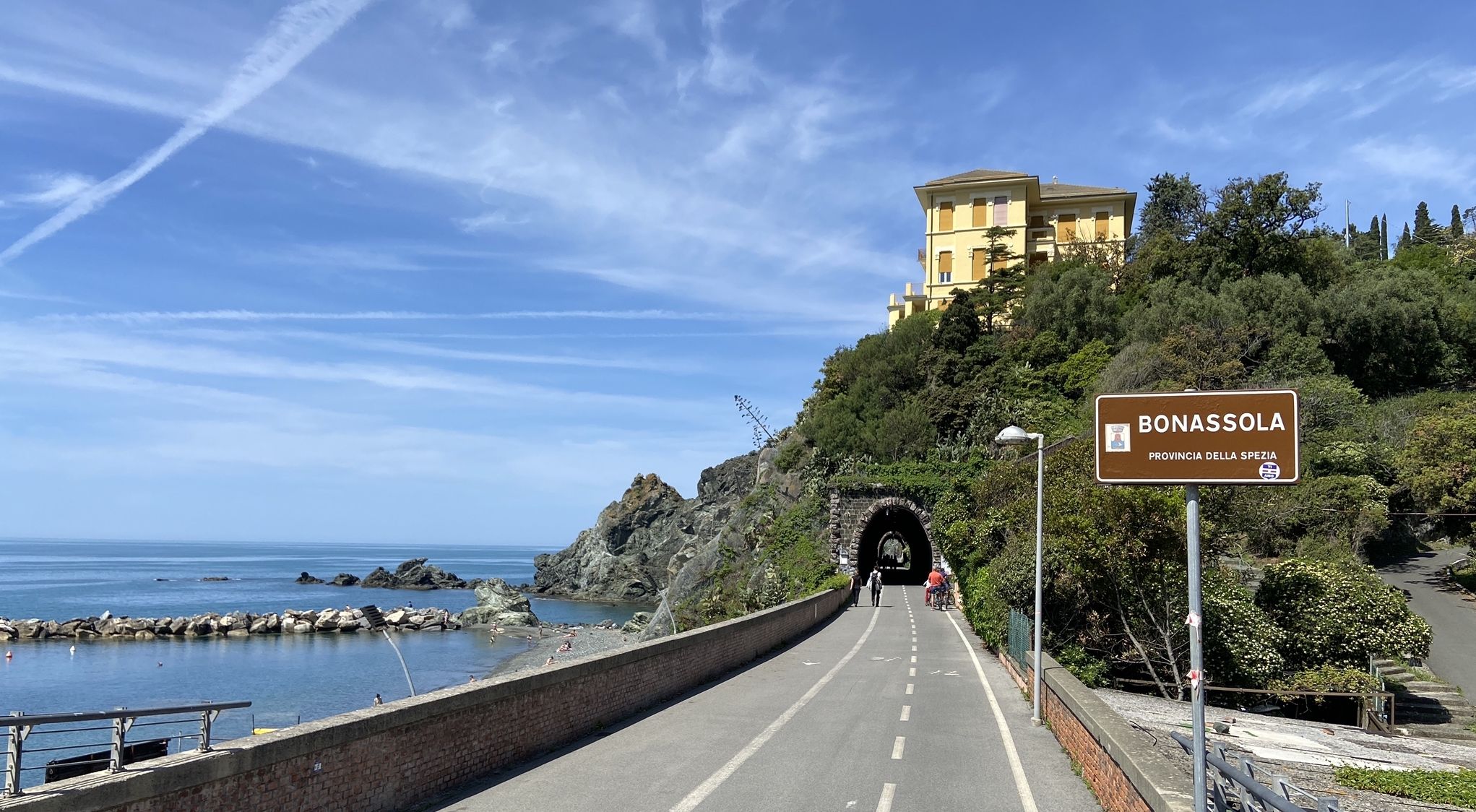
Pedalling to Portofino and the Cinque Terre — sea and mountains
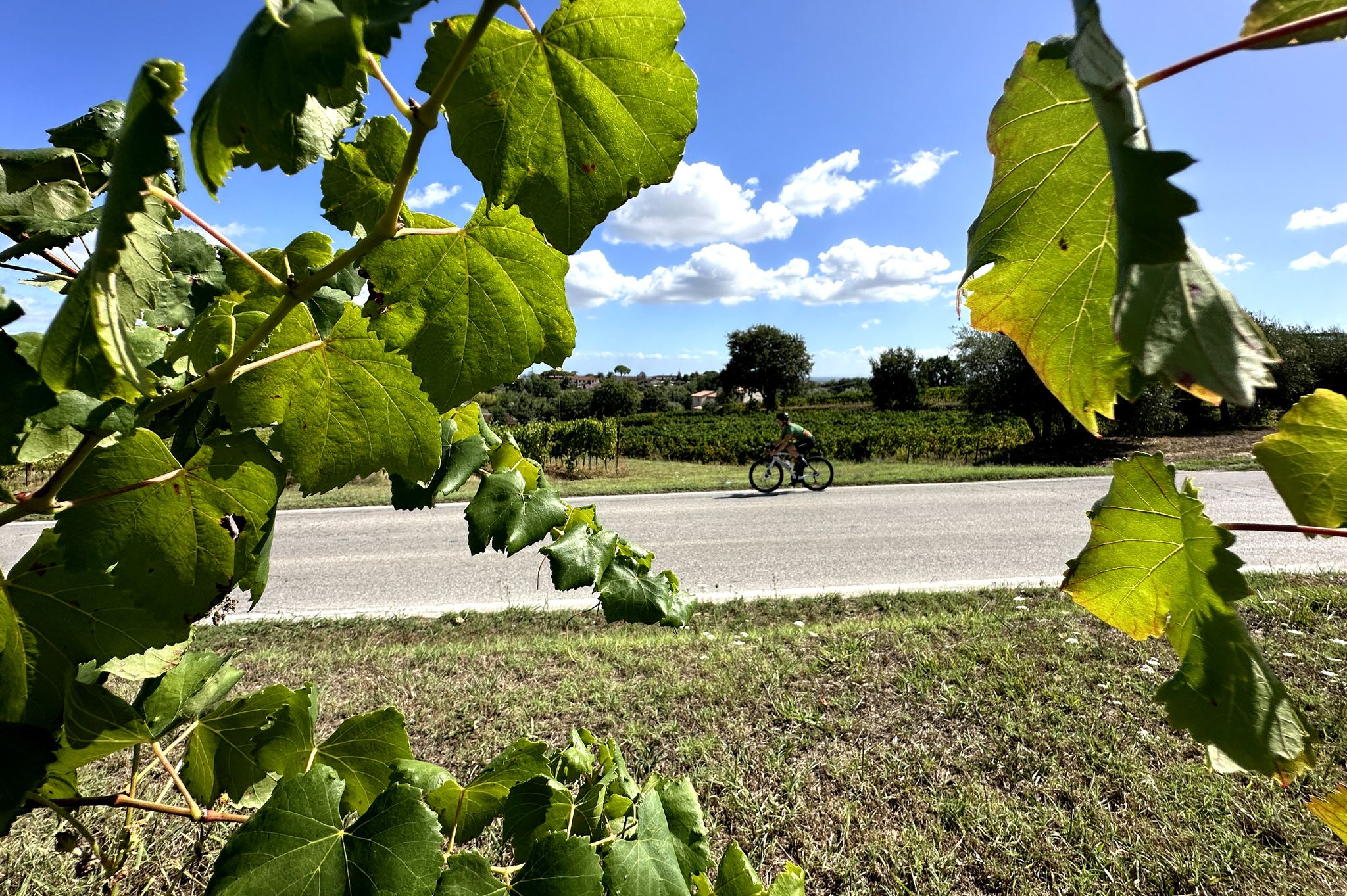
Strade di Lucca Bike Hub – cycling among villas, hills and legends
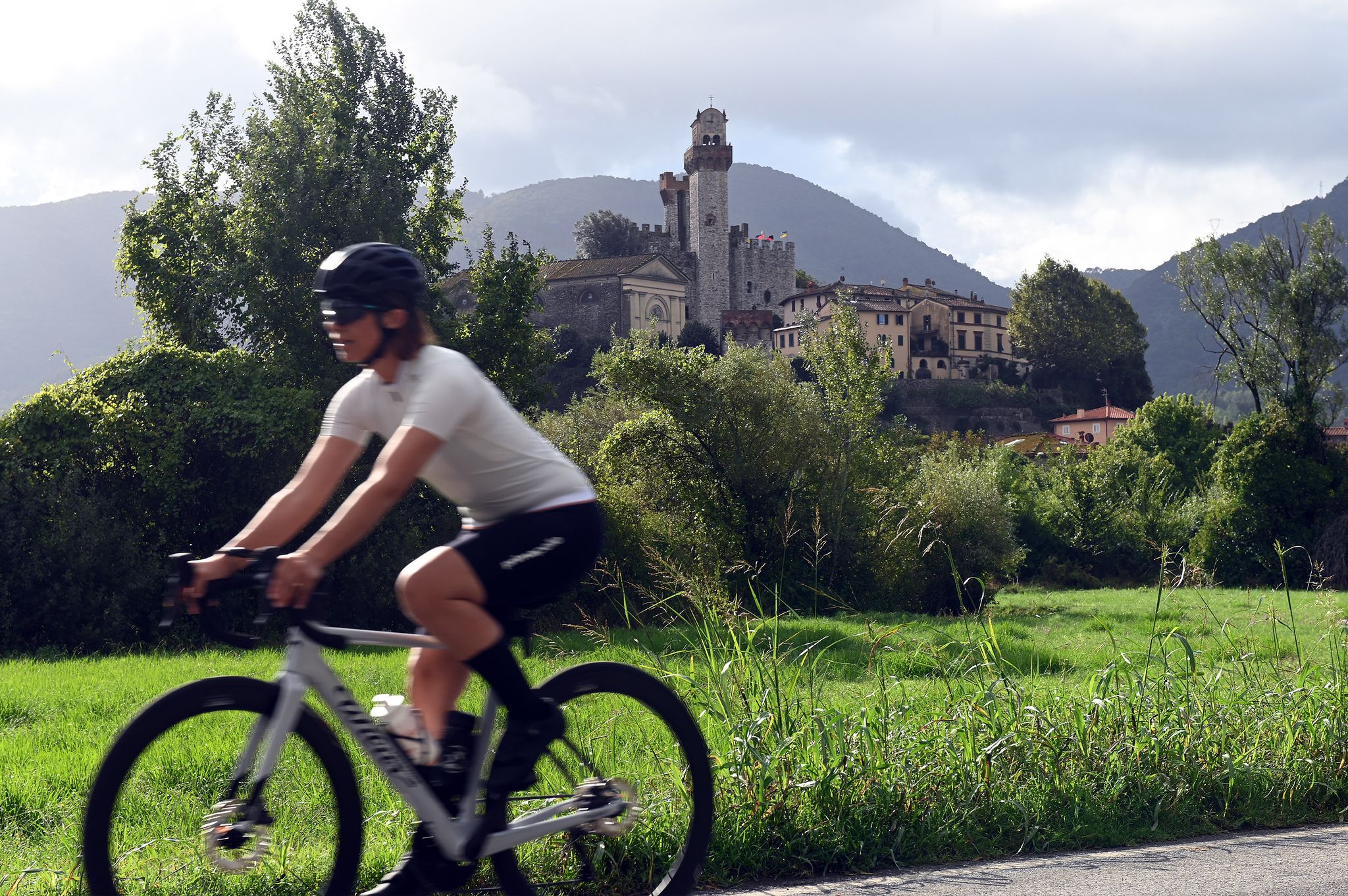
Strade di Lucca Bike Hub – gravel, historic climbs and pretty villages
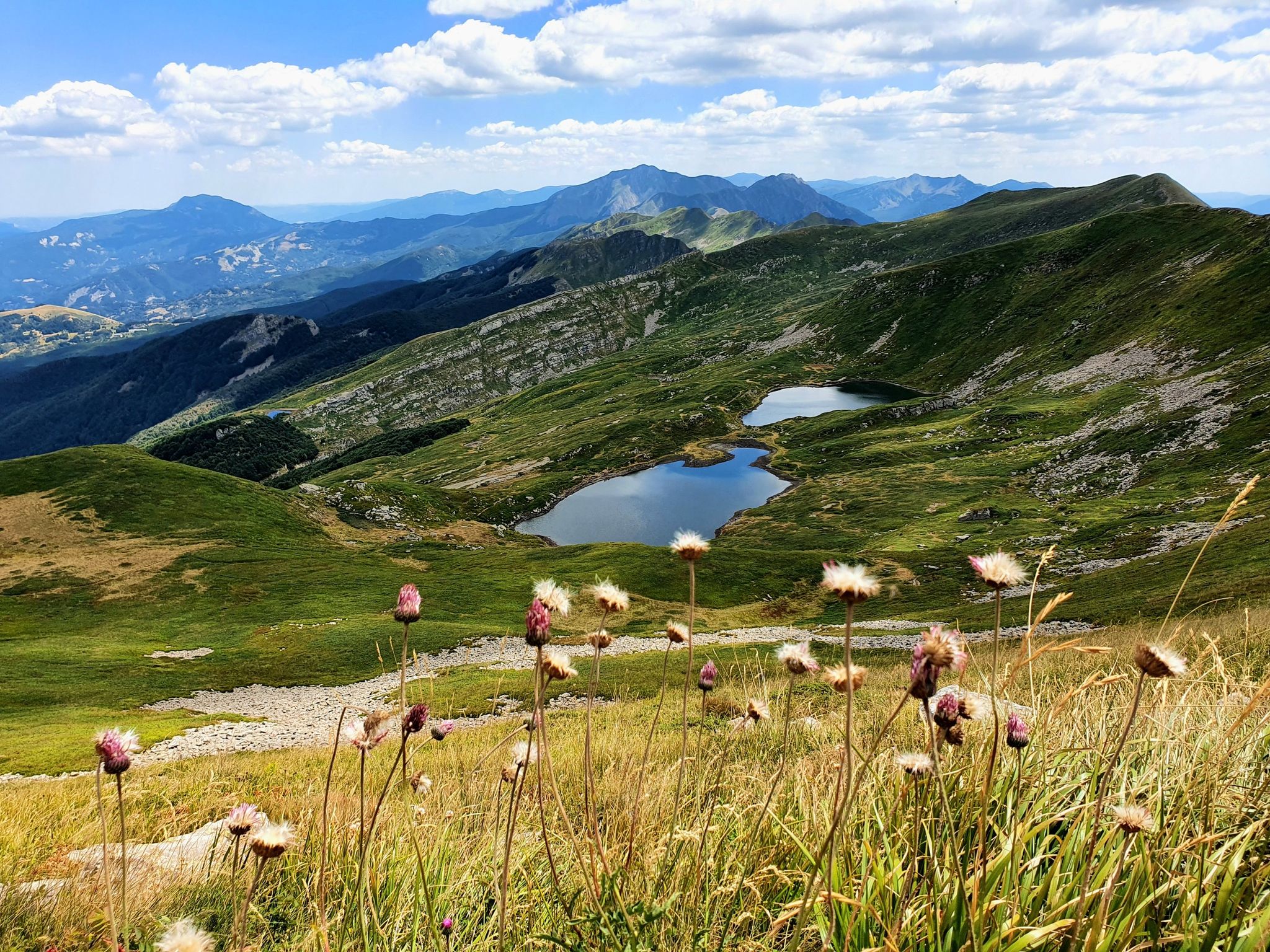
Berceto to Abetone – Alta Via dei Parchi (part 1)
18th-century route from Modena to Massa – Via Vandelli
Through history between Lunigiana and Garfagnana – Via del Volto Santo by MTB
A cycling pilgrimage — history and nature on Italy’s Via Francigena
Hiking around Lucca
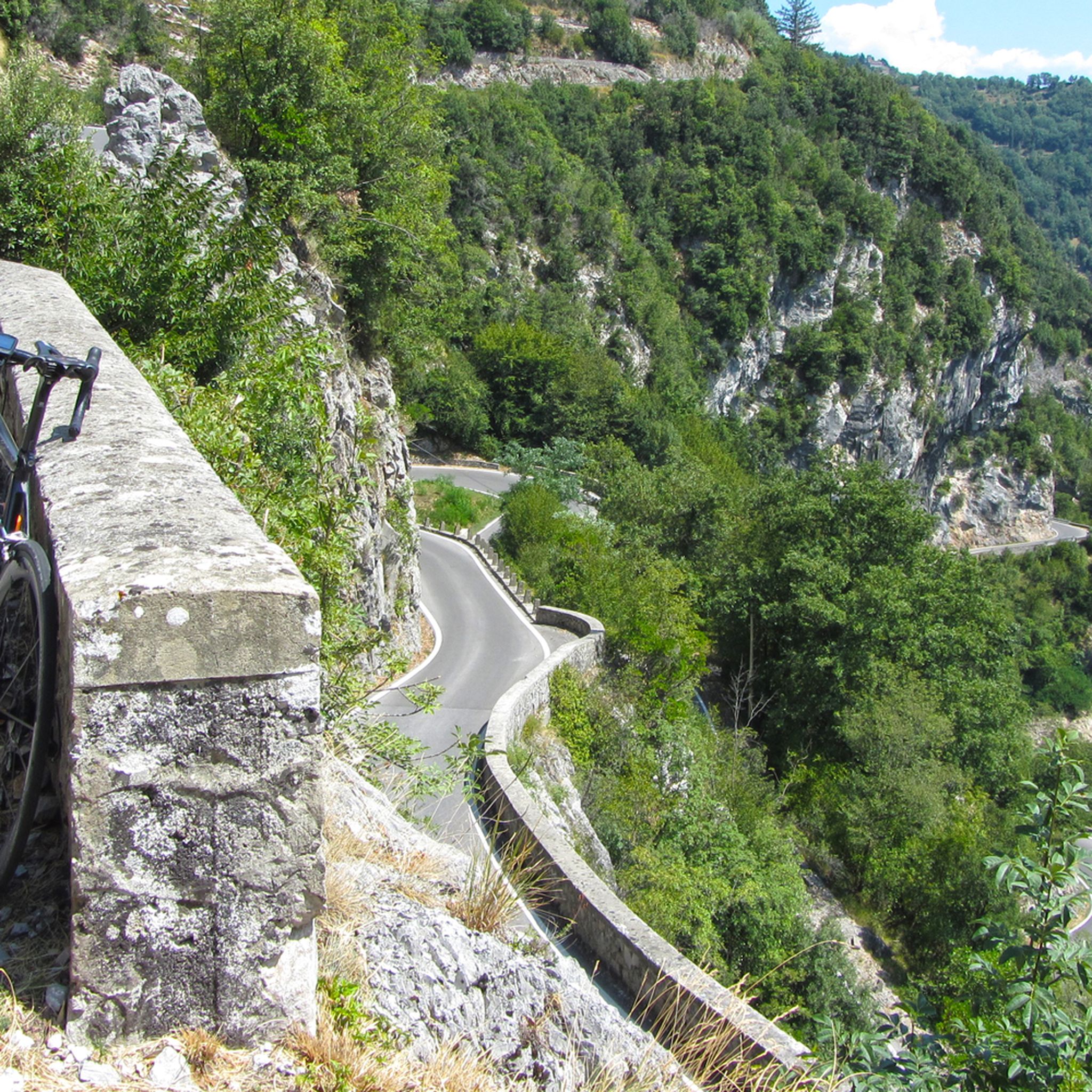
Road Cycling Routes around Lucca
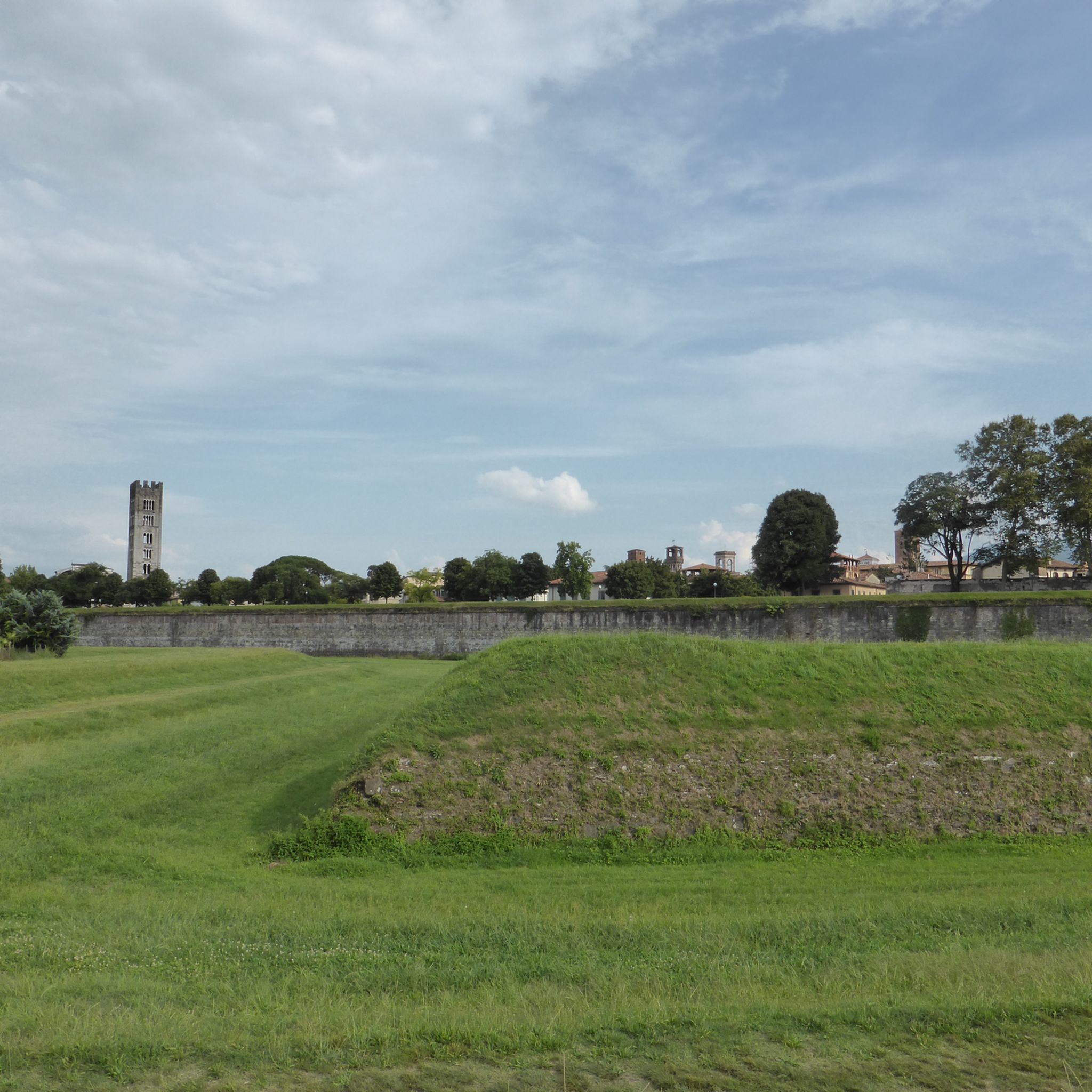
Cycling around Lucca
Other adventures around Lucca


Tips from the Community

The underground passages and the exit of the Baluardo San Paolino are part of the historic Walls of Lucca. Completely recovered and equipped with a modern lighting system, they directly connect the city center with the viale Carducci area and the external parking lots.
0
0

I only dared to go a few meters into the cave, but it continued a bit further. You should definitely bring a flashlight. But even outside the cave, you can rest well and enjoy the wild romantic scenery.
0
0


Very beautiful underworld.
1
0

Impressive quarries, owner one of the most famous companies operating in the Apuan Alps. A disconcerting situation to say the least, the mountain literally eaten.
0
0

An interesting ring from both a naturalistic and landscape point of view, one of the best in the southern Apuan Alps
0
0

An attraction and a place with beautiful views on the route
0
0

located in a secluded area and not overcrowded. The first half hour along the road is a bit arduous, but then you get into the countryside.
0
0
Frequently Asked Questions
What unique geological features can I expect to see in the caves near Lucca?
The caves around Lucca, particularly in the Apuan Alps Natural Park, offer a rich variety of geological formations. For instance, Grotta del Vento is known for its diverse limestone formations, including stalactites, stalagmites, columns, and flowstones, as well as underground lakes and waterways. The Antro del Corchia Cave features an incredible maze of stalactites, stalagmites, flowstones, and even 'cave pearls' within its vast underground system.
Are there historical or archaeological caves to visit near Lucca?
Yes, several caves in the region have significant historical or archaeological importance. All'Onda Cave is an archaeological site that has been inhabited since prehistoric times. The Spelonca Hermitage and Calomini Hermitage are ancient religious sites with structures carved directly into the rock. Additionally, the Monte Folgorito WWII Radio Station Depot Cave served as a depot during World War II.
What are the accessibility options for visiting caves near Lucca?
Grotta del Vento is highly accessible, featuring non-slip concrete paths, metal railings, and artificial lighting. It offers three distinct guided tour routes of varying lengths (1, 2, or 3 hours) to accommodate different fitness levels and interests. The Antro del Corchia Cave also provides a safe experience with steel walkways and passages on natural rock for its guided tours.
Are there family-friendly caves around Lucca?
Grotta del Vento is a great option for families, offering guided tours of varying lengths that are suitable for different ages and fitness levels, thanks to its accessible paths and lighting. The educational aspect of observing diverse formations also makes it engaging for children.
What is the best time of year to visit the caves near Lucca?
Many caves, such as Grotta del Vento, maintain a constant temperature year-round (around 10.7°C or 51°F) and are open every day of the year (except December 25th), making them an excellent destination regardless of the season. This means you can enjoy them even during colder or rainy weather when other outdoor activities might be less appealing.
What should I wear when visiting caves in the Lucca area?
Given the constant cool temperatures inside most caves (around 10-11°C or 50-52°F), it's advisable to wear warm clothing, even in summer. Comfortable, sturdy shoes with good grip are also recommended, especially for caves like Antro del Corchia Cave which involve walking on steel walkways and natural rock.
Are there any caves near Lucca that offer a unique wellness experience?
While not a traditional exploration cave, Grotta Giusti in Monsummano Terme (between Lucca, Florence, and Pisa) offers a unique natural thermal grotto experience. It's renowned for its therapeutic properties, providing a 'natural sauna' with beneficial vapors and thermal waters for relaxation and wellness treatments.
What kind of tours are available for the caves near Lucca?
Most major tourist caves, like Grotta del Vento and Antro del Corchia Cave, offer guided tours. Grotta del Vento, for example, has three different guided itineraries ranging from 1 to 3 hours, with guides providing insightful information in multiple languages.
Can I find challenging cave exploration opportunities near Lucca?
For those seeking a more challenging experience, the Antro del Corchia Cave offers a rewarding exploration into Italy's largest underground complex. Its guided tour covers approximately 2 kilometers through impressive sections like the Franosa Gallery and the English Gallery. The Wild Man's Den is also categorized as challenging.
What outdoor activities can I do near these caves?
The region around Lucca offers a variety of outdoor activities. You can find numerous MTB trails and gravel biking routes, particularly in the mountainous areas. There are also many waterfall hikes and general hiking trails that allow you to explore the natural beauty of the Apuan Alps Natural Park and surrounding areas.
Are there any caves that are also associated with mining history?
Yes, the Calcaferro Mines offer a glimpse into the region's mining past. Here, you can observe the remains of an ancient powder magazine and mine, with machinery used in historical mining operations scattered throughout various rooms.
Most popular routes around Lucca
Most popular attractions around Lucca

Get inspired with the komoot mobile app


Didn’t find what you were looking for?
Discover more caves around Lucca region by region:
Explore more
Extend your search for the best caves by checking out these guides of the top ones around Lucca:
