Top 20 Caves around Lauwil
Caves around Lauwil are primarily found in the surrounding region, as the municipality itself does not feature prominently known cave systems. The area is characterized by its natural landscapes, including gorges and forests, which often host geological formations like rock shelters and caves. These natural monuments are integrated into various hiking trails, offering opportunities for exploration. The region's geology supports the formation of diverse cave types, making it a point of interest for those exploring the natural environment.
Best caves…
Last updated: June 28, 2026
Kaltbrunnental Gorge
Highlight • Gorge
Translated by Google •
Tip by

Chaltbrunnental Nature Reserve
Highlight • Gorge
There is also a karst educational trail through the valley, …
Translated by Google •
Tip by
Sign up now to discover places like this
Get recommendations on the best single tracks, peaks, & plenty of other exciting outdoor places.
Sign up for free
Kastel Cave
Highlight • Cave
A light source is very helpful.
Translated by Google •
Tip by
Ibach Cave
Highlight • Cave
Showing Translation
Tip by

Hutzme Staircase
Highlight • Structure
Translated by Google •
Tip by

Sign up for free to discover even more caves around Lauwil.
Sign up for free
Already have an account?
Start today with a free account
Your next adventure awaits.
Login or Signup
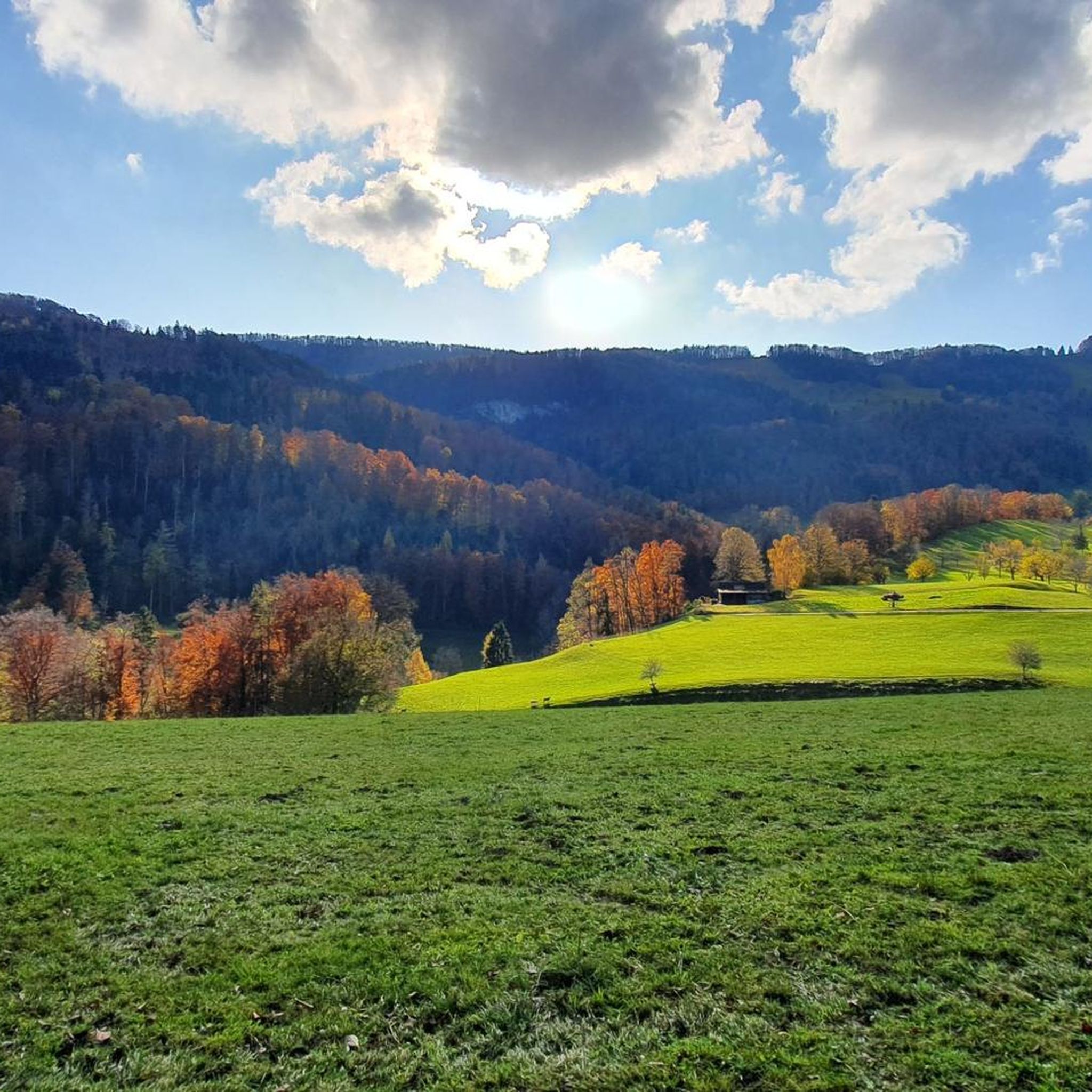
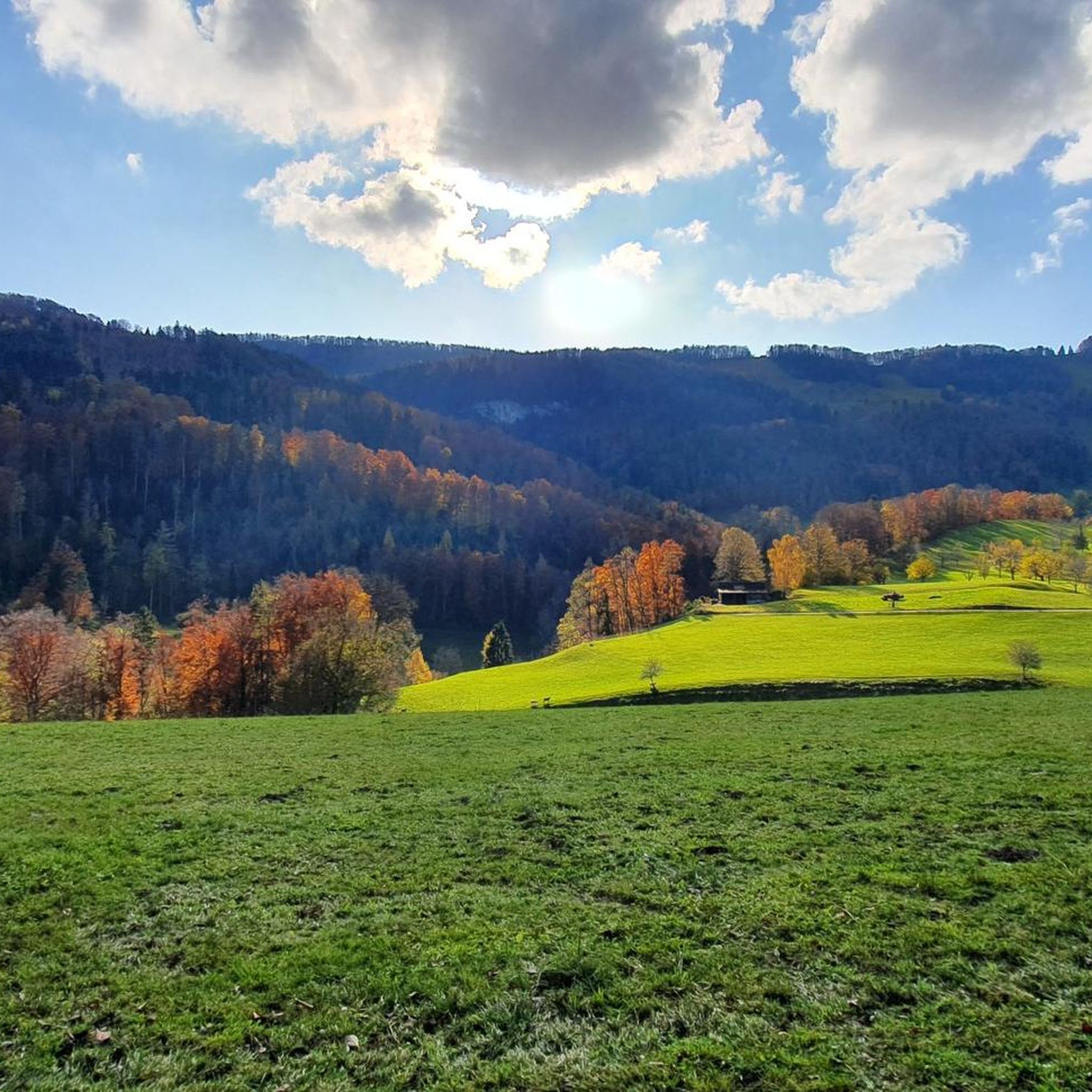
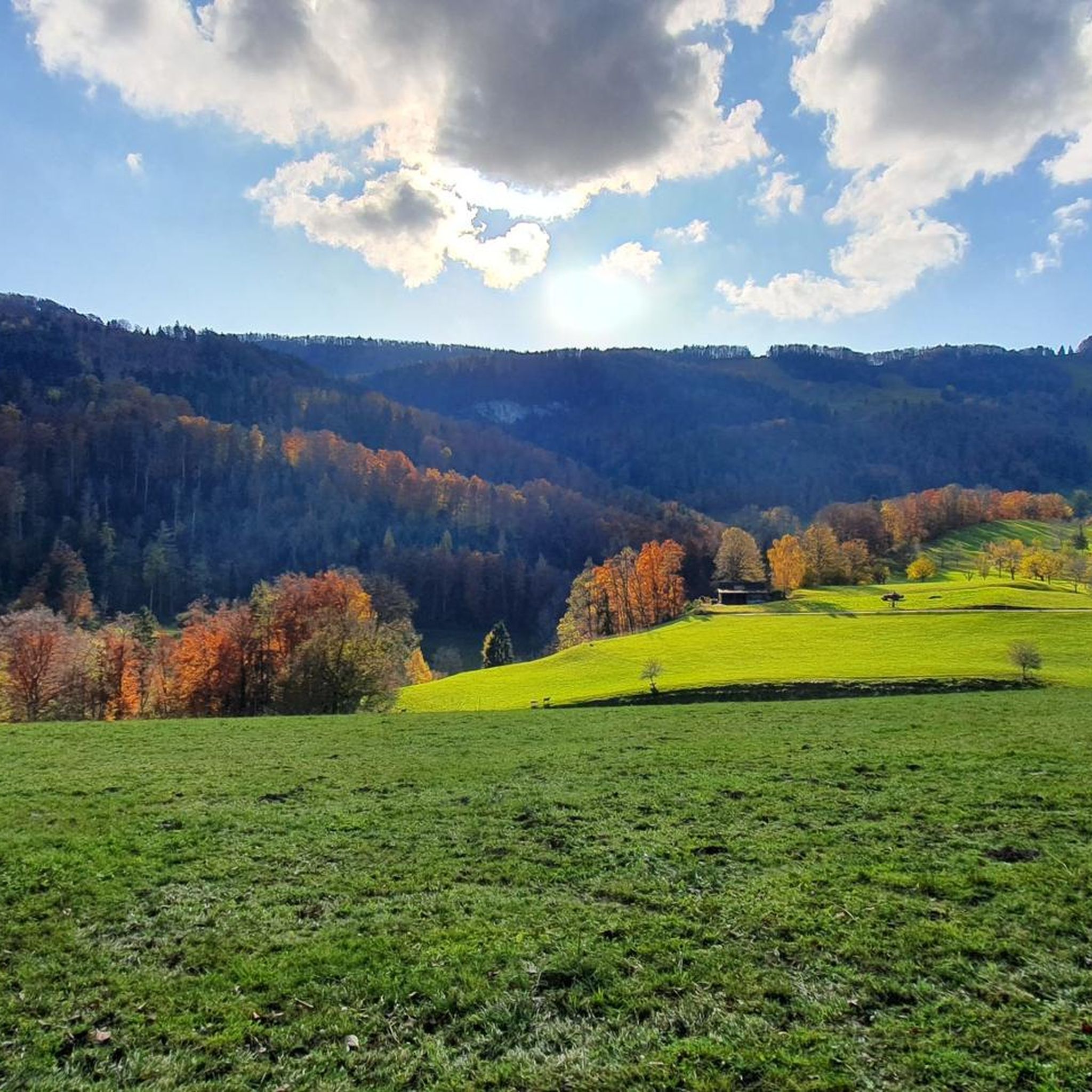
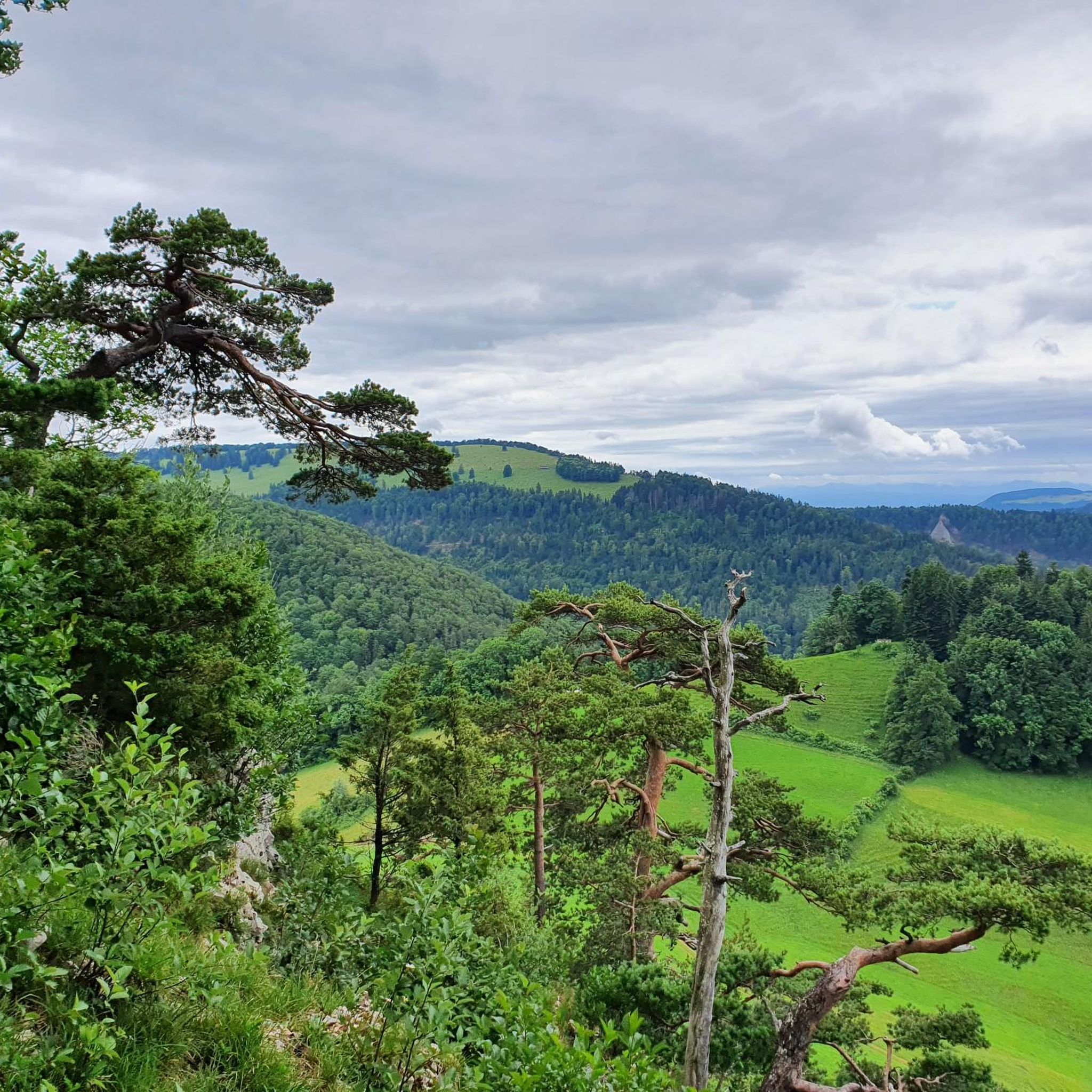

Tips from the Community

easily accessible cave with information board
2
0

In addition to its scenic beauty, the Kaltbrunnental Valley is a great outdoor playground for families. The stream offers fun activities and children's canyoning, easy access to the water, and barbecue areas are available. A hot tip, especially in summer.
1
0
The Ibach Cave is a small karst spring cave located just a few steps above the hiking trail through the Kaltbrunnen Valley. It can be accessed according to the information board nearby.
0
0


Already 12,000 years ago, gatherers and hunters used the protection of the caves in Chessiloch.
2
0

Located on the opposite side of the stream from the hiking trail. Can be easily reached via a path in the rock, provided you are sure-footed.
0
0

The Hutzmetreppe in the Falkenflue connects Hochwald and Duggingen. The approach from above is much more pleasant than from below, as it is really steep here! It is also worth taking a look under the rocks of the stairs, where you will find a water source that comes directly out of the rock.
0
0
Frequently Asked Questions
What types of caves can I explore around Lauwil?
The region around Lauwil offers a variety of cave types, including natural rock shelters, historical caves, and spring caves. Notable examples include the Kaltbrunnental Gorge, which features caves like Chessiloch, and the Ibach Cave, known as a small spring cave.
Are there family-friendly cave explorations near Lauwil?
Yes, the Chaltbrunnental Nature Reserve is particularly suitable for families. It offers an easy hike through a gorge with a karst educational trail, where visitors can learn about the area's geology and numerous caves. The Kaltbrunnental Gorge also provides easy hiking trails through a valley with caves.
What historical significance do the caves around Lauwil hold?
Many caves in the region have historical importance. For instance, the Chessiloch caves within the Kaltbrunnental Gorge were utilized by gatherers and hunters over 12,000 years ago. Similarly, Kastel Cave is recognized as a natural monument where prehistoric people once lived.
Do I need special equipment to explore the caves?
For some caves, a light source like a flashlight or headlamp is highly recommended or even necessary for deeper exploration. This is particularly true for Kastel Cave and Ibach Cave, where tips suggest bringing one. For more adventurous experiences in other Swiss cave systems, good shoes and the ability to climb ladders might be required, though specific details for Lauwil's immediate vicinity are less extreme.
Are there hiking trails that incorporate caves near Lauwil?
Yes, the caves are often integrated into various hiking trails. The Kaltbrunnental Gorge and Chaltbrunnental Nature Reserve both offer trails that lead through valleys featuring impressive rock walls and caves. You can find more hiking options in the area by exploring the Hiking around Lauwil guide.
What are the geological features of the caves around Lauwil?
The region's geology supports the formation of diverse cave types, including karst formations. The Chaltbrunnental Nature Reserve features a karst educational trail, providing insights into these geological processes. You'll encounter gorges, rock shelters, and impressive rock walls throughout the area.
Can I find any hidden or less-known caves around Lauwil?
While the main guide highlights the more prominent caves, the region is known for numerous natural rock shelters and smaller caves. Some, like those accessible from the Hutzme Staircase, might be less widely publicized but offer unique discoveries, including springs under the stairs.
What outdoor activities can I combine with a visit to the caves?
Besides hiking, the area around Lauwil offers various outdoor activities. You can explore gravel biking routes or enjoy road cycling. Many of these routes pass through the natural landscapes where caves are found, allowing for a diverse outdoor experience.
Is the Weibelloch Waterfall and Cave in Reigoldswil part of the Lauwil cave system?
While the Weibelloch Waterfall and Cave is a notable natural feature in the broader region, it is located in Reigoldswil. The caves highlighted in the immediate vicinity of Lauwil, such as those in the Chaltbrunnental, are distinct but contribute to the overall geological interest of the Basel-Landschaft canton.
What do visitors particularly enjoy about the caves and natural areas near Lauwil?
Visitors appreciate the easy hiking trails, the pleasant coolness of the valleys in summer due to tree shade, and the varied environment. The historical aspect of caves like Chessiloch and Kastel Cave, along with the educational opportunities at the Chaltbrunnental Nature Reserve, are also highly valued. The komoot community has shared over 147 photos and given over 610 upvotes, reflecting the appeal of these natural sites.
Are there any caves that require climbing or advanced caving skills?
While the main highlights around Lauwil are generally accessible for hiking and exploration, some passages within caves might require navigating on all fours. The Hutzme Staircase area, for example, is also suitable for climbing, suggesting more challenging terrain nearby. For more advanced caving, other regions in Switzerland, like the Lenk Simmental, offer systems with ladders and more demanding exploration.
Can I bring my dog to the cave areas around Lauwil?
The natural areas and hiking trails around the caves are generally suitable for dog walks. However, specific regulations for dogs within the caves themselves or on certain protected trails may vary. It's always advisable to check local signage or guidelines for the specific area you plan to visit.
Most popular routes around Lauwil
Most popular attractions around Lauwil

Get inspired with the komoot mobile app


Explore more
Extend your search for the best caves by checking out these guides of the top ones around Lauwil:
