Top 8 Caves around Mels
Best caves around Mels are found in a region known for its diverse geological features and natural landscapes, situated in the Swiss canton of St. Gallen. Mels offers access to the Pizol mountain and the idyllic Lake Chapfensee, providing a backdrop for various outdoor activities. While traditional show caves are not prominent directly within Mels, the broader Sarganserland area features unique underground formations. The region's geology includes narrow rock crevices and historical mining sites that offer cave-like experiences.
Best caves around Mels
- The most popular caves is Gonzen Iron Mine in Sargans, a historical site that features a labyrinth of tunnels. This former iron mine, with around 90 kilometers of tunnels, offers visitors an immersive experience into underground mining history.
- Another must-see spot is Lourdes Grottoes, Mels, a religious building with cave-like structures. These three grottoes were established as places of prayer and are considered family-friendly and dog-friendly.
- Visitors also love Mariengrotte Buchholz (Wangs), a religious building with a grotto. This grotto, created in 1912/1913, features a Pietà and is part of a Stations of the Cross path.
- Mels is known for historical mine tunnels, religious grottoes, and natural rock formations. The variety of caves around Mels includes both man-made historical sites and natural geological features to see and explore.
- The caves around Mels are appreciated by the komoot community, with over 50 upvotes and more than 130 photos shared by visitors.
Last updated: June 28, 2026
Gonzen Iron Mine in Sargans
Highlight • Historical Site
Das zwischen Quintnerkalk liegende Erzlager hatte eine Mächtigkeit von 0,5–2,2 m und erstreckte sich über eine Grundfläche von über 3 Quadratkilometer. Der Eisengehalt betrug ca. 50–60 %, es kamen auch reine Manganerze vor. Der tiefste Abbaupunkt lag auf etwa 350 m, während sich der höchstgelegene Abbaupunkt auf ca. 1400 m befand. In zeitlicher Reifenfolge wurden die Vorkommen zuerst von oben her ausgebeutet. Dabei wurde das Erz mittels hölzernen, ab 1839 eisernen, Hunden aus der Grube und nachfolgend per Schlitten auf steilen Wegen zu Tal befördert. Der Abbau der Grube I fand während der Frühzeit und der Blütezeit im 15. bis 19. Jahrhundert statt und endete 1918. In der 1842 wieder entdeckten Grube II und in der Grube IV wurden grössere Erzmengen gefördert (überwiegend 1764–1774). Die Grube III war ein eher unbedeutendes Grubenfeld.
1823 kaufte Johann Georg Neher das Eisenwerk Plons und das Bergwerk Gonzen von der Familie Bernold und erbaute 1825 in Plons einen Hochofen, welcher bis 1868 und später, in verbesserter Form, erneut von 1873 bis 1878 betrieben wurde.[3] Die Familie Neher förderte bis 1873 überwiegend über diese Gruben mittels Sprengstoff. In dieser Zeit wurden ca. 140'000 Tonnen Eisenerz gefördert. Der Abbau fand im Pfeilerbauverfahren ohne Holzeinbau und ohne Versatz statt, da das Hangende fest und tragfähig war. Die Verhüttung der Erze fand bis ca. 1900 vollständig in der Schweiz statt. Ab 1921 wurde der Grossteil der Erze ins deutsche Ruhrgebiet verkauft. Die reinen Manganerze, welche begehrt waren, wurden überwiegend in der Schweiz abgesetzt. 1917 wurde ca. 500 m nordöstlich von Grube I ein weitere Stollen, Nausgrube genannt, auf ca. 1000 m ü. M. in den Berg getrieben.
1919 wurde die Eisenbergwerk Gonzen AG gegründet, deren Abbaukonzession 2003 um weitere 80 Jahre verlängert wurde. Um 1920 beschäftigte das Werk 150 bis 180 Personen. 1942 förderten 380 Bergarbeiter 116'000 Tonnen Eisenerz. Von 1920 bis 1951 wurden die Erze mit einer 1800 Meter langen Luftseilbahn von Naus zur Aufbereitungsanlage im Tal abtransportiert.[4] Nach Errichtung des Grundstollens wurde diese zurückgebaut.[5] Vor der Errichtung der Seilbahn und des Grundstollens wurde das Erz mit Schlitten ins Tal befördert.
1949 wurde bei Vild im Tal mit dem Bau des Grundstollens begonnen, welcher nach 1700 m auf den Erzgang (Steillager) stiess. Nachfolgend wurde der Abbau über die Nausgrube von Naus (Scheitel) eingestellt. 1963 wurde ein Erdgasvorkommen in der Nähe der Fluewand-Verwerfung entdeckt, was die Kosten für die Sicherung der Arbeiter in die Höhe trieb. In diesem Zuge wurde auf elektronische Sprengung umgestellt und es erfolgte eine kontinuierliche Messung des Methangehalts der Luft.
Bis 1921 wurde das Eisenerz direkt in der Grube oder unmittelbar vor der Grube sortiert. Danach entstand in Malerva eine Reinigungs- und Sortieranlage. Die Anlage hatte einen Gleisanschluss mit dem Bahnhof Sargans der SBB. Sie diente auch als Talstation der Luftseilbahn. 1939 brannte sie komplett aus, wurde aber wiedererrichtet. Nach Fertigstellung des Grundstollens konnte das Eisenerz mit der Grubenbahn direkt nach Malerva transportiert werden. Dafür wurde eine Betonbrücke am Eingang des Bergwerkes gebaut. Bis 1954 wurden die Erze per Hand zumeist von Frauen sortiert. 1954 errichtete die Eisenbergwerk Gonzen AG eine automatische Sortieranlage. Die automatische Sortieranlage war in der Lage, Kalk mit einer Korngrösse bis 2 mm auszusortieren. Von Hand gelang das höchstens bis zu einer Korngrösse von 15 mm.
Nach Kriegsende sank die Jahresproduktion auf 18'000 Tonnen. Wegen sinkender Weltmarktpreise und der erhöhten Förderkosten (viele Stollen, starke Verwerfungen, geringe Mächtigkeit des Lagers) wurde der Abbau am 2. Mai 1966 eingestellt. Die Gesamtförderung betrug 2,7 Millionen Tonnen Eisenerz. Noch heute werden die Roteisensteinvorräte auf 5,5 Millionen Tonnen
Tip by

Entrance to Landesplattenberg Slate Quarry, Engi
Highlight • Cave
.
Translated by Google •
Tip by

Sign up now to discover places like this
Get recommendations on the best single tracks, peaks, & plenty of other exciting outdoor places.
Sign up for free
Mariengrotte Buchholz (Wangs)
Highlight • Religious Site
The Wangs Mariengrotto was created on the initiative of Pastor Künzle in 1912/1913, and the bell tower was added in 1916. A cross is located on the vaulted hill in front of the tower.
A Pietà (Mother of God with suffering Jesus) in the Nazarene style was placed in the grotto.
Text / Source: Roman Catholic Pastoral Unit of Central Sarganserland
kath-msl.ch/kirchgemeinde-wangs/kirchen-gebaeude-wangs/#:~:text=The parish church of St. Anthony was built in the, organ, votive candles, open during the day, bell ringing, site plan
Translated by Google •
Tip by
Tüfels Chuchi
Highlight • Cave
Interesting cave at an uplifting power spot
The Tüfels Chuchi is a geologically interesting miniature cave. Covered in moss, dripping and dispensing water, the rock opens up. Energetically speaking, the Tüfels Chuchi is a good, uplifting power spot. The name is quite intriguing, as it demonizes a healthy, strongly vibrating place, which suggests that the place was known and used very early on. Had it been more important, a forest chapel would probably greet us at this location. Important Celtic and pre-Celtic sites have often been Christianized, while less important ones have been demonized.
Text / Source: Heidiland Tourismus AG, Graubünden Holidays, Alexanderstrasse 24, Chur
graubuenden.ch/de/ausflugsziele/tuefels-chuchi
Translated by Google •
Tip by
Lourdes Grotto Berschis
Highlight • Religious Site
Out of the gratitude of the population that Berschis had been spared from foot-and-mouth disease and at the suggestion of Abbot Joseph Mariétan of St. Maurice, the Lourdes Grotto in the Holy Grove was built in 1921, largely through forced labor. On the Assumption of Mary in 1921, it was ceremoniously consecrated by the Bishop of Bethlehem in front of numerous believers who had traveled from all over Sarganserland. The white Madonna, which stands above the altar, was a gift from herbalist Johann Künzle. An artfully forged grille secures the sanctuary. The well-maintained grotto, located a little off the road, invites you to pray silently.
Consecration: August 15, 1921
Text / Source: Walensee pastoral unit
sesowa.ch/berschis-tscherlach/kirchen-kapellen
Translated by Google •
Tip by
Sign up for free to discover even more caves around Mels.
Sign up for free
Already have an account?
Start today with a free account
Your next adventure awaits.
Login or Signup
Popular around Mels
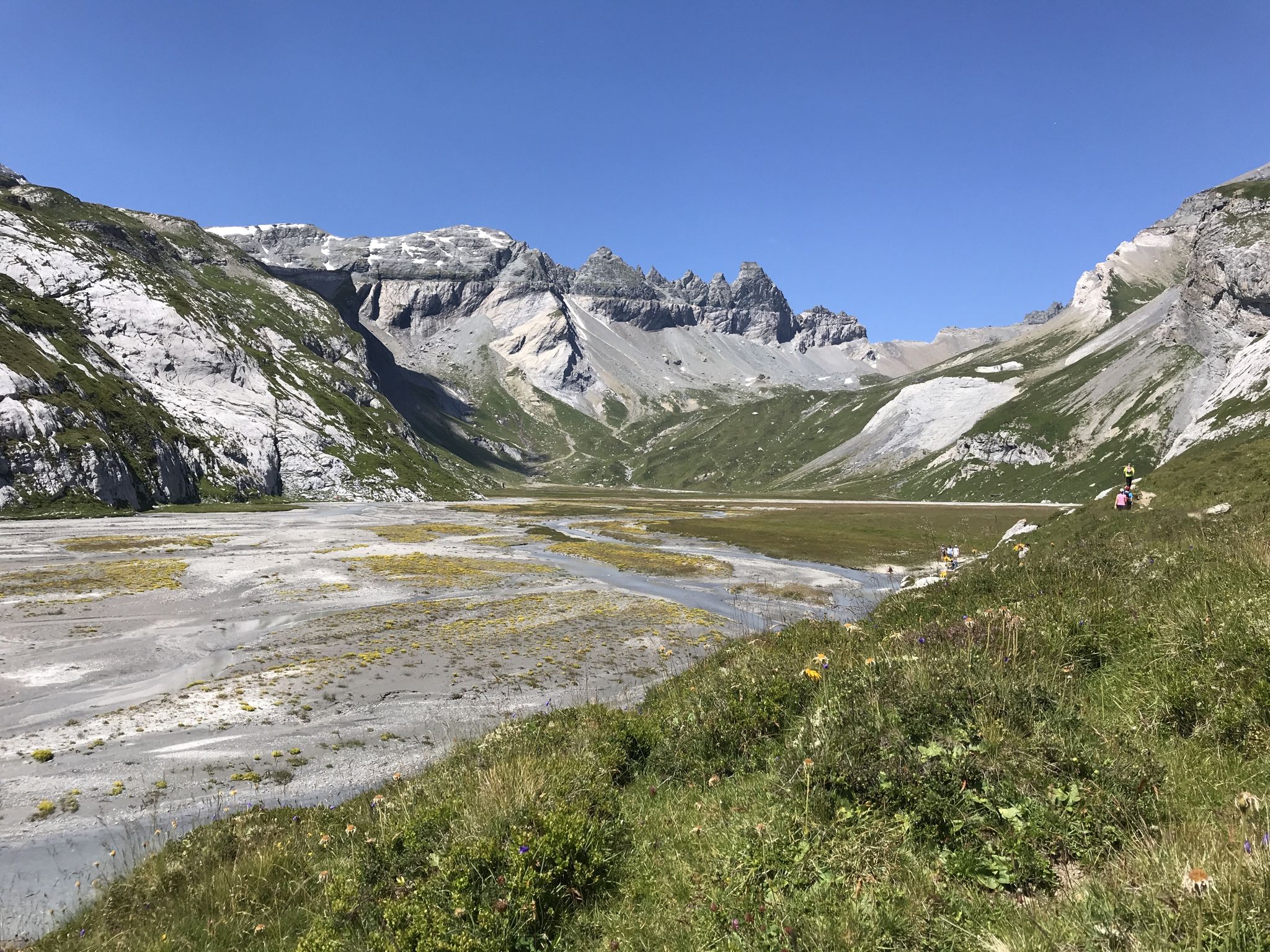
Sardona World Heritage Trail – Where the Alps once formed
Via Alpina – The 15 stages of the Green Route
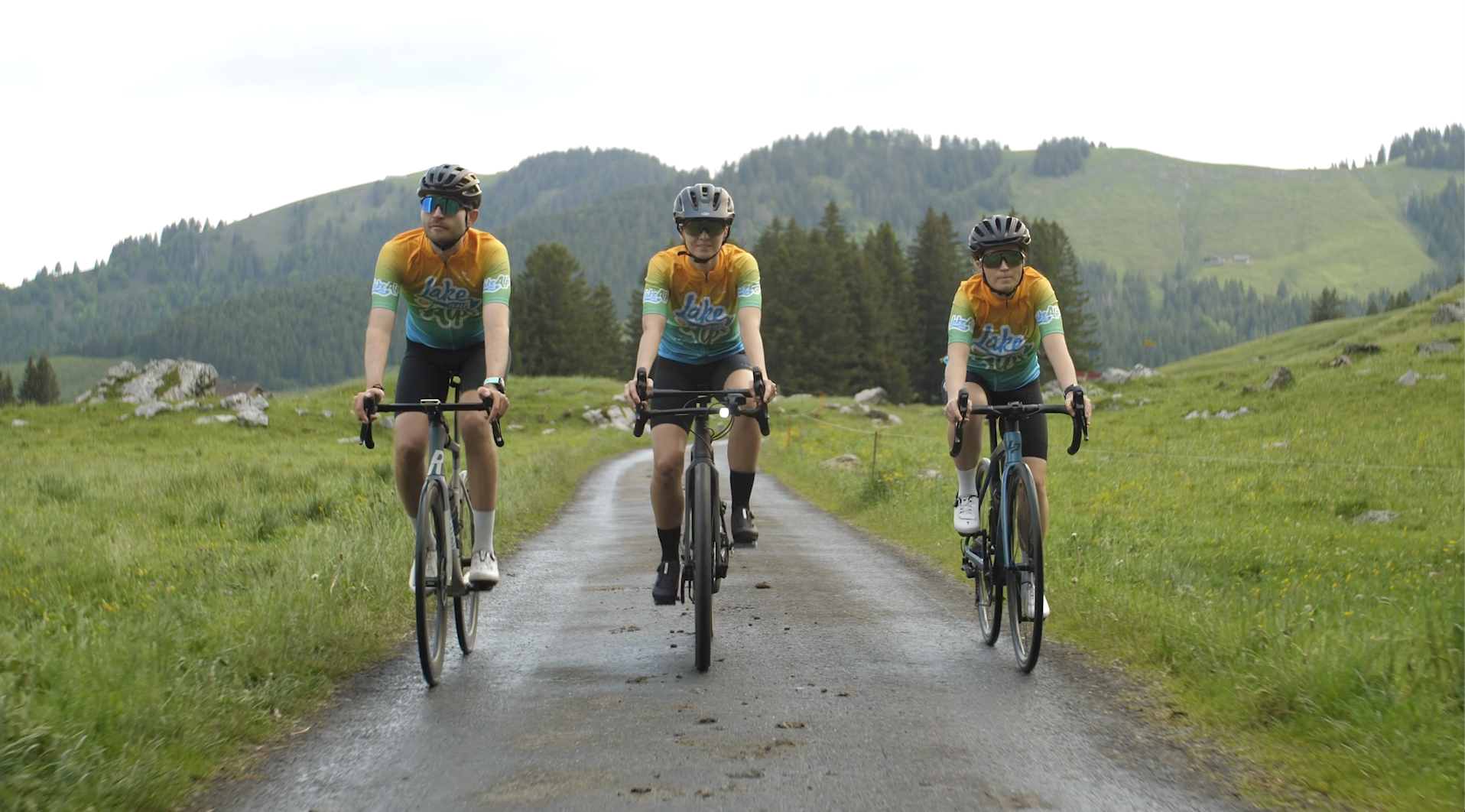
Lake and Alps Adventure – explore 100 dreamy places in our cycling region!
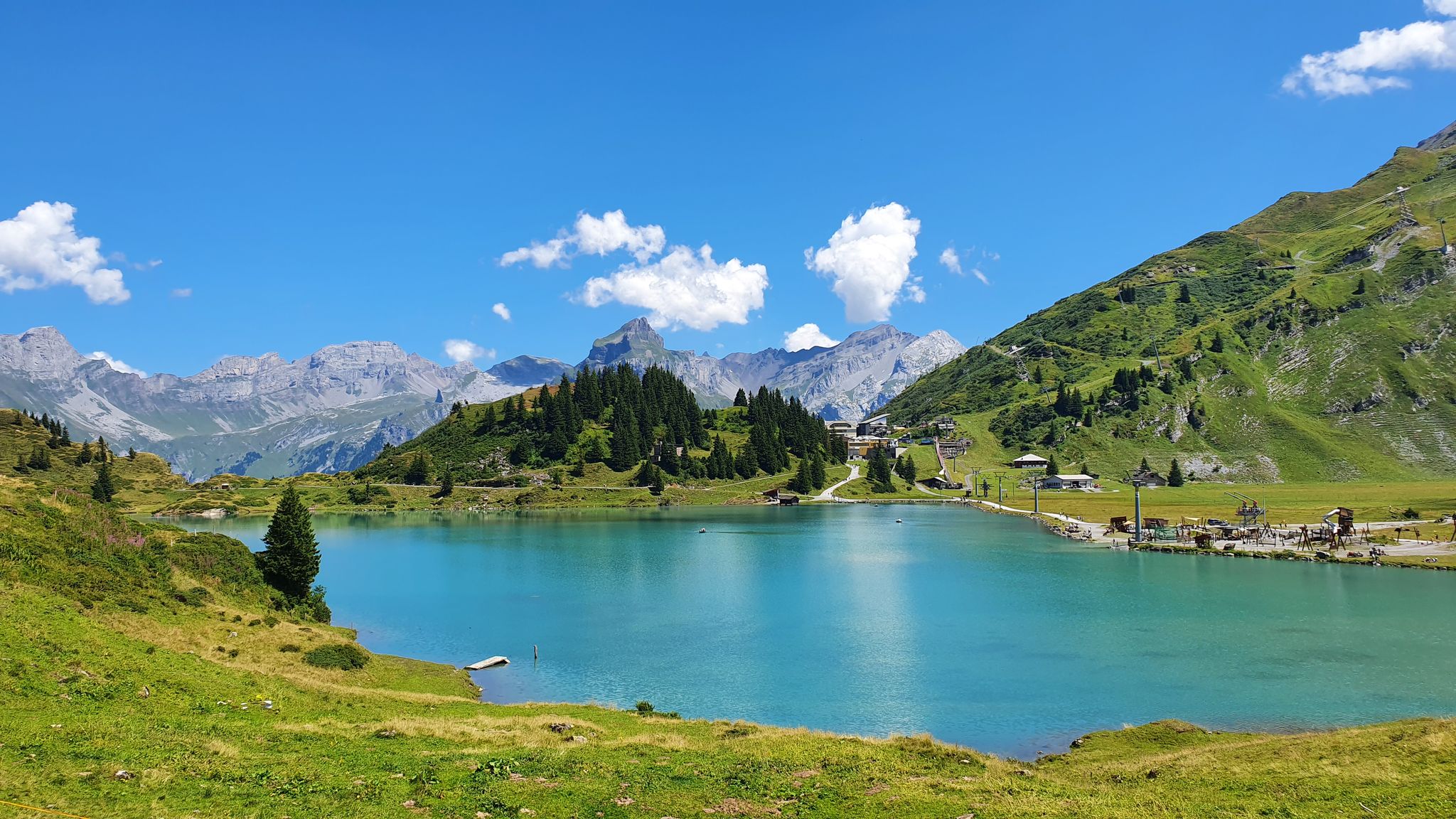
Summer in Eastern Switzerland – 10 hikes in Heidiland
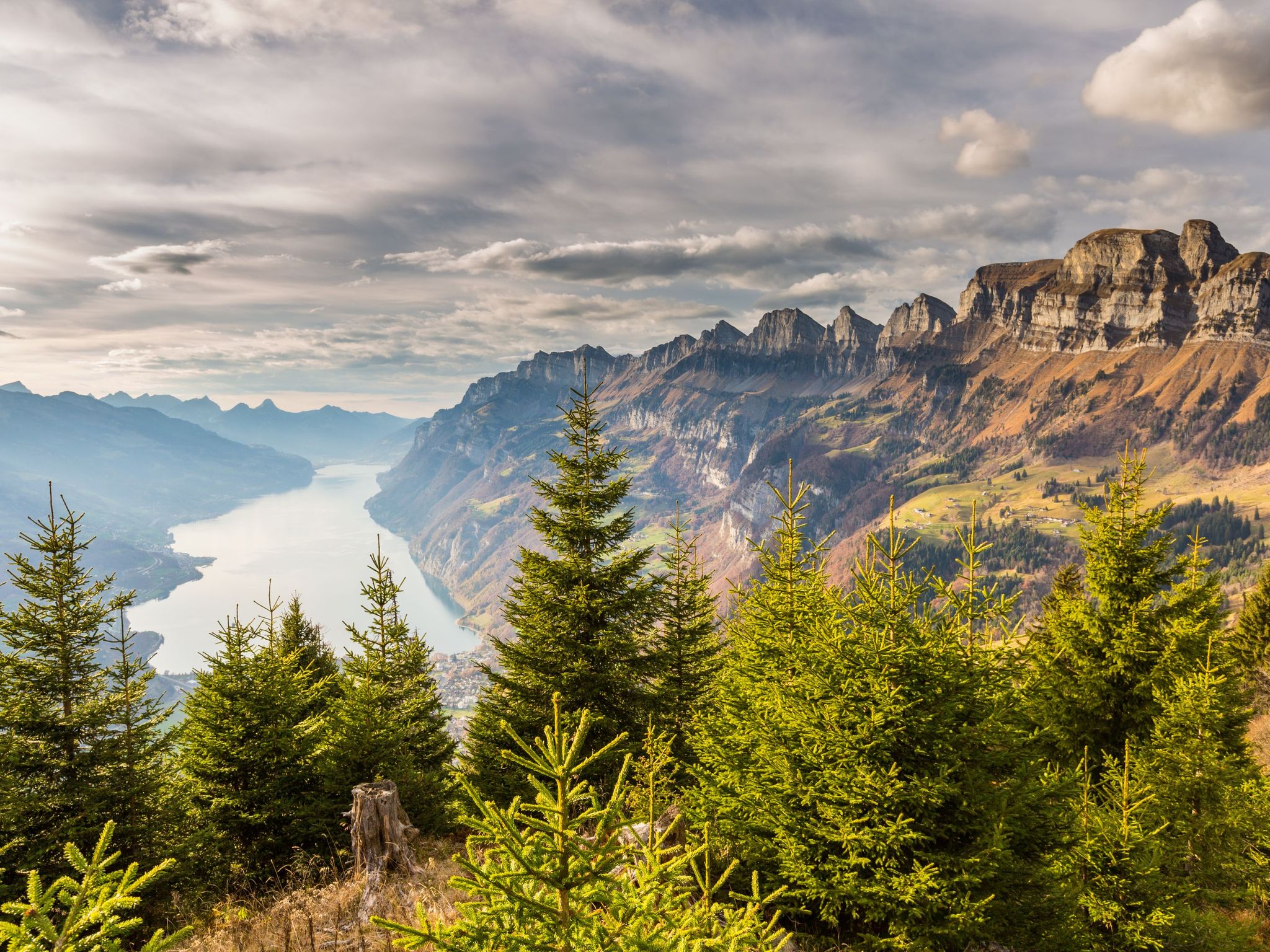
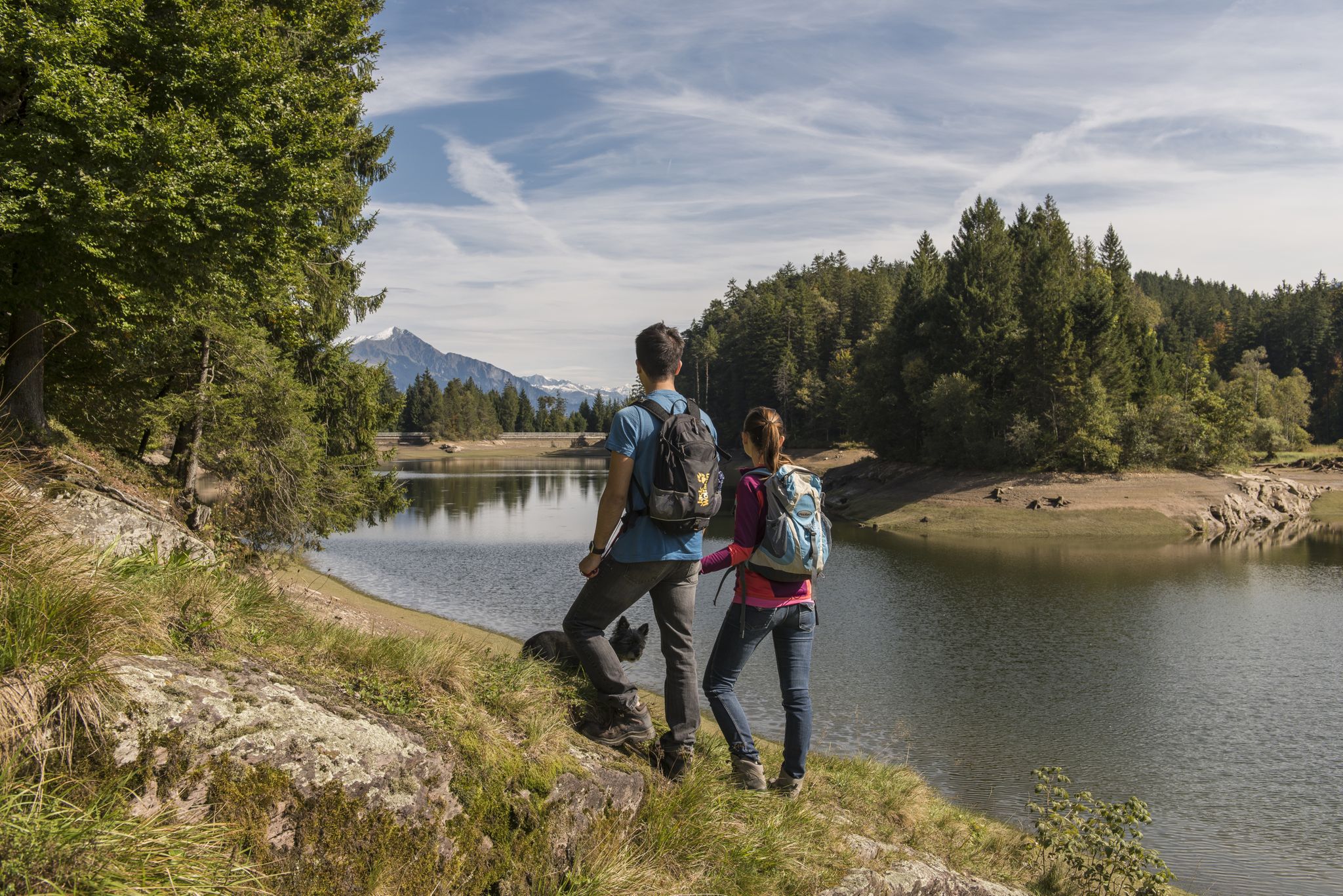
Blue lakes, wide panoramas & autumnal splendour – hiking in Heidiland
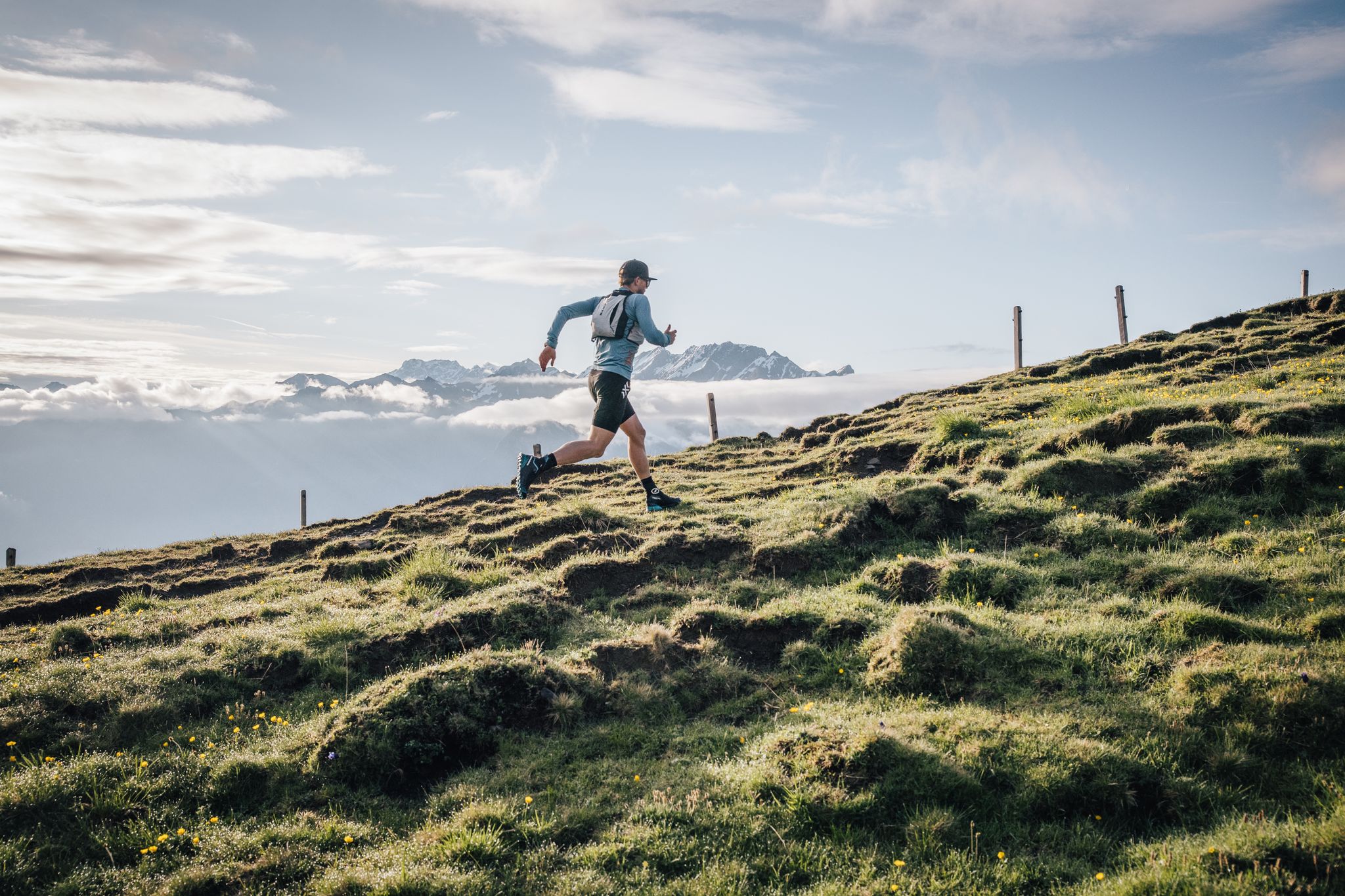
Trailrunner-Geheimtipp: Herausfordernde Trails & bequeme Rückfahrt mit der Seilbahn Palfries
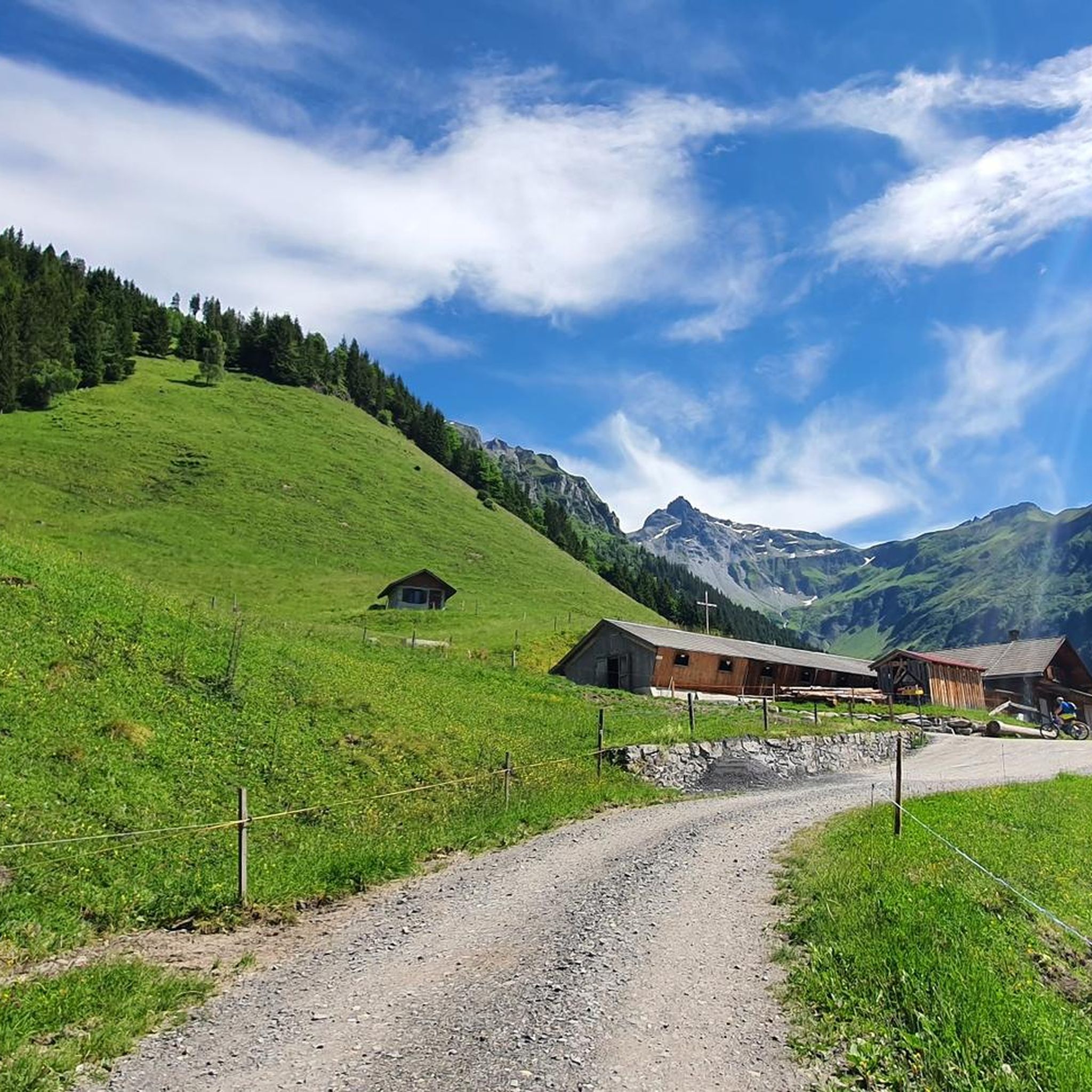
Hiking around Mels
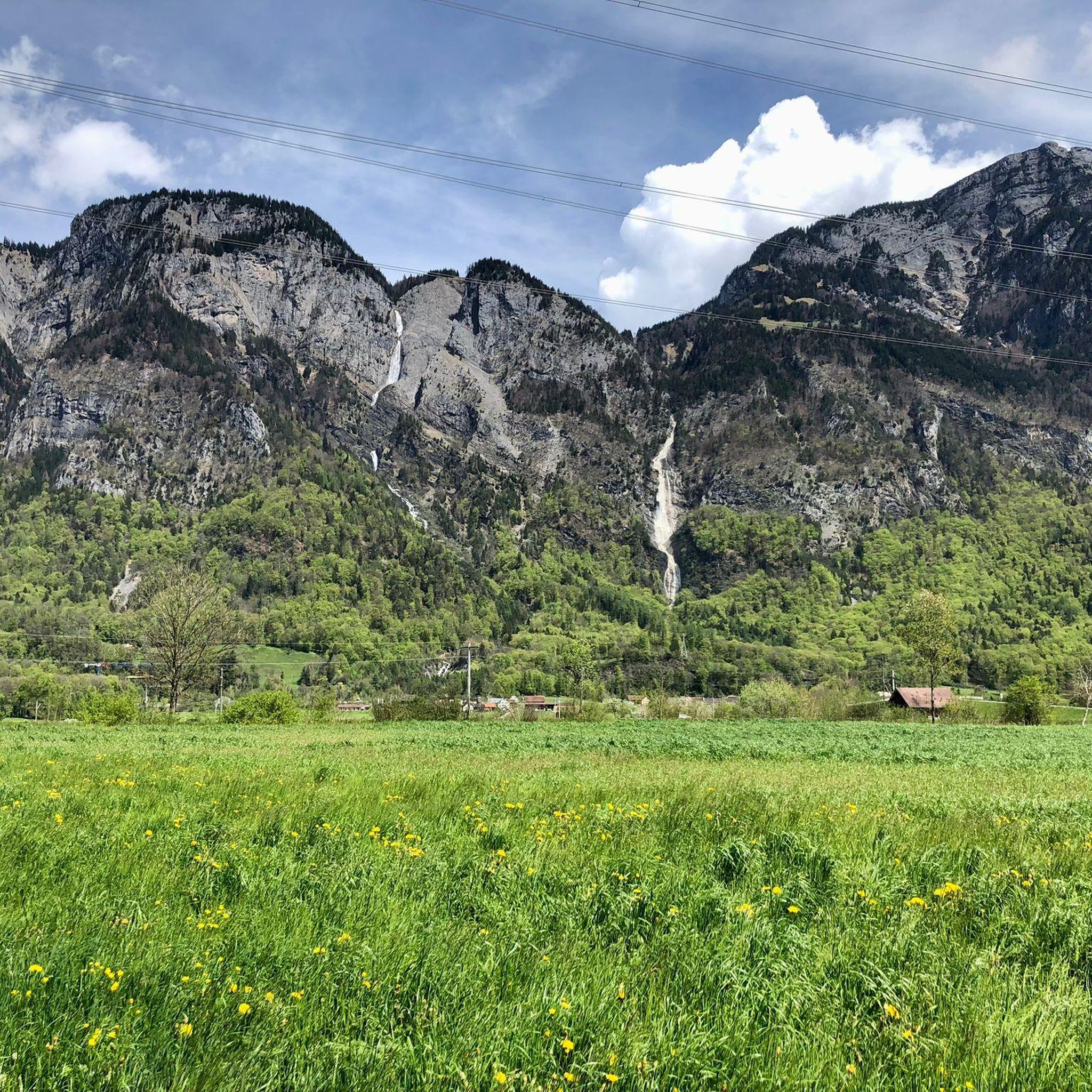
Cycling around Mels
MTB Trails around Mels
Road Cycling Routes around Mels
Other adventures around Mels


Tips from the Community

interesting and fresh
0
0

Guided tours are only available on certain dates or with pre-registered groups (see website). However, the restaurant and museum are always open; the restaurant in the mine is beautifully designed, with an outdoor terrace in front of the entrance.
1
0

Stations of the Cross to the Grotto, Wangs The grotto and the Stations of the Cross in Wangs are located on a section of the Pfarrer Künzle Weg in the Buchholz area. Starting from the parish church, the path leads left along Dorfstrasse uphill to the fountain with a beautiful wayside cross. Follow the green signposts of Pfarrer Künzle Weg on Fontanixstrasse. To the left, the path leads over the bridge over the "Chlibach," where the first station of the Stations of the Cross is located. Continue along the forest path to the wooden bridge, which must be crossed. The Stations of the Cross continue along the paved Buchholzstrasse to the fountain with the final station. Text / Source: Roman Catholic Pastoral Unit of Central Sarganserland https://www.kath-msl.ch/kirchgemeinde-wangs/kirchen-gebaeude-wangs/#:~:text=The parish church of St. Anthony was built in the, organ, votive candles, open during the day, bell ringing, site plan
14
0
Grotto in Buchholz, Wangs The Wangs Mariengrotto was created on the initiative of Pastor Künzle in 1912/1913, and the bell tower was added in 1916. A cross is located on the vaulted hill in front of the tower. A Pietà (Mother of God with suffering Jesus) in the Nazarene style was placed in the grotto. Text / Source: Roman Catholic Pastoral Unit of Central Sarganserland https://www.kath-msl.ch/kirchgemeinde-wangs/kirchen-gebaeude-wangs/#:~:text=The parish church of St. Anthony was built in the, organ, votive candles, open during the day, bell ringing, site plan
14
0
Tüfels Chuchi, Wangs Interesting cave at an uplifting power spot The Tüfels Chuchi is a geologically interesting miniature cave. Covered in moss, dripping and dispensing water, the rock opens up. Energetically speaking, the Tüfels Chuchi is a good, uplifting power spot. The name is quite intriguing, as it demonizes a healthy, strongly vibrating place, which suggests that the place was known and used very early on. Had it been more important, a forest chapel would probably greet us at this location. Important Celtic and pre-Celtic sites have often been Christianized, while less important ones have been demonized. Text / Source: Heidiland Tourismus AG, Graubünden Holidays, Alexanderstrasse 24, Chur https://www.graubuenden.ch/de/ausflugsziele/tuefels-chuchi
12
0

Nice entertainment, with some seats
8
0
Lourdes Grotto, Berschis from 1921 Out of the gratitude of the population that Berschis had been spared from foot-and-mouth disease and at the suggestion of Abbot Joseph Mariétan of St. Maurice, the Lourdes Grotto in the Holy Grove was built in 1921, largely through forced labor. On the Assumption of Mary in 1921, it was ceremoniously consecrated by the Bishop of Bethlehem in front of numerous believers who had traveled from all over Sarganserland. The white Madonna, which stands above the altar, was a gift from herbalist Johann Künzle. An artfully forged grille secures the sanctuary. The well-maintained grotto, located a little off the road, invites you to pray silently. Consecration: August 15, 1921 Text / Source: Walensee pastoral unit https://www.sesowa.ch/berschis-tscherlach/kirchen-kapellen/
13
1
Restaurant Bergwerk, Gonzen / Sargans The Bergwerk restaurant is unique in design and very attractive for individual guests as well as for banquets, family celebrations or business events. A visit after a tour or guided tour of the visitor mine is also worthwhile. The location can be adapted to the size of your event thanks to the stage that can be moved on rails. Performances such as concerts or lectures are possible on the stage. The museum in the back of the restaurant cavern gives you and your guests an insight into ore mining in the Gonzen. Text / source: Pro Gonzenbergwerk Rheinstrasse 22, 7320 Sargans https://www.bergwerk-gonzen.ch/restaurant-bergwerk
12
0
Frequently Asked Questions
What kind of cave experiences can I find around Mels?
Around Mels, you can explore a variety of cave-like experiences, ranging from historical mining sites to religious grottoes and natural rock formations. While traditional show caves are not prominent directly within Mels, the broader Sarganserland area offers unique underground formations and geological features.
Are there historical mining sites to visit near Mels?
Yes, the Gonzen Iron Mine in Sargans is a significant historical site featuring a labyrinth of tunnels. This former iron mine, with around 90 kilometers of tunnels, offers an immersive experience into underground mining history. Another historical site is the Entrance to Landesplattenberg Slate Quarry, Engi, which was an important source of slates and tables from the 17th century.
Are there religious grottoes or cave-like structures near Mels?
Yes, you can visit the Lourdes Grottoes in Mels, which are three grottoes established as places of prayer. Another option is the Mariengrotte Buchholz (Wangs), a grotto created in 1912/1913 featuring a Pietà and part of a Stations of the Cross path.
What natural geological features can I explore near Mels?
Beyond man-made structures, you can discover natural rock formations like Tüfels Chuchi in Wangs, a geologically interesting miniature cave covered in moss and dispensing water. Additionally, the nearby Tamina Gorge, while not a traditional cave, offers a unique and mystical underground experience with its narrow rock crevices and thermal springs.
Are there family-friendly cave experiences around Mels?
The Lourdes Grottoes in Mels are considered family-friendly. The Tüfels Chuchi in Wangs is also categorized as family-friendly, offering an interesting natural feature for exploration.
Can I visit caves near Mels with my dog?
Yes, the Lourdes Grottoes in Mels are noted as dog-friendly, making them a suitable option if you're exploring with your canine companion.
What outdoor activities can I do near these cave attractions?
The region around Mels offers various outdoor activities. You can find numerous hiking trails, such as the moderate 'Batöni waterfall arena in the Weisstannental valley' or the 'Chapfen Lake – Chapfenstein Viewpoint loop from Mels'. For cycling enthusiasts, there are routes like the 'View of Lake Walen – Lake Walen Cycle Path loop from Mels'. Mountain biking is also popular, with trails like the 'View of Chapfensee – View of the Churfirsten loop from Mels'. You can find more details on these activities in the Hiking around Mels, Cycling around Mels, and MTB Trails around Mels guides.
When is the best time to visit the cave attractions near Mels?
Most outdoor and historical sites in the Mels region are best visited during the warmer months, typically from spring to autumn, when weather conditions are more favorable for exploration and access. Some indoor attractions, like the Gonzen Iron Mine, might have specific operating seasons, so it's advisable to check their schedules in advance.
What should I wear when exploring cave-like sites near Mels?
For sites like the Gonzen Iron Mine or the Landesplattenberg Slate Quarry, it's recommended to wear good shoes and warm clothing, as temperatures inside can be cool (between 7 and 11 degrees Celsius) and humidity high (around 90%). For outdoor grottoes or natural formations, comfortable walking shoes and weather-appropriate attire are generally sufficient.
Are there any guided tours available for the historical mines?
Yes, the Gonzen Iron Mine in Sargans offers guided tours, allowing visitors to immerse themselves in the history of underground mining. Similarly, the Landesplattenberg Slate Quarry in Engi also provides tours that last about two and a half hours, taking you through magnificent slate caverns.
What do visitors enjoy most about the cave experiences around Mels?
Visitors appreciate the unique blend of historical insight and natural beauty. The immersive experience of the historical mines, the peaceful atmosphere of the religious grottoes, and the intriguing geological formations like Tüfels Chuchi are frequently highlighted. The komoot community has shared over 130 photos and given more than 50 upvotes for these attractions, indicating a high level of enjoyment.
Most popular routes around Mels
Most popular attractions around Mels

Get inspired with the komoot mobile app


Explore more
Extend your search for the best caves by checking out these guides of the top ones around Mels:
