Top 4 Caves around Seewis im Prättigau
Best caves around Seewis im Prättigau are found within the broader Prättigau region, characterized by its alpine landscape and the Rätikon massif. This area features a unique karst landscape with prominent limestone formations. The terrain offers challenging mountain hikes and opportunities for natural cave exploration. The region provides a distinct environment for outdoor activities.
Best caves around Seewis im Prättigau
- The most popular caves is Gauablick Cave, a cave and natural monument that can be explored with a headlamp.…
Last updated: November 11, 2026
Abgrundhöli Cave
Highlight • Cave
Translated by Google •
Tip by

Thermal Spring Tasting in St. Gallen
Highlight • Natural Monument
Translated by Google •
Tip by

Sign up now to discover places like this
Get recommendations on the best single tracks, peaks, & plenty of other exciting outdoor places.
Chilchhöli (Church Cave)
Highlight • Cave
Translated by Google •
Tip by
Gauablick Cave
Highlight • Cave
Translated by Google •
Tip by

Trimmis defensive position
Highlight • Historical Site
Translated by Google •
Tip by

Start today with a free account
Your next adventure awaits.
Popular around Seewis im Prättigau
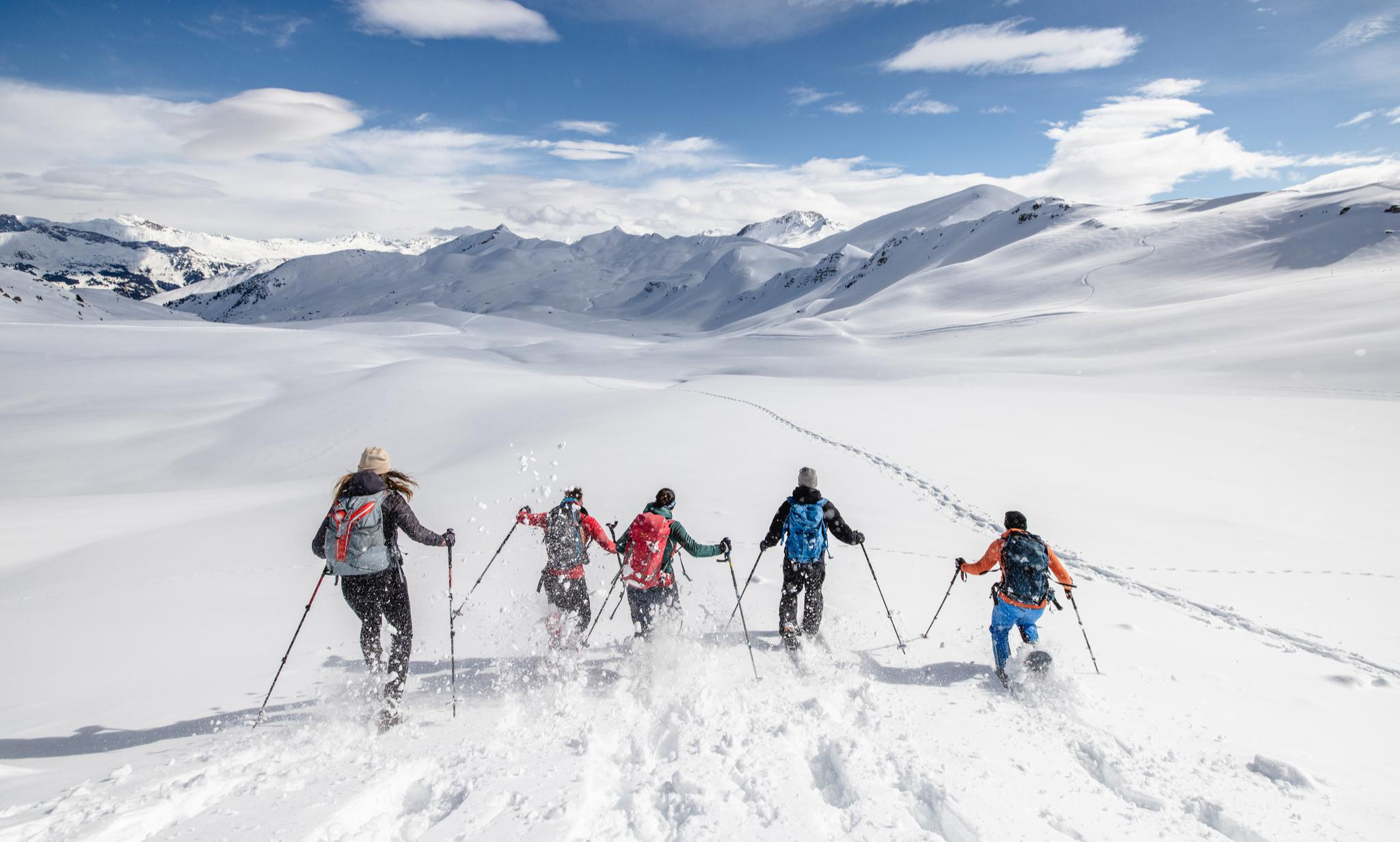
Snowy fun and hut cuisine – Winter Adventures in the Prättigau
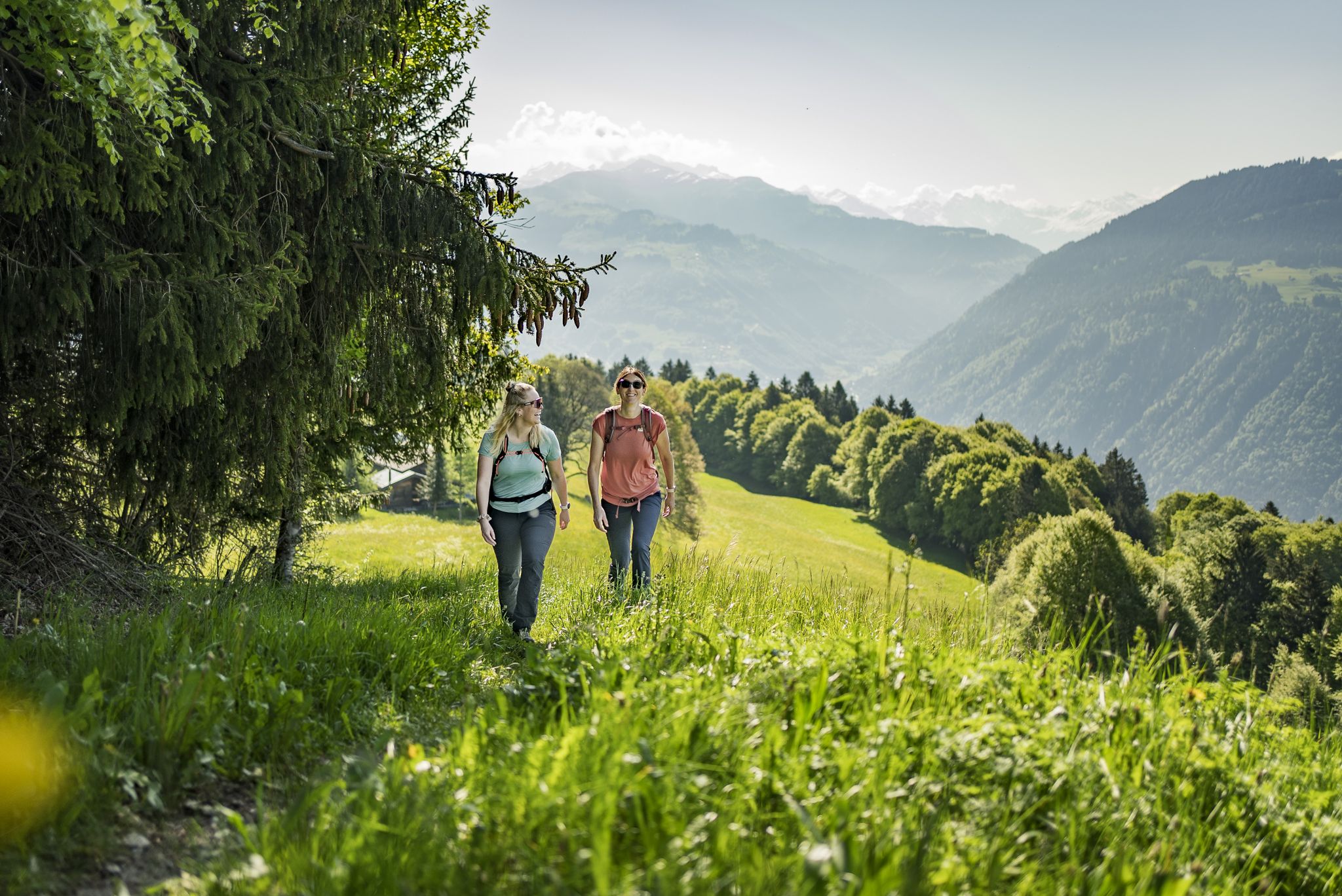
Step into the hiking season – spring routes in Graubünden
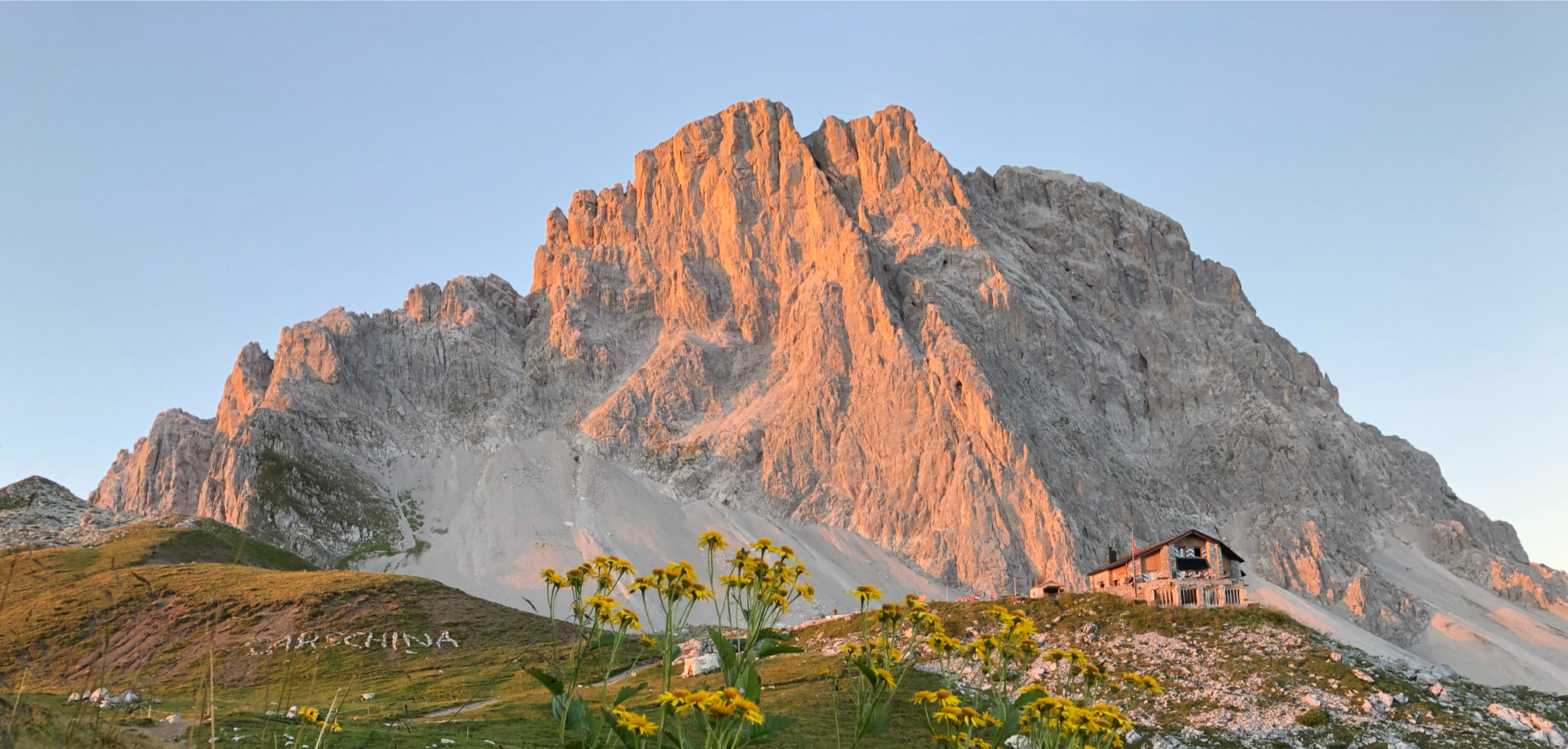
Prättigau High Trail – on the Rätikon's sunny side
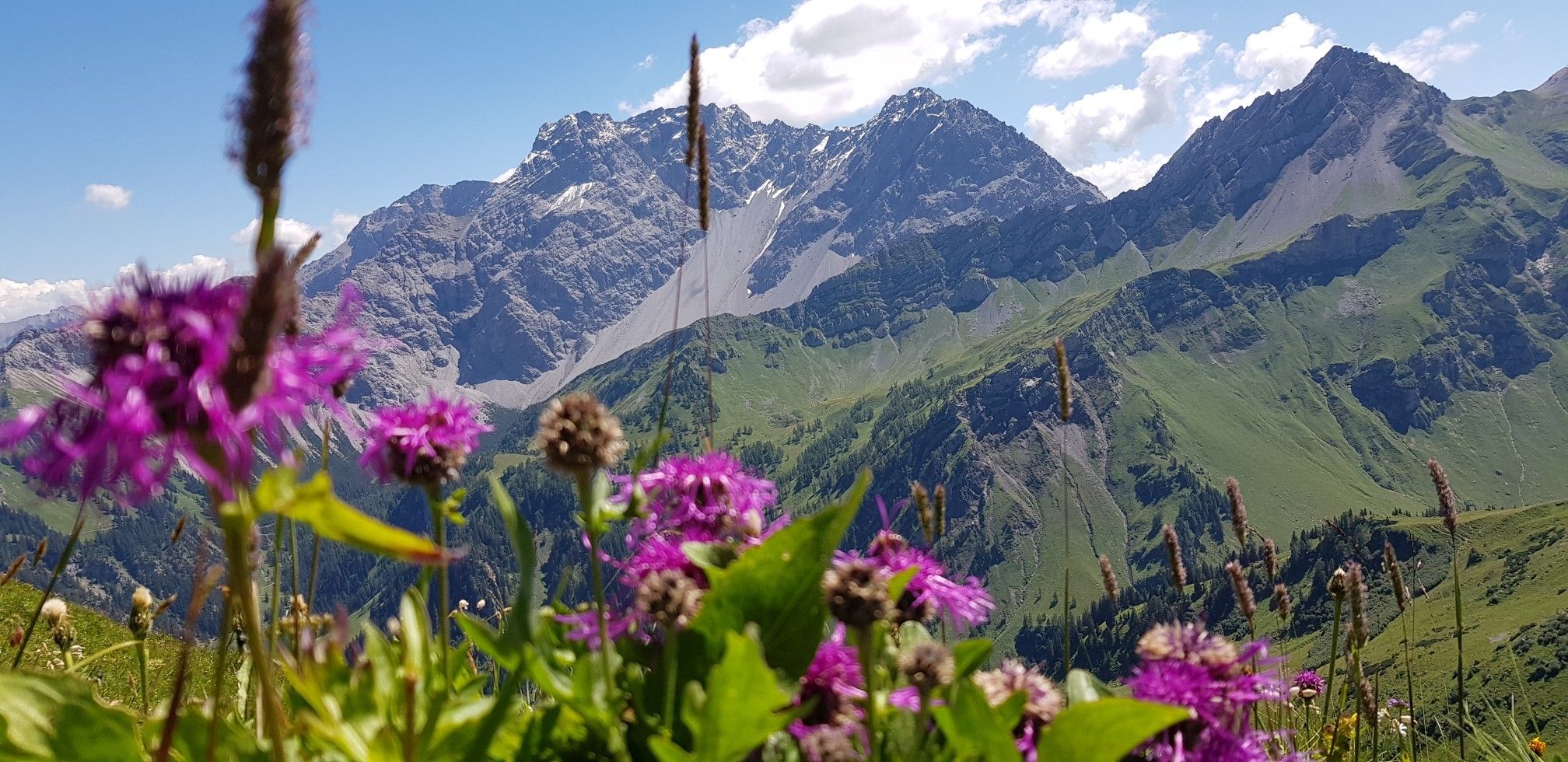
Trans-Rätikon – an adventure in the Tri-Border Region
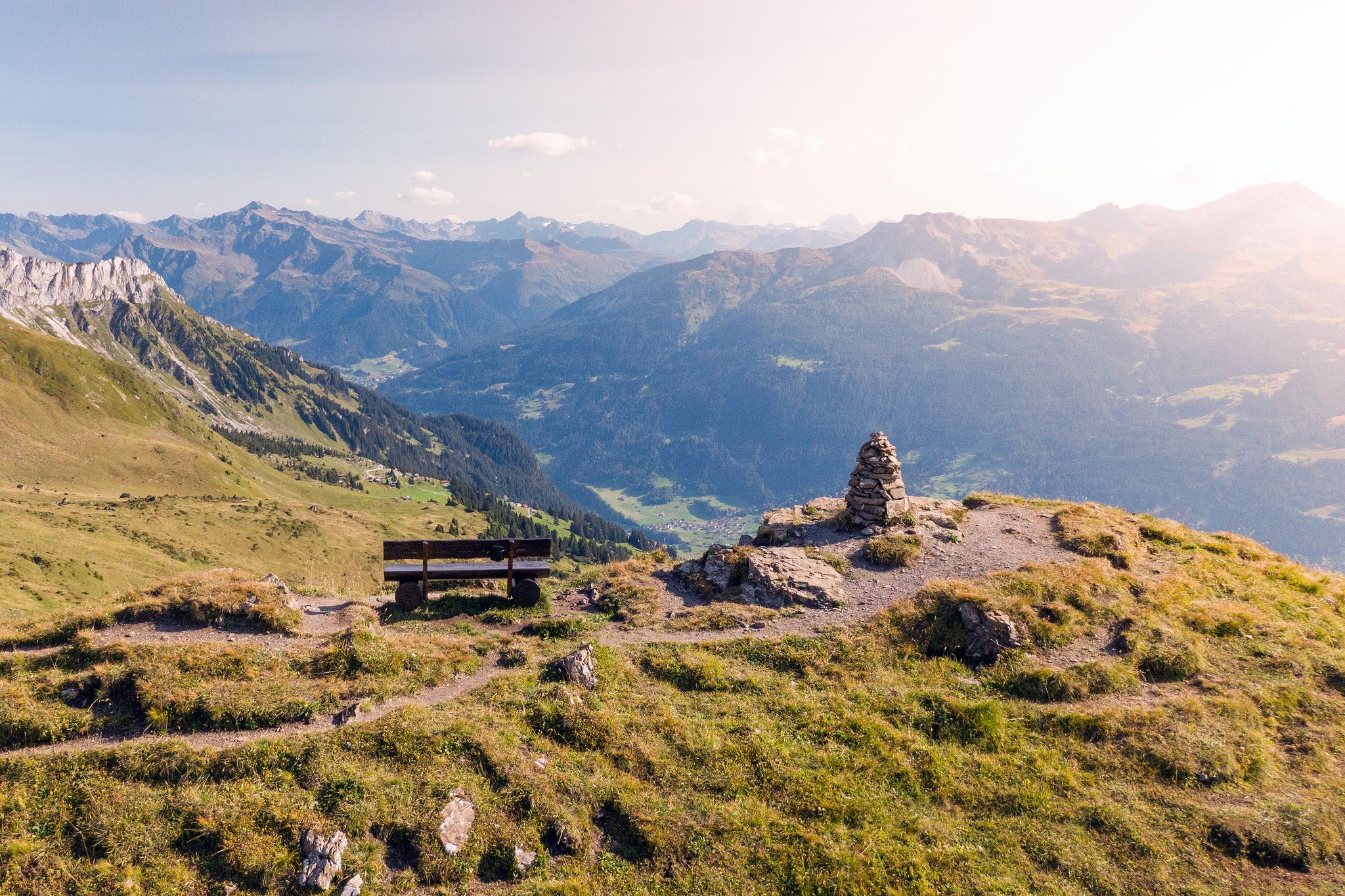
Prättigau High Trail – discover the sunny side of the Rätikon
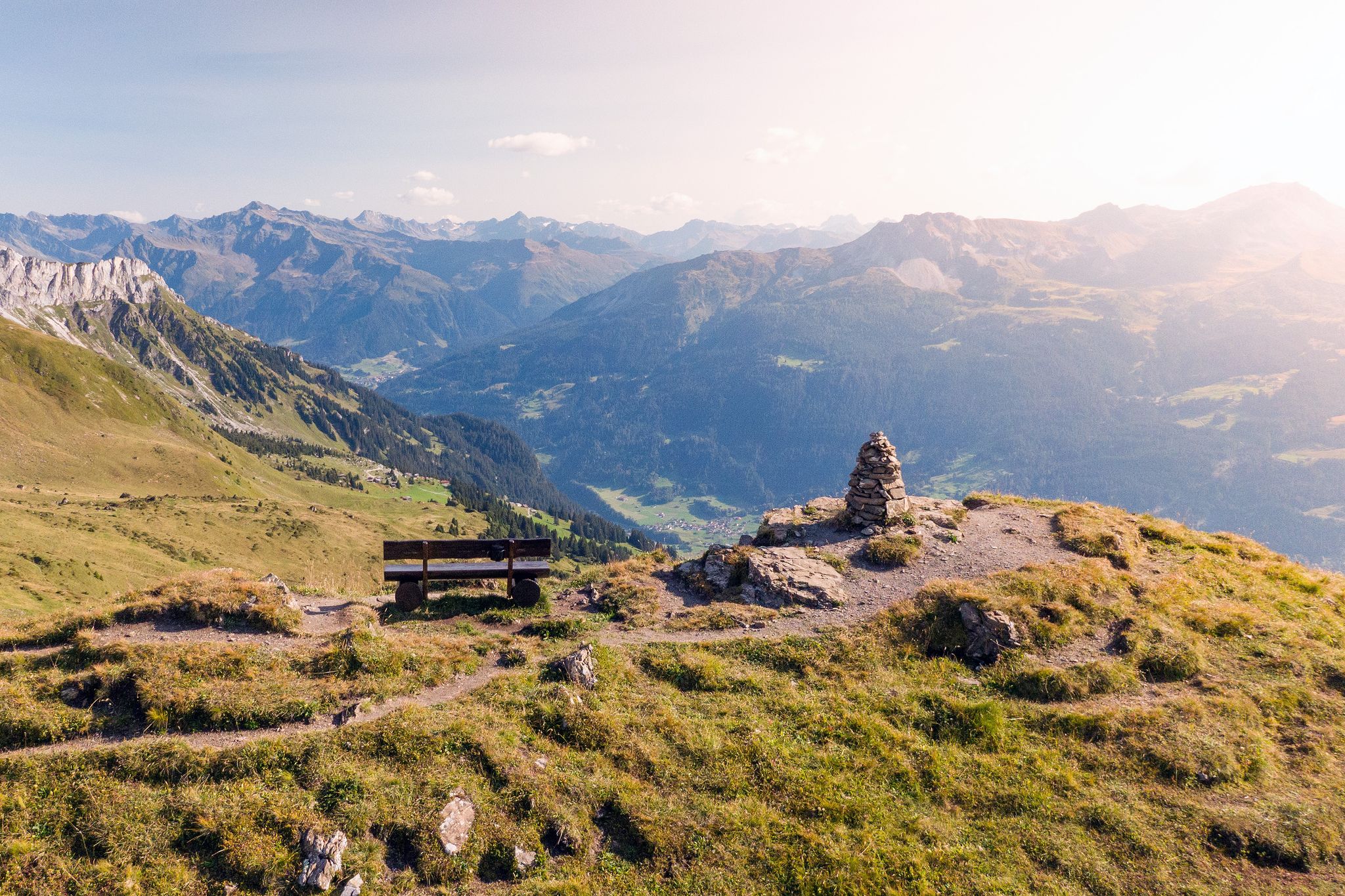
Long-distance hiking in the Grisons — 3 routes in Switzerland
Mountain Hikes around Seewis im Prättigau
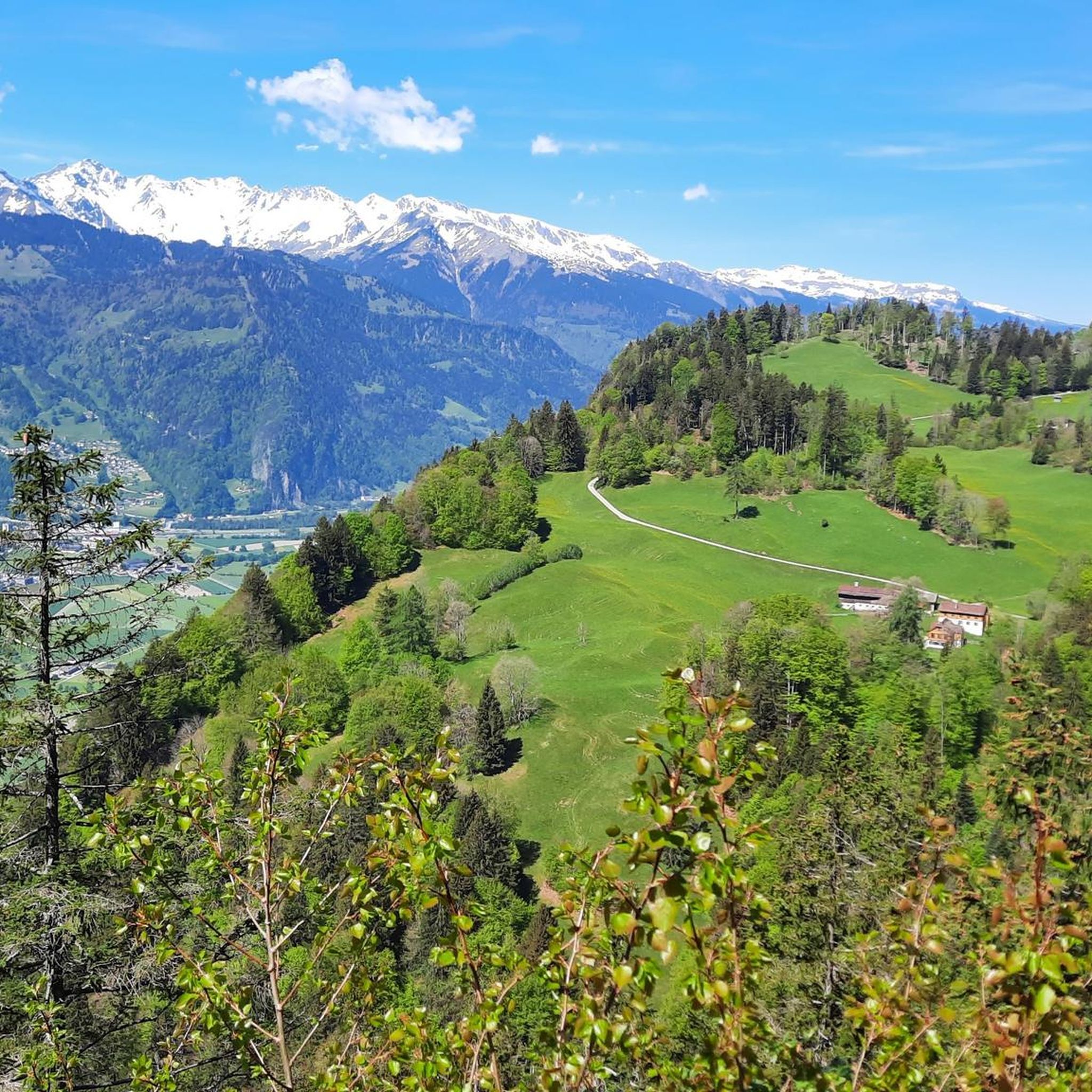
Hiking around Seewis im Prättigau
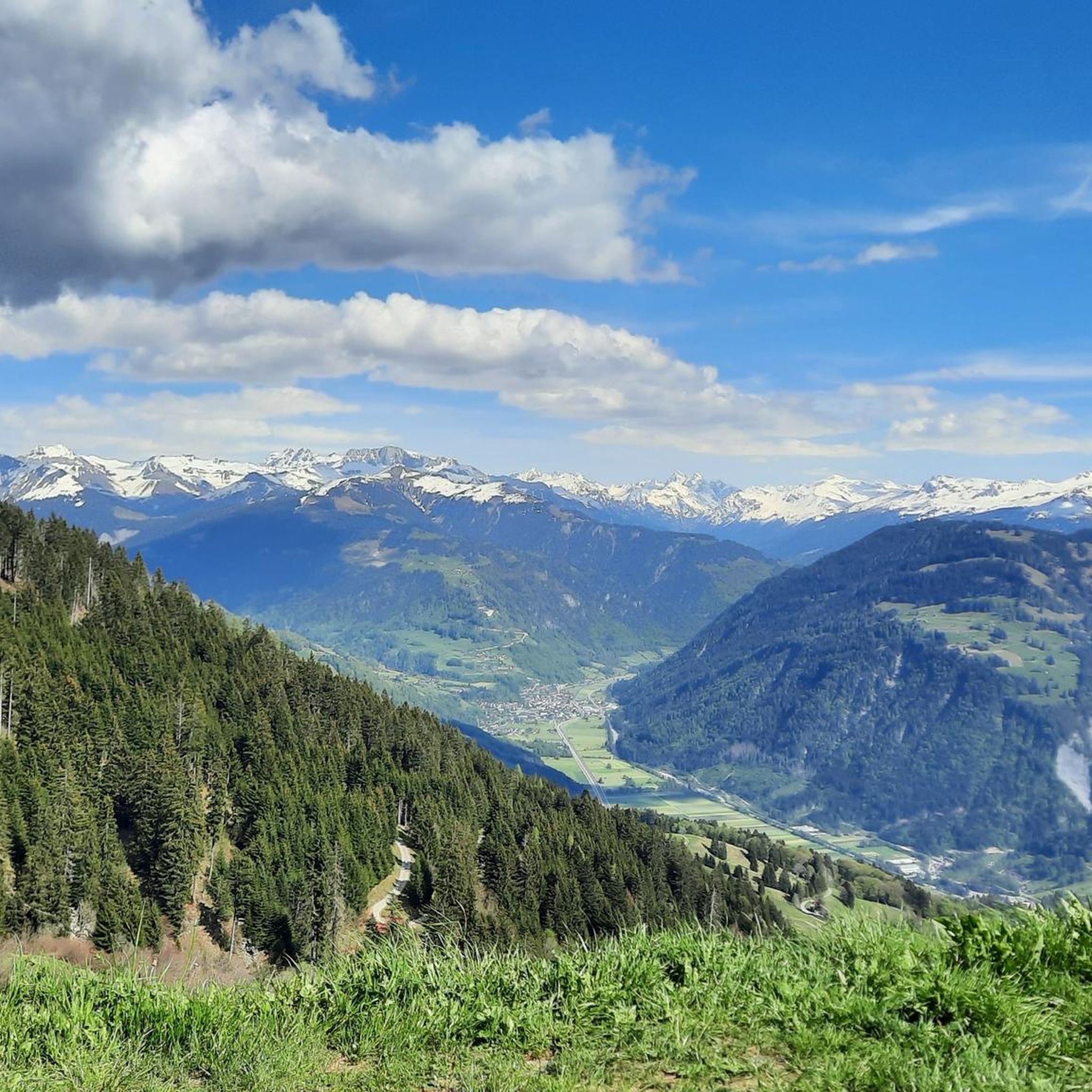
MTB Trails around Seewis im Prättigau
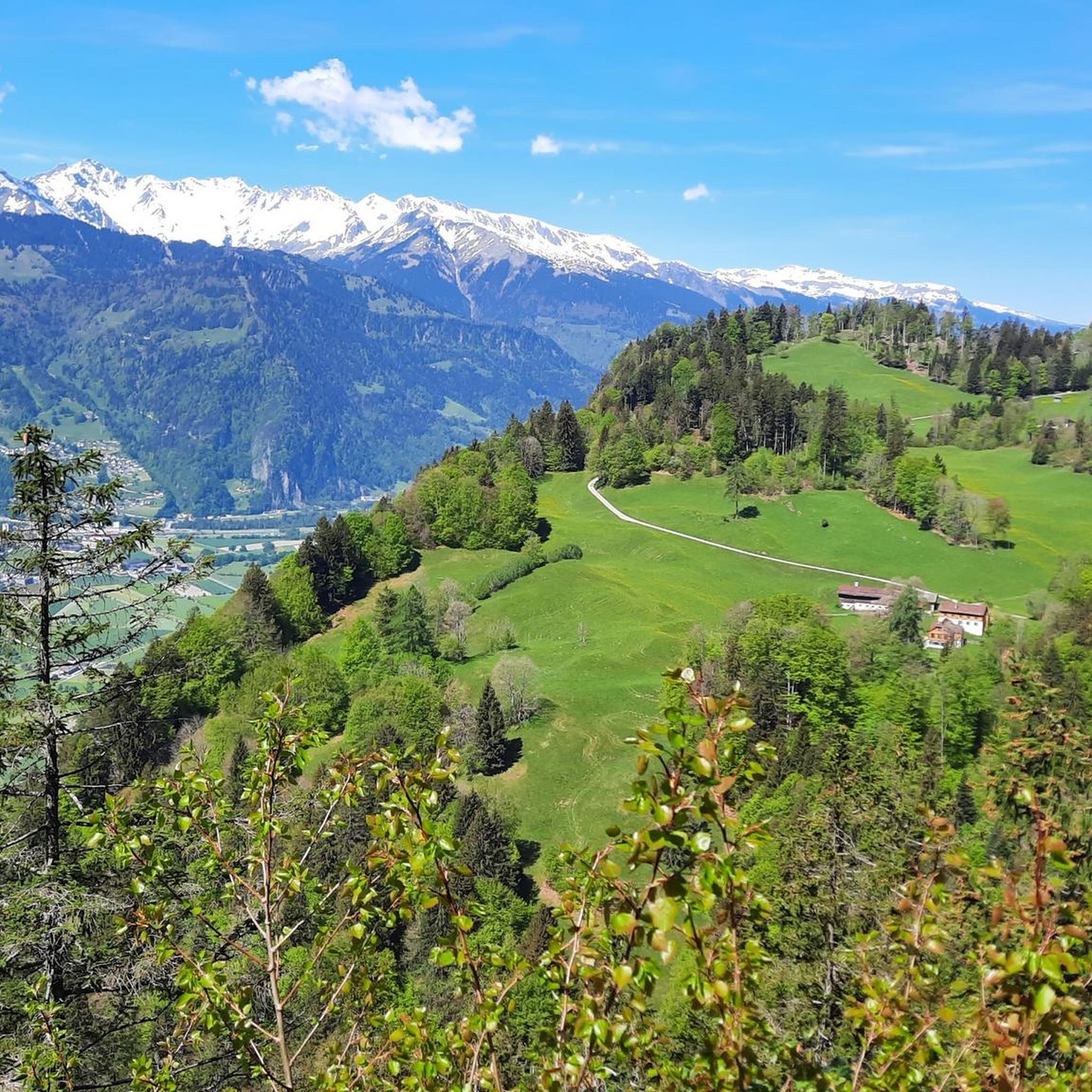
Cycling around Seewis im Prättigau
Other adventures around Seewis im Prättigau


Tips from the Community

These caves are worth exploring. According to the internet, they are supposed to be 800 m long, but we didn't go that far.
1
0
The cave aptly bears its name, as it descends directly into the mountain. At the entrance, you truly find yourself facing a pitch-black abyss. This cave is best left to speleologists.
2
0

Also as a descent from Sulzfluh, but only for experienced hikers (passing difficult in places). There is a large Stoneman at the entrance (actual exit).
0
0

It's worth a visit.
0
0


In a tunnel just before the thermal spring you can try the thermal water in a small pool.
0
0

The Trimmis barrier (army designation barrier no. 1322) was a Swiss Army defensive position. It lies north of Trimmis across the Chur Rhine Valley. Together with the Untervaz blockade, it formed the southern front of Sargans Fortress. It is considered a military-historical monument of regional importance. https://de.wikipedia.org/wiki/Sperrstelle_Trimmis
2
0

Frequently Asked Questions
What kind of cave experiences can I expect around Seewis im Prättigau?
The Prättigau region, including areas accessible from Seewis, offers adventurous natural cave exploration rather than developed show caves. You'll find opportunities to explore caves as part of challenging mountain hikes or via ferratas, requiring good physical condition and appropriate gear.
Are there any caves suitable for beginners or families?
Most natural caves in the Prättigau region, such as Abgrundhöli Cave or Chilchhöli (Church Cave), are challenging and best suited for experienced individuals or those accompanied by mountain guides. They are not typically recommended for beginners or young families due to the demanding terrain and lack of developed infrastructure.
What is the Sulzfluh Cave Path and what does it offer?
The Sulzfluh Cave Path is a challenging mountain hike (rated T3-T4) in the Rätikon massif that leads to several natural caves like Seehöli and Chilchhöli. It offers an authentic cave environment amidst bright limestone fields and dark caverns, along with breathtaking panoramic views. Exploring the caves on this path requires a headlamp, sure-footedness, and good orientation skills.
What is the Gauablickhöhle Via Ferrata?
The Gauablickhöhle Via Ferrata offers a unique combination of climbing and cave exploration. This medium-difficulty via ferrata allows you to enter the 350-meter-long Gauablick Cave directly along the route. The cave interior is completely dark and secured, requiring appropriate via ferrata equipment, a headlamp, and ideally, a certified mountain guide.
What equipment do I need for exploring caves in this region?
For natural cave exploration in the Prättigau region, essential equipment includes a reliable headlamp, sturdy trekking shoes with good grip, and appropriate clothing for varying temperatures. For routes like the Gauablickhöhle Via Ferrata, you'll also need full via ferrata equipment (harness, via ferrata set, helmet).
Are there any historical cave sites near Seewis im Prättigau?
Yes, the region also features historical sites like the Trimmis defensive position. This former Swiss Army barrier includes man-made cave structures and is considered a military-historical monument of regional importance.
What is the best time of year to visit the caves around Seewis im Prättigau?
The best time to visit for cave exploration, especially those accessed via mountain hikes like the Sulzfluh Cave Path, is typically during the warmer, snow-free months, from late spring to early autumn. This ensures safer hiking conditions on the exposed and challenging terrain.
What are the geological features of the caves in the Prättigau region?
The caves in the Prättigau region are primarily found within the Rätikon massif, which is known for its unique karst landscape. This means you'll encounter prominent limestone formations, sinkholes, and extensive underground systems formed by water dissolving the soluble rock.
What other outdoor activities can I do near the caves?
The area around Seewis im Prättigau offers a variety of outdoor activities. You can find numerous road cycling routes, such as those detailed in the Road Cycling Routes around Seewis im Prättigau guide, or explore mountain biking trails, which are available in the MTB Trails around Seewis im Prättigau guide.
How can I reach the cave areas using public transport?
While specific public transport details to individual cave entrances can vary, the broader Prättigau region is generally accessible by public transport. For routes like the Sulzfluh Cave Path, you might take a bus to villages such as St. Antönien, from where you can access trailheads like Partnun. Always check local transport schedules for the most up-to-date information.
What do visitors say about the caves in the Prättigau region?
Visitors appreciate the authentic and challenging nature of the cave experiences. Many highlight the breathtaking views from the surrounding mountains and the unique adventure of exploring natural, undeveloped cave systems. The komoot community has shared over 15 photos and given more than 10 upvotes for the caves around Seewis im Prättigau, reflecting their appeal to outdoor enthusiasts.
Most popular routes around Seewis im Prättigau
Most popular attractions around Seewis im Prättigau

Get inspired with the komoot mobile app


Explore more
Extend your search for the best caves by checking out these guides of the top ones around Seewis im Prättigau:
