Top 20 Caves around the Inn
Best caves around the Inn region are found across Switzerland, Austria, and Germany, following the course of the Inn River. This area features a diverse landscape, from the Tyrolean Alps to the Bavarian lowlands, offering a variety of geological formations. The region's caves provide insights into natural history, ancient human activity, and industrial heritage. These sites are accessible for exploration, often via established hiking trails.
Best caves around the Inn
- The most popular caves is Emperor Max Grotto, a…
Last updated: June 28, 2026
Blue Grotto in Rosengarten Gorge
Highlight • Cave
Translated by Google •
Tip by

Emperor Max Grotto
Highlight • Cave
Translated by Google •
Tip by

Sign up now to discover places like this
Get recommendations on the best single tracks, peaks, & plenty of other exciting outdoor places.
Sign up for free
Kindlwand
Highlight • Summit
Translated by Google •
Tip by

Kaiserschützen Cavern
Highlight • Cave
Translated by Google •
Tip by

Schwaz Silver Mine
Highlight • Historical Site
The Schwaz Silver Mine – Following in the Footsteps of the Miners
"The mother of all mines," the largest silver mine of the late Middle Ages, is …
Translated by Google •
Tip by

Sparchenklamm Gorge
Highlight (Segment) • Gorge
Translated by Google •
Tip by

Old Mine Tunnel
Highlight • Cave
Lower Cave
Highlight • Cave
Translated by Google •
Tip by

Cave passage and easy climbing route
Highlight • Climb
Translated by Google •
Tip by

Small Cave
Highlight • Cave
Translated by Google •
Tip by

Sign up for free to discover even more caves around the Inn.
Sign up for free
Already have an account?
Start today with a free account
Your next adventure awaits.
Login or Signup
Popular around Inn
High into the Tyrolean mountain world – mountain biking in Tyrol
Cross-country skiing fever in the Graubünden region
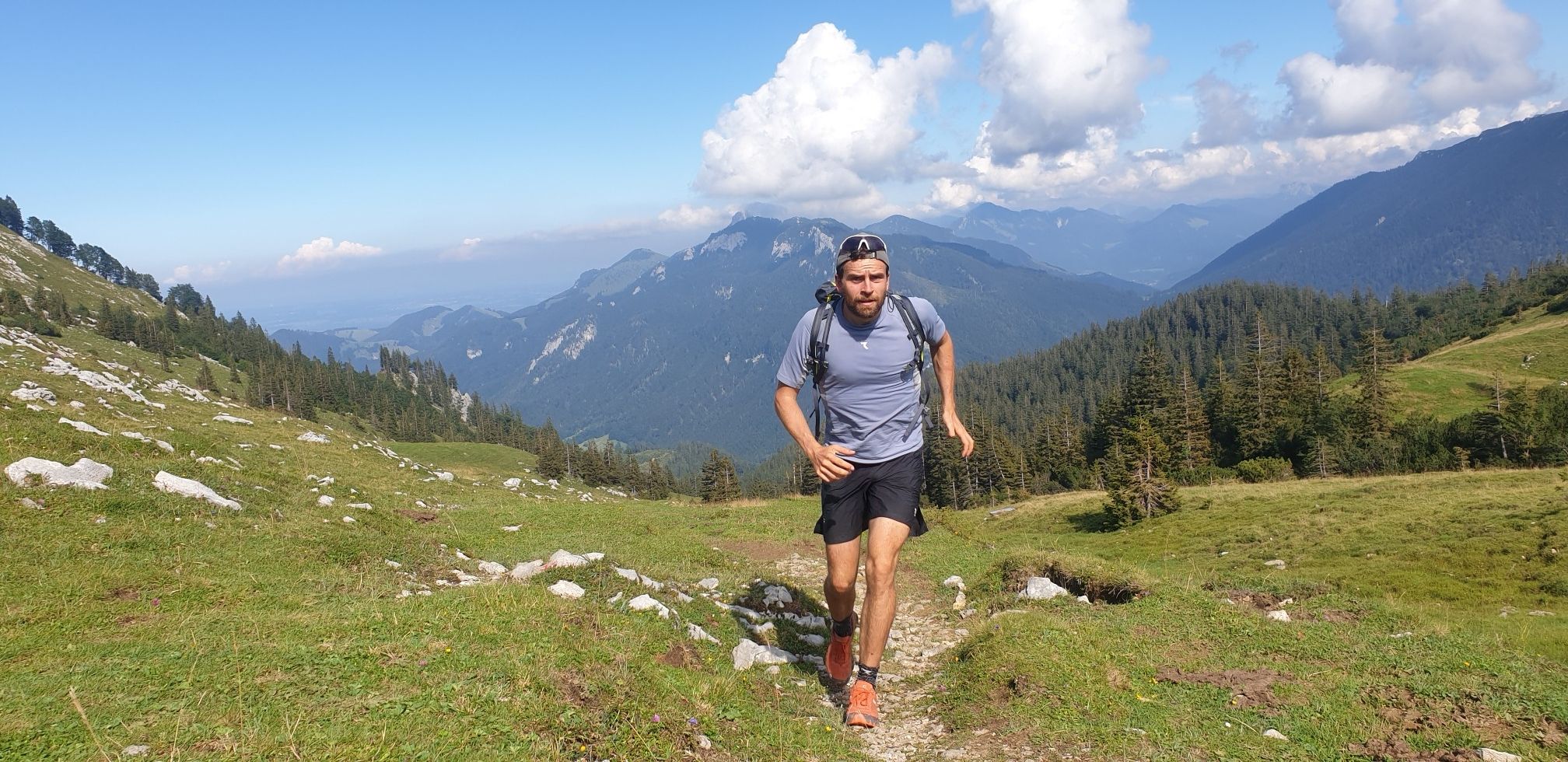
Biking, running, hiking – Pure Alpine Trails
#Winterlove — 14 tips for your winter adventure in Austria
Triathlon around Germany
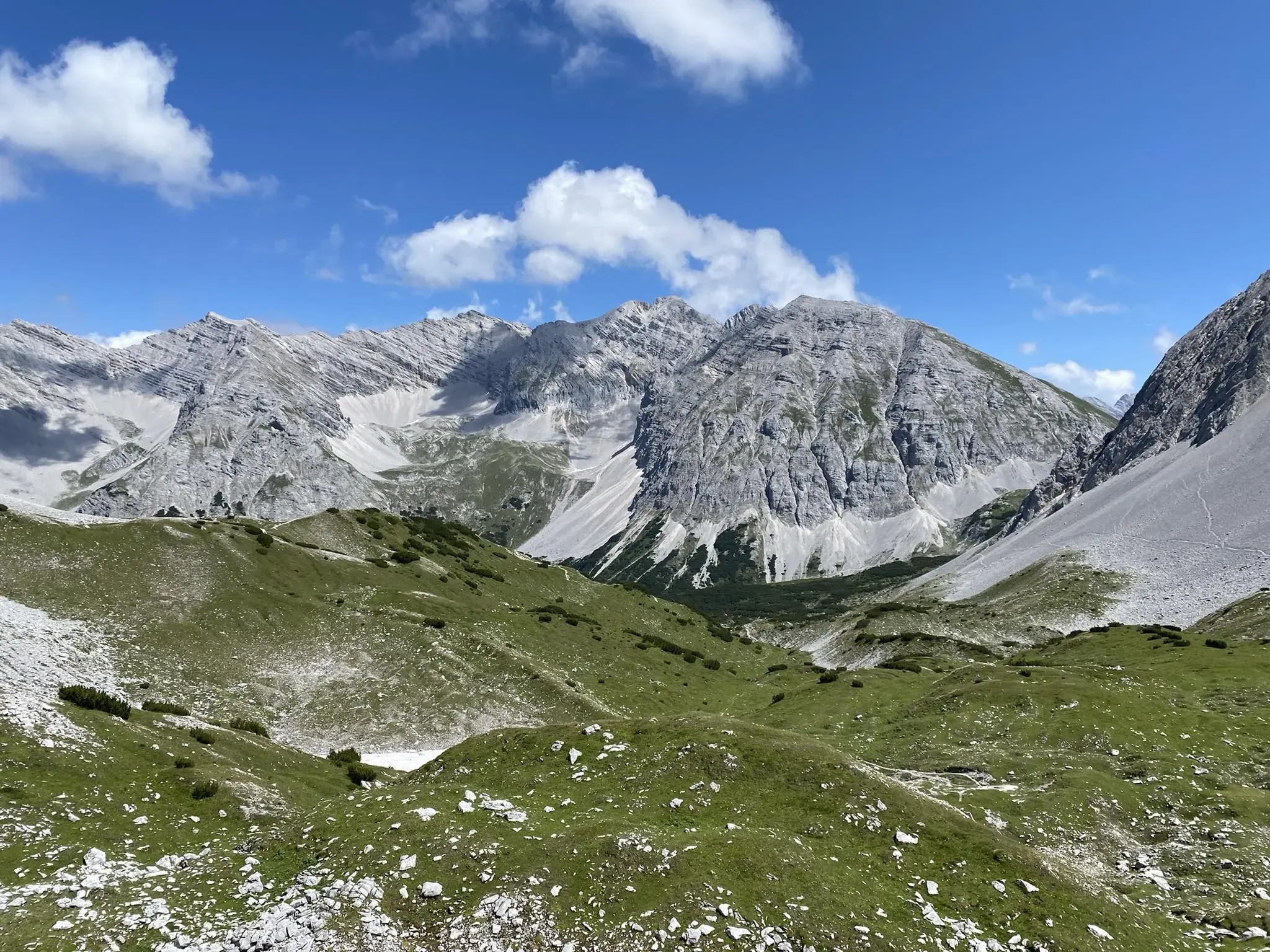
Karwendel crossing – Innsbruck to Sylvensteinspeicher
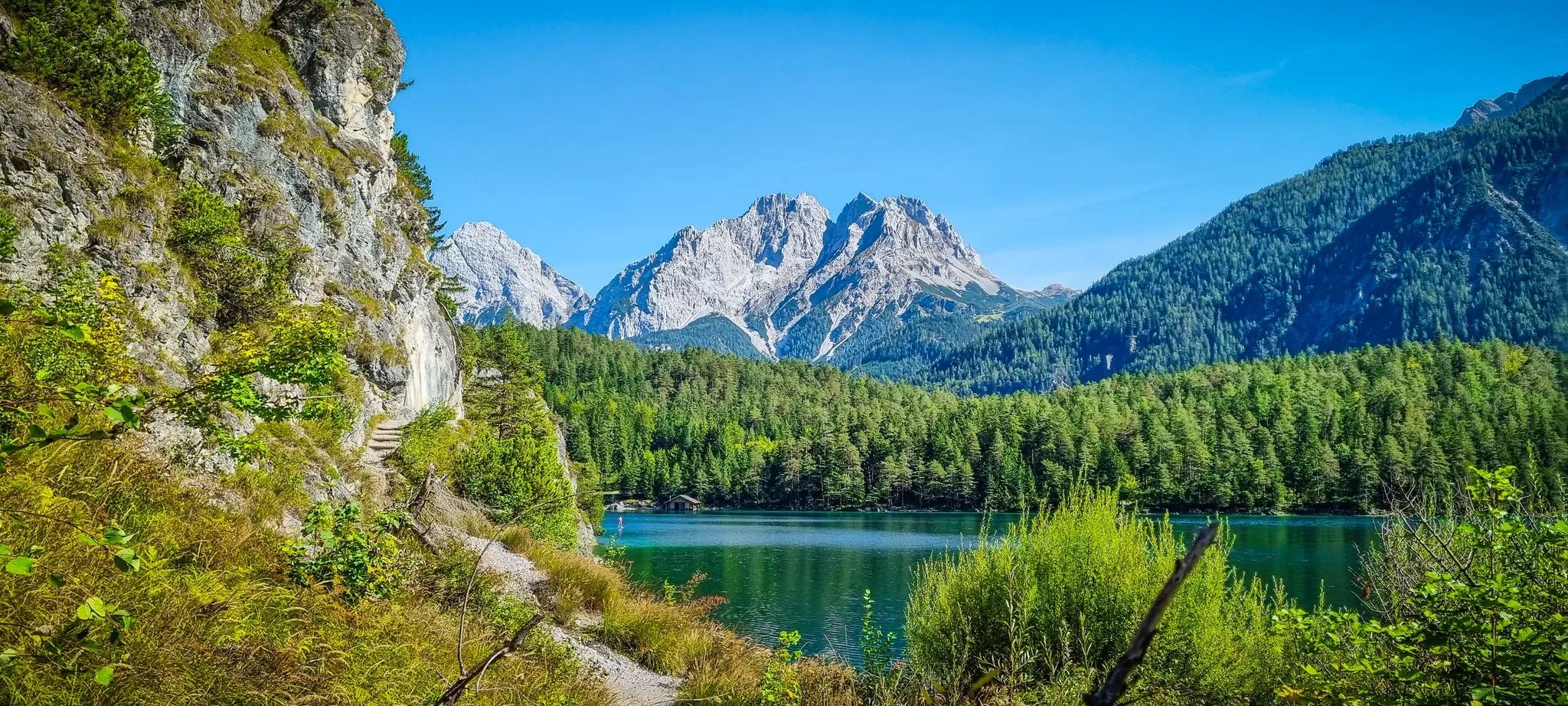
Starkenberg Panorama Trail – Lakes, gorges and noble paths
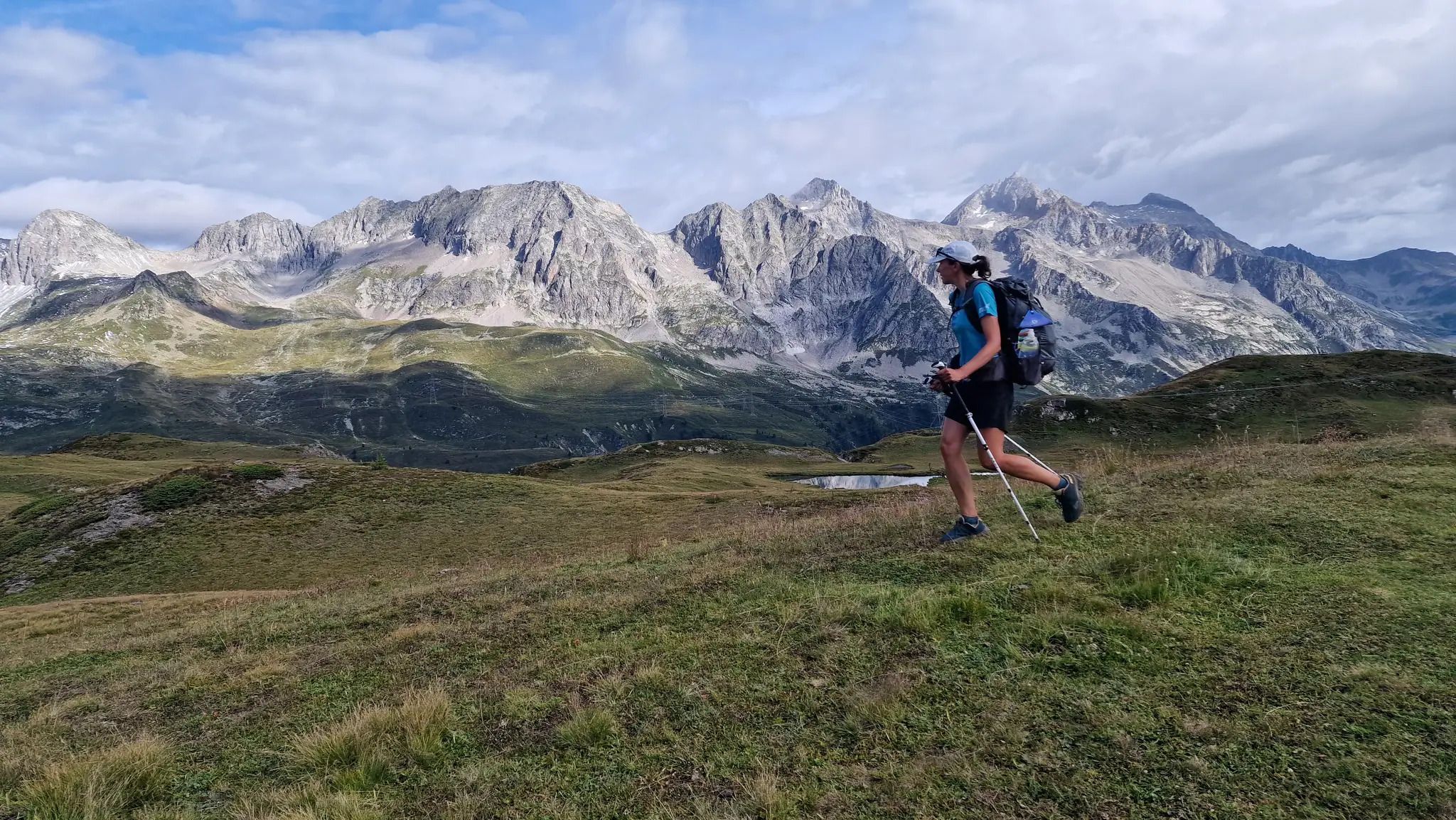
Alpine Passes Trail – hiking 700km across Switzerland
L1 from Garmisch to Brescia – Far from the classic Alpine crossings
Graun to Riva del Garda — Gravelling across the Alps
Other adventures around the Inn


Tips from the Community

Following in the Miners' Footsteps / Schwaz Silver Mine The silver mine is "the must-see attraction in Tyrol." 85% of the world's mined silver came from this mine, which extends deep into the mountain. After descending 800 meters on the mine train, a breathtaking underground world awaits you. You'll follow in the footsteps of the miners and experience the hardships they endured 500 years ago to extract copper and silver. One of the highlights is the famous Schwaz waterwheel, installed in 1556 to pump out the mine water – it was considered a true marvel of engineering at the time. Text / Source: Schwaz Silver Mine, Alte Landstraße 3a, Schwaz https://www.silberbergwerk.at/
14
0
Schwaz Silver Mine The Schwaz Silver Mine – Following in the Footsteps of the Miners "The mother of all mines," the largest silver mine of the late Middle Ages, is located in Schwaz, Tyrol. Up to 10,000 miners searched for and found silver and copper here 500 years ago, making the town of Schwaz the largest mining metropolis in the world! Discover breathtaking insights into bygone eras – the silver mine will be an unforgettable excursion! Text / Source: Schwaz Silver Mine, Alte Landstraße 3a, Schwaz https://www.silberbergwerk.at/
15
0

The Kaisertal stretches eastwards from Kufstein in the Lower Inn Valley and separates the Wilder Kaiser in the south from the Zahmer Kaiser in the north.
1
0
Somewhat hidden between the Kaisertal valley and Kufstein's city mountain lies a cave, the Tischofer Cave. This moderately difficult hike covers approximately 250 meters of elevation gain on some narrow trails. You can take a circular hike from Kufstein, which takes about 1.5 hours, or you can combine the hike with the path to the Kaisertal valley, from where there's a branch. This is what we did: From Kufstein, we climbed the Kaiseraufstieg trail and, on the way back from our Kaisertal hike, we descended to the Tischofer Cave. Scientists have found the remains of 380 bears here. They lived in the cave above Kufstein. The cave, which is approximately 40 meters long, 20 meters wide at the entrance, and 8.5 meters high, was used by animals in the Stone Age, as excavated bone remains attest. Cave bear bones predominate, with 380 specimens, while foxes (12), ibex (9), wolves (6), reindeer (3), cave hyenas (2), and cave lions (1), chamois, and marmots (1) each are represented. Some animals were hunted by humans. The finds of tools from The cave can be reached on foot from the Kaiseraufstieg in the Kaisertal valley via a path secured with a wire railing. It is registered in the Tyrolean cave register under number 1312/001. Simply impressive
1
0

"The mother of all mines," the largest silver mine of the late Middle Ages, is located in Schwaz in Tyrol. Up to 10,000 miners searched for and found silver and copper here 500 years ago, turning the town of Schwaz into the largest mining metropolis in the world!
4
0

Positions and caverns built around 1914, primarily by Italian prisoners of war. The positions served as border control and as a support base in the event of an Italian breakthrough.
6
0

Once you reach the grotto, you'll have a magnificent view. You'll need a head for heights and surefootedness. A thrill guaranteed.
3
0

I didn't take a photo of the cave... But nearby, a tree stump showed us its "face"... what do you recognize in it: a bear, a ghost, a friendly greeting from the world of fairy tales...?
0
0
Frequently Asked Questions
Are there family-friendly caves to explore around the Inn region?
Yes, several caves in the Inn region are suitable for families. The Blue Grotto in Rosengarten Gorge is a unique historical and geological feature, formed by ancient Roman mining, and is considered family-friendly. Another excellent option is the Lower Cave, also noted for its family-friendly accessibility.
Which caves offer insights into the Inn region's history?
The Inn region boasts several historically significant caves. The Schwaz Silver Mine allows visitors to explore the largest silver mine of the late Middle Ages, learning about mining history from 500 years ago. The Tischofer Cave near Kufstein is historically significant for its Stone Age bone finds, including tools and spear tips from 27,000 to 28,000 years ago, and also served as a weapon hideaway during the Napoleonic Wars.
Can I see unique natural formations like ice or dripstones in the Inn region's caves?
Absolutely. The Inn region is known for its diverse cave types, including ice and dripstone caves. The Hundalm Ice and Stalactite Cave in Tyrol offers a unique combination of ice and stalactite formations, maintaining a constant 0° Celsius. In Bavaria, the König-Otto-Tropfsteinhöhle is considered one of Germany's most beautiful dripstone caves, featuring impressive stalactites, stalagmites, and sinter pools.
What kind of outdoor activities can I do near the caves around the Inn?
Many caves in the Inn region are accessible via hiking trails, making them perfect for combining with other outdoor activities. You can find various mountain hikes and waterfall hikes in the vicinity. For example, the Tischofer Cave is a popular starting point for hikers, and the Hundalm Ice and Stalactite Cave is accessible via a day hike. The region also offers road cycling routes for those looking for a different kind of adventure.
Are there any challenging cave explorations for experienced adventurers?
Yes, for those seeking a challenge, the Emperor Max Grotto is a challenging cave with historical significance, requiring sure-footedness due to rocky paths. The Kindlwand also offers a more demanding route with scrambling through a passage cave. Additionally, the Historic Mining Tunnel in the Ötztal Valley provides an exciting caving experience, suitable for both beginners and experts depending on the tour.
What is the best time of year to visit caves in the Inn region?
Many caves in the Inn region are accessible year-round, but some offer unique experiences depending on the season. Ice caves like the Nature Ice Palace at Hintertux Glacier and the Spannagel Cave are open year-round, providing a cool escape in summer. The Hundalm Ice and Stalactite Cave, with its constant 0° Celsius temperature, is particularly refreshing during hot summer days. For caves accessed via hiking, spring to autumn generally offers the most pleasant weather conditions.
Are there any caves in the Inn region that are considered 'hidden gems' or less well-known?
While many caves are popular, some offer a more secluded experience. The Old Mine Tunnel, an abandoned World War II mine shaft in the Ötztal Valley, offers a glimpse into industrial history and a unique caving experience that might be less frequented than major tourist attractions. The Maximilian Grotto in Neuhaus an der Pegnitz, home to Germany's largest stalactite, is part of a cave circuit in the Hirschbach Valley with numerous other caves, some of which might be considered hidden gems.
What should I wear when exploring caves in the Inn region?
Cave temperatures can be consistently cool, even in summer. For ice caves like Hundalm, where temperatures are around 0° Celsius, warm layers, a jacket, and sturdy, waterproof footwear are essential. For other caves, comfortable clothing that allows for movement and closed-toe shoes with good grip are recommended. If you plan on more adventurous caving, specialized gear might be necessary, depending on the tour.
Are there any caves in the Inn region known for their archaeological or paleontological finds?
Yes, the Tischofer Cave near Kufstein is highly significant for its archaeological and paleontological discoveries. It has yielded Stone Age bone finds, including tools and spear tips, making them the oldest human artifacts discovered in Tyrol. Additionally, animal bones from cave bears, foxes, wolves, hyenas, and lions have been found there. The Sophienhöhle near Rabenstein Castle also has prehistoric pottery finds, indicating its use by ancient humans.
Can I find caves with impressive viewpoints in the Inn region?
Many cave explorations in the Inn region offer stunning views as part of the journey. The Emperor Max Grotto, for instance, provides beautiful views from its location. Similarly, the Kindlwand, which includes a cave passage, offers wonderful views of the Inn Valley, the water wall, and the Samerberg.
Are there any caves that are part of a larger natural area or gorge?
Yes, some caves are integrated into beautiful natural landscapes. The Blue Grotto in Rosengarten Gorge is a prime example, located within a picturesque gorge. The Sparchenklamm Gorge also features the Tischofer Cave, which is accessible via trails within the gorge, offering a combined experience of a natural monument and historical site.
Most popular routes around the Inn
Most popular attractions around the Inn

Get inspired with the komoot mobile app


Explore more
Extend your search for the best caves by checking out these guides of the top ones around the Inn:
