Top 8 Lakes around Ebro / Ebre
Best lakes around Ebro / Ebre include a diverse range of aquatic environments, from expansive reservoirs to vital deltaic lagoons and high-altitude glacial lakes. The Ebro Delta, a significant wetland, is known for its unique flat landscape of rice fields and lagoons, supporting diverse birdlife. Large reservoirs like Mequinenza, often called the "Sea of Aragon," are popular for fishing and water sports. The Aragonese Pyrenees, part of the broader Ebro basin, host beautiful glacial lakes offering mountain scenery and hiking…
Last updated: June 28, 2026
Turquoise Pools and Waterfalls of Orbaneja del Castillo
Highlight • Waterfall
Translated by Google •
Tip by

Pina de Ebro Dam
Highlight • Monument
Translated by Google •
Tip by

Sign up now to discover places like this
Get recommendations on the best single tracks, peaks, & plenty of other exciting outdoor places.
Sign up for free
Sea of Aragon
Highlight • Lake
Translated by Google •
Tip by
View of the Ebro River at Mequinenza Reservoir
Highlight • Viewpoint
Translated by Google •
Tip by

Arija Beach
Highlight • Beach
Translated by Google •
Tip by

Sign up for free to discover even more lakes around Ebro / Ebre.
Sign up for free
Already have an account?
Start today with a free account
Your next adventure awaits.
Login or Signup
Popular around Ebro / Ebre
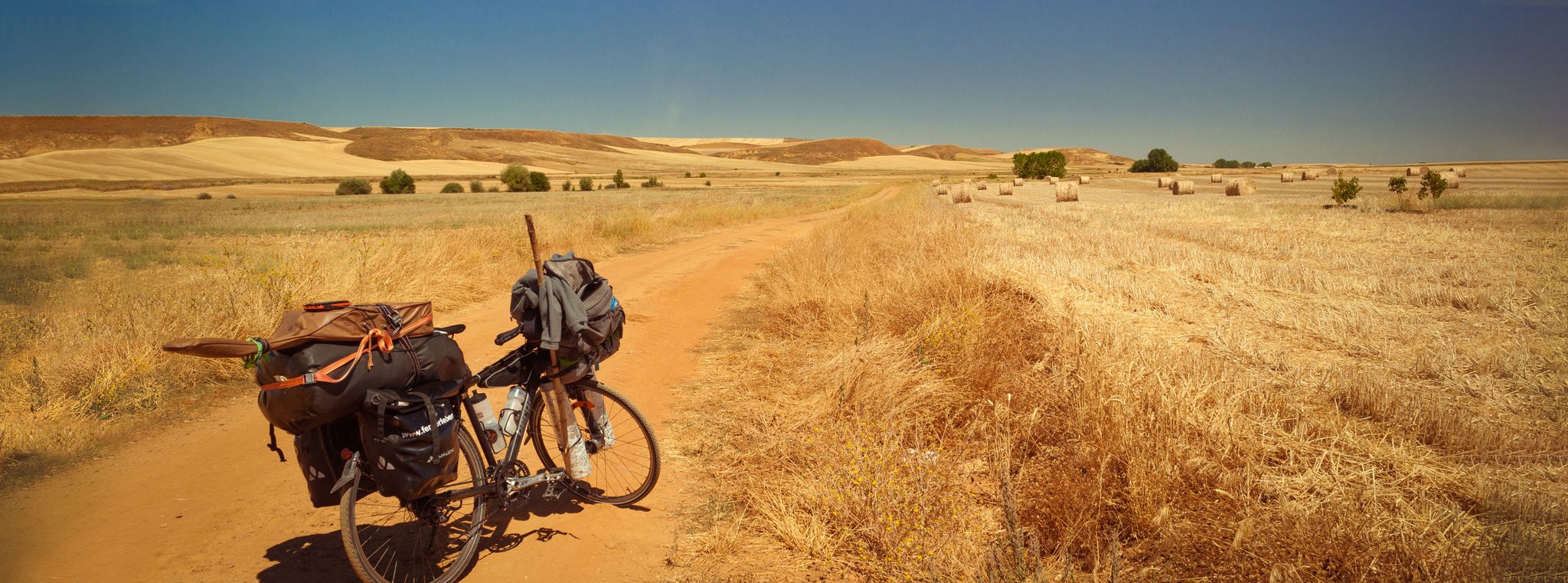
Camino Francés and Camino Finisterre – Cycling pilgrimages in Spain
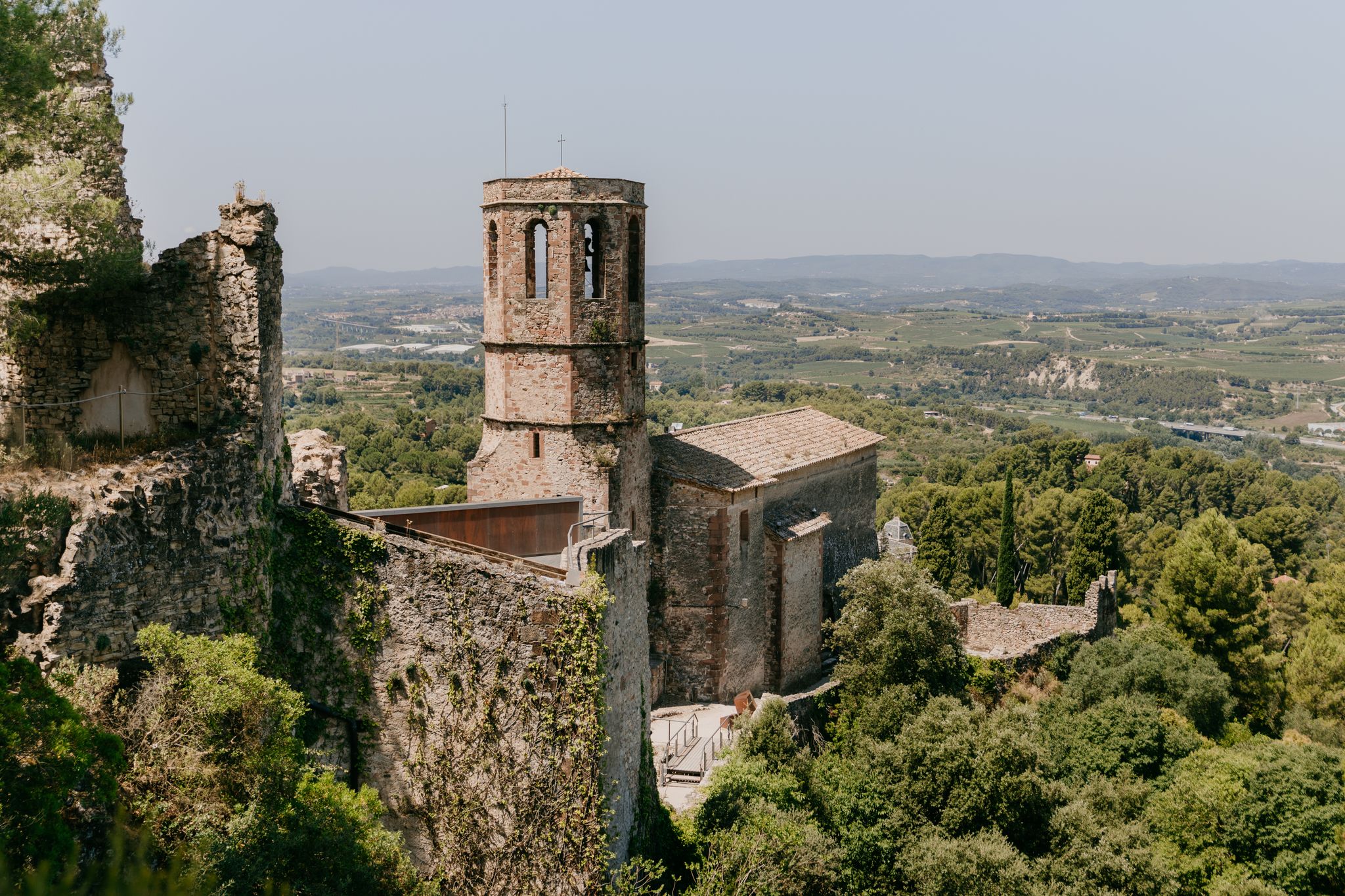
Catalonia by bike — Itineraries between culture and nature
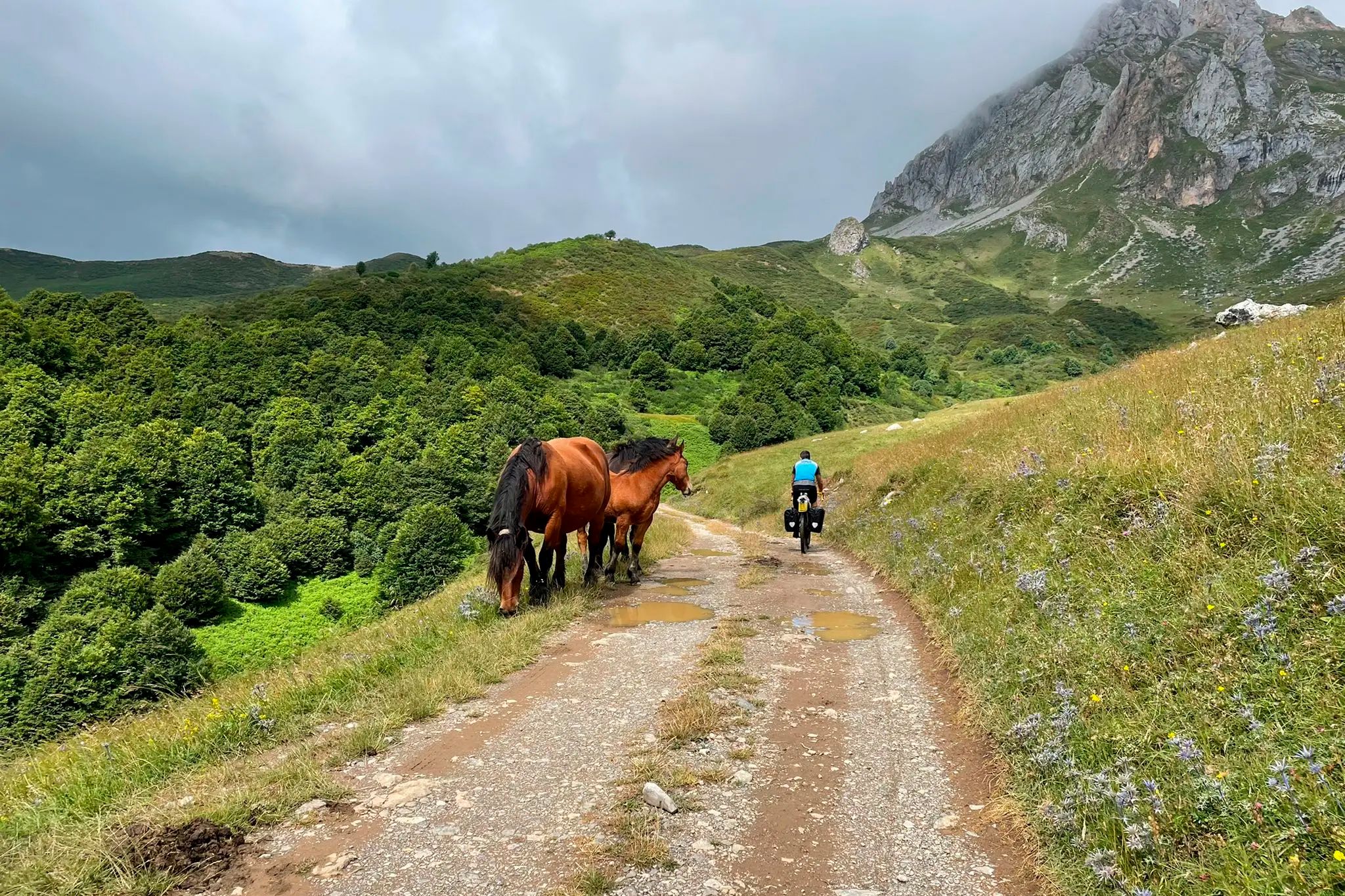
TransCantabrica – Extreme mountain biking in northern Spain
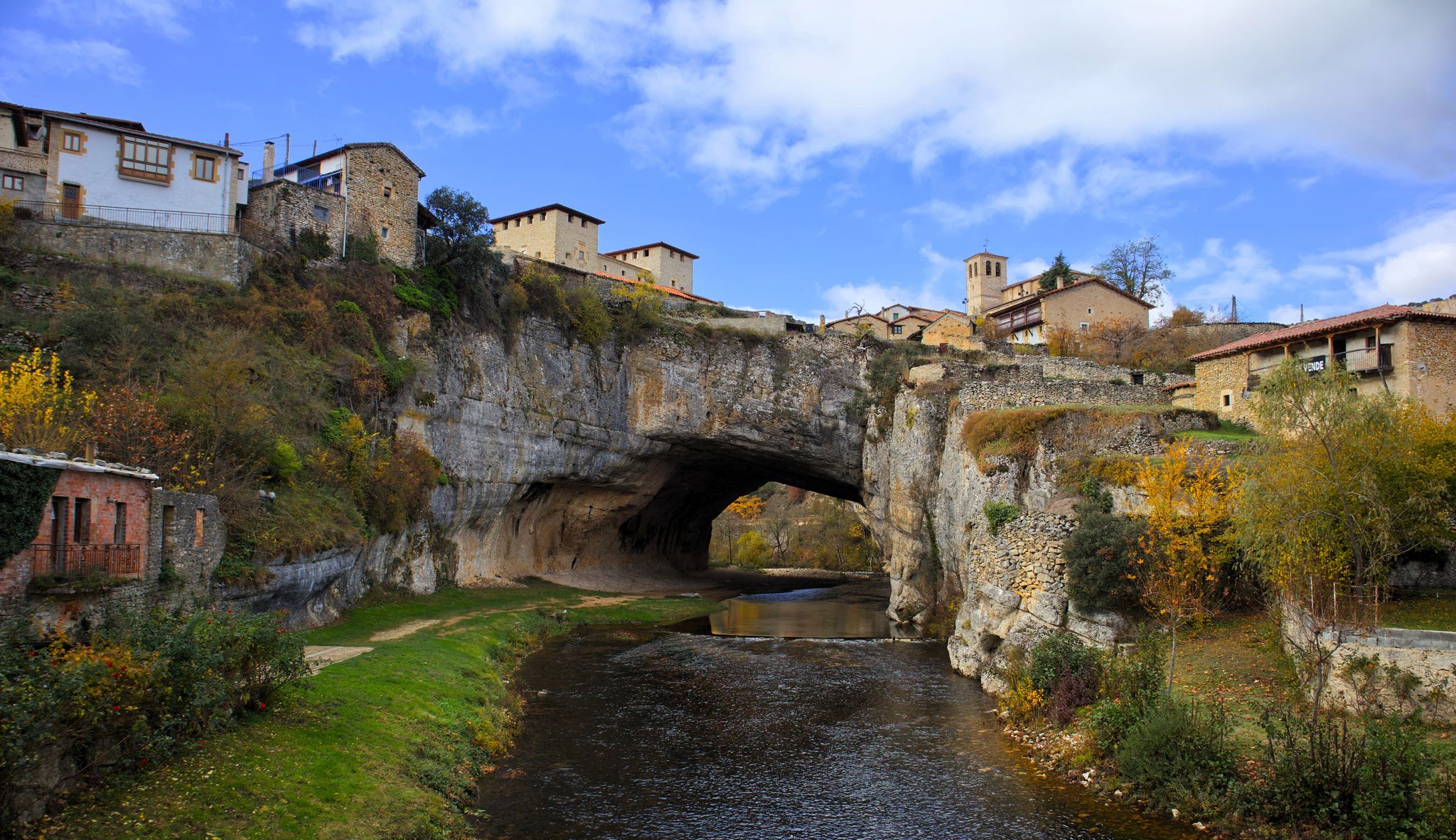
Endless valleys and historic villages – Route of the Senses (GR 85)
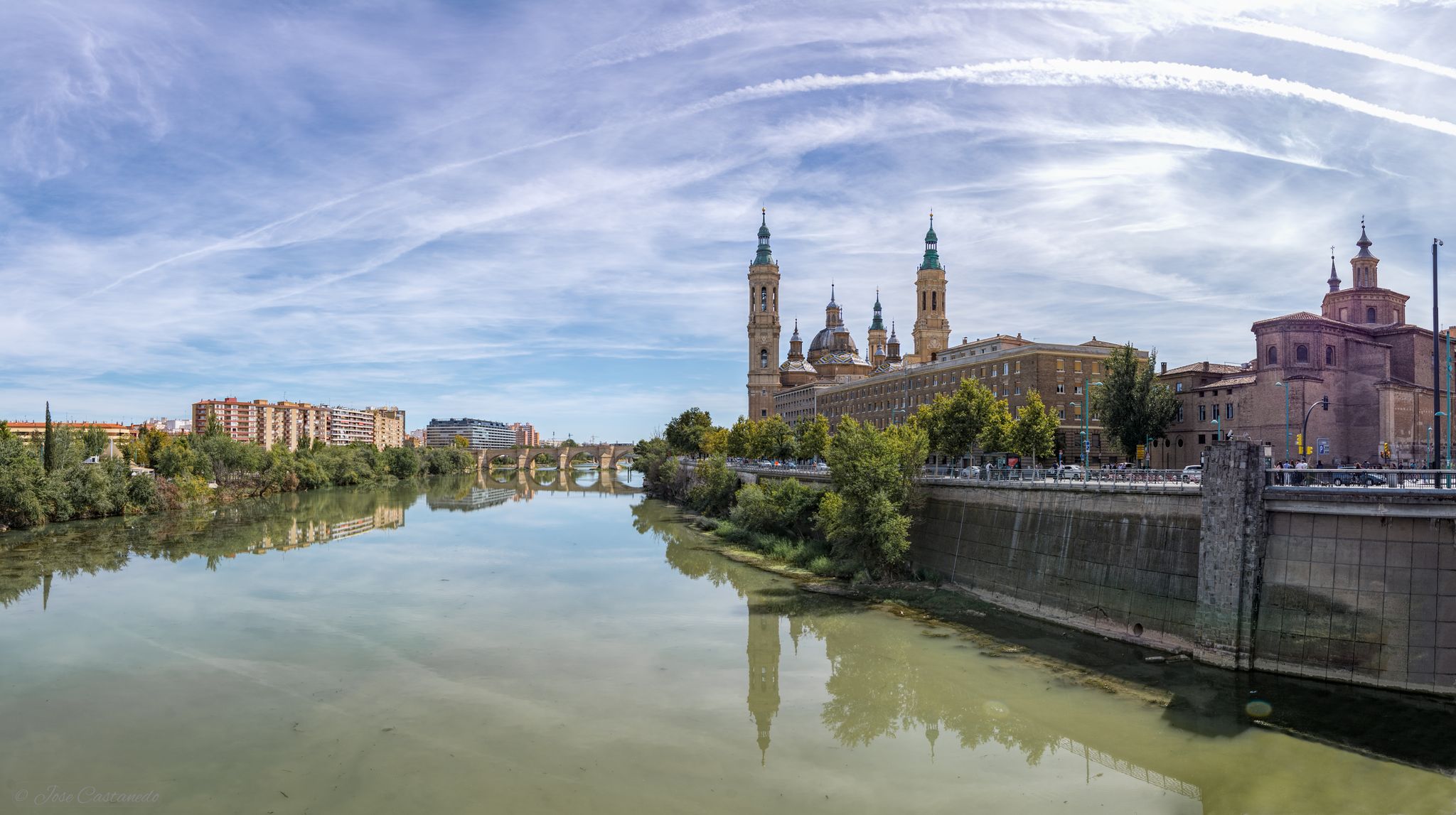
A river getaway – Ebro Natural Trail (GR 99)
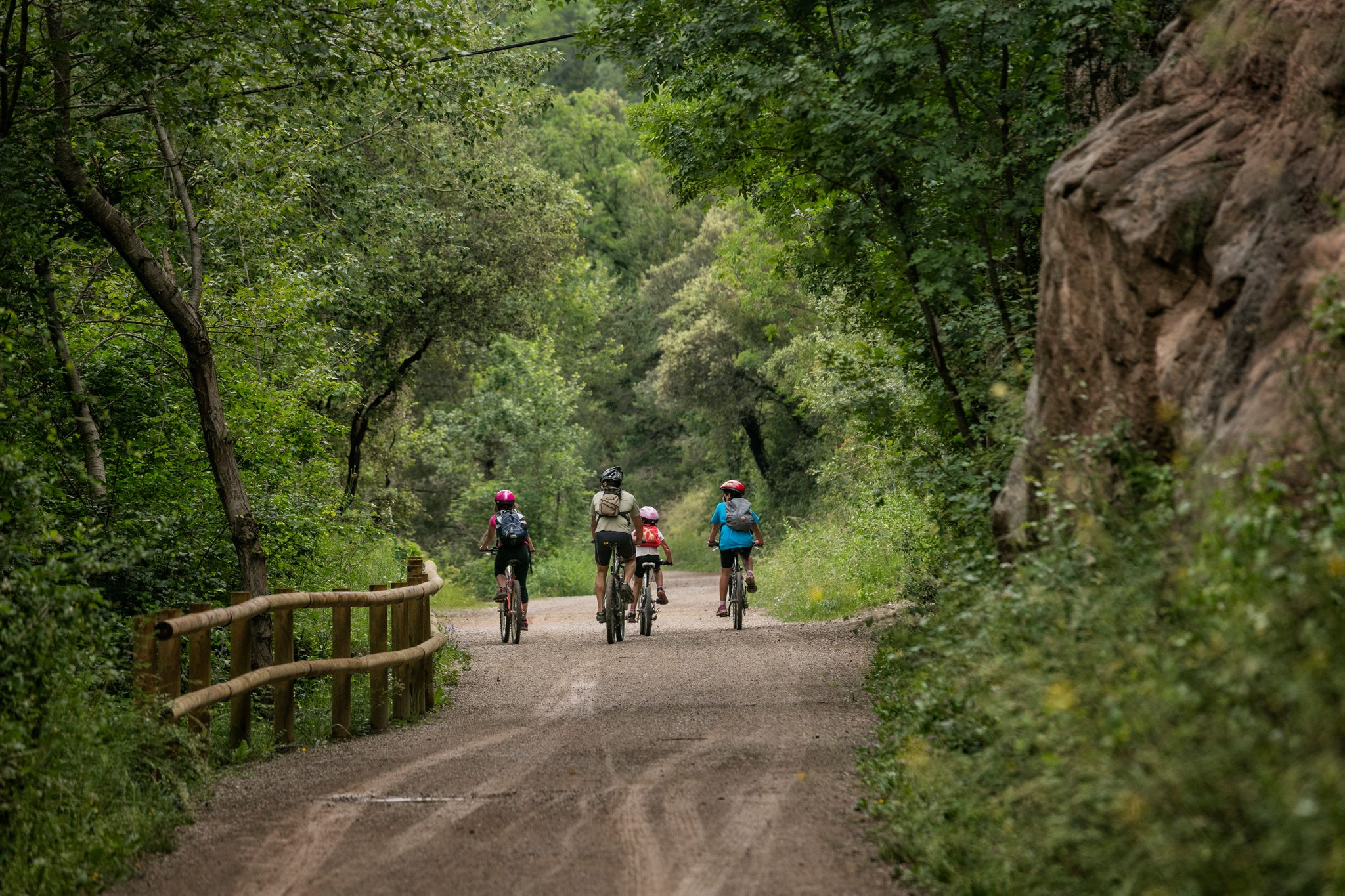
Discover Catalonia on your bike
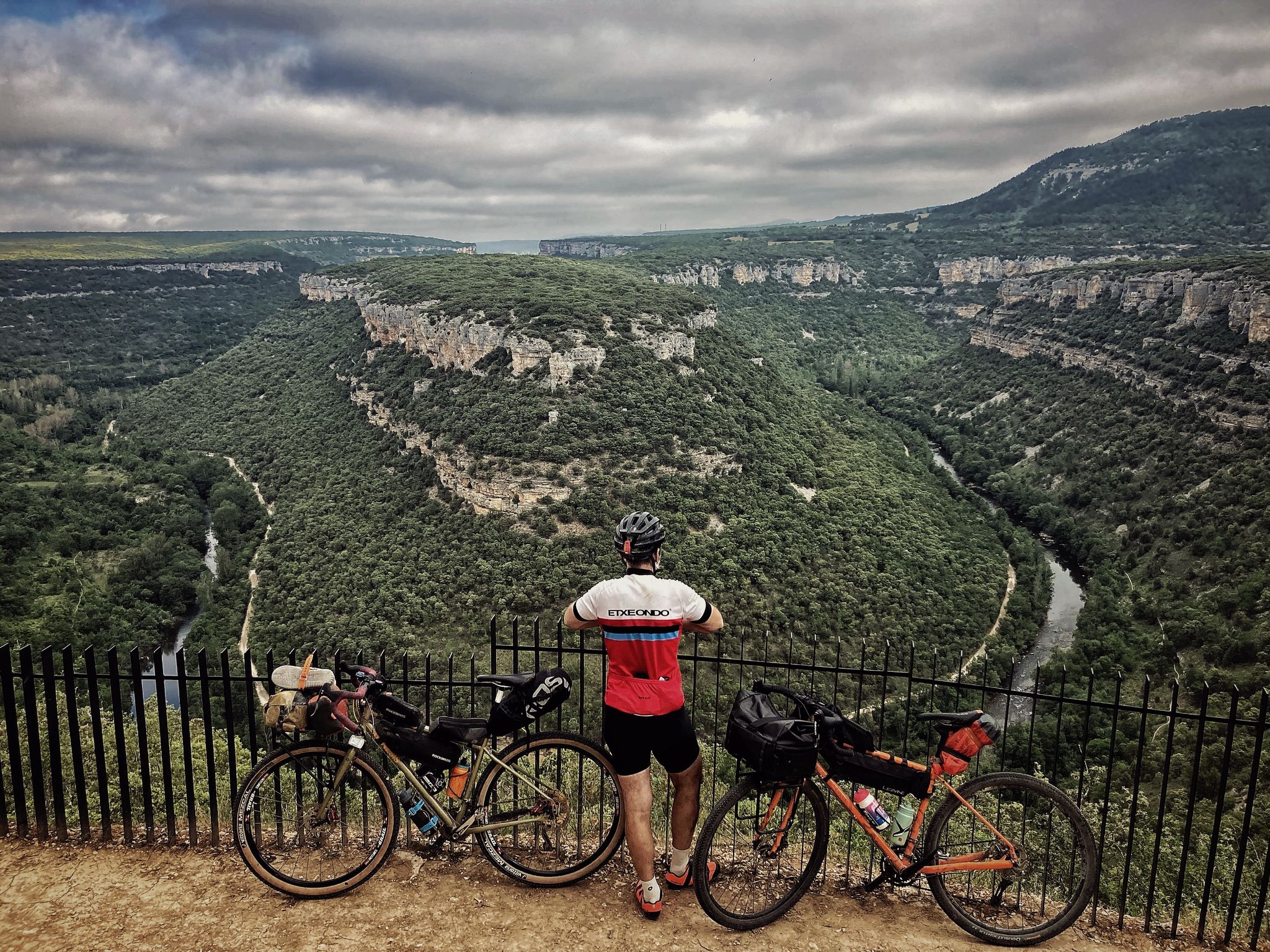
Spain's great river by bike – the Ebro Nature Trail
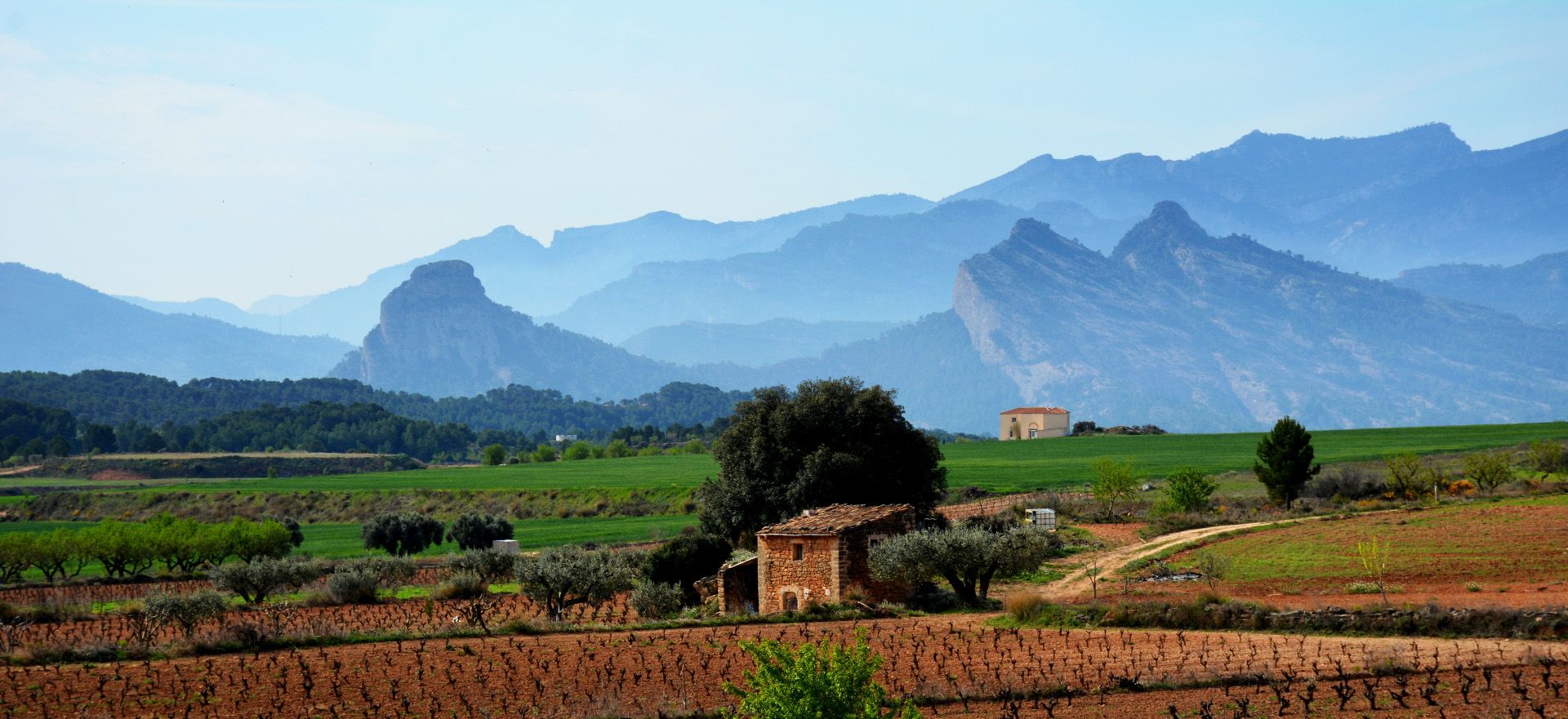
From the heart of southern Catalonia – GR 171
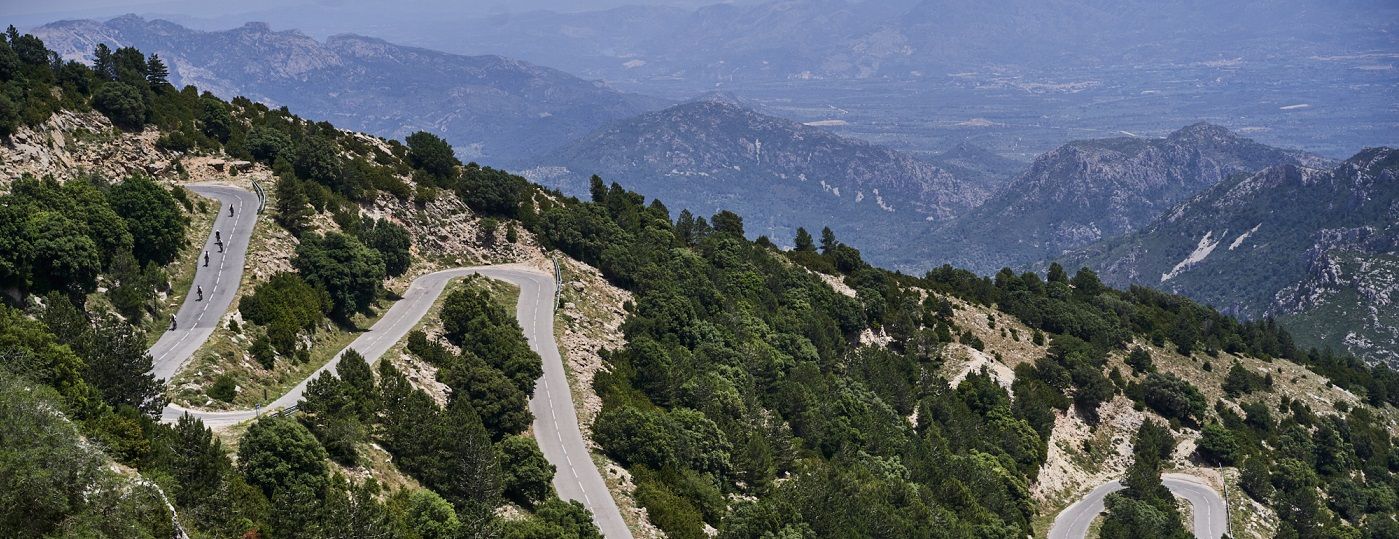
Explore Spain’s Ebro lands – a cycling paradise
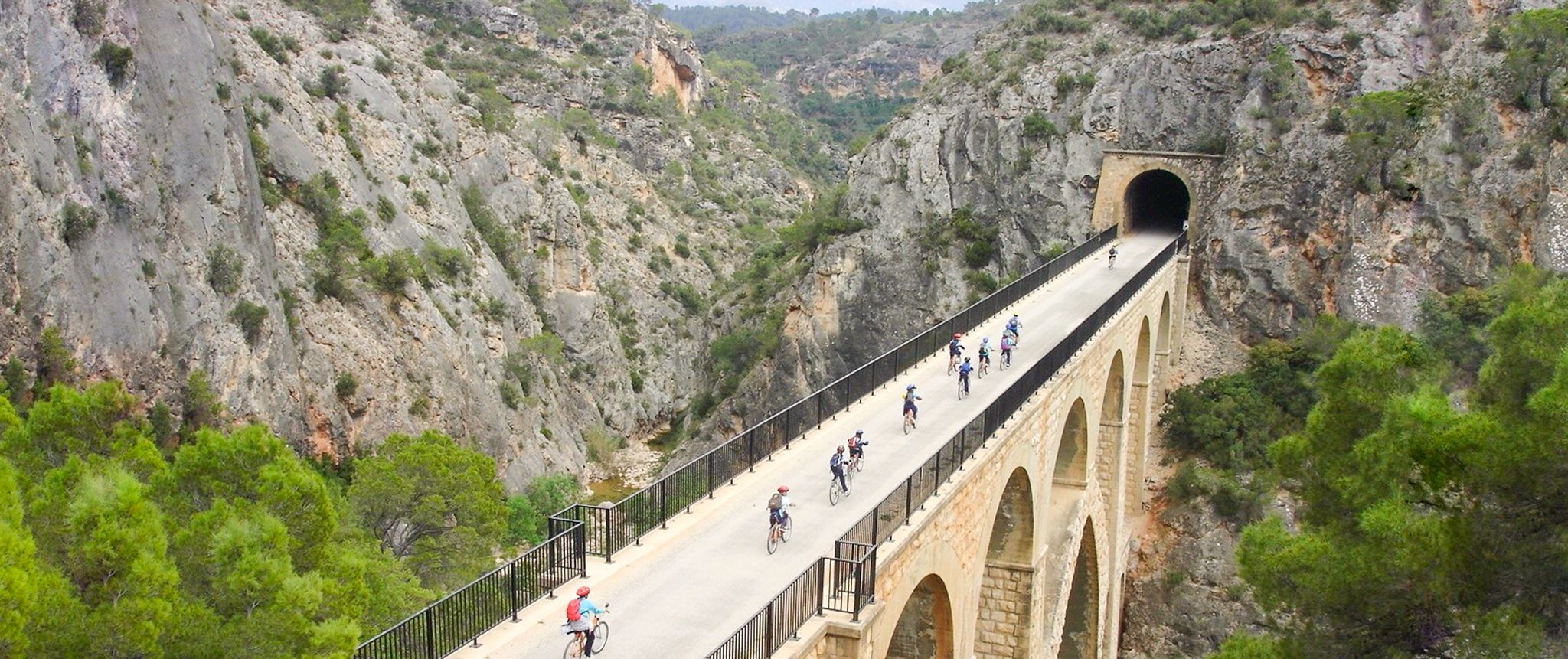
Vías Verdes – traffic-free cycling along railway history in Spain
Other adventures around Ebro / Ebre


Tips from the Community

The waterfall springs from the Cueva del Agua from a height of over 20 meters, at the base of the rocky cirque that embraces the village, originating from an aquifer located in the subsoil of the Páramo de Bricia, and it leaps everywhere, dividing the village into two halves, the Villa and the Puebla, and descends among the stone houses, creating a most photogenic scene.
2
0

A spectacular area for hiking trails
0
0

Arija Beach is located in Burgos and next to the Ebro reservoir, therefore it is a river and freshwater beach, where you can enjoy it without any waves.
0
0

It is beautiful on its own, but if we add the depths of the town from which it arises... visit it!
7
0

Great area for swimming. It has two sides: a lagoon and the Ebro reservoir itself.
0
0

The Orbaneja del Castillo waterfall is unique because it crosses the same town, dividing it into two parts: La Villa and La Puebla. The waterfall emerges from the Cueva del Agua and falls into the Ebro River in an impressive 25-meter drop, creating a most picturesque karst landscape.
4
2

The turquoise water pools of Orbaneja del Castillo are a dreamlike natural treasure. The water flows from the Cueva del Agua and crosses the beautiful medieval town in the middle with a waterfall of about 20 meters until it reaches the pools. A special and magical place in the heart of the Ebro canyon.
1
0

The Sea of Aragon is part of the Mequinenza reservoir. In this area there is a fishing preserve. It is impressive how vast the body of water is.
0
0
Frequently Asked Questions
What kind of natural features can I expect to see around the Ebro/Ebre lakes?
The Ebro/Ebre region offers a diverse range of natural features. You'll find the unique flat landscape of rice fields, dunes, and lagoons in the Ebro Delta, which is an ecological paradise. Further upstream, vast reservoirs like the Sea of Aragon (Mequinenza reservoir) provide expansive water bodies. In the Aragonese Pyrenees, you can discover stunning high-altitude glacial lakes, known as 'ibones', surrounded by mountains and offering serene beauty.
Where can I go birdwatching, especially for flamingos, in the Ebro/Ebre region?
The Ebro Delta lagoons are a prime destination for birdwatching.
La Tancada Lagoon is particularly famous for its high density of flamingos, and you can observe various bird species from several viewpoints. Encanyissada Lagoon, the largest in the Delta, also attracts cormorants, flamingos, and other species. The Gallocanta Lagoon, while not directly on the Ebro River, is Spain's largest natural lagoon and a critical stopover for thousands of migrating common cranes, especially during migration seasons.
Are there any unique geological formations or waterfalls to visit?
Yes, the region features unique natural wonders. The Turquoise Pools and Waterfalls of Orbaneja del Castillo are a must-see. This waterfall uniquely crosses the town, emerging from the Cueva del Agua and falling into the Ebro River, creating a picturesque karst landscape with impressive turquoise pools.
What water sports and fishing opportunities are available in the Ebro/Ebre lakes?
The large reservoirs in the Ebro/Ebre region are excellent for water sports and fishing. The Embalse de Mequinenza, often called the 'Sea of Aragon', is renowned for fishing, especially for common carp, zander, and wels catfish. It's also great for sailing, canoeing, and motorboating. The Riba-roja Reservoir, downstream from Mequinenza, also offers popular fishing opportunities for species like catfish and carp.
Are there hiking or cycling routes near the lakes in the Ebro/Ebre region?
Absolutely. The Ebro/Ebre region offers numerous routes for hiking and cycling. You can explore the Ebro Delta with popular cycling routes around lagoons like La Tancada and Encanyissada. The Pyrenean ibones provide excellent hiking opportunities amidst breathtaking mountain scenery. For more detailed routes, you can check out guides like Cycling around Ebro / Ebre or Mountain Hikes around Ebro / Ebre.
Are there easy walks suitable for all ages around the Ebro/Ebre lakes?
Yes, there are options for easy walks. In the Ebro Delta, the flat landscape around the lagoons and rice fields offers tranquil settings for leisurely strolls. In the Aragonese Pyrenees, Piedrafita Lake is easily accessible by track or path and offers beautiful views suitable for all ages. For more options, look for easy routes in the Cycling around Ebro / Ebre guide, as many cycling paths are also suitable for walking.
What is the best time to visit the Ebro/Ebre lakes for wildlife viewing?
The Ebro Delta is particularly vibrant during migration seasons (spring and autumn) for birdwatching, especially for flamingos and other migratory birds. The Gallocanta Lagoon is also a critical stopover for common cranes during these periods. Summer offers reflections in the rice fields, known as 'The Land of Mirrors', and tranquil settings for boat trips.
Are there family-friendly options among the Ebro/Ebre lakes?
Many areas around the Ebro/Ebre lakes are family-friendly. The Ebro Delta offers easy cycling routes and cultural centers like MónNatura Delta de l'Ebre, which provides insights into local wildlife and traditional fishing. The Sea of Aragon (Mequinenza reservoir) is also considered family-friendly, offering vast spaces for outdoor activities. The Pina de Ebro Dam area is another family-friendly spot where you might encounter aquatic birds.
Can I find viewpoints offering panoramic views of the Ebro River and its lakes?
Yes, there are several excellent viewpoints. The View of the Ebro River at Mequinenza Reservoir offers a panoramic perspective of the expansive reservoir near Caspe. In the Ebro Delta, the Zigurat Viewpoint in El Garxal provides sweeping views of the Ebro River's mouth and the surrounding natural park and rice fields.
What cultural or historical sites are near the Ebro/Ebre lakes?
Near the lakes, you can explore several cultural and historical sites. In the Ebro Delta, the MónNatura Delta de l'Ebre cultural center offers insights into local traditions and wildlife. The Casa de Fusta near Encanyissada Lagoon serves as an ornithological museum and visitor center. Near the Embalse de Mequinenza, the Mequinenza Castle, perched on a mountain, offers historical interest and impressive views.
Are there opportunities for mountain biking around the Ebro/Ebre lakes?
Yes, the Ebro/Ebre region provides opportunities for mountain biking. You can find various MTB trails, including routes like 'Vía Verde de Tortosa a Xerta' or 'GR 99: Flix and Riba-roja d'Ebre Loop'. For more information on specific routes and their difficulty, refer to the MTB Trails around Ebro / Ebre guide.
What are the key ecological areas or protected environments in the Ebro/Ebre region?
The Ebro Delta is a sprawling wetland, recognized as the largest in Catalonia and one of the most important in Europe, making it an ecological paradise. Buda Island, the largest island in Catalonia, is a protected environment crucial for flamingos and diverse wild nature. The Gallocanta Lagoon is also a Wetland of International Importance, critical for migrating common cranes. These areas are vital for biodiversity and conservation.
Most popular routes around Ebro / Ebre
Most popular attractions around Ebro / Ebre

Get inspired with the komoot mobile app


Explore more
Still not found your perfect lake around Ebro / Ebre? Check out the guides of these regions to see even more beautiful places.
