Top 15 Lakes around Forêt de Soignes - Zoniënwoud
Lakes in Forêt de Soignes - Zoniënwoud are integral to this ancient forest, offering diverse natural landscapes and ecological significance. The region features several ponds and water bodies, many with historical origins tied to monastic life and fish farming. These areas provide important habitats for various wildlife, including amphibians, aquatic plants, and bird species. The forest's valleys and water features contribute to its rich biodiversity and serve as accessible points for nature observation.
Best lakes around Forêt de Soignes -…
Last updated: May 17, 2026
Drowned Children Ponds
Highlight • Lake
Tip by

Ganzepoot Pond
Highlight • Lake
Translated by Google •
Tip by

Sign up now to discover places like this
Get recommendations on the best single tracks, peaks, & plenty of other exciting outdoor places.
Sign up for free
Étang Sec (Sonian Forest)
Highlight • Lake
Translated by Google •
Tip by

IJse Valley and the Koningsvijvers
Highlight • Forest
Translated by Google •
Tip by
Red Monastery (Rouge-Cloître)
Highlight • Religious Site
Translated by Google •
Tip by
Sign up for free to discover even more lakes around Forêt de Soignes - Zoniënwoud.
Sign up for free
Already have an account?
Start today with a free account
Your next adventure awaits.
Login or Signup
Popular around Forêt de Soignes - Zoniënwoud
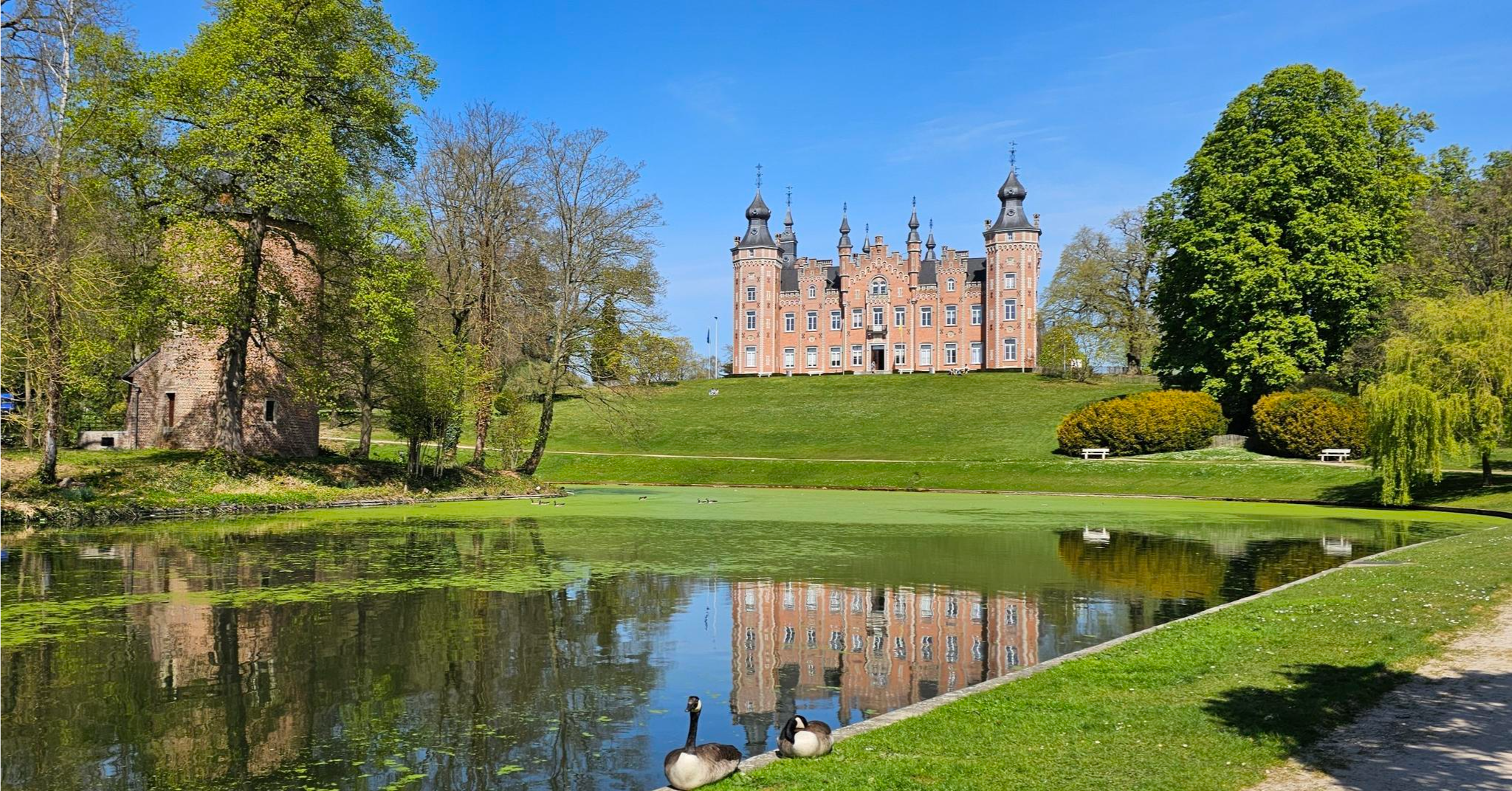
Tour around Brussels – Streek-GR Groene Gordel
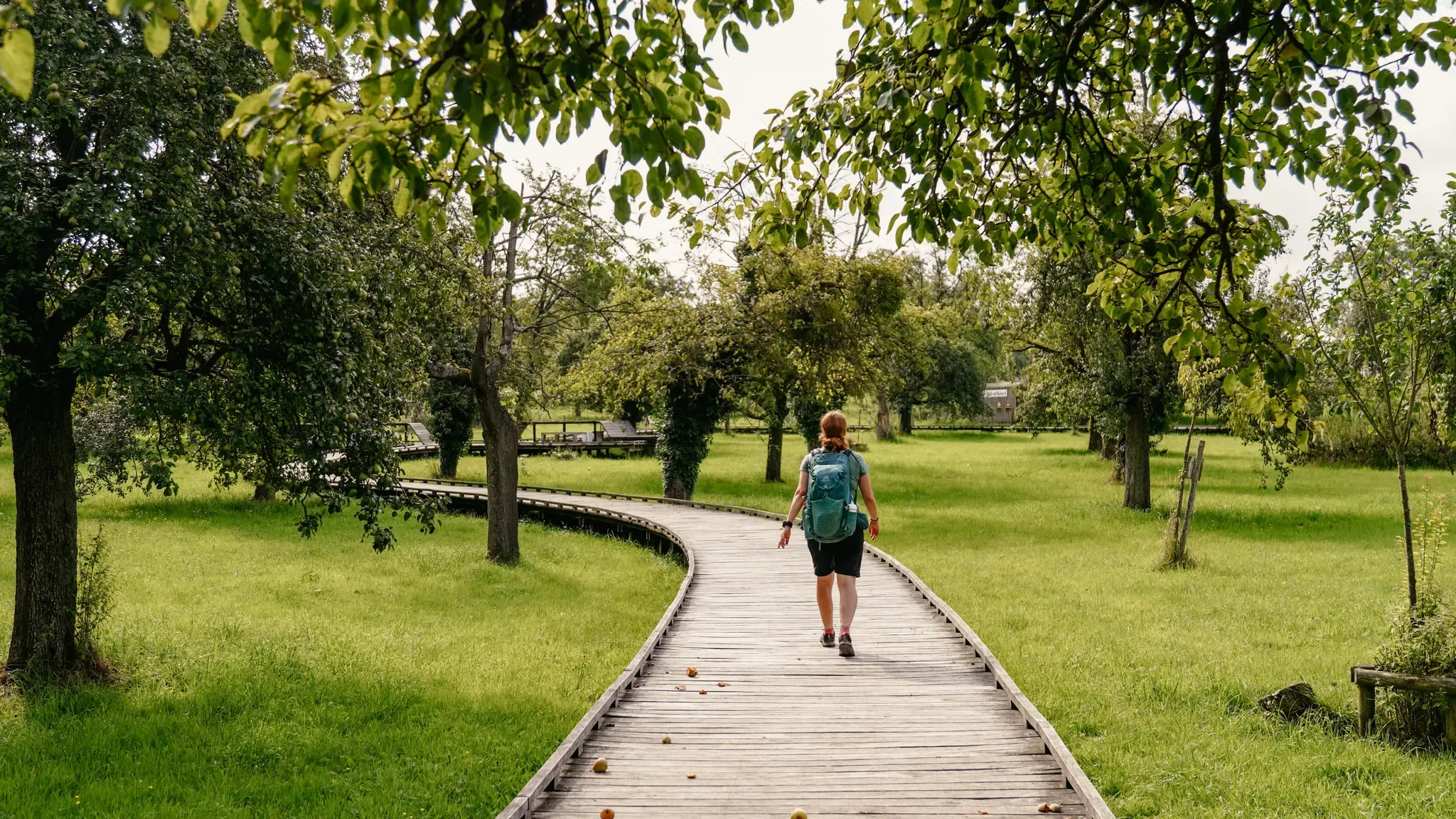
Hiking in Flanders – between dunes, forest and the scenic Meuse
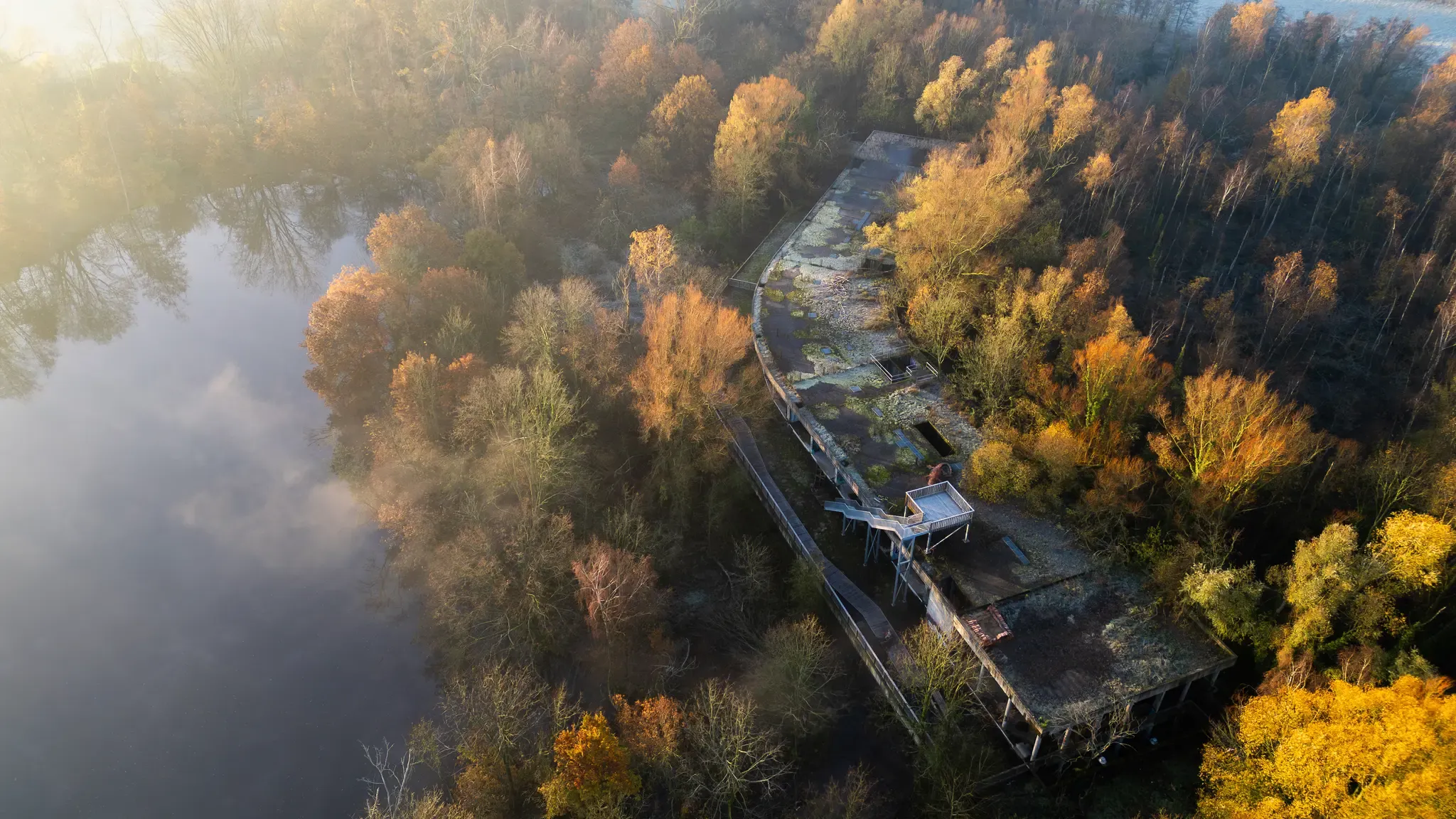
Treinstappers – from station to station in Flanders
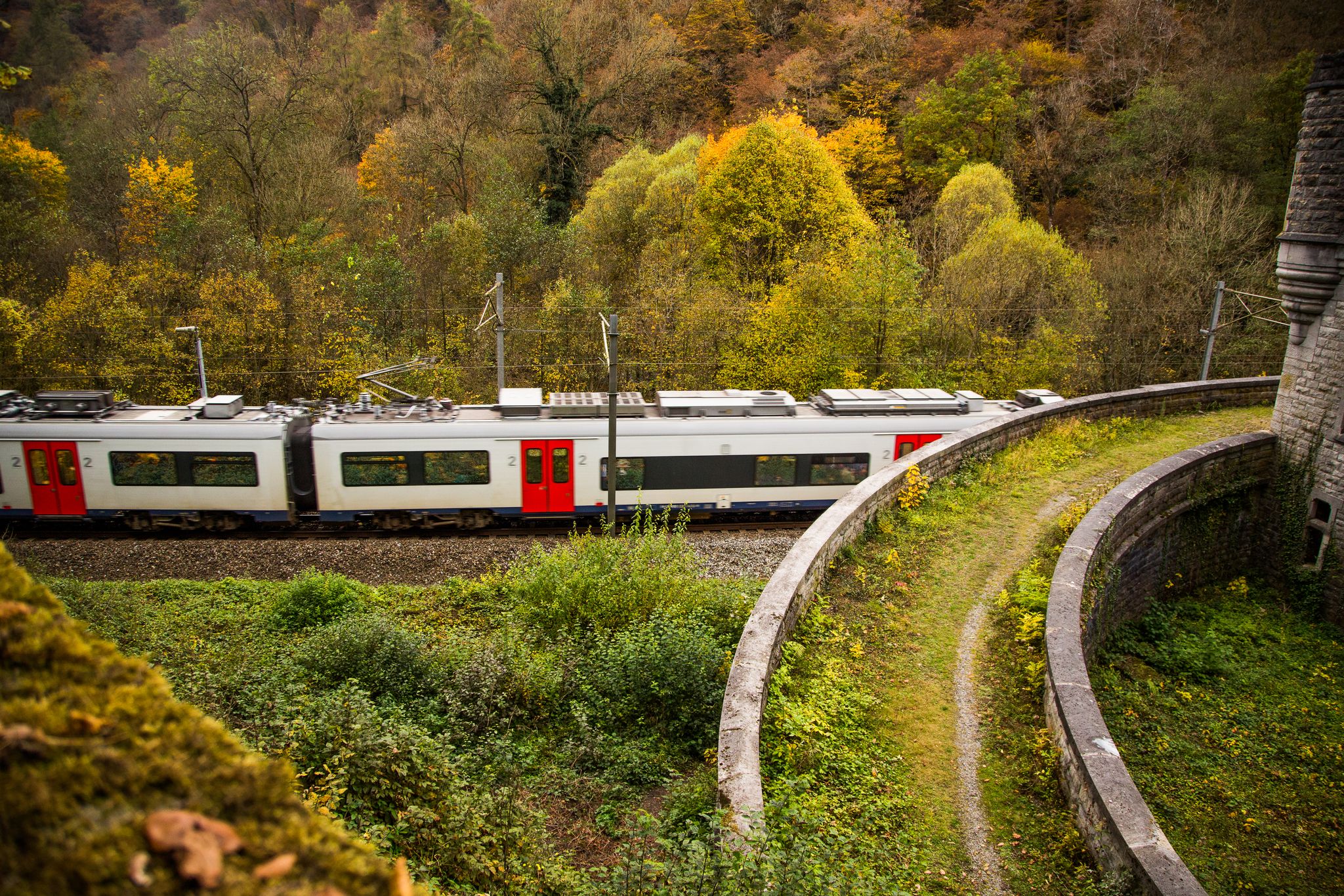
Exploring Belgium’s Wallonia — 8 hikes from station to station
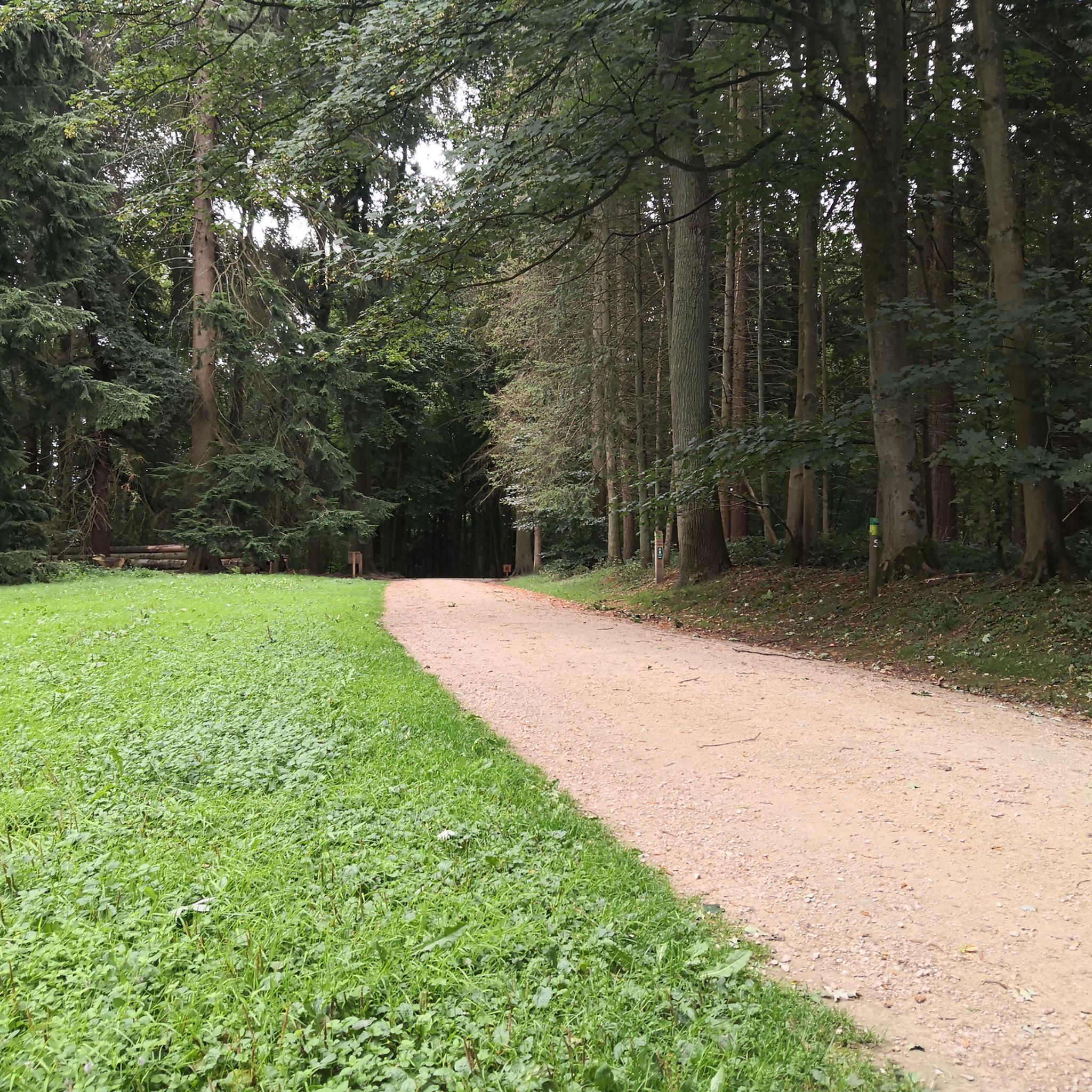
Hiking around Forêt de Soignes - Zoniënwoud
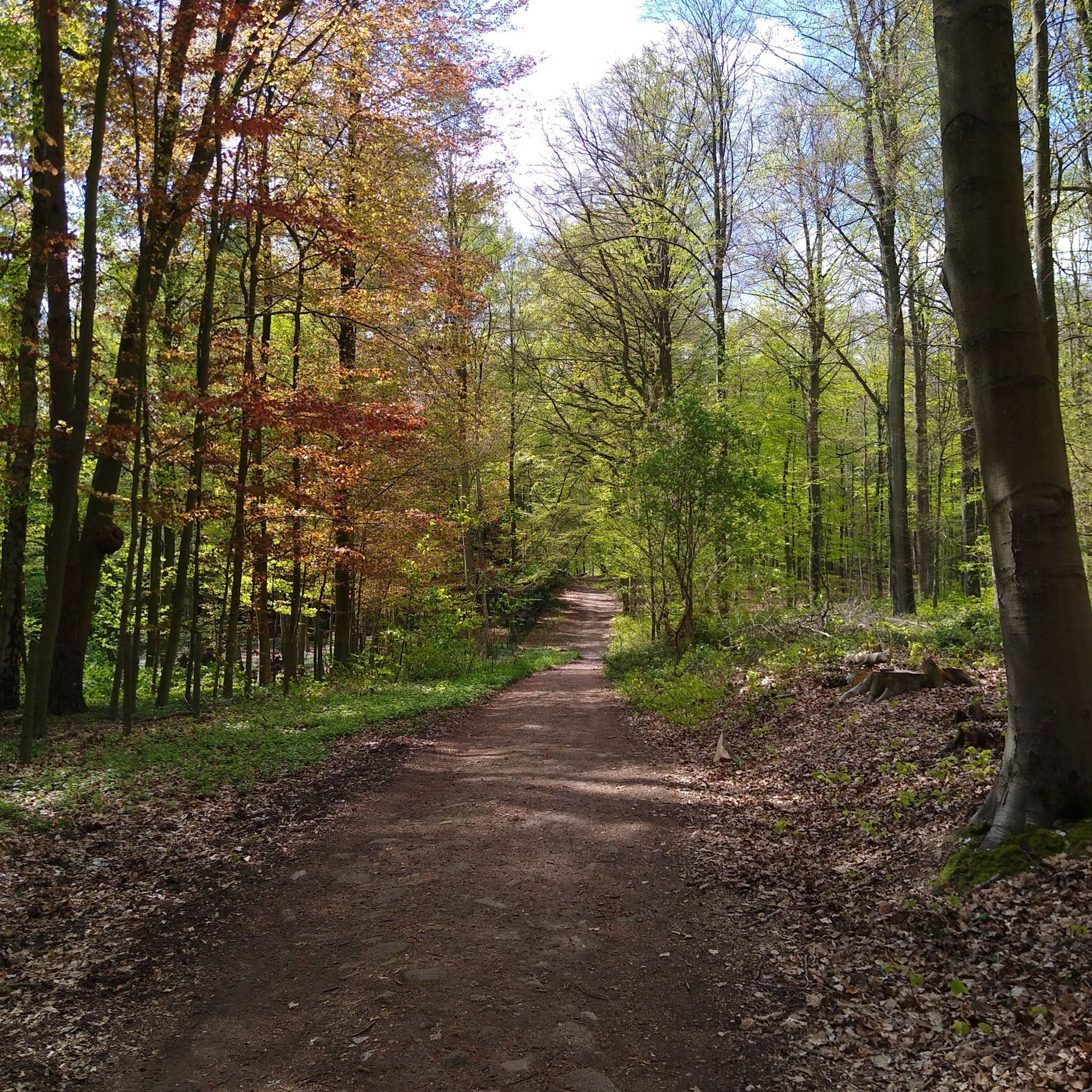
Running Trails around Forêt de Soignes - Zoniënwoud
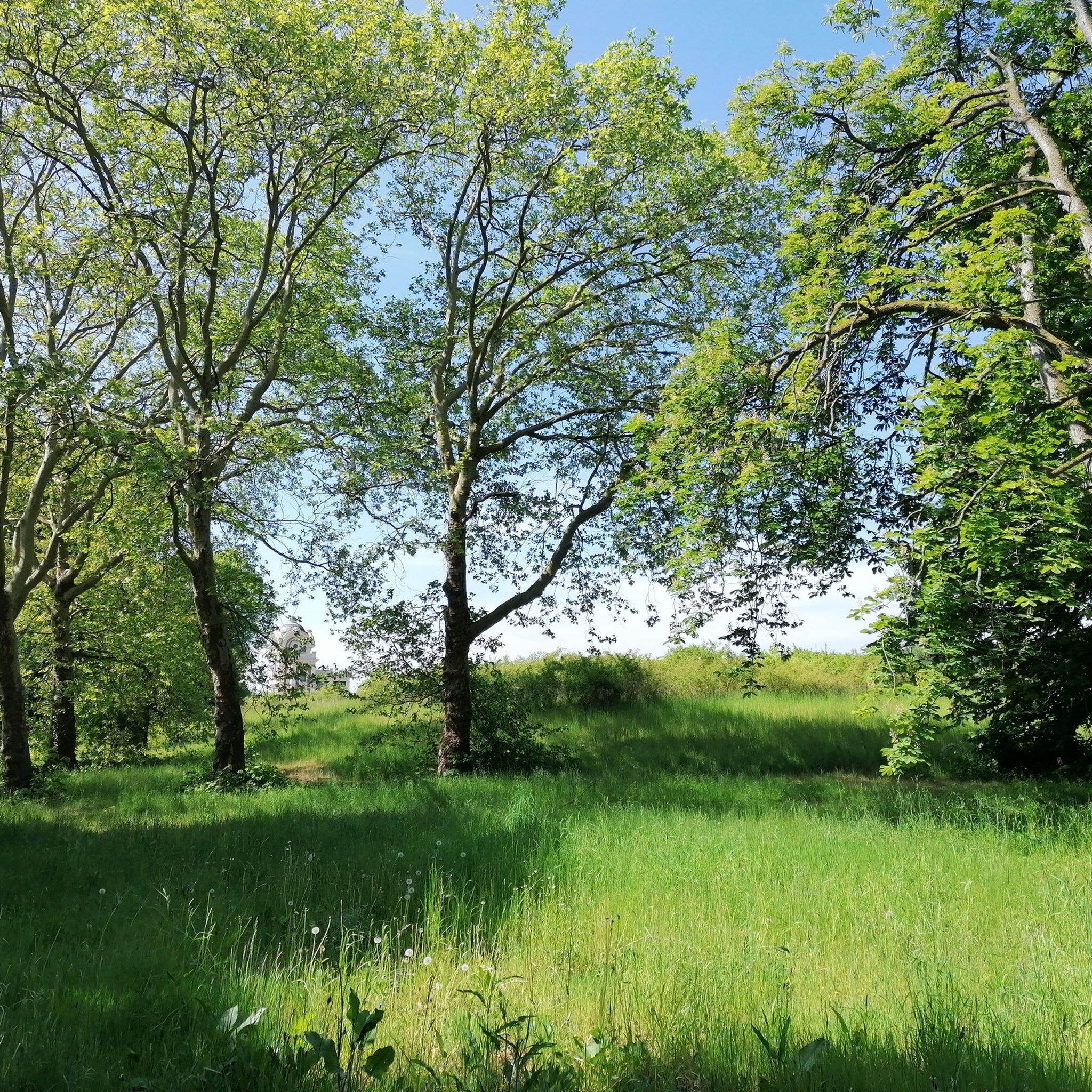
Cycling around Forêt de Soignes - Zoniënwoud

Gravel biking around Forêt de Soignes - Zoniënwoud
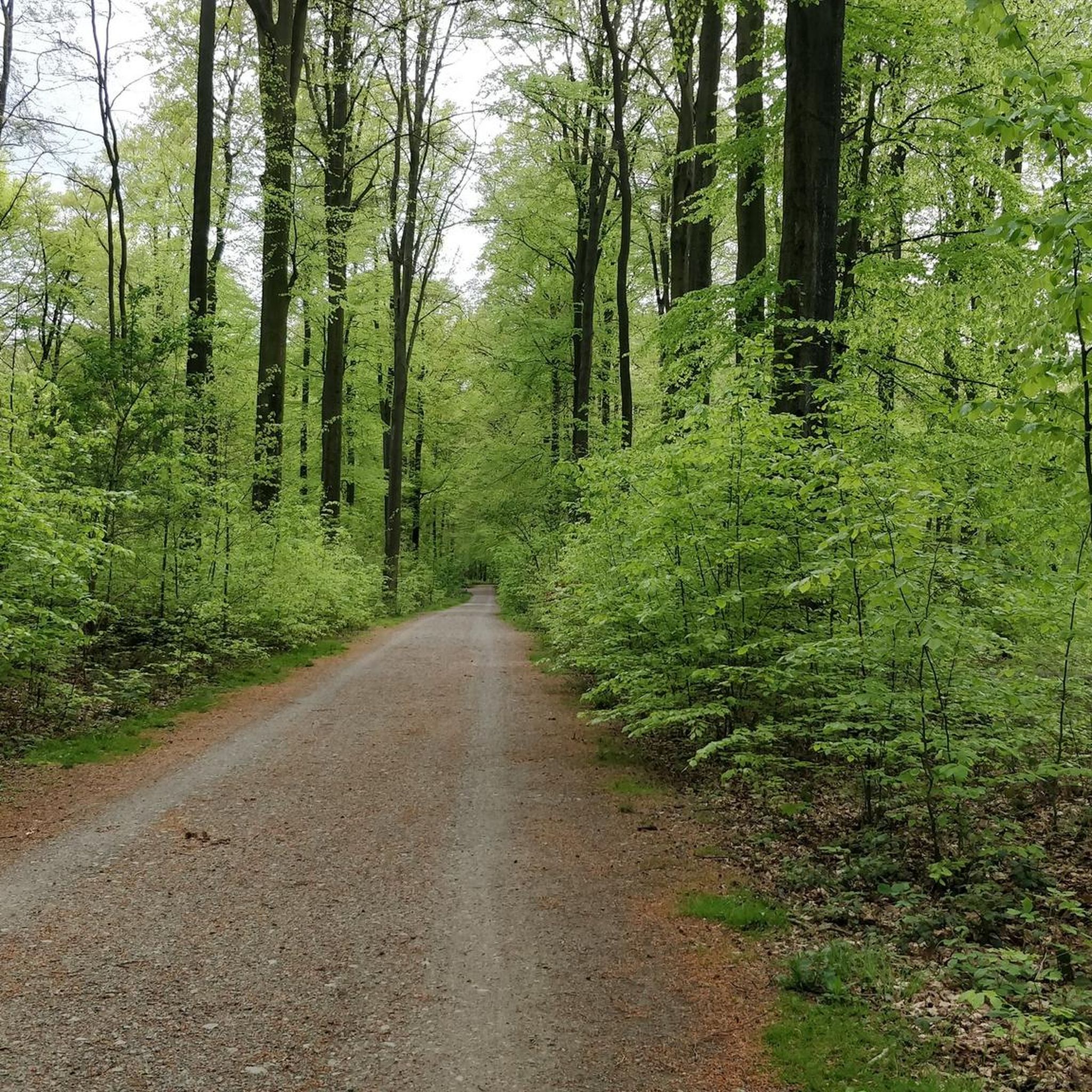
MTB Trails around Forêt de Soignes - Zoniënwoud
Road Cycling Routes around Forêt de Soignes - Zoniënwoud
Other adventures around Forêt de Soignes - Zoniënwoud


Tips from the Community

A section is currently inaccessible because they want to purify the water that flows into the Ijse. You can, however, explore the small stream and the valley's structure via a small path in this corner, which is located a bit further from the main paths.
3
0
On the IJse, which springs from the Zoniënwoud, lies a series of five ponds. Until the 18th century, these ponds were owned by the priory of Groenendaal. After the dissolution of the monastery in 1783, maintenance of the ponds declined, causing them to silt up in the course of the 19th century. King Leopold II (hence the name Koningsvijvers gradually emerged) who harbored grand plans for the spatial development of his capital Brussels, set his sights on the ponds on the edge of the Zoniënwoud near Hoeilaart. For the construction of the ponds east of Sint-Jansberglaan, the land had to be purchased first. The Belgian state acquired the grounds in 1903, while work on the ponds had already started in 1902! Despite the enormous earthmoving required to excavate the silted-up ponds, the contractor delivered the works as early as January 1903. The new ponds would henceforth be known to the public as the Koningsvijvers. The intervention ensured that not only the ponds, but also the surrounding environment was added back to the Zoniënwoud. Inventory of Immovable Heritage: Ponds of the priory Groenendaal, https://id.erfgoed.net/erfgoedobjecten/310121
5
0

Known for its distinctive shape with three protrusions that resemble the toes of a goose foot.
3
0

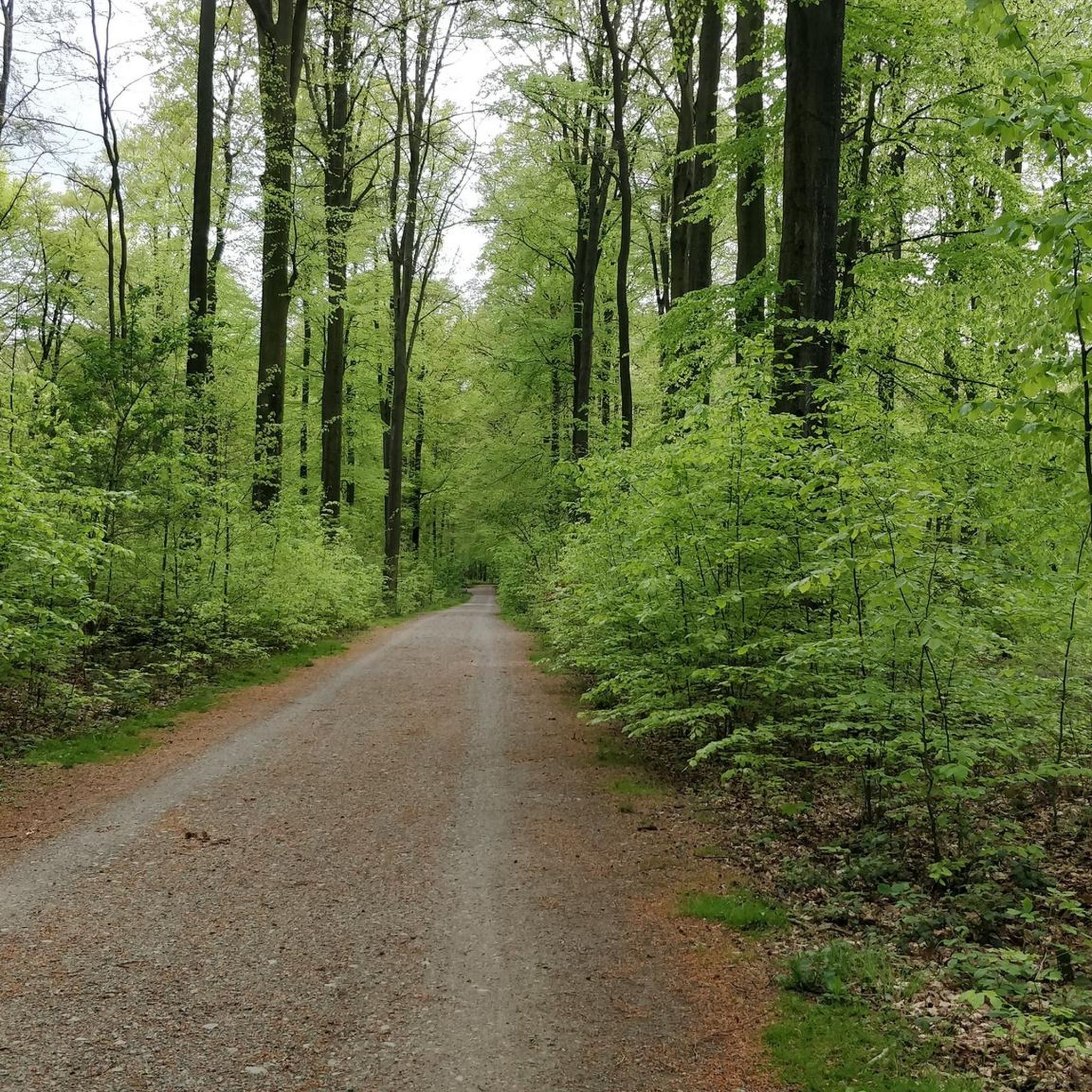
A lovely walk sheltered from the wind and rain. Superb colours, leaves carpeting the ground...
2
0

Forests are central to the fight against the triple global crisis of climate change, biodiversity loss, and pollution. They cover nearly a third of the Earth’s land surface and are home to the vast majority of terrestrial biodiversity. Despite efforts to halt deforestation and restore degraded areas, forest cover continues to shrink. Since the end of the last great ice age, about 10,000 years ago, 57% of the Earth’s habitable land was covered by forests. Over the past 10,000 years, a third of the world’s forests have been lost, an area twice the size of the United States. Half of that loss has occurred in the past century. Forests are essential to combating climate change. They contain 662 billion tons of carbon, more than half of the world’s total carbon stock in soils and vegetation. Societies derive significant benefits from forests and are heavily dependent on them. It is estimated that more than half of global gross domestic product is heavily dependent on what ecosystems provide. The forestry sector contributes more than USD 1.52 trillion to global gross domestic product and employs 33 million people. Yet many people living close to forests do not benefit sufficiently from them. Although 75 percent of rural residents live within 1 km of a forest, they have little right to those forests. Nearly three-quarters (73 percent) of all forests are state-owned, while 80 percent of people live in extreme poverty in rural areas. The COVID-19 pandemic had a major impact on forest value chains and trade in early 2020. Most sectors have recovered quickly, but the risk of future pandemics remains. Forest management is well-positioned to play a key role in a green recovery.
0
0

Super nice and very cultural place
1
1

Quiet and very pleasant spot with picnic bench
2
0

The Enfants Noyés is a nature reserve consisting of three large ponds located in a valley of the Sonian Forest in Brussels. The nature reserve consists of three different ponds: the Étang du Fer à Cheval, the Étang des Canards Sauvages and the Étang du Clos des Chênes.
2
1
Frequently Asked Questions
What are the most popular lakes to visit in Forêt de Soignes - Zoniënwoud?
Among the most popular are the Drowned Children Ponds, a nature reserve known for its diverse habitats and birdlife. Another favorite is Ganzepoot Pond, recognized for its unique shape and historical significance. Visitors also appreciate the IJse Valley and the Koningsvijvers, a series of historical fish ponds.
Are there family-friendly lakes in the Forêt de Soignes - Zoniënwoud region?
Yes, several lakes are well-suited for families. The Drowned Children Ponds and Ganzepoot Pond are both listed as family-friendly, offering tranquil strolls and picnic spots. The area around the Red Monastery (Rouge-Cloître), which is surrounded by ponds, also provides a pleasant environment for families with its abbey and art center.
What kind of natural features can I expect to see around the lakes?
The lakes are nestled within the ancient Forêt de Soignes, offering rich biodiversity. You can observe diverse habitats supporting amphibians, aquatic plants, and various bird species like tufted ducks, little grebes, and coots. The Drowned Children Ponds, for instance, are a designated nature reserve. The forest itself provides refreshing views and vibrant colors, especially during autumn.
Are there historical sites or landmarks near the lakes?
Yes, the region is rich in history. Ganzepoot Pond has origins tracing back to Augustine monks who built a dam for fish farming around 1343. The Red Monastery (Rouge-Cloître), an Augustinian priory largely demolished in 1789, is situated near the Drowned Children Ponds and functions as an important gateway to the forest, featuring an abbey and an art center.
What outdoor activities can I do near these lakes?
The lakes are excellent starting points for various outdoor activities. You can enjoy hiking and nature observation. For more structured routes, consider exploring nearby guides like the Waterfall hikes around Forêt de Soignes - Zoniënwoud, which offers moderate to difficult trails. Cycling is also popular, with guides such as Cycling around Forêt de Soignes - Zoniënwoud providing routes of varying difficulty.
Are there hiking trails around the Drowned Children Ponds?
Yes, the area around the Drowned Children Ponds is ideal for tranquil strolls and nature observation. It's part of the larger Rouge-Cloître area, which offers extensive walking trails. The valley also holds archaeological significance, adding another layer to your exploration.
What is the best time of year to visit the lakes in Forêt de Soignes - Zoniënwoud?
The lakes offer beauty year-round. In warmer months, they provide refreshing views, while autumn brings vibrant colors to the surrounding forest. Winter walks can also be very peaceful. The specific ecological features, like birdlife, might vary seasonally.
Is public transport available to reach the lakes?
Yes, the Drowned Children Ponds, for example, are easily accessible by public transport, situated near the historic Rouge-Cloître site. This makes it convenient for visitors without private vehicles to enjoy the natural beauty of the area.
Are dogs allowed on trails around the lakes?
The Forêt de Soignes generally has specific regulations regarding dogs. While dogs are often allowed on leash in many parts of the forest, it's always best to check local signage or official park guidelines for specific rules around the individual lakes and nature reserves to ensure compliance.
Are there any cafes or restaurants near the lakes for refreshments?
Yes, particularly near popular access points. The Red Monastery (Rouge-Cloître) area, which is adjacent to the Drowned Children Ponds, often features open-air bars or kiosks during summer, providing options for snacks and refreshments. You can also find various establishments in nearby towns like Groenendaal or Hoeilaart.
What do visitors enjoy most about the lakes in Forêt de Soignes - Zoniënwoud?
Visitors particularly appreciate the tranquility and natural beauty. Many enjoy the peaceful walks, the opportunity for nature observation, and the historical context of sites like the Drowned Children Ponds and Ganzepoot Pond. The changing landscapes throughout the seasons are also a highlight, offering new perspectives with each visit.
Are there specific parking facilities for accessing the lakes?
Parking facilities are generally available near the main access points to the Forêt de Soignes and its prominent lakes. For instance, areas like Rouge-Cloître, which provides access to the Drowned Children Ponds, typically have designated parking. Similarly, you can find parking near Groenendaal for accessing Ganzepoot Pond and the Koningsvijvers.
Most popular routes around Forêt de Soignes - Zoniënwoud
Most popular attractions around Forêt de Soignes - Zoniënwoud

Get inspired with the komoot mobile app


Explore more
Still not found your perfect lake around Forêt de Soignes - Zoniënwoud? Check out the guides of these regions to see even more beautiful places.
