Top 9 Caves in Corona Forestal
Best caves in Corona Forestal are found within the Corona Forestal Natural Park, the largest protected natural area in the Canary Islands. This significant geological region in Tenerife encompasses numerous caves and volcanic tubes, showcasing the island's volcanic origins. The park's terrain is characterized by volcanic landscapes and pine forests, offering diverse environments for exploration. These natural features provide habitats for various species and offer insights into the island's geological history.
Best caves in Corona Forestal
- The most popular caves…
Last updated: August 23, 2026
Steep Cliff and Cave Trail
Highlight • Trail
Translated by Google •
Tip by

Great Cave of Chío
Highlight • Cave
Translated by Google •
Tip by

Sign up now to discover places like this
Get recommendations on the best single tracks, peaks, & plenty of other exciting outdoor places.
Sign up for free
Hoya Fría Gallery
Highlight • Cave
Translated by Google •
Tip by

Cave of the Birds
Highlight • Cave
Translated by Google •
Tip by

Cave and tunnel near Vilaflor
Highlight • Cave
Translated by Google •
Tip by

Sign up for free to discover even more caves in Corona Forestal.
Sign up for free
Already have an account?
Start today with a free account
Your next adventure awaits.
Login or Signup
Popular around Corona Forestal

Mountain biking through the wild heart of Tenerife

Trail running in Tenerife – dreamy routes between sea and mountain
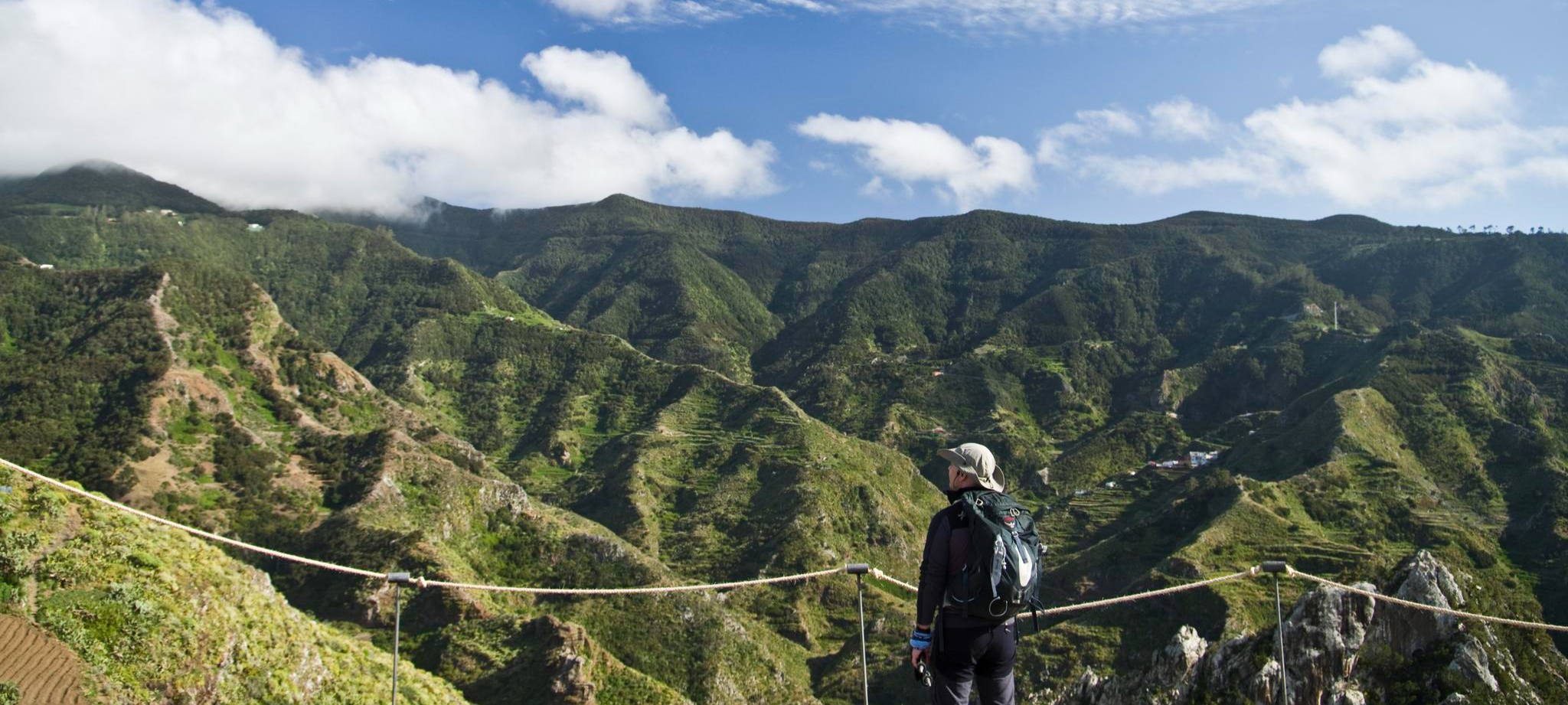
Tenerife's interior – discover fascinating hiking routes
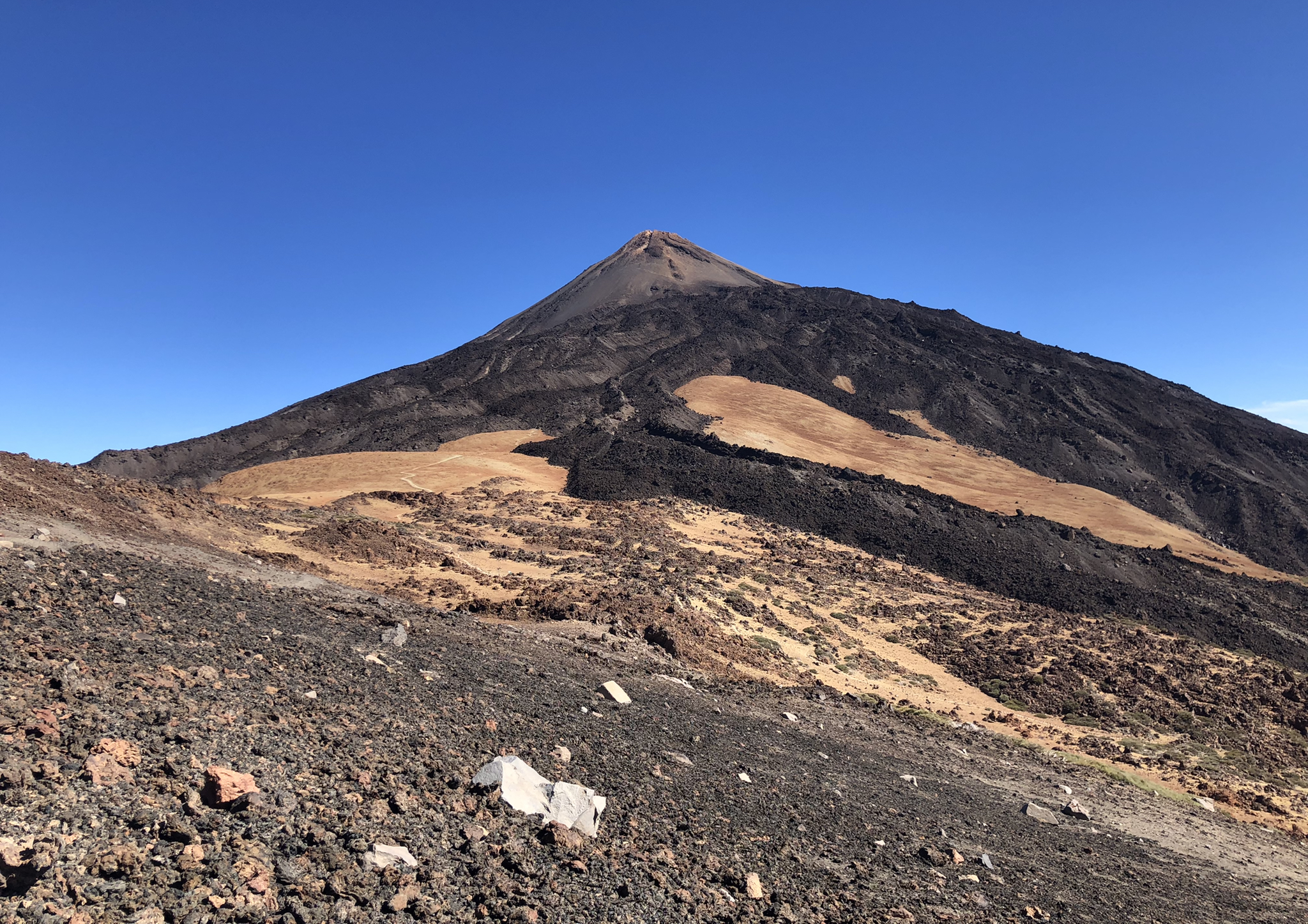
Volcanoes, lava and forests – running in Tenerife
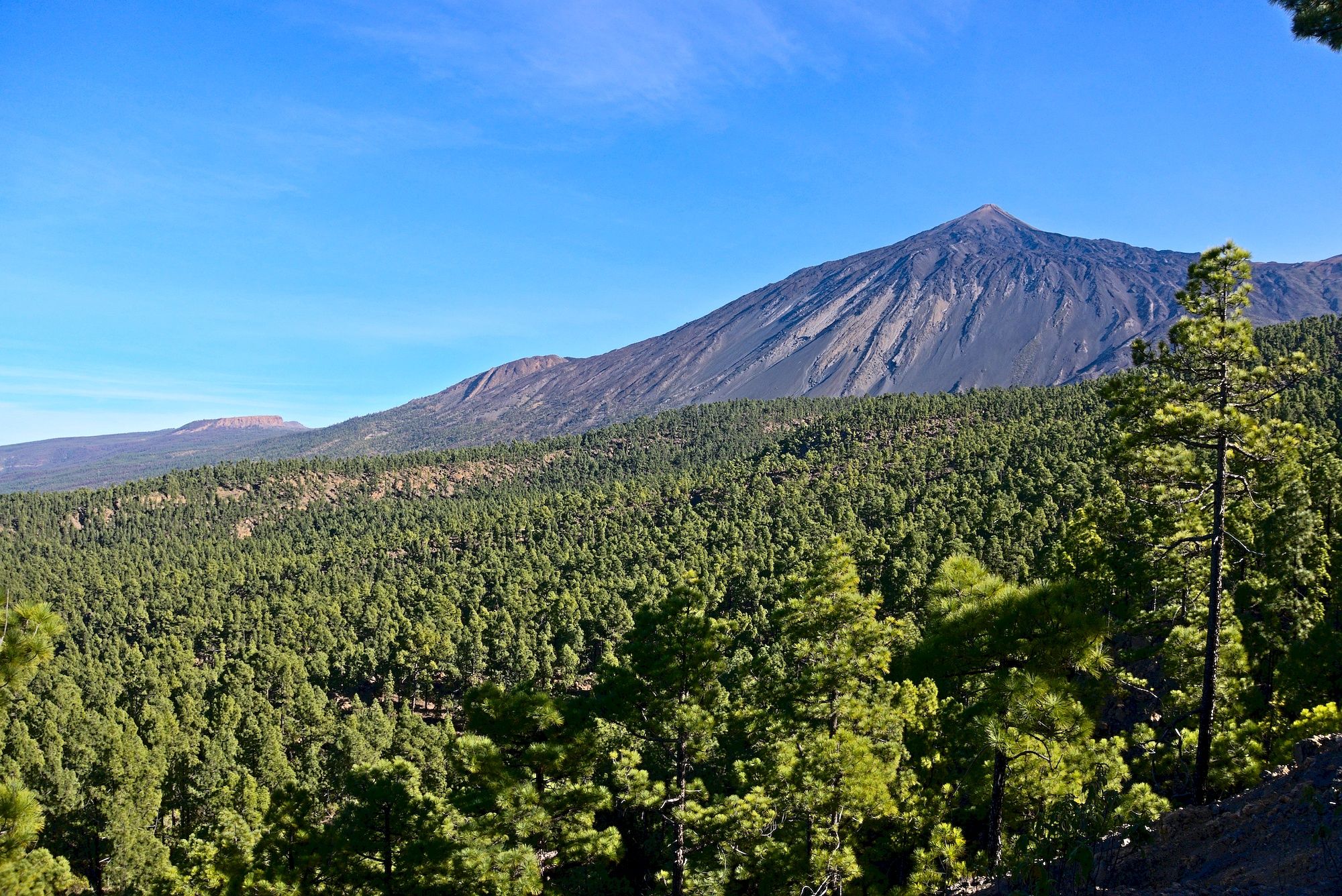
The fantastic forest of Tenerife – northern forest MTB route
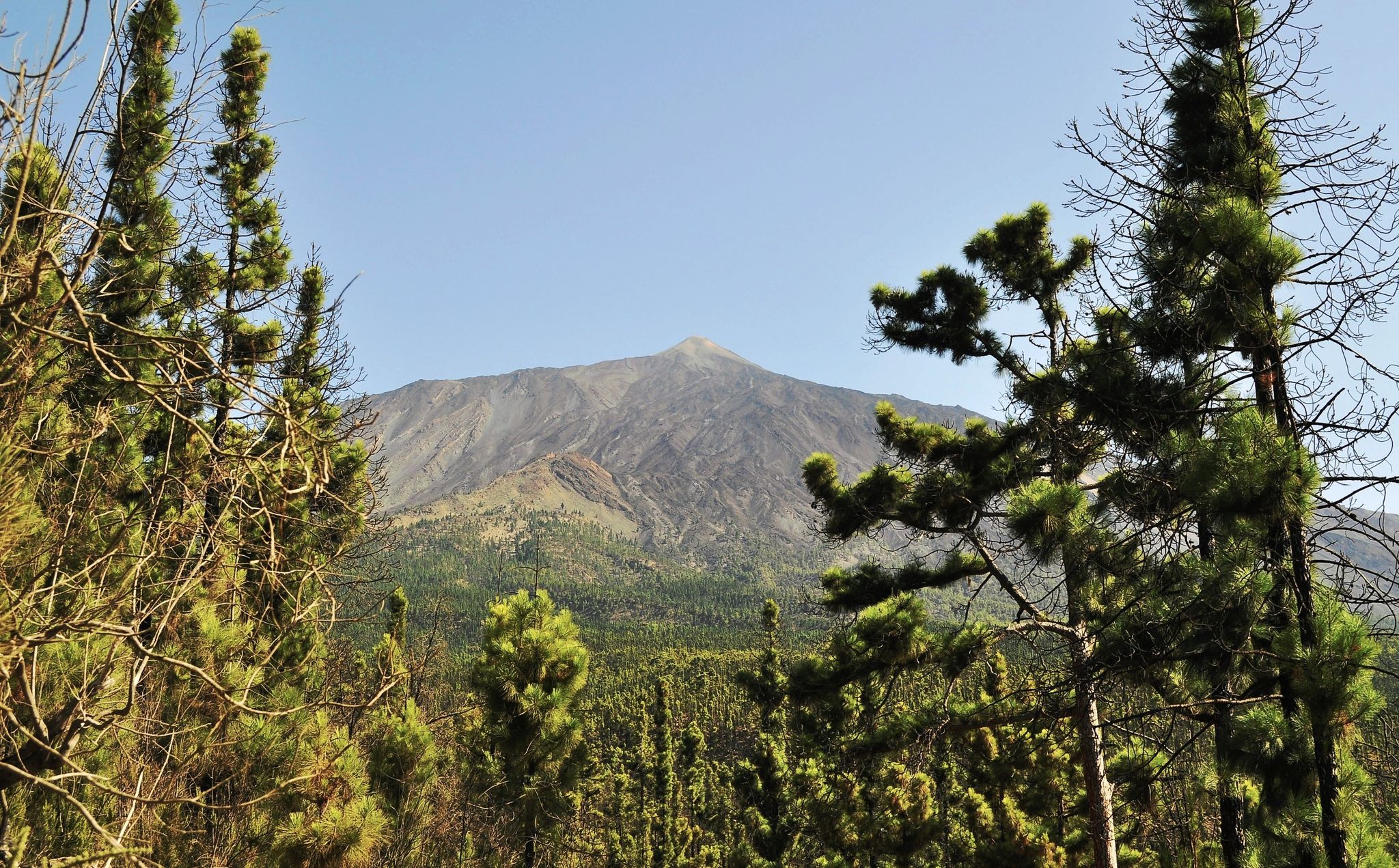
An island pilgrimage – Camino de Santiago de Tenerife
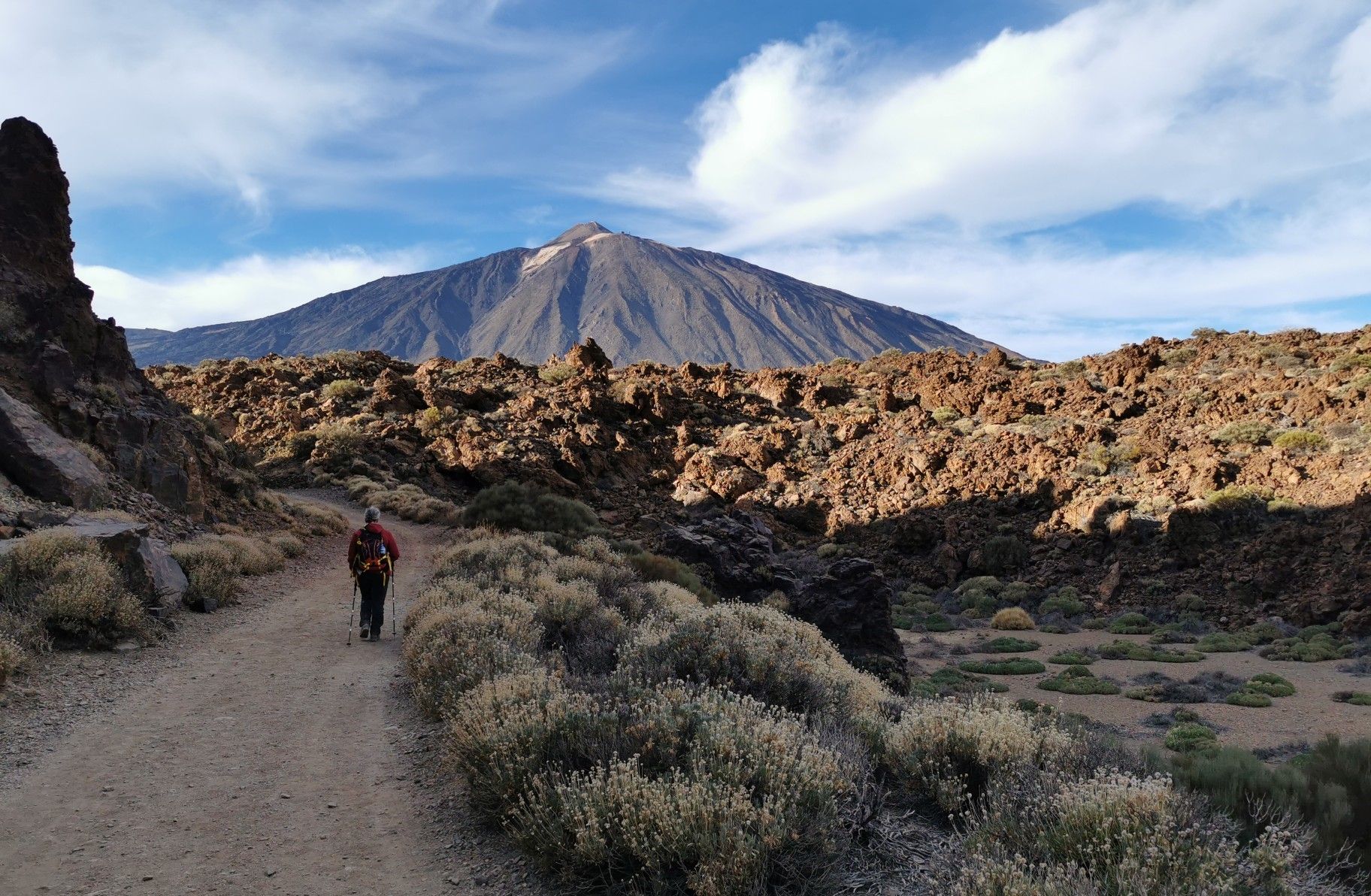
Tenerife from north to south – Camino Natural de Anaga-Chasna
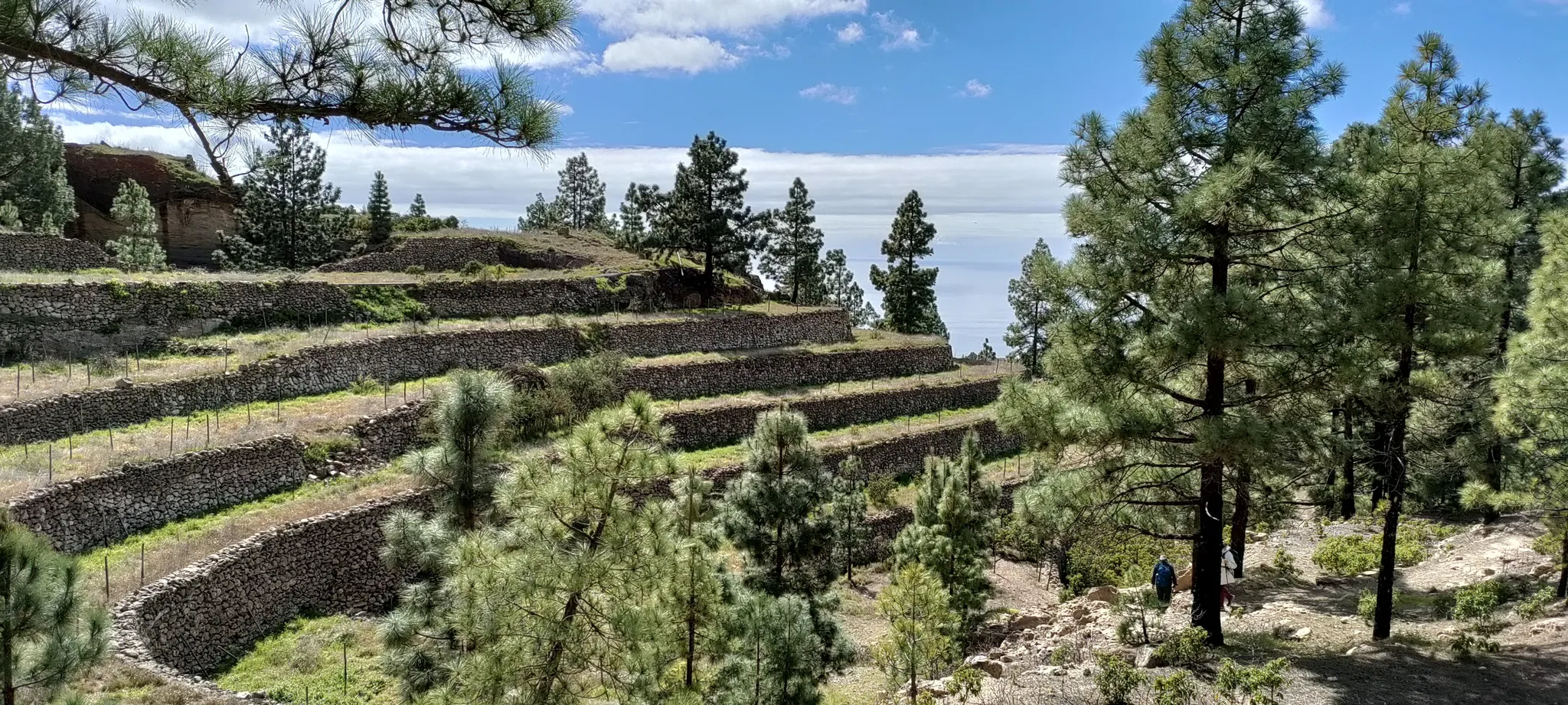
Laurel forest to Caldera – hike the Tenerife GR 131 in 5 days
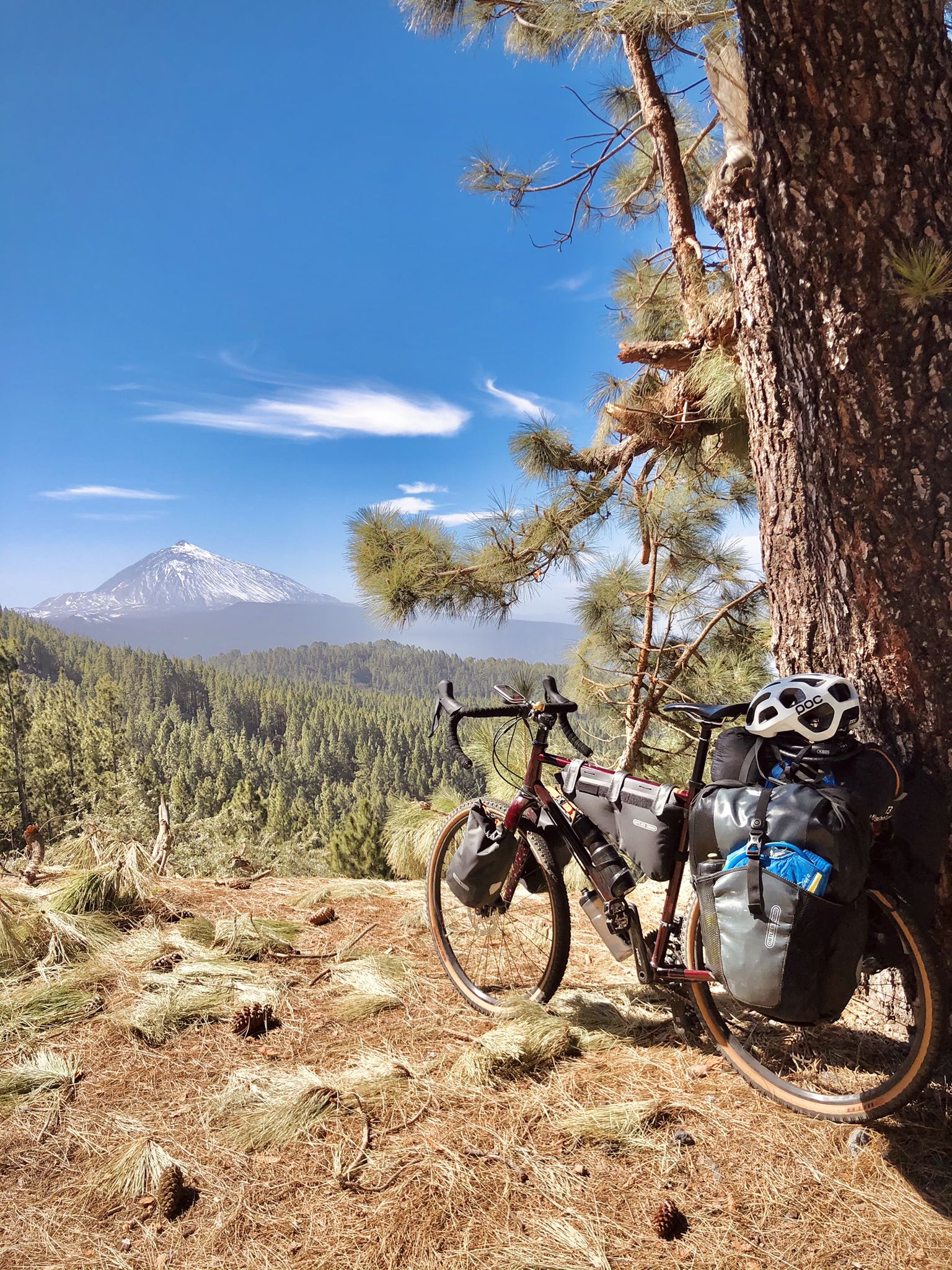
Gravel biking on Tenerife and La Gomera
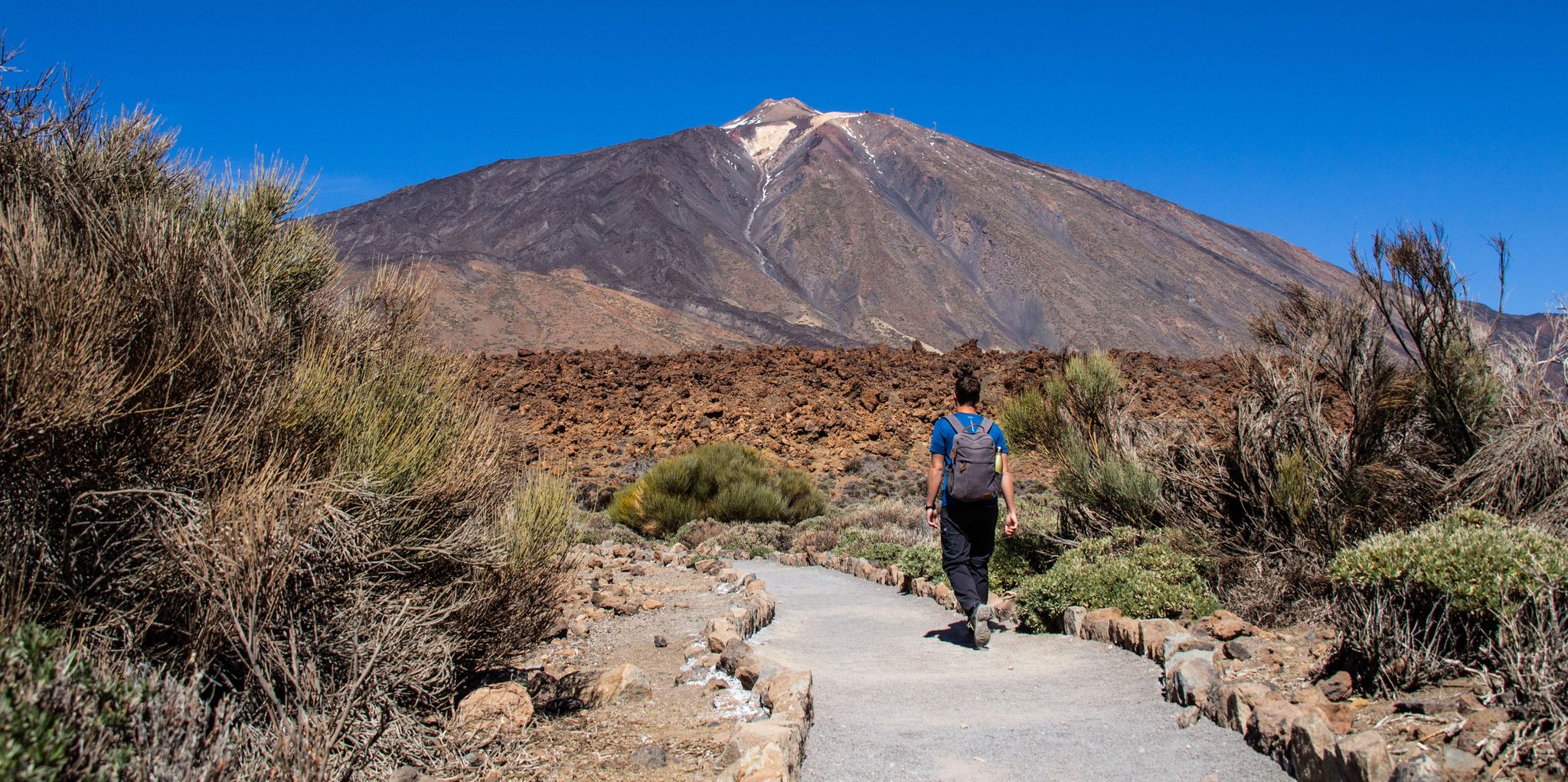
Adventuring in Tenerife — six hiking Tours for every taste
Other adventures in Corona Forestal


Tips from the Community

The large Chio cave is hidden in the volcanic landscape, between ancient lava flows and an open pine forest, a short distance from the El Canal trail. It can be an ideal short detour to pause and explore on foot for a few minutes.
0
0

Trail goes over multiple No Bike zones. At the end there is a bit where you have to carry your bike over lava rocks. Nice views and mostly a good ride. But the way described is not allowed to ride this way and there are not many options to reroute…
0
0


CAUTION! Steep slopes next to narrow paths, some slopes almost gone due to landslides. Take a headlamp with you as not all of the tunnels have windows. After waypoint 8, when you stop following the tunnels and follow the rusty water pipe, there is 1km of jungle! Long trousers and sleeves, goggles, and a machete is a good idea. It's been ages since anyone here has been as full of nettles/thistles as the old path. From the ascent onwards, it's a wide path. On the descent, the direct route marked is just the clearing under a power line, so there is often no path and it's not that pretty. We took the extension along the forest path. With these additional crossings, it was 21km.
2
0


have a flashlight with you. It's a cave and a tunnel I don't know how deep it goes.
0
0
The 2nd cave is more of a tunnel. Without a flashlight, I couldn't tell how far the hallway went.
0
0

Unfortunately connected....you can't get into the cave
0
0
Frequently Asked Questions
What unique geological features can be found in the caves of Corona Forestal?
The caves in Corona Forestal are primarily volcanic in origin, showcasing lava flows, tubes, and caverns formed by molten rock. For instance, Cueva del Viento, Europe's largest lava tube system, features a complex geomorphology with lava stalactites, cascades, lateral terraces, and lava lakes, offering a deep insight into the island's volcanic past.
Are there any caves in Corona Forestal that are suitable for families or beginners?
While many caves require some experience, the Great Cave of Chío offers an ideal short detour for exploration on foot, making it a good option for those looking for a less challenging experience. It's hidden in a volcanic landscape between ancient lava flows and an open pine forest.
What are some of the more challenging cave experiences in the Corona Forestal region?
For a more challenging adventure, consider the Steep Cliff and Cave Trail. This route includes tunnels and requires a headlamp for visibility, navigating steep slopes and narrow paths. Another option is the Cave of the Birds, known for its very exposed and sometimes difficult-to-find path with rocky sections.
Are there any historical or archaeological aspects to the caves in Corona Forestal?
Yes, Cueva del Viento holds significant historical value. Archaeological remains of the Guanches, the ancient indigenous inhabitants of the Canary Islands, have been discovered in several entries to this extensive lava tube system.
What kind of wildlife can be found in the caves of Corona Forestal?
The caves and volcanic tubes within the Corona Forestal Natural Park serve as important habitats for various species, including bats. Cueva del Viento is particularly notable for its diverse subterranean fauna, hosting 190 known species, many of which are troglobites adapted to underground environments, and 15 species new to science.
What should I bring or wear when exploring caves in Corona Forestal?
For caves like the Steep Cliff and Cave Trail or Hoya Fría Gallery, a headlamp or flashlight is highly recommended due to dark tunnels. For challenging trails, long trousers and sleeves, and sturdy footwear are advisable due to potentially overgrown paths and rocky terrain.
Are there hiking trails near the caves in Corona Forestal?
Absolutely. The Corona Forestal Natural Park is crisscrossed with hiking trails. For easy hikes, you can explore routes like the Trail PNT 13: Sámara loop or the Igueque Trail. You can find more options in the Easy hikes in Corona Forestal guide.
What other outdoor activities can I do near the caves in Corona Forestal?
Beyond caving and hiking, the Corona Forestal area is excellent for cycling. There are numerous road cycling routes, such as the Forest Crown loop from Vilaflor, and challenging MTB trails like BC-5 Pinares de Vilaflor. Explore more options in the Road Cycling Routes in Corona Forestal and MTB Trails in Corona Forestal guides.
What is the best time of year to visit the caves and surrounding area in Corona Forestal?
The Corona Forestal Natural Park generally offers pleasant conditions for exploration throughout the year. However, checking local weather patterns before your visit is always recommended, especially for trails that can be exposed or rocky.
Are there any lesser-known or 'hidden gem' caves in the Corona Forestal region?
While not widely publicized, the Hoya Fría Gallery is a cave that can be explored, though it's described as a bit spooky and more of a tunnel. A flashlight is essential to see its full extent, offering a unique, less-traveled experience.
Where can I find information about permits or guided tours for caves like Cueva del Viento?
For guided tours and permit information for specific caves like Cueva del Viento, it is best to consult official tourism resources for Tenerife or the specific cave's website, as access often requires booking in advance.
Are there any cafes or restaurants near the Corona Forestal cave access points?
The Corona Forestal Natural Park is a large area, but you can find amenities in nearby towns. Vilaflor, for example, is a town close to some access points and offers cafes and restaurants where you can refuel after your cave explorations.
Most popular routes in Corona Forestal
Most popular attractions in Corona Forestal

Get inspired with the komoot mobile app


Explore more
Extend your search for the best caves by checking out these guides of the top ones in Corona Forestal:
