Top 16 Gorges in Pyrénées - Mont Perdu
Best canyons in Pyrénées - Mont Perdu are characterized by dramatic landscapes carved by glaciers and rivers, featuring towering rock walls and crystal-clear pools. This UNESCO World Heritage site encompasses deep gorges and glacial valleys. The region offers diverse experiences for canyoning enthusiasts and nature lovers. It is renowned for its unique natural formations and opportunities for exploration.
Best canyons in Pyrénées - Mont Perdu
- The most popular canyons is Cirque de Gavarnie, a gorge of glacial origin that…
Last updated: May 1, 2026
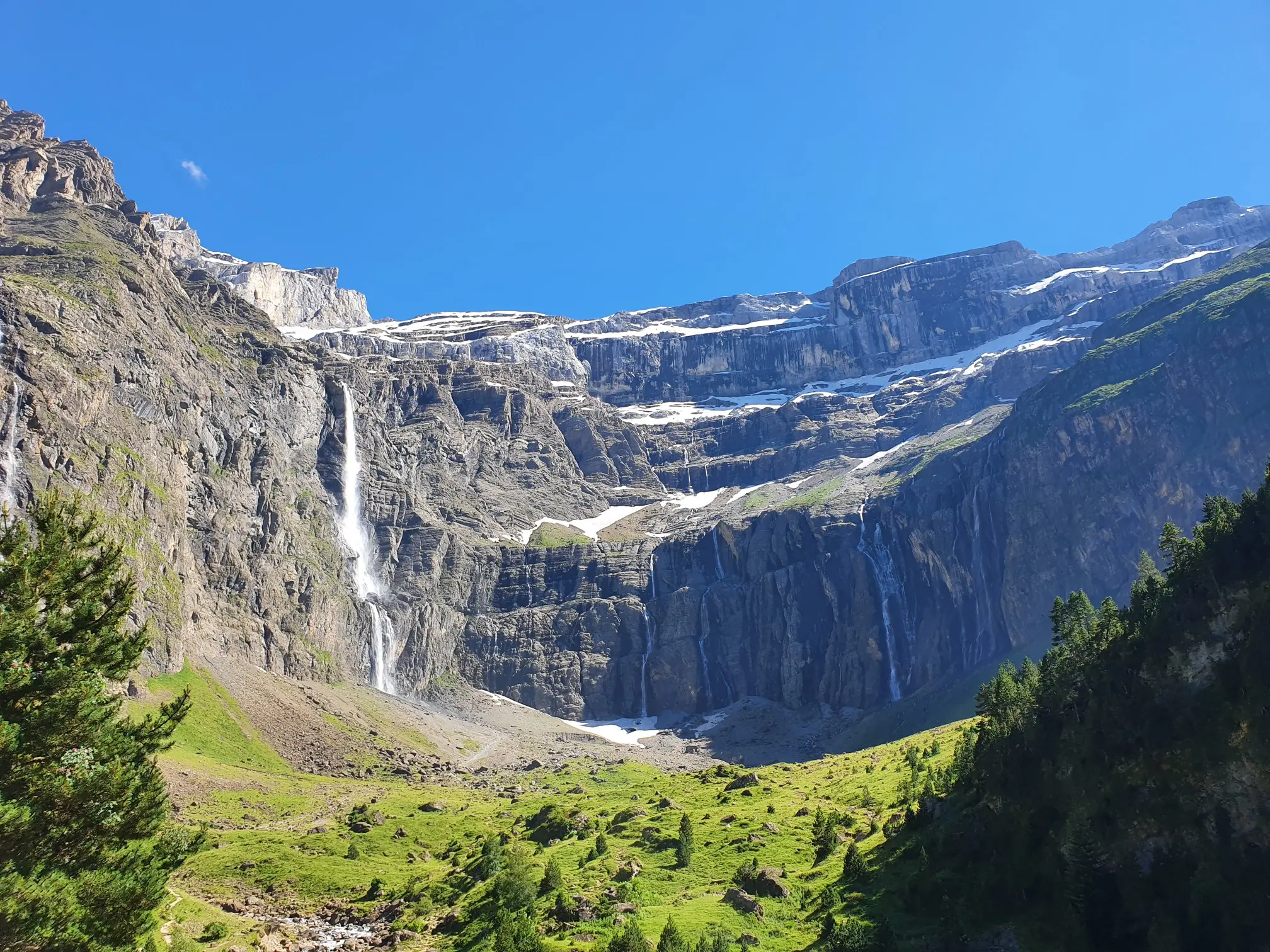
Cirque de Gavarnie
Highlight • Gorge
Translated by Google •
Tip by

Soaso Steps Waterfalls
Highlight • Waterfall
Translated by Google •
Tip by

Sign up now to discover places like this
Get recommendations on the best single tracks, peaks, & plenty of other exciting outdoor places.
Sign up for free
Troumouse Cirque
Highlight • Viewpoint
Translated by Google •
Tip by

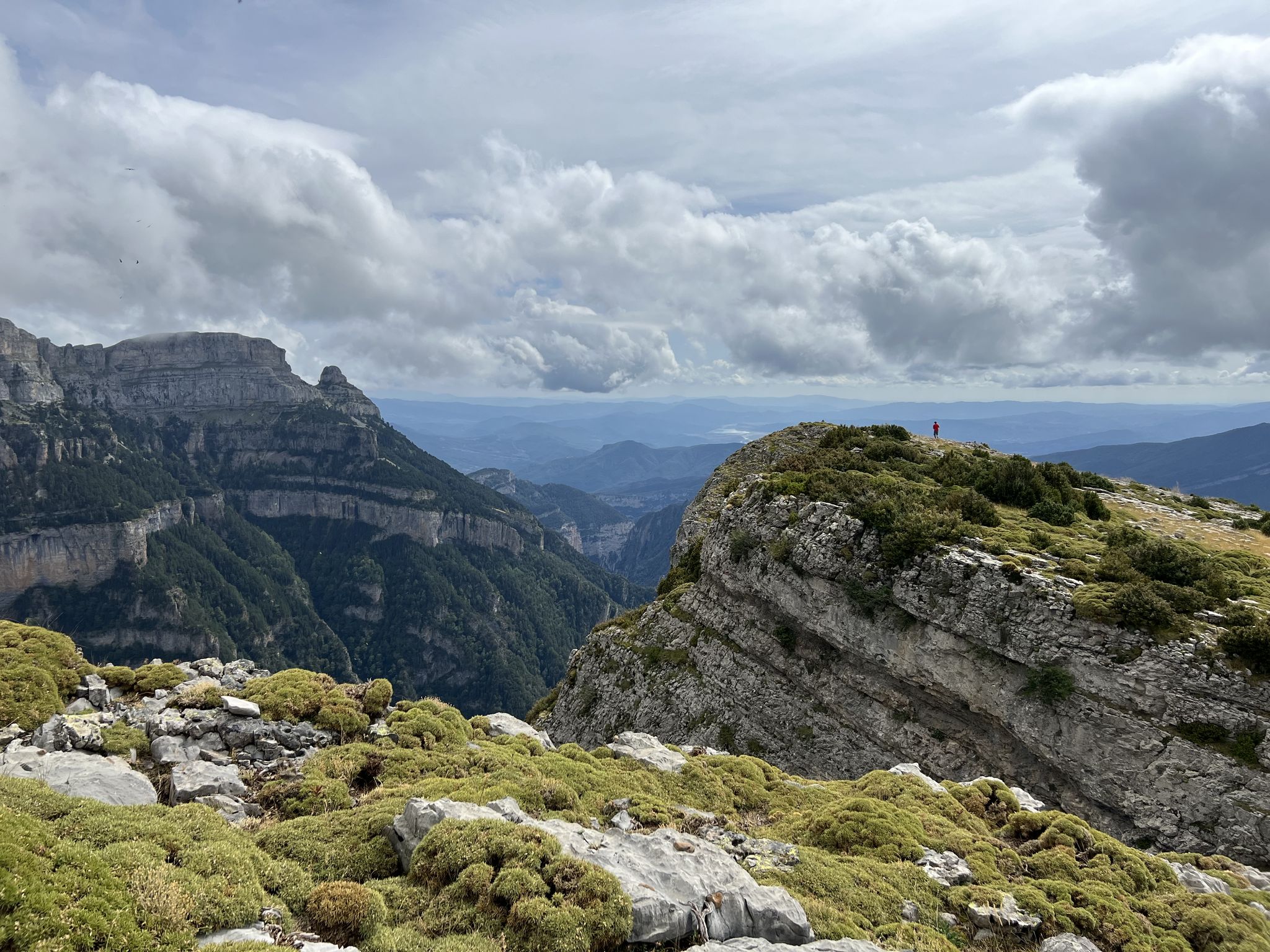
Circo de Pineta
Highlight • Gorge
Tip by

San Urbez Bridge
Highlight • Bridge
Translated by Google •
Tip by

Sign up for free to discover even more gorges in Pyrénées - Mont Perdu.
Sign up for free
Already have an account?
Start today with a free account
Your next adventure awaits.
Login or Signup
Popular around Pyrénées - Mont Perdu
Hexatrek, the western and central Pyrenees – Between mountains and the ocean
Panoramic Pyrenees – 15 hikers' peaks of over 3,000 metres
Hike from Gavarnie to Ordesa – A breathtaking loop in the cirques
Haute Route Pyrénéenne – Pyrenees Crossing
In the heart of the massif – the best hikes in the Central Pyrenees
Summit conquests and idyllic mountain lakes – Spanish Pyrenees
Between Heaven and Earth – Monte Perdido and the Ordesa Valley
Aragon along the Pyrenean Trail – GR 11
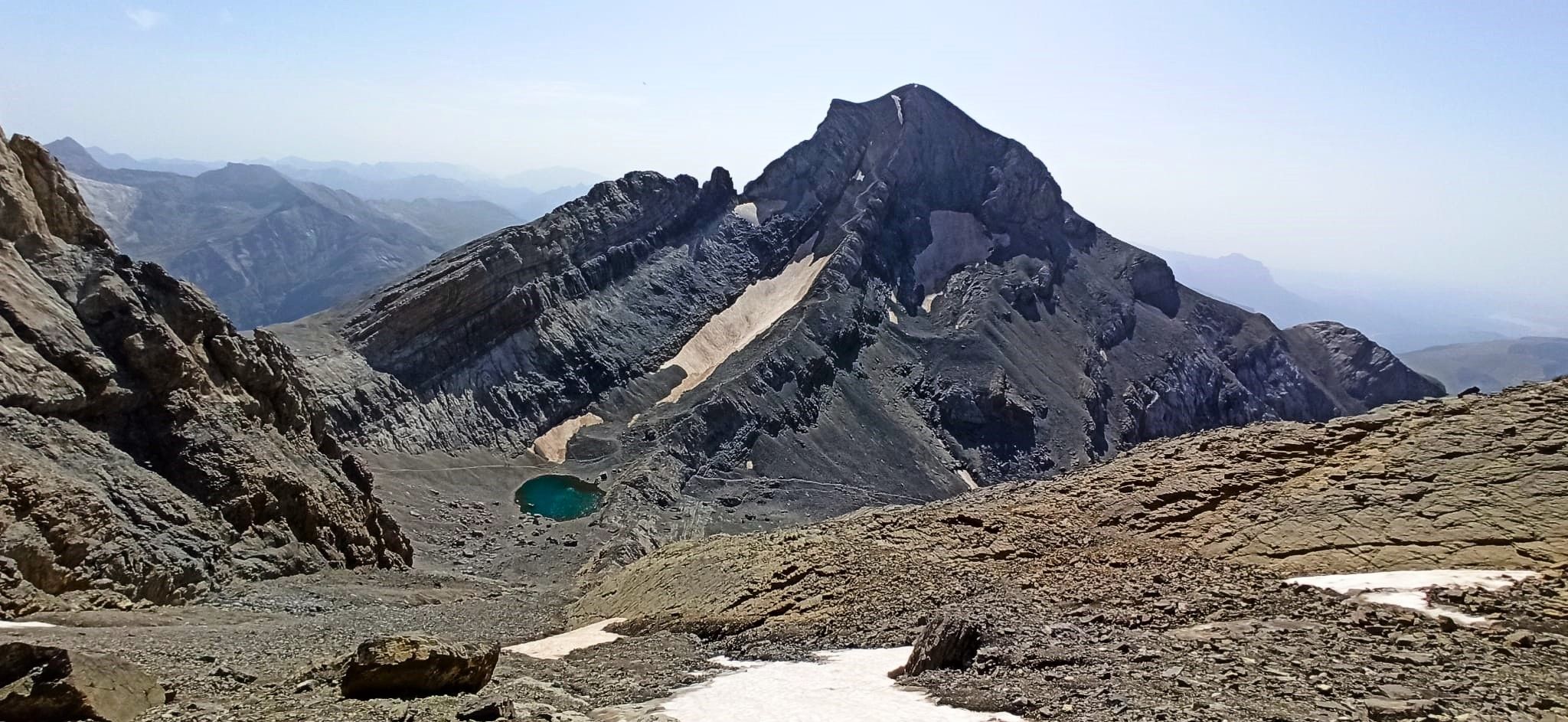
Adventure in the heights — Ordesa and Monte Perdido National Park
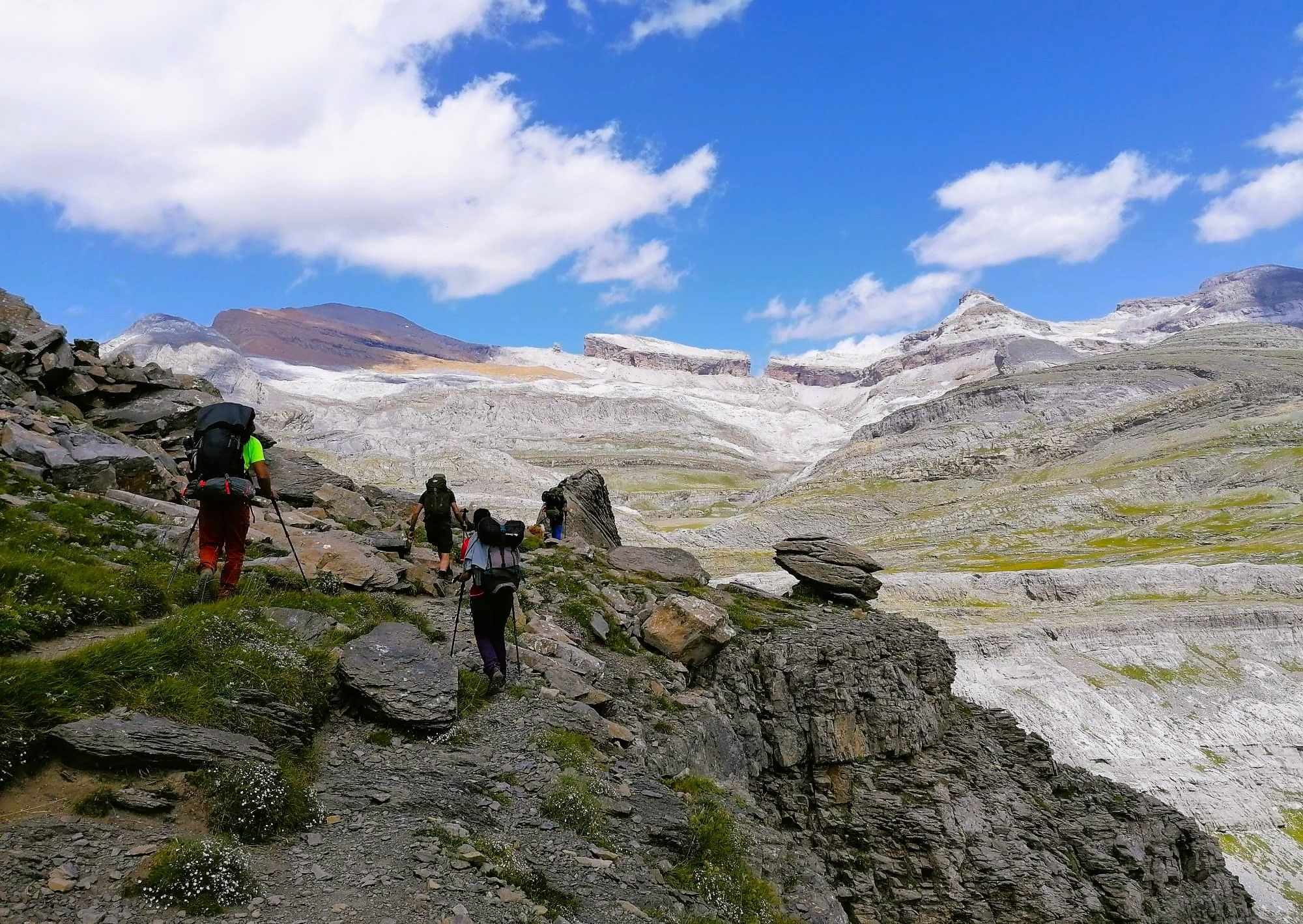
Wilderness — Ordesa y Monte Perdido National Park
Other adventures in Pyrénées - Mont Perdu


Tips from the Community

Beautiful medieval bridge that crosses the Rio Bello, it's a shame that the modern footbridge partially hides its structure
0
0

Impressed to Admire the Show🌈of the Sky Line of the Cirque de Gavarnie 🏞️Its Majesty leaves us Amazed by this Wonder🌈
6
1

Stunning view of the circus
2
1


It is one of the great climbs in the Pyrenees. In my opinion it is in the Top 10 of the Pyrenees, without the slightest doubt. I like long, high, hard climbs with magnificent views... and the Cirque de Troumouse fulfills this 100%. The road is narrow and bumpy, with an irregular but smooth surface. It is the typical mountain road that suffers the passage of winters and summers. The two times I've been there, I've barely encountered any traffic. The second time was a Saturday. Traffic usually goes to the town of Gavarnie, with the Cirque de Troumouse being very untouristy. Much better for those of us who want tranquility and spectacular landscapes!!!
0
0

The bridge was raised more than 40 meters above the Bellós River. It is believed that it was built in the 16th century, coinciding with the strengthening of the cult of the saint, although the tradition dates back to the 8th century. It is possible that the bridge was built thanks to the contribution and commitment of the group of rural communities that came to the sanctuary every year.
0
0

Despite high attendance, it remains a must.
0
0

The Troumouse cirque is, with Gavarnie and Estaubé, one of the three great cirques of the Pyrenees. It is the largest and wildest, peaking at more than 2100m with a cirque diameter of 4km. There are no trees or bushes on the horizon, due to the climate and the wind. It is part of the Mont Perdu massif which is located on the other side of the border. This point marks the end of the asphalt road. It's definitely worth getting here because the road is magnificent and gives you the opportunity to ride peacefully in the heart of a grandiose landscape. The last bends from the Auberge du Maillet are on a narrow road inaccessible to cars and bikes therefore share this end of the climb with a small tourist train pulled by a tractor. Personally, I preferred this passage to the road to the Gavarnie cirque.
0
0
Frequently Asked Questions
What are some other notable canyons to explore in Pyrénées - Mont Perdu?
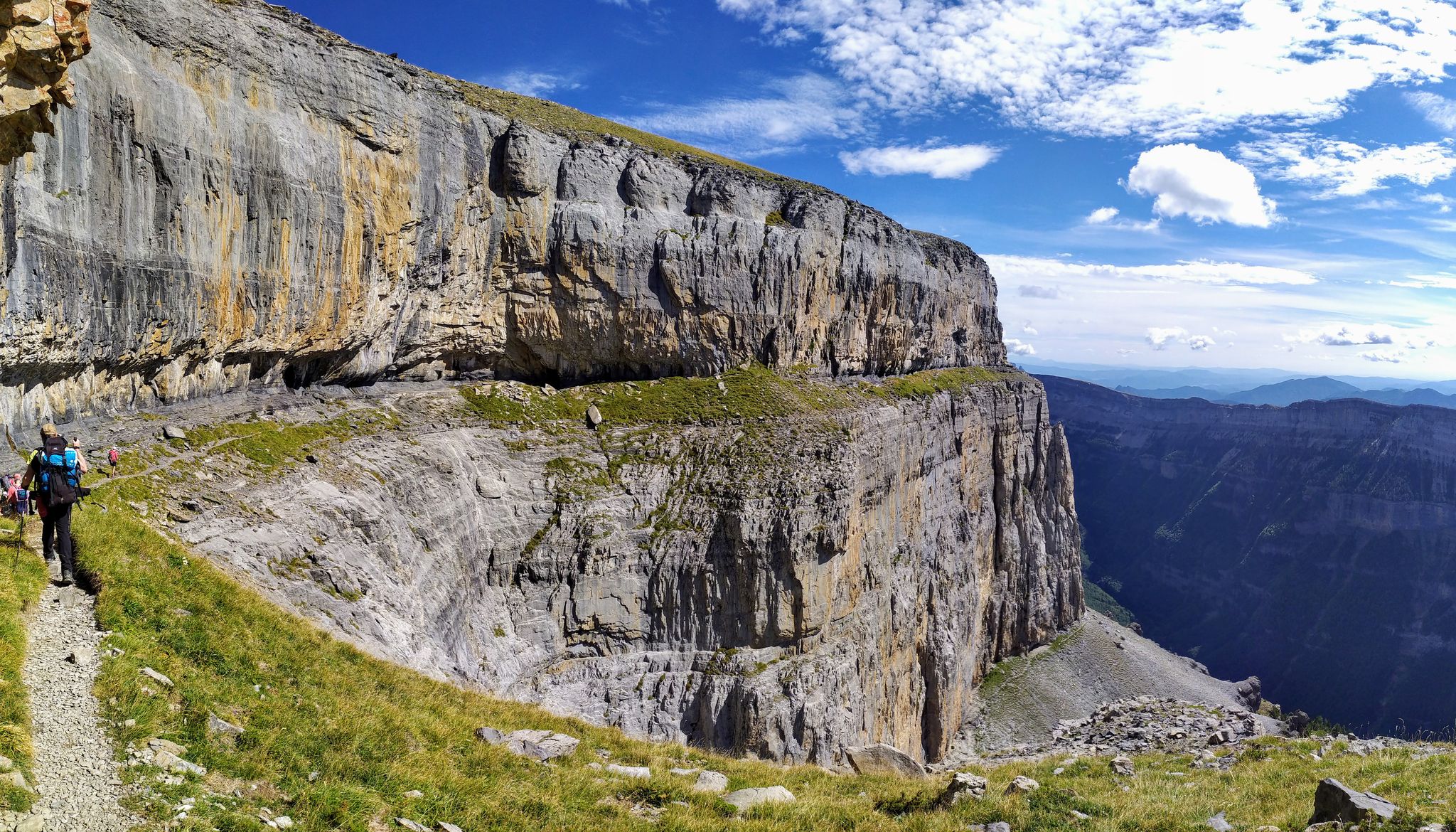
Beyond the well-known Cirque de Gavarnie, the region offers several spectacular options. The Añisclo Canyon in Ordesa y Monte Perdido National Park is a deep gorge with immense rocky walls and cascading waterfalls like Fuen Blanca. The Ordesa Valley, while known for hiking, is a majestic glacial canyon with stunning waterfalls such as the Cola de Caballo. For a different experience, the Barrosa Canyon in the Bielsa Valley offers playful elements in a wild mountain setting. Nearby, the Sierra de Guara is globally recognized for its labyrinth of gorges, including the classic Vero Canyon and the fun Péonéra Canyon.
Are there canyons suitable for beginners or families in the Pyrénées - Mont Perdu region?
Yes, several canyons are ideal for beginners and families. The Añisclo Canyon is great for an introduction to canyoning. Specifically, the Viandico Canyon is considered perfect for initiation, suitable for families and adults, with optional jumps and an avoidable abseil. The Miraval Canyon (Superior/Inferior) is also very aquatic and fun, with plenty of jumps and typically no abseiling in its introductory sections, making it suitable for sporting families. The Barrosa Canyon is another excellent route for initiation, suitable for children from 12 years old.
What are the best times of year to visit the canyons in Pyrénées - Mont Perdu?
The best time to visit the canyons in Pyrénées - Mont Perdu is generally from late spring to early autumn, typically May through September. During these months, the weather is warmer, water levels are usually suitable for canyoning, and trails are more accessible. Summer offers the warmest temperatures for aquatic activities, while spring and early autumn provide beautiful scenery with fewer crowds.
What kind of natural features and landscapes can I expect to see in these canyons?
The canyons in Pyrénées - Mont Perdu are characterized by dramatic landscapes carved by glaciers and rivers. You'll encounter towering rock walls, deep gorges, and crystal-clear pools. Features include immense waterfalls like those at Soaso Steps Waterfalls and the 422-meter high waterfall in Cirque de Gavarnie. Expect to see diverse flora, dense forests, natural slides, and impressive rock formations, especially in areas like the granite formations of Barrosa Canyon or the limestone labyrinths of Sierra de Guara.
Are permits required for canyoning or hiking in the Pyrénées - Mont Perdu area?
While general hiking on marked trails typically does not require permits, certain activities or areas, especially within national parks like Ordesa y Monte Perdido, may have specific regulations. For canyoning, it's highly recommended to go with a certified guide or ensure you have the necessary permits if attempting routes independently, as some areas might require them for safety or conservation reasons. Always check local regulations before embarking on any adventure.
What outdoor activities can I do near the canyons in Pyrénées - Mont Perdu?
Besides canyoning, the region offers a wide range of outdoor activities. You can find numerous hiking trails, such as the challenging routes to Cola de Caballo or the scenic Faja de las Flores. Cycling is also popular, with routes like the Troumouse Cirque loop. For runners, trails like the Cola de Caballo Trail provide excellent opportunities. You can explore more options for hiking, cycling, and running in the area.
Where can I find accommodation and dining options near the canyons?
Accommodation and dining options are available in towns and villages surrounding the national park and canyoning areas. Near Ordesa National Park, you'll find various options in towns like Torla-Ordesa and Escalona, which is a gateway to Añisclo Canyon. For those visiting Cirque de Gavarnie, the village of Gavarnie itself offers choices. The Pineta Valley, home to Circo de Pineta, also has restaurants that offer local cuisine, including lamb dishes.
What do visitors enjoy most about the canyons in Pyrénées - Mont Perdu?
Visitors frequently express awe at the region's natural beauty and the unique atmosphere. Many are impressed by the majestic views, such as those from Troumouse Cirque, and the grandeur of the waterfalls. The opportunity for adventure, from introductory canyoning to challenging hikes, is also a major draw. The wild and unspoiled nature, combined with the chance to experience impressive natural surroundings, makes for an unforgettable visit.
Are there options for more advanced or challenging canyoning in the region?
Yes, for experienced canyoneers, the Pyrénées - Mont Perdu region and its surroundings offer more challenging descents. The Miraval Intégral provides a more sporty and demanding experience. In the nearby Sierra de Guara, canyons like Gorgas Negras are known for their technicality and spectacular waterfalls, recommended only for experienced individuals due to their physical demands. These routes often involve significant rappels, slides, and aquatic sections requiring advanced skills.
Can I bring my dog to the canyons or on nearby trails?
Regulations regarding dogs can vary within national parks and protected areas. While some trails or areas may permit dogs on a leash, others, especially sensitive natural zones or areas with wildlife, might restrict access. It's crucial to check the specific rules for each canyon or trail you plan to visit within the Pyrénées - Mont Perdu National Park or surrounding areas to ensure compliance and protect the local environment and wildlife.
What should I pack for a canyoning trip in Pyrénées - Mont Perdu?
For a canyoning trip, essential gear includes a wetsuit (provided by guides or rented), a helmet, a harness, and appropriate footwear with good grip that can get wet. Beyond the technical gear, pack a swimsuit, a towel, a change of clothes, water, and snacks. Sunscreen and sunglasses are also recommended. If going independently, ensure you have all necessary ropes, carabiners, and safety equipment, along with knowledge of how to use them.
Are there any less-known or 'hidden gem' canyons worth exploring?
While many canyons are popular, some offer a quieter experience. The Yesa Superior Canyon and Irués Canyon, both near Añisclo, are good options for those seeking more solitude and exceptional landscapes. The Circo de Pineta is also noted as the least visited sector of the Ordesa y Monte Perdido National Park, offering a quieter place to enjoy the high mountain Pyrenean landscape, though it's more of a glacial cirque than a technical canyon.
What wildlife might I encounter in the canyons of Pyrénées - Mont Perdu?
The Pyrénées - Mont Perdu region is rich in biodiversity. In the canyons, you might spot various bird species, including raptors like griffon vultures, bearded vultures, and golden eagles, especially in areas like Sierra de Guara where vulture colonies are common. Mammals such as chamois and marmots can be seen on higher slopes. The diverse flora and fauna contribute to the unique ecological value of this UNESCO World Heritage site.
Most popular routes in Pyrénées - Mont Perdu
Most popular attractions in Pyrénées - Mont Perdu

Get inspired with the komoot mobile app


Explore more
Already discovered everything in this region? See additional gorges in Pyrénées - Mont Perdu for your next adventure:
