Top 5 Castles around Vairano Patenora
Best castles around Vairano Patenora are found in a charming Italian town in the province of Caserta, known for its prominent medieval citadel. The region features a landscape dominated by hills, with historical fortifications often perched strategically to offer panoramic views. These sites provide insight into centuries of history, from ancient origins to significant medieval developments. The area's castles contribute to a fascinating architectural system that reflects its rich past.
Best castles around Vairano Patenora
- The most popular castles is…
Last updated: October 30, 2026
Prata Sannita
Highlight • Settlement
Translated by Google •
Tip by

Rupecanina Castle
Highlight • Castle
Translated by Google •
Tip by

Sign up now to discover places like this
Get recommendations on the best single tracks, peaks, & plenty of other exciting outdoor places.
Medieval Castle of Pietravairano
Highlight • Castle
Tip by

Castello di Riardo
Highlight • Castle
Showing Translation
Tip by

Presenzano Castle
Highlight • Castle
Translated by Google •
Tip by

Start today with a free account
Your next adventure awaits.


Tips from the Community

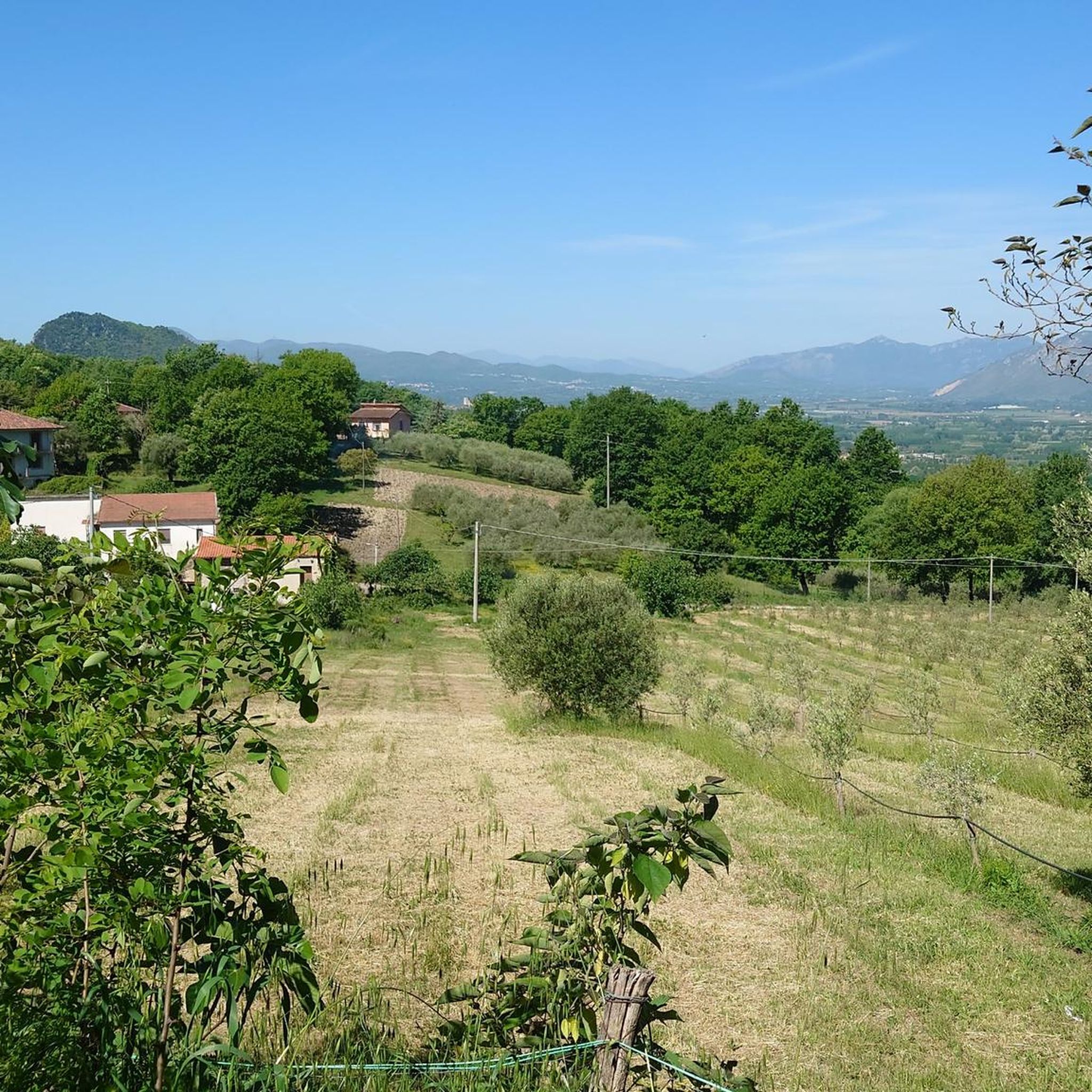
The region is world-famous for its mineral water, brand Ferrarelle
0
0
The castle overlooks the Savone plain and towers over the village of Riardo. The Via Francigena nel Sud leads along here.
0
0
Castello di Riardo is a historic 9th-century fortress on a hill in Riardo, built by the Lombards to defend the County of Capua. Under the Normans, the castle was expanded in the 11th century. Originally, there was a basement, ground floor, and two upper floors.
0
0

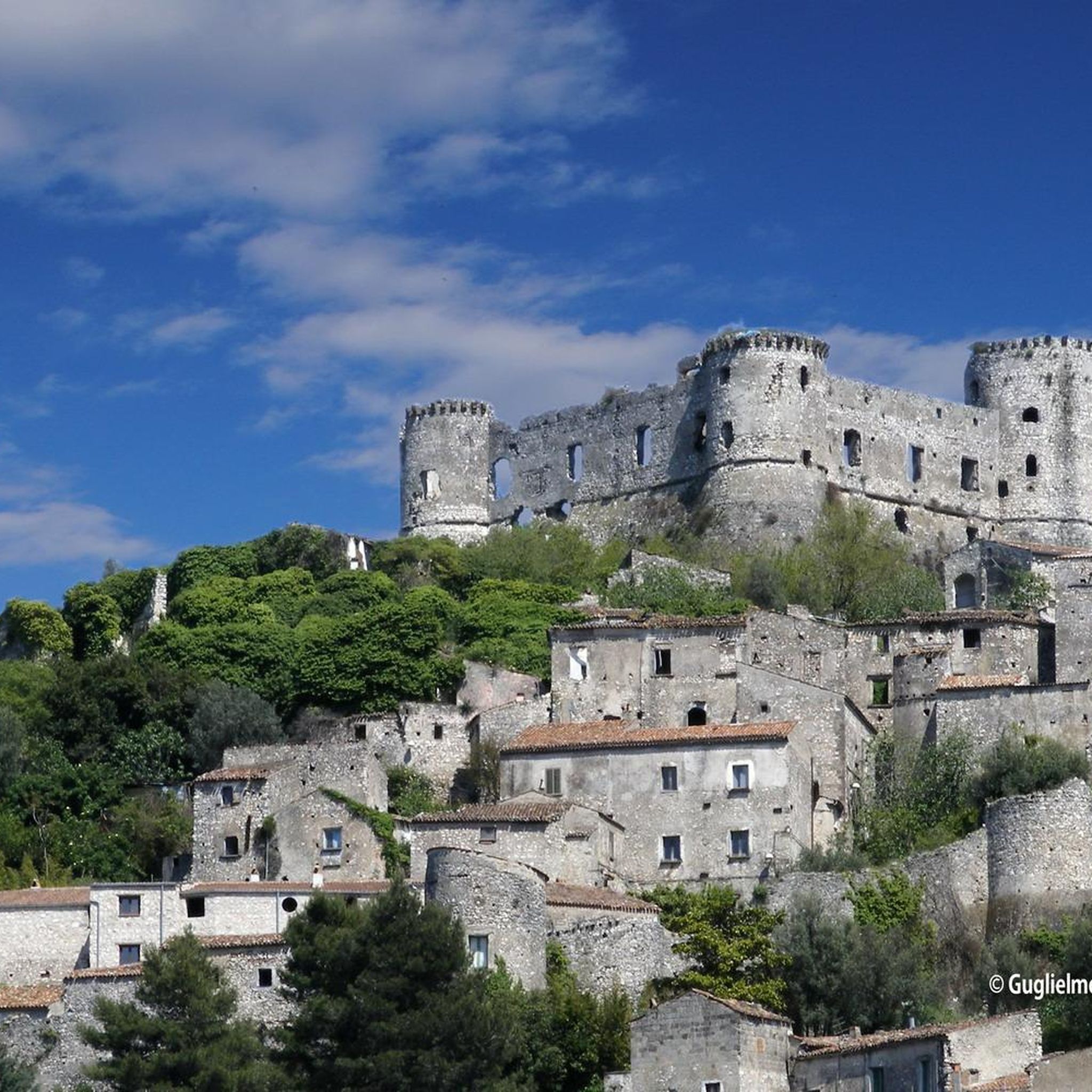
Castle ruins and medieval Town. Worth the visit in combination with the amphitheatre. Spectacular views of the surrounding countryside and the Apennine Mountains.
0
0

Presenzano, in the province of Caserta, is home to the amphitheater of ancient Rufrae, an important Samnite archaeological site. The town is also known for its medieval castle, now in ruins, and for the Romanesque Church of San Nicola, with three naves and Romanesque arches.
1
0

The fortress of Ravecanina (as it was later called) or Rupe Canina, an ancient medieval tower, was renovated by Frederick II, who assigned it to the Teutonic Knights. Today it is unfortunately abandoned.
0
0

An ancient castle located on top of a hill in a panoramic position. Unfortunately at the moment it is in a state of neglect despite being well preserved.
0
0

The medieval village of Prata Sannita is located on a rock ridge overlooking the valley of the river Lethe. It is characterized by narrow and winding alleys, stairways, arches and stone portals. Here is also the castle, a medieval fortress that witnessed important historical events and is now home to several museums.
1
0
Frequently Asked Questions
What is the historical significance of the castles in Vairano Patenora?
The castles in Vairano Patenora, particularly the Aragonese Castle of Vairano Patenora, are deeply rooted in centuries of history. The site of the main castle has ancient origins, with fortifications dating back to the Sidicini around 290 BC and later by Lombards. The Normans took control in the 11th century, and significant alterations were made in the 16th century by Innico d'Avalos. The Vairano Patenora Castle also holds historical importance as the meeting place where Garibaldi and Victor Emmanuel II ratified the unity of Italy.
Which castles offer the best panoramic views in the Vairano Patenora area?
The Aragonese Castle of Vairano Patenora, perched on the Piesco hill, offers invaluable panoramic views of the surrounding area. Similarly, Rupecanina Castle is noted for its panoramic position atop a hill.
How accessible is the Vairano Patenora Castle for visitors?
The Vairano Patenora Castle is openly accessible and can be reached on foot via a path from the modern town, taking approximately 15 minutes. The visit is free and unsupervised.
Are there any specific events or festivals held at the castles?
Yes, once a year, the Vairano Patenora Castle and the entire village host a medieval festival. This event brings the historical site to life with lights and costumes, offering a unique experience.
What kind of architectural features can I expect to see at these castles?
The Aragonese Castle of Vairano Patenora is characterized by four towers, including the prominent "torre mastra" (master tower). While much of the interior has collapsed, the perimeter walls still stand, and visitors can discern the ruins of kitchens, prisons, and an ancient cistern. Prata Sannita is a medieval village with a fortress, characterized by narrow alleys, stairways, and stone portals.
How long should I plan for a visit to the Vairano Patenora Castle?
A typical visit to the Vairano Patenora Castle, which is unsupervised, usually lasts between 20 to 30 minutes, allowing time to explore the ruins and enjoy the panoramic views.
Can I explore other historical sites besides castles in the region?
Yes, the region offers more than just castles. For example, Presenzano, in the province of Caserta, is home to the amphitheater of ancient Rufrae, an important Samnite archaeological site, and the Romanesque Church of San Nicola.
What outdoor activities are available near the castles in Vairano Patenora?
The area around Vairano Patenora offers various outdoor activities. You can find numerous MTB trails, running trails, and road cycling routes. These routes often pass through scenic landscapes and offer opportunities to explore the natural beauty of the region.
Are there any less-known or 'hidden gem' castles worth exploring?
While the Aragonese Castle of Vairano Patenora is prominent, Rupecanina Castle, an ancient medieval tower renovated by Frederick II, offers a glimpse into history from a panoramic hilltop position. Although currently in a state of neglect, its well-preserved structure makes it an interesting, perhaps less-trafficked, historical site.
What makes Prata Sannita a unique castle to visit?
Prata Sannita is unique because it's not just a castle, but a medieval village located on a rock ridge. It features narrow and winding alleys, stairways, arches, and stone portals. The medieval fortress within this settlement has witnessed important historical events and now houses several museums, offering a more immersive cultural experience.
What is the best time of year to visit the castles around Vairano Patenora?
The region's climate makes spring and autumn ideal for visiting, with pleasant temperatures for exploring. If you're interested in cultural events, consider visiting during the annual medieval festival held at the Vairano Patenora Castle, typically in the summer, for a lively historical experience.
Are there any castles in the area that are currently in ruins but still worth seeing?
Yes, Rupecanina Castle is an ancient castle located on top of a hill that, despite being in a state of neglect, is well preserved and offers a panoramic view. Similarly, Presenzano Castle is another medieval castle now in ruins, but it's part of a town rich in history, including an important Samnite archaeological site.
Most popular routes around Vairano Patenora
Most popular attractions around Vairano Patenora

Get inspired with the komoot mobile app


Explore more
Looking for the best castles somewhere else? Discover other guides around Vairano Patenora:
