Top 5 Castles around Carovilli
Best castles around Carovilli include historically significant fortifications and ruins that offer a glimpse into the region's ancient past. The area features medieval architectural remains and ancient Samnite settlements. Located in the high Trigno valley, the landscape provides a backdrop for exploring these historical sites. Visitors can discover structures dating from ancient Italic times through the medieval period.
Best castles around Carovilli
- The most popular castles is Carpinone Historic Village, a settlement and historical site with a castle. This…
Last updated: August 23, 2026
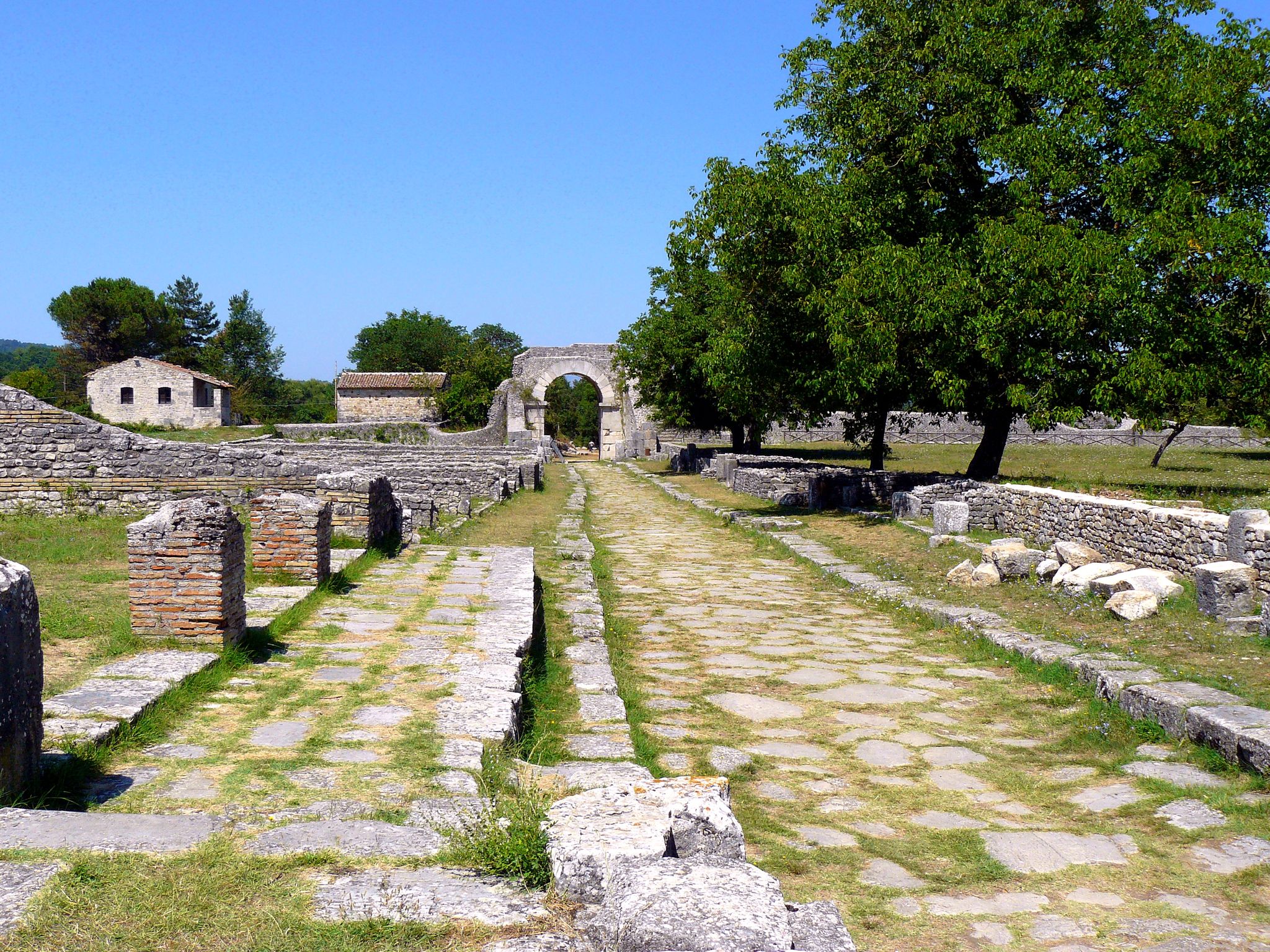
Carpinone Historic Village
Highlight • Settlement
Translated by Google •
Tip by

Pesche
Highlight • Settlement
Translated by Google •
Tip by

Sign up now to discover places like this
Get recommendations on the best single tracks, peaks, & plenty of other exciting outdoor places.
Sign up for free
Pescolanciano
Highlight • Settlement
Translated by Google •
Tip by

Angioino Castle of Vastogirardi
Highlight • Castle
Translated by Google •
Tip by

Roccasciura
Highlight • Settlement
Translated by Google •
Tip by
Sign up for free to discover even more castles around Carovilli.
Sign up for free
Already have an account?
Start today with a free account
Your next adventure awaits.
Login or Signup

Other adventures around Carovilli

Tips from the Community

I knew the name for being the destination of the "Trans-Siberian of Italy" is a secondary railway line in Abruzzo and Molise. It is now crossed by tourist trains as part of the "Timeless Tracks" project
0
0

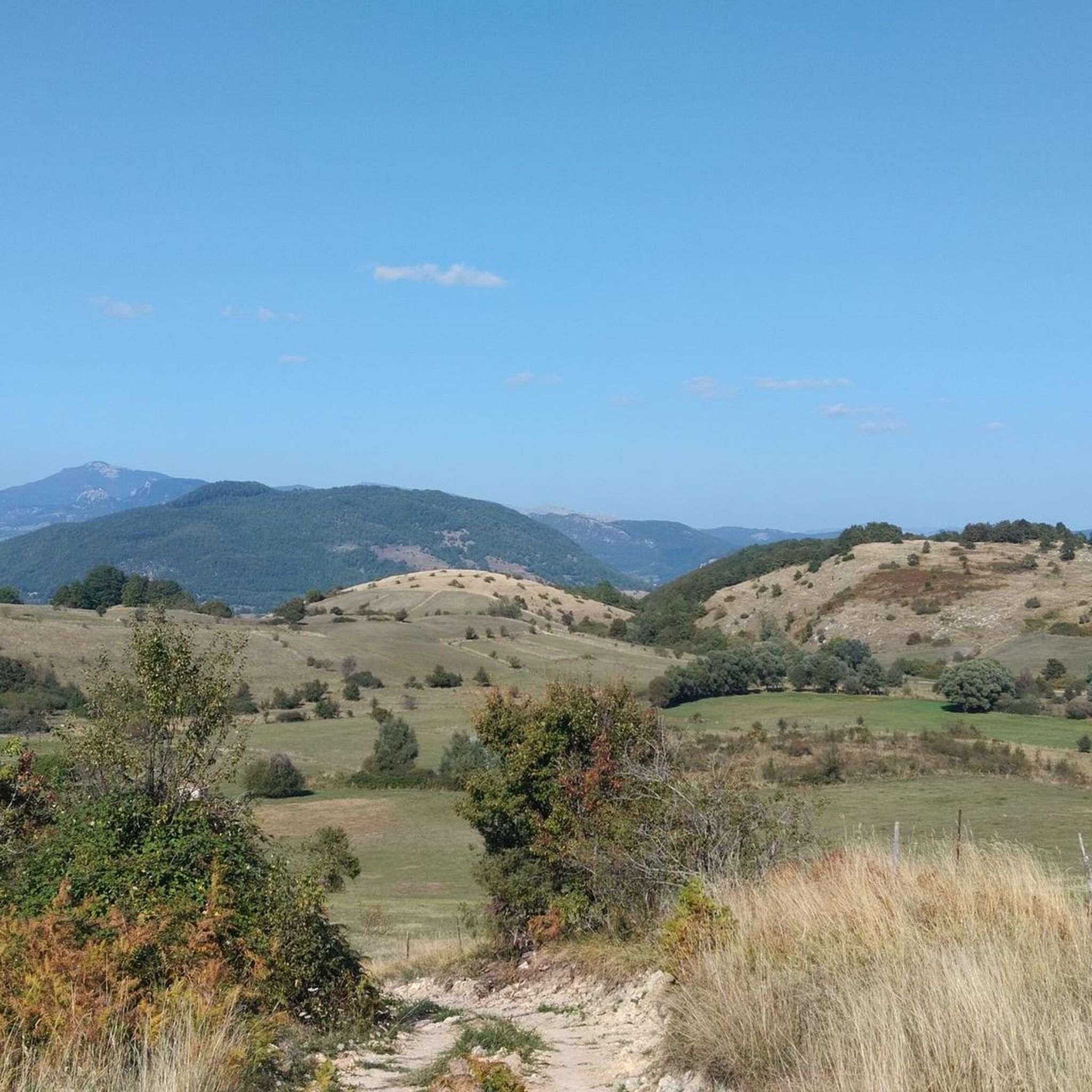
The medieval village of Pescolanciano is located along the Lucera-Castel di Sangro sheep track. At the top of the town stands the Alessandro castle, from the Norman era.
2
0
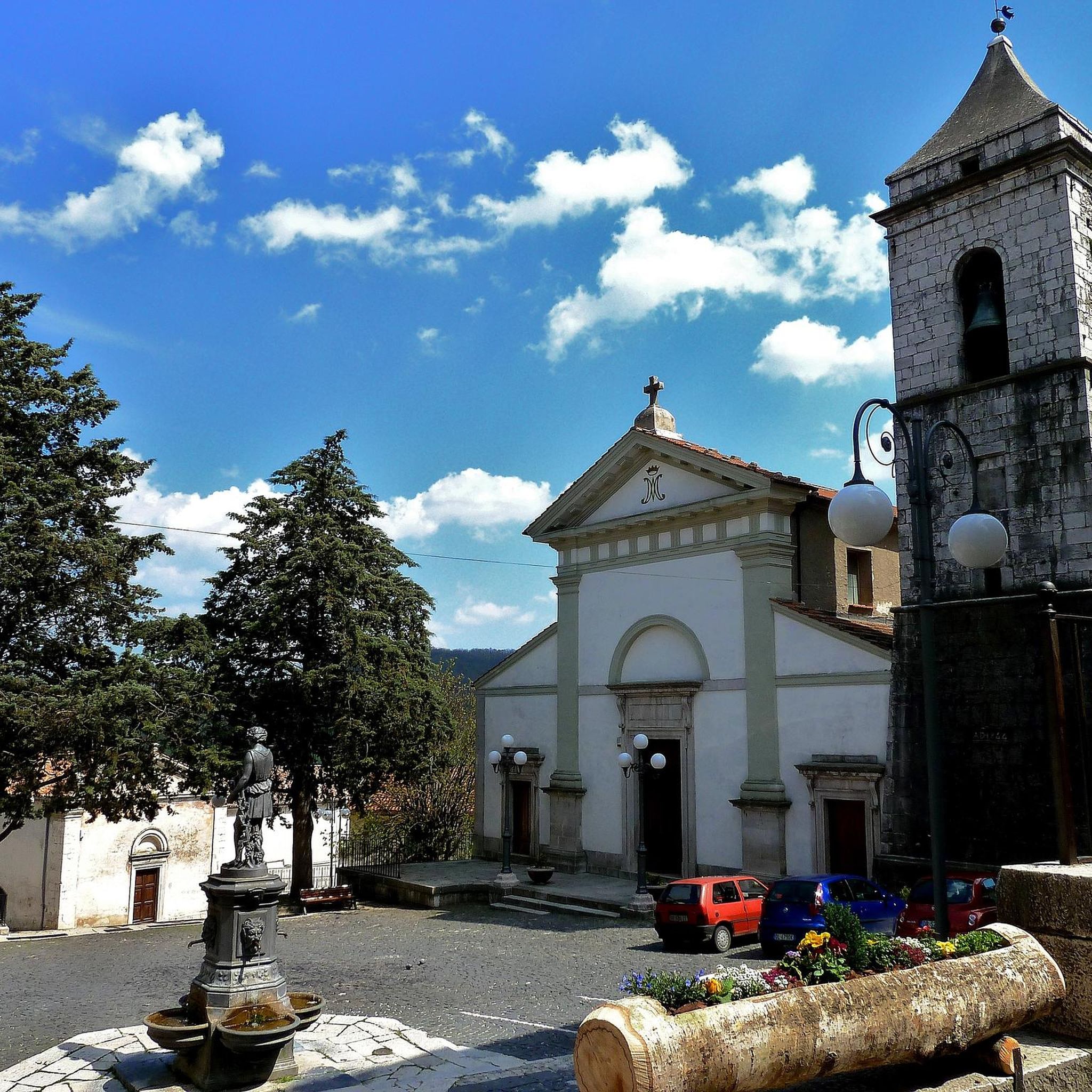
Roccasicura was built around the fortified castle from which it takes its name, unfortunately only the ruins of the fortress remain. In the square you can visit the 12th century church.
2
0

"...it was built in the 13th century by the Angevins above the mountainous hill of the village. In subsequent periods the castle belonged to the Caldora family and then again to various families of the kingdom of Naples, including that of the Caracciolo family. The castle it was subjected to a substantial restoration during the 18th century and on this occasion it was transformed into a noble residence".
1
0

Ancient fortified city with a curious U shape due to the conformation of the rocks on which it stands. To visit, near the historic center, the two waterfalls, one artificial and one natural.
1
0

Pesche is a perched village that is nothing short of enchanting. It is located a few kilometers from Isernia. The remains of the Lombard castle are still visible. This country with stone houses offers breathtaking scenery!
3
0

Carpinone, il cui nome risulta essere un accrescitivo di Carpino, che significa “luogo dell’acqua fredda”, nacque in epoca romana ma iniziò a svilupparsi con serio fervore durante l’occupazione longobarda divenendo in epoca normanna e poi sveva parte della Contea di Molise. Feudo dei Durazzo, dei D’Evoli e dei Caldora nel corso del Medioevo, consolidò le proprie difese con quest’ultima casata commissionante gli implementi costruttivi di cui beneficiò il castello datato XI secolo, una fortezza inespugnabile posta tatticamente su una roccia calcarea di elevata altezza. Decaduto il regime feudale, il borgo venne assoggettato al Regno delle due Sicilie e rientrò nella zona di passaggio dei mille garibaldini, impegnati a risalire l’Italia combattendo contro le milizie borboniche. Il paese continua a tener fede al proprio passato, tanto che il centro storico è rimasto immutato e perciò da visitare; a cingerlo in un forte abbraccio è un doppio ordine murario contraddistinto da un orientamento a ferro di cavallo data l’inaccessibilità del versante nord della rupe. Si ha dunque una prima cinta che difende la rocca insieme a un gruppo di abitazioni così da costituire una vera e propria Cittadella fortificata; la seconda cortina avvolge la parte ribassata dell’abitato. Il centro storico si pone fra le due formazioni ed è un incanto ancora fermo all’anno Mille, con le sue stradine lastricate, angoli molto discreti e un’atmosfera che rimanda a tempi assai remoti. Da queste parti è il Castello Caldera a incuriosire maggiormente per via dei numerosi riferimenti medievali che ne contraddistinguono una struttura adattata al concetto residenziale del Rinascimento. A pianta pentagonale, possiede un corpo centrale e tre torri angolari ancora integre a dispetto delle cinque originarie. Il non più esistente ponte levatoio ha trovato degna sostituzione in un ponte di pietra che introduce all’ingresso sovrastato da una loggia di evidente eleganza, ornata da quattro archetti a tutto sesto. È solo un gran peccato che il maniero non sia visitabile poiché di proprietà privata. Ammirarlo ogni modo dall’esterno vi stupirà, non c’è dubbio. L’hinterland del paese riserva piccoli e grandi spettacoli naturalistici, fra tutti l’affascinante grotta in contrada Cappella, la cascata del Carpino presso Schioppo e il Monte dei Santi, internamente al quale dovrebbero nascondersi delle catacombe in cui pare riposino le spoglie di moltissimi cristiani perseguitati al tempo di Diocleziano. (fonte: https://www.ilturista.info/guide.php?cat1=4&cat2=8&cat3=19&cat4=34&lan=ita)
0
0
Frequently Asked Questions
What kind of historical sites can I expect to see around Carovilli?
The Carovilli area is rich in history, featuring ancient Samnite fortifications and medieval castle ruins. You can explore sites like the evocative remains of the Castello di Castiglione di Carovilli, which offers insights into medieval architecture, and the ancient megalithic walls of Samnite fortifications on Monte Ferrante, dating back to the 6th-5th centuries B.C.
What makes the castles and historical sites around Carovilli unique?
The uniqueness lies in the blend of ancient Italic history with medieval remnants. For instance, the Castello di Castiglione di Carovilli showcases how original fortification materials were reused to build a church within its footprint. Additionally, the Samnite fortifications on Monte Ferrante offer a direct connection to a civilization that predates Roman dominance, providing a rare glimpse into megalithic structures.
Are there any less crowded historical sites to visit?
While the area is generally not as heavily trafficked as more famous regions, sites like the Samnite fortifications on Monte Ferrante offer a more secluded experience, allowing for a deeper connection with ancient history and nature. The ruins of the Castello di Castiglione di Carovilli also provide a tranquil setting for exploration.
How far are the main historical sites from Carovilli?
The Castello di Castiglione di Carovilli is located in the hamlet of Castiglione di Carovilli, very close to the main town. The Samnite fortifications are found on Monte Ferrante, also within easy reach of Carovilli. Other notable sites like Carpinone Historic Village, Pesche, and Pescolanciano are charming medieval settlements a short drive away, offering further exploration of the region's past.
What is the best time of year to visit the historical sites around Carovilli?
Spring and autumn generally offer the most pleasant weather for exploring the outdoor historical sites and ruins, with mild temperatures and beautiful scenery. Summer can also be suitable, though it might be warmer. Winter visits are possible, but some areas might be less accessible due to weather conditions.
Are there good viewpoints near the castles and historical sites?
Yes, many of the sites are strategically located on hilltops. The ruins of the Castello di Castiglione di Carovilli, for example, offer panoramic views towards Carovilli and the surrounding landscape, nestled between the Selva di Castiglione and Monte Ingotta. The perched village of Pesche also provides breathtaking scenery from its elevated position.
What natural features can I explore near the historical sites?
The area around Carovilli is characterized by its natural beauty. Near the Castello di Castiglione di Carovilli, you'll find scenic beauty with views towards the Selva di Castiglione and Monte Ingotta. Monte Ferrante, home to the Samnite fortifications, is also known for its abundance of truffles, making it an interesting spot for nature and food enthusiasts alike. The region is part of Molise, offering a rugged and authentic natural landscape.
Are the historical sites around Carovilli family-friendly?
Many of the historical villages and outdoor ruins can be explored by families. Sites like Pescolanciano and Roccasciura are noted as family-friendly. Exploring the ancient fortifications and imagining life in medieval times can be an engaging experience for children, especially in the open-air settings of the ruins.
Can I visit the historical sites with my dog?
As many of the sites are outdoor ruins or open-air historical villages, they are generally dog-friendly, especially if your dog is well-behaved and kept on a leash. Always check specific site regulations if available, but for places like the Samnite fortifications on Monte Ferrante or the ruins of Castiglione di Carovilli, it should be fine. For specific villages like Roccasciura, exploring the village streets with a dog is usually permitted.
What outdoor activities can I do near these historical sites?
The region around Carovilli offers excellent opportunities for outdoor activities. You can find numerous hiking trails, such as those in the Montedimezzo Nature Reserve, with options ranging from easy to moderate. There are also extensive MTB trails and road cycling routes available. For more details on routes, you can explore the Hiking around Carovilli, MTB Trails around Carovilli, and Road Cycling Routes around Carovilli guides.
Are there hiking trails near these historical sites?
Absolutely. The area is perfect for combining historical exploration with hiking. For example, you can hike to the Samnite fortifications on Monte Ferrante. Nearby, the Montedimezzo Nature Reserve offers trails like the 'Montedimezzo Nature Reserve Loop' (moderate, 7 km) and 'Montedimezzo Forest Trail' (easy, 5.7 km). You can find more hiking options in the Hiking around Carovilli guide.
Is parking available at the historical sites?
For most historical sites and villages in the Carovilli area, parking is generally available, often in designated areas within or near the village centers. For more remote sites like the Samnite fortifications on Monte Ferrante or the Castello di Castiglione di Carovilli, you may find roadside parking or small informal lots close to trailheads or access points. It's advisable to check local signage upon arrival.
Are there places to eat or drink near the historical sites?
While the immediate vicinity of some ruins might not have direct facilities, the nearby villages such as Carovilli itself, Carpinone Historic Village, Pesche, and Pescolanciano offer local cafes, trattorias, or small shops where you can find refreshments and traditional Molise cuisine. It's a good idea to plan your visit to coincide with meal times in these villages.
Most popular attractions around Carovilli

Get inspired with the komoot mobile app


Explore more
Looking for the best castles somewhere else? Discover other guides around Carovilli:
