Top 7 Castles around Torremaggiore
Best castles around Torremaggiore are notable landmarks in a region rich with history, characterized by its historical significance and diverse architectural heritage. The area features structures that evolved from fortified strongholds to noble residences, reflecting centuries of transformation. These sites are often situated on strategic elevations, offering insights into the region's past. Torremaggiore provides a historical landscape for exploration.
Best castles around Torremaggiore
- The most popular castles is Ducal Castle of Torremaggiore, a castle that developed around an original…
Last updated: June 29, 2026
Ducal Castle of Torremaggiore
Highlight • Castle
Translated by Google •
Tip by

Castle of Lucera
Highlight • Castle
Translated by Google •
Tip by
Sign up now to discover places like this
Get recommendations on the best single tracks, peaks, & plenty of other exciting outdoor places.
Sign up for free
Castel Fiorentino
Highlight • Castle
Translated by Google •
Tip by
Dragonara Castle
Highlight • Castle
This ancient manor is the last testimony of the Byzantine-Norman-Swabian …
Tip by
Castello di Lucera
Highlight • Castle
Translated by Google •
Tip by

Sign up for free to discover even more castles around Torremaggiore.
Sign up for free
Already have an account?
Start today with a free account
Your next adventure awaits.
Login or Signup

Tips from the Community

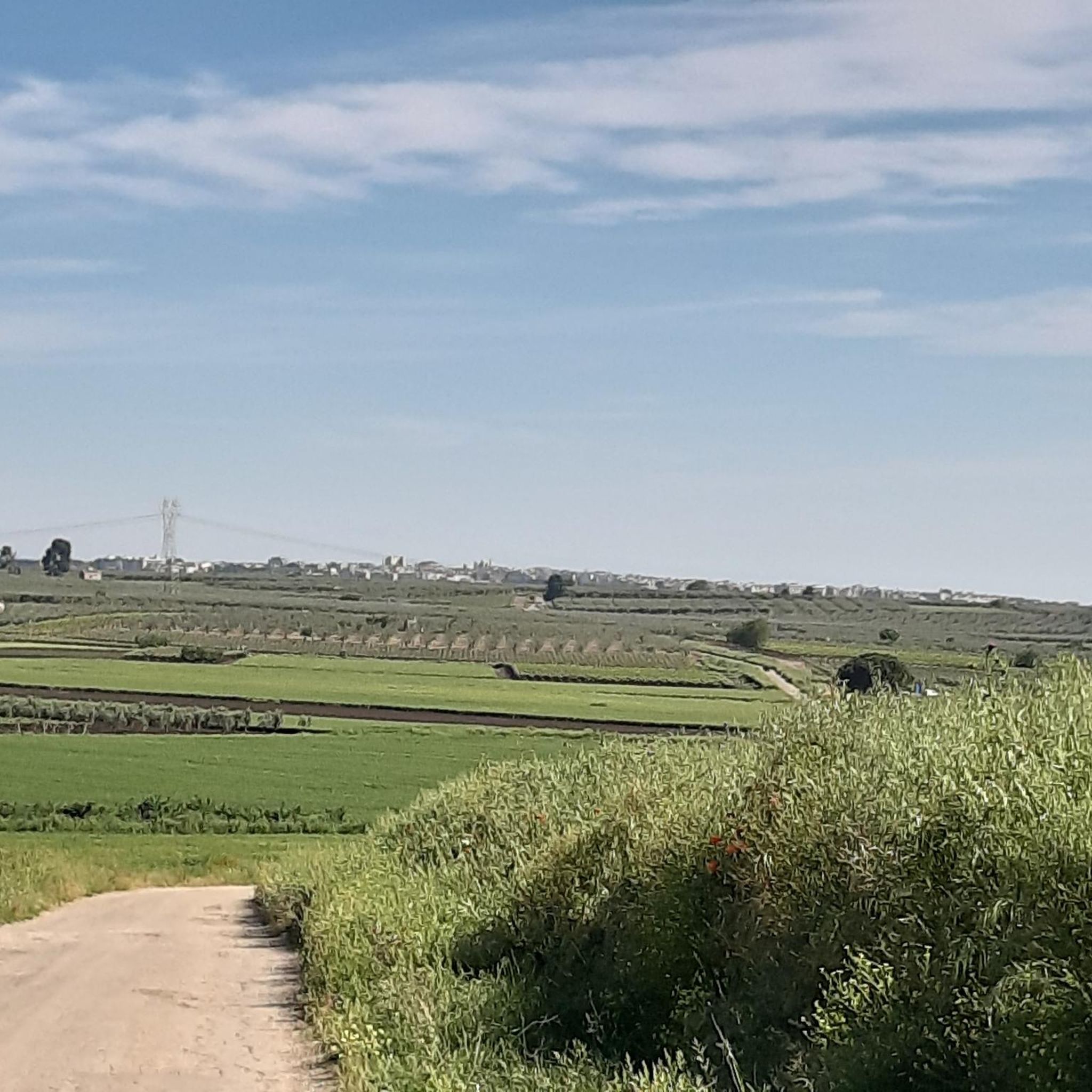
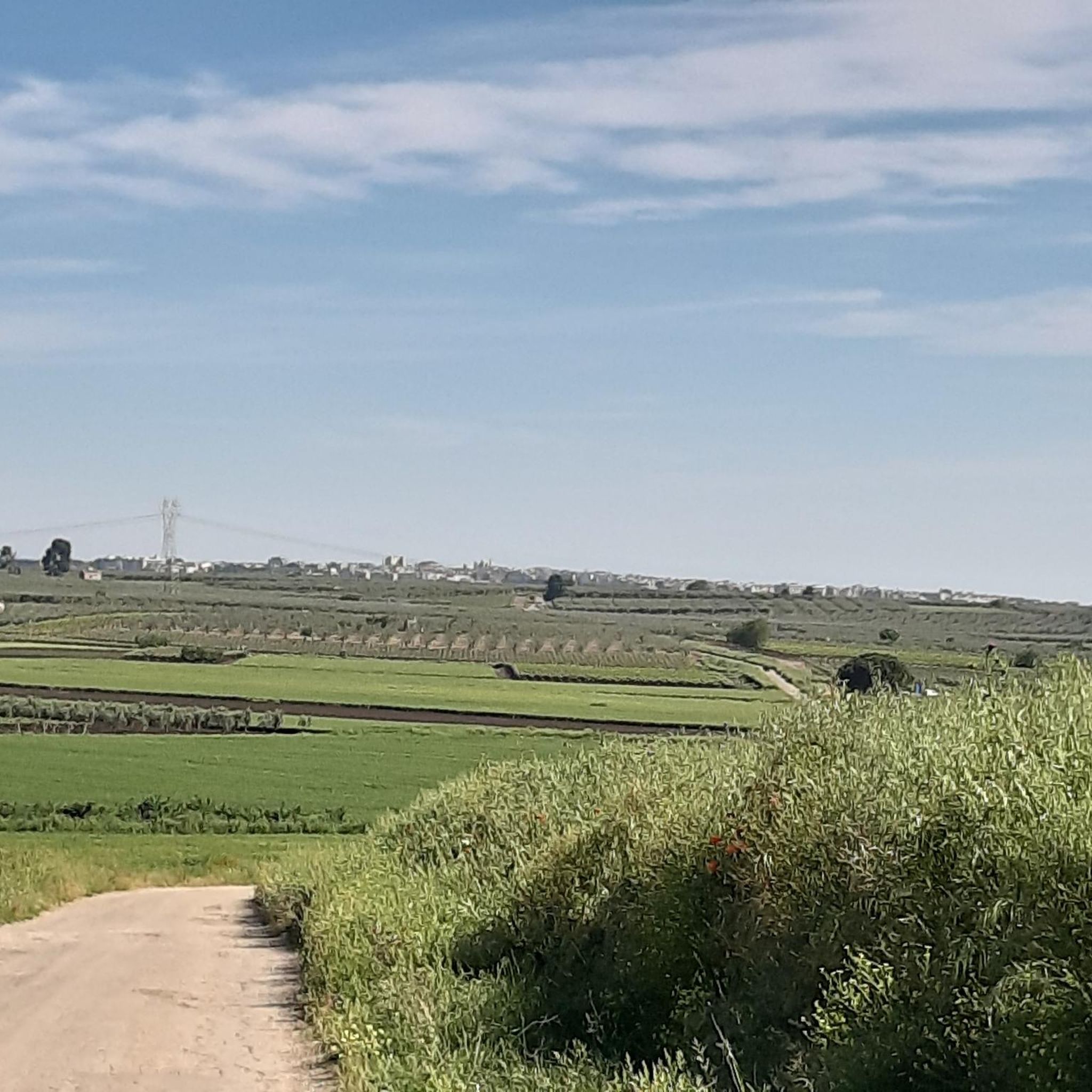
The fortress dominated the arrival of the Transhumance flocks from the top of Colle Albano. Lucera, before Foggia, was the seat of customs.
0
0
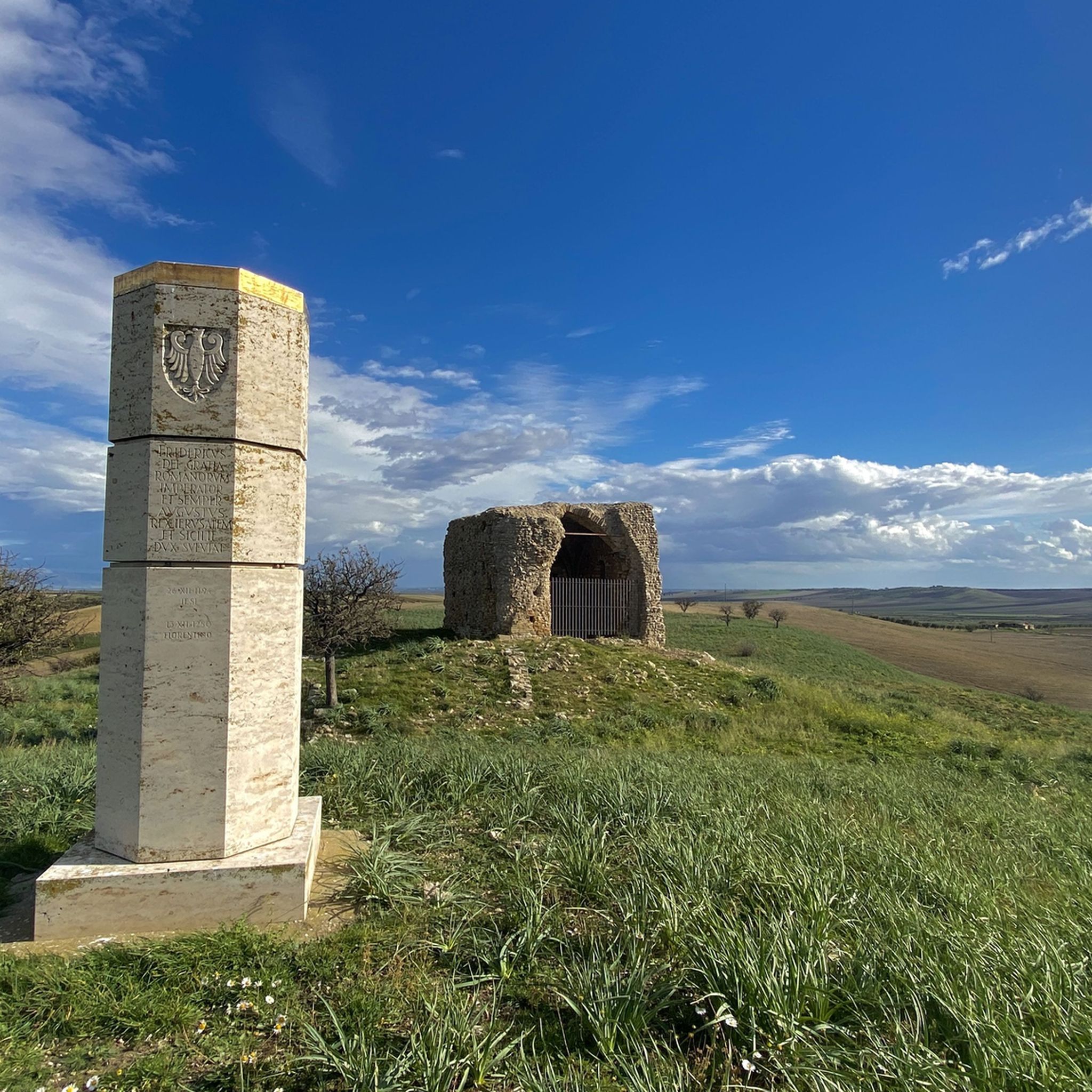
Castelfiorentino is the current name, Torre Fiorentina is the name of the site on which the remains of the small medieval city are located.
0
0

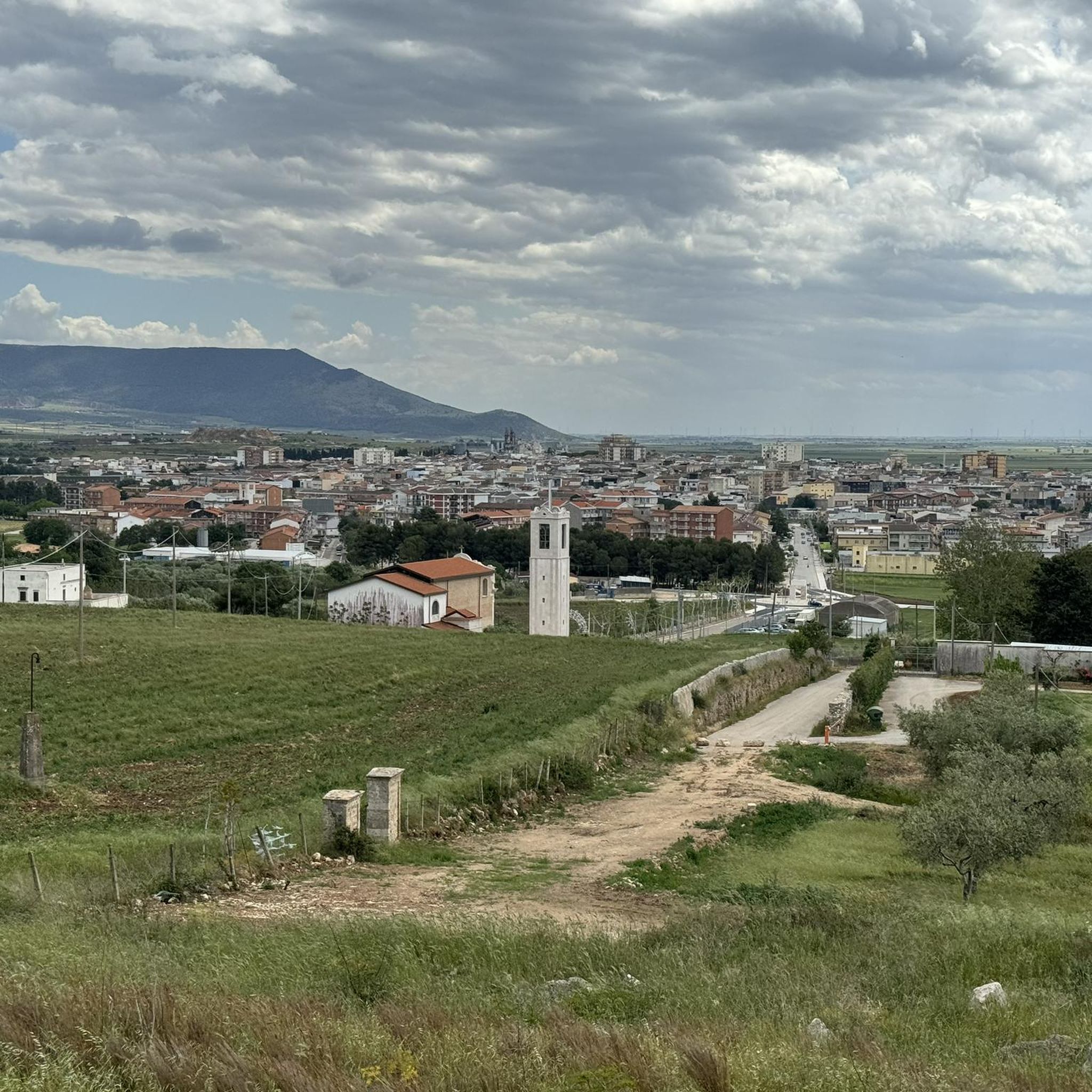
The castle of Torremaggiore is a 12th century fortress located in the center of the Apulian city. It was built by the Normans and then transformed into a residence by the De Sangro princes. The castle has six towers, a moat and today houses a civic museum with archaeological finds from Fiorentino, the place where Frederick II of Swabia died.
0
0
The castle of Lucera is a 13th century Swabian-Angevin fortress, built by Frederick II and enlarged by Charles I of Anjou. It is located on the top of Colle Albano from which it dominates the Tavoliere delle Puglie. It was the residence of the emperor and the Saracens who had moved from Sicily, today it is a national monument and preserves the ruins of the palace, the mint and the mosque.
1
0

on the top of a hill between San Severo and Castelnuovo della Daunia the remains of a Frederician fortress, where on the day of Santra Lucia in 1250 Federico II of Swabia, taken ill, dictated his last dispositions and died. A place of extraordinary energy, constantly flown over by the flight of birds of prey as if to build a sacred place. It deserves more protection though.
1
0

It is always a great thrill to pass by .... 💯💯
29
0
The Castle has the shape of an irregular quadrilateral, has six towers, four of which are cylindrical with crenellations, located at the corners, and two quadrangular. His vision is always pleasant.
55
0

Restoration and expansion measures are planned for the Swabian-Angevin fortress of Lucera. On the summit of Albano Hill, above which the acropolis of Roman Lucera once stood, Frederick II began construction of his palace at the beginning of the 12th century to control the forced relocation of Saracens from Sicily to Lucera.
9
0
Frequently Asked Questions
What is the history behind the castles in the Torremaggiore region?
The castles around Torremaggiore boast a rich history, evolving from Norman-Swabian fortifications to Renaissance residences. Many, like the Ducal Castle of Torremaggiore, began as defensive structures in the 11th century and were later transformed by noble families, showcasing diverse architectural styles and centuries of regional power shifts.
Which castles offer significant architectural insights?
The Ducal Castle of Torremaggiore is a prime example, displaying a blend of Norman, Swabian, and Renaissance styles. It features an original 11th-century square tower, four cylindrical corner towers, and two quadrangular towers, along with remnants of a moat. Castle of Lucera, a 13th-century Swabian-Angevin fortress, also offers insights into medieval military architecture.
Are there any castles with museums or archaeological exhibits?
Yes, the Ducal Castle of Torremaggiore currently houses a civic museum. This museum displays works by local sculptor Giacomo Negri and archaeological artifacts from the nearby ancient site of Fiorentino, connecting the castle to the broader history of the region.
What other historical sites can I explore near Torremaggiore's castles?
Beyond the castles themselves, you can visit Castel Fiorentino, located 9 kilometers south of Torremaggiore. This site features the remains of a medieval city and a Frederician fortress, notable as the place where Frederick II of Swabia reportedly died. The area also has other cultural sites dating back to the 12th century, such as the ancient fortified village of Dragonara, home to Dragonara Castle.
Can I find hiking or cycling routes near the castles around Torremaggiore?
Yes, the region offers various outdoor activities. For cycling, you can explore routes like the 'San Severo and Lake Lesina Loop' or the 'Castel Fiorentino Loop Trail'. If you prefer mountain biking, consider the 'Castelli e campagne del foggiano — Giro ad anello' or the 'Castel Fiorentino – Dragonara Castle loop'. You can find more details on these and other routes in the Cycling around Torremaggiore and MTB Trails around Torremaggiore guides.
Are there good viewpoints from any of the castles?
Yes, Castel Fiorentino is noted as a viewpoint, offering scenic perspectives of the surrounding area. Additionally, the Castle of Lucera dominates a promontory, providing control and views over the surrounding valley.
What is the best time of year to visit the castles around Torremaggiore?
The spring and autumn months are generally ideal for visiting the castles around Torremaggiore. The weather is typically mild and pleasant, making it comfortable for exploring historical sites and engaging in outdoor activities. Summers can be quite hot, while winters are cooler but still offer a unique perspective.
How long does a typical visit to a castle in this region take?
A visit to a major castle like the Ducal Castle of Torremaggiore, especially if you explore its museum, can take anywhere from 1.5 to 3 hours. For sites like Castel Fiorentino, which are more extensive archaeological ruins, you might spend a similar amount of time depending on your interest in exploration.
Is parking available at the main castles?
While specific parking details for each castle can vary, the Ducal Castle of Torremaggiore is located within the town, so nearby street parking or public parking areas would be the most likely options. For sites like Castel Fiorentino, which are in more rural settings, parking might be available closer to the site entrance.
Are there family-friendly castles to visit in the Torremaggiore area?
Yes, the Ducal Castle of Torremaggiore is considered family-friendly. Its historical significance, architectural features, and the presence of a civic museum can engage visitors of all ages. Exploring the castle's different sections and learning about its past can be an educational experience for families.
What do visitors enjoy most about the castles around Torremaggiore?
Visitors appreciate the extensive history and the blend of architectural styles, from Norman-Swabian origins to Renaissance transformations. The strategic locations of castles like Castle of Lucera, offering control over surrounding valleys, and the cultural value added by museums, such as the one in the Ducal Castle of Torremaggiore, are frequently highlighted.
Are there any permits or advance arrangements needed to visit the castles?
For the Ducal Castle of Torremaggiore, it is advisable to contact the municipal culture office in advance to arrange a visit, especially if you plan to explore the interior and museum. For other sites, checking their official websites or local tourist information for current access requirements is recommended.
Most popular attractions around Torremaggiore

Get inspired with the komoot mobile app


Explore more
Looking for the best castles somewhere else? Discover other guides around Torremaggiore:
