Top 7 Castles around Bugnara
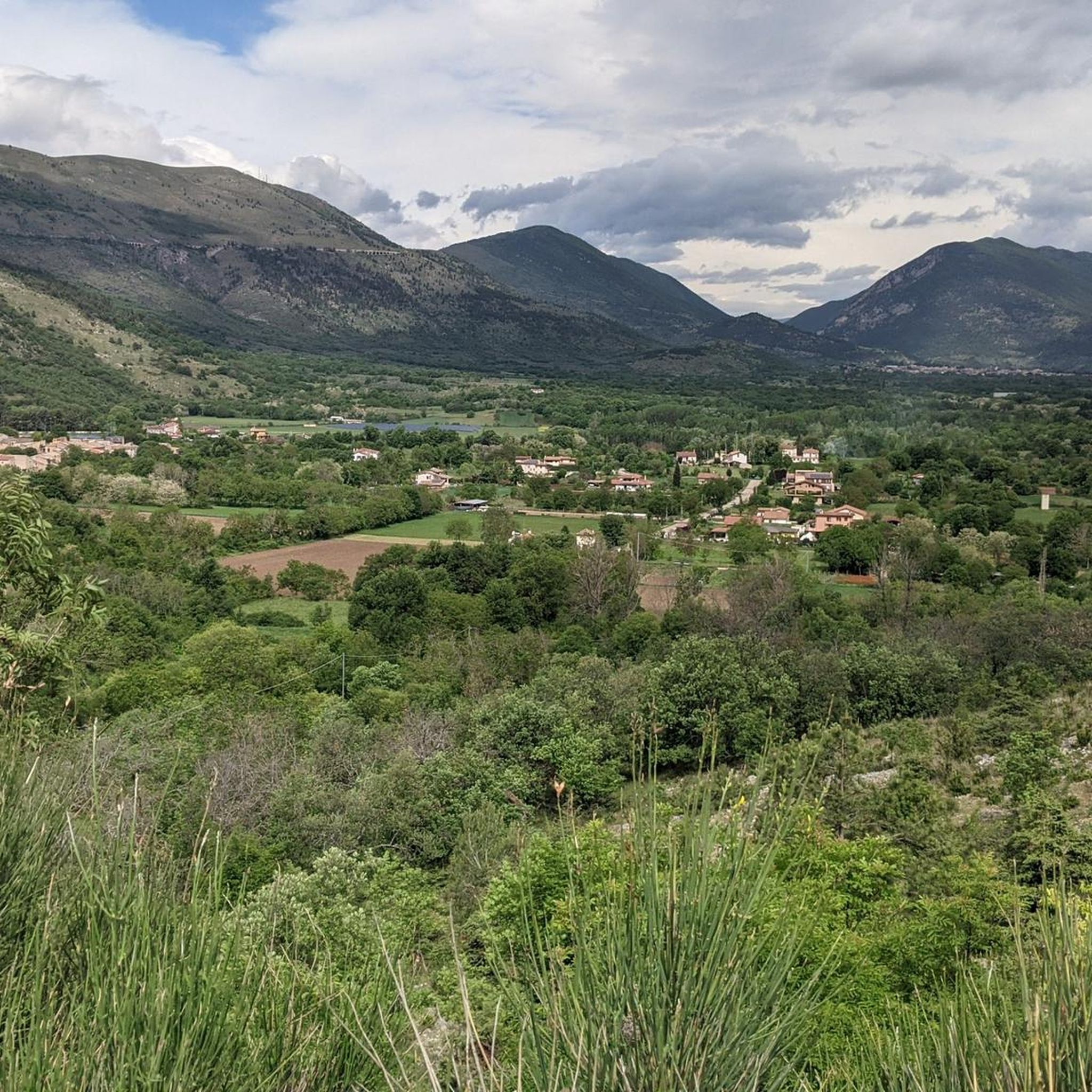
Best castles around Bugnara are found in a picturesque village nestled in the Abruzzo region of Italy. This area is known for its historical structures, including fortified residences that played crucial defensive roles. The strategic location offers commanding views of surrounding valleys and mountains, making it a compelling site for history enthusiasts. Bugnara itself is recognized for its preserved medieval layout, traditional stone architecture, and intricate network of narrow alleys.
Best castles around Bugnara
- The most popular castles is Pacentro…
Last updated: June 29, 2026
Pacentro Castle
Highlight • Castle
Translated by Google •
Tip by

Castello Cantelmo
Highlight • Castle
Translated by Google •
Tip by

Sign up now to discover places like this
Get recommendations on the best single tracks, peaks, & plenty of other exciting outdoor places.
Sign up for free
Medieval Castle and Stone Wall Houses
Highlight • Castle
Translated by Google •
Tip by
Fortified Village of Pacentro
Highlight • Settlement
Translated by Google •
Tip by
Castello De Sanctis
Highlight • Castle
Translated by Google •
Tip by
Sign up for free to discover even more castles around Bugnara.
Sign up for free
Already have an account?
Start today with a free account
Your next adventure awaits.
Login or Signup
Tips from the Community

Interesting, well-restored castle complex with worthwhile views from the tower of the entire old town of the medieval village of Pacentro and the beautiful surroundings.
0
0

From the town of Roccacasale, from the upper part of the town, an obvious mule track climbs halfway up the south-west ridge of Morrone to reach the Puzzacchio Refuge
0
0

The castle of Pacentro, located on the highest part of the village, at an altitude of 718 m. on Mount Morrone, it is one of the best preserved fortified structures in Abruzzo.
10
0
The castle of Pacentro, at an altitude of 718 meters on Mount Morrone, is one of the best preserved fortified structures in Abruzzo.
10
0

The castle deserves a stop and a visit. The visit has an entrance fee of 2 euros
1
0
Among the most beautiful villages in Italy! Neat little streets and a really welcoming place!
0
0

The highest part of the town preserves the original fortified structure: the remains of the medieval castle and the characteristic stone houses. In fact, in the Middle Ages, due to defensive needs, the inhabited nucleus was located a little further north than today. The castle already existed before 1076 as mentioned in the Chronicon Casauriense: the tower, aimed at sighting and defense, was supposed to be a strut and constituted the summit of a triangular hillside enclosure. There is also a curtain of buildings (house-walls) that constituted the perimeter of the ancient fortified center, and in which a passage called "Foot gate" opens, under the ancient clock.
0
0
The castle of the barons De Sancts is located upstream of the town of Roccacasale, on the slopes of Monte Morrone, in a dominant position with respect to the road that connects Popoli and Sulmona. Its function of sighting and defense has certainly guaranteed, over the centuries, the survival of the small residential complex built at its feet. According to tradition, the castle was founded in 925 by the will of the count of Spoleto in order to prevent the Arabs from reaching the connections of the Sangro Valley and the Cinquemiglia Plateau. Subsequently, the structure was managed by the Cantelmo family and then in the 16th century it became the domain of the barons De Sanctis, until 1803 when it was destroyed following the Napoleonic invasion. During the nineties the entire complex was subjected to a conservative restoration and the building in the area further downstream to an architectural and functional recovery.
0
0
Frequently Asked Questions
What is the best time of year to visit the castles around Bugnara?
The Abruzzo region, including Bugnara, experiences varied weather. Spring (April-May) and Autumn (September-October) generally offer pleasant temperatures for exploring historical sites and enjoying panoramic views. Summer can be warm, while winter might require appropriate clothing, especially for outdoor exploration of castle ruins.
Are there any family-friendly castles to visit near Bugnara?
Yes, exploring the castles can be a great family activity. For instance, the Pacentro Castle is a well-preserved structure that offers a glimpse into medieval history. The village of Bugnara itself, recognized as one of Italy's 'most beautiful villages,' provides a charming backdrop for families to explore its medieval layout and stone architecture.
What kind of historical significance do the castles in this region hold?
The castles around Bugnara, such as the Ducal Castle in Bugnara itself, played crucial defensive roles throughout history, dominating villages and offering commanding views. They tell the story of the region's strategic importance and feudal past, with structures like Castello Cantelmo dating back to the 11th century and having been owned by powerful families like the Cantelmo.
Are there entrance fees for visiting the castles?
Some castles may have an entrance fee. For example, visiting the Pacentro Castle costs 2 euros. It's always advisable to check the specific castle's information for current fees and opening hours before your visit.
Can I find walking routes that incorporate these castles?
Absolutely. Many of the castles are situated within or near charming villages, making them ideal for incorporating into walks. The Medieval Castle and Stone Wall Houses in a nearby town, for instance, are part of an original fortified structure perfect for exploration on foot. You can also find various running and cycling routes in the region, which might pass by or offer views of these historical sites. Check out the Running Trails around Bugnara guide for ideas.
What outdoor activities are available near the castles around Bugnara?
Beyond exploring the castles themselves, the area around Bugnara offers various outdoor activities. You can find numerous cycling routes, including challenging road cycling tours like the 'Passo San Leonardo Loop from Sulmona' or more moderate options like the 'Sagittario Cycle Route'. There are also running trails available. For more details, explore the Cycling around Bugnara and Running Trails around Bugnara guides.
Are there any castles that offer panoramic views of the surrounding landscape?
Many castles in the region were strategically built on elevated positions to offer commanding views. The Ducal Castle in Bugnara, for example, provides panoramic vistas across the Peligna Valley. Similarly, Pacentro Castle is located at an altitude of 718 meters on Mount Morrone, offering excellent viewpoints.
What makes the Fortified Village of Pacentro a notable visit?
The Fortified Village of Pacentro is considered one of the most beautiful villages in Italy. Its medieval layout, ancient districts, and preserved alleys represent an open-air work of art. It's a welcoming place that allows visitors to experience a truly historic atmosphere.
Can I visit the castles using public transport?
While Bugnara is a charming village, public transport options to reach specific castles in the surrounding, often mountainous, areas can be limited. It's recommended to check local bus schedules or consider driving for more flexibility when visiting multiple sites like Castello De Sanctis, which is located upstream of Roccacasale.
Are there cafes or restaurants near the castles?
Many of the castles are located within or very close to villages. Bugnara itself, being a 'Borgo più bello d'Italia,' offers local cafes and restaurants where you can enjoy traditional Abruzzese cuisine. Similarly, villages like Pacentro, home to Pacentro Castle, will have dining options available for visitors.
What is the history behind Castello De Sanctis?
The Castello De Sanctis, located in Roccacasale, is believed to have been founded in 925 to prevent Arab incursions. It served a crucial sighting and defense function. After being managed by the Cantelmo family, it became the domain of the De Sanctis barons in the 16th century. Though destroyed in 1803, it has undergone conservative restoration.
What should I know about the Ducal Castle in Bugnara?
The Ducal Castle, also known as Palazzo Ducale or Rocca dello Scorpione, is Bugnara's most notable fortified residence. Originally a 7th-century watchtower, it evolved over centuries, playing a defensive role and later transforming into a residential palace. While it retains little of its original medieval architecture due to 18th-century modifications and earthquake damage, it offers significant historical context and panoramic views of the Peligna Valley.
Most popular attractions around Bugnara

Get inspired with the komoot mobile app


Explore more
Looking for the best castles somewhere else? Discover other guides around Bugnara:
