Top 7 Castles around Palombara Sabina
Best castles around Palombara Sabina offer a glimpse into centuries of rich Italian history. This picturesque village, nestled at the foot of Monte Gennaro, is home to several historic castles and ancient ruins. The area provides a blend of historical architecture and natural landscapes. Exploring these sites reveals the region's past and strategic importance.
Best castles around Palombara Sabina
- The most popular castles is Castello Orsini-Cesi-Borghese, San Polo dei Cavalieri, a castle that dominates the town of San Polo…
Last updated: May 1, 2026
Rocca Pia of Tivoli
Highlight • Castle
Translated by Google •
Tip by

Ruins of Stazzano Vecchio
Highlight • Historical Site
Translated by Google •
Tip by

Sign up now to discover places like this
Get recommendations on the best single tracks, peaks, & plenty of other exciting outdoor places.
Sign up for free
Orvinio
Highlight • Settlement
Translated by Google •
Tip by

Castello Orsini-Cesi-Borghese, San Polo dei Cavalieri
Highlight • Castle
Translated by Google •
Tip by

Morella Ruins
Highlight • Historical Site
Translated by Google •
Tip by

Sign up for free to discover even more castles around Palombara Sabina.
Sign up for free
Already have an account?
Start today with a free account
Your next adventure awaits.
Login or Signup

Tips from the Community

Vicolo Barchetto, 00019 Tivoli RM, Italy
9
0

Tivoli's Rocca Pia, an imposing Renaissance fortress located in the city center, was built by Pope Pius II Piccolomini starting in 1461 to defend the city and control the population. The structure is characterized by four large circular towers of varying heights, connected by high crenellated walls. Over the course of its history, the Rocca has alternated defensive functions with those of a papal barracks and, for a long time, a prison until 1960. It is currently a tourist attraction located near Piazza Garibaldi and the Bleso amphitheater. WEBSITE: https://visittivoli.it/sito-turistico/rocca-pia/
1
0

In Piazza Garibaldi, the heart and arrival point of the Via Tiburtina in the city, the Rocca Pia castle dominates, symbol of the city of Tivoli.
2
0

The first inhabited center of Stazzano Vecchio was probably built on the remains of a Roman settlement. The term "Stazzano", in fact, could derive from the Latin statio, with the dual meaning of "place of a garrison", or "Post Station". Even today the origins of Stazzano are not clear but it seems certain that a town developed around a castle, built between the 10th and 11th centuries by the Savelli family, a powerful family that influenced the historical events of this part of Lazio. The castle and the town passed into the hands of the Borghese family between the sixteenth and seventeenth centuries. Access to the town consisted of a single door that opened between the outermost tower of the castle and the Church of Santa Maria, a distinguishable sign that Stazzano had been conceived as a "village-castle". A terrible seismic event which occurred on 24 April 1901, with its epicenter in nearby Montelibretti and calculated at the VIII degree of the Mercalli Scale, put an end to the peaceful peasant life. From that moment on, the village of Stazzano was inevitably abandoned and the ruins of the houses were used to build the new town a short distance away. https://www.lazionascosto.it/citta-fantasma-borghi-abbandonati-del-lazio/stazzano-vecchio/
0
0

San Polo dei Cavalieri is a town of about 3,000 inhabitants. It is located at an altitude of 650 meters and is part of the province of Rome. The town is dominated by the Orsini - Cesi - Borghese castle, dating back to medieval times.
0
0
The Rocca Pia of Tivoli dates back to the fifteenth century. It boasts four splendid towers, of different sizes: the tallest is over 36 meters in height.
2
0

a beautiful village on top of a very nice climb
3
0

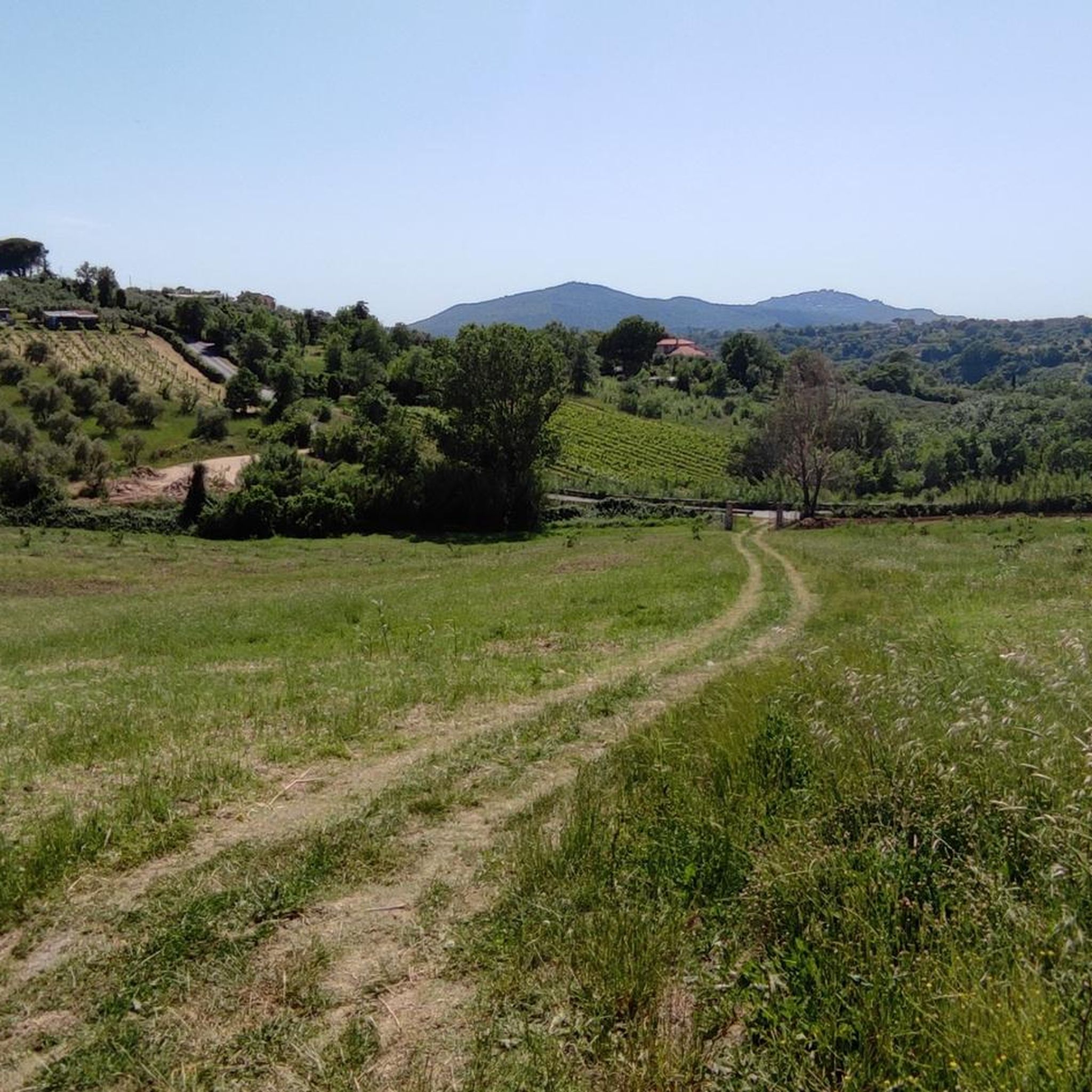
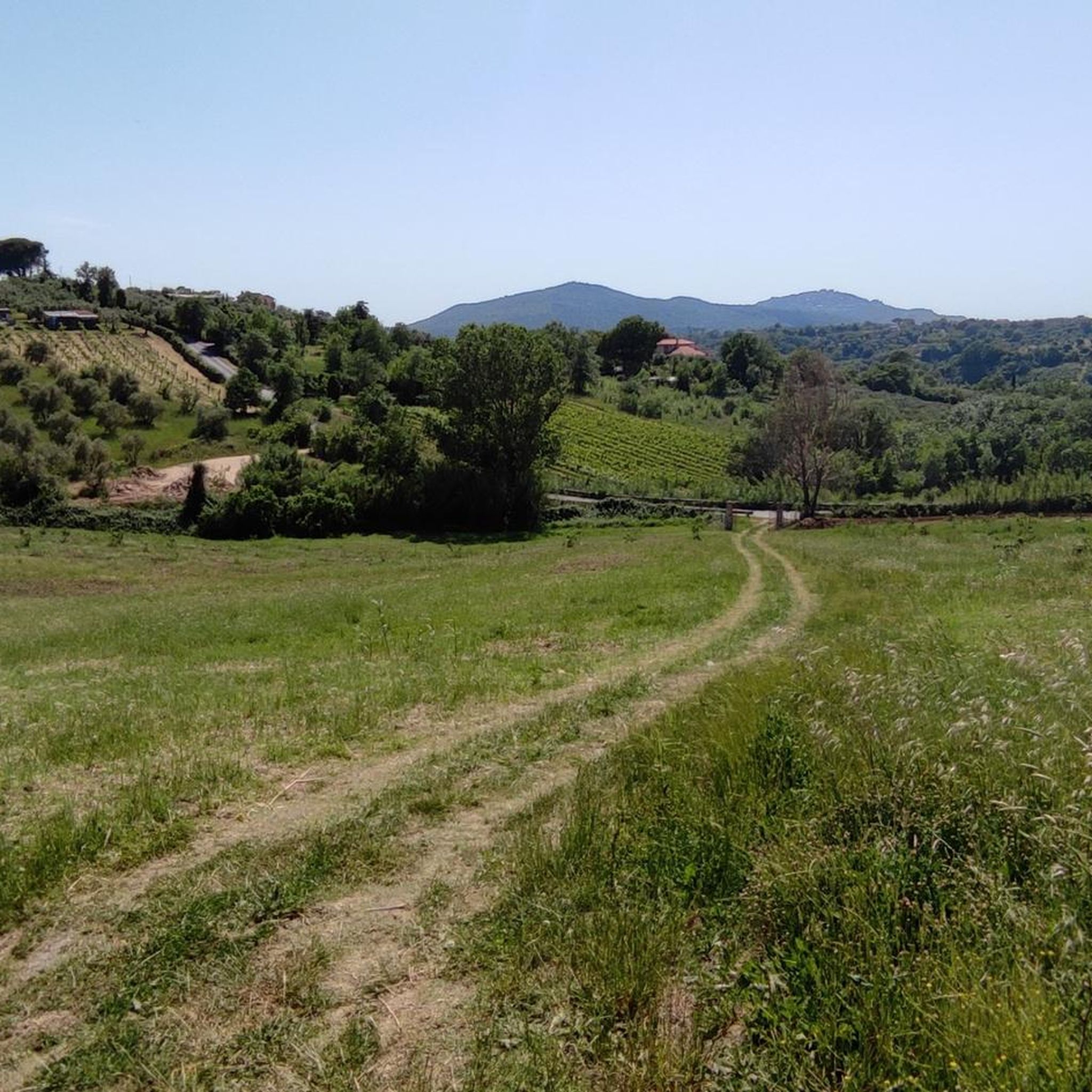
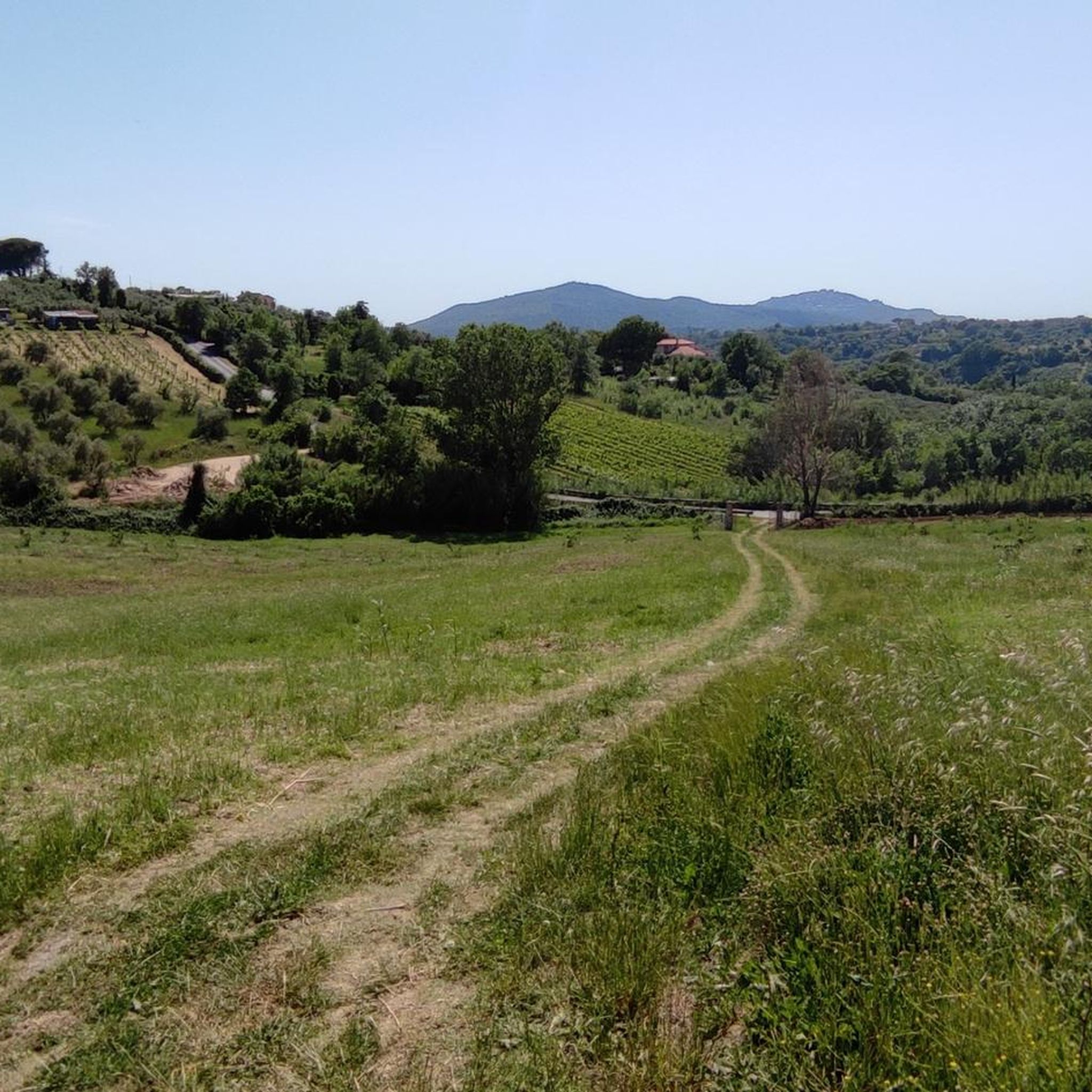
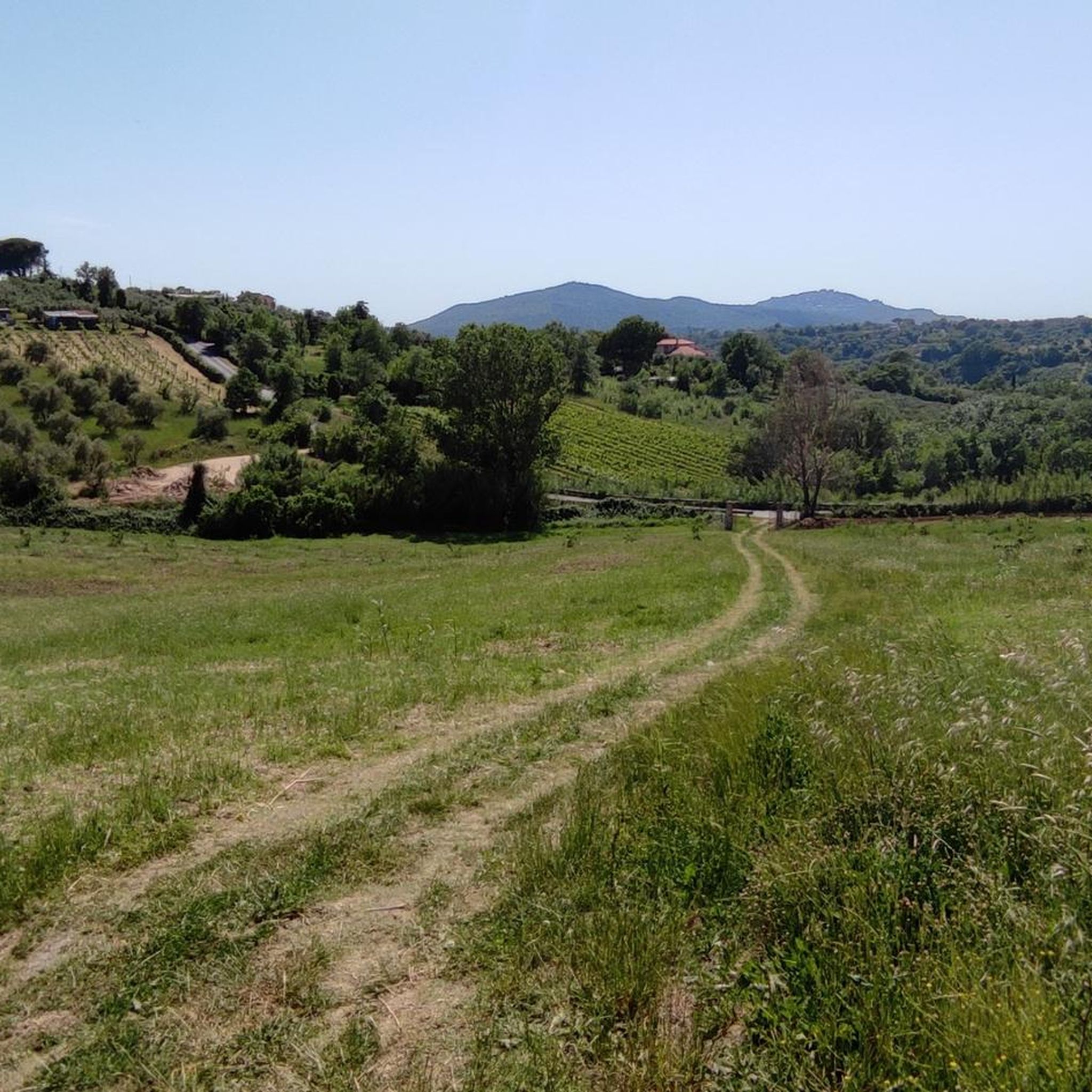
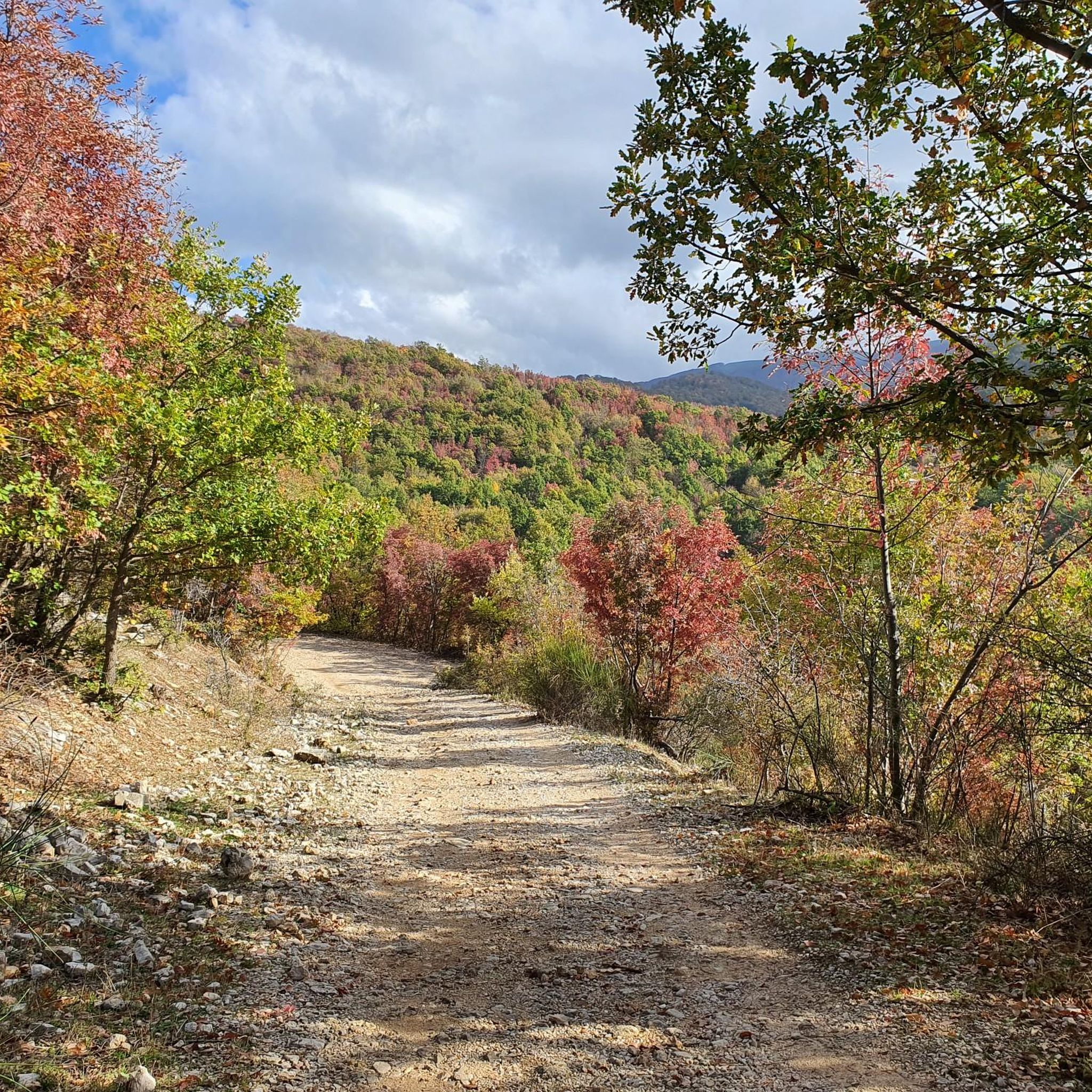
From here we can reach the ruins of an old settlement, which was built around a fortified castle which dates back to the 15th century.
2
0
Frequently Asked Questions
What are some of the most historically significant castles in the Palombara Sabina region?
The region is rich in history. The Castello Orsini-Cesi-Borghese in San Polo dei Cavalieri is a prominent medieval castle. Additionally, the Savelli Castle in Palombara Sabina, with its origins around the year 1000, and the ancient Ruins of Stazzano Vecchio, which include parts of a 10th-century castle, offer deep insights into the area's past.
What unique architectural features can I expect to see at the castles?
The Savelli Castle in Palombara Sabina is known for its over 100 rooms, three courtyards, a chapel, and four towers. It also features opulent rooms with 16th-century frescoes by Baldassarre Peruzzi. The Borgo Castiglione Castle, though in ruins, still boasts impressive ancient walls, approximately 6-7 meters high, and was defended by two concentric walls.
Are there family-friendly castles or activities in the area?
Yes, the Rocca Pia of Tivoli is categorized as family-friendly. The Savelli Castle also houses a Naturalistic Museum and an exhibition of Roman marble sculptures, which can be engaging for families. Exploring the grounds of these historic sites offers an educational experience for all ages.
What outdoor activities can I do near the castles?
The area around Palombara Sabina is excellent for outdoor enthusiasts. You can find various routes for gravel biking, mountain biking, and general cycling. For example, there are challenging MTB trails like the 'Ruins of Stazzano Vecchio – Monteflavio Pine Forest Trail loop' or cycling routes such as the 'View of Palombara Sabina – Monteflavio Pine Forest Trail loop'. You can explore more options on the Gravel biking around Palombara Sabina, MTB Trails around Palombara Sabina, and Cycling around Palombara Sabina guides.
Are there hiking trails near these castles?
Yes, many castles are integrated into or near hiking opportunities. The Ruins of Stazzano Vecchio are part of an intermediate trail. While specific hiking guides for castles are not listed, the broader cycling and MTB guides often include paths that pass by or lead to historical sites, offering scenic walks. Consider routes that incorporate viewpoints or natural features for a combined experience.
What are the best times to visit the castles and explore the region?
The region's pleasant climate makes it suitable for visiting castles and outdoor activities for much of the year. Spring and autumn generally offer milder temperatures, ideal for exploring both the historical sites and the surrounding natural landscapes. These seasons also tend to be less crowded than the peak summer months.
Are there any viewpoints or natural features to see near the castles?
Many castles, like the Savelli Castle, offer panoramic views, with its watchtower providing expansive vistas that can reach all the way to Rome. The Borgo Castiglione, situated on a hilltop, also provides scenic views over the surrounding area. Orvinio, a village with an imposing castle, is also noted as a viewpoint.
What is the current use of the Savelli Castle in Palombara Sabina?
Following a restoration in 2008, the Savelli Castle now houses a Naturalistic Museum and an exhibition of Roman marble sculptures. It also contains a library and serves as a popular venue for weddings and the town's annual wine festival, making it a vibrant cultural hub.
Are there any wheelchair-accessible historical sites in the Palombara Sabina area?
Yes, the Castello Orsini-Cesi-Borghese in San Polo dei Cavalieri is listed as wheelchair accessible, allowing more visitors to experience its historical significance.
What should I bring for a visit to the castles?
For castle visits, especially those involving ruins or hilltop locations, comfortable walking shoes are recommended. If you plan to explore the surrounding trails, appropriate hiking gear, water, and sun protection are advisable. For indoor castle tours, a camera is a must to capture the architectural details and frescoes.
Can I find cafes or restaurants near the castles?
Many of the castles are located within or near villages and towns, such as Palombara Sabina itself or Orvinio. These areas typically offer local cafes and restaurants where you can enjoy traditional Italian cuisine and refreshments after your exploration.
Are there any less crowded historical sites or 'hidden gems' in the Sabina hills?
While the Savelli Castle is a major attraction, sites like the Ruins of Stazzano Vecchio and the Borgo Castiglione Castle offer a more secluded and archaeological experience. These ghost towns and ancient fortifications provide a poignant look into past communities without the larger crowds, perfect for those seeking a quieter historical exploration.
Most popular routes around Palombara Sabina
Most popular attractions around Palombara Sabina

Get inspired with the komoot mobile app


Explore more
Looking for the best castles somewhere else? Discover other guides around Palombara Sabina:
