Top 7 Caves around Capena
Caves around Capena are primarily characterized by significant karst phenomena and historical subterranean sites. The surrounding area, located between the Tiber Valley and the Cornicolani Mountains, features diverse landscapes including natural reserves and ancient necropolises. These sites offer a blend of geological formations and historical intrigue. The region provides opportunities to explore various cave types, from natural sinkholes to adapted historical structures.
Best caves around Capena
- The most popular caves is Meri del Soratte Karst Sinkholes, a cave that…
Last updated: August 23, 2026
Church of Santa Romana
Highlight • Religious Site
Translated by Google •
Tip by

Meri del Soratte Karst Sinkholes
Highlight • Cave
Translated by Google •
Tip by
Sign up now to discover places like this
Get recommendations on the best single tracks, peaks, & plenty of other exciting outdoor places.
Sign up for free
Gattaceca and Barco Nature Reserve
Highlight • Forest
Translated by Google •
Tip by

Faliscan Necropolis Cavone of Monte Li Santi
Highlight • Historical Site
Translated by Google •
Tip by

Caves Along the Trail
Highlight • Cave
Translated by Google •
Tip by

Sign up for free to discover even more caves around Capena.
Sign up for free
Already have an account?
Start today with a free account
Your next adventure awaits.
Login or Signup

Tips from the Community

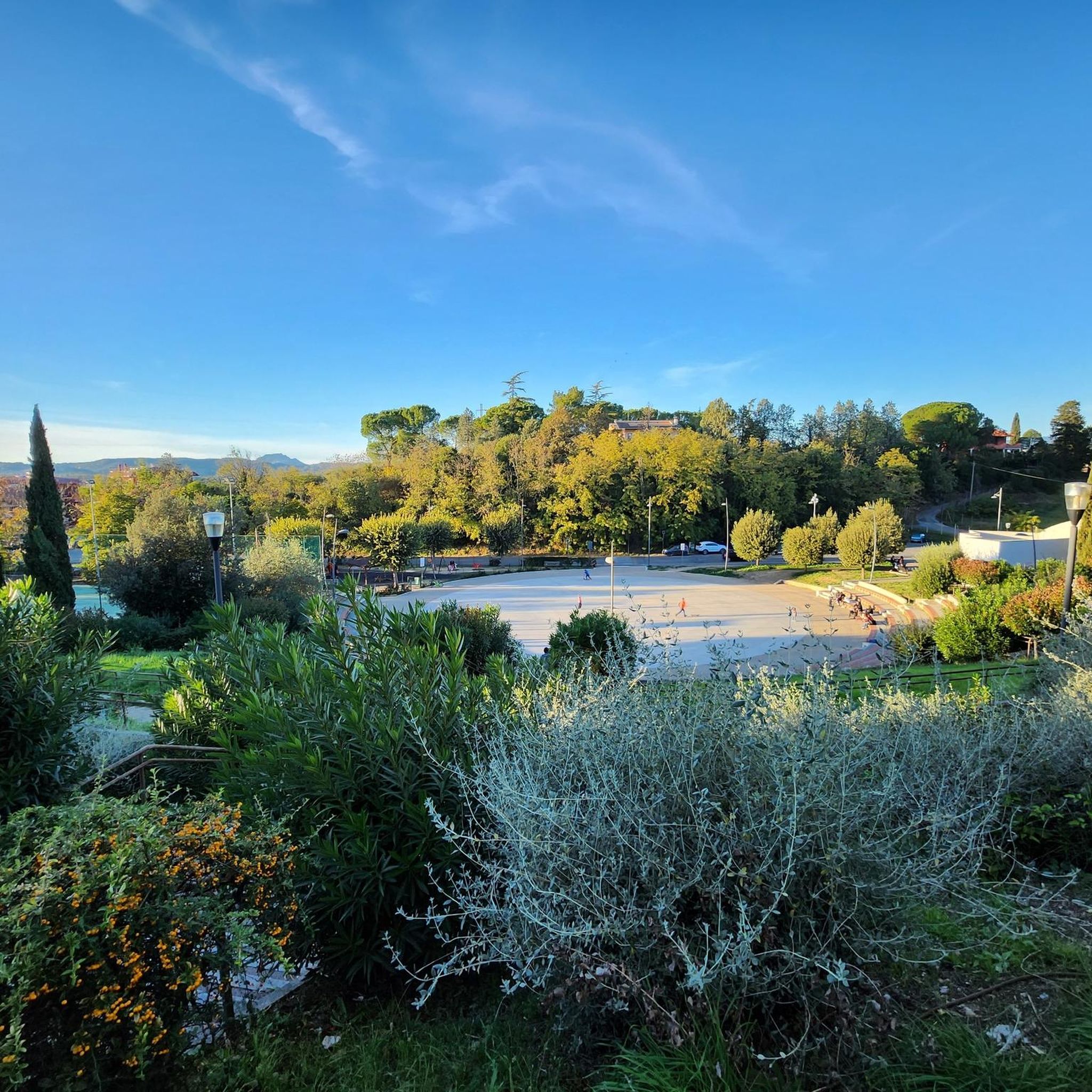
The hermitage of Santa Romana, in Sant’Oreste sul Monte Soratte, is a rock-hewn church carved into a cave on the northeast side of the mountain, in a wooded and very evocative setting. According to tradition, it was consecrated in 1218, but the site seems to have even older origins, perhaps also linked to pre-Christian cults. The site preserves remains of walls and ruins that show how the hermitage was larger than it appears today, as well as frescoes visible on the damp cave walls. Inside there is also a marble basin that collects water dripping from the rock, traditionally used for devotion by women who lacked milk,
0
0

Slightly hidden and covered by bush but still interesting to observe along the way
0
0

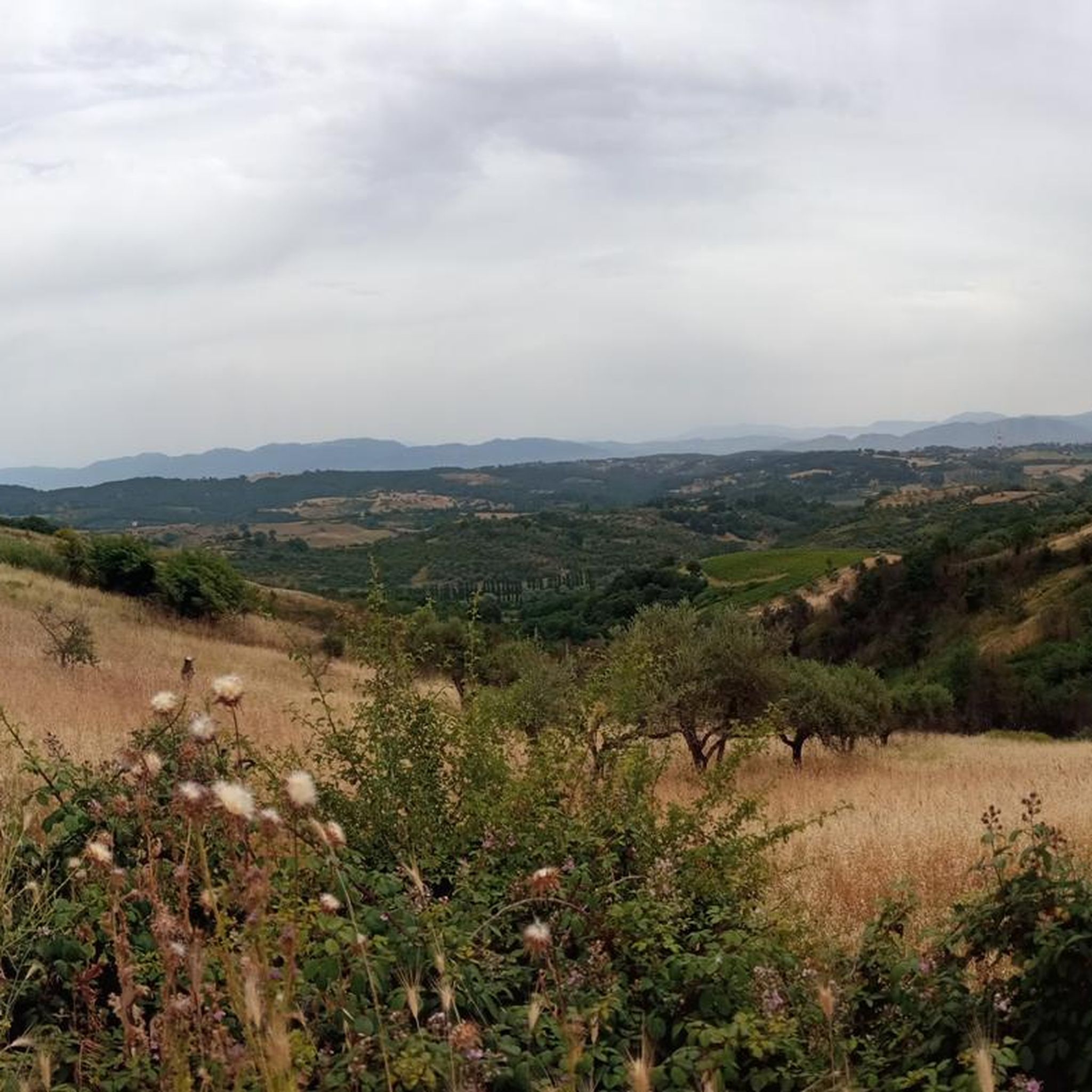
The nature reserve extends over about a thousand hectares between the Tiber Valley and the Cornicolani Mountains, in the Roman Sabina. The landscape is hilly, with pasture areas, crops and fragments of woods, remnants of the original forests. The area is known for its botanical value and for karst phenomena such as caves and sinkholes, including the Pozzo del Merro, one of the deepest in the world. The reserve also preserves historical evidence, from prehistory to the Middle Ages.
1
0

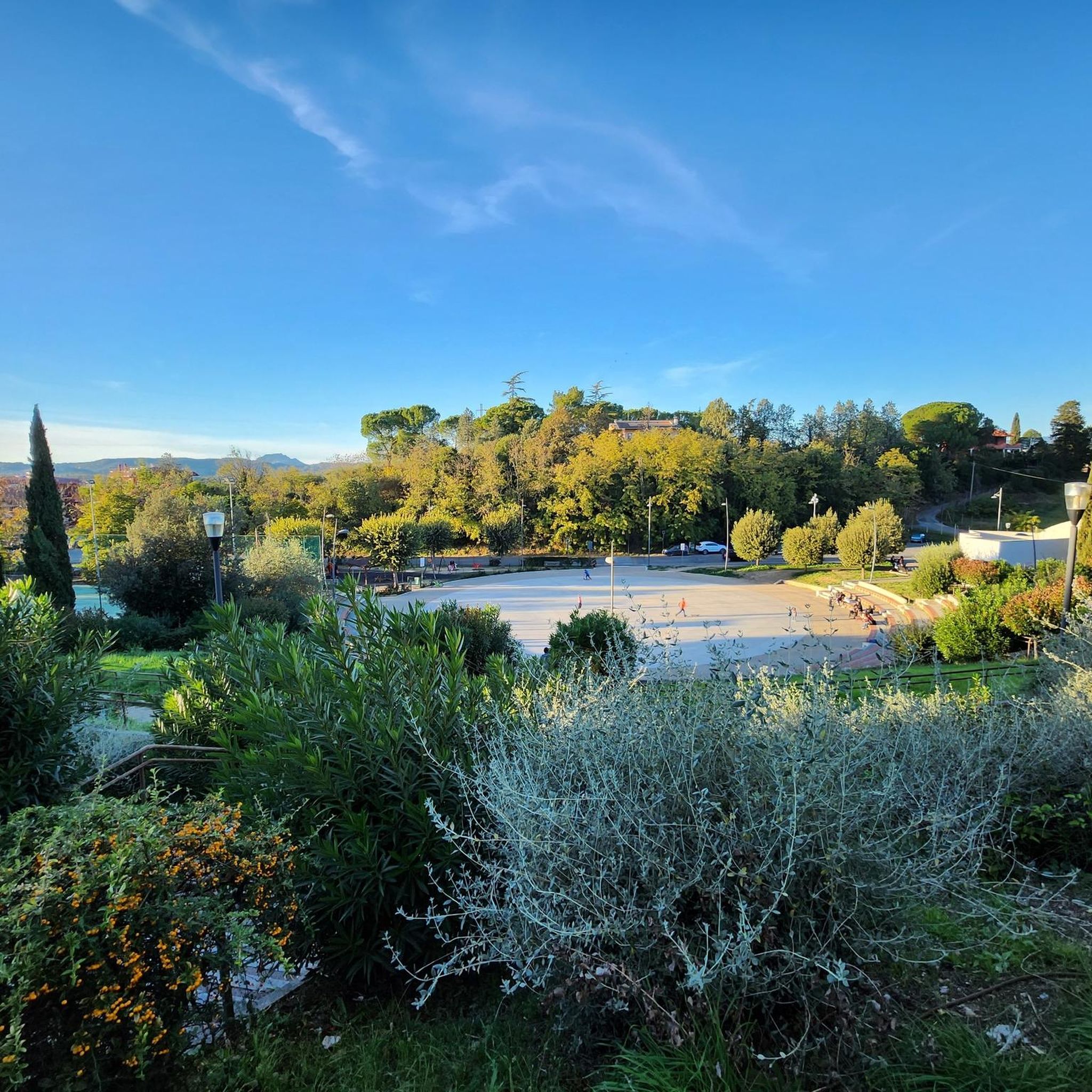
The meri are very deep karst cavities. Easy path to follow. Start from the large Sant'Oreste car park, the one below the road. There are three of them, all close together. On the same path, a little further on, there is the church in the cave of Santa Romana, a beautiful place that deserves to be visited.
0
0
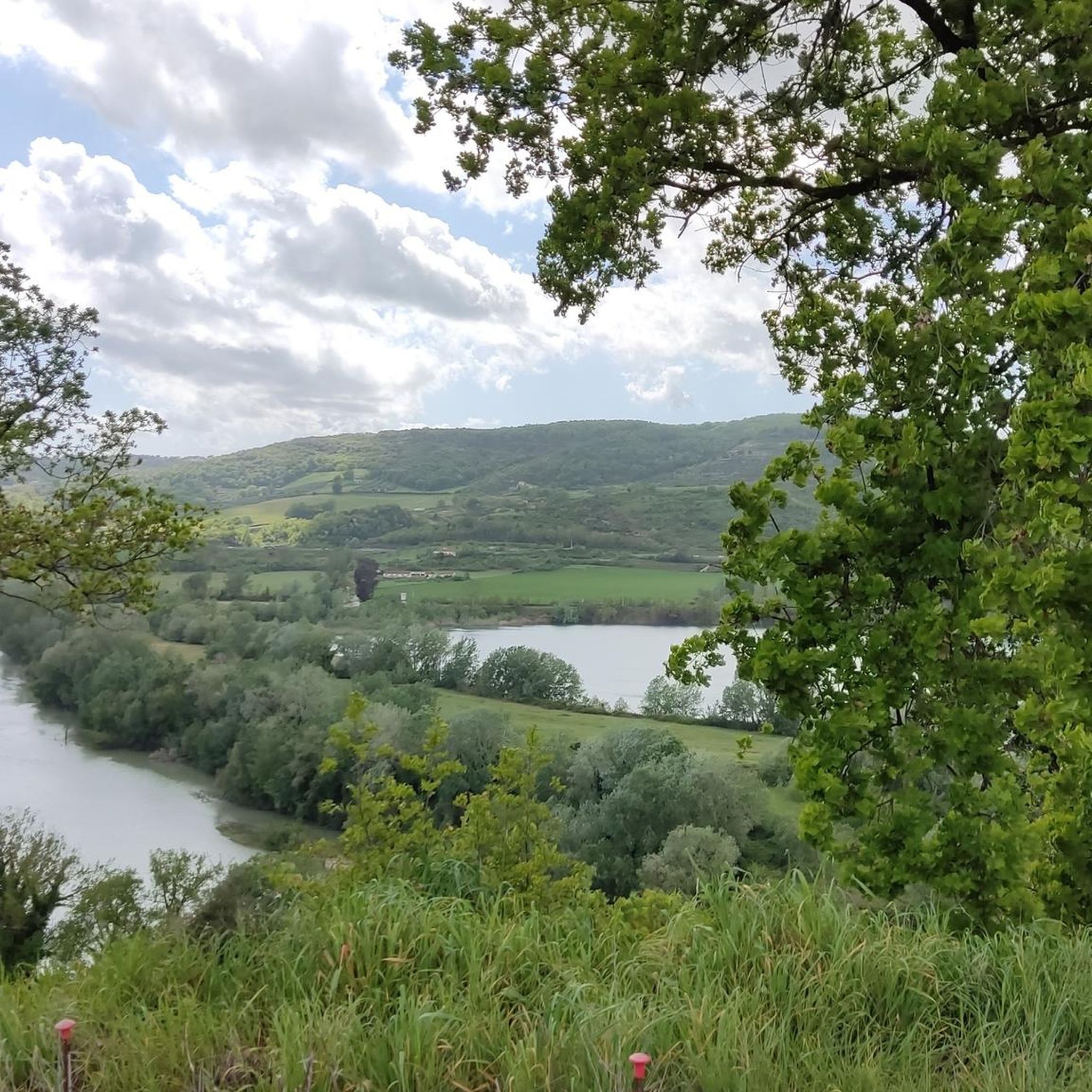
Between Calcata and Mazzano you can admire in several points ancient tombs and structures of the Etruscan people of the Falisci.
0
0

The Meri del Soratte are wells (three in total) that are connected to each other. Already known in the times of Pliny the Elder, these wells, according to him, are the gateway to the Kingdom of the Underworld.
1
0
This church was dedicated to the Saint of Todi. The peculiarity of this church consecrated in 1218 is that it was built inside a cave.
1
0

Faliscan necropolis 'Cavone del Monte Li Santi'
0
0
Frequently Asked Questions
What types of subterranean sites can I explore around Capena?
The Capena area offers a diverse range of subterranean sites, including natural karst phenomena like the Meri del Soratte Karst Sinkholes, historical necropolises with cave-like structures such as the Faliscan Necropolis Cavone of Monte Li Santi, and even unique architectural marvels like the Church of Santa Romana, which is built inside a cave.
Are there any unique natural phenomena to see in the Capena area?
Yes, the region is known for significant karst phenomena. The Gattaceca and Barco Nature Reserve, for instance, hosts the Pozzo del Merro, which is one of the deepest sinkholes in the world. The Meri del Soratte Karst Sinkholes are also notable for their deep, interconnected karst cavities.
Where can I find ancient historical sites with cave-like structures near Capena?
You can visit the Faliscan Necropolis Cavone of Monte Li Santi. This site features ancient tombs and structures of the Faliscan people, offering insight into their burial practices within these unique cave-like formations.
Is there a church built inside a cave around Capena?
Yes, the Church of Santa Romana is a distinctive site consecrated in 1218 and dedicated to the Saint of Todi. Its unique feature is that it was constructed entirely inside a cave.
What is the Gattaceca and Barco Nature Reserve known for?
The Gattaceca and Barco Nature Reserve is recognized for its rich botanical diversity and impressive karst phenomena. It spans about a thousand hectares and is home to various caves and sinkholes, including the famous Pozzo del Merro, one of the deepest sinkholes globally.
Are there any lesser-known caves worth exploring along trails?
Yes, you can discover the Caves Along the Trail. While slightly hidden and covered by bush, they offer an interesting observation point along the way for those exploring the natural paths.
Are the caves around Capena suitable for families?
Many of the natural sites, such as the Meri del Soratte Karst Sinkholes, are considered family-friendly with easy paths to follow. Always check specific access details for each location to ensure it meets your family's needs.
What level of difficulty can I expect when exploring caves near Capena?
The difficulty varies by site. Some locations, like the path to the Meri del Soratte Karst Sinkholes, are considered easy. Other sites, such as the Gattaceca and Barco Nature Reserve or the Faliscan Necropolis Cavone of Monte Li Santi, are rated as intermediate, suggesting a moderate level of physical activity or navigation might be required.
What should I wear when visiting caves in the Capena region?
When visiting caves, it's advisable to wear comfortable clothing suitable for walking or light hiking. Sturdy, closed-toe shoes with good grip are essential, as paths can be uneven or damp. Layers are recommended as cave temperatures can be cooler than outside, even in summer.
What is the best time of year to visit the caves around Capena?
Caves generally maintain a consistent temperature year-round, making them suitable for visiting in any season. However, for comfortable exploration of the surrounding natural areas and access paths, spring and autumn offer pleasant weather. Summer can be a good time to escape the heat, while winter visits are also possible, though some outdoor paths might be muddy.
What outdoor activities can I do near the caves around Capena?
The area around Capena offers various outdoor activities. You can find numerous routes for cycling, including difficult loops like 'Fiasco del Tevere – Castello di Nazzano loop from Capena'. There are also running trails, with options ranging from easy to moderate, such as the 'Running loop from Lucus Feroniae'. For road cyclists, there are road cycling routes like 'Torrita Tiberina Bridge – Tevere-Farfa Nature Reserve loop from Capena'.
Are there hiking opportunities near the caves?
Yes, the region provides opportunities for hiking. While specific hiking guides for caves aren't listed, the running trails around Capena can often be adapted for hiking. For example, you can explore moderate routes like the 'Castello ducale Orsini loop from Lucus Feroniae' which offers scenic paths through the landscape.
What do visitors particularly enjoy about the caves around Capena?
Visitors appreciate the blend of natural wonder and historical intrigue. The deep karst cavities of the Meri del Soratte Karst Sinkholes are often highlighted for their mythological significance, while the unique experience of visiting a church built inside a cave, like the Church of Santa Romana, is also a popular draw.
Most popular attractions around Capena

Get inspired with the komoot mobile app


Explore more
Extend your search for the best caves by checking out these guides of the top ones around Capena:
