Top 5 Caves around Rignano Flaminio
Caves around Rignano Flaminio primarily consist of historical underground structures rather than natural geological formations. The area is notable for its ancient catacombs, such as the Catacombs of Santa Teodora, which offer insights into early Christian history. Beyond archaeological sites, the surrounding landscape features karst phenomena and man-made rock-cut passages. These sites provide a unique exploration of both historical human activity and natural geological processes.
Best caves around Rignano Flaminio
- The most popular caves is Meri del Soratte Karst Sinkholes…
Last updated: July 13, 2026
Church of Santa Romana
Highlight • Religious Site
Translated by Google •
Tip by

Meri del Soratte Karst Sinkholes
Highlight • Cave
Translated by Google •
Tip by
Sign up now to discover places like this
Get recommendations on the best single tracks, peaks, & plenty of other exciting outdoor places.
Sign up for free
The Cavoni of Nepi
Highlight • Gorge
Translated by Google •
Tip by

Faliscan Necropolis Cavone of Monte Li Santi
Highlight • Historical Site
Translated by Google •
Tip by

Pagana Cave
Highlight • Cave
Translated by Google •
Tip by

Sign up for free to discover even more caves around Rignano Flaminio.
Sign up for free
Already have an account?
Start today with a free account
Your next adventure awaits.
Login or Signup

Tips from the Community

The hermitage of Santa Romana, in Sant’Oreste sul Monte Soratte, is a rock-hewn church carved into a cave on the northeast side of the mountain, in a wooded and very evocative setting. According to tradition, it was consecrated in 1218, but the site seems to have even older origins, perhaps also linked to pre-Christian cults. The site preserves remains of walls and ruins that show how the hermitage was larger than it appears today, as well as frescoes visible on the damp cave walls. Inside there is also a marble basin that collects water dripping from the rock, traditionally used for devotion by women who lacked milk,
0
0

The meri are very deep karst cavities. Easy path to follow. Start from the large Sant'Oreste car park, the one below the road. There are three of them, all close together. On the same path, a little further on, there is the church in the cave of Santa Romana, a beautiful place that deserves to be visited.
0
0


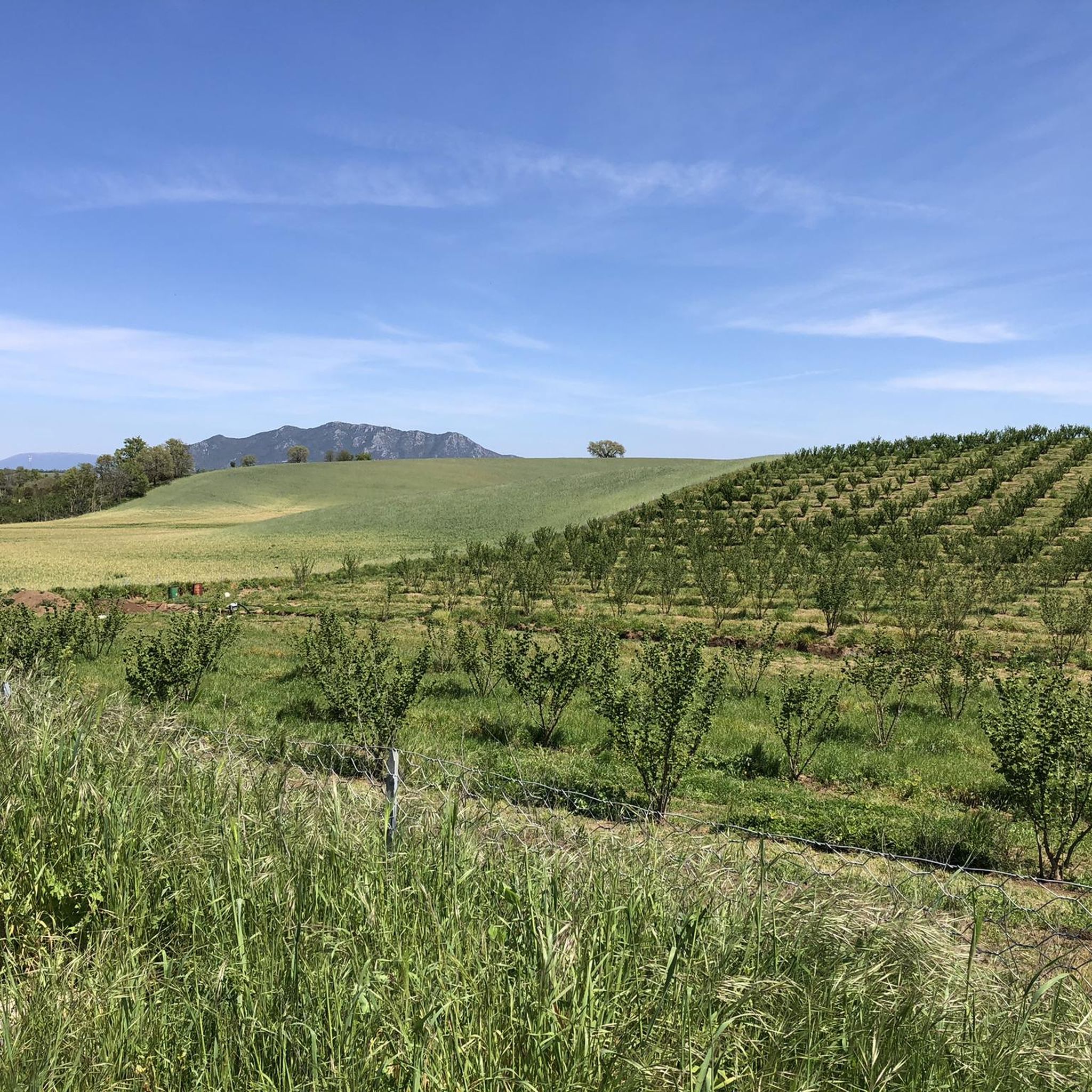
Unfortunately fenced, it runs alongside the road that passes next to the sport fishing lake. This whole area of the Veio park is wonderful
0
0

Between Calcata and Mazzano you can admire in several points ancient tombs and structures of the Etruscan people of the Falisci.
0
0

The Cavoni appear very similar to the gorges and are one of the most important examples of the impressive engineering works of the ancient Falisci civilization. The communication routes of this ancient people were dug by hand in the tuff.
4
0

Impressive hand-carved rock paths. 3000 years old!!!
0
0

The Meri del Soratte are wells (three in total) that are connected to each other. Already known in the times of Pliny the Elder, these wells, according to him, are the gateway to the Kingdom of the Underworld.
1
0
Frequently Asked Questions
What types of underground sites can I explore around Rignano Flaminio?
The Rignano Flaminio area is rich in historical underground structures rather than natural geological caves. You can explore ancient catacombs, such as the Catacombs of Santa Teodora, which offer insights into early Christian history. There are also man-made rock-cut passages like The Cavoni of Nepi, and natural karst phenomena like the Meri del Soratte Karst Sinkholes.
Are there natural caves or karst formations to visit near Rignano Flaminio?
Yes, the region features natural karst phenomena. The Meri del Soratte Karst Sinkholes are deep karst cavities on Mount Soratte, known since ancient times. You can also find the Pagana Cave, another natural cave in the area.
What historical underground sites are available for exploration?
The most significant historical site is the Catacombs of Santa Teodora, located beneath the cemetery of Rignano Flaminio. These ancient catacombs span approximately 270 to 300 meters and contain around 900 burials, offering a unique glimpse into early Christian history. Additionally, you can visit the Faliscan Necropolis Cavone of Monte Li Santi, an ancient Faliscan necropolis with Etruscan tombs.
Can I visit ancient rock-cut passages or necropolises?
Absolutely. The Cavoni of Nepi are impressive hand-carved rock paths, representing 3000-year-old communication routes created by the ancient Falisci civilization. The Faliscan Necropolis Cavone of Monte Li Santi also allows you to observe ancient Etruscan tombs and structures.
Are there any family-friendly underground attractions?
The Meri del Soratte Karst Sinkholes are considered family-friendly, offering an easy path to follow. The Catacombs of Santa Teodora also welcome visitors, often with guided tours, which can be an educational experience for families, though booking in advance is recommended.
How can I visit the Catacombs of Santa Teodora?
Visits to the Catacombs of Santa Teodora are typically accompanied by guided tours, which are often free. These tours are organized by the Pro Loco of Rignano Flaminio. It is highly recommended to book in advance as availability may be limited.
What outdoor activities can I do near these underground sites?
The area around Rignano Flaminio offers various outdoor activities. You can find numerous routes for gravel biking, hiking, and cycling. Many of these routes pass by natural and historical points of interest, including Mount Soratte and the Treja River.
Are there hiking trails that lead to or near these caves?
Yes, there are several hiking trails in the vicinity. For example, a moderate hiking route leads to the Hermitage of Saint Sylvester on Mount Soratte, which is close to the Meri del Soratte Karst Sinkholes and the Church of Santa Romana, which is built inside a cave. You can find more hiking options in the Hiking around Rignano Flaminio guide.
Is there a church built inside a cave in this region?
Yes, the Church of Santa Romana is a unique historical site consecrated in 1218 and built inside a cave. It's located near the Meri del Soratte Karst Sinkholes and is a beautiful place to visit.
What do visitors appreciate most about the underground sites near Rignano Flaminio?
Visitors often appreciate the unique blend of history and natural beauty. The detailed epigraphs in the Catacombs of Santa Teodora offer a direct connection to past inhabitants, while the ancient engineering of The Cavoni of Nepi and the geological wonder of the Meri del Soratte Karst Sinkholes are highly valued. The opportunity to explore a subterranean world rich in history, faith, and traditions is a major draw.
Are there any other notable underground attractions nearby, even if not natural caves?
While not a natural cave, the Bunker Soratte is another significant underground attraction near Rignano Flaminio. It's a man-made structure with a different historical context, and shuttle services are available from Rignano Flaminio for visits.
Most popular routes around Rignano Flaminio
Most popular attractions around Rignano Flaminio

Get inspired with the komoot mobile app


Explore more
Extend your search for the best caves by checking out these guides of the top ones around Rignano Flaminio:
