Top 5 Lakes around Caporciano
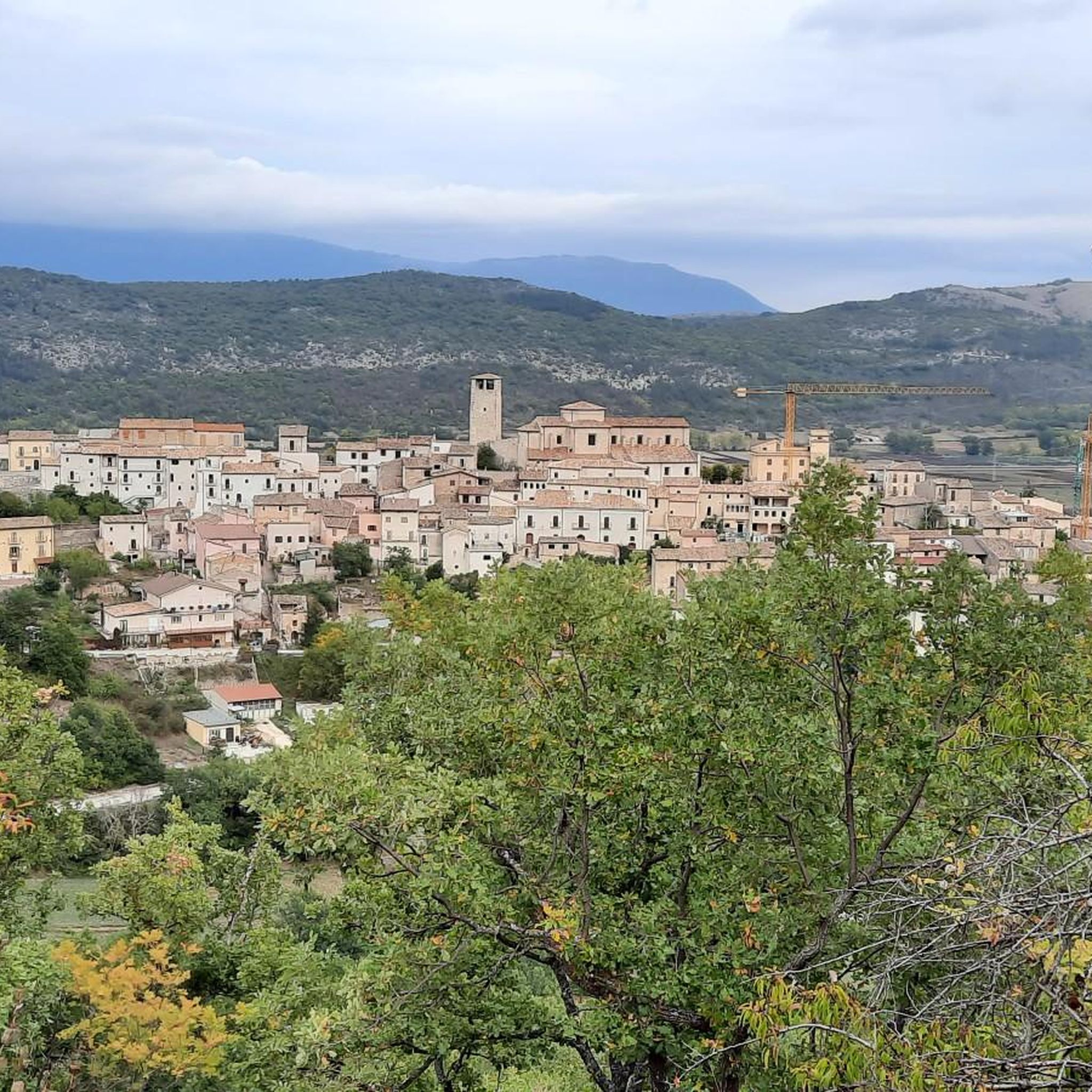
Best lakes around Caporciano are found in the broader Abruzzo region of southern Italy, as Caporciano itself is primarily known for historical and architectural features. This area, located in the province of L'Aquila, offers a diverse natural landscape. The region features significant lakes that provide various natural beauty and recreational opportunities.
Best lakes around Caporciano
- The most popular lakes is Lake Capodacqua, an artificial lake that originates from a spring feeding the Tirino river. Environmental protection in the area…
Last updated: July 13, 2026
Lake Capodacqua
Highlight • Lake
Translated by Google •
Tip by

Pozzo Caldaio
Highlight • Natural Monument
Tip by

Sign up now to discover places like this
Get recommendations on the best single tracks, peaks, & plenty of other exciting outdoor places.
Sign up for free
Lago del Sirente (Meteorite Crater)
Highlight • Lake
Translated by Google •
Tip by

Start today with a free account
Your next adventure awaits.
Login or Signup

Tips from the Community

The environmental protection provided by the park prohibits snorkeling and even just bathing, the only activity allowed is the diving organized by the Atlantide diving school, the only holder of the authorizations for guided diving and which manages the lake and guarantees a lower impact on the tranquility of the fauna that comes to winter in the lake during migrations.
0
0

The picturesque lake of Capodacqua, an artificial jewel of Abruzzo, originates from the spring of the same name, one of the three sources that feed the Tirino river. A landscape gem that testifies to the beauty and majesty of nature in this region.
1
0

The artificial lake from which the Tirino river originates is easily accessible at any time of the year, preferably from spring onwards when it is possible to make excursions on the lake by boat Calipso to admire its backdrop.
0
0

"Among the various karst manifestations, in the closed basin of Rocca di Cambio, the Terranera sinkhole, the so-called Pozzo Caldaio, is of considerable interest, where the waters of the plain disappear, only to reappear, further east, in the resurgence of the Caves by Stiffe, "cit
1
0

A pond with a dubious history behind it ... artificial or natural?
0
0

At this sign you will find the access to get to the body of water of Pozzo Caldaio. From this point you do not see the lake, but just walk for about 50 meters in the meadow to be able to visit it.
2
0

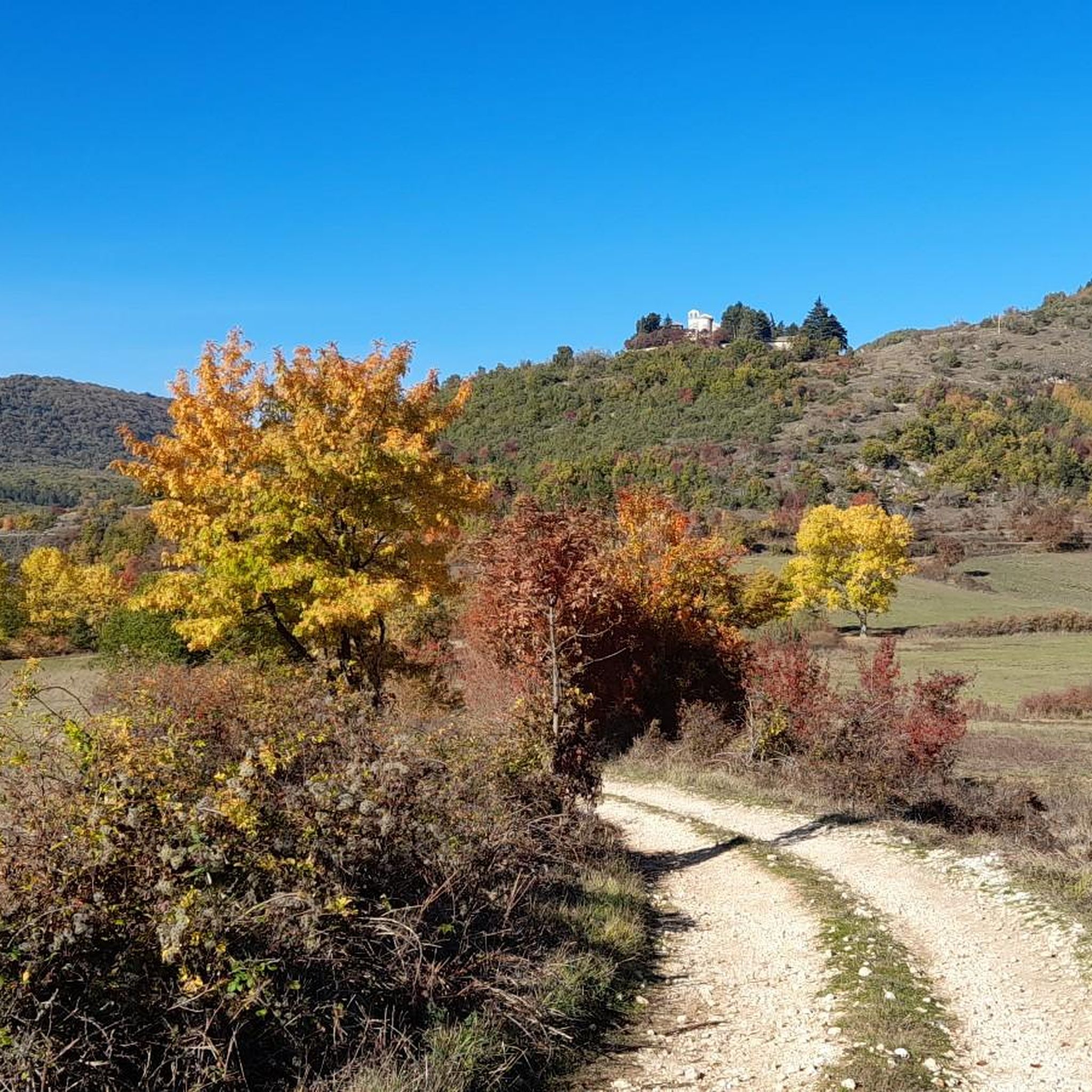
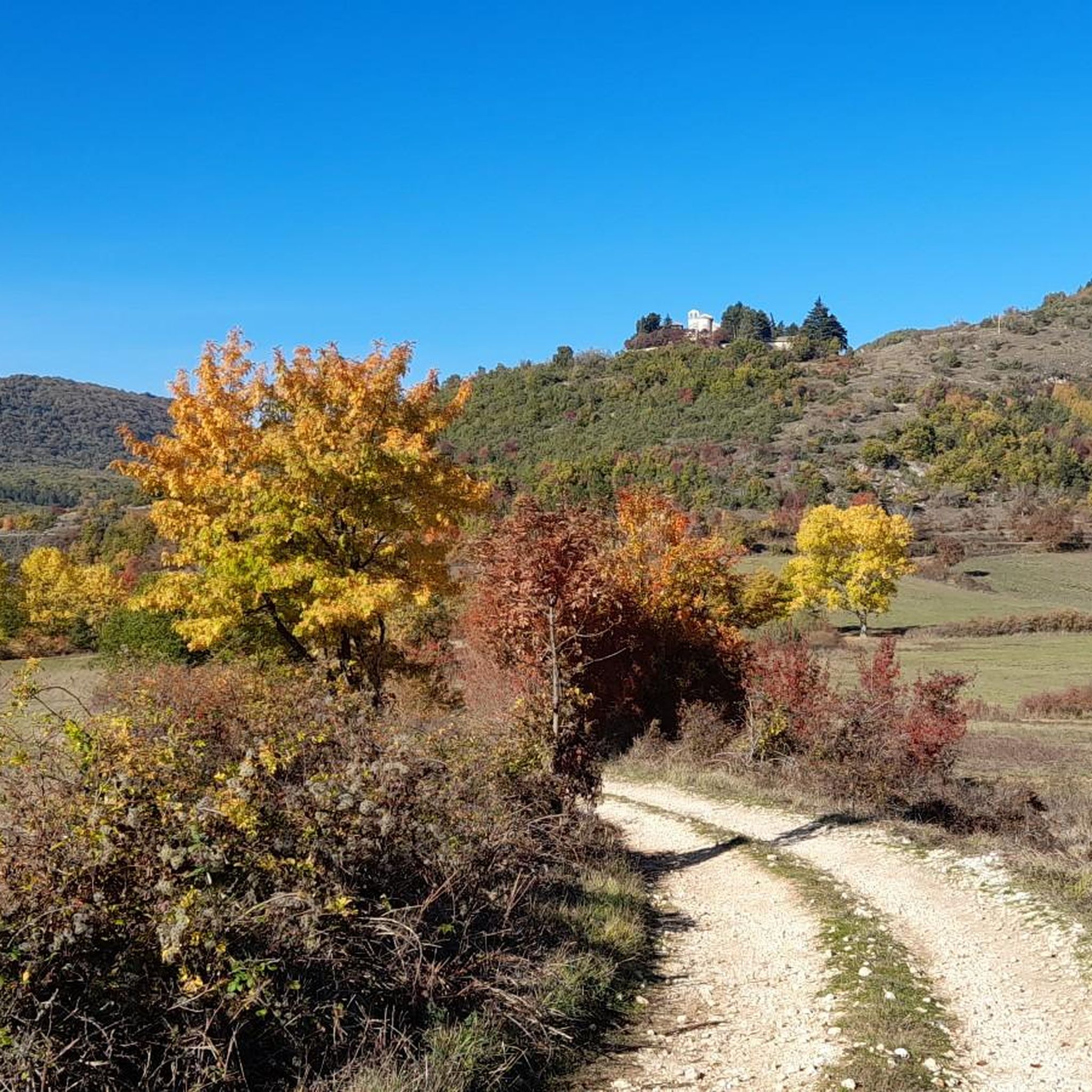
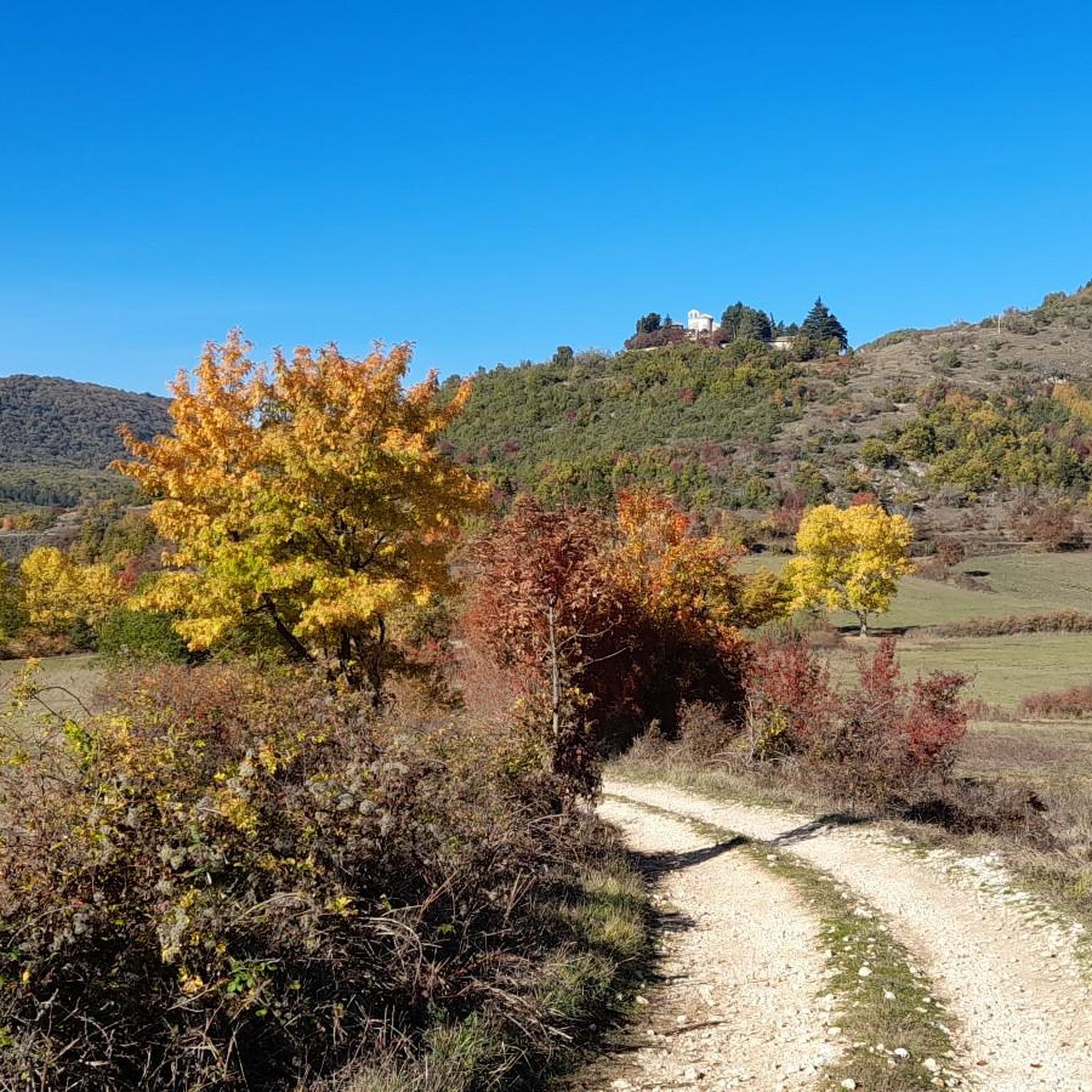
Along the provincial road that connects the town of Secinaro to the Rocca di Mezzo one, you pass at the foot of the Piana del Sirente located at 1100 meters above sea level. In this magnificent scenery placed under the "dolomitic" peak of Monte Sirente (2349 meters), there is the so-called "Sirente Lake", a circular crater of about 140 meters in diameter of meteoritic origin. According to some scholars, between the 4th and 5th centuries AD. c. a meteorite with a diameter of about 10 meters fell on the plateau of the Apennine mountains causing the formation of the small lake. An important historical fact of the time is linked to this event, namely that of the clash between the Roman emperor Constantine against Maxentius: it is said that the emperor, before the battle of Ponte Milvio, saw a glow from heaven which he interpreted as a divine sign sent to him. by God promising that, in case of victory, he would convert to Christianity and with him the entire Roman empire. So it happened and many scholars maintain that that "divine sign from heaven" was the meteorite that fell on Mount Sirente.
0
0

Impact point of an ancient meteorite located on the plateau, it is definitely worth a visit
0
0
Frequently Asked Questions
What unique natural features can I find among the lakes near Caporciano?
The lakes around Caporciano offer diverse natural wonders. You can visit Lago del Sirente (Meteorite Crater), a circular lake believed to be formed by a meteorite impact. There's also Pozzo Caldaio, a natural water surface that feeds the Grotte di Stiffe waterfalls. Further afield in the Abruzzo region, you'll find Lago Pietranzoni, a small glacial lake on the Campo Imperatore plateau, and the distinctive 'Y' shaped Campotosto Lake, the largest man-made lake in the region.
Are there any family-friendly lakes in the Caporciano area?
Yes, Lake Capodacqua is considered family-friendly. While bathing is prohibited for environmental protection, organized diving is available, and the picturesque setting is enjoyable for all ages. The lake is easily accessible, especially from spring onwards.
What kind of outdoor activities can I do around the lakes near Caporciano?
The region offers various outdoor activities. Around Campotosto Lake, a 40-kilometer path is popular for walking and cycling. For more structured activities, you can explore numerous running and cycling routes in the broader area. For example, you can find running trails like the 'Ascent to Monte Sirente from the Chalet' or road cycling routes such as 'From Tione degli Abruzzi in the Sirente-Velino park – Ring tour'. You can find more details on these routes in the Running Trails around Caporciano and Road Cycling Routes around Caporciano guides.
Can I swim in the lakes near Caporciano?
Swimming conditions vary by lake. At Lake Capodacqua, for instance, environmental protection prohibits general bathing. The only allowed activity is organized diving through authorized schools. For other natural lakes, it's advisable to check local regulations or signage before attempting to swim.
Which lakes are best for hiking near Caporciano?
Many lakes offer hiking opportunities. Lago Pietranzoni on the Campo Imperatore plateau is a popular stop for hikers exploring mountain trails. The 40-kilometer path around Campotosto Lake is also excellent for longer walks. For specific hiking routes in the region, you can consult guides like Running Trails around Caporciano, which includes trails like 'Rocca Calascio and Monte delle Croci Loop' that offer scenic views.
Is there a good time of year to visit the lakes around Caporciano?
The best time to visit depends on your interests. From spring onwards, Lake Capodacqua is ideal for boat excursions. In the fall, Campotosto Lake is particularly stunning as visitors come to admire the vibrant foliage in the surrounding forests. In winter, Campotosto Lake completely freezes over, offering a unique landscape.
What is the 'heart-shaped' lake near Caporciano?
The famous heart-shaped lake is Scanno Lake, the largest natural lake in Abruzzo. It's nestled at 930 meters above sea level amidst beautiful woods and forests, making it a picturesque destination.
Are there any lakes known for their historical significance or interesting origins?
Yes, Lago del Sirente (Meteorite Crater) is notable for its unique origin, believed by some scholars to be an impact point of an ancient meteorite. Campotosto Lake, while man-made, has historical significance as it was formed by the construction of three dikes in the 1930s and 40s for hydroelectric power.
What wildlife can be observed around the lakes?
The lakes and surrounding areas are home to various wildlife. For example, Lake Capodacqua is known to attract fauna during migrations, making it a tranquil spot for observing birds and other creatures.
How can I explore the area around the lakes by bike?
The region offers numerous cycling opportunities. The path around Campotosto Lake is popular for cycling. For more extensive routes, you can explore options like 'Campo Imperatore Plateau – Santo Stefano di Sessanio loop from San Pio delle Camere' or 'Dirt Roads of Valle del Tirino – Old Watermill at San Martino loop from Navelli'. These and other routes can be found in the Cycling around Caporciano guide.
What makes Lago Pietranzoni unique?
Lago Pietranzoni is a small, glacial lake located at 1,660 meters on the Campo Imperatore plateau. Known as the 'mirror of Abruzzo,' its size fluctuates seasonally with rainfall and snowmelt. It serves as a vital water source for transiting flocks and is a scenic stop for hikers.
Most popular attractions around Caporciano

Get inspired with the komoot mobile app


Explore more
Still not found your perfect lake around Caporciano? Check out the guides of these regions to see even more beautiful places.
