Top 5 Caves around Sant'Oreste
Caves around Sant'Oreste are primarily found on Mount Soratte, a region characterized by distinctive geological features and a rich history. The area features natural karst pits, ancient hermitage caves, and extensive man-made tunnels. These subterranean sites offer insights into geological formations, historical religious practices, and 20th-century military strategy.
Best caves around Sant'Oreste
- The most popular caves is Meri del Soratte Karst Sinkholes, a cave that features deep karst cavities. These wells are connected and were known in ancient times…
Last updated: October 2, 2026
Church of Santa Romana
Highlight • Religious Site
Translated by Google •
Tip by

Meri del Soratte Karst Sinkholes
Highlight • Cave
Translated by Google •
Tip by
Sign up now to discover places like this
Get recommendations on the best single tracks, peaks, & plenty of other exciting outdoor places.
Faliscan Necropolis Cavone of Monte Li Santi
Highlight • Historical Site
Translated by Google •
Tip by

Pagana Cave
Highlight • Cave
Translated by Google •
Tip by

Cave and Ruins of Pizzo Jella
Highlight • Cave
Translated by Google •
Tip by

Start today with a free account
Your next adventure awaits.
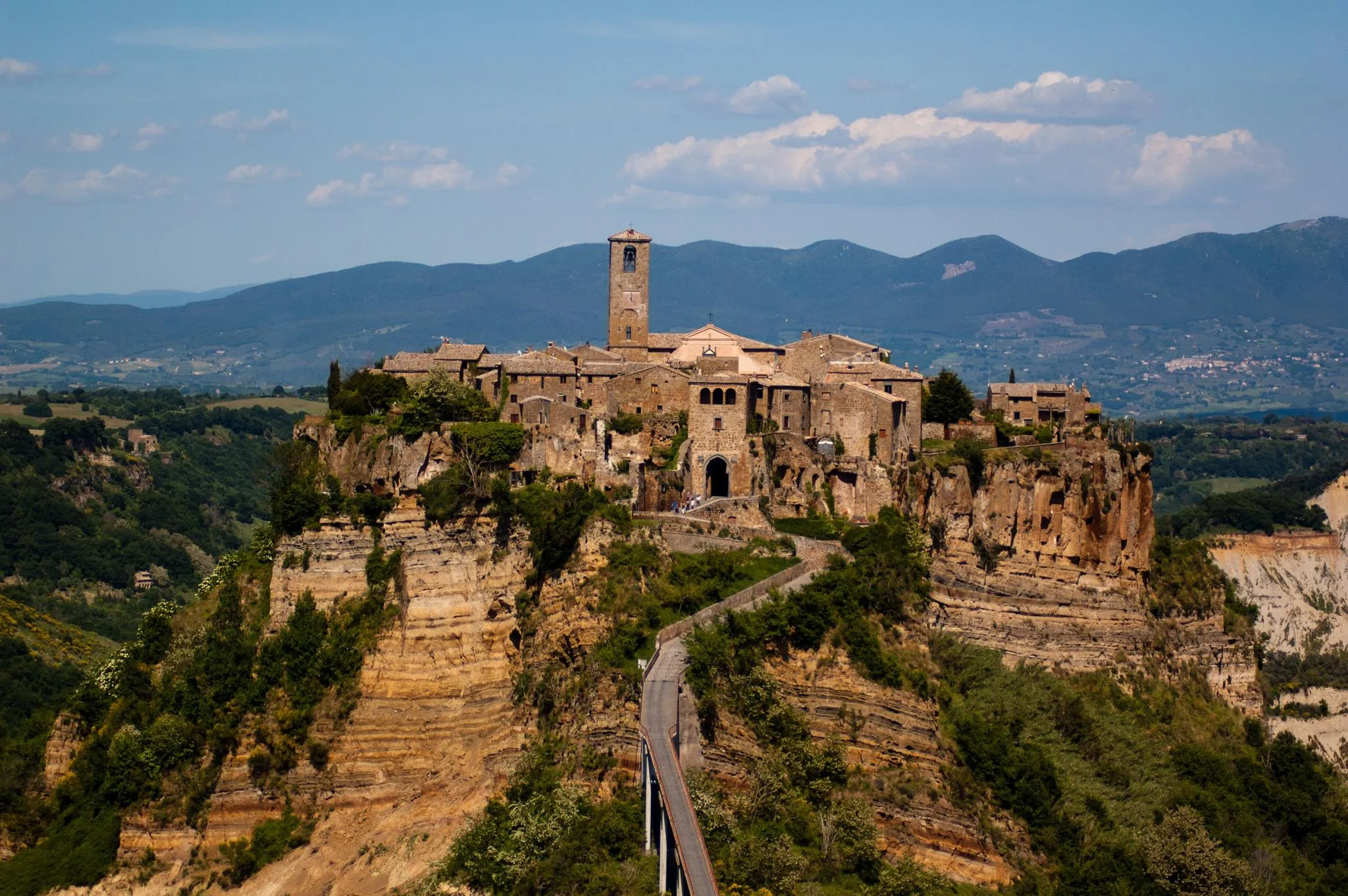
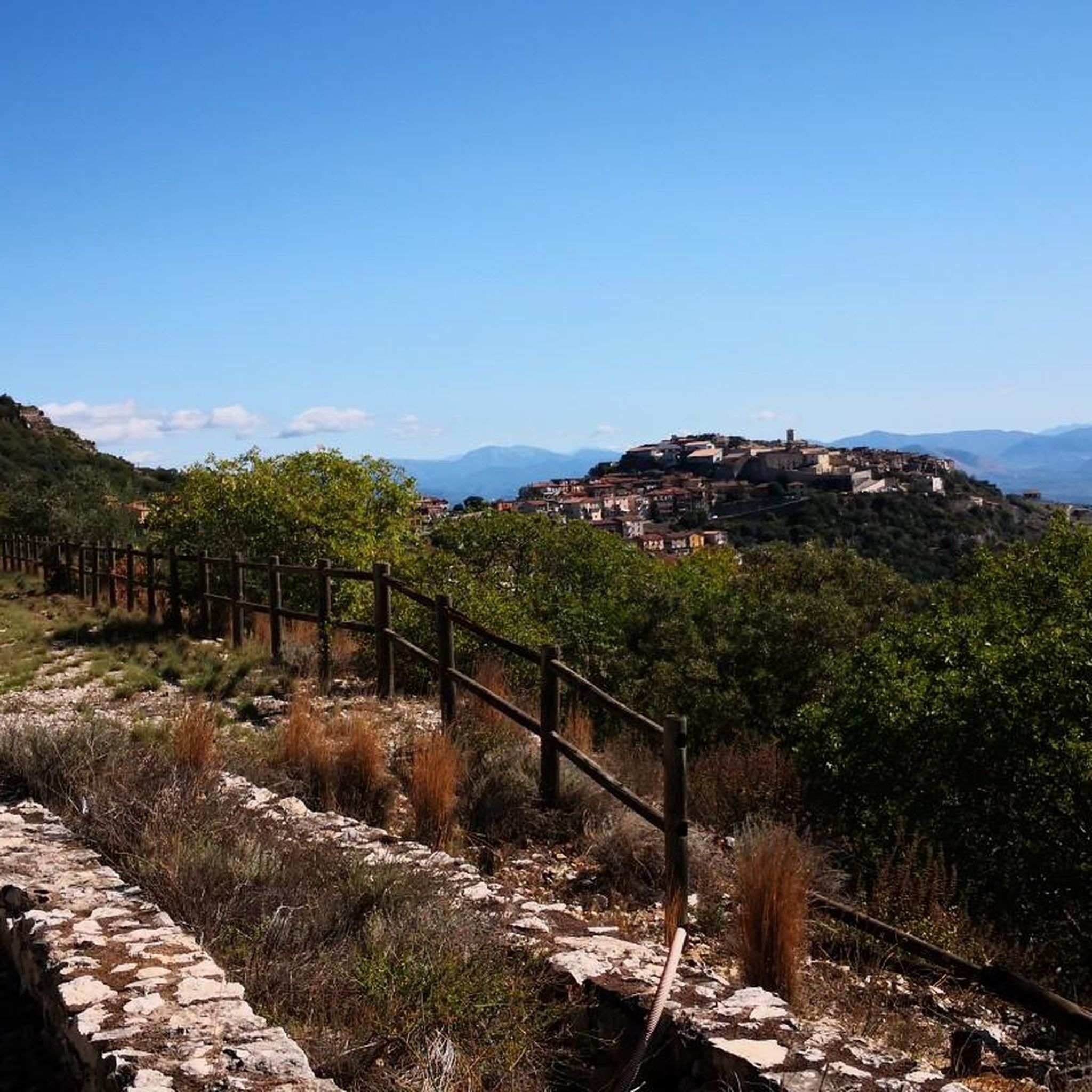
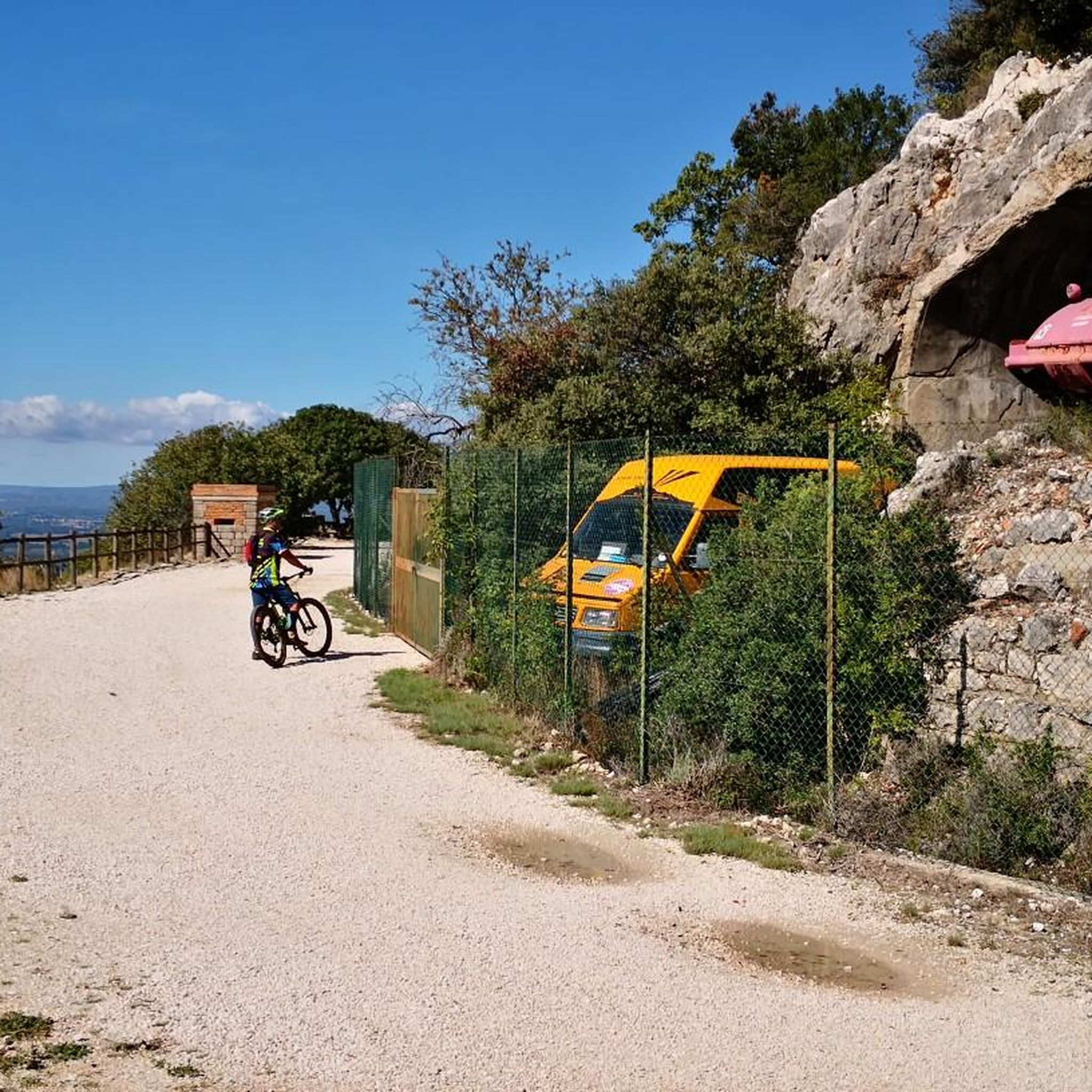
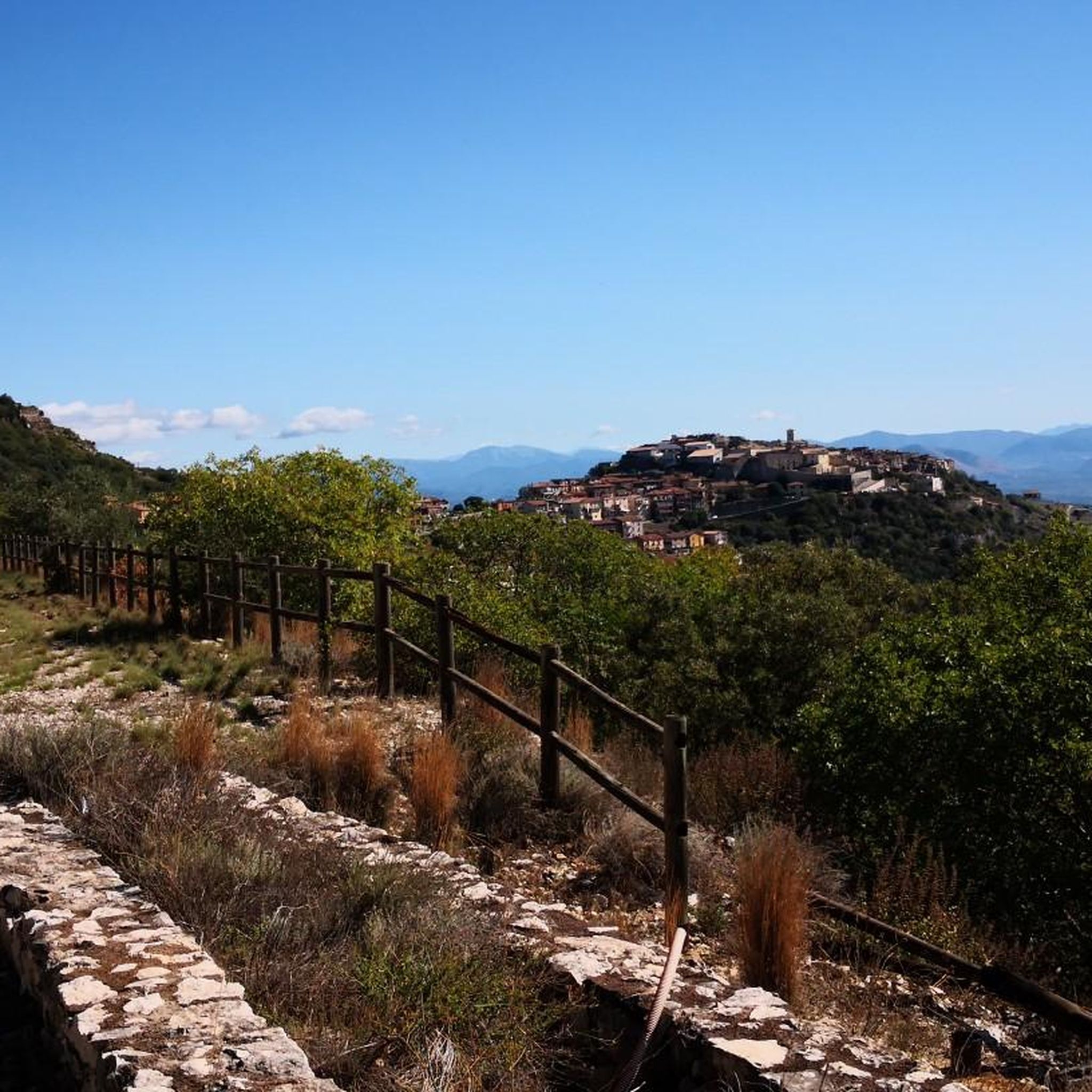

Other adventures around Sant'Oreste

Tips from the Community

The hermitage of Santa Romana, in Sant’Oreste sul Monte Soratte, is a rock-hewn church carved into a cave on the northeast side of the mountain, in a wooded and very evocative setting. According to tradition, it was consecrated in 1218, but the site seems to have even older origins, perhaps also linked to pre-Christian cults. The site preserves remains of walls and ruins that show how the hermitage was larger than it appears today, as well as frescoes visible on the damp cave walls. Inside there is also a marble basin that collects water dripping from the rock, traditionally used for devotion by women who lacked milk,
0
0

The meri are very deep karst cavities. Easy path to follow. Start from the large Sant'Oreste car park, the one below the road. There are three of them, all close together. On the same path, a little further on, there is the church in the cave of Santa Romana, a beautiful place that deserves to be visited.
0
0

Unfortunately fenced, it runs alongside the road that passes next to the sport fishing lake. This whole area of the Veio park is wonderful
0
0

Between Calcata and Mazzano you can admire in several points ancient tombs and structures of the Etruscan people of the Falisci.
0
0

The Meri del Soratte are wells (three in total) that are connected to each other. Already known in the times of Pliny the Elder, these wells, according to him, are the gateway to the Kingdom of the Underworld.
1
0
This church was dedicated to the Saint of Todi. The peculiarity of this church consecrated in 1218 is that it was built inside a cave.
1
0

Faliscan necropolis 'Cavone del Monte Li Santi'
0
0

Before arriving at the gorge, turn into a small path n.5 on the right ... with Mount Soratte always in front of you
0
0
Frequently Asked Questions
What are the main types of subterranean sites found around Sant'Oreste?
The Sant'Oreste area, particularly Mount Soratte, features a diverse range of underground attractions. These include natural karst pits known as 'Meri,' ancient hermitage caves with religious significance, and extensive man-made tunnels that served military purposes during the 20th century.
Are there any historical or religious caves to visit near Sant'Oreste?
Yes, Mount Soratte is home to several caves historically used as hermitages and religious sites. A notable example is the Church of Santa Romana, a rupestrian church built within a karstic cave, consecrated in 1218. Other hermitage caves like Grotta di Santa Lucia also exist, offering a blend of natural wonder and spiritual history.
Can I explore military bunkers or tunnels in the Sant'Oreste area?
Yes, Mount Soratte contains an extensive network of man-made tunnels known as the Mount Soratte Bunkers. These were initially built as air-raid shelters, later served as German army headquarters during WWII, and were converted into Cold War-era nuclear fallout shelters. They offer a compelling glimpse into 20th-century history. You can find more information about the Bunker Soratte on Atlas Obscura.
What geological features characterize the natural caves of Mount Soratte?
The natural caves of Mount Soratte are primarily characterized by deep karst pits, locally known as 'Meri.' These vertical shafts and underground drainage systems formed during the Triassic Age, with some reaching depths of up to 115 meters. The Meri del Soratte Karst Sinkholes are a prime example, known in ancient times as a gateway to the underworld.
Are there family-friendly cave experiences near Sant'Oreste?
While many natural caves in the area require caution, some sites offer accessible paths. For instance, the path to the Meri del Soratte Karst Sinkholes is described as easy to follow. When planning a family visit, it's advisable to check specific accessibility and safety information for each site.
What is the typical difficulty level for exploring caves in Sant'Oreste?
The difficulty level varies significantly. Natural karst pits like the Meri are generally suitable for experienced speleologists due to their depth. However, the paths leading to some sites, such as the Meri themselves or the Church of Santa Romana, are often described as intermediate or easy to follow. Man-made bunkers might offer a different, more structured exploration experience.
What outdoor activities can I combine with a cave visit near Sant'Oreste?
The area around Sant'Oreste and Mount Soratte offers various outdoor activities. You can find numerous running trails, including the 'Monte Soratte Loop' or the 'Monte Soratte Bunker – Hermitage of Santa Lucia loop.' For mountain biking enthusiasts, there are trails like the 'Monte Soratte Summit loop.' Road cycling routes, such as the 'Villages of the Treja Valley Loop,' are also popular. Explore more options on the Running Trails around Sant'Oreste, MTB Trails around Sant'Oreste, and Road Cycling Routes around Sant'Oreste guide pages.
Are there guided tours available for the caves and bunkers?
While the guide data does not specify guided tours for all cave sites, historical sites like the Mount Soratte Bunkers often have organized tours or specific opening hours. For natural karst features, guided speleological excursions might be available through local clubs or organizations. It's recommended to check with local tourism offices or specific site websites for tour availability.
What do visitors particularly enjoy about the caves in Sant'Oreste?
Visitors appreciate the unique blend of natural beauty, historical significance, and cultural heritage. The deep karst cavities of the Meri are fascinating for their geological formation and ancient myths. The Church of Santa Romana is admired for its unique setting within a cave and its historical frescoes. The Faliscan Necropolis offers insights into ancient Etruscan culture. The overall experience provides a glimpse into both natural wonders and human history.
Is there parking available near the cave sites?
Yes, for some popular sites, parking is available. For instance, visitors to the Meri del Soratte and the Church of Santa Romana can start from a large car park in Sant'Oreste. It's advisable to check specific directions and parking options for each individual cave or site you plan to visit.
Are there any ancient archaeological sites with cave features in the region?
Yes, the Faliscan Necropolis Cavone of Monte Li Santi is a significant historical site. Here, visitors can explore ancient tombs and structures belonging to the Etruscan people of the Falisci, offering a unique archaeological experience within a cave-like setting.
What should I wear or bring when visiting caves in Sant'Oreste?
Given the varied nature of the sites, it's best to be prepared. For natural caves and karst pits, wear sturdy hiking shoes with good grip, and bring a headlamp or flashlight. Layers of clothing are recommended as cave temperatures can be cooler. For historical sites or bunkers, comfortable walking shoes are usually sufficient. Always carry water and any personal necessities.
What is the best time of year to visit the caves around Sant'Oreste?
The Monte Soratte Nature Reserve, where many of these sites are located, boasts diverse flora and fauna, making spring and autumn pleasant for outdoor exploration. These seasons offer milder temperatures, ideal for hiking to cave entrances and exploring the surrounding natural environment. Summer can be hot, while winter might bring colder, potentially wetter conditions, especially inside caves.
Most popular routes around Sant'Oreste
Most popular attractions around Sant'Oreste

Get inspired with the komoot mobile app


Explore more
Extend your search for the best caves by checking out these guides of the top ones around Sant'Oreste:
