Top 5 Castles around Pontedassio
Best castles around Pontedassio are found in the Province of Imperia, offering a glimpse into Liguria's rich history. The region features notable historical fortifications and fortified medieval villages, providing insights into past strategic importance and architectural heritage. These sites are often situated on hillsides, offering historical exploration amidst scenic views of the surrounding landscape.
Best castles around Pontedassio
- The most popular castles is Castello di Andora, a castle that consists of the ruins of walls and defense towers from…
Last updated: June 29, 2026
Diano Castello
Highlight • Settlement
Translated by Google •
Tip by

Castello di Andora
Highlight • Castle
Translated by Google •
Tip by

Sign up now to discover places like this
Get recommendations on the best single tracks, peaks, & plenty of other exciting outdoor places.
Sign up for free
Bestagno Castle
Highlight • Castle
Translated by Google •
Tip by

Prelà Castle Ruins
Highlight • Castle
Translated by Google •
Tip by
Ancient Cobblestone Path and Ruins of Vasia Castle
Highlight • Castle
Translated by Google •
Tip by
Sign up for free to discover even more castles around Pontedassio.
Sign up for free
Already have an account?
Start today with a free account
Your next adventure awaits.
Login or Signup

Tips from the Community

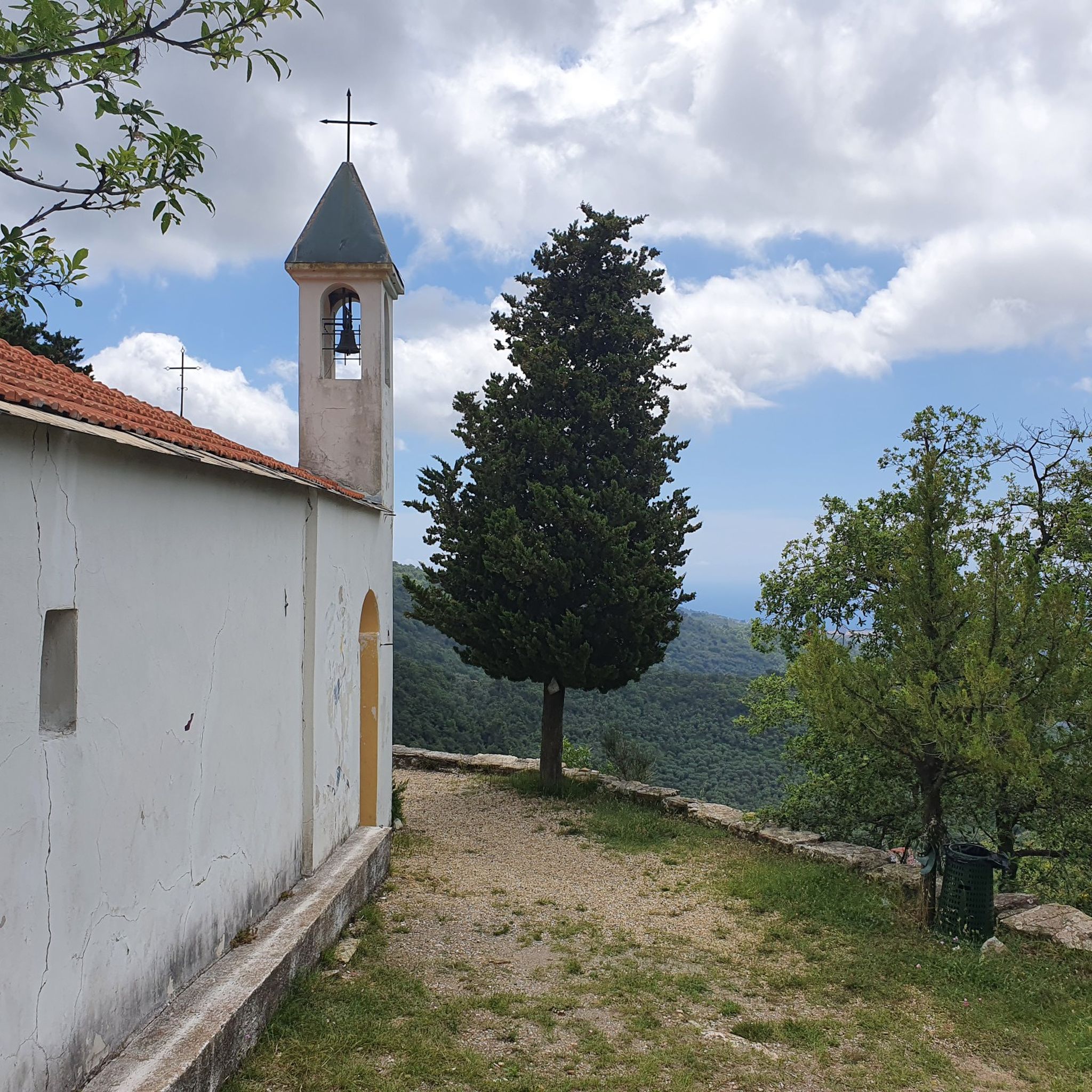
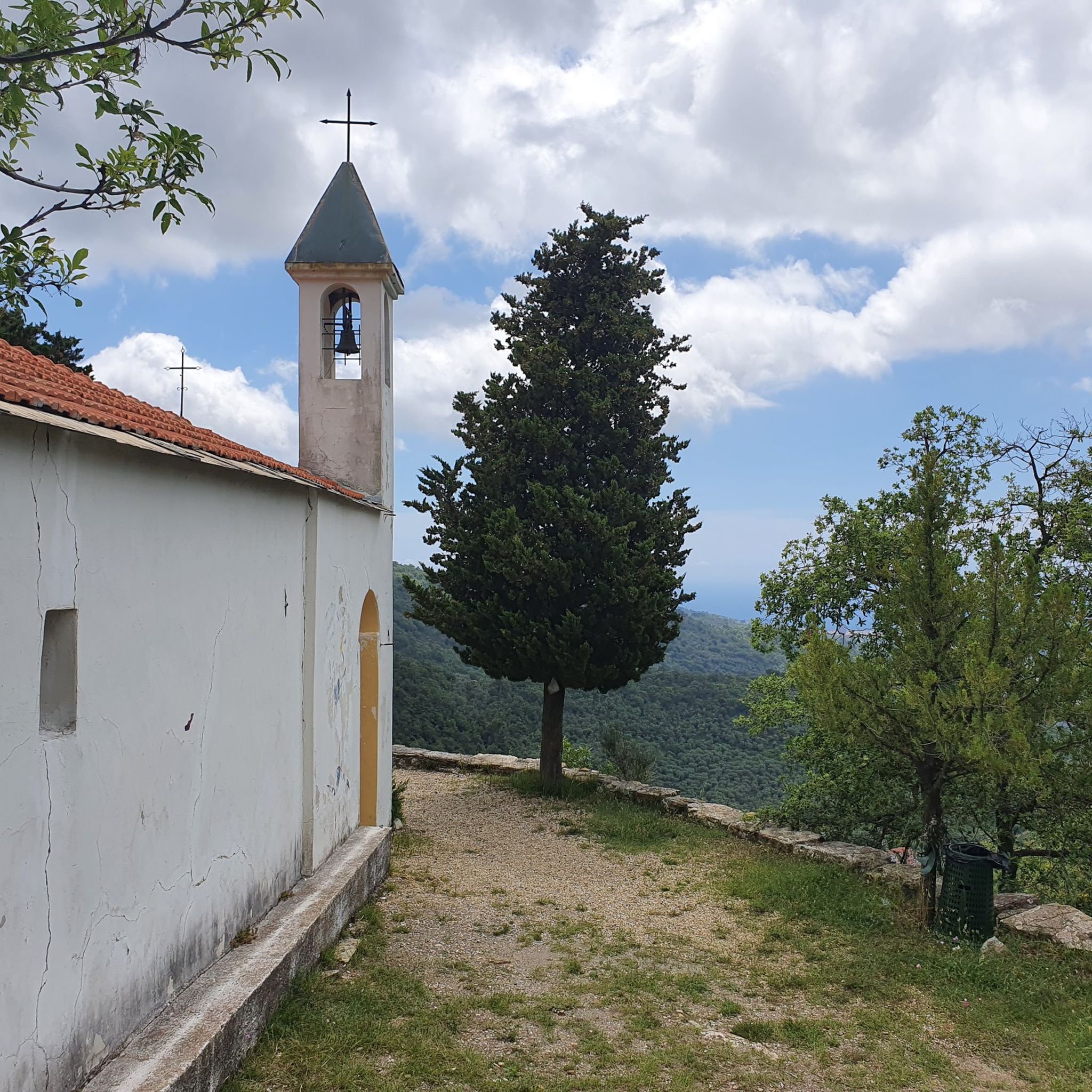
Diano Castello is the most beautiful village in the valley. It still preserves its medieval nature. At the beginning of the village, note the fresco of the siege of the Dianese Valley by the Pisans.
0
0
The castle is built on masonry structures from various periods between the 12th and 14th centuries, which bear the signs of destruction by the Spanish in 1611. An ancient stronghold and the scene of fierce battles, it constitutes, at least in its original layout, an excellent example of medieval military architecture from the 12th century. The construction of the castle probably dates back to the first half of the 10th century.
0
0

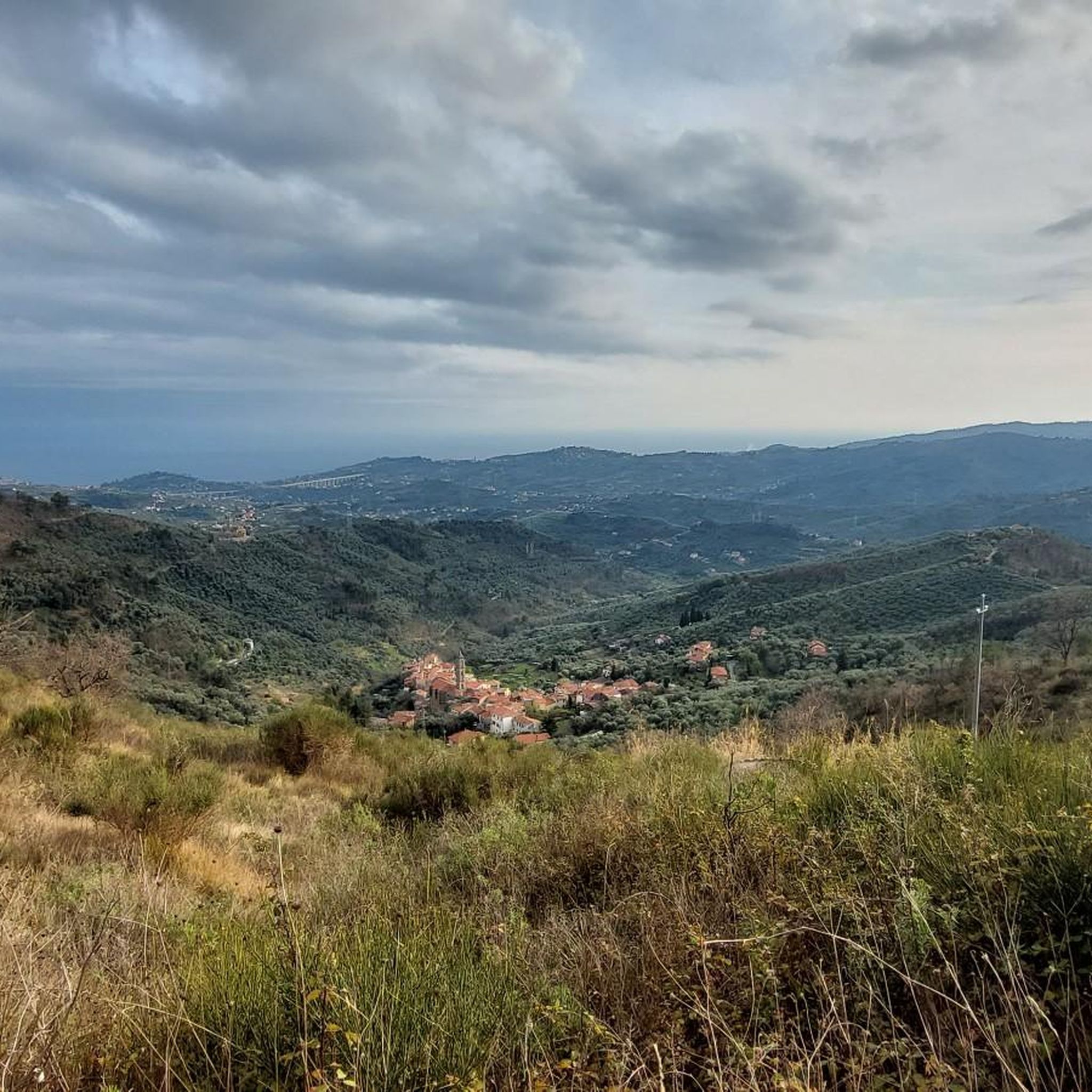
Wonderful View over Diano Marina and Cervo! With the bike, the car or the bus you can climb the hill. But it is definitely worth it👍
0
0
This trait Brevisismo has recently been redone as it once was, that is, with stones positioned cut and stuck together, without concrete. The result is one of the few occasions to see how the mule tracks used to be, when they were still well maintained, without weeds and years of neglect. In addition, from here you can take excellent photos of the town, the castle and towards Vasia PS: you can go down on foot, gravel or MTB
0
0
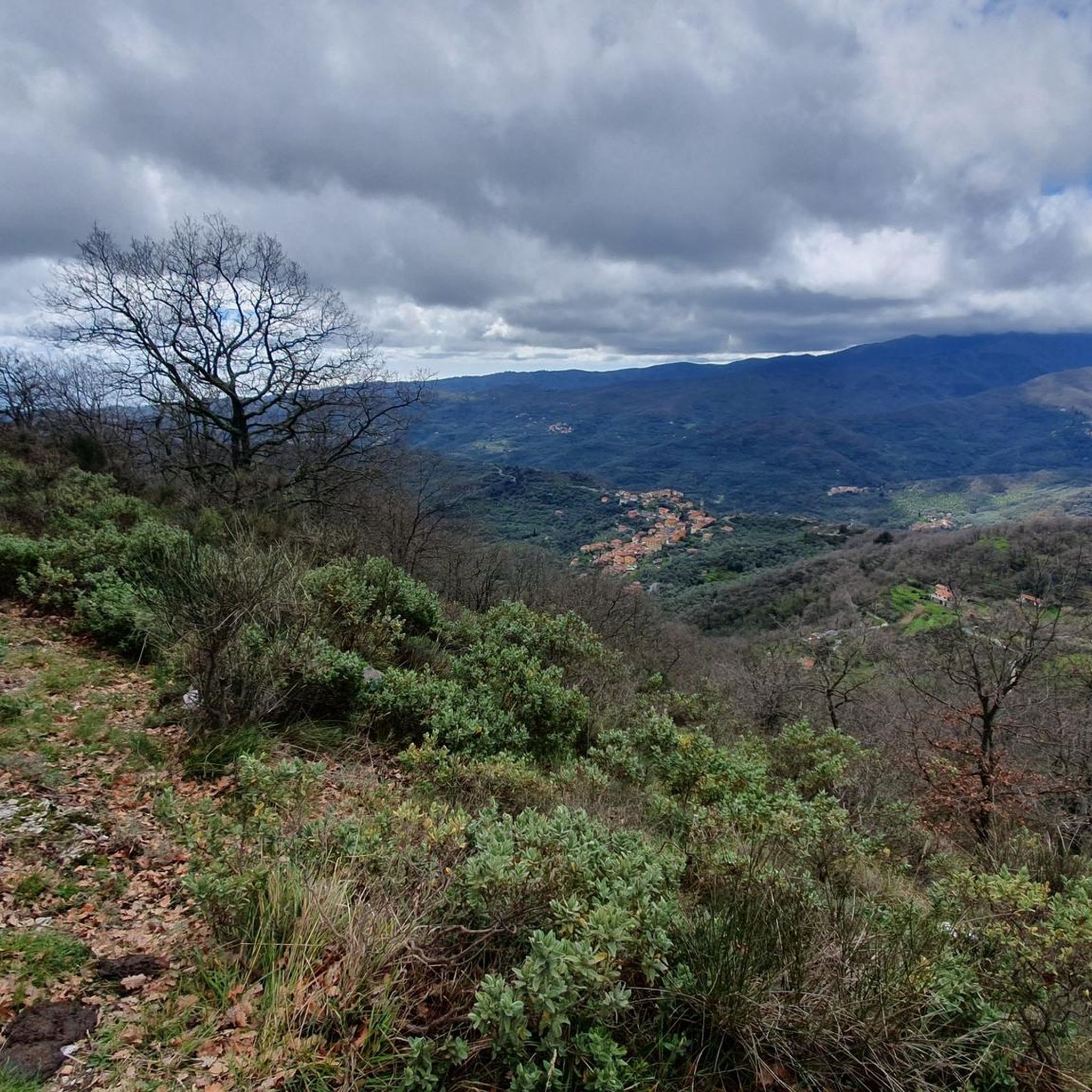
The village of Prela is now reduced to a few houses, a row of buildings almost entirely restored by foreign owners who understood the value of the country years ago. The houses are compressed between the ruins of the ancient castle and the church of SS. Giacomo and Nicolò, which closes the village downstream. This place took its name from the "petralata" that is the large stone on which the feudal lords had built the fortress several times destroyed and rebuilt. The castle, placed to guard the via Marenca, which connects with the via del Sale, was demolished after the last Genoese reconquest. Antonio Doria in 1340 destroyed the castle of Prela Soprana from the very foundations; the castle itself was later rebuilt further down on the rocky spur, where the remains of the four semicircular towers can still be seen today. The massive construction with huge irregular stone blocks, a wall and a contiguous tower, have some slits in the upper part and traces of internal stairs for the disengagement of the various floors and environments. The external tower was connected to the castle; according to popular tradition, the various "colombere" or watchtowers located in the surroundings were also connected by means of tunnels. Since the early 2000s it has been owned by a German private individual who is taking care of its restoration. The church at the end of the village, recently restored, stands on a mass of overlapping rocks segregated from each other so as to leave interstices and underground caves, which, pushing under the floor of the church, form a kind of impracticable and deep underground, within where until 1845 the dead were laid, through a hole in the center of the floor of the main nave. Inside there are decorations, stuccoes and a complete organ from around 1700. The church is the matrix of all the others in the valley (i.e. the one that first generated all the other churches, making new copies of the original sacred scriptures)
0
0

Nice village reachable from Diano Marina with an easy uphill road that is not too demanding
0
0

Diano Castello, a beautiful town also for evening visits to underground sources!
0
0

The Andora Castle is on an isolated hill in the historic village of Castello in the Ligurian municipality of Andora, in the province of Savona. Historically it is called Paraxo (Paraxu) and was the site of the first Andorean settlement. Today only the ruins of the walls and defense towers in the middle of the vegetation remain from the old complex from the 13th century. Source: Wikipedia
0
0
Frequently Asked Questions
What historical castles can I visit near Pontedassio?
You can explore several historical sites, including the ruins of Castello di Andora, which features 13th-century walls and defense towers. Another significant site is Bestagno Castle, an example of medieval military architecture from the 12th to 14th centuries. Additionally, the region offers Ancient Cobblestone Path and Ruins of Vasia Castle, and the ancient Doria Castle of Prelà.
Are there any fortified medieval villages to explore in the area?
Yes, Diano Castello is a notable fortified medieval village located on a hill above the Diano Marina coastline. It preserves much of its medieval layout with walls, gateways, narrow streets, and historic churches, offering panoramic views over the Gulf of Diano.
What is the history behind the castles in this region?
The castles and fortified sites around Pontedassio, such as Castello di Pornassio and Diano Castello, played crucial strategic roles. They were often built on hillsides to control important roads and defend against raids, reflecting centuries of feudal history and military architecture from the 10th to 14th centuries.
Can I find well-preserved castles or are they mostly ruins?
The region offers a mix. While sites like Castello di Andora and Doria Castle of Prelà are primarily ruins, they still provide significant historical insight. Bestagno Castle retains more of its original military architecture. Castello di Pornassio, though partially in ruins, has a well-preserved 16th-century wing and is still partially inhabited. Diano Castello is a well-preserved medieval village.
Are there hiking trails near the castles?
Yes, the area around Pontedassio offers various hiking opportunities. You can find trails that pass by or lead to historical sites. For more detailed routes and options, explore the Hiking around Pontedassio guide.
What outdoor activities are available around the castles?
Beyond exploring the castles, the region is excellent for outdoor activities. You can find numerous routes for hiking, gravel biking, and road cycling. Many of these routes offer scenic views and pass through historical landscapes.
Can I find good viewpoints or photo opportunities at these sites?
Absolutely. The Ancient Cobblestone Path and Ruins of Vasia Castle offers excellent photo opportunities of the town and castle. Diano Castello, situated on a hilltop, provides panoramic views over the Gulf of Diano, framed by olive groves and terraced hillsides.
Are the castles family-friendly?
While many castles are ruins, exploring them can be an educational experience for families interested in history. Fortified villages like Diano Castello offer a safe and engaging environment to wander through medieval streets. Always check the specific site for accessibility and safety information, especially with younger children.
What is the best time to visit the castles around Pontedassio?
The best time to visit is typically during the spring (April-June) and autumn (September-October) when the weather is mild and pleasant for exploring. Summers can be hot, and some sites may have limited access or hours during the off-season.
Are there any less crowded or hidden gem castles to visit?
Castello di Pornassio, though historically significant and partially inhabited, might be less frequented than more prominent sites, offering a quieter experience. The Doria Castle of Prelà, currently undergoing restoration, also offers a glimpse into an ancient site away from the main tourist paths.
Are there cafes or restaurants near these castles?
In fortified villages like Diano Castello, you will find local cafes and restaurants within the village itself. For other castle ruins, it's advisable to check nearby towns or plan to bring refreshments, as facilities might be limited directly at the sites.
Most popular routes around Pontedassio
Most popular attractions around Pontedassio

Get inspired with the komoot mobile app


Explore more
Looking for the best castles somewhere else? Discover other guides around Pontedassio:
