Top 13 Castles around Vergato
Best castles around Vergato are found in the Bolognese Apennines, a region characterized by its historical sites. While traditional, imposing castles are not within Vergato's immediate boundaries, the area features a significant historical palace and notable tower-houses. A unique eclectic castle is located a short distance away, offering a blend of history and architectural diversity.
Best castles around Vergato
- The most popular castles is Rocchetta Mattei, a castle erected in 1850 on commission of Count Cesare Mattei, an eccentric…
Last updated: July 13, 2026
Rocchetta Mattei
Highlight • Castle
Translated by Google •
Tip by

Castellino delle Formiche
Highlight • Castle
Translated by Google •
Tip by

Sign up now to discover places like this
Get recommendations on the best single tracks, peaks, & plenty of other exciting outdoor places.
Sign up for free
Medelana Castle
Highlight • Castle
The entire Medelana complex seems to be …
Translated by Google •
Tip by

Torre della Guarda and Ancient Olive Trees
Highlight • Historical Site
Translated by Google •
Tip by

Ancient Village of Samone
Highlight • Historical Site
Translated by Google •
Tip by
Sign up for free to discover even more castles around Vergato.
Sign up for free
Already have an account?
Start today with a free account
Your next adventure awaits.
Login or Signup
Popular around Vergato
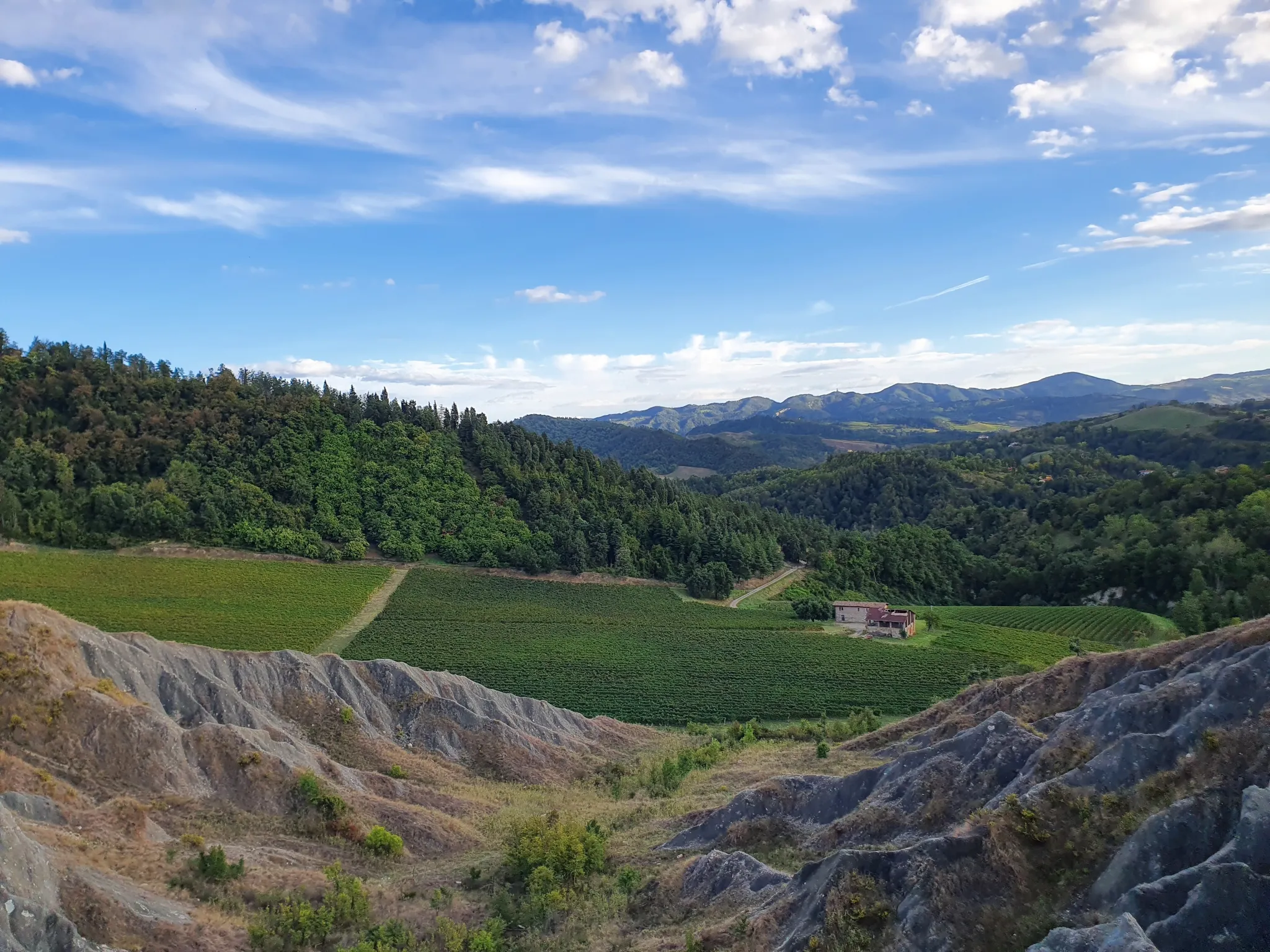
Hike from Bologna to the Apennines in Itlay – Piccola Cassia on foot
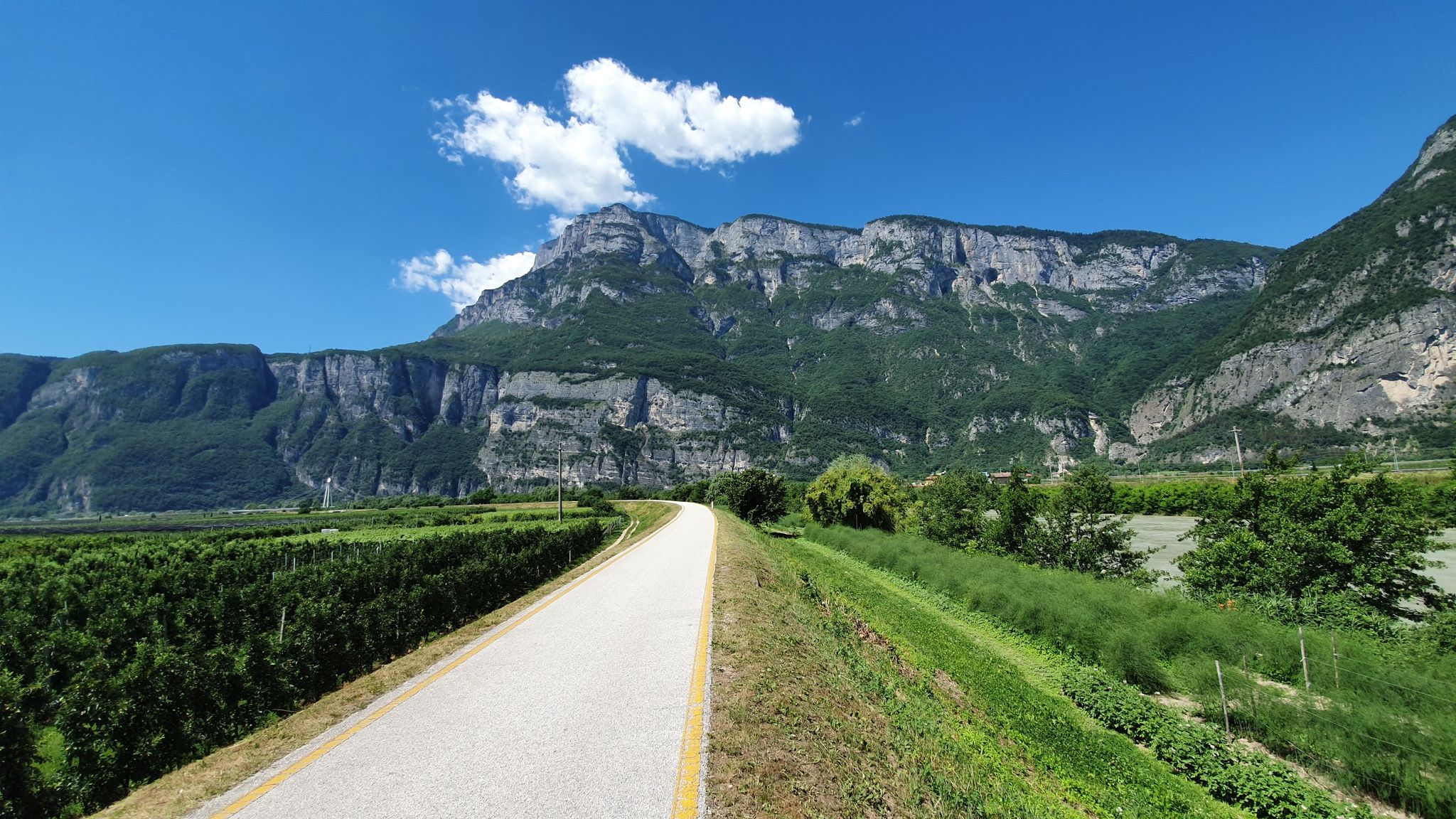
Florence to Bolzano – from the heart of Italy to the foot of the Dolomites
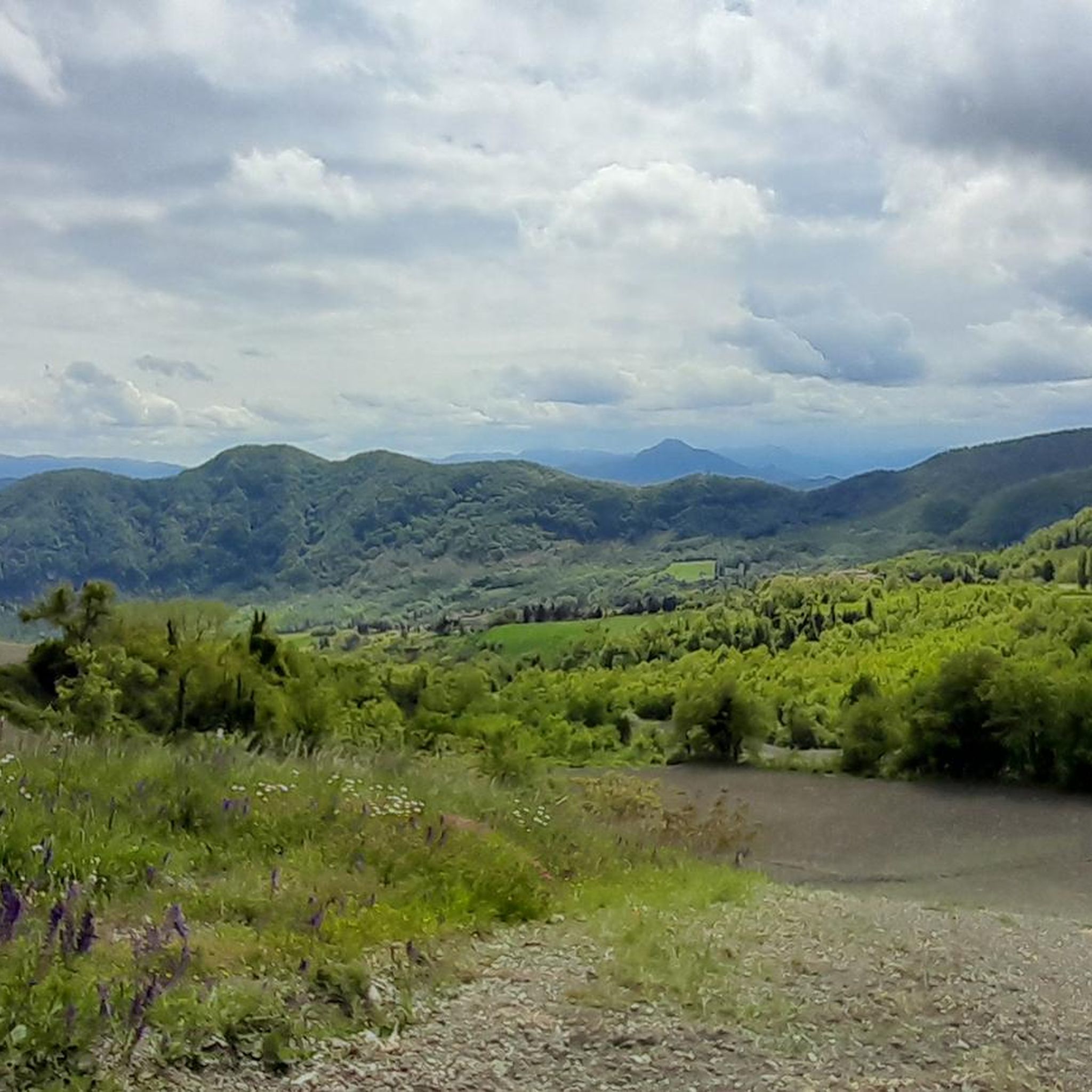
Hiking around Vergato
Road Cycling Routes around Vergato
Cycling around Vergato
MTB Trails around Vergato
Running Trails around Vergato

Gravel biking around Vergato


Tips from the Community

Built by Count Cesare Mattei, it consists of countless rooms connected by various staircases, a kind of labyrinth with several towers. Worth a visit.
0
0

A beautiful village, especially the bell tower
0
0

The first mention of the hamlet located at 623 meters above sea level dates back to 1048. The parish church of San Nicola, from the 12th century, houses an 18th century painting of the saint and a gilded panel depicting the Madonna and Child. The bell tower, begun in 1678, is adorned with a crenellated tower added in 1866. The ancient summit, occupied by the castle, is the Poggiolino which reveals buildings with underpass, portals and pointed windows from the 1300s and 1400s. The oratory of Sant'Antonio, then of the Madonna della Neve, which preserves a silvered bronze chalice from the 16th century, should also be mentioned. On site, a large vault leads into a courtyard where you can see a sacred terracotta image from the 18th century.
0
0
The name of Castellino delle Formiche can be traced back to the popular translation of the medieval Latin expression Castrum Formigis (formidable castle). The fort was the residence of a branch of the Malatigni family, coming from the area of the Sassi fortresses of Roccamalatina. In the 14th century, the castle was acquired by the Montecuccoli; in 1623 it was added to the Podesteria of Guiglia, which in turn was ceded in 1630 as a fief to the Montecuccoli.[2] The church of Santo Stefano was built inside the castle, near the oratory of San Lorenzo already documented in the 13th century; the rectory has a 15th century portal, made with powerful sandstone ashlars arranged in a pointed arch. Inside the building of worship, there is a baptismal font from 1662 in sculpted sandstone, 17th century paintings and terracotta tiles depicting the Via Crucis.
1
0
Samone The first mention of the hamlet located at 623 meters above sea level dates back to 1048. The parish church of San Nicola, from the 12th century, houses an 18th century painting of the saint and a gilded panel depicting the Madonna and Child. The bell tower, begun in 1678, is adorned with a crenellated tower added in 1866. The ancient summit, occupied by the castle, is the Poggiolino which reveals buildings with underpass, portals and pointed windows from the 1300s and 1400s. The oratory of Sant'Antonio, then of the Madonna della Neve, which preserves a silvered bronze chalice from the 16th century, should also be mentioned. On site, a large vault leads into a courtyard where you can see a sacred terracotta image from the 18th century.
0
0
Once you arrive in Guiglia, the history of this small medieval village will fascinate you to the point that you will be tempted by the idea of purchasing one of the very rare medieval houses preserved intact over the centuries. This was the case for famous international artists who decided to find their little refuge right here, away from the daily chaos. The wonderful village of Samone is characterized by a path that leads to its top, where the town church is preserved, through an arched underpass inserted in a fourteenth-century tower house. Precisely in this medieval tower house, you can discover the beauty of the frescoes of its interior: important historical testimony regarding the noble house of Pio di Carpi.
0
0
Unfortunately abandoned, a castle-type structure (in the past also a restaurant) next to the church.
0
0
one of the most beautiful and fascinating historical structures of the Apennines, not to be missed, for the internal visit it is necessary to book.
0
0
Frequently Asked Questions
What types of historical sites can I explore directly in Vergato?
While Vergato doesn't have traditional castles, you can visit the Palazzo dei Capitani della Montagna in the main square. This historic palace served as an administrative seat and features coats of arms from past captains, as well as unique stained-glass windows by artist Luigi Ontani. Admission is free.
Are there any unique or unusual castles near Vergato?
Absolutely. The most unique is Rocchetta Mattei, located in Grizzana Morandi, about 7.8 km from Vergato. This eclectic 19th-century castle is famous for its blend of Medieval, Moorish, Gothic, and Liberty architectural styles, reflecting the whimsical vision of Count Cesare Mattei. It's often described as a fairy-tale castle.
What are the historical tower-houses around Vergato, and are they worth visiting?
The region features several historical 'Tower-Houses,' which are examples of fortified rural architecture from medieval and early modern periods. Notable examples include Monzone Tower, Poggio di Susano, and Prunarolo Tower. These offer a fascinating glimpse into the defensive and domestic life of the Apennine region and are part of a historical tour showcasing local heritage.
What is the best time of year to visit the castles and historical sites around Vergato?
The best time to visit is generally from spring to autumn. During these seasons, the weather is pleasant for exploring both indoor sites like the Palazzo dei Capitani and outdoor ruins or tower-houses. Guided tours for places like Rocchetta Mattei are also more frequent.
Are there family-friendly castles or historical sites near Vergato?
Rocchetta Mattei is considered family-friendly due to its unique and whimsical architecture, which can captivate visitors of all ages. Its fairy-tale appearance and intriguing history make for a memorable visit. The Palazzo dei Capitani della Montagna in Vergato is also accessible and offers a free, educational experience.
What kind of outdoor activities can I combine with a castle visit near Vergato?
The area around Vergato is excellent for outdoor activities. You can find numerous hiking and cycling routes. For example, you could explore trails like the 'Monte Radicchio Trail' or the 'Gothic Line Trail to Monte Pero' for hiking, or 'Ring tour of the three lakes Pavana, Suviana and Brasimone' for road cycling. You can find more routes on the Hiking around Vergato or Road Cycling Routes around Vergato guide pages.
Are there any abandoned or lesser-known castles worth exploring near Vergato?
Yes, Medelana Castle, built in the 15th century, is an imposing and abandoned structure that has resisted the weight of time. It offers a unique, atmospheric experience for those interested in exploring less-traveled historical sites. It was even included in the FAI's list of 'places in the heart'.
Can I find historical sites with viewpoints around Vergato?
Yes, Castellino delle Formiche, a historical castle that was once the residence of the Malatigni family, offers a viewpoint. Additionally, the area around Rocchetta Mattei provides remarkable views over the upper Reno valley.
What are the parking options for visiting castles around Vergato?
For Rocchetta Mattei, parking is typically available nearby, though it's advisable to check specific visitor information as booking tours is often recommended. For sites within Vergato like the Palazzo dei Capitani della Montagna, parking can be found in the town's main square or nearby public parking areas.
Are there any historical villages or settlements with castle-like features to visit?
The Ancient Village of Samone is a fascinating medieval village near Vergato. It features a 14th-century tower house with an arched underpass and ancient buildings with pointed windows. The village offers a glimpse into centuries of history and is a charming detour.
Where can I find cafes or restaurants near the castles in the Vergato area?
Vergato town itself offers various cafes, pubs, and restaurants, especially around the main square where the Palazzo dei Capitani della Montagna is located. For Rocchetta Mattei, there are options in the nearby town of Grizzana Morandi or along the main roads leading to the castle.
What is the historical significance of the Palazzo dei Capitani della Montagna in Vergato?
The Palazzo dei Capitani della Montagna was the administrative seat for the Captains of the Mountain from 1414 to 1796, governing the local area. Its facade displays coats of arms of the families who held this office, offering a direct connection to the region's long administrative history and resilience through events like World War II reconstruction.
Most popular routes around Vergato
Most popular attractions around Vergato

Get inspired with the komoot mobile app


Explore more
Looking for the best castles somewhere else? Discover other guides around Vergato:
