Top 10 Castles around Filattiera
Best castles around Filattiera offers a rich historical landscape in the Lunigiana region of Tuscany, Italy. The area is characterized by its strategic position amidst hills and mountains, with rivers like the Magra shaping its terrain. This region is known for its medieval heritage, featuring numerous fortifications and historic villages. Visitors can explore a blend of natural beauty and cultural significance in the Filattiera area.
Best castles around Filattiera
- The most popular castles is Piagnaro Castle and Museum of Lunigiana…
Last updated: August 23, 2026
Historic Center of Pontremoli
Highlight • Historical Site
You will find a beautiful church on the central square of …
Translated by Google •
Tip by

Piagnaro Castle and Museum of Lunigiana Stele Statues
Highlight • Castle
Translated by Google •
Tip by

Sign up now to discover places like this
Get recommendations on the best single tracks, peaks, & plenty of other exciting outdoor places.
Sign up for free
Malaspina Castle Tower, Villafranca in Lunigiana
Highlight • Castle
Translated by Google •
Tip by

Lusuolo Castle and Medieval Village
Highlight • Castle
Translated by Google •
Tip by
Entrance to Malgrate Castle
Highlight • Castle
Translated by Google •
Tip by

Sign up for free to discover even more castles around Filattiera.
Sign up for free
Already have an account?
Start today with a free account
Your next adventure awaits.
Login or Signup


Tips from the Community

The Torre del Castello Malaspina in the municipality of Villafranca in Lunigiana mainly refers to the imposing and famous cylindrical structure of the Castello Malaspina di Malgrate, although in the municipal capital there are also the ruins of the Castello di Malnido, the historic Dantesque residence of the Malaspina marquises, which was also originally equipped with a control tower. The best-preserved and famous fortification with its slender tower is located precisely in the hamlet of Malgrate. The cylindrical keep towers over the valley and is an unmistakable symbol of the Lunigiana landscape.
0
0
The entrance to Malgrate Castle in Villafranca in Lunigiana is preceded by an ancient moat crossed by a stone bridge that has replaced the old drawbridge, leading to a short staircase and a pointed arch gateway.
0
0
The Castello del Piagnaro and the Museum of the Lunigianesi Stele Statues "Augusto Cesare Ambrosi" form one of the most fascinating historical and archaeological complexes in Tuscany. Located in Pontremoli (Massa-Carrara), this millennial site dominates the medieval village and holds a prehistoric enigma unique in Europe.
0
0

The Statue Stele are anthropomorphic vertical stone sculptures, of variable size but generally between 2 and 3 meters in height. These mysterious works of art are testimonies to the culture and spirituality of the ancient peoples who inhabited Lunigiana. Their exact function remains a subject of debate among scholars. Some hypothesize that the Statue Stele could represent ancient gods or local deities, while others suggest they could be funerary symbols or commemorative monuments. The carved figures often feature enigmatic and abstract symbols, such as concentric circles, cupules, and linear engravings, which may have religious, astronomical, or ritualistic significance. The understanding of these symbols is still the subject of research and study by archaeologists and experts.
1
0

Medieval Castle of 1351. The fortification, which controlled the most important communication routes coming from the Apennines, Cisa and Garfagnana, developed in the 14th century (but its origins are probably older) and on its tower, 25 meters high and crowned by a corbeled patrol embossment, the flag of the Malaspina marquises flew until the 17th century. In addition to performing defensive functions, the castle became a noble residence in 1641, when the central body was transformed into a palace, incorporating the round tower. Despite this, the appearance of Malgrate is that of a classic medieval fortress: the main body is made up of the keep, located on the short side of the rectangular feudal palace and surrounded by walls, equipped with Guelph battlements, slopes and a patrol walkway that seems to date back to the 14th century.
1
0
Ruins of the Malnido Castle, with the square dedicated to Dante Alighieri, ancient guest of the Malaspina, and the remains of the church of San Nicolò, the medieval road leads to the parish church of San Giovanni
0
0
The Piagnaro Castle is a fortress built in a strategic point to protect the Apennine passes and around which the first medieval nucleus was formed, built around the year 1000. For centuries it has been an integral part of the city's defensive system. In its thousand-year history it has undergone numerous destructions and subsequent reconstructions that have brought it to its current appearance. The Castle maintained its military function until the end of the 18th century. Its name derives from the so-called piagne, the gray sandstone slabs used in Lunigiana to cover the roofs of buildings, including that of the castle.
1
0

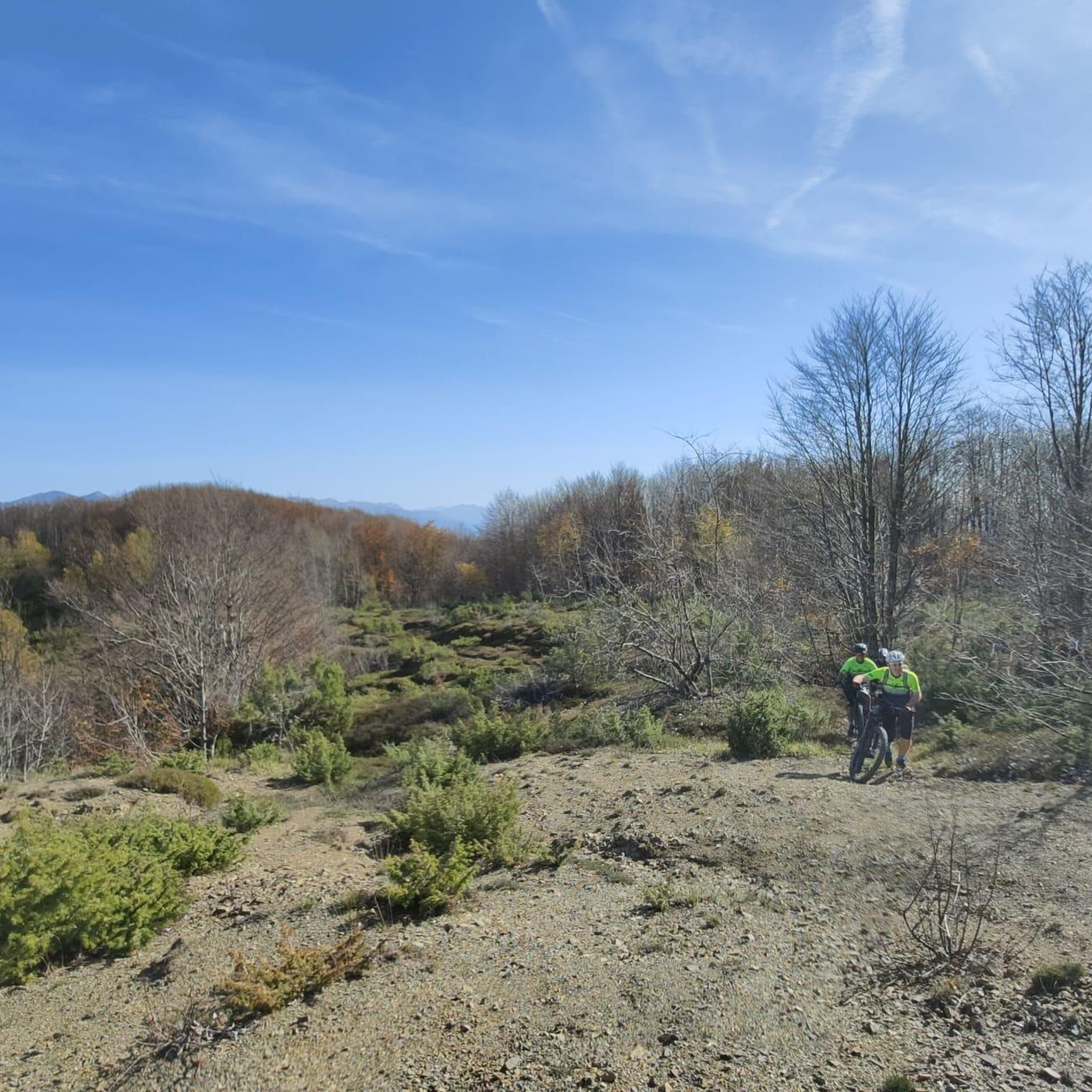
The hike up to the castle is worth it. Great views!
1
0
Frequently Asked Questions
What kind of historical experiences do the castles around Filattiera offer?
The castles in the Filattiera area provide a deep dive into medieval history. For instance, Piagnaro Castle in Pontremoli houses the Museum of Lunigiana Stele Statues, offering a unique cultural experience. Lusuolo Castle, a blend of civil and military architecture, now hosts the Museum of the Emigration of the People of Tuscany. Many castles, like Malgrate Castle, were strategic defensive structures, offering insights into the region's turbulent past.
Are there family-friendly castles to visit near Filattiera?
Yes, several castles and historical sites are suitable for families. The Historic Center of Pontremoli, with its medieval bridges and well-preserved buildings, offers an engaging walk through history that can lead to Piagnaro Castle and its museum. Exploring these sites provides an educational and enjoyable experience for all ages.
What natural features or viewpoints can I find near the castles?
Many castles in the region offer excellent viewpoints due to their strategic hilltop locations. Malgrate Castle, for example, majestically dominates the valley of the Bagnone river. Similarly, Piagnaro Castle overlooks the historic center of Pontremoli, providing scenic views of the town and surrounding landscape.
What outdoor activities can I do near the castles around Filattiera?
The Filattiera area is excellent for outdoor enthusiasts. You can find various routes for running, mountain hiking, and gravel biking. For running, consider routes like the 'Filattiera Nature Trail loop' (12.5 km). Mountain hikers can explore options such as the 'Lago Palo loop' (3.8 km, easy) or more challenging routes like 'Monte Aquila – Bocchetta del Tavola loop' (14.5 km). Gravel biking offers extensive routes like the 'Passo Alpicella (710 m) – Beautiful view loop' (56 km). You can find more details on these activities in the Running Trails around Filattiera, Mountain Hikes around Filattiera, and Gravel biking around Filattiera guides.
Are there hiking trails near the castles?
Yes, the region offers numerous hiking opportunities. While some castles are directly accessible by car, many are integrated into medieval villages or situated on hills, making them ideal starting points or destinations for walks. For instance, the area around Pontremoli offers pleasant walks through its historic center leading up to Piagnaro Castle. For more structured hikes, explore the Mountain Hikes around Filattiera guide.
What is the best time of year to visit the castles around Filattiera?
The Lunigiana region, where Filattiera is located, is generally pleasant from spring through autumn. These seasons offer mild weather ideal for exploring castles and engaging in outdoor activities. While some castles may be accessible in winter, checking specific opening hours and road conditions is advisable, especially for higher-altitude locations or those with less frequent maintenance.
Is parking available at the castles around Filattiera?
Parking availability varies by castle. Larger towns like Pontremoli, which hosts Piagnaro Castle and the Historic Center, typically have public parking areas within walking distance. For smaller, more remote castles or those integrated into medieval villages, parking might be limited to nearby village squares or designated roadside spots. It's recommended to check local signage upon arrival.
Are there any lesser-known castles or hidden gems worth exploring in the Filattiera area?
While not a 'hidden gem' in the sense of being unknown, Lusuolo Castle and Medieval Village offers a captivating experience. It's a beautiful and evocative village, small but rich in historical details and decorations, making it a worthwhile visit for those looking beyond the most prominent sites. Another interesting site is Castello di Villa di Tresana, which, despite being private, can be admired from the outside, especially in autumn when its ivy-covered walls create a fairytale appearance.
What makes Malgrate Castle unique among the castles in the region?
Malgrate Castle is particularly notable for its majestic presence and well-preserved medieval fortress appearance. Dating back to 1351, it features a prominent 25-meter-high tower and Guelph battlements. While it served defensive functions, it also transformed into a noble residence, incorporating a round tower. Its commanding position overlooking the Bagnone river valley makes it one of the most attractive and visually striking castles in Lunigiana.
How much time should I allocate to visit a castle?
The time needed to visit a castle varies. For a site like Piagnaro Castle, which includes the Museum of Lunigiana Stele Statues, you might want to allocate 1.5 to 2 hours to fully explore both the castle structure and its exhibits. For castles that are part of a larger medieval village, such as Lusuolo Castle and Medieval Village, you could easily spend half a day exploring the village, the castle, and its museum.
Are there cafes or restaurants near the castles?
Yes, especially in the more populated areas. For example, in the Historic Center of Pontremoli, near Piagnaro Castle, you'll find the famous Caffè Pasticceria Aichta. Many medieval villages surrounding the castles will also have local trattorias or cafes where you can enjoy traditional Lunigiana cuisine.
What do visitors enjoy most about the castles around Filattiera?
Visitors frequently appreciate the rich historical atmosphere and the well-preserved medieval architecture. The blend of cultural significance, such as the museums housed within castles, and the natural beauty of the surrounding Lunigiana landscape are often highlighted. The opportunity to walk through ancient villages and experience a sense of stepping back in time is a common theme among positive feedback.
Most popular routes around Filattiera
Most popular attractions around Filattiera

Get inspired with the komoot mobile app


Explore more
Looking for the best castles somewhere else? Discover other guides around Filattiera:
