Top 6 Castles around Tregnago
Castles around Tregnago are situated in a region characterized by its historical significance and natural landscapes, including the Val d'Illasi and Lessini Mountains. The area features ancient fortifications, some dating back to the 11th century, offering insights into medieval defensive architecture. These sites are often positioned on promontories, providing expansive views over the surrounding valleys. The presence of these structures contributes to a rich historical and naturalistic route for exploration.
Best castles around Tregnago
- The most popular castles is View…
Last updated: June 29, 2026
Forte John or Preara
Highlight • Historical Site
Translated by Google •
Tip by

View of Illasi Castle
Highlight • Viewpoint
Translated by Google •
Tip by
Sign up now to discover places like this
Get recommendations on the best single tracks, peaks, & plenty of other exciting outdoor places.
Sign up for free
View of Illasi Castle
Highlight • Viewpoint
Translated by Google •
Tip by

Vajo degli Alpini
Highlight (Segment) • Trail
Translated by Google •
Tip by

View of Verona and Montorio Castle from Monte dei Santi
Highlight • Viewpoint
Tip by

Start today with a free account
Your next adventure awaits.
Login or Signup
Tips from the Community

you climb up the ridge above Soave, immersed in the vineyards.
0
0

The view of the Illasi Castle, along the route
0
0

Climbing route to Soave Castle that runs along the walls on the west side. Very steep climb.
0
0

Very recent, smart, short and steep path that allows you to reach the Soave castle on foot from Porta Aquila. It is outside the walls that in fact it runs along its entire route. Be careful because it is exposed to the north and can be very slippery in rain, high humidity or frost. However, there is a handrail along its entire length
0
0

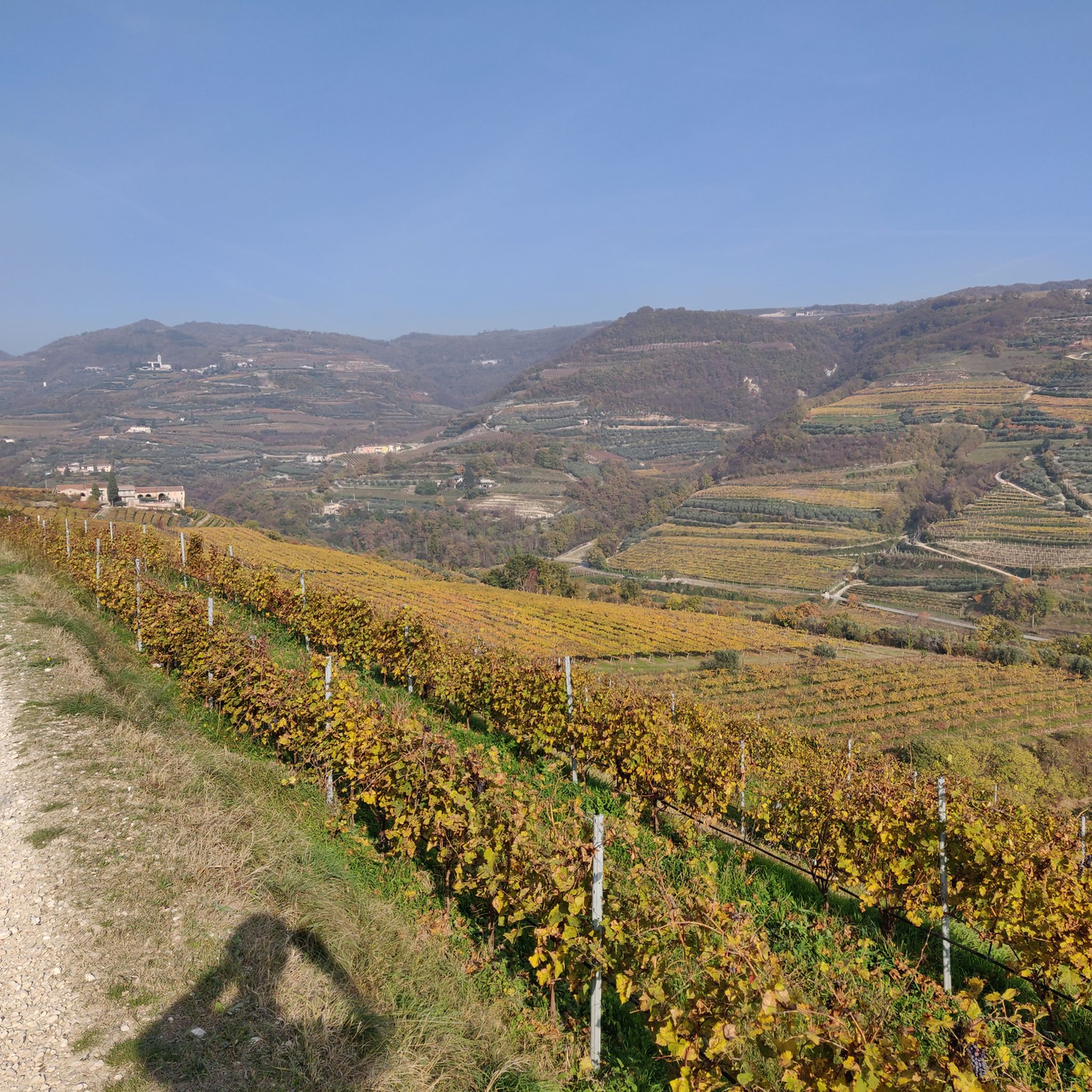
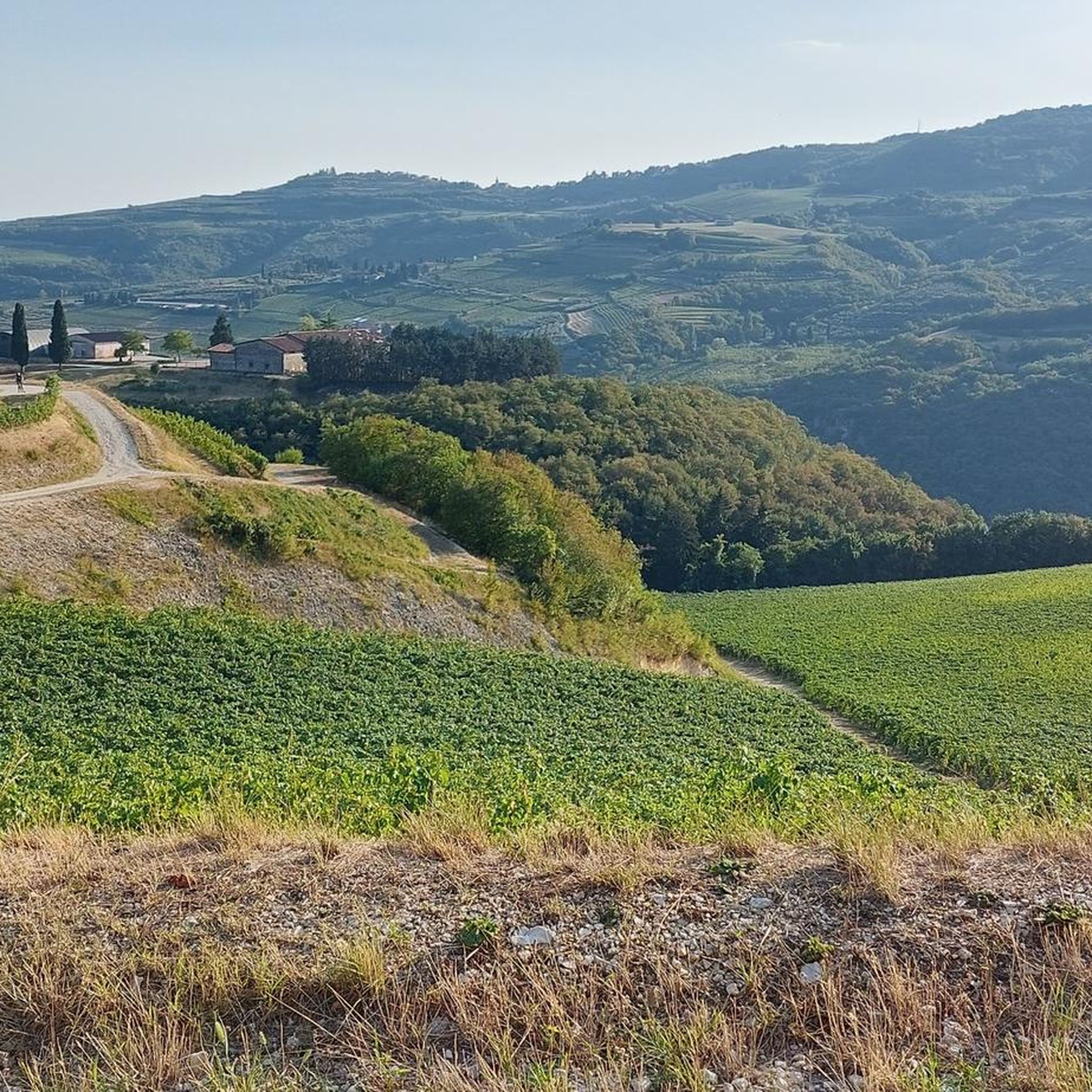
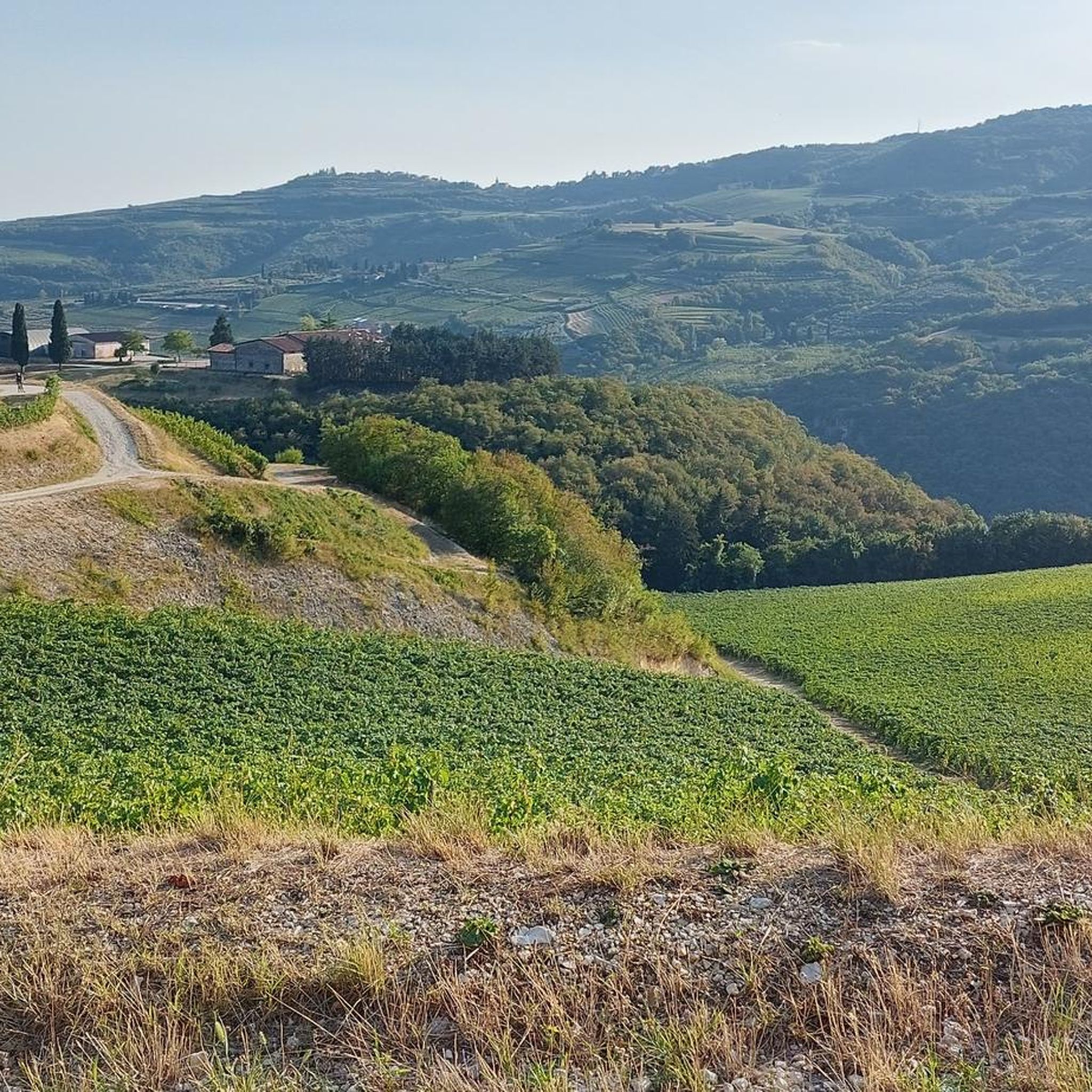
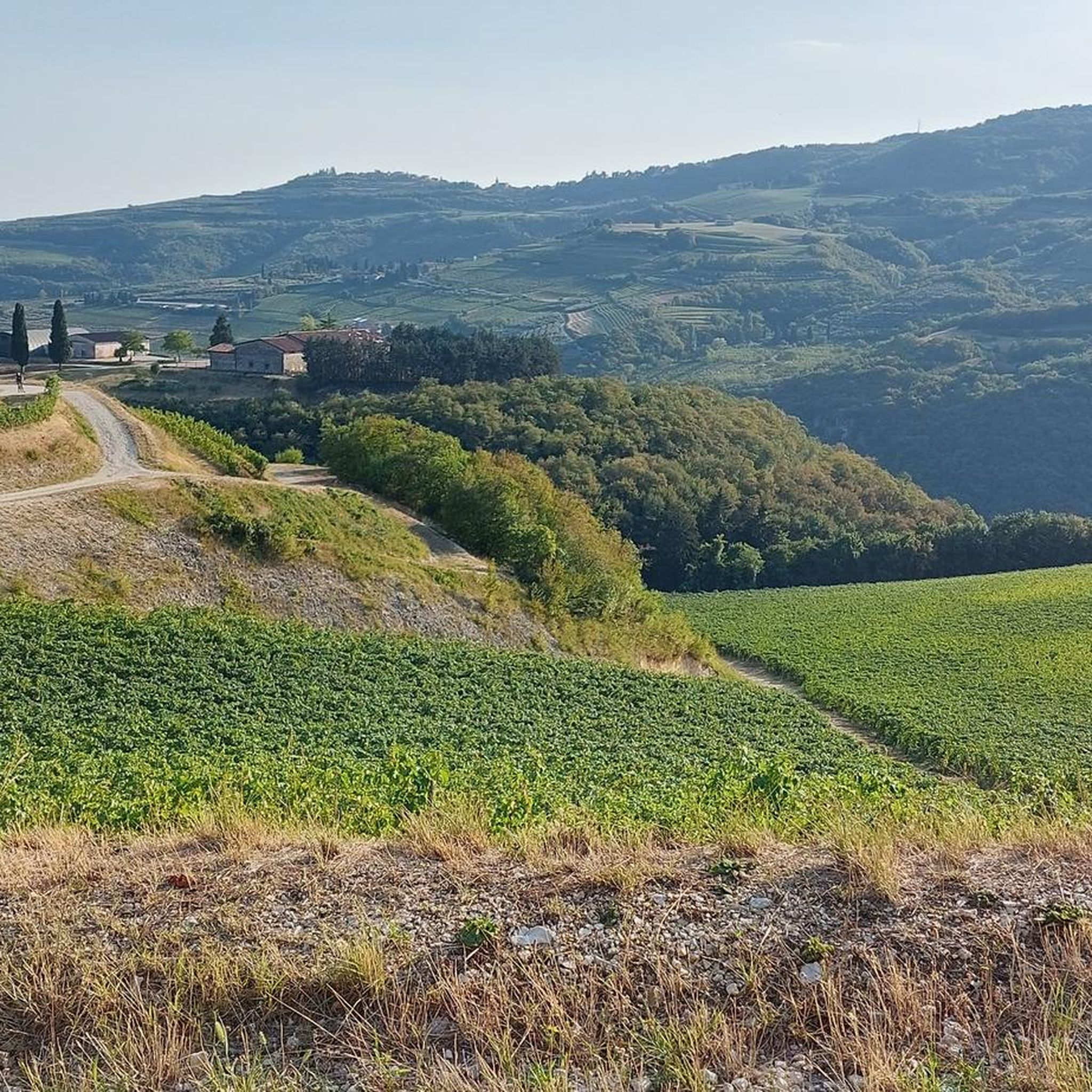
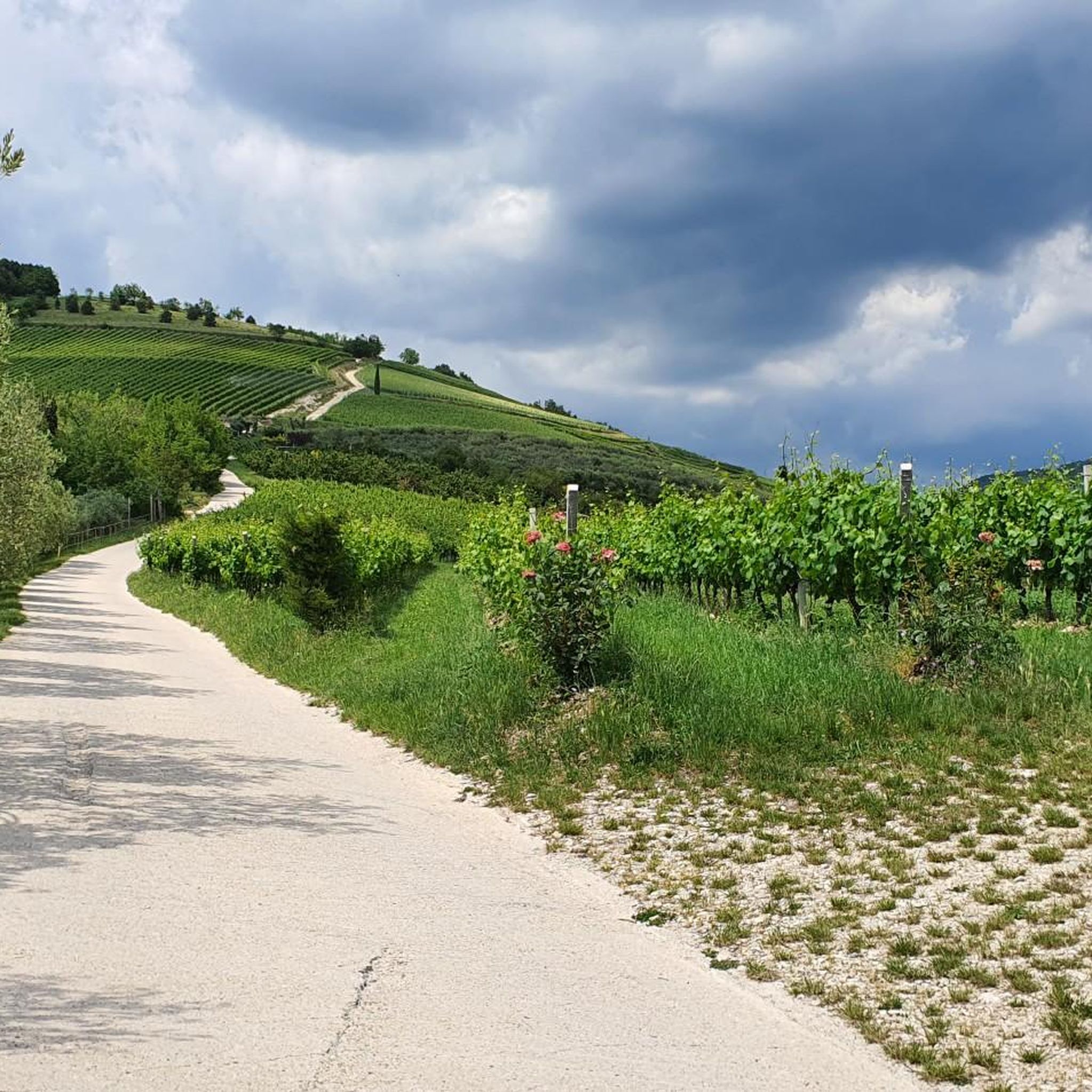
nice gravel track between vineyards
1
0

The view of the castella from the hilly path surrounded by vineyards and olive trees is magnificent,
0
0

The Preara fort was built during the second half of the nineteenth century and was part of the defensive system of Verona. It was nicknamed "Fort Werk John", in honor of the Austrian general Franz von John.
2
0

In some stretches, the route between Montecchio and Soave is on rather busy roads; we should find some more "gravel-like" alternative. Beautiful from Soave to Val di Chiampo (although harder than expected). Restaurant "La Collina" excellent refreshment point: at that point there are only a few non-binding climbs on asphalt, after which it's all downhill! Highly recommended.
1
0
Frequently Asked Questions
Beyond the main highlights, what other historical fortifications can I explore near Tregnago?
The primary historical fortification in the immediate vicinity is the Castle of Tregnago itself. While largely in ruins, it offers a compelling glimpse into the region's medieval past with visible sections of perimeter walls, remnants of a pentagonal tower, and a clock tower featuring a restored 15th-century fresco. It's located on the promontory known as Limba.
What is the historical significance of the castles around Tregnago?
The castles in this area, such as the Castle of Tregnago, date back to the 11th-12th century and were crucial for defensive purposes, often sheltering people and livestock during attacks. Their history is intertwined with powerful families like the Scaligeri, who once owned the Castle of Tregnago. Sites like Forte John or Preara also highlight later military history, built by the Austrians in 1859 as part of Verona's defensive system.
Which castles offer the best panoramic views?
The Castle of Tregnago, situated on the Limba promontory, offers splendid 360-degree views over the Alpone valley and the Lessini Mountains. Additionally, the View of Illasi Castle provides panoramic views of the historic structure and its surroundings, and the View of Verona and Montorio Castle from Monte dei Santi offers an amazing vista of Verona and Montorio Castle.
Can you tell me more about the Castle of Tregnago itself?
The Castle of Tregnago, dating from the 11th-12th century, stands on the Limba promontory. Though mostly in ruins due to an 1891 earthquake, you can still see parts of its perimeter walls, a pentagonal tower, and a clock tower with a 15th-century fresco. It was gifted to the Municipality of Tregnago by Cangrande della Scala in 1328 and was built on the remains of an ancient Roman fortification. It offers significant historical insight and scenic views. You can find more information on Visit Verona.
What can I expect to see at the <a href="https://www.komoot.com/highlight/3778734" target="_blank" rel="noopener">View of Illasi Castle</a>?
The View of Illasi Castle offers insights into a 10th-century castle with a rich history tied to the Montecchi family and Ezzelino III da Romano. It was rebuilt and strengthened in 1243 and later became a fief of the Pompei family. From this viewpoint, you can appreciate the historical structure and the surrounding landscape, often featuring vineyards.
How can I access the <a href="https://www.komoot.com/highlight/4368734" target="_blank" rel="noopener">Scaligero Castle of Soave</a>?
You can access the Scaligero Castle of Soave via the Vajo degli Alpini. This is a short, steep path that runs along the external walls of the castle from Porta Aquila. Be aware that this path is exposed to the north and can be slippery in wet or frosty conditions, though a handrail is provided along its length.
Are there family-friendly castle visits around Tregnago?
Yes, the View of Illasi Castle is categorized as family-friendly. The historical sites and trails leading to them offer opportunities for families to explore history and nature together. The Castle of Tregnago, with its ruins and panoramic views, can also be an engaging visit for families interested in history and outdoor exploration.
What outdoor activities can I do near these castles?
The area around Tregnago offers various outdoor activities. You can find numerous hiking routes, such as the 'Sant'Anna – Castello di Tregnago loop from Tregnago' or the 'View of Illasi Castle – Sant'Anna loop from Tregnago'. There are also running trails and gravel biking routes available. For more details on these activities, you can explore the Hiking around Tregnago guide.
Are there hiking trails that incorporate the castles?
Yes, there are hiking trails that allow you to explore the castles and their surroundings. For instance, the 'Sant'Anna – Castello di Tregnago loop from Tregnago' is a moderate 8.8 km hike that includes the Castle of Tregnago. Another option is the 'View of Illasi Castle – Sant'Anna loop from Tregnago', a more difficult 16.8 km route. You can find these and other options in the Hiking around Tregnago guide.
What is the best time of year to visit the castles around Tregnago?
Visiting during the 'Medievalia' event is highly recommended for the Castle of Tregnago, as it comes alive with historical re-enactments. Generally, spring and autumn offer pleasant weather for exploring the outdoor ruins and trails, avoiding the summer heat and potential winter chill or slippery conditions on paths like the Vajo degli Alpini.
What do visitors enjoy most about the castles around Tregnago?
Visitors appreciate the historical significance and the panoramic views offered by these sites. The ruins provide a tangible connection to the medieval period, and the locations often boast splendid vistas over valleys and mountains. The komoot community has shared over 60 photos and given more than 270 upvotes, highlighting the scenic and historical appeal of the area.
Are there any unique historical features to look out for at the castles?
At the Castle of Tregnago, look for the remnants of its pentagonal tower and the clock tower, which features a recently restored 15th-century fresco depicting the Madonna with Child. Inside the castle grounds, a circle of stones suggests the location of an old well. At Forte John or Preara, you can see a polygonal fortification built on the remains of a Bronze Age village, showcasing layers of history.
Most popular routes around Tregnago
Most popular attractions around Tregnago

Get inspired with the komoot mobile app


Explore more
Looking for the best castles somewhere else? Discover other guides around Tregnago:
