Top 10 Castles around Porcia
Best castles around Porcia are situated in the Friuli region of Italy, an area known for its historical significance and agricultural landscape. The region features a blend of natural beauty and centuries of human history, with castles often serving as central landmarks. Many of these historical sites are nestled within agricultural estates, contributing to the local economy and cultural heritage. The terrain around Porcia offers various walking routes, connecting historical sites with the surrounding natural environment.
Best castles around Porcia
- The most popular castles is Castle of Aviano, a castle that offers panoramic views over the plain. It is located at the top of a climb, providing a rewarding experience for visitors.
- Another must-see spot is Caneva Castle, a historical site with visible remains of walls and the church of Santa Lucia inside. Studies suggest it was built on the remains of a Roman tower, dating back to 1034 AD.
- Visitors also love Porcia Castle, a castle that is a symbolic place in Friuli's history. It consists of a central keep, a Renaissance wing, and a Venetian-style building, and has been the residence of the Porcía and Brugnera family since the 12th century.
- Porcia is known for its historical castles, including those with military origins and others transformed into noble residences. The area offers a variety of castles to see and explore, each with distinct architectural styles and historical narratives.
- The castles around Porcia are appreciated by the komoot community, with 50 photos shared and 54 upvotes across the highlights.
Last updated: May 18, 2026
Porcia Castle
Highlight • Castle
Built with a military function to protect the territory from barbarian invasions, from the 12th century the castle became the permanent residence of the noble family of Porcía and Brugnera, who governed these lands for eight centuries and held important political and military positions under the Serenissima Republic of Venice.
The Castle of Porcía, still inhabited by the family, is at the center of an agricultural area of 840 hectares where fine vines and other products are grown with cutting-edge methods.
Translated by Google •
Tip by

Caneva Castle
Highlight • Castle
Translated by Google •
Tip by

Sign up now to discover places like this
Get recommendations on the best single tracks, peaks, & plenty of other exciting outdoor places.
Sign up for free
Castello di Torre and Archaeological Museum of Western Friuli
Highlight • Castle
After the first half of the 15th century, with the Venetian conquest of Friuli, the castle was transformed into a noble residence and was involved in a vast program of architectural and artistic interventions including the fresco decoration with the Annunciation on the ground floor, attributed to Gianfrancesco da Tolmezzo (1450-1511). The staircase leading to the main floor and the loggia were probably built during the second half of the seventeenth century. Between the end of the seventeenth century and the beginning of the eighteenth century, the fresco depicting the main protagonists of the defense of Vienna from the siege of the Turks in 1683 was created in the vault of the ground floor of the tower-keep, probably to commemorate the participation of a member of the Ragogna family in the clash.
Various additions and structural modifications were made to the building during the eighteenth and nineteenth centuries. At the end of the nineteenth century, in the southern sector of the castle, the old loggia building was demolished and a new building was built, which was placed against the northern wall of the main tower. In 1926, the building was replaced with the one that still exists today.
In 1970, the Count of Ragogna died, leaving the Castello di Torre as an inheritance to the Friuli Venezia Giulia Region; in the end, after various testamentary events, the building came to the Municipality of Pordenone. After a careful restoration that took place in the early 2000s, since 2006 it has been home to the Archaeological Museum of Western Friuli.
Translated by Google •
Tip by

Castle of Aviano
Highlight • Castle
Translated by Google •
Tip by

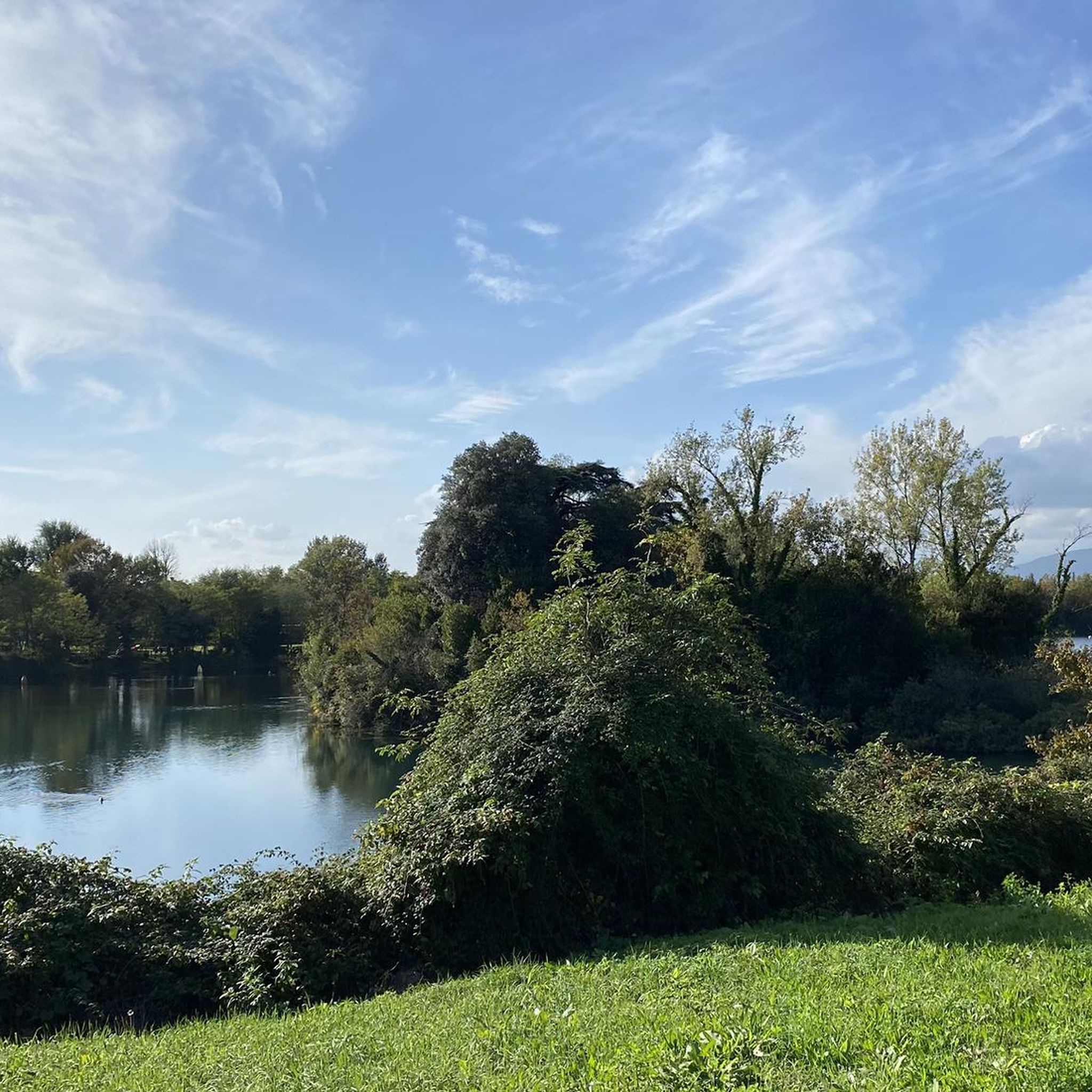
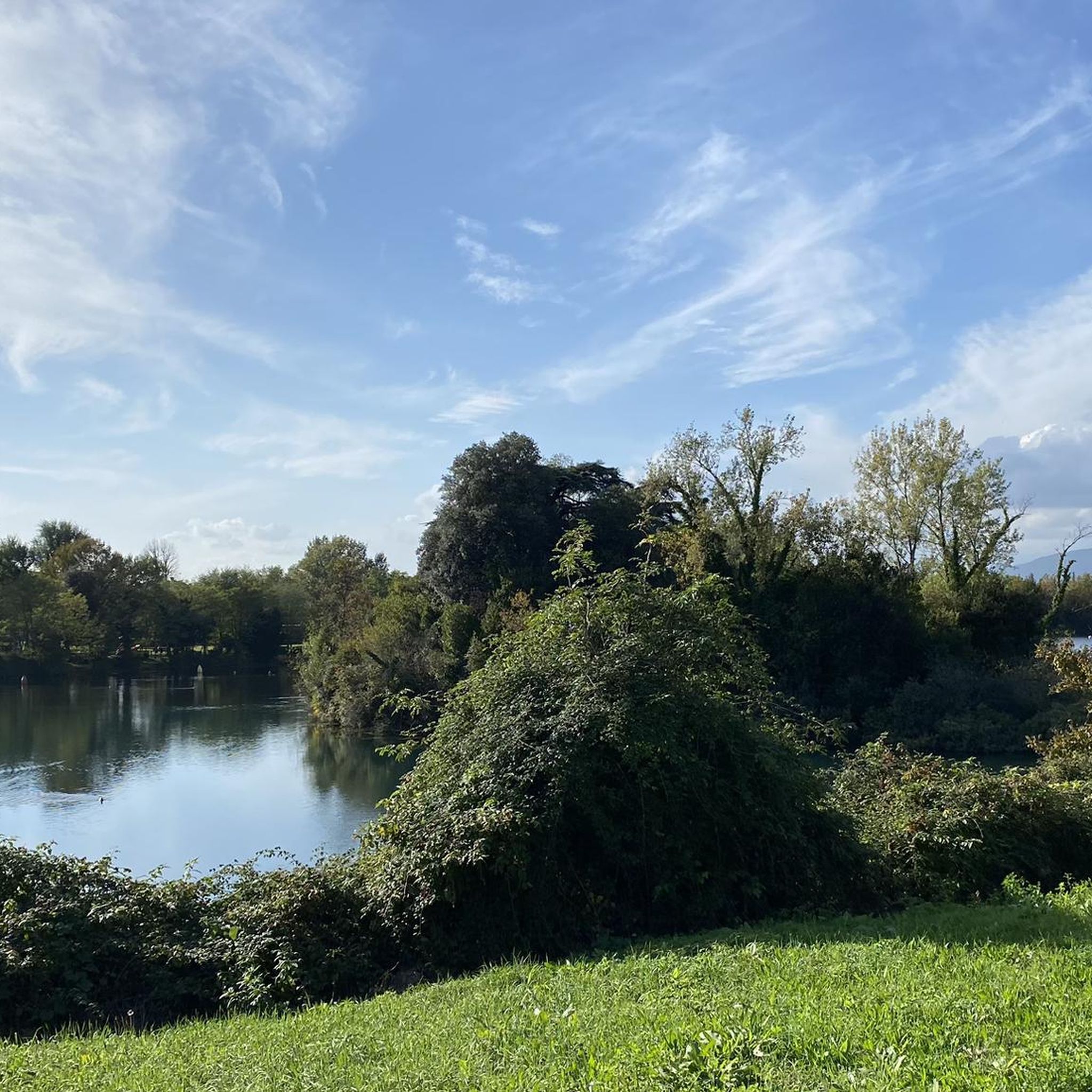
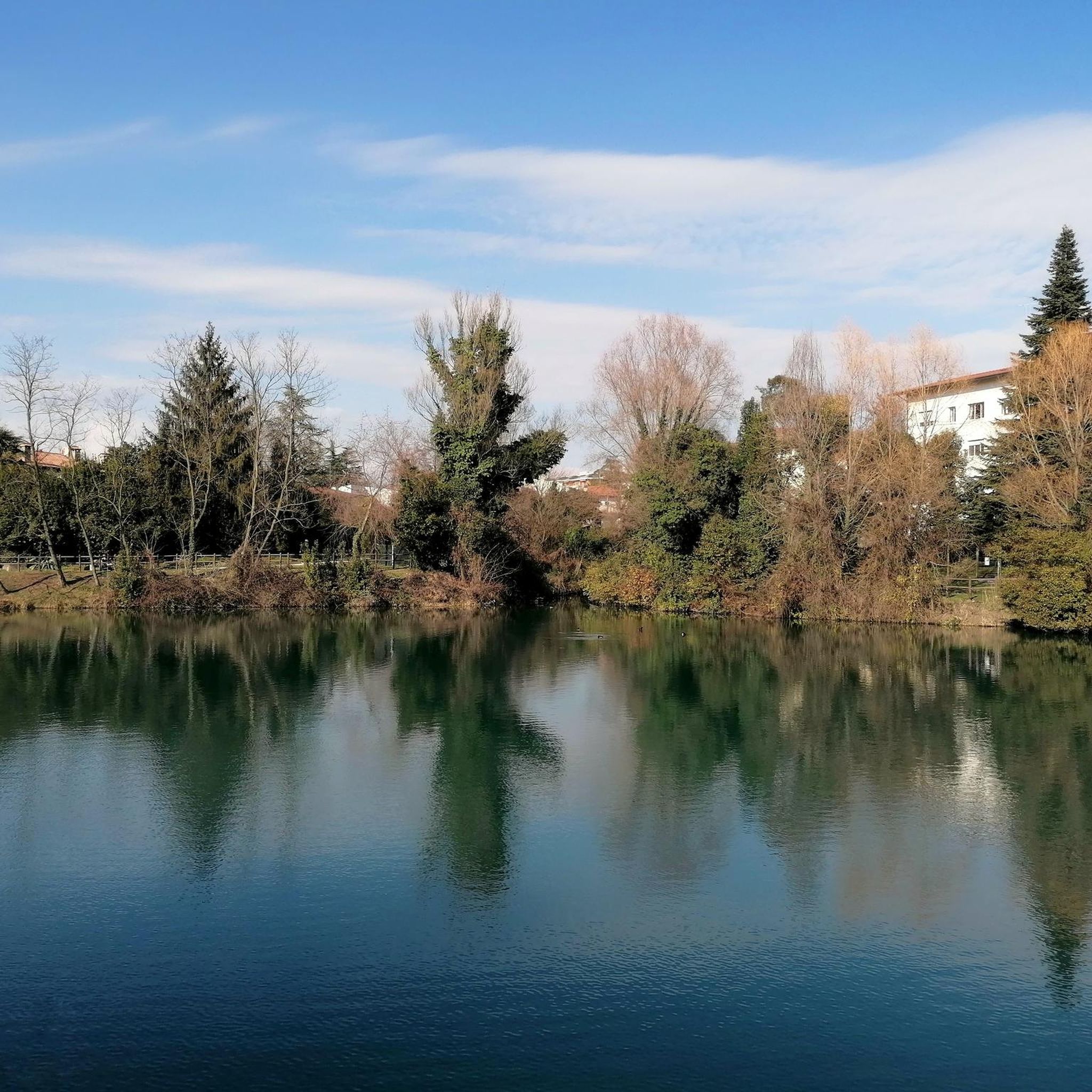
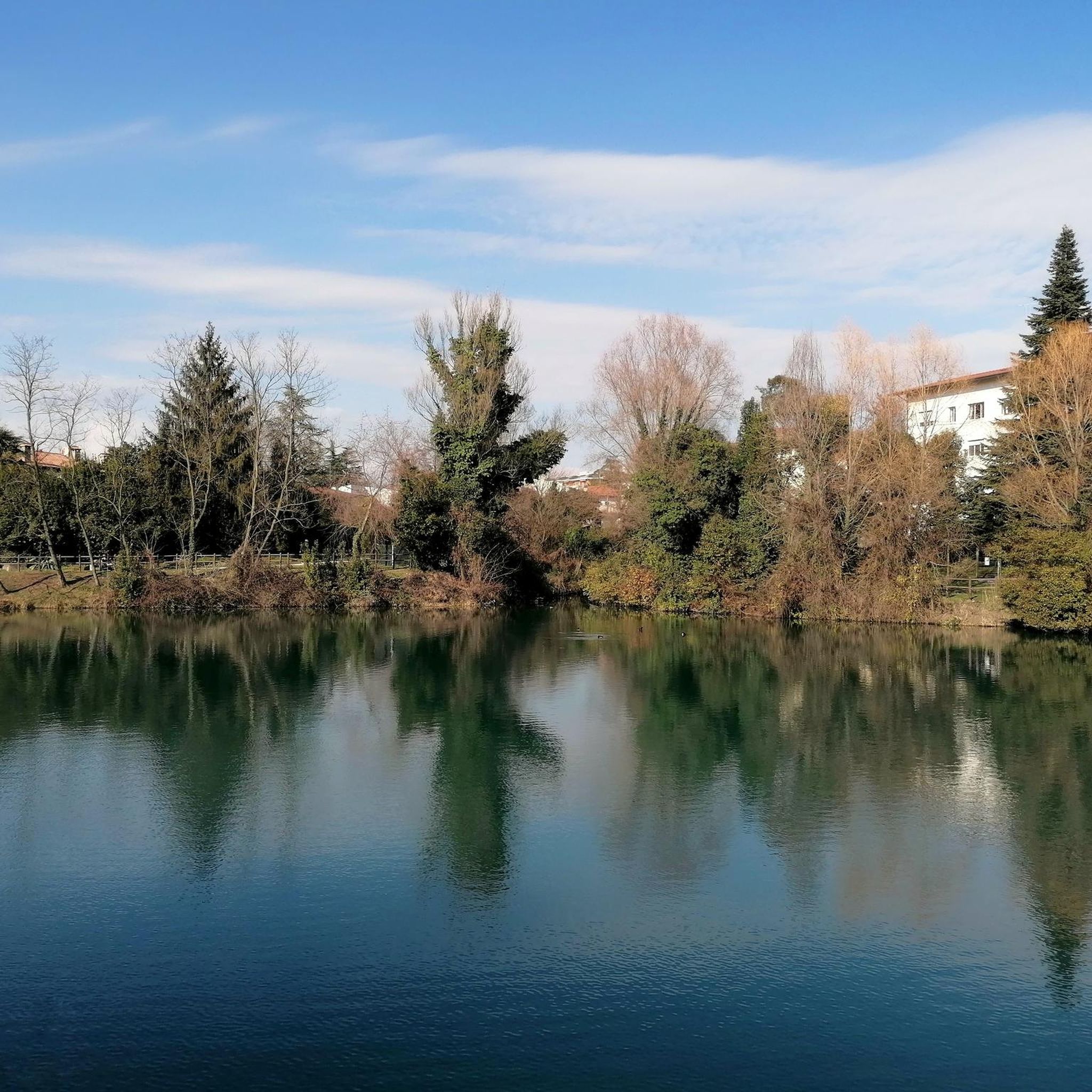
Laghetto delle Risorgive di Porcia
Highlight • Lake
Translated by Google •
Tip by

Sign up for free to discover even more castles around Porcia.
Sign up for free
Already have an account?
Start today with a free account
Your next adventure awaits.
Login or Signup

Tips from the Community

Beautiful castle and beautiful church. Please be respectful, people live in the houses inside.
0
0

Of Aviano Castle, only a portion of the walls and the entrance gate remain (see highlight with explanatory sign).
0
0
As I write this, the medieval day is underway at Caneva Castle. The area near the castle hosts food and wine stands. When I arrive by e-bike, preparations for the festival are in full swing.
0
0
The eleventh-century church of Santa Lucia, together with the bell tower and the walls, is what remains of the Caneva castle.
0
0
Caneva Castle dates back to 1034 AD. Studies suggest that the castle was built on the remains of a Roman tower. The remains of the walls are still visible, as is the church of Santa Lucia inside.
1
0
Castello di Aviano gives its name to the locality of the same name near Aviano.
0
0

The castle of Torre was built in the Middle Ages where the complex of the large Roman villa once stood. The oldest part of the fortification is represented by a square-based tower, characterized by mighty walls, probably built in the second half of the 13th century by the Patriarch of Aquileia, who initially entrusted it to the ancient House of the Lords of Prata. Long the object of contention between the nobles of Porcia, the Count of Gorizia and the Carraresi, in 1391 the Patriarch of Aquileia, Giovanni di Moravia, granted the castle of Torre to Giovannino di Ragogna. After the first half of the 15th century, with the Venetian conquest of Friuli, the castle was transformed into a noble residence and was involved in a vast program of architectural and artistic interventions including the fresco decoration with the Annunciation on the ground floor, attributed to Gianfrancesco da Tolmezzo (1450-1511). The staircase leading to the main floor and the loggia were probably built during the second half of the seventeenth century. Between the end of the seventeenth century and the beginning of the eighteenth century, the fresco depicting the main protagonists of the defense of Vienna from the siege of the Turks in 1683 was created in the vault of the ground floor of the tower-keep, probably to commemorate the participation of a member of the Ragogna family in the clash. Various additions and structural modifications were made to the building during the eighteenth and nineteenth centuries. At the end of the nineteenth century, in the southern sector of the castle, the old loggia building was demolished and a new building was built, which was placed against the northern wall of the main tower. In 1926, the building was replaced with the one that still exists today. In 1970, the Count of Ragogna died, leaving the Castello di Torre as an inheritance to the Friuli Venezia Giulia Region; in the end, after various testamentary events, the building came to the Municipality of Pordenone. After a careful restoration that took place in the early 2000s, since 2006 it has been home to the Archaeological Museum of Western Friuli.
0
0

Characteristic place, worth visiting!!!
0
0
Frequently Asked Questions
What is the history of Porcia Castle?
Porcia Castle is a symbolic landmark in Friuli, built with a military function to protect against barbarian invasions. Since the 12th century, it has been the permanent residence of the noble Porcía e Brugnera family, who governed the lands for eight centuries and held significant political and military positions under the Serenissima Republic of Venice. It has hosted notable figures like Emperor Charles V and King Henry III.
Are any castles around Porcia still inhabited by the original family?
Yes, Porcia Castle is uniquely still inhabited by the Porcía e Brugnera family. It also serves as the center of an 840-hectare agricultural estate where fine wines and other products are cultivated.
What unique architectural features can I find at the castles near Porcia?
Porcia Castle showcases a blend of architectural styles, including a central keep, a Renaissance wing, and a Venetian-style building. Historical descriptions mention a large castle with a handsome palatial residence and two beautiful towers, one believed to be over 1600 years old. Caneva Castle, on the other hand, features visible remains of its walls and the church of Santa Lucia, built on what are believed to be Roman tower remains.
Can I visit a castle near Porcia that offers wine tasting?
Yes, Porcia Castle has a historic cellar that offers guided tours and opportunities to taste its wines and grappa varieties, along with other local products. The nearby Azzano Farm also provides a chance to purchase and taste wines produced from sustainable agriculture.
Are there family-friendly castles to visit around Porcia?
Yes, both Caneva Castle and Castle of Aviano are listed as family-friendly. Castello di Torre and Archaeological Museum of Western Friuli is also a great option for families interested in history.
What kind of outdoor activities can I do near the castles around Porcia?
The region around Porcia offers various outdoor activities. You can find numerous routes for mountain biking, cycling, and road cycling. For example, there are MTB trails like the 'Meduna River – Pistino di Zoppola loop' and cycling routes such as the 'Polcenigo Historic Center – Gorgazzo Spring loop'. You can explore more options on the dedicated guides for MTB Trails around Porcia, Cycling around Porcia, and Road Cycling Routes around Porcia.
Are there hiking or walking trails to castles near Porcia?
Yes, there are walking routes connecting historical sites with the surrounding natural environment. For Caneva Castle, it's recommended to approach from Fiaschetti along an ancient dirt road through vineyards and woods for a more immersive experience. The descent along the 'Sentiero dei Morti' is also a popular and scenic option.
What is the best time to visit the castles and hike around Porcia?
While specific seasonal recommendations for castles are not provided, the region's mild climate generally makes spring and autumn ideal for hiking and exploring. These seasons offer pleasant temperatures and vibrant natural scenery, perfect for enjoying both the historical sites and the surrounding trails.
Are there accommodation options near the castles?
Yes, the recently renovated Castello di Porcía – Residence Agrituristico offers accommodations with modern amenities within the historic setting of Porcia Castle. This provides a charming and comfortable stay directly linked to one of the region's most significant castles.
What can I expect to see at <a href="https://www.komoot.com/highlight/2865699" target="_blank" rel="noopener">Castle of Aviano</a>?
Castle of Aviano is situated at the top of a climb, offering panoramic views over the plain. Visitors particularly enjoy the rewarding experience of reaching the summit and the scenic viewpoint with benches, perfect for a stop.
What is the significance of <a href="https://www.komoot.com/highlight/7523452" target="_blank" rel="noopener">Castello di Torre and Archaeological Museum of Western Friuli</a>?
Castello di Torre was built in the Middle Ages on the site of a large Roman villa. It features a square-based tower from the 13th century and was later transformed into a noble residence with significant architectural and artistic interventions, including frescoes. Today, it houses the Archaeological Museum of Western Friuli, preserving the region's rich history.
Are there any other notable castles with the 'Porcia' name outside of Italy?
Yes, Schloss Porcia (Porcia Castle) in Spittal an der Drau, Austria, is a significant Renaissance building named after the princely Porcia family. It features a famous arcaded courtyard, hosts an annual theatre festival, and houses a museum for local history. More information can be found on Wikipedia.
Most popular attractions around Porcia

Get inspired with the komoot mobile app


Explore more
Looking for the best castles somewhere else? Discover other guides around Porcia:
