Top 9 Lakes around Cimolais
Best lakes around Cimolais are found within a region characterized by the dynamic Torrente Cimoliana and its valley, part of the Friulian Dolomites Natural Park. This area is known for its clear water features, ranging from torrents to smaller natural ponds and springs. The landscape is shaped by powerful Dolomite cliffs and offers a rich experience of nature's raw power and serenity. While large, named lakes are less common directly in Cimolais, the surrounding area provides diverse aquatic attractions.
Best…
Last updated: August 23, 2026
Tose Lake
Highlight • Lake
Translated by Google •
Tip by

Lagole Healing Springs
Highlight • Natural Monument
Translated by Google •
Tip by

Sign up now to discover places like this
Get recommendations on the best single tracks, peaks, & plenty of other exciting outdoor places.
Sign up for free
Val Cantuna from Cadola
Highlight (Segment) • Trail
Translated by Google •
Tip by

Laghetti Pineta Forni di Sopra
Highlight • Lake
Translated by Google •
Tip by

View of Conca dell'Alpago and Lake Santa Croce
Highlight • Viewpoint
Translated by Google •
Tip by

Sign up for free to discover even more lakes around Cimolais.
Sign up for free
Already have an account?
Start today with a free account
Your next adventure awaits.
Login or Signup


Other adventures around Cimolais

Tips from the Community

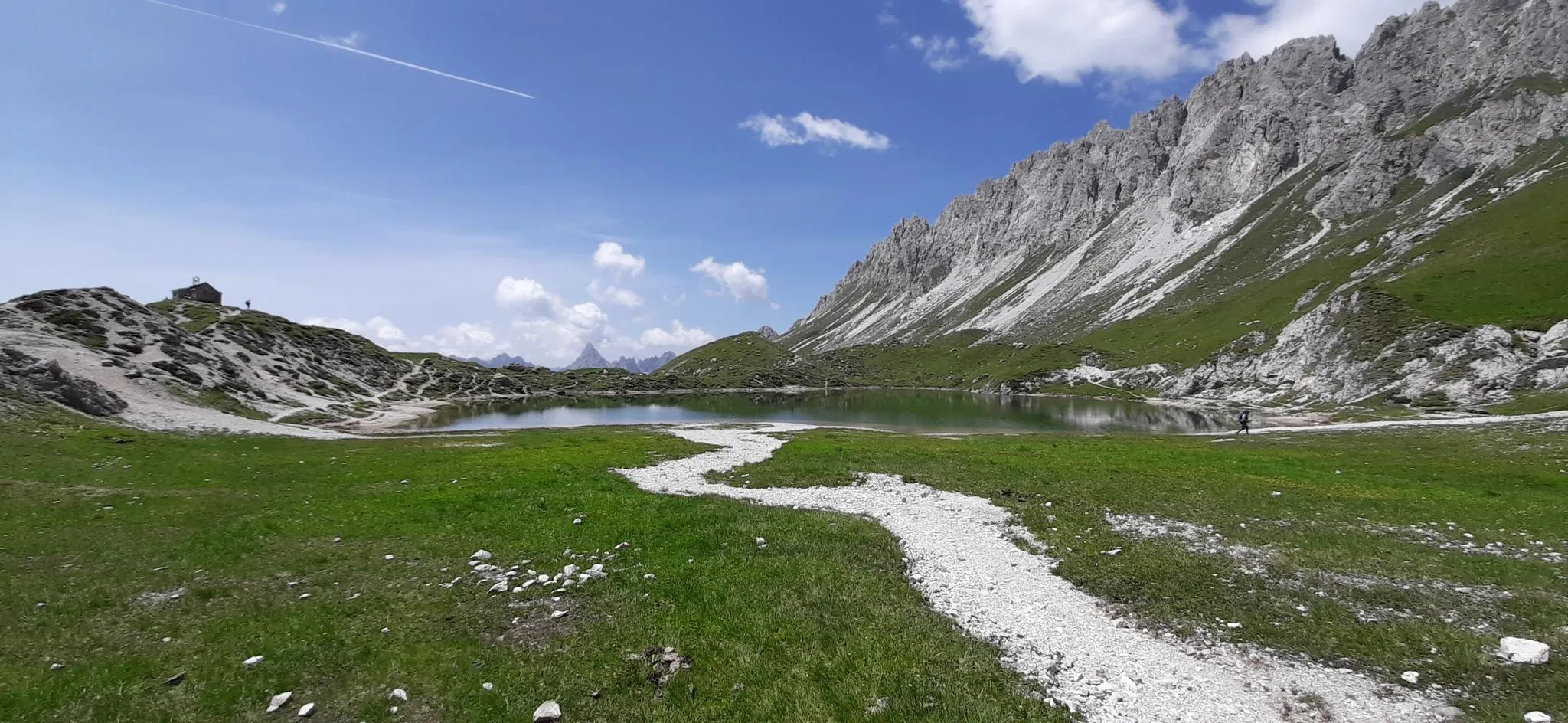
Lago delle Tose is a small body of water known since Roman times for the thermal characteristics and benefits of its waters. It is located in Lagole, an area of considerable archaeological and naturalistic interest near Lago di Centro Cadore. The water that flows between the rocks of the clearing forms streams and waterfalls that culminate in a natural pool. This entire area was part of a religious complex linked to the cult of mineral waters, already frequented in Roman times to perform the abduction of the body. In some places, in addition to the ferruginous color, it is also possible to smell the typical smell of sulfur. A little further south are the Lagole springs, small pools from which water with beneficial properties flows. In the Venetian dialect "tose" means "girls". But the legend from which this small and precious lake takes its name is anything but happy. It is said that a long time ago the girls of the place immersed themselves in its waters to preserve eternal youth. Their beauty aroused the envy of the Anguane, creatures similar to a nymph. One day the Anguane witches attacked the girls while their men were hunting. They beat them to death, including the beautiful Bianca, daughter of the village chief. When the men realized what had happened, they decided in desperation to carry the bodies to the mountain. The God of the lake, as a sign of compassion for the "tose", transformed every drop of blood that fell to the ground into small pink and fragrant flowers, then turned the men into stone so that no one could disturb Bianca's sleep. The Anguane took refuge in the caves but could not escape the vengeance of the God, who poisoned the water, killing them. The valley fell into an unreal silence and an instant later the water regained its beneficial powers.
1
0

a panoramic glimpse from the piedmont road between S. Martino and Rif. Carota, at the foot of M. Teverone: the saddle of Passo Fadalto in the centre, with on the right. Mount Faverghera, on the left. the Cansiglio plateau and the lake of S. Croce. From this perspective, it is easy to understand how the massive prehistoric landslide of M. Millifret was able to divert the course of the Piave river towards Valbelluna, which in ancient times flowed in Val Lapisina through the Fadalto, determining the formation of the lake of S. Croce
0
0


Curves drawn with the brush, it really deserves
1
3

The healing springs of Lagole were already known in the eastern Alpine region in pre-Roman times. Interesting landscape in the forest with various watercourses, small ponds and a small lake with small waterfalls on the edge of the rock, where you can also swim. Popular resting place. There is also an old excavation site nearby, to which a path with explanatory panels and replica excavation finds leads.
2
0
Very pedalable climb two small stretches but they are overcome facilitating the view deserves to be admired carefully and after a nice descent to Puos d’alpago where you recover and then continue along the lake to Santa Croce if you wish.
1
3

Super nice park that invites you to linger. Several clear, green ponds complete the idyllic atmosphere.
3
0

6 km of pedaled climb even without much training with a wonderful panorama.
1
3
Frequently Asked Questions
What are the main water attractions in the Cimolais area?
The Cimolais area is primarily characterized by the dynamic Torrente Cimoliana and its picturesque valley. While large, named lakes are less common directly in Cimolais, you'll find unique water features like Tose Lake, known for its thermal properties, and the Lagole Healing Springs, a natural monument with various watercourses and small ponds.
Are there any historical or cultural sites associated with the water features?
Yes, both Tose Lake and the Lagole Healing Springs have significant historical importance. Tose Lake was known since Roman times for its thermal waters and was part of a religious complex. The Lagole Healing Springs were frequented in pre-Roman times and feature an old excavation site nearby with explanatory panels.
Can I find family-friendly spots near the water in Cimolais?
Absolutely. Lagole Healing Springs is described as family-friendly, offering an interesting landscape in the forest with small ponds and waterfalls. Another great option is Laghetti Pineta Forni di Sopra, a super nice park with several clear, green ponds that invites visitors to linger in an idyllic atmosphere.
What kind of hiking opportunities are available around Cimolais's water features?
The Val Cimoliana, shaped by the Torrente Cimoliana, offers breathtaking scenery for hikers. While specific lake trails are less common, the area provides walks immersed in unspoiled nature. For broader hiking options, you can explore various routes in the region, including those found in the Gravel biking around Cimolais guide, which often share paths with hikers.
What is the Torrente Cimoliana known for?
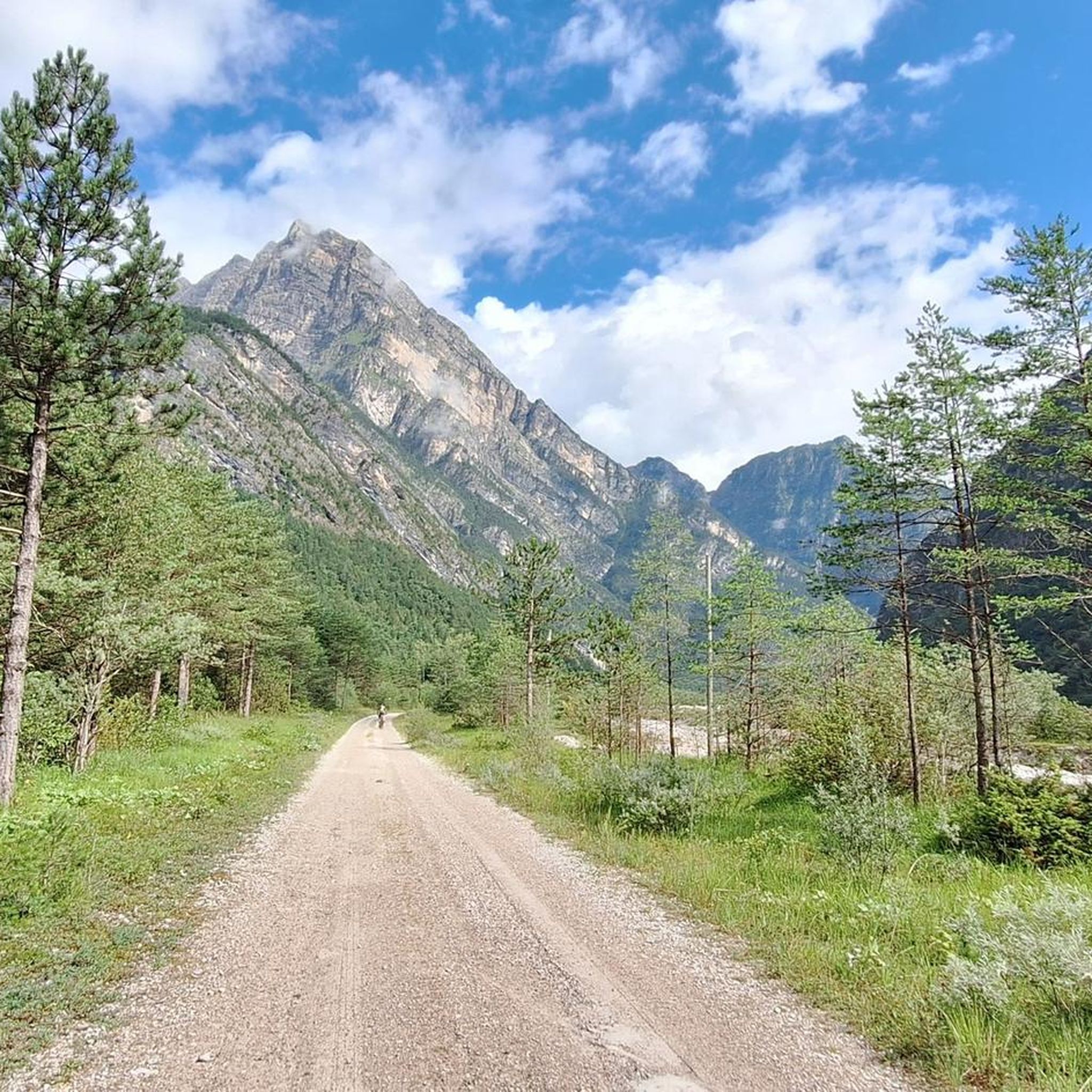
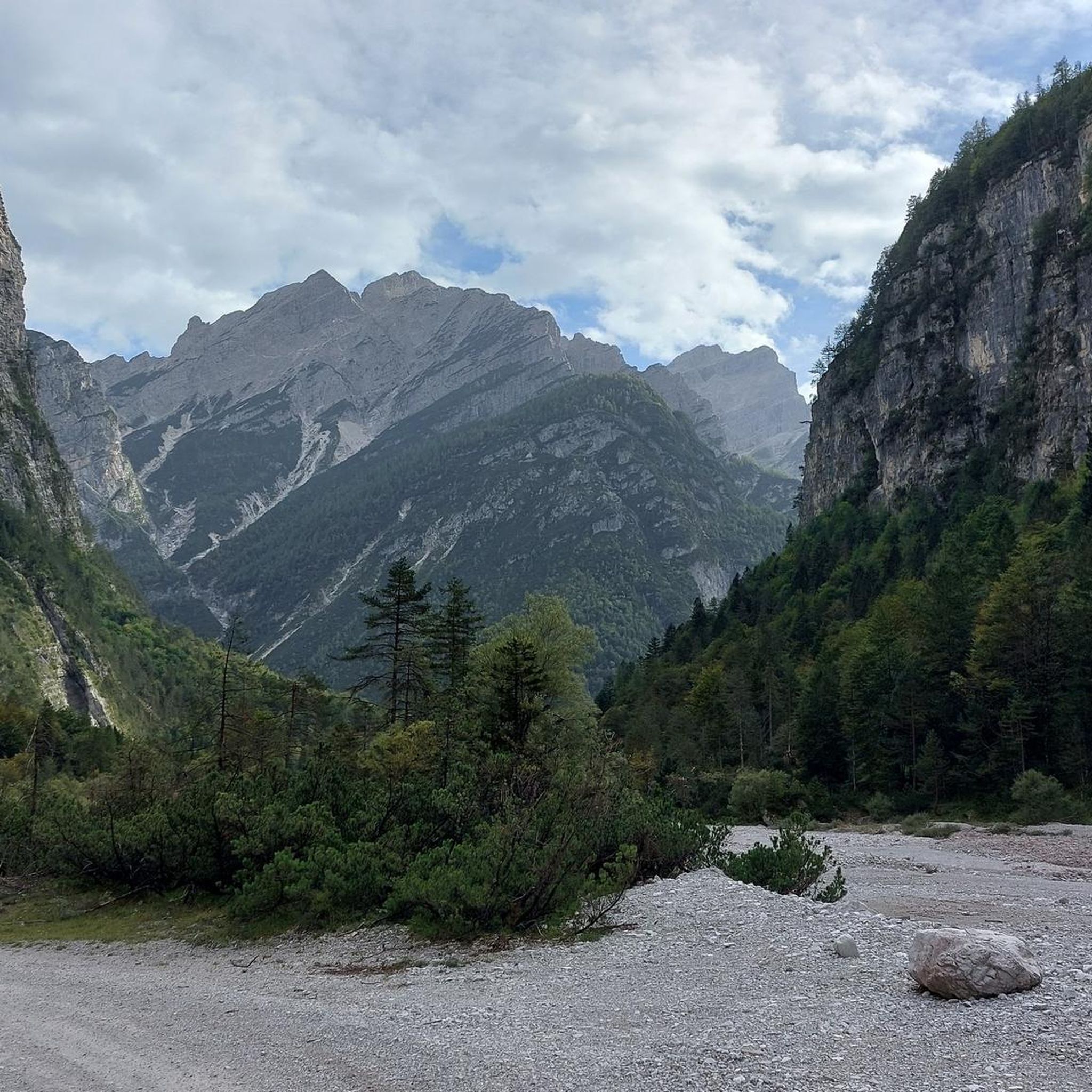
The Torrente Cimoliana is celebrated for its remarkably clear water, which can display a captivating range of colors from blue to light green, and even violet. Originating from melting snow, its water is exceptionally pure. The torrent flows through the deeply incised Val Cimoliana, featuring powerful Dolomite cliffs, waterfalls, and rapids, creating a pristine and wild environment.
Can I swim in the water features around Cimolais?
While the Torrente Cimoliana is known for its purity and beauty, it is a dynamic torrent with strong currents and rapids, making wild swimming potentially hazardous. However, the Lagole Healing Springs feature small ponds and a small lake where swimming is possible and it's a popular resting place.
When is the best time to visit the water features in Cimolais?
The best time to visit the water features in Cimolais is generally during the warmer months, from late spring to early autumn. This period offers pleasant weather for exploring the valleys and enjoying the vibrant colors of the Torrente Cimoliana, as well as the serene atmosphere of the smaller ponds and springs.
What are some unique natural phenomena to observe?
The most unique natural phenomenon is the ever-changing color of the Torrente Cimoliana's water, which can shift from blue to light green, and even violet, depending on the sunlight. The valley also features powerful Dolomite cliffs and continuously moving detrital flows, showcasing nature's raw power. The mineral-rich, pure water of the torrent and the healing properties of the Lagole springs are also notable.
Are there cycling routes near the water features?
Yes, the region around Cimolais offers various cycling opportunities. You can find routes for gravel biking, road cycling, and touring bicycles that often pass by or offer views of the area's water features. For example, the Cycling around Cimolais guide includes routes like the 'Lake Barcis – View of Lake Barcis loop from Cimolais / Thimolei'.
Where can I find parking when visiting these areas?
Specific parking information for each small water feature is not detailed, but generally, areas like Val Cimoliana and popular spots such as Lagole often have designated parking areas or roadside pull-offs. It's advisable to check local signage upon arrival or consult detailed maps for specific trailheads.
Are dogs allowed on trails near the water features?
While specific regulations for each small water feature are not provided, dogs are generally welcome on trails in the Friulian Dolomites Natural Park, provided they are kept on a leash and owners clean up after them. Always respect local guidelines and wildlife, especially in protected natural areas.
What other water bodies can be viewed from the Cimolais area?
From certain viewpoints in the Cimolais area, you can get panoramic glimpses of other significant water bodies. For instance, the View of Conca dell'Alpago and Lake Santa Croce offers a perspective of Lake Santa Croce, a larger lake in the broader region.
Most popular routes around Cimolais
Most popular attractions around Cimolais

Get inspired with the komoot mobile app


Explore more
Still not found your perfect lake around Cimolais? Check out the guides of these regions to see even more beautiful places.
