Top 14 Castles around Pontremoli
Best castles around Pontremoli are found in the northernmost municipality of Tuscany, a region characterized by a plateau surrounded by hills and mountains. This area is a historical treasure, with medieval bridges crossing the Verde and Magra rivers and cobbled streets that evoke its past as the mythical Apua. The Lunigiana region offers a blend of natural landscapes and significant historical landmarks.
Best castles around Pontremoli
- The most popular castles is Piagnaro Castle and Museum of Lunigiana Stele Statues,…
Last updated: June 30, 2026
Historic Center of Pontremoli
Highlight • Historical Site
You will find a beautiful church on the central square of …
Translated by Google •
Tip by

Piagnaro Castle and Museum of Lunigiana Stele Statues
Highlight • Castle
Translated by Google •
Tip by

Sign up now to discover places like this
Get recommendations on the best single tracks, peaks, & plenty of other exciting outdoor places.
Sign up for free
Lusuolo Castle and Medieval Village
Highlight • Castle
Translated by Google •
Tip by
Entrance to Malgrate Castle
Highlight • Castle
Translated by Google •
Tip by

Berceto
Highlight • Settlement
Translated by Google •
Tip by
Sign up for free to discover even more castles around Pontremoli.
Sign up for free
Already have an account?
Start today with a free account
Your next adventure awaits.
Login or Signup
Popular around Pontremoli
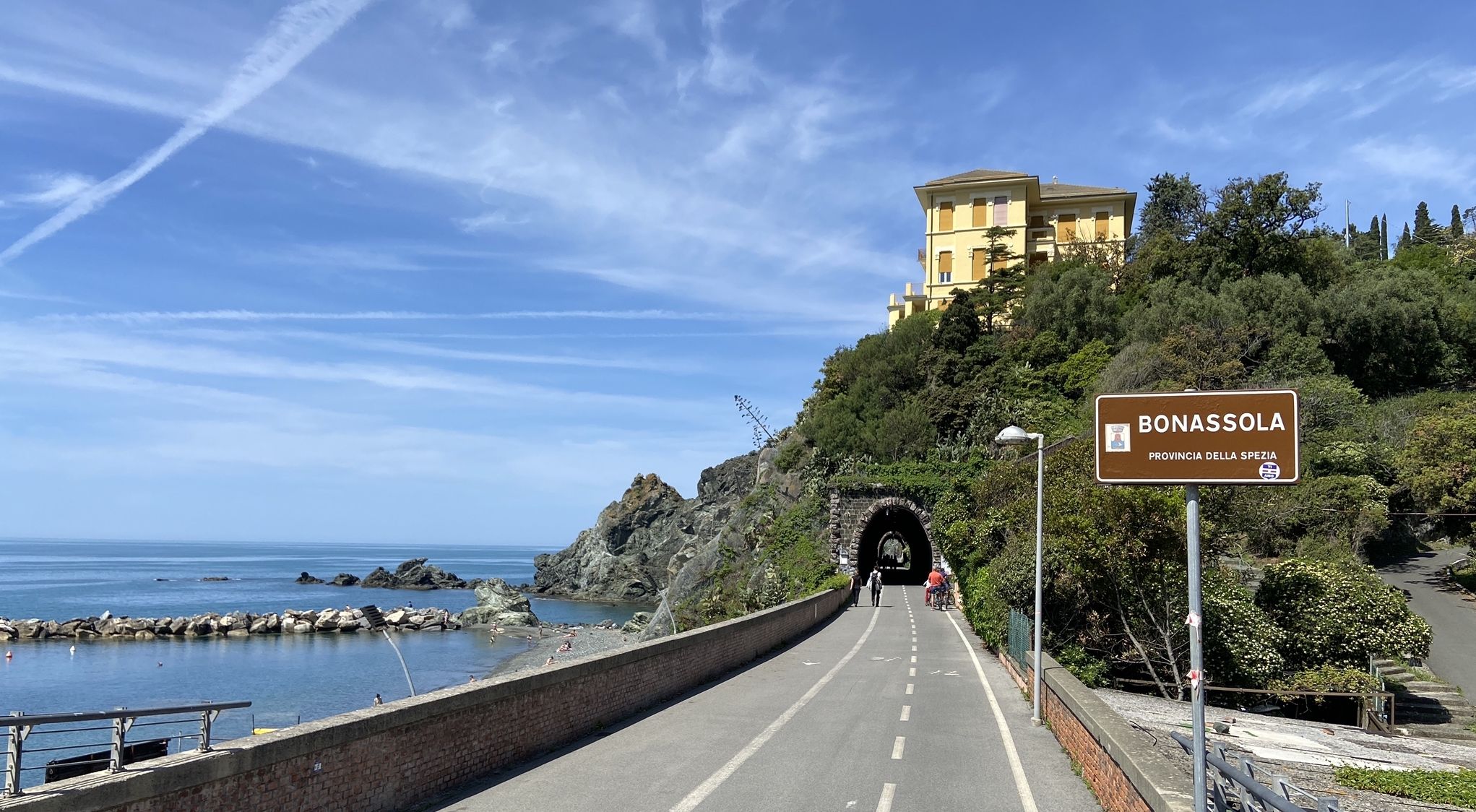
Pedalling to Portofino and the Cinque Terre — sea and mountains
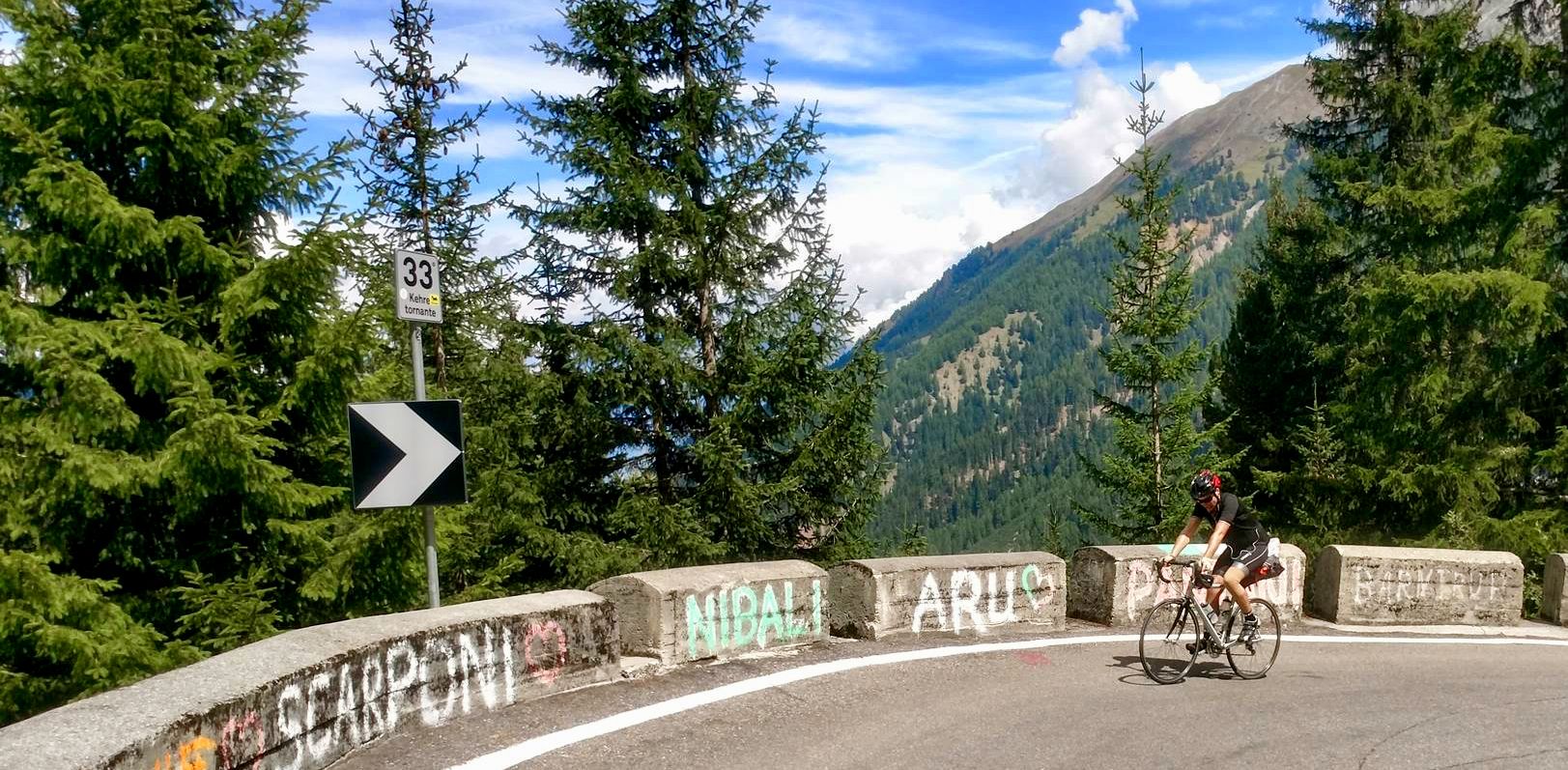
From the mountains to the sea — road cycling in Northern Italy
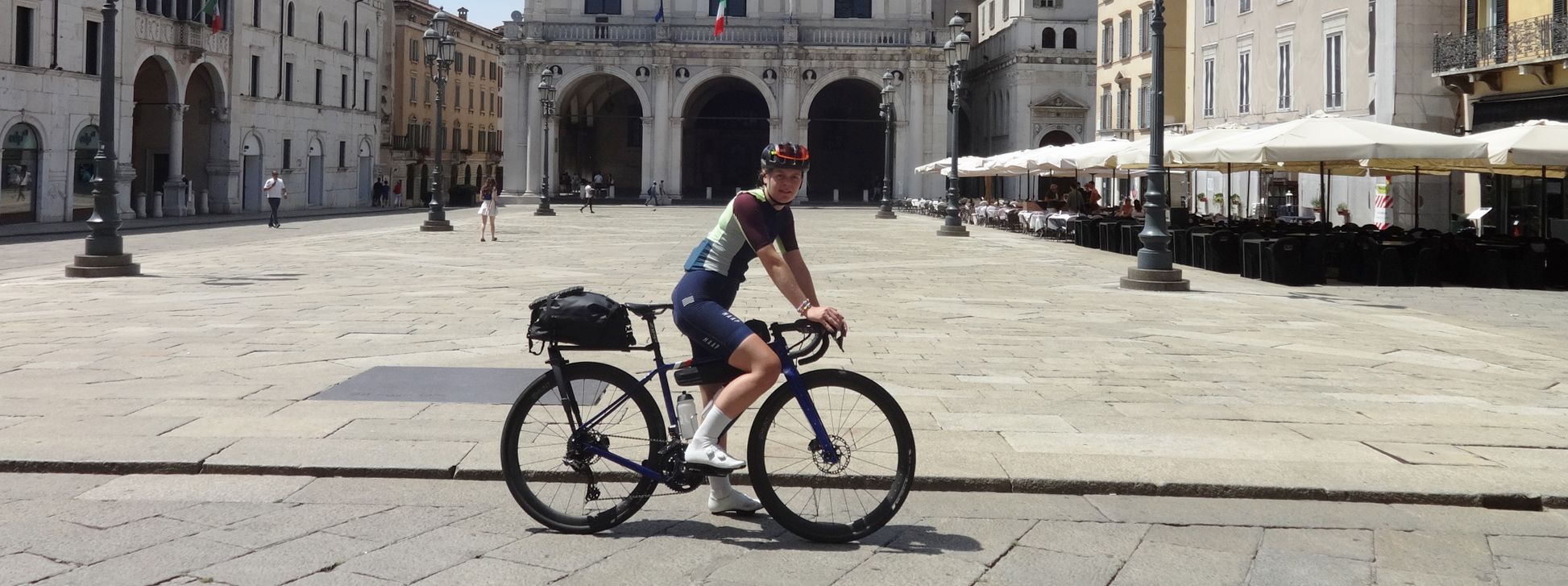
The Pizza Pilgrimage – Milan to Naples, fuelled by pizza
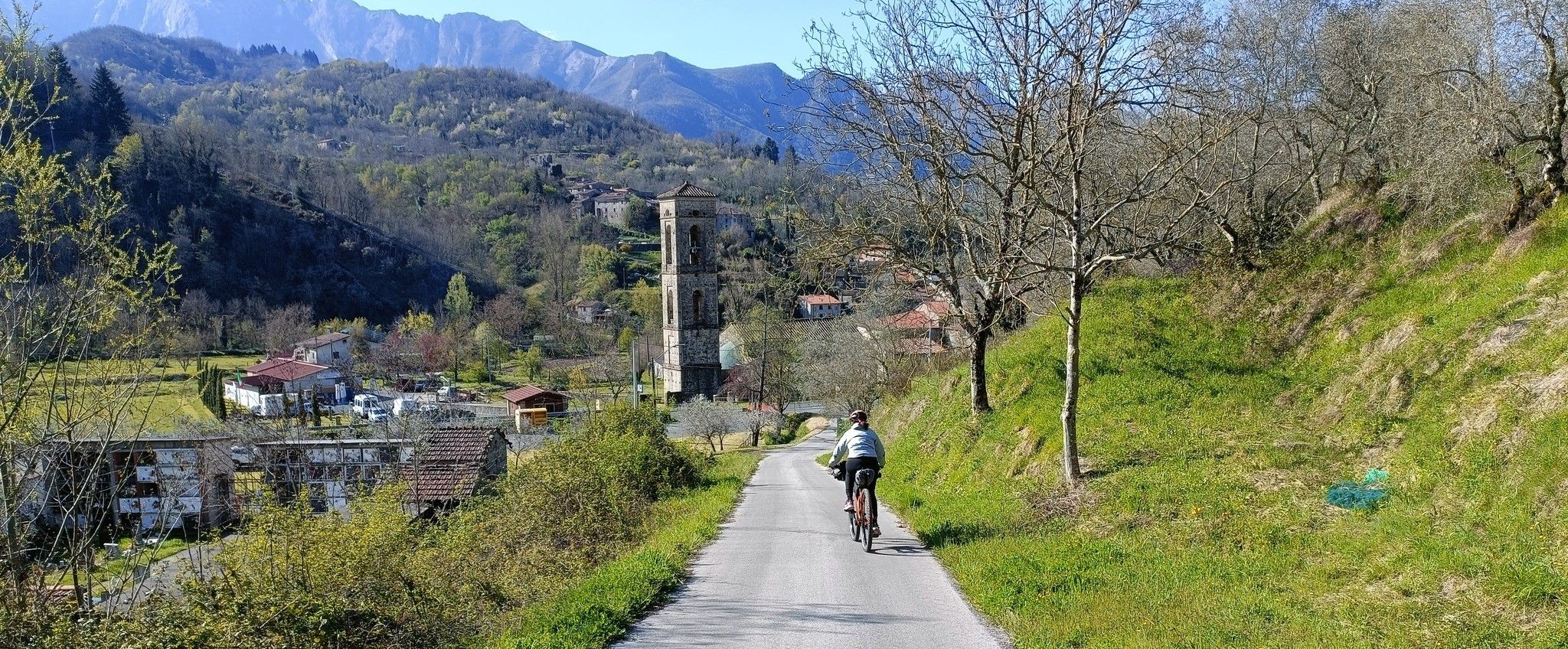
Mediaeval villages and sublime nature – Lunigiana Gravel
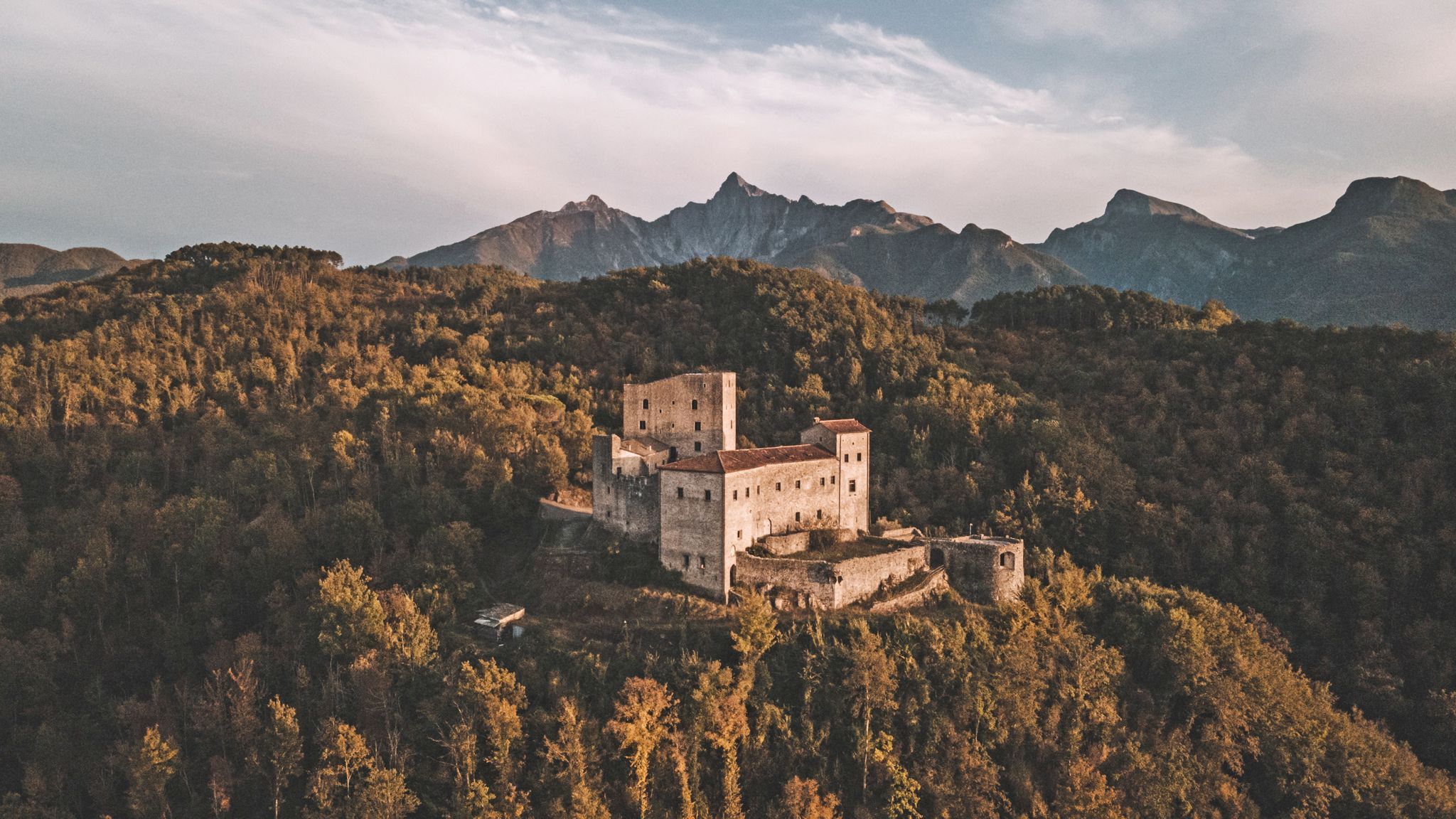
Through history between Lunigiana and Garfagnana – Via del Volto Santo by MTB

The land of 100 castles – Lunigiana Trail MTB
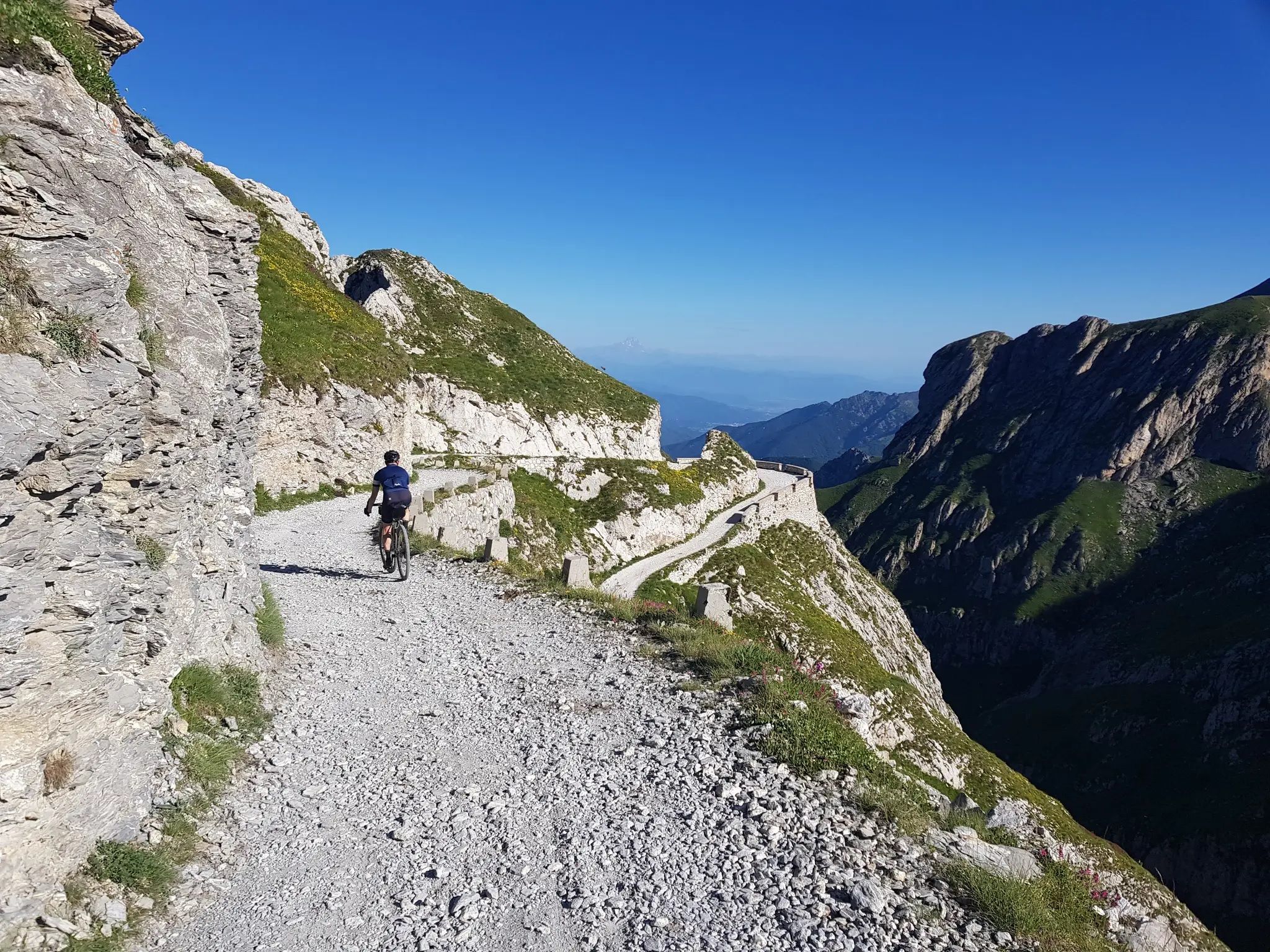
From the boot’s toe to the heel – the most beautiful cycling Tours in Italy
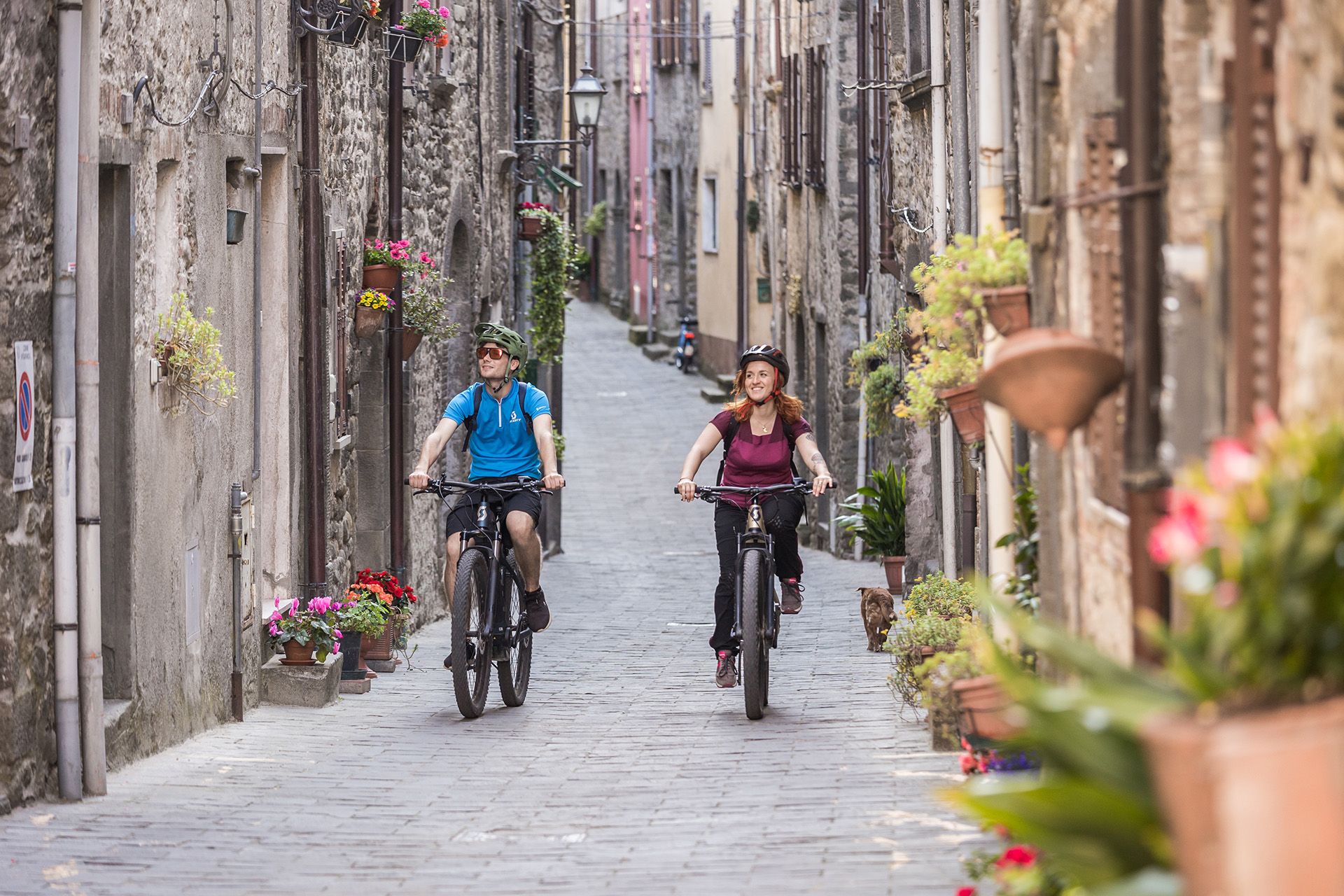
Tuscany by bike — nine Tours for every taste
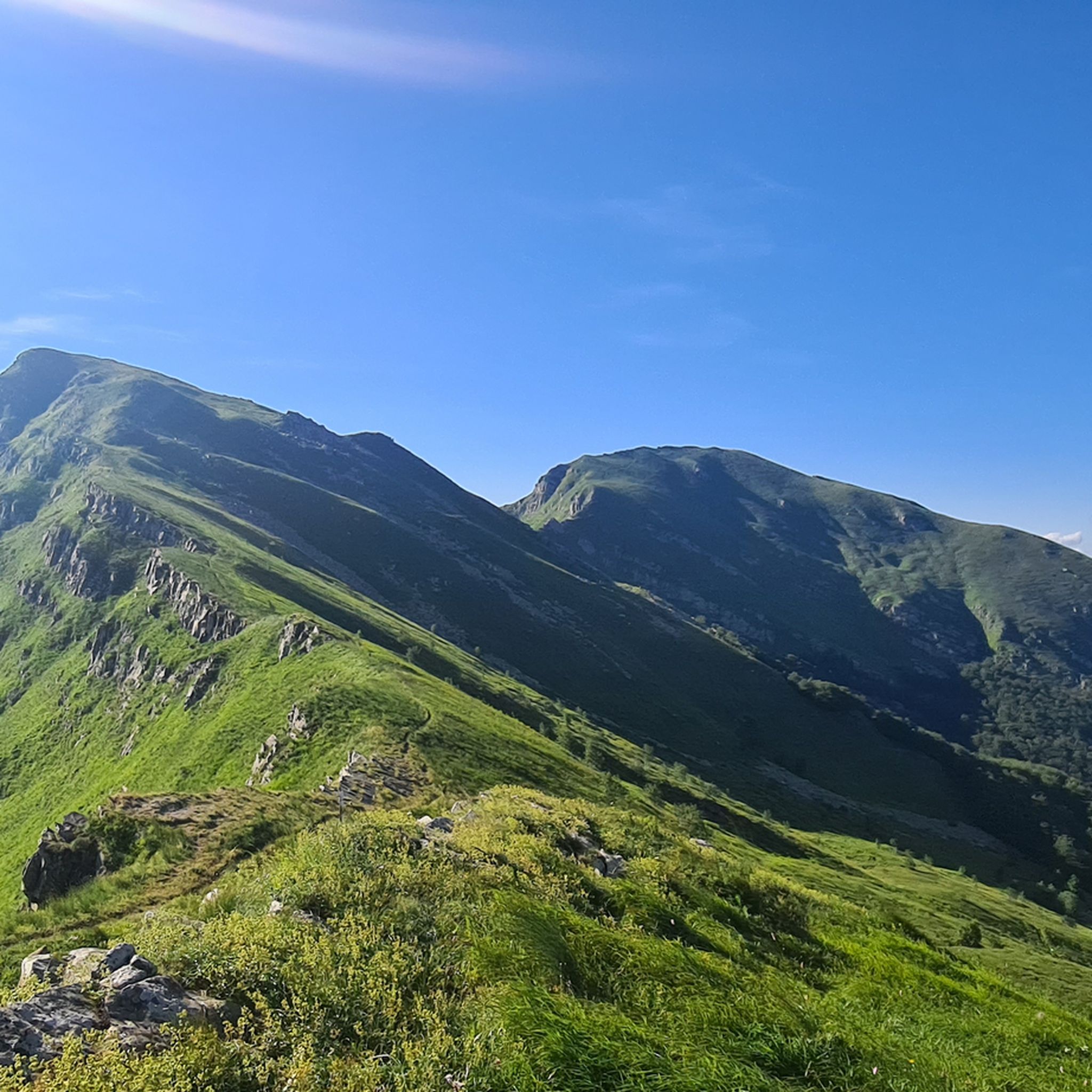
Hiking around Pontremoli
MTB Trails around Pontremoli
Other adventures around Pontremoli


Tips from the Community

The Statue Stele are anthropomorphic vertical stone sculptures, of variable size but generally between 2 and 3 meters in height. These mysterious works of art are testimonies to the culture and spirituality of the ancient peoples who inhabited Lunigiana. Their exact function remains a subject of debate among scholars. Some hypothesize that the Statue Stele could represent ancient gods or local deities, while others suggest they could be funerary symbols or commemorative monuments. The carved figures often feature enigmatic and abstract symbols, such as concentric circles, cupules, and linear engravings, which may have religious, astronomical, or ritualistic significance. The understanding of these symbols is still the subject of research and study by archaeologists and experts.
0
0

A beautiful town in the Parma Apennines. Worth a visit.
0
0

Medieval Castle of 1351. The fortification, which controlled the most important communication routes coming from the Apennines, Cisa and Garfagnana, developed in the 14th century (but its origins are probably older) and on its tower, 25 meters high and crowned by a corbeled patrol embossment, the flag of the Malaspina marquises flew until the 17th century. In addition to performing defensive functions, the castle became a noble residence in 1641, when the central body was transformed into a palace, incorporating the round tower. Despite this, the appearance of Malgrate is that of a classic medieval fortress: the main body is made up of the keep, located on the short side of the rectangular feudal palace and surrounded by walls, equipped with Guelph battlements, slopes and a patrol walkway that seems to date back to the 14th century.
0
0
The Piagnaro Castle is a fortress built in a strategic point to protect the Apennine passes and around which the first medieval nucleus was formed, built around the year 1000. For centuries it has been an integral part of the city's defensive system. In its thousand-year history it has undergone numerous destructions and subsequent reconstructions that have brought it to its current appearance. The Castle maintained its military function until the end of the 18th century. Its name derives from the so-called piagne, the gray sandstone slabs used in Lunigiana to cover the roofs of buildings, including that of the castle.
0
0

The hike up to the castle is worth it. Great views!
0
0

Campanone is a term used in Pontremoli to refer to a medieval tower, the only remaining part of a medieval fortress called Fortezza di Cazzaguerra. The tower was built in 1322. Its purpose was to keep the Guelph and Ghibelline factions of the city separated. The central tower was equipped from the beginning with a bell to warn the citizens of possible dangers. Only later was the tower raised and the actual bell tower built.
4
0
Berceto is a charming village located in the Parma Apennines, at an altitude of 852 meters above sea level. It is located halfway between Parma and La Spezia, in the valley of the Taro river, in the Emilia-Romagna region Berceto is a stop on the Via Francigena, the pilgrimage route of early medieval Christianity to Rome. The ancient village preserves the character and atmosphere typical of the Middle Ages, with stone houses, buildings from the 12th to the 17th centuries and the ruins of a castle. Some of the main attractions are the Cathedral of St. Moderanno, an important example of Romanesque architecture, and the ruins of the Castle of Berceto. Next to the church is the Cathedral Museum, which preserves sacred furniture and vestments, including the 12th century Cape of San Moderanno.
2
0

The Lunigiana stele statues on display are worth seeing. I found it quite interesting. From the top you have a beautiful view of the city
0
0
Frequently Asked Questions
What is the most prominent castle to visit in Pontremoli?
The most prominent castle is the Piagnaro Castle and Museum of Lunigiana Stele Statues. It stands strategically on a hill overlooking Pontremoli's historic center and houses the fascinating Museum of Lunigiana Stele Statues, showcasing prehistoric carvings unique to the region. It offers breathtaking panoramic views of Pontremoli and the surrounding valleys.
Are there other notable castles in the Lunigiana region near Pontremoli?
Yes, beyond Piagnaro, you can explore the Lusuolo Castle and Medieval Village, which is a prime example of medieval civil and military architecture and hosts the Museum of the Emigration of the People of Tuscany. Another significant site is the Entrance to Malgrate Castle, a medieval fortification dominating the Bagnone river valley with its impressive 25-meter high tower.
What kind of historical artifacts can I see at Piagnaro Castle?
Since 1975, the Castello del Piagnaro has housed the Museum of Lunigiana Stele Statues. These are prehistoric carvings representing human figures, significant examples of European megalithic culture created by populations living between the 4th and 1st millennia BC in the Lunigiana region.
What are the accessibility options for reaching Piagnaro Castle?
You can enjoy a scenic walk up to Piagnaro Castle from Pontremoli's historic center, winding through small alleys. For a less strenuous option, an elevator is available from Porta Parma at the north end of town, taking you directly to the castle grounds.
Are there family-friendly castles or activities around Pontremoli?
The Historic Center of Pontremoli itself is considered family-friendly, offering a chance to explore medieval bridges and cobbled streets. While specific castles aren't explicitly listed as 'family-friendly' in the data, the historical and museum aspects of Piagnaro Castle and Lusuolo Castle can be engaging for families interested in history and culture.
What is the best time of year to visit the castles around Pontremoli?
The region experiences varied weather. While specific recommendations for castles are not provided, generally, spring and autumn offer pleasant temperatures for exploring historical sites and enjoying outdoor activities. Summer can be warm, and winter might bring cooler temperatures, but visiting in winter could offer a unique, less crowded experience.
Are there hiking trails near the castles in Lunigiana?
Yes, the Lunigiana region offers various hiking opportunities. You can find routes like 'The village and the Piscio di Pracchiola' or sections of the 'Via Francigena from Liguria to Tuscany (via Passo della Cisa)'. For more details on hiking trails, check out the Hiking around Pontremoli guide.
Can I go cycling or mountain biking near the castles?
Absolutely. The area around Pontremoli is suitable for both cycling and mountain biking. You can explore routes like the 'Ciclovia dei Castelli (Castle Cycle Path)' for MTB or the 'Castles and villages of Lunigiana — Ring tour' for touring bicycles. More information can be found in the MTB Trails around Pontremoli and Cycling around Pontremoli guides.
What kind of views can I expect from the castles?
From Piagnaro Castle, you can expect breathtaking panoramic views of Pontremoli, the surrounding valley, and the Verde and Magra rivers. Malgrate Castle also offers commanding views as it dominates the valley of the Bagnone river.
Are there any cafes or amenities near the castles?
The Historic Center of Pontremoli, located below Piagnaro Castle, has amenities like the famous Caffè Pasticceria Aichta. While specific cafes directly at other castles are not detailed, the nearby villages and towns will offer dining and refreshment options.
What is the historical significance of Pontremoli itself?
Pontremoli is the northernmost municipality in Tuscany and a characteristic center of Lunigiana. It's a historical treasure with medieval bridges and cobbled streets, believed by historians to be the mythical Apua, the ancient capital of the Ligurian-Apuan civilization. Its strategic location meant it played a crucial role in defense and road control throughout history.
How long should I plan for a visit to the castles?
For Piagnaro Castle and its Museum, allow at least 2-3 hours to explore the castle, the museum, and enjoy the panoramic views. Visiting other castles like Lusuolo or Malgrate might take 1-2 hours each, depending on your interest in exploring the surrounding villages or ruins. A full day could be dedicated to visiting multiple sites.
Most popular routes around Pontremoli
Most popular attractions around Pontremoli

Get inspired with the komoot mobile app


Explore more
Looking for the best castles somewhere else? Discover other guides around Pontremoli:
