Top 8 Castles around Montemarzino
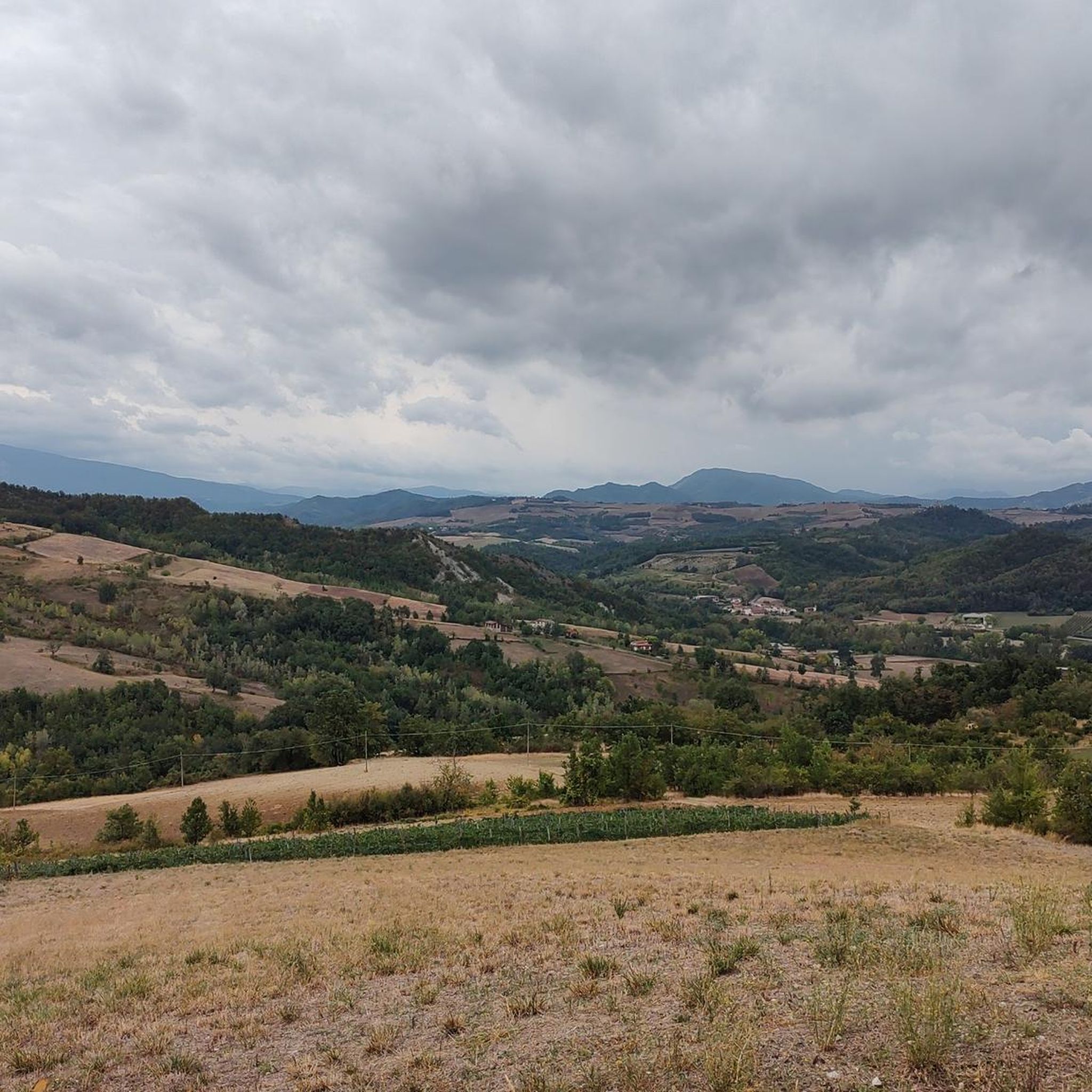
Best castles around Montemarzino are situated in the Alessandria province of Italy, a region characterized by its hilly terrain and historical significance. The area, including Val Curone and Val Grue, features remnants of medieval fortifications that once guarded ancient trade routes like the "Salt Roads." These sites offer insights into the region's feudal past and its strategic importance. Montemarzino itself is primarily known for the ruins of its historic castle, providing panoramic views from its elevated position.
Best castles around Montemarzino
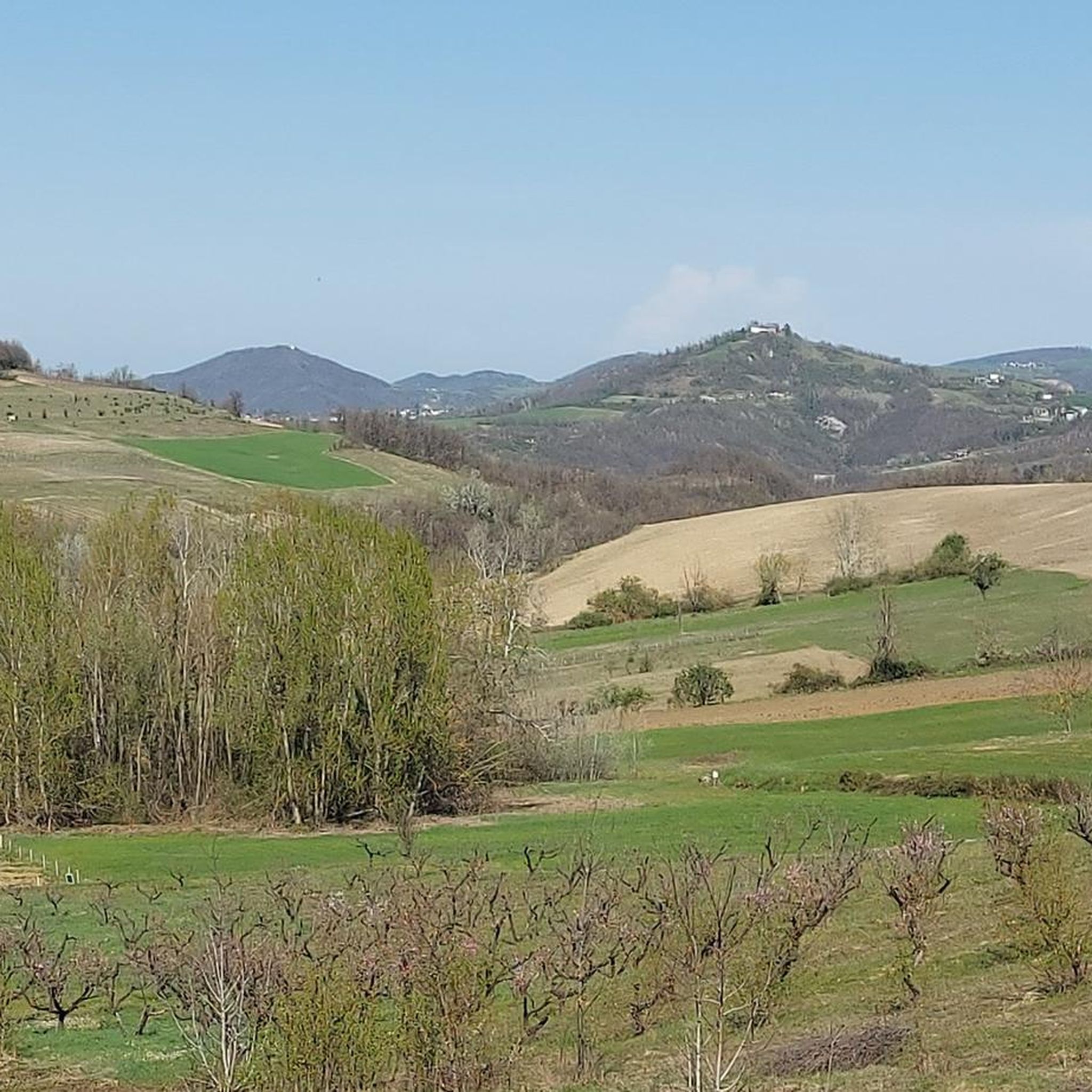
- The most popular castles is Gomo Village and Castelletto, a settlement and castle located on a hill at about 500 m above sea level. This ancient structure, renovated in medieval style, offers a 360° panorama over the surrounding hills and valleys.
- Another must-see spot is Fortress of Montalfeo, a medieval-style castle perched atop a hill. This ancient settlement of the Malaspina Marquises was strategically located on the ancient Via del Sale.
- Visitors also love Tower of the Castle of Tortona, a historical site within a large green park. The tower and its ruins are evidence of an ancient fortress that once overlooked the town.
- Montemarzino is known for its ruined castles, medieval fortresses, and historic towers. The region offers a variety of historical sites to explore, from well-preserved structures to significant ruins.
- The castles around Montemarzino are appreciated by the komoot community, with more than 30 upvotes and 15 photos shared.
Last updated: May 18, 2026
Fortress of Montalfeo
Highlight • Castle
Translated by Google •
Tip by

Dongione of Carbonara Scrivia
Highlight • Castle
Translated by Google •
Tip by

Sign up now to discover places like this
Get recommendations on the best single tracks, peaks, & plenty of other exciting outdoor places.
Sign up for free
Gomo Village and Castelletto
Highlight • Settlement
Translated by Google •
Tip by

Tortona Castle Park
Highlight • Castle
Translated by Google •
Tip by
Sorli Castle
Highlight • Castle
it.wikipedia.org/wiki/Castello_di_Sorli
Translated by Google •
Tip by

Sign up for free to discover even more castles around Montemarzino.
Sign up for free
Already have an account?
Start today with a free account
Your next adventure awaits.
Login or Signup
Tips from the Community

The castle of Carbonara Scrivia dates back to the 14th century or early 15th century, according to some documents found. The typical construction called "dongione" was built by Pierino Cameri on a previous property owned by the Curolo family, lords of Carbonara, who declined starting from 1246.
0
0
The castle of Tortona was a castle that stood on the Savo hill, the most important of the seven on which, according to tradition, the city of Tortona was founded. The name refers to various defensive constructions that arose on the same site over the course of two millennia. Between the 8th and 5th centuries BC. archaeological investigations in fact place the foundation of a hillfort by the Ligurians.
1
0
Path from the village of Sorli to the castle Not pedalable..very steep climb, large stones, wood and deep holes. The descent is also difficult...
0
0

The Castle park is a large green area located in the hilly area of Tortona close to the historic centre. It is a place of memory of the city, having been the scene of historical events such as the siege of Frederick Barbarossa. At the top of the park is the Tower, the city's symbol, which together with a few ruins is evidence of the ancient fortress that overlooked the town until its destruction by Napoleon in 1801.
1
0
The 14th century fortress of Carbonara Scrivia boasts the so-called "Dongione", built by Pierino Cameri. In addition to the dungeon, the defensive system of Carbonara Scrivia consisted of a fortified enclosure or castle, a moat and two access gates.
3
0

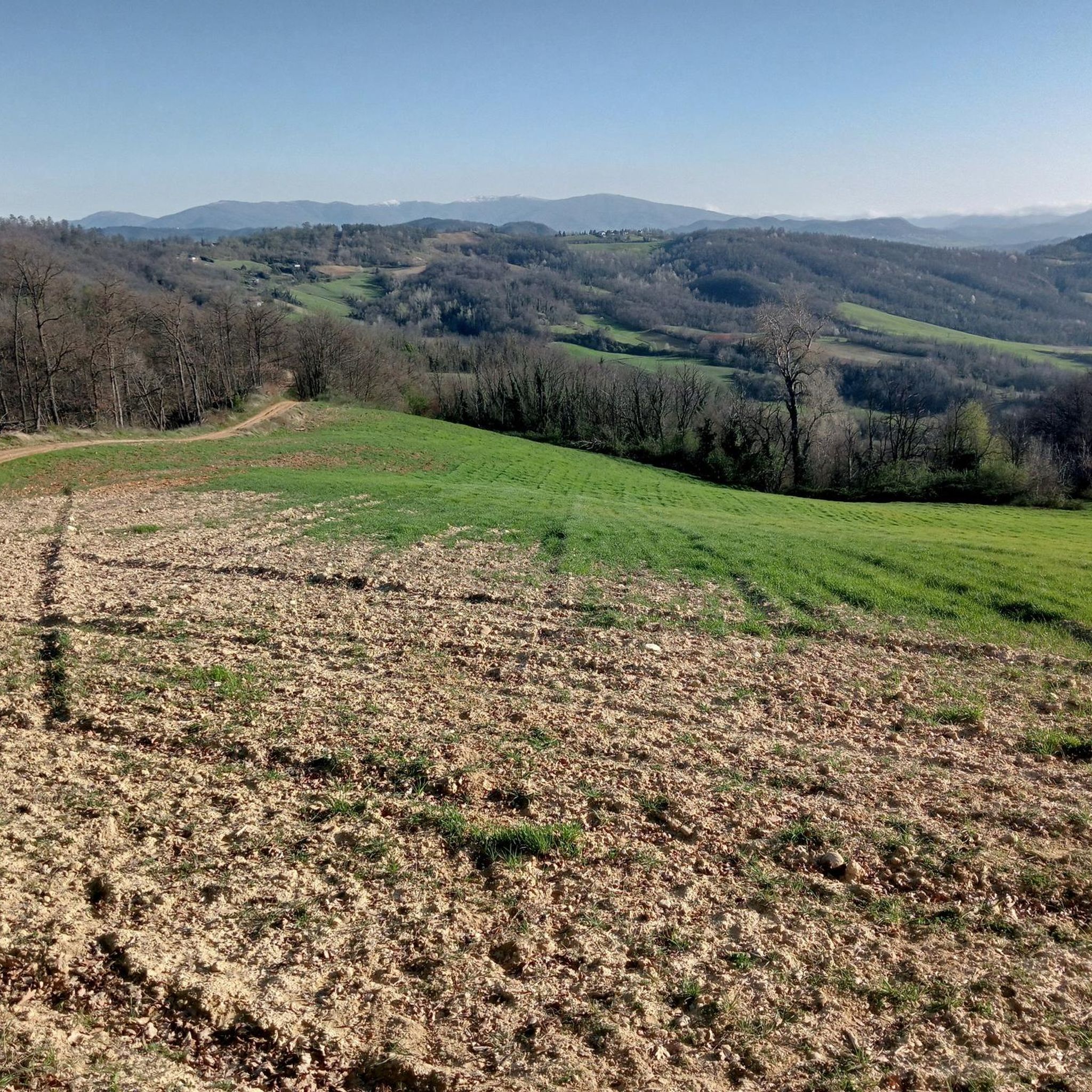
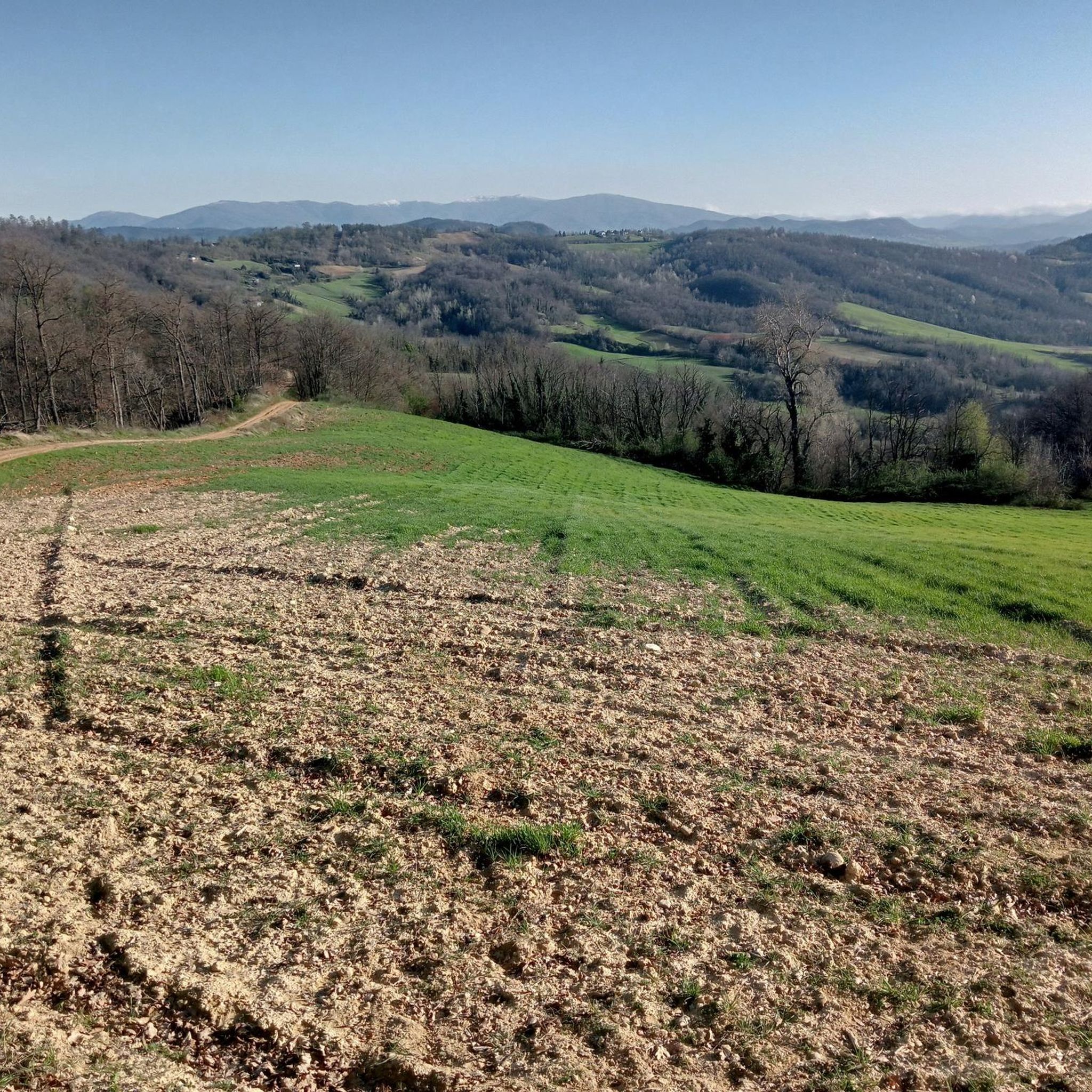
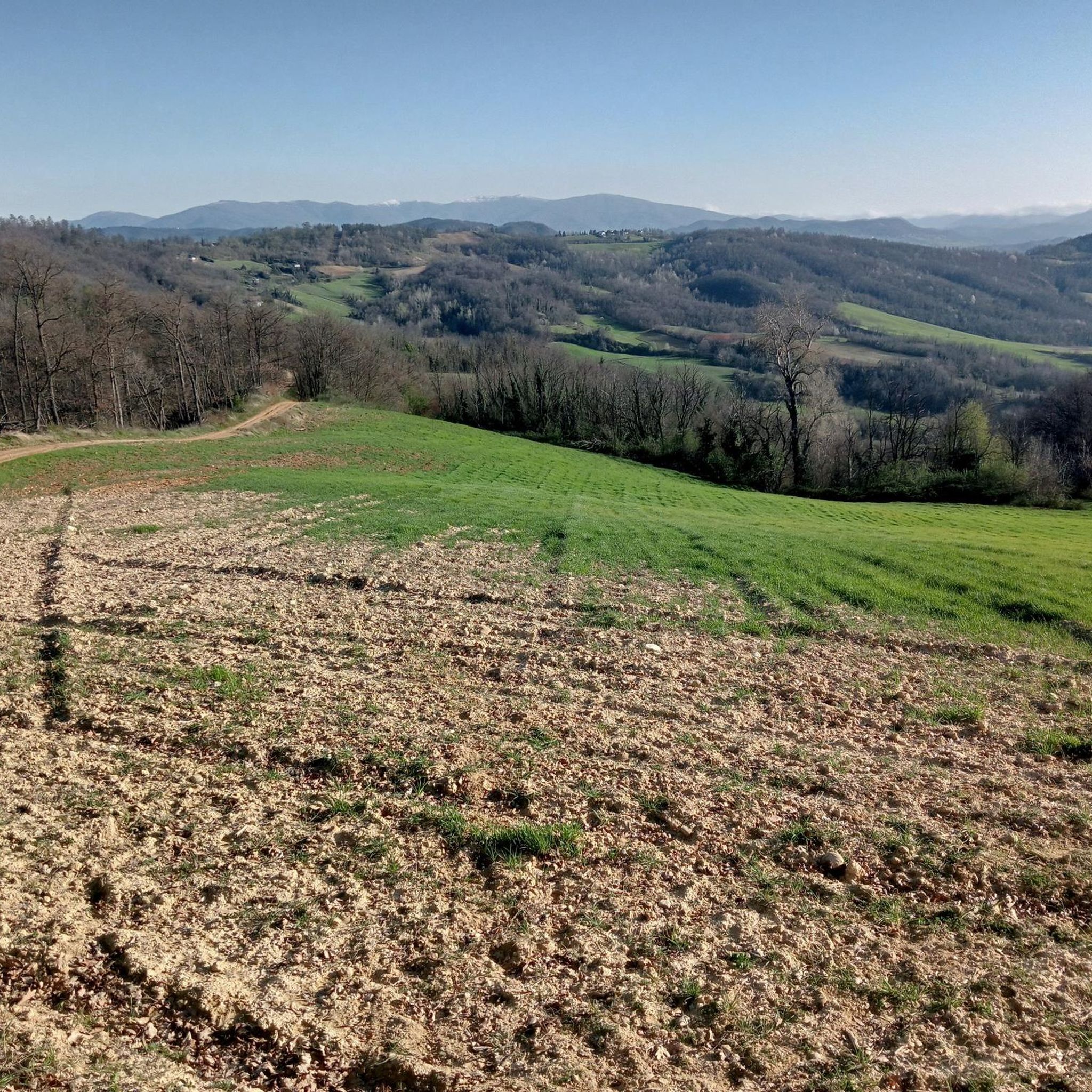
Very suggestive place with a fabulous panoramic view
0
0

The term dungeon, from the French donjon, in turn derived from the Gallic Latin dominium (to be pronounced in the French dominiòm), home of the dominus, designates a multi-storey structure with a strong vertical development similar in function and appearance to the so-called keep. There are few in Piedmont and, among these, the case of Carbonara Scrivia undoubtedly stands out for its state of conservation and architectural integrity. https://www.alexala.it/web/index.php?lang_iso=it&view=risorsa&id_categoria=011144617cd1213242343dc8760b2e84&id_risorsa=93ae8649e487683480695604b748cd9c&id_area=bade033bcb9429 2d545e220e8e7831de
1
0

It is a ruined castle that dates back to the 12th century and is located in the Sorli hamlet in the municipality of Borghetto di Borbera, at a height of 661 meters. From the castle, located on the top of the relief that dominates the hamlet, it is possible to see a good part of the plain that goes from Alessandria to Tortona, including the areas of the Scrivia Valley and the Borbera Valley, and the remains of numerous ancient castles. https://it.wikipedia.org/wiki/Castello_di_Sorli
0
0
Frequently Asked Questions
What is the history of the Castello dei Malaspina di Montemarzino?
The Castello dei Malaspina di Montemarzino, now mostly in ruins, originated as a watchtower and evolved into a significant medieval castle. It was strategically positioned on a hill overlooking the town, offering panoramic views. Its historical importance is highlighted by its depiction in a geographical fresco within the Vatican Loggias. Ownership passed through noble families like the Malaspina, Busseti, and Spinola, underscoring its role in the region's feudal history and its defense of ancient trade routes like the 'Salt Roads'.
Beyond the main ruins, what other notable castles can I explore near Montemarzino?
While Montemarzino itself features the historic Castello dei Malaspina, the broader region offers other significant sites. You can visit the Fortress of Montalfeo, a medieval-style castle perched atop a hill, or the Gomo Village and Castelletto, which offers a 360° panorama. The region also includes the 14th-century Dongione of Carbonara Scrivia, known for its architectural integrity.
Are there hiking trails near the castles around Montemarzino?
Yes, the area around Montemarzino offers various hiking opportunities. You can explore trails like the Monte Roscella Trail or the Monte San Vito Summit loop. For more options, including easy and moderate routes, you can find detailed information and plans on the Hiking around Montemarzino guide.
Can I combine castle visits with outdoor activities like cycling?
Absolutely. The region around Montemarzino is well-suited for cycling, with routes that can take you past some of the historical sites. You can find various road cycling routes, including loops like the Penice Pass or the View of the Borbera Stream, by checking the Road Cycling Routes around Montemarzino guide.
Is there a castle to visit in Tortona?
Yes, in Tortona, you can visit the Tower of the Castle of Tortona. This historical site is located within a large green park and features the tower and ruins of an ancient fortress that once overlooked the town. It's a significant landmark, representing the city's rich history and past sieges.
What is the best time of year to visit the castles around Montemarzino?
The spring and autumn months generally offer the most pleasant weather for exploring the castles and their surroundings. Temperatures are mild, and the natural landscapes are particularly beautiful, making it ideal for both historical exploration and outdoor activities like hiking or cycling. Winter visits are possible, but some sites might have limited access or require appropriate gear for colder conditions.
Are there family-friendly options for visiting castles in this region?
Yes, some sites are suitable for families. For instance, the Dongione of Carbonara Scrivia is categorized as family-friendly. When planning a visit, consider sites with accessible grounds or nearby easy walking trails, such as those found in the Hiking around Montemarzino guide, which includes easy-grade routes.
What kind of views can I expect from these castles?
Many of the castles and their ruins are situated on elevated positions, offering extensive panoramic views. For example, the Gomo Village and Castelletto provides a 360° panorama over the surrounding hills and valleys. Similarly, the Sorli Castle, though ruined, offers a fabulous panoramic view of the plain stretching from Alessandria to Tortona, including the Scrivia and Borbera Valleys.
Are there any hidden gems or less-known historical sites to discover?
While the Castello dei Malaspina di Montemarzino is well-known, exploring the smaller villages and their remnants can reveal hidden gems. The region's history is rich with feudal structures and watchtowers that once guarded ancient routes. Even in their ruined state, sites like the Sorli Castle offer a unique glimpse into the past and often come with breathtaking views, away from more crowded spots.
What should I wear for a castle trip in the Montemarzino area?
Given that many castles are ruins or involve exploring hilly terrain, comfortable walking shoes are highly recommended. Layers of clothing are advisable, as weather conditions can change, especially at higher elevations. If you plan to combine your visit with hiking, appropriate outdoor gear for the season will enhance your experience.
Are there running trails near the castles?
Yes, if you enjoy running, there are several trails in the Montemarzino area that can be combined with castle visits. You can find moderate-grade running loops from places like Pozzol Groppo or Monleale. For a comprehensive list of routes, refer to the Running Trails around Montemarzino guide.
Most popular routes around Montemarzino
Most popular attractions around Montemarzino

Get inspired with the komoot mobile app


Explore more
Looking for the best castles somewhere else? Discover other guides around Montemarzino:
