Top 6 Castles around Fabbrica Curone
Castles around Fabbrica Curone are situated in a region with ancient origins, featuring evidence of Roman or pre-Roman Ligurian settlements. The area's strategic location on hills overlooking the Curone stream and valley made it ideal for medieval fortifications. These historical sites offer insights into centuries of history, from early settlements to the influence of noble families like the Malaspina. The landscape provides a setting for exploring historical architecture and understanding past defensive strategies.
Best castles around Fabbrica Curone
- The most…
Last updated: July 13, 2026
Oramala Castle
Highlight • Castle
Translated by Google •
Tip by

Adorno Castle and Village
Highlight • Castle
Translated by Google •
Tip by
Sign up now to discover places like this
Get recommendations on the best single tracks, peaks, & plenty of other exciting outdoor places.
Sign up for free
Brusamonica Castle_Ruins
Highlight (Segment) • Castle
The …
Translated by Google •
Tip by

Witches' Tower
Highlight • Castle
Showing Translation
Tip by
Tower of the Malaspina Castle of Fabbrica Curone
Highlight • Castle
Translated by Google •
Tip by

Sign up for free to discover even more castles around Fabbrica Curone.
Sign up for free
Already have an account?
Start today with a free account
Your next adventure awaits.
Login or Signup

Tips from the Community

In Torre degli Alberi, a small panoramic hamlet of the municipality of Colli Verdi in Oltrepò Pavese, the main church is the Chiesa del Santissimo Nome di Maria.
2
0
The so-called "Witches' Tower" in Varzi is actually the Malaspina Tower, a medieval 13th-century tower that overlooks the historic center of Varzi, in Oltrepò Pavese.
12
0
The castle of Borgo Adorno was a fiefdom of the Genoese Spinola family until 1518, the year in which Tolomeo Spinola remained without legitimate children and appointed the children of his friend Agostino Adorno as his heirs.
15
0


The castle stands on the left bank of the Curone torrent and opposite the town, on a hill with steep and rugged sides, in a position suitable for controlling the valley below. Currently, the lower part of the massive quadrangular tower remains of the ancient and well-fortified manor. A staircase allows you to reach the access door to the tower, which is located about ten meters above ground level. Once past the door, another staircase allows you to climb to the top of the tower, from which you can see a beautiful view of the Curone Valley. The visit to the tower is suggestive, so it certainly deserves a stop.
0
0

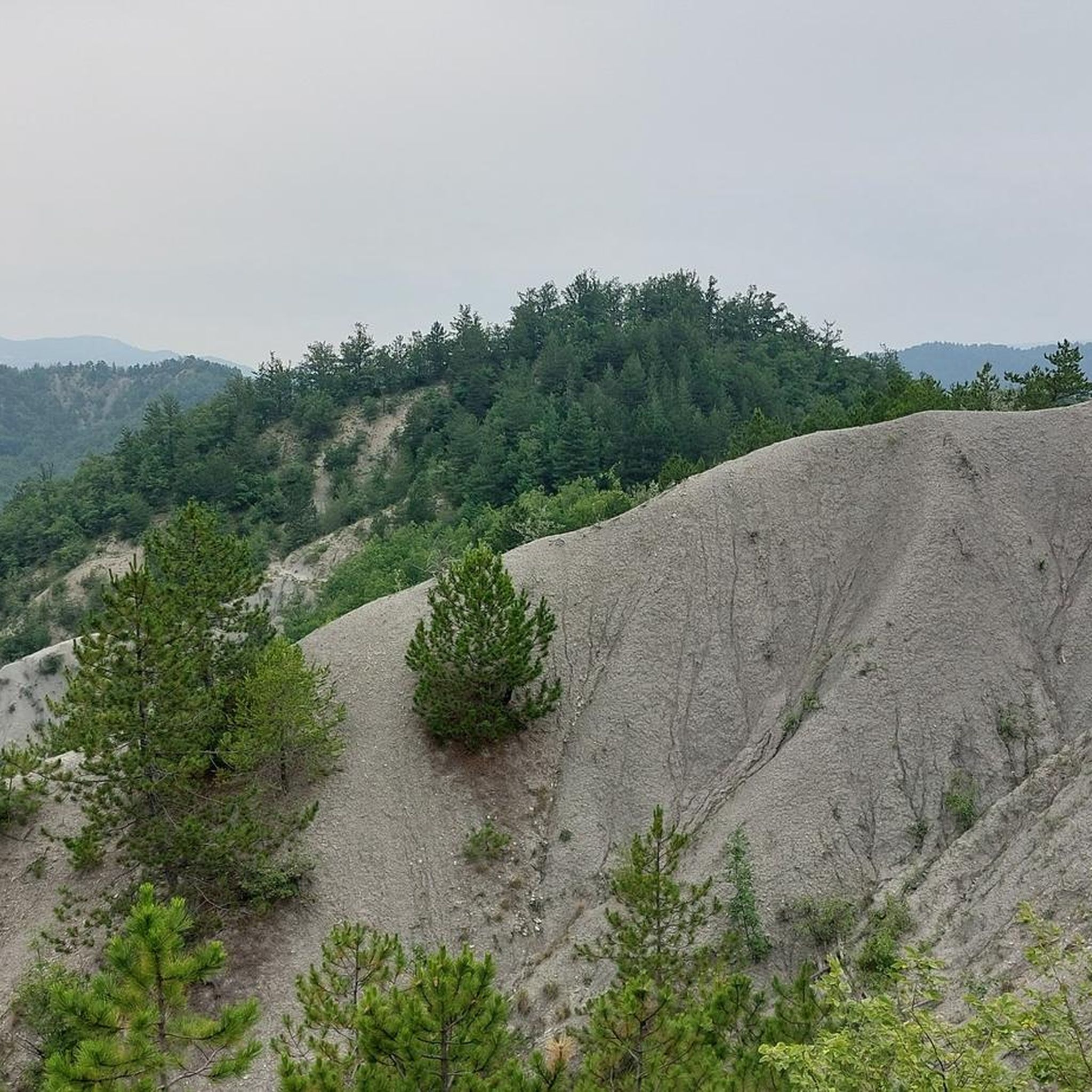
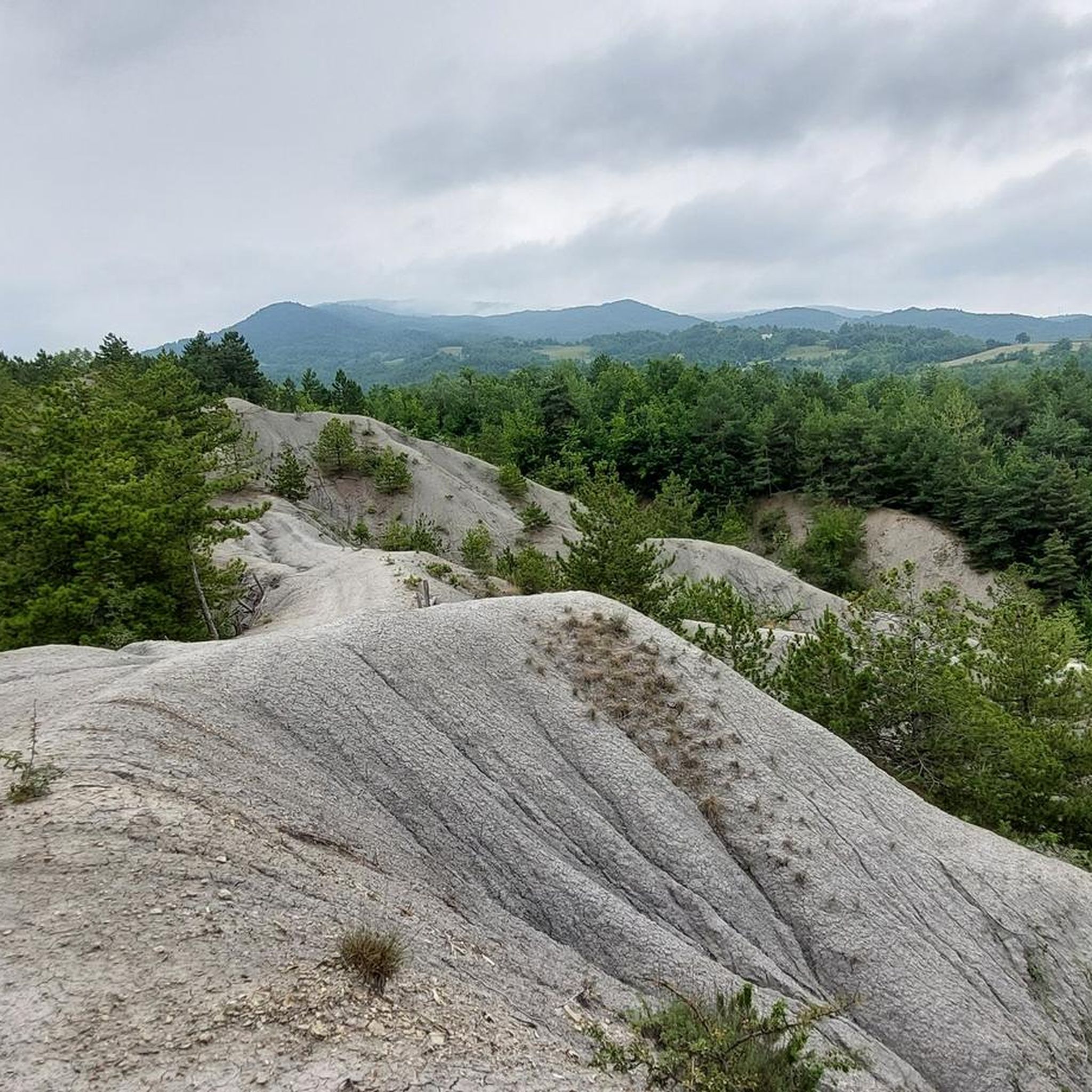
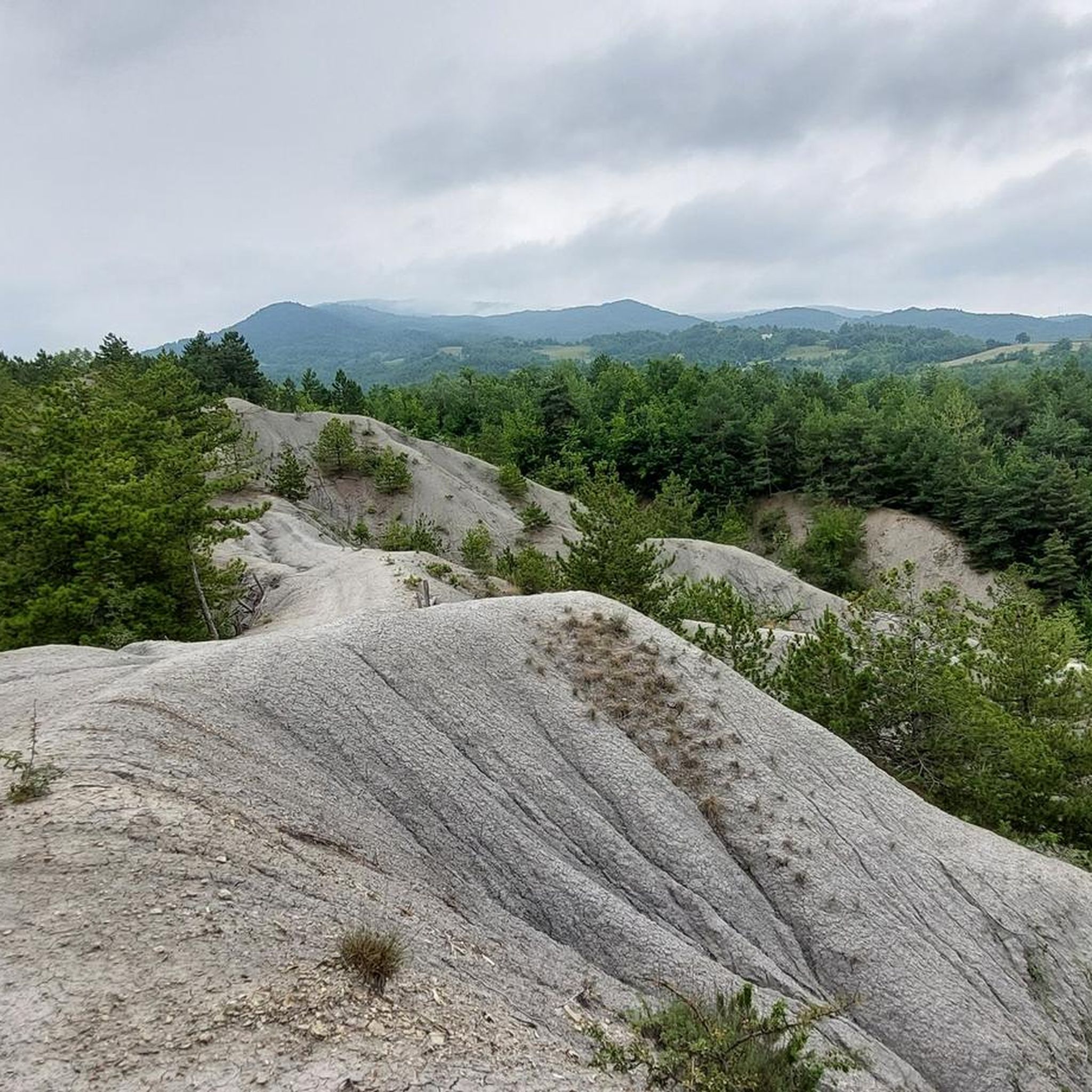
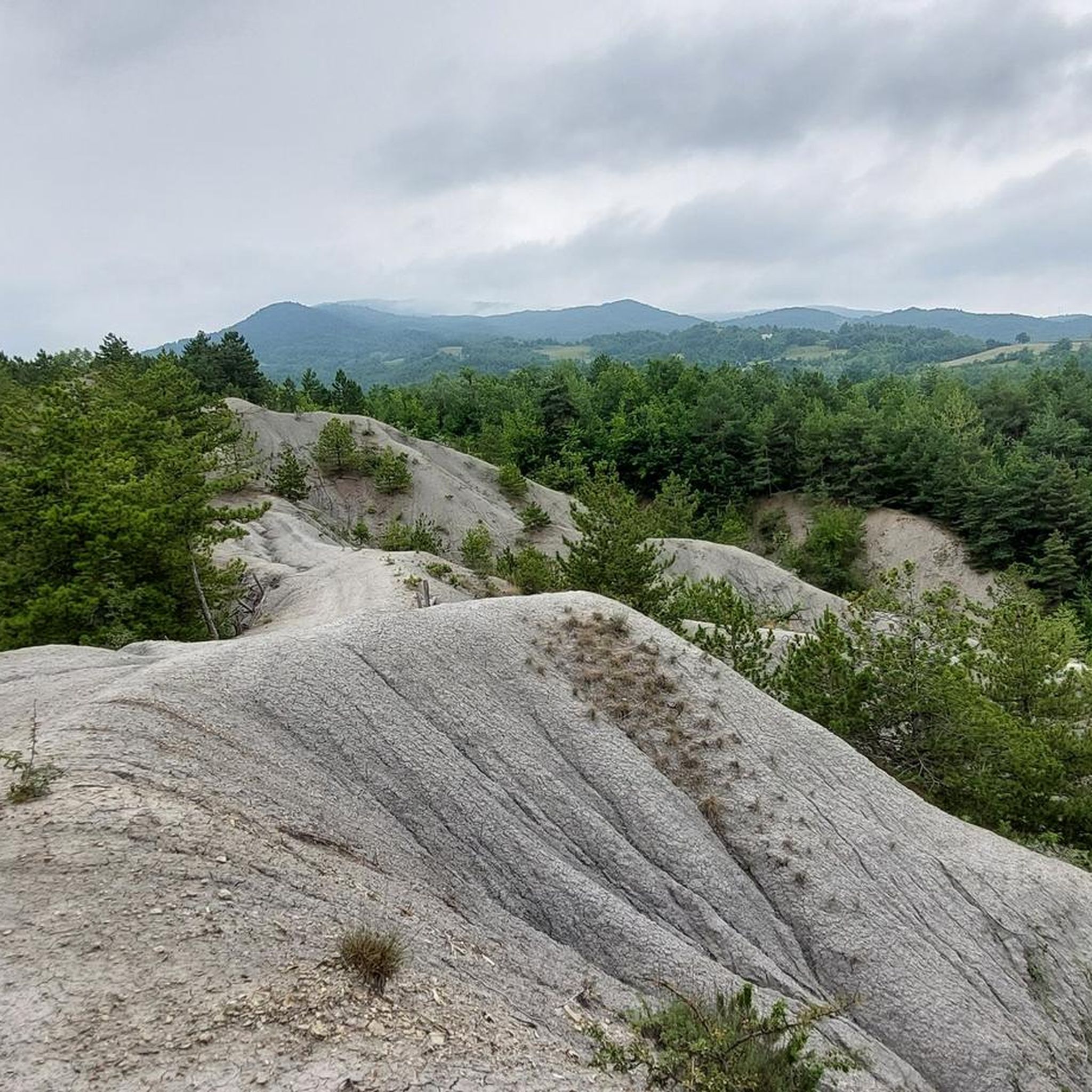
An interesting route in the upper Curone Valley is the one that leads to the walled remains of the Brusamonica Castle, a small town about two kilometers from Caldirola. The castle, built on the crest of the mountains above Caldirola, dates back to the feudal era; although it has lost its ancient splendor over time, it still retains a certain charm, if only for its uncertain and mysterious origin. A legend tells that before the castle there was a convent in the same place, probably founded by the monastery of San Pietro in Ciel d'Oro of Pavia and destroyed during a night of battle and looting (perhaps by Saracen troops) in the 9th century. This, like any good legend, is not confirmed by historical documents, even if even today the inhabitants of Caldirola, referring to the town of Brusamonica, are accustomed to using the term "convent". Contradictions aside, this castle, with a slope that extended up to Val Borbera and now collapsed, represents an important and concrete historical monument that can today become a destination for pleasant walks.
3
0

With the eMTB, it is difficult to reach the site of the remains of the Castle. The path is narrow, steep and in some places there are rocks that block pedaling. Better to go up from Mount Gropà with the eMTB.
0
0
In the late Middle Ages, the village was a fiefdom of the Genoese Spinola family until 1518, who built the castle in 1100. In 1518 Tolomeo Spinola was left without heirs and passed as an inheritance to his friend Agostino Adorno, of the Genoese Adorno family. In the 17th century the castle suffered serious damage following a landslide and shortly afterwards the current Botta Adorno castle and stately palace was built in its elegant style, still privately owned. The castle has an elegant Baroque style portal and a chapel dedicated to Saint Caterina Fieschi Adorno, great-granddaughter of Pope Innocent IV and wife of Giuliano Adorno, who lived between the 15th and 16th centuries.
6
0
Frequently Asked Questions
What are the most historically significant castles to visit around Fabbrica Curone?
The region is rich in history. You can visit Oramala Castle, known for having hosted Dante Alighieri and Federico Barbarossa. The Tower of the Malaspina Castle of Fabbrica Curone, though in ruins, offers a glimpse into the area's feudal past and strategic importance, with evidence of Roman or pre-Roman Ligurian settlements. Adorno Castle and Village, built in 1100, also has a long history, having been a fiefdom of the Spinola and later Adorno families.
Are there any castles that offer panoramic views of the surrounding landscape?
Yes, several castles provide excellent viewpoints. Oramala Castle is situated on a rocky promontory dominating the Staffora valley. The Tower of the Malaspina Castle of Fabbrica Curone, located on a steep hill, offers beautiful views of the Curone Valley from its top. Additionally, Carrega Castle, perched on a rocky spur of Monte Carmo, promises breathtaking views.
What kind of outdoor activities can I do near the castles in Fabbrica Curone?
The Fabbrica Curone area offers various outdoor activities. You can find numerous routes for hiking, including trails like the Monte Giarolo Ring Tour or the Caldirola Fountain Trail. For cyclists, there are options for road cycling and gravel biking, with routes passing through scenic landscapes near the castles.
Are there any castles suitable for a family visit?
While specific family-friendly amenities are not detailed for all, the historical context and scenic locations of the castles can be engaging for families. Exploring the ruins of Brusamonica Castle_Ruins or the Tower of the Malaspina Castle of Fabbrica Curone can spark imagination about medieval times. The walks to these sites are generally accessible for active families.
What is the best time of year to visit the castles around Fabbrica Curone?
The best time to visit is generally during spring (April-June) and autumn (September-October) when the weather is mild and pleasant for exploring. These seasons offer comfortable temperatures for walking and clear views of the surrounding valleys. Summer can also be suitable, but it might be warmer, especially during midday.
Are there any easy walks or trails to reach the castles?
Many of the castles, even in their ruined state, are accessible via walks. For instance, the Brusamonica Castle_Ruins are a destination for pleasant walks in the upper Curone Valley. The Tower of the Malaspina Castle of Fabbrica Curone is on a hill, and while it involves a climb, it's a rewarding walk for the views.
Can I visit the castles with my dog?
Most outdoor historical sites and trails in the Fabbrica Curone region are generally dog-friendly, especially if your dog is well-behaved and kept on a leash. For specific indoor areas or privately owned castles like Adorno Castle and Village, it's advisable to check directly with the site for their pet policies.
What should I wear when visiting the castles?
Given that many castles are ruins or involve walking on uneven terrain and trails, comfortable walking shoes or hiking boots are highly recommended. Dress in layers, as the weather in the valleys can change. A hat and sunscreen are advisable during sunny days, and a light rain jacket is always a good idea.
Are there any hidden gem castles in the Fabbrica Curone region?
While not entirely 'hidden,' the Brusamonica Castle_Ruins offer a unique charm due to their uncertain and mysterious origin, making them an intriguing visit for those looking beyond the more prominent sites. The Tower of the Malaspina Castle of Fabbrica Curone, despite its ruined state, provides a deep historical connection to the region's ancient past.
How long does it typically take to visit a castle in the Fabbrica Curone area?
The time required varies depending on the castle and your interest. For sites like the Tower of the Malaspina Castle of Fabbrica Curone or Brusamonica Castle_Ruins, which are primarily ruins, you might spend 1-2 hours exploring the site and enjoying the views. For more preserved structures or those with villages like Adorno Castle and Village, you might want to allocate more time, perhaps 2-3 hours, to explore the surroundings.
Are there any cafes or restaurants near the castles?
While direct cafes at the castle sites are rare, especially for ruins, you will find dining options in the nearby villages. Fabbrica Curone and other towns like Caldirola, near Brusamonica Castle_Ruins, offer local eateries where you can enjoy traditional cuisine after your visit.
What makes the castles in Fabbrica Curone unique?
The castles in Fabbrica Curone are unique for their deep historical roots, often dating back to feudal times and even earlier settlements. Their strategic locations on hills overlooking valleys highlight medieval defensive strategies. Even in their ruined state, they offer a tangible connection to powerful noble families like the Malaspina and historical figures like Dante Alighieri, providing a rich historical context to the beautiful natural landscape.
Most popular routes around Fabbrica Curone
Most popular attractions around Fabbrica Curone

Get inspired with the komoot mobile app


Explore more
Looking for the best castles somewhere else? Discover other guides around Fabbrica Curone:
