Top 9 Gorges around Sorano
Best canyons around Sorano are primarily the ancient Vie Cave, hollow roads carved deeply into the soft tufa rock by the Etruscans. These pathways offer a canyon-like experience due to their towering, narrow walls, creating a distinctive and historically rich landscape. They connect various Etruscan settlements and necropolises in the region, forming a crucial part of the "tuff civilization" area. The area features a mountainous landscape with volcanic gorges and the Lente valley.
Best canyons around Sorano
- The most popular…
Last updated: June 30, 2026
Via Cava di San Giuseppe
Highlight (Segment) • Trail
Translated by Google •
Tip by

Via Cava Madonna delle Grazie
Highlight • Gorge
Translated by Google •
Tip by

Sign up now to discover places like this
Get recommendations on the best single tracks, peaks, & plenty of other exciting outdoor places.
Sign up for free
Sorano
Highlight • Settlement
Translated by Google •
Tip by

Via Cava di San Rocco
Highlight (Segment) • Gorge
Translated by Google •
Tip by
Via Cava di Fratenuti
Highlight (Segment) • Gorge
Translated by Google •
Tip by
Sign up for free to discover even more gorges around Sorano.
Sign up for free
Already have an account?
Start today with a free account
Your next adventure awaits.
Login or Signup
Popular around Sorano
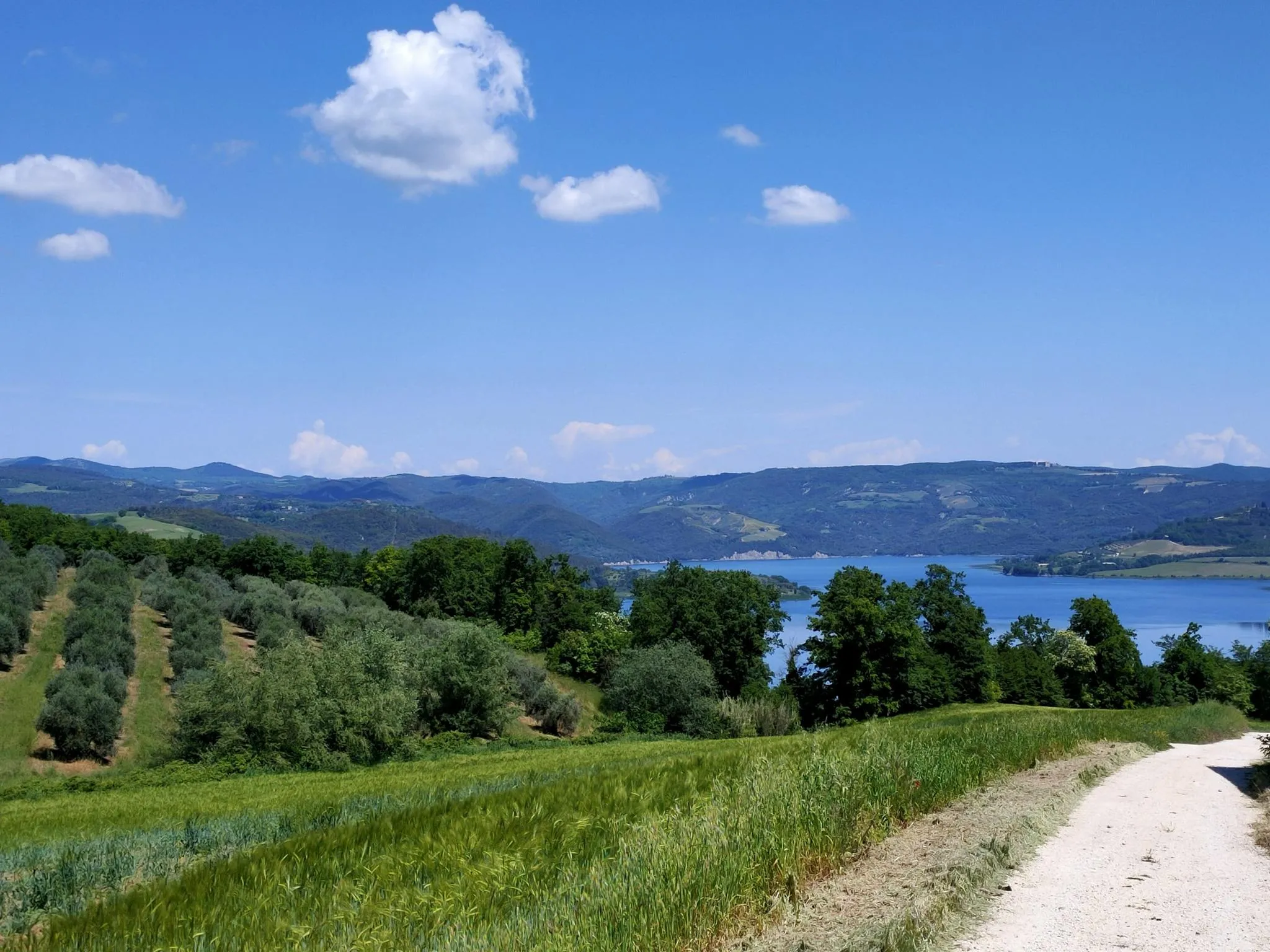
Italian Coast2Coast – From Portonovo to Orbetello
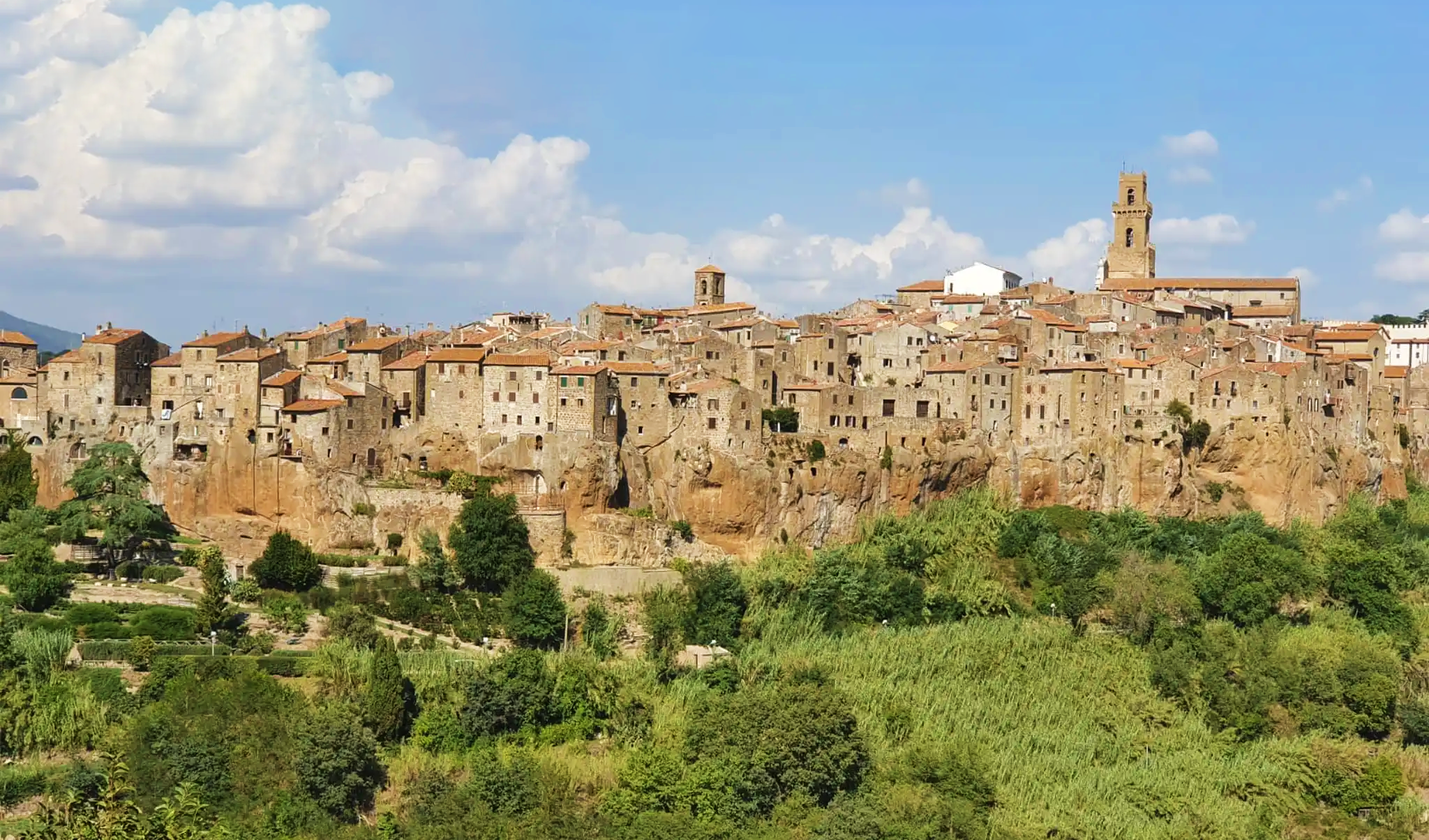
Italy coast to coast by bike – Orbetello to Senigallia
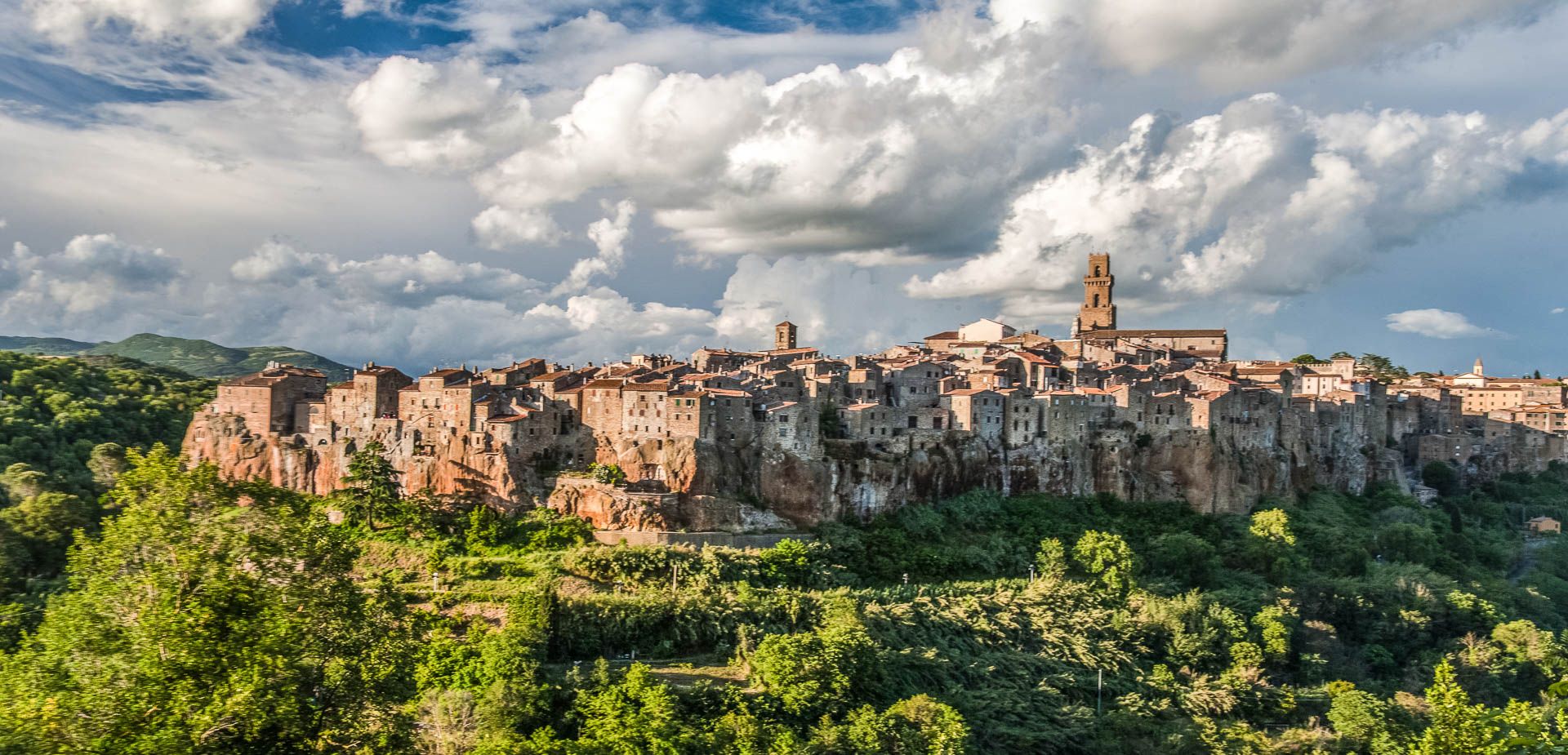
Quarries, Etruscan cuts and hanging villages – the Tufa area by bicycle
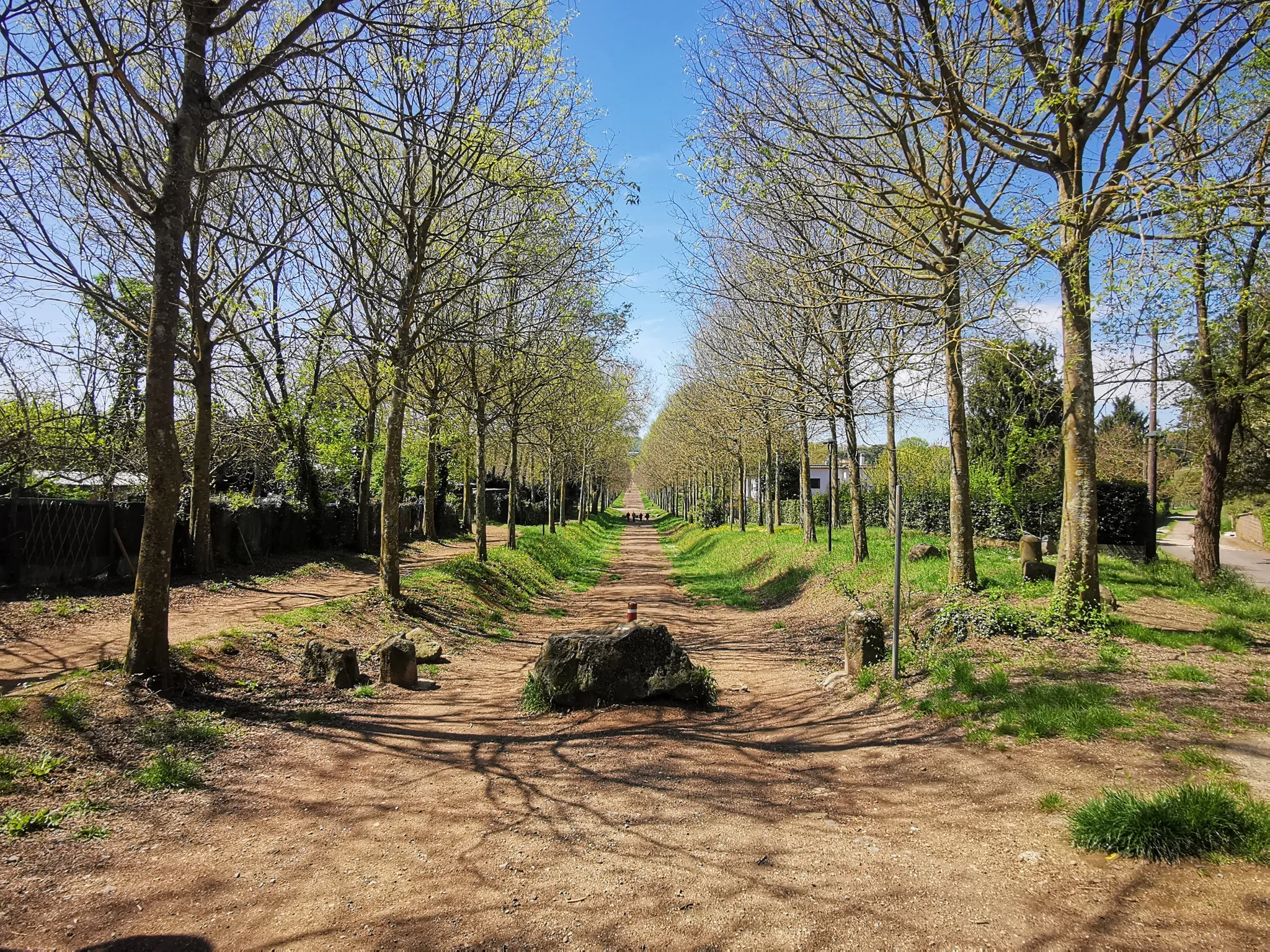
Ancient paths and necropolises – the Via Clodia by bike
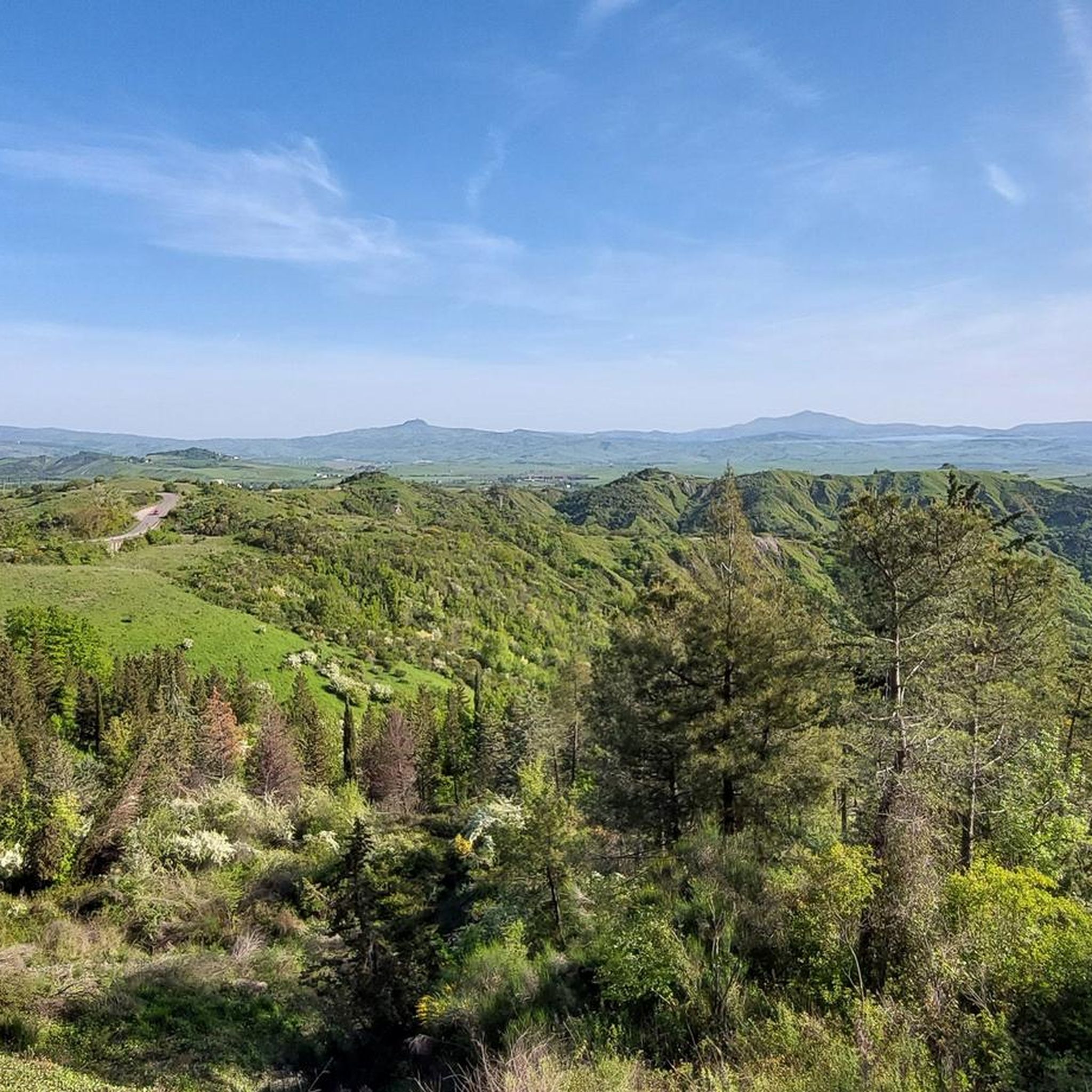
Hiking around Sorano
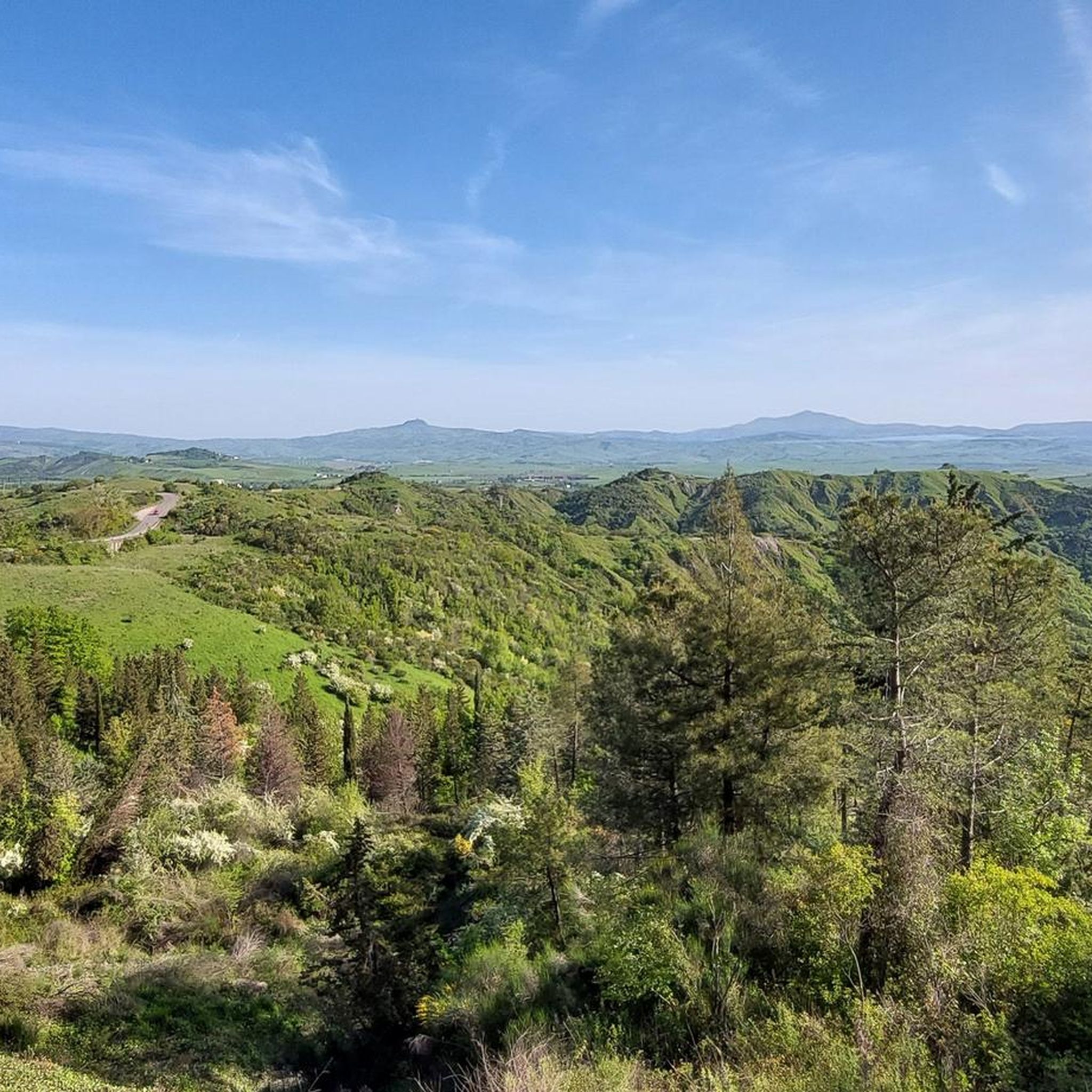
Cycling around Sorano
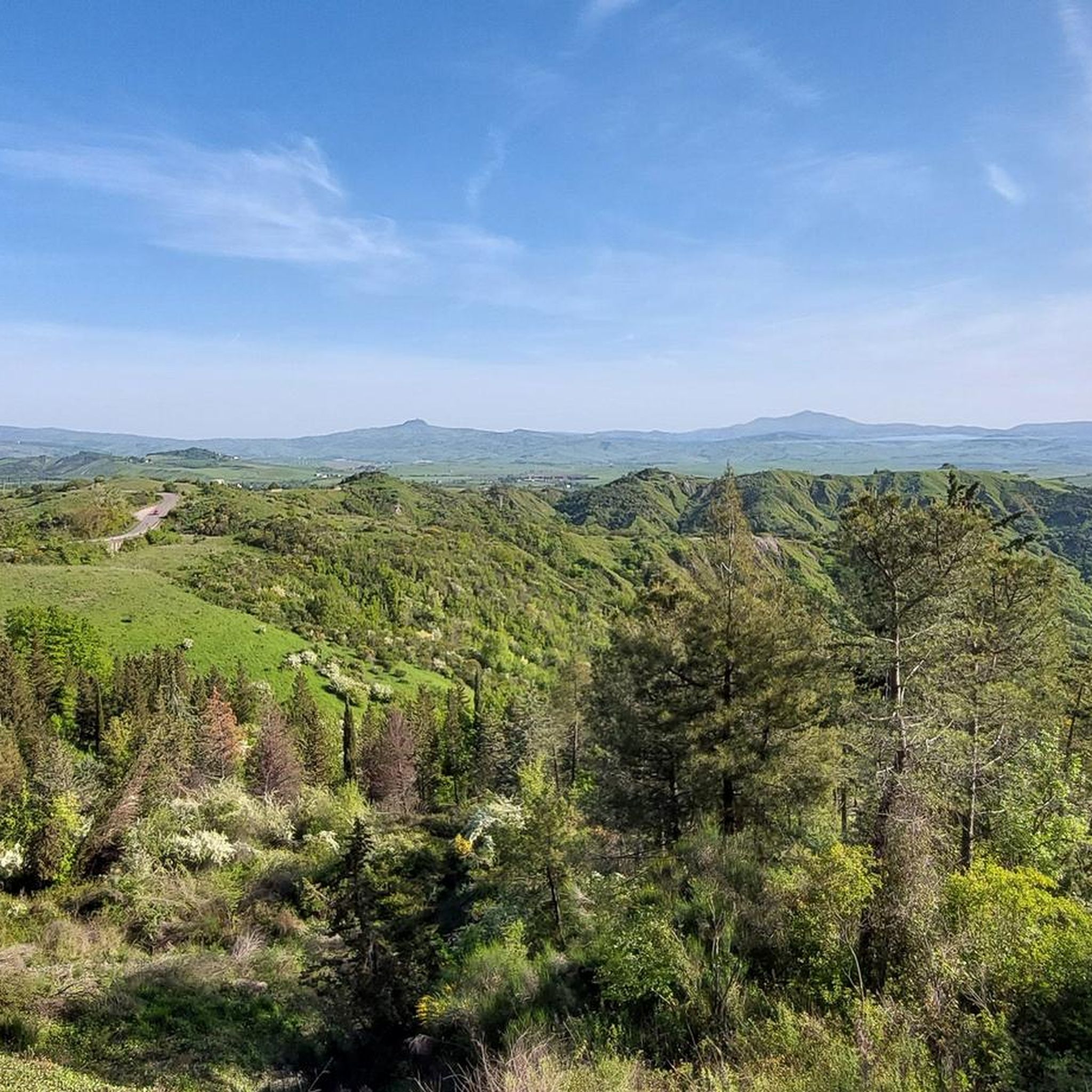
Road Cycling Routes around Sorano
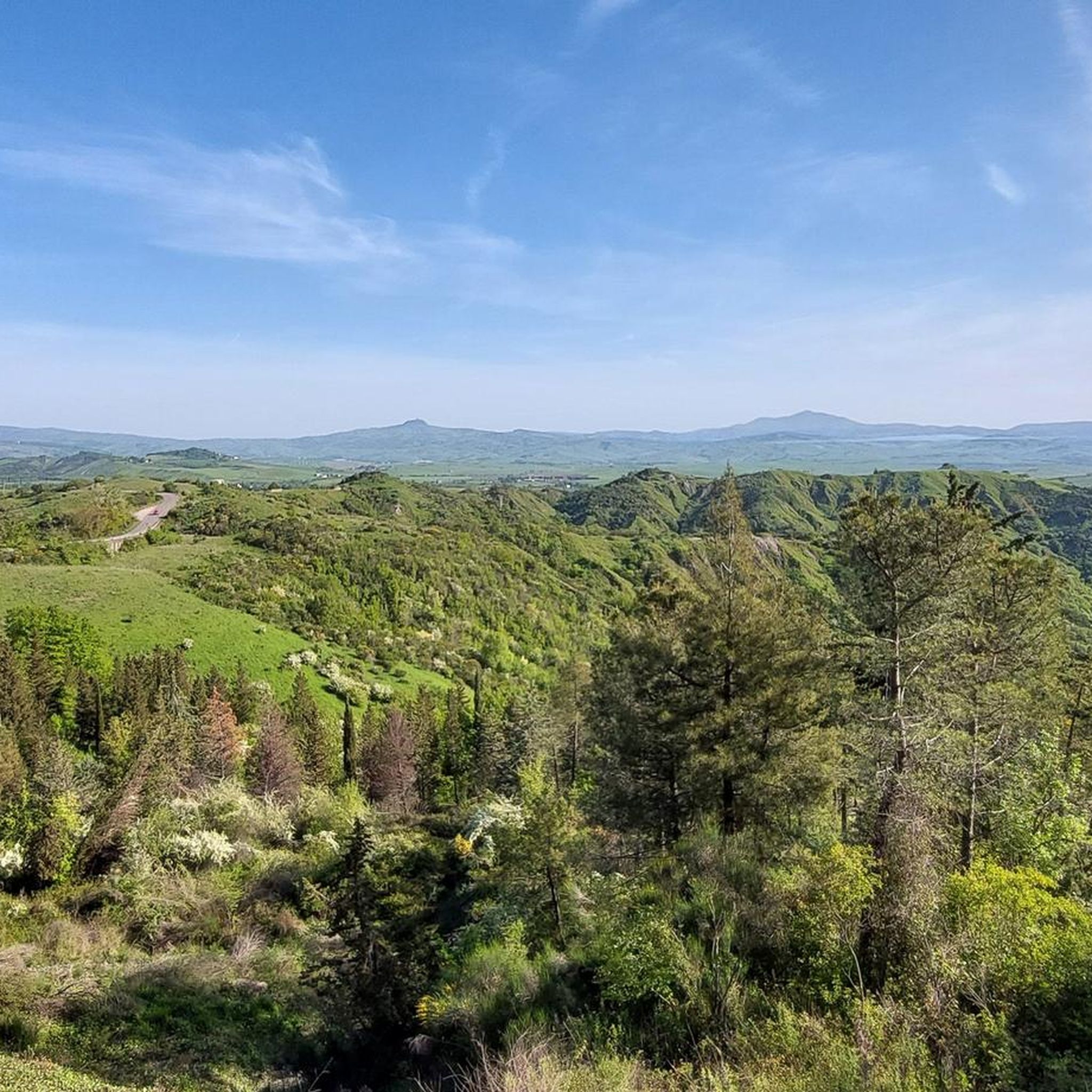
MTB Trails around Sorano
Running Trails around Sorano
Gravel biking around Sorano
Other adventures around Sorano


Tips from the Community

The Via Cava di San Rocco is one of the most impressive Etruscan paths in the area. The trail is entirely dug into the tuff, with vertical walls reaching up to 20 meters high, hosting lush vegetation of ferns and mosses. The route connects the Lente river valley with the plateau above. Along the ascent, you will encounter ancient water channeling systems and stairs carved into the rock. Once you reach the upper end, you arrive at the panoramic area of San Rocco, from which you can enjoy the most iconic view of the settlement of Sorano and the Orsini Fortress. The ground can be damp and slippery due to the cool microclimate of the walls.
0
0

Sorano is a small medieval town built on tuff rocks in the province of Grosseto/Tuscany.
1
0


The Via Cava di Fratenuti is undoubtedly one of the most spectacular excavated Etruscan cave roads, characterized by walls up to twenty meters high adorned with engravings and inscriptions dating back to both the Etruscan and medieval times. Thanks to the particular temperature range of this deep corridor carved into the rock, a special microclimate has developed which favors the growth of a vast variety of ferns, mosses and lichens. It is a place of solitary and primitive beauty, where time seems to have stopped.
1
0
The Vie Cave, sometimes also called Cavoni, form a suggestive road system from the Etruscan era that connects various settlements and necropolises between Pitigliano, Sovana and Sorano. They mainly develop between steep tuff rock walls, some of which exceed twenty meters in height. In Roman times, these streets became part of a road network connected to the main trunk of the Via Clodia, an ancient road that connected Rome to Saturnia, passing through the city of Tuscania and branching off from the Via Cassia in Lazio. The Via Cava di San Giuseppe is one of the most evocative in the area, as well as the longest, leading up to Pitigliano. This street is associated with the traditional torchlight procession of San Giuseppe, which is held on March 19th. The link between ancient pagan rites and the dark atmosphere along the route, which still persists today, dates back to Christian times, when small niches with painted sacred images, known as "devil chasers", were dug to protect travellers.
4
1
The Via Cava di San Rocco goes up the opposite side of Sorano, skirting the remains of the church of San Rocco, a religious building in Romanesque style now reduced to ruins that maintain sections of the original wall structures. Behind these remains extends a vast Etruscan necropolis with tombs dug into the tuff. The Vie Cave, dug by the Etruscans about 3000 years ago in the tuff, are still shrouded in mystery regarding the technique used to sculpt the rock so precisely and vertically. This street represents the most important of the Vie Cave around Sorano, as it guided the Etruscans to their necropolis. Incredibly, for over six centuries, from the Middle Ages until 1940, it was the only road that connected the city of Sorano to Sovana. Every horse, cart and traveler had no choice but to travel this steep, damp road between its high walls.
1
0
Sorano is located in a suggestive mountainous region immersed in the richness of forests. The medieval village clings to a steep tuff rock called Masso Leopoldino, which dominates the valley of the Lente stream. The tower houses, the winding streets, the open spaces, the alleys and tunnels that intertwine in the heart of the rock give the neighborhood a unique charm. The panorama from the terrace on the top of the cliff offers exceptional views of Sorano, the volcanic gorges and the Lente valley. Over the centuries, Sorano has been the scene of disputes, sieges and wars, earning it the curious nickname of "Italy's match".
3
0
Frequently Asked Questions
What makes the canyons around Sorano unique?
The 'canyons' around Sorano are primarily the ancient Vie Cave, hollow roads carved deeply into the soft tufa rock by the Etruscans thousands of years ago. These impressive pathways offer a canyon-like experience due to their towering, narrow walls, creating a distinctive and historically rich landscape. They connect various Etruscan settlements and necropolises in the region, forming a crucial part of the 'tuff civilization' area.
What are some of the most notable Vie Cave to explore near Sorano?
Among the most notable are Via Cava di San Giuseppe, known for its steep tuff rock walls exceeding 20 meters and historical connection to the Roman Via Clodia. Another significant one is Via Cava Madonna delle Grazie, an ancient Etruscan road whose exact purpose remains a mystery. Also, consider Via Cava di San Rocco, which skirts an Etruscan necropolis and was historically the main road connecting Sorano to Sovana.
What is the historical significance of the Vie Cave?
The Vie Cave are ancient Etruscan roads, some dating back around 2600 years. They were used for various purposes, including connecting settlements, necropolises, and potentially religious passages. Many Etruscan tombs are found along these paths, some later repurposed as dwellings or shelters, offering glimpses into the beliefs and daily lives of the Etruscans and subsequent inhabitants.
Are the Vie Cave trails suitable for families with children?
Yes, several Vie Cave are considered family-friendly. For example, Via Cava di San Rocco is noted as suitable for 'young and old explorers'. The paths generally involve moderate elevation changes, and the unique historical and natural environment makes for an engaging experience for all ages.
When is the best time of year to visit the Vie Cave around Sorano?
The Vie Cave can be visited year-round, but spring and autumn offer the most pleasant temperatures for hiking. During these seasons, the weather is mild, and the natural scenery is particularly vibrant. Summer can be hot, though the deep, shaded paths of the Vie Cave offer some respite. Winter visits are possible, but some paths might be damp.
Do I need permits to hike the Vie Cave?
Generally, you do not need specific permits to hike the public Vie Cave trails around Sorano. However, some archaeological parks or specific sites, such as the Sovana City of Tuff Archaeological Park, may have an entrance fee. It's always advisable to check local information for any specific requirements before your visit.
What kind of natural scenery can I expect to see?
You can expect to see unique geological formations carved into soft tufa rock, creating towering, narrow walls that give a canyon-like feel. The dense vegetation, natural basins, and the quiet, ancient stone lanes evoke a sense of untouched natural beauty and mystery. The region also features a mountainous landscape with volcanic gorges and the Lente valley.
What other outdoor activities can I do near the Sorano canyons?
The region around Sorano offers various outdoor activities. You can find numerous routes for gravel biking, road cycling, and mountain biking. For example, explore gravel biking routes, road cycling routes, or MTB trails that connect Sorano with nearby historical sites like Pitigliano and Sovana.
Are the Vie Cave trails dog-friendly?
Many of the outdoor trails in the Sorano area, including some Vie Cave, are generally dog-friendly. However, it's always recommended to keep dogs on a leash, especially in archaeological areas or near other visitors, and to clean up after them. Specific rules might apply to certain protected areas or archaeological parks, so check local signage.
How long does it typically take to hike the Vie Cave?
The duration of a hike through the Vie Cave varies greatly depending on the specific path and your pace. Some shorter sections can be explored in an hour or two, while longer routes connecting multiple settlements like Sorano, Pitigliano, and Sovana can take several hours or even a full day. For instance, Via Cava di San Giuseppe is one of the longest in the area.
What amenities are available near the Sorano canyons?
The towns of Sorano, Pitigliano, and Sovana, which are connected by the Vie Cave, offer various amenities. You can find cafes, pubs, restaurants, and accommodation options in these charming medieval villages. Sorano itself is known for its medieval village clinging to a tuff rock, offering a unique experience with its winding streets and historical sites.
Most popular attractions around Sorano

Get inspired with the komoot mobile app


Explore more
Already discovered everything in this region? See additional gorges around Sorano for your next adventure:
