Top 8 Caves around Monterotondo Marittimo
Best caves around Monterotondo Marittimo are found within a region known for its unique geothermal landscape in Tuscany's Metalliferous Hills. This area, often referred to as the "Geothermic area of Monterotondo Marittimo" or "Valle del Diavolo," presents an otherworldly environment with natural geothermal manifestations. While not primarily known for traditional karstic caves, the region offers fascinating underground experiences and historical mining tunnels. Visitors can explore various geological formations and historical sites that delve into the Earth's depths.
Best caves around…
Last updated: July 13, 2026
Buca del Fico near the Ragnaia
Highlight • Cave
Translated by Google •
Tip by

La Buca delle Fate
Highlight • Cave
Translated by Google •
Tip by

Sign up now to discover places like this
Get recommendations on the best single tracks, peaks, & plenty of other exciting outdoor places.
Sign up for free
Cave System
Highlight • Cave
Translated by Google •
Tip by

Buca dell'Aquila (Etruscan Cave) on Via delle Ferruzze
Highlight • Cave
Translated by Google •
Tip by
Cava dell'Ortaccio
Highlight • Cave
Translated by Google •
Tip by
Sign up for free to discover even more caves around Monterotondo Marittimo.
Sign up for free
Already have an account?
Start today with a free account
Your next adventure awaits.
Login or Signup
Popular around Monterotondo Marittimo
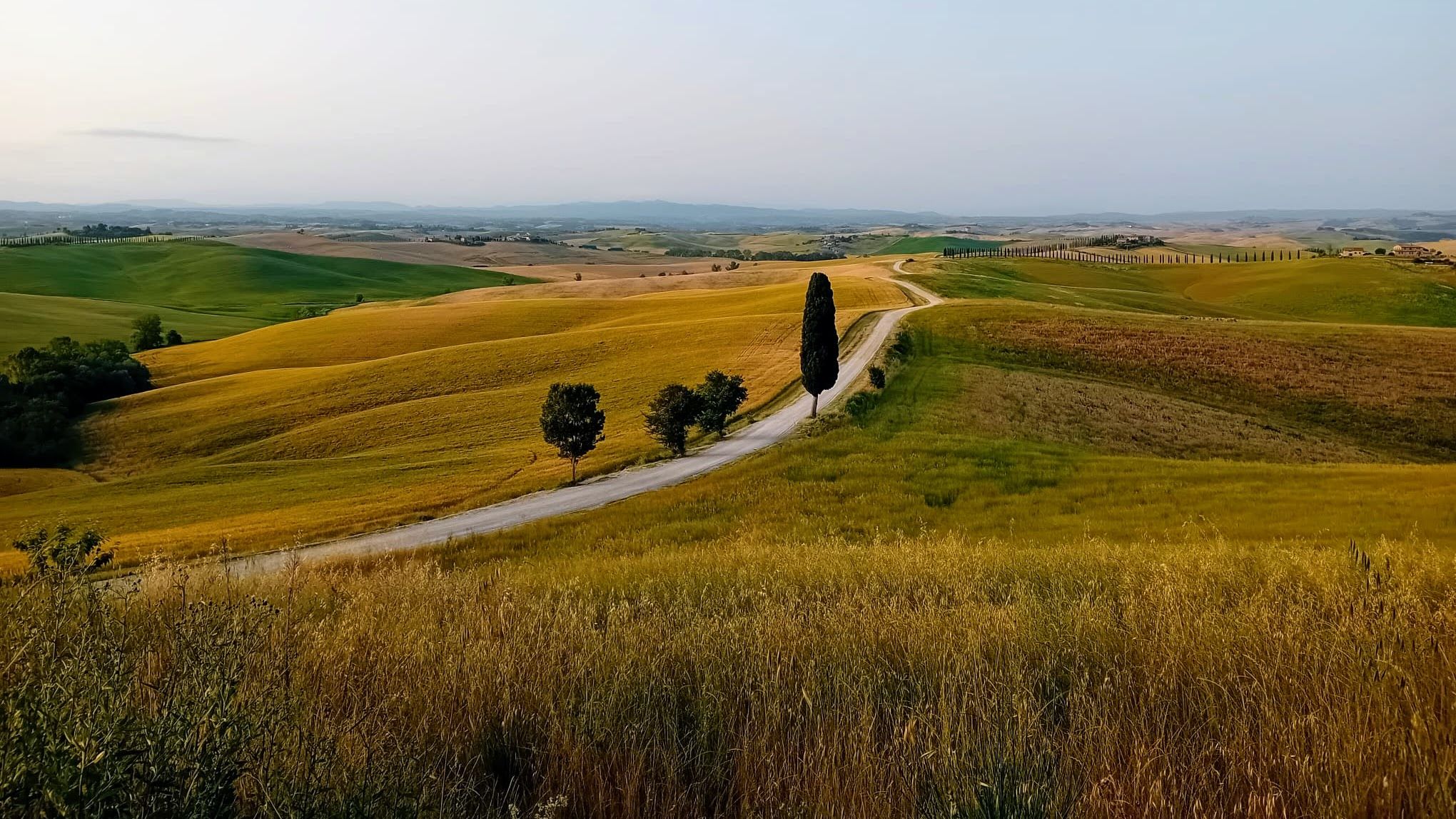
Tuscany by bike – history, cypresses and the Strade Bianche
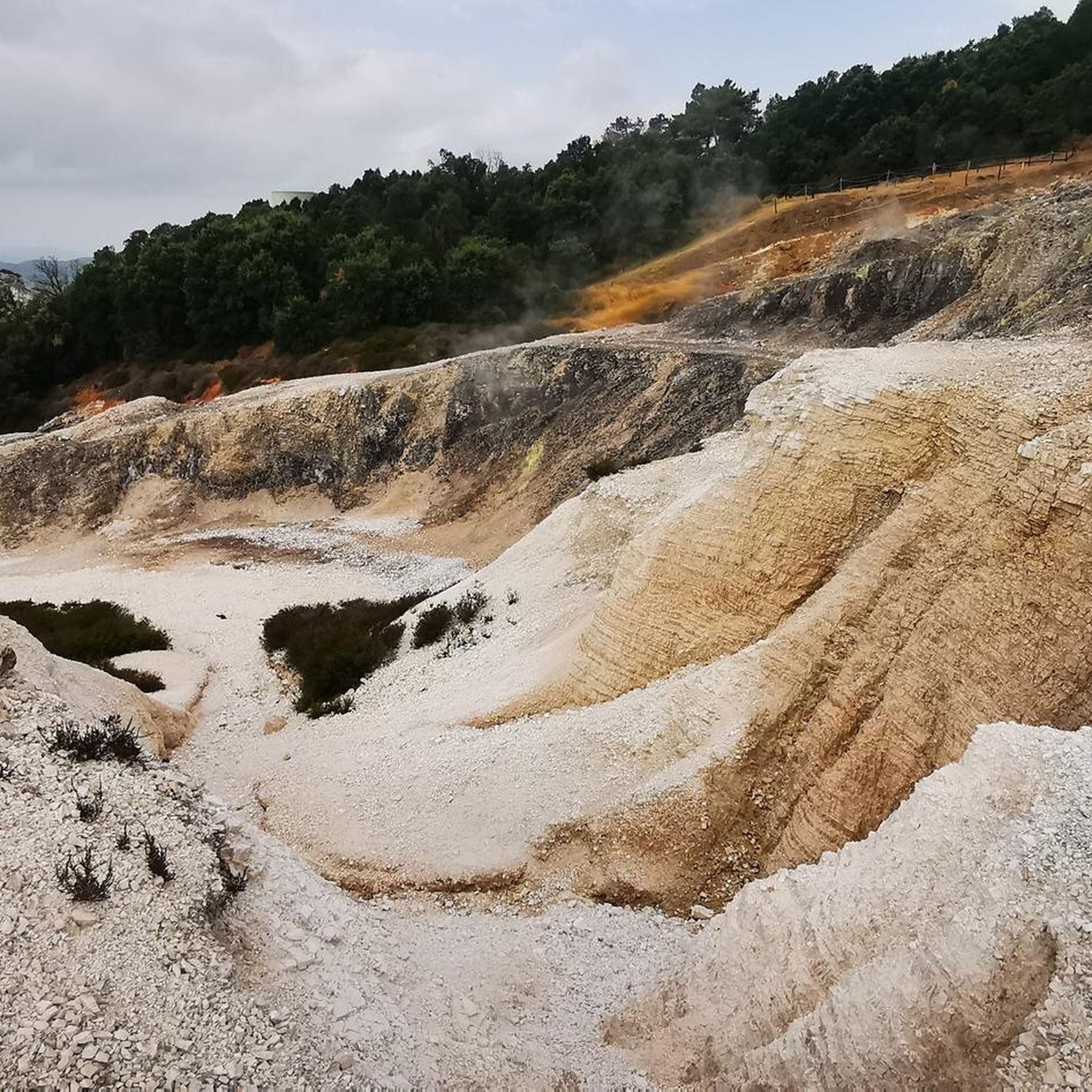
Road Cycling Routes around Monterotondo Marittimo
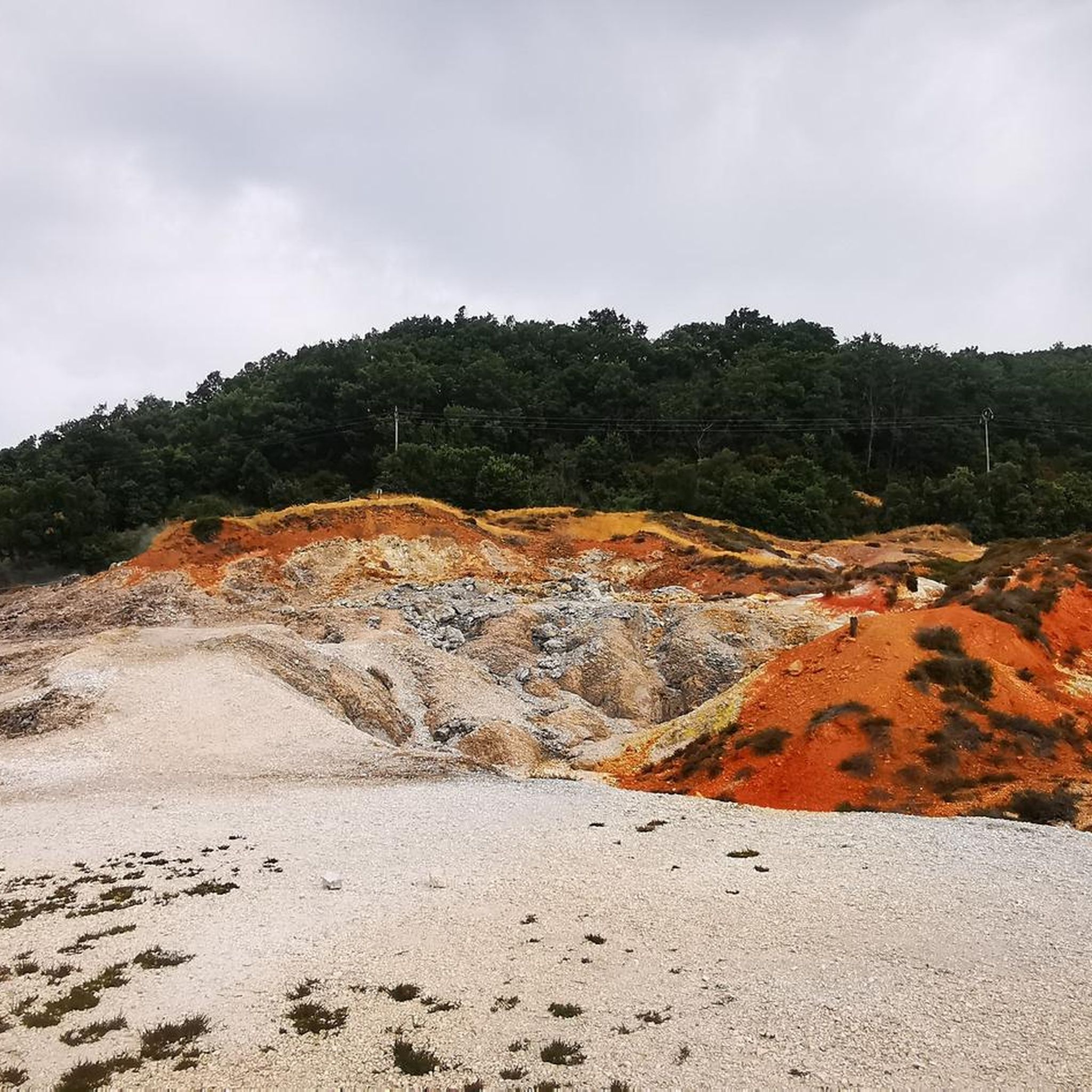
Hiking around Monterotondo Marittimo
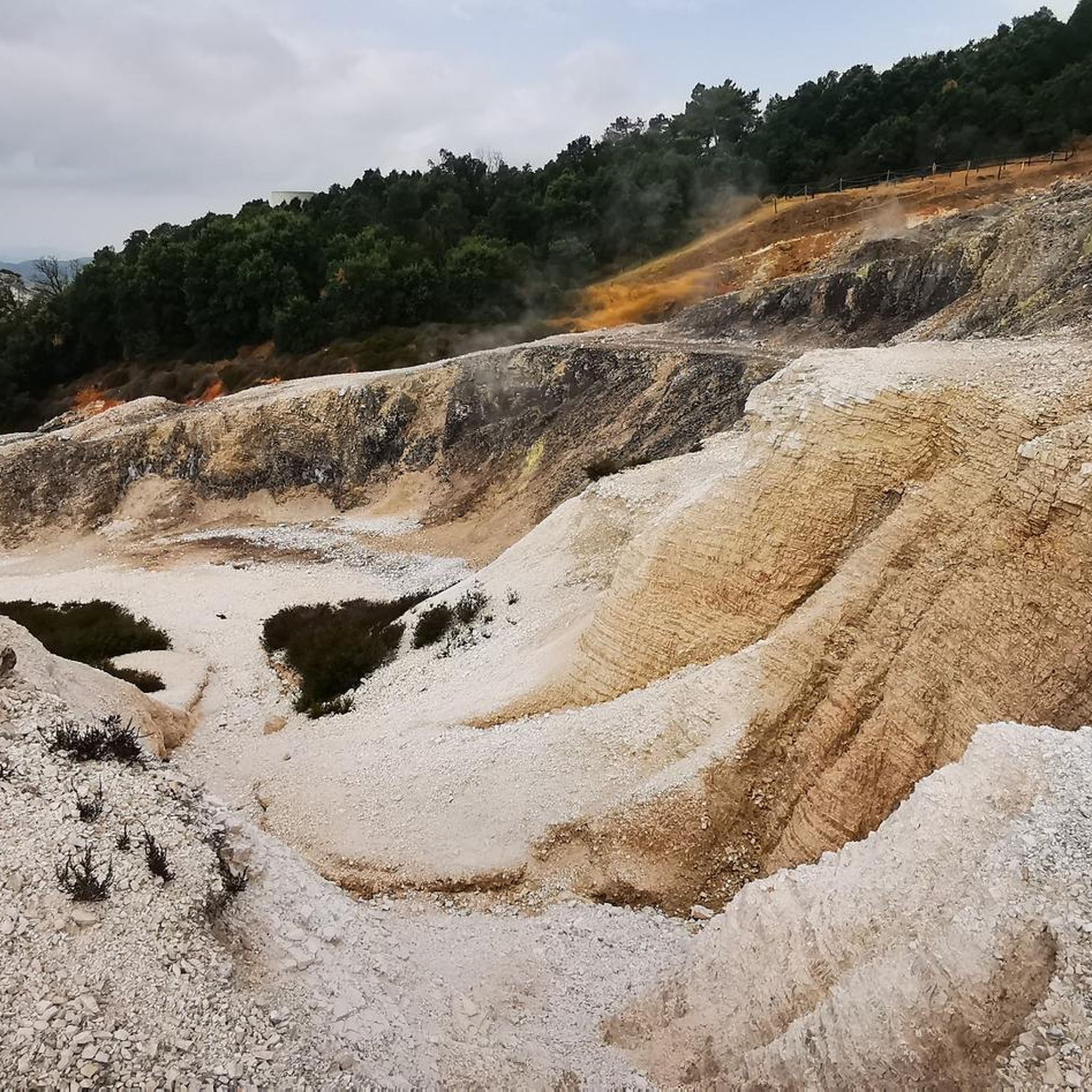
Cycling around Monterotondo Marittimo
Running Trails around Monterotondo Marittimo
Gravel biking around Monterotondo Marittimo
MTB Trails around Monterotondo Marittimo
Other adventures around Monterotondo Marittimo

Tips from the Community

In the mountains, we have discovered quite large caves in which bats apparently sleep. There are also spiders there that are so large that they are able to catch bats with their webs. Reassuringly, I didn't see any of these spiders, just their victims. 🙈
0
0

the path is not marked but it is a little rough but it is worth reaching
0
0

The Buca delle Fate, a natural ravine between the rocks on the slopes of Poggio di Montieri, is a medieval tunnel opened in the Jaspers (red siliceous rock) in correspondence with a fracture with a N20° direction which would have facilitated its excavation. The tunnel has a significant slope (25°) and is very short, about 14 metres; in its terminal part there is a 2x1.5m well currently closed by debris. In the deepest part of the tunnel, in the vault of the well, modest traces of newly formed minerals were found consisting of crystalline concretions of calcite (calcium carbonate), spangolite (hydrated chlorine sulphate of copper and aluminum), nantokite (copper chloride) and brushite (hydrated calcium phosphate). At the top of the well you can observe quadrangular recesses and indentations dug into the rock which were used to anchor the support beams of the winch. Since the tunnel is very narrow (50cm on average) it has two exchange niches along its path, useful for allowing the transit of two miners. Other small rooms used to place lamps are also visible. The absence of evidence of mineralization and an external mining dump makes it implausible that this is a mining tunnel. It is reasonable to hypothesize that this work was functional to the vast underlying excavations, identified in the Santa Maria dei Castagni tunnel between the 19th and 20th centuries. and therefore used as a secondary access route to mining works or as a ventilation duct.
0
0

Trail la Strega first stretch quite easy only in some places more technical passages but overall feasible.
0
0
Second section of the Trail la Strega not suitable for everyone, good driving skills are required.
0
0

it is located along the very demanding Strega trail
0
0
natural cavity from which hot and humid air comes out even in winter. it is located along the very demanding "Strega" trail
0
0
Along the Via delle Ferruzze, in addition to admiring truly wonderful views over the entire coast, there are old extraction wells dating back to the Etruscan period.
0
0
Frequently Asked Questions
What kind of 'caves' can I expect to find around Monterotondo Marittimo?
The Monterotondo Marittimo area is renowned for its unique geothermal landscape rather than traditional karstic caves. You'll primarily encounter fascinating natural geothermal manifestations like steam vents, bubbling pools, and altered landscapes, often referred to as the 'Geothermic area of Monterotondo Marittimo' or 'Valle del Diavolo'. Additionally, the region features historical mining tunnels and some natural rock formations that offer diverse exploration opportunities.
What is the Parco delle Biancane and what can I see there?
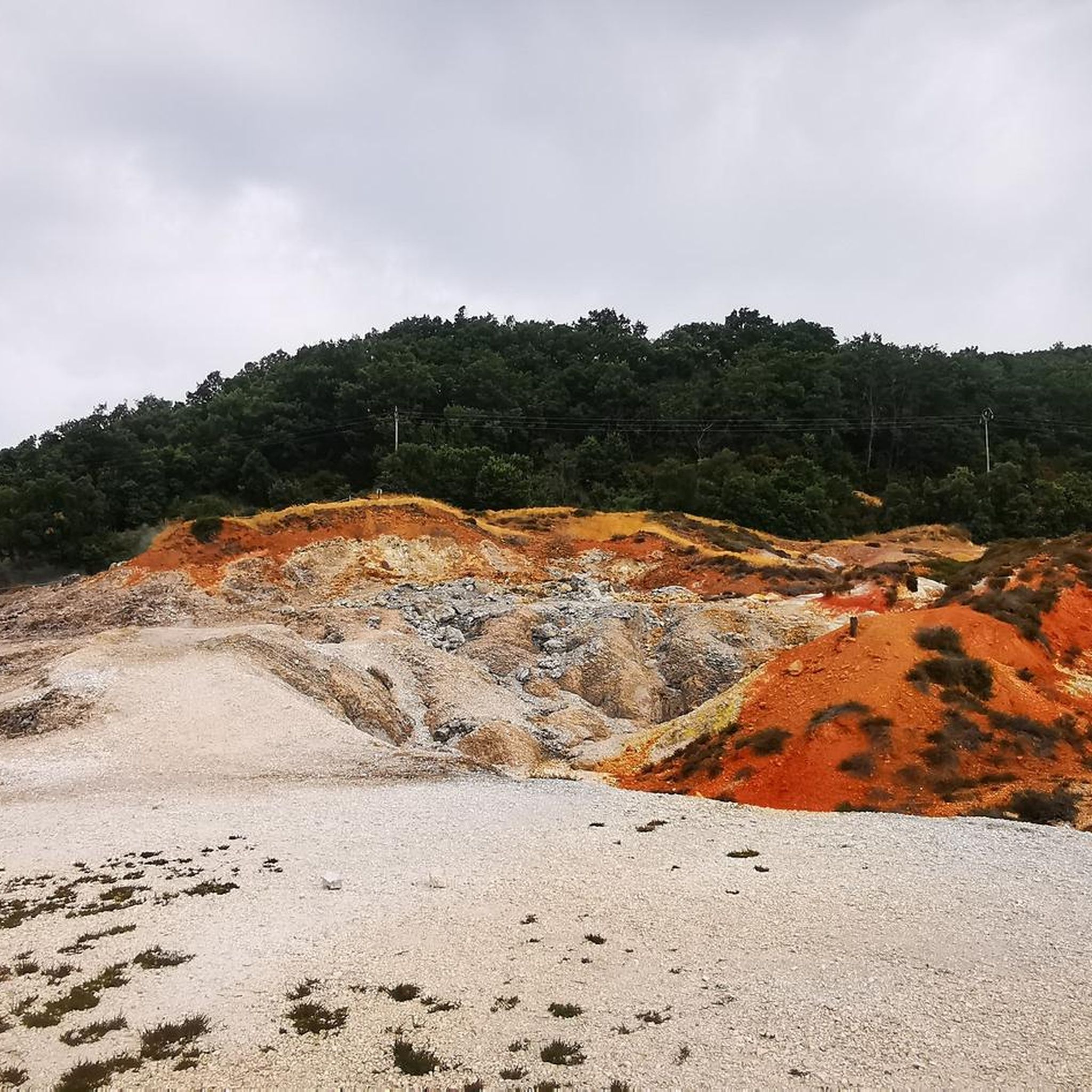
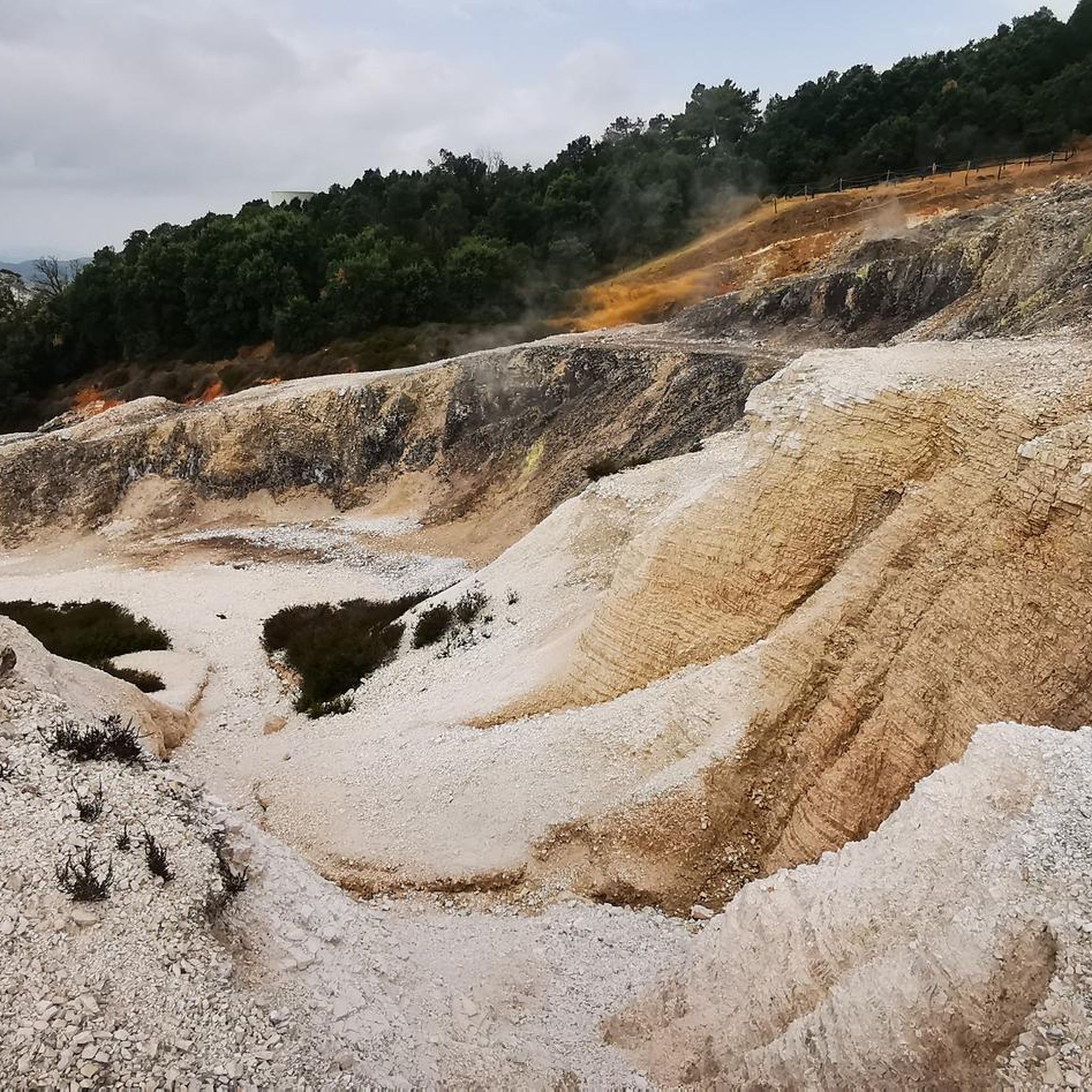
The Parco delle Biancane is the symbolic heart of Monterotondo Marittimo's geothermal activity. Here, you can witness a surreal landscape characterized by white rocks, bubbling pools, and plumes of vapor ('fumacchi') emanating from the ground. The geothermal energy has dramatically altered the soil colors, ranging from intense red to yellow ochre, and created luminous white patches. It's a UNESCO Geopark, offering a unique sensory experience of the Earth's primordial energy.
Can I explore historical mining tunnels in the area?
Yes, the region has a rich mining history. You can explore sites like Buca dell'Aquila (Etruscan Cave) on Via delle Ferruzze, which is a historical site with panoramic views winding along metal veins and ancient mine wells. Another notable site is La Buca delle Fate, a medieval tunnel excavated in red siliceous rock, showing evidence of past mining activities.
What is the Valle del Diavolo and what unique features does it offer?
The Valle del Diavolo (Devil's Valley) is a broader geothermal area that encompasses the Biancane. It's famous for its 'soffioni' (steam jets from dry ground), 'putizze' (vapor emissions rich in hydrogen sulfide), 'bulicami' (mud pools in continuous ebullition), and 'mofete' (carbon dioxide emissions bubbling in water). This 'moon-like' landscape, with its constantly changing colors and active geothermal phenomena, is believed to have inspired Dante Alighieri's descriptions of Hell.
Is there a museum to learn more about the geothermal activity?
Yes, the MUBIA – GeoMuseum delle Biancane provides crucial context and understanding of the geothermal phenomena. Housed in a former geothermal power plant, this modern, interactive museum features multimedia installations and a 'GeoNave' that simulates a virtual journey deep into the Earth, explaining how minerals and rocks are formed in the area.
What is the best time to visit the geothermal areas and 'caves' around Monterotondo Marittimo?
The best time to visit is from spring to autumn when temperatures are milder. This allows for more comfortable exploration of the outdoor geothermal parks and trails.
Are the trails around the geothermal parks difficult?
Some trails can be challenging. For instance, the trail leading to Buca del Fico near the Ragnaia includes steep sections and is recommended for experienced riders. The path to Buca dell'Aquila is an uphill path with panoramic views, and some downhill sections can be difficult with loose stones. It's advisable to wear comfortable shoes suitable for walking or trekking.
Are the geothermal parks and historical cave areas family-friendly?
The outdoor geothermal parks, particularly Parco delle Biancane, offer an educational and unique experience for families, allowing children to witness natural phenomena. The MUBIA – GeoMuseum delle Biancane is also designed with interactive exhibits that can engage all ages. When exploring historical tunnels or more challenging trails, parental discretion is advised due to varying difficulty levels and potential steep sections.
Can I bring my dog to the geothermal parks or cave areas?
While specific regulations for each site may vary, generally, outdoor natural parks in Italy often allow dogs on leash. However, due to the unique and potentially hazardous nature of geothermal areas (hot ground, sulfurous vapors), it's crucial to exercise extreme caution and keep dogs on a short leash, preventing them from approaching active vents or hot surfaces. Always check local signage for specific rules.
What should I wear when visiting the geothermal areas?
It is recommended to wear comfortable shoes suitable for walking or trekking, as you will be exploring outdoor trails. Be mindful of the sulfurous vapors and hot rocks in the geothermal areas, so appropriate clothing that allows for movement and can withstand potential odors is advisable.
What other outdoor activities can I do near Monterotondo Marittimo's 'caves'?
The region offers a variety of outdoor activities. You can explore numerous MTB Trails around Monterotondo Marittimo, including routes like the 'Pine Trail Access Point – Sasso Pisano Village loop'. There are also many options for Cycling around Monterotondo Marittimo, such as the 'Geothermal Maremma Loop'. For those who enjoy running, there are Running Trails around Monterotondo Marittimo, including 'The Smoking Lands between Sasso Pisano and Monterotondo Trail'.
Where can I find parking for the Parco delle Biancane?
Parking facilities are available near the Parco delle Biancane. Visitors can typically find designated parking areas close to the park's entrance or visitor centers, making it convenient to access the trails and geothermal features. Specific details can often be found on local tourism websites like Visit Tuscany.
What makes the landscape around Monterotondo Marittimo so unique?
The landscape is unique due to its active geothermal phenomena, which are a result of the Earth's heat coming close to the surface. This creates an otherworldly environment with steam vents, boiling water, mud pools, and distinct mineral deposits that color the terrain in vibrant reds, yellows, and whites. It's a rare opportunity to witness the raw, untamed power of nature and its geological processes firsthand.
Most popular routes around Monterotondo Marittimo
Most popular attractions around Monterotondo Marittimo

Get inspired with the komoot mobile app


Explore more
Extend your search for the best caves by checking out these guides of the top ones around Monterotondo Marittimo:
