Top 10 Caves around Acquapendente
Caves around Acquapendente offer a diverse range of underground experiences within the Viterbo province and wider Lazio region. This area is characterized by its volcanic tuff rock, which has been shaped by both natural processes and human intervention over millennia. Visitors can explore ancient Etruscan rock-cut passages, medieval rock settlements, and natural karst formations. The landscape provides a unique blend of archaeological interest and geological wonder.
Best caves around Acquapendente
- The most popular caves is Via Cava di San Rocco…
Last updated: June 30, 2026
Via Cava di San Rocco
Highlight (Segment) • Gorge
Translated by Google •
Tip by

Vitozza
Highlight • Historical Site
Translated by Google •
Tip by
Sign up now to discover places like this
Get recommendations on the best single tracks, peaks, & plenty of other exciting outdoor places.
Sign up for free
Caves and Ancient City of Vitozza
Highlight • Historical Site
Translated by Google •
Tip by

Along the rock-cut caves
Highlight (Segment) • Cave
Translated by Google •
Tip by
Avamposto delle Rocchette
Highlight • Cave
Translated by Google •
Tip by

Sign up for free to discover even more caves around Acquapendente.
Sign up for free
Already have an account?
Start today with a free account
Your next adventure awaits.
Login or Signup
Popular around Acquapendente
Via Francigena South — Siena to Rome
Lazio by bike – suspended villages, turquoise waters and natural parks
Cycling around Acquapendente
Hiking around Acquapendente
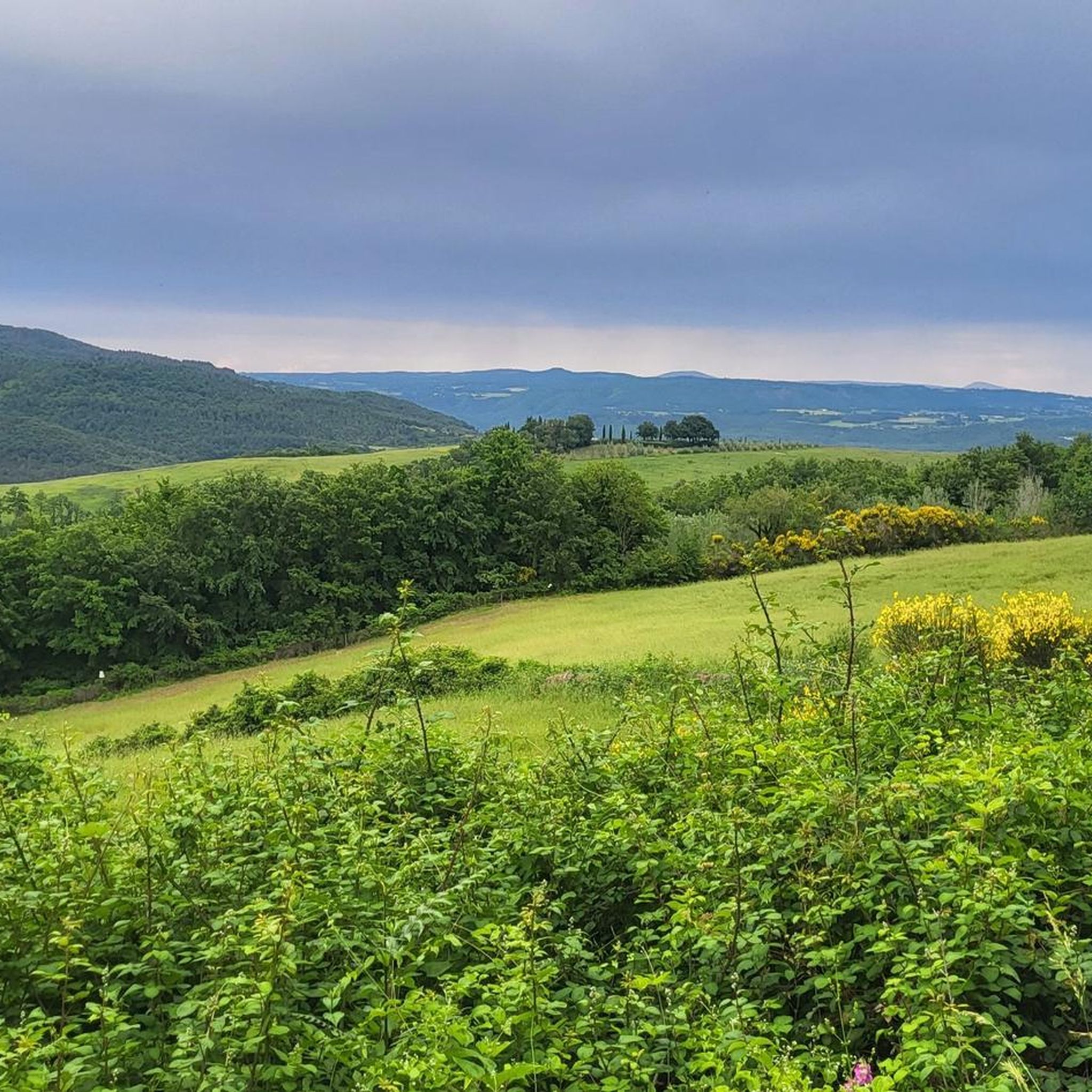
MTB Trails around Acquapendente
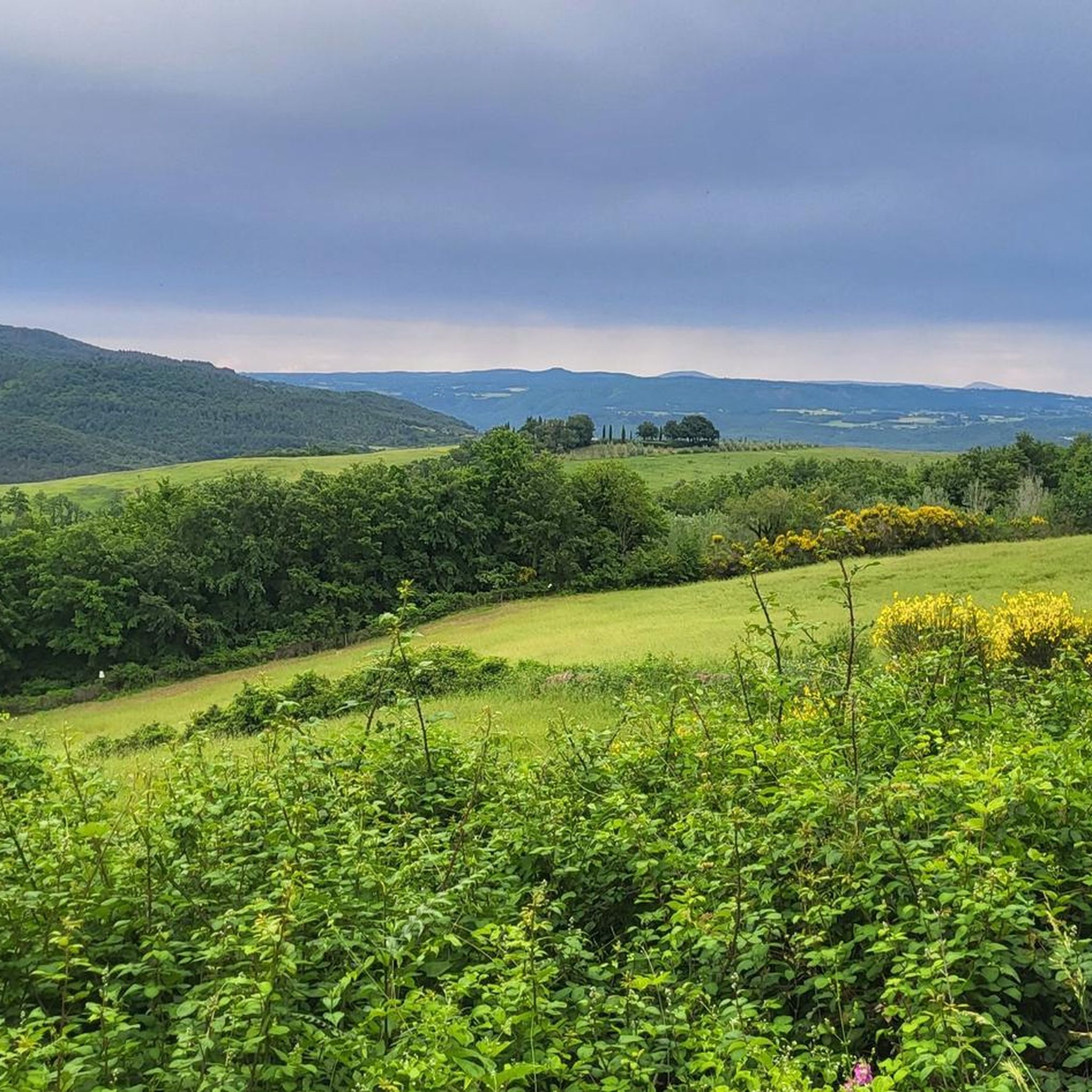
Road Cycling Routes around Acquapendente
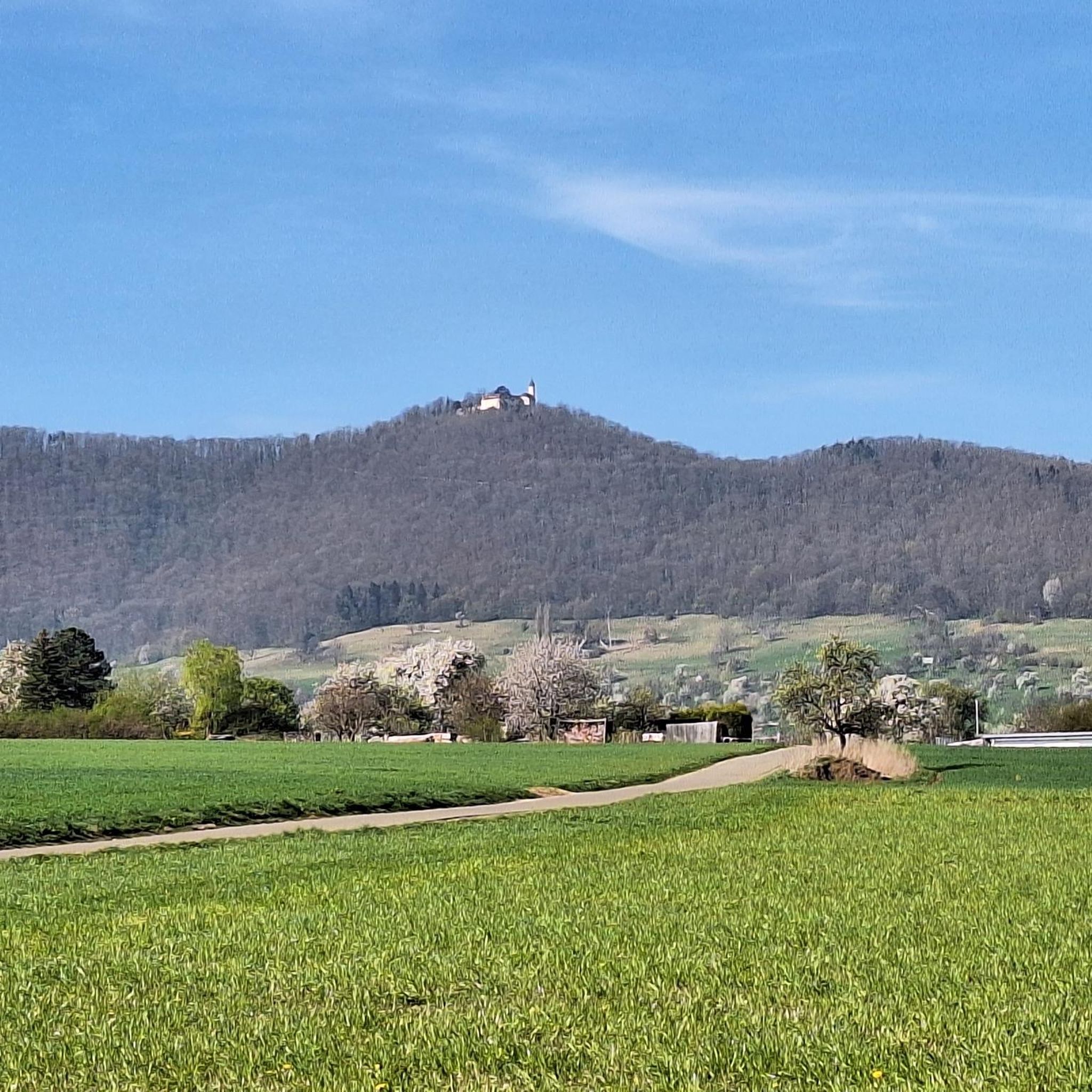
Gravel biking around Acquapendente
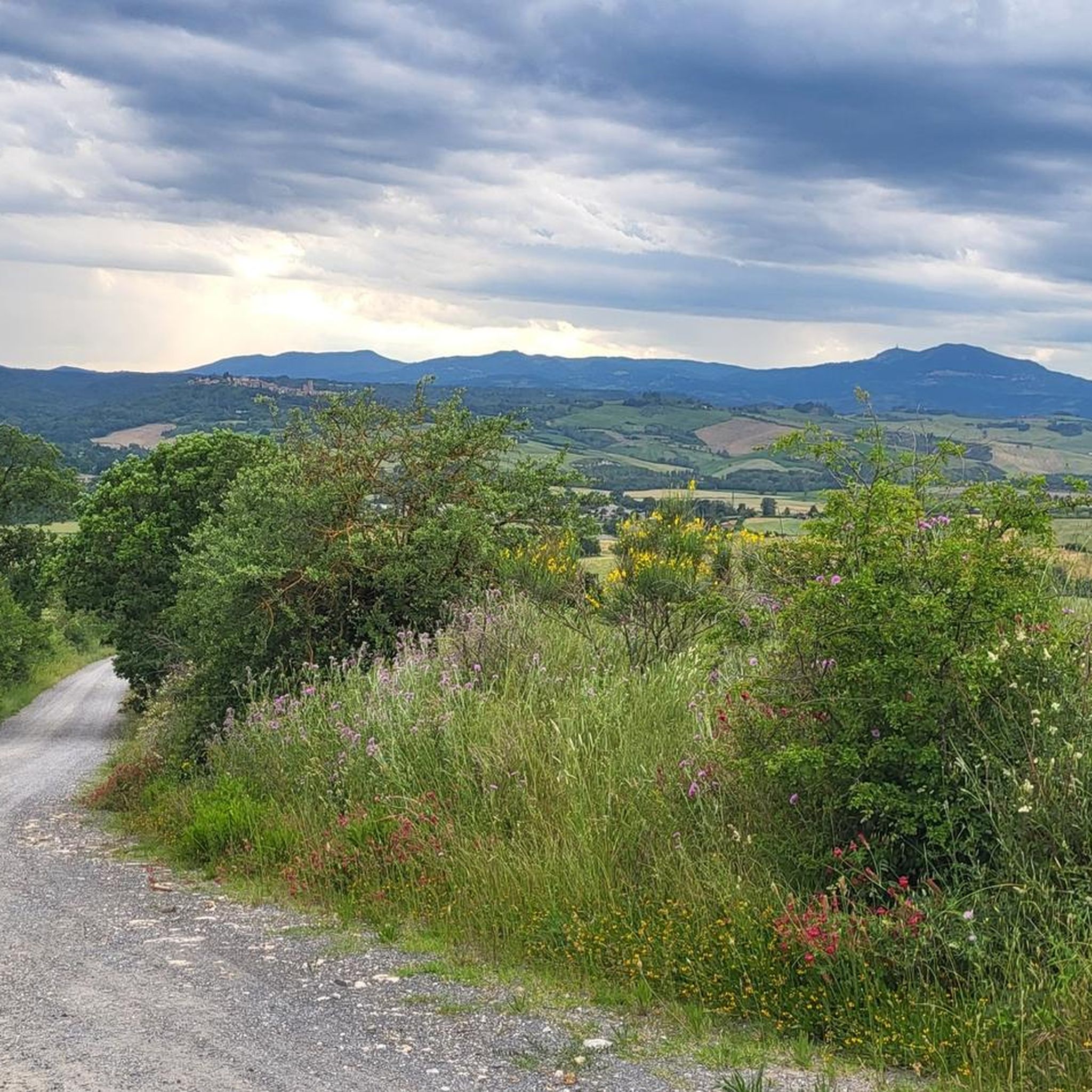
Running Trails around Acquapendente


Tips from the Community

The Via Cava di San Rocco is one of the most impressive Etruscan paths in the area. The trail is entirely dug into the tuff, with vertical walls reaching up to 20 meters high, hosting lush vegetation of ferns and mosses. The route connects the Lente river valley with the plateau above. Along the ascent, you will encounter ancient water channeling systems and stairs carved into the rock. Once you reach the upper end, you arrive at the panoramic area of San Rocco, from which you can enjoy the most iconic view of the settlement of Sorano and the Orsini Fortress. The ground can be damp and slippery due to the cool microclimate of the walls.
0
0

Along the Vie Cave of Vitozza we can admire the caves that have been divided into three types: mixed-use caves (as a dwelling and stable); stables (recognizable by the presence of mangers, troughs and fences); caves for residential use (present especially on the south-west side, more sheltered and better exposed to the sun). The latter are characterized by jars for grain, wells for collecting water and chimneys. The first evidence dates back to the 11th century, when numerous castles were built throughout the area. At that time Vitozza must have been part of a large fiefdom that included 15 castles among which we remember Sorano, Pitigliano, Farnese, Mezzano, etc. (Guiniccesca land). The fiefdom must have had considerable strategic importance since thanks to the fortifications it was possible to control the natural access routes to the sea.
0
0

The area of Vitozza, near San Quirico, is one of the most important medieval rock settlements in Italy that developed on a tuff spur above the Lente valley. The settlement, already existing in the 12th century, was definitively abandoned around the 15th century due to wars and depredations. Traveling along the main dirt road you can admire the remains of fortifications, churches and also numerous caves (more than two hundred) that were used as stables, homes and places of work.
1
0

The Vitozza Caves in Sorano, Tuscany, are a thousand-year-old rock complex rich in history and mystery. Carved into the tuff rock, these caves have hosted ancient Etruscans, legends of hidden treasures and stories of fleeing bandits. Wrapped in an evocative atmosphere, these places bear witness to centuries of adventures and secrets, capturing the imagination of anyone who ventures to explore them.
1
0

The Via Cava di San Rocco goes up the opposite side of Sorano, skirting the remains of the church of San Rocco, a religious building in Romanesque style now reduced to ruins that maintain sections of the original wall structures. Behind these remains extends a vast Etruscan necropolis with tombs dug into the tuff. The Vie Cave, dug by the Etruscans about 3000 years ago in the tuff, are still shrouded in mystery regarding the technique used to sculpt the rock so precisely and vertically. This street represents the most important of the Vie Cave around Sorano, as it guided the Etruscans to their necropolis. Incredibly, for over six centuries, from the Middle Ages until 1940, it was the only road that connected the city of Sorano to Sovana. Every horse, cart and traveler had no choice but to travel this steep, damp road between its high walls.
1
0
Vitozza, a significant rock settlement in the municipality of Sorano, has medieval roots, presumably at the end of the 11th century, around the castle built by the Aldobrandeschi. This castle structure is located in a rock settlement which probably saw settlements already in the Etruscan-Roman era. Over the centuries, Vitozza has passed through various dominations, including Orvieto, the Basques, the Aldobrandeschi, Siena and the Orsini. Despite its historical importance, the settlement suffered a slow decline and progressive abandonment, with the population moving to San Quirico in the sixteenth century. However, the Vitozza caves remained inhabited until the eighteenth century, as documented by the 1783 census conducted by the Lorena family. The history of Vitozza is today told through descriptive panels at the entrances to the caves, highlighting the people and families who lived there centuries ago.
2
0
The Vitozza rock complex is a large network of over two hundred caves dug into the tuff along an isolated rocky ridge, immersed in dense woods. This cliff has hosted communities since protohistory, evidenced by the first houses, cisterns for collecting rainwater, wells and rudimentary canalization systems. Along this stretch there are easily over 35 caves, an impressive testimony to the past.
1
0
Vitozza is an important rock settlement located in the municipality of Sorano. Its location is in the south-eastern part of the municipal territory, a couple of kilometers north-west of the hamlet of San Quirico. The Vie Cave path is entirely cycleable, only the final part towards Sorano is more technical.
0
0
Frequently Asked Questions
What types of underground sites can I explore around Acquapendente?
The area around Acquapendente offers a diverse range of underground experiences. You can find ancient Etruscan rock-cut passages, medieval rock settlements, and natural karst formations. The landscape, rich in volcanic tuff rock, showcases both archaeological interest and geological wonders.
Are there historical or archaeological underground sites to visit?
Yes, the region is rich in historical underground sites. For example, Via Cava di San Rocco features ancient Etruscan rock-cut roads that served as vital connections to necropolises. The Vitozza rock complex is another significant historical site with over two hundred caves used as homes and workplaces from protohistory through the medieval period.
Can I visit natural karst caves in the wider Lazio region?
While Acquapendente itself is known for rock-cut sites, the wider Lazio region, particularly the Province of Frosinone, offers natural karst cave systems. The Falvaterra Caves and Pastena Caves are notable examples, featuring impressive stalagmites, stalactites, and underground rivers. The Pastena Caves are divided into 'active' and 'fossil' sections, showcasing spectacular natural formations. You can learn more about the Pastena Caves on Wikipedia.
Are there any family-friendly cave experiences near Acquapendente?
Many of the rock-cut passages and historical sites are suitable for families. For instance, the Via Cava di San Rocco is described as a great hike for young and old explorers. Exploring the ancient settlements like Vitozza can also be an engaging educational experience for families.
What are the 'Vie Cave' and where can I find them?
The 'Vie Cave' are ancient, vertically cut roads or tunnels carved into the tuff cliffs by the Etruscans. They are characterized by narrow paths and tall vertical walls. You can find impressive examples like the Vie Cave of Corchiano, which offer an immersive experience into Etruscan civilization. The Via Cava di San Rocco is also a prominent example of these Etruscan pathways.
What is the Vitozza Rock Complex known for?
The Vitozza Rock Complex, located near Grotte di Castro, is an extensive network of over two hundred caves carved into tuff rock. These caves were inhabited since protohistory, serving as homes, cisterns, and wells. It's known for its significant rock settlement and offers a unique opportunity to explore ancient human adaptation to the landscape, blending natural geological features with human-made modifications.
What should I wear when exploring caves in this area?
When exploring the rock-cut passages and cave systems, it's advisable to wear comfortable walking shoes with good grip, as paths can be uneven or damp. Layers of clothing are also recommended, as temperatures underground can be cooler than on the surface, even in summer.
What is the best time of year to visit the caves around Acquapendente?
The caves and underground sites can generally be visited year-round. However, spring and autumn offer pleasant temperatures for exploring the outdoor sections and surrounding trails. Summer can be a good time to escape the heat by venturing underground, while winter visits might require warmer clothing.
Are there opportunities for hiking or cycling near these underground sites?
Yes, the region offers various outdoor activities. You can find numerous routes for cycling, gravel biking, and road cycling around Acquapendente. For example, there are cycling routes in the Monte Rufeno Nature Reserve, such as the Bartali cycle path. Many of the cave sites, especially the Vie Cave, are integrated into hiking trails, providing a unique blend of historical exploration and outdoor activity.
How long does it typically take to explore these cave sites?
The time required varies by site. Exploring a single Vie Cava, like the Via Cava di San Rocco, might take an hour or two. Larger complexes like Vitozza, with its extensive network of caves and historical remains, could easily fill a half-day or more, especially if combined with hiking in the surrounding area.
Are there any unique underground religious sites in the area?
Yes, the region features intriguing underground religious sites. The Underground Church of Santa Maria di Monte Casoli, near Bomarzo, is a notable example. Beneath the 11th-12th century church lies the remains of an ancient triapse rock church, accessible through a narrow tunnel dug into the tuff. It offers a sense of discovery for those interested in religious history and early Christian architecture.
What geological features are common in the caves around Acquapendente?
The primary geological feature influencing the caves around Acquapendente is volcanic tuff rock. This soft, easily workable rock has allowed for the creation of extensive man-made rock-cut passages and settlements. In natural karst systems further afield, you'll find features like stalagmites, stalactites, columns, and active underground rivers.
What do visitors enjoy most about the caves around Acquapendente?
Visitors appreciate the unique blend of history, nature, and adventure. The opportunity to walk through ancient Etruscan pathways, explore medieval rock settlements, and discover hidden cave chambers is highly valued. The Avamposto delle Rocchette, for example, is noted for its exciting exploration of old stairs and multiple cave chambers, offering a glimpse into historical uses and natural formations.
Most popular routes around Acquapendente
Most popular attractions around Acquapendente

Get inspired with the komoot mobile app


Explore more
Extend your search for the best caves by checking out these guides of the top ones around Acquapendente:
