Top 19 Caves around Corsano
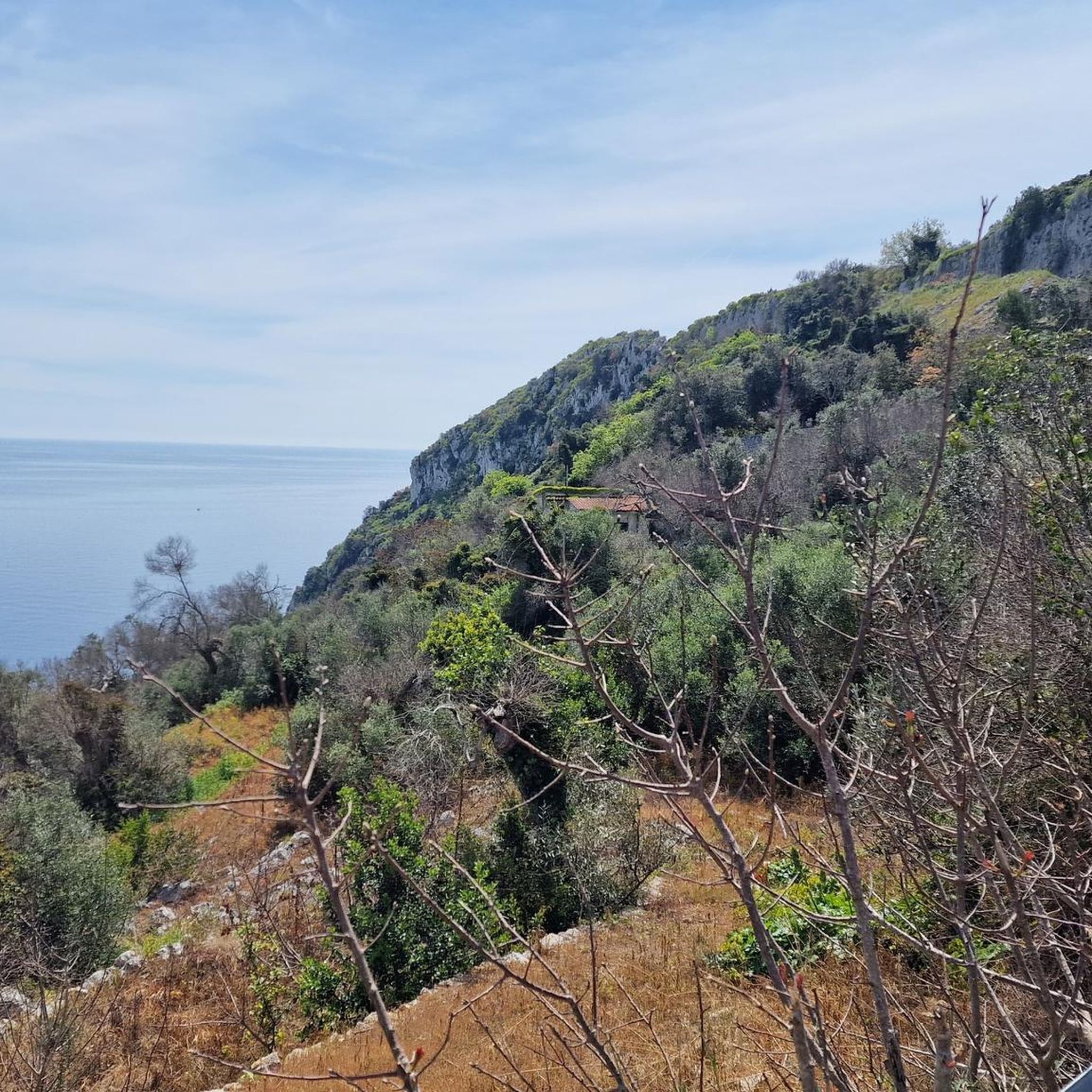
Best caves around Corsano are found along the coastline of Marina di Corsano, a municipality in Italy's Salento region. This area is characterized by marine caves with unique natural beauty and geological formations. The coastline features clear waters and diverse rock formations, sculpted over millennia by the sea. Exploring these caves offers a distinct perspective on the region's natural heritage.
Best caves around Corsano
- The most popular caves is Cipolliane Trail, a country route that features three caves known…
Last updated: June 30, 2026
Ciolo Bridge
Highlight • Bridge
Translated by Google •
Tip by

Cipolliane Cave
Highlight • Cave
Translated by Google •
Tip by

Sign up now to discover places like this
Get recommendations on the best single tracks, peaks, & plenty of other exciting outdoor places.
Sign up for free
Cipolliane Trail
Highlight (Segment) • Trail
Translated by Google •
Tip by
Madonna dell'Attarico Chapel
Highlight • Religious Site
Translated by Google •
Tip by

Punta Ristola and Grotta del Diavolo
Highlight • Viewpoint
Translated by Google •
Tip by

Sign up for free to discover even more caves around Corsano.
Sign up for free
Already have an account?
Start today with a free account
Your next adventure awaits.
Login or Signup
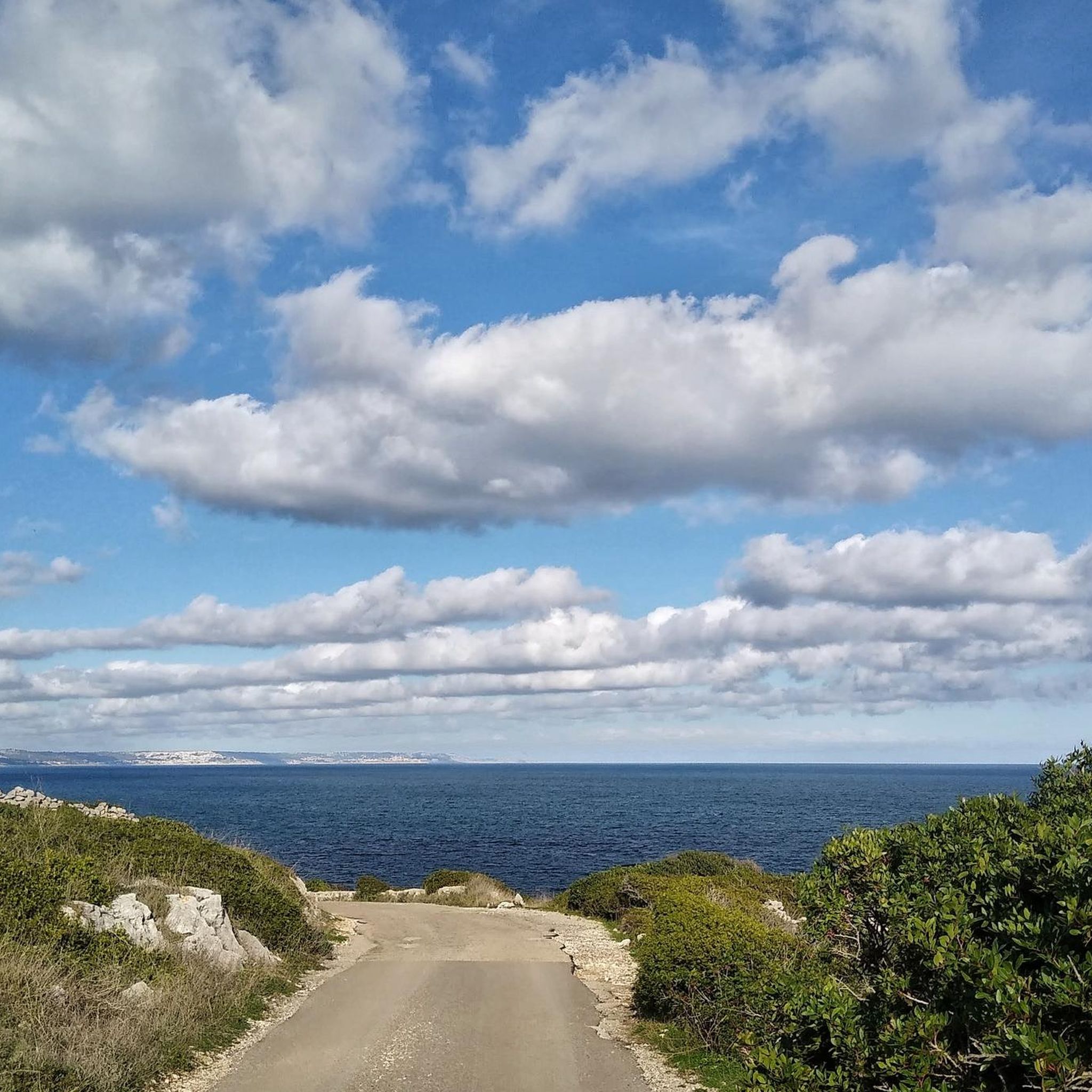
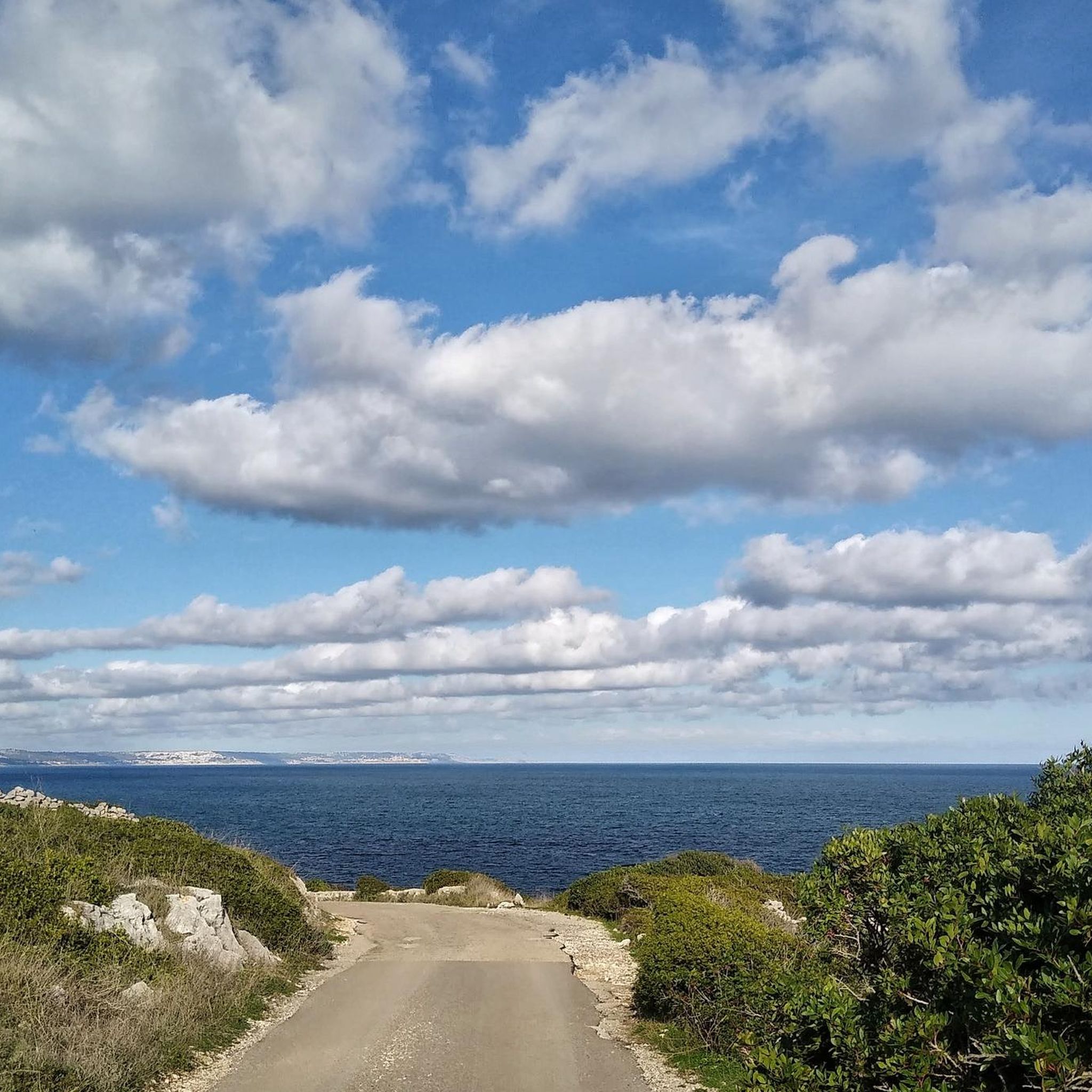
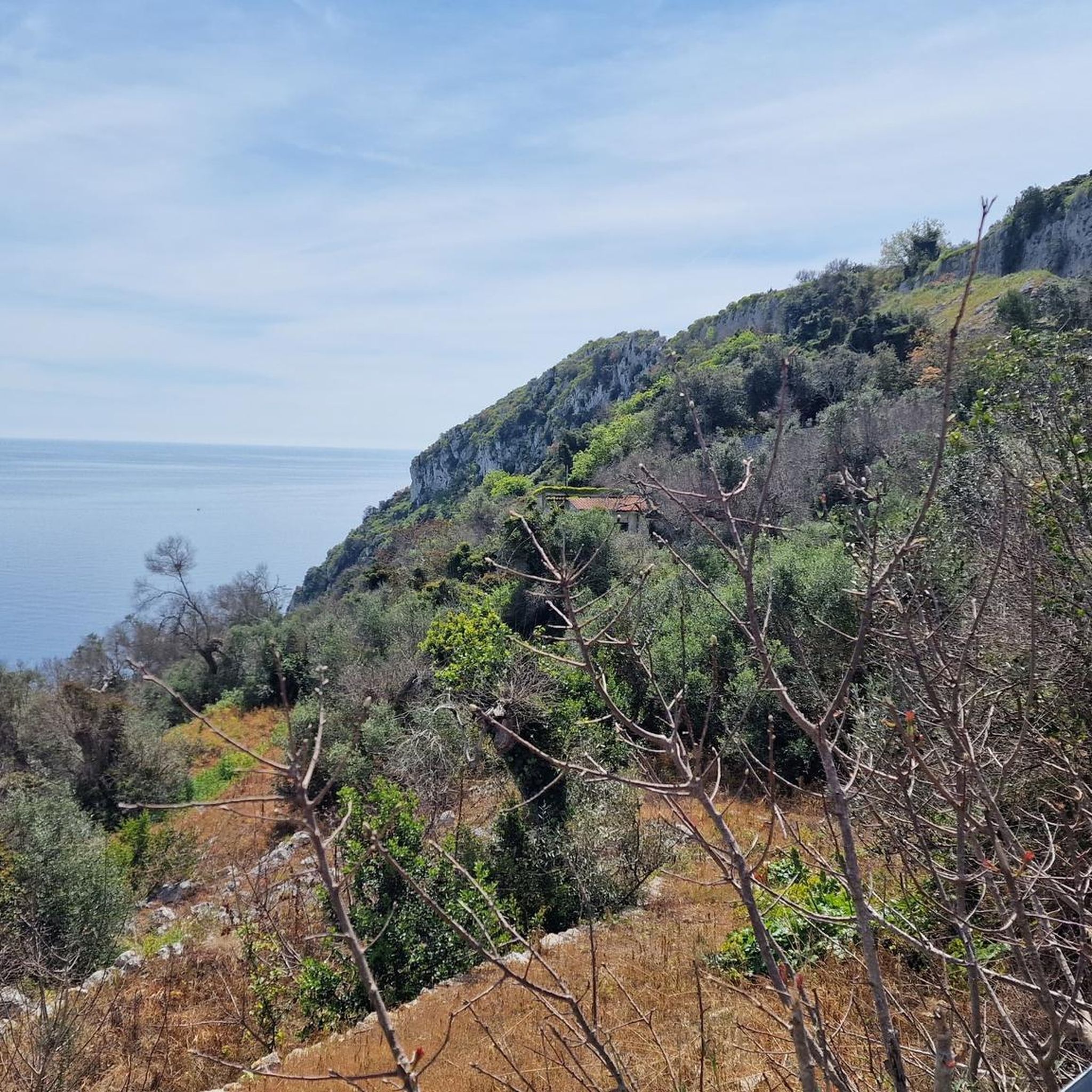
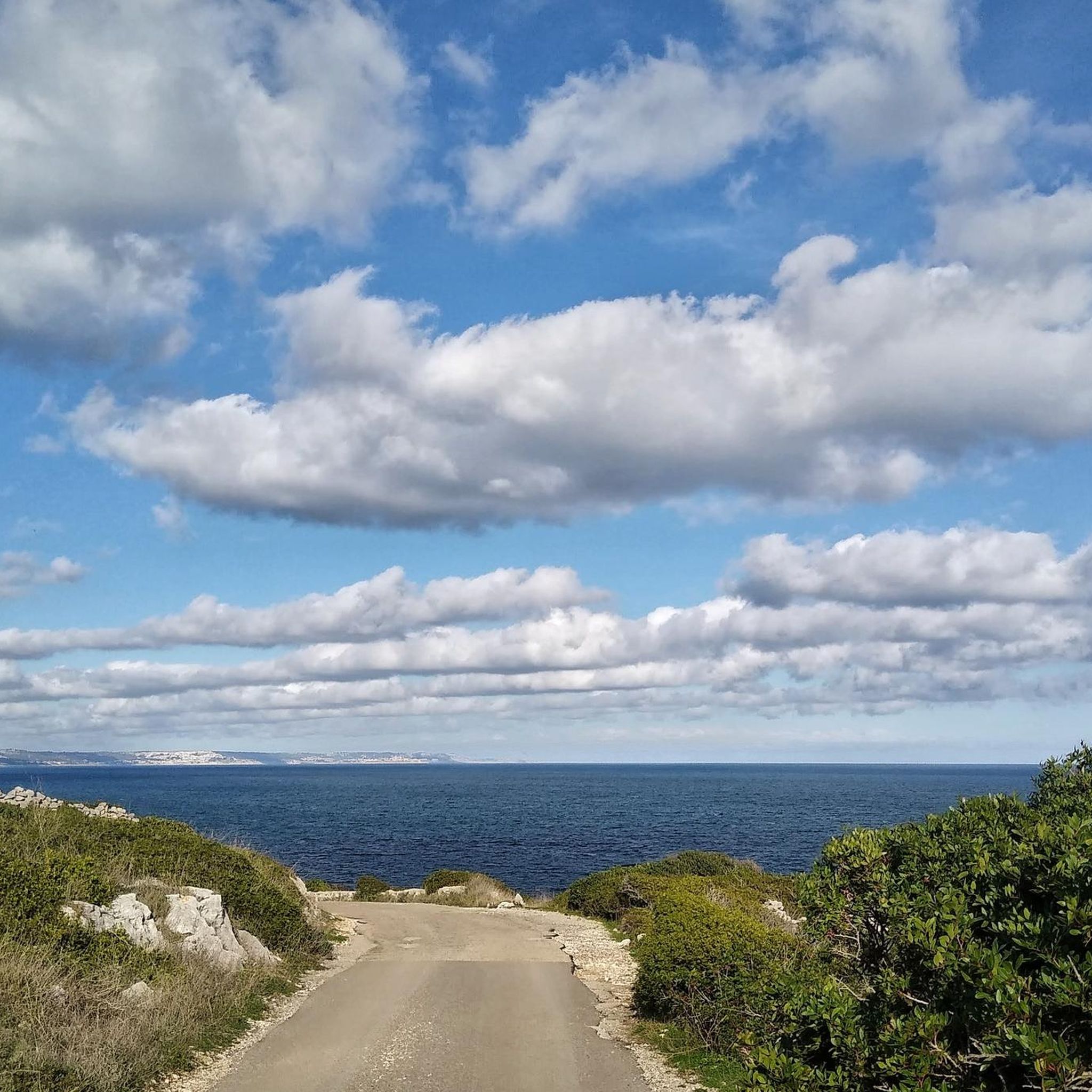
Tips from the Community

point with a nice view
0
0

Reopened on April 24, 2024, after renovations and refurbishments. There are now separate pedestrian lanes alongside the road. In the evening, the bridge is illuminated with rainbow colors—haha, just kidding 😅—thankfully, they're the colors of the Italian flag 🇮🇹.
1
0


The Ciolo bridge is the perfect destination for those who love diving from great heights. The bridge connects the canyon and below is a beach. 40 meters high, there is a breathtaking panorama occasionally interrupted by the "splash" of those who dive. Near the bridge there are many caves including the Ciolo cave. The name “Ciolo” derives from the Salento word “Ciole”, to indicate the numerous magpies that nested along the coast.
2
0

August 2023 unfortunately currently closed due to construction work.
0
0

Be careful when going down. the purple clay is very slippery in places!
1
0
Beautiful spot. I think it is also the starting point for a nice walk.
1
0

Uno dei sentieri più belli nel sud Salento. Rocky path that offers great views of the sea. Absolutely worth it. Bring enough time.
1
1
Frequently Asked Questions
What are some of the most popular caves to visit around Corsano?
Visitors frequently explore the Cipolliane Trail, which features three caves known as 'Cipolliane Caves'. Another popular spot is near the Ciolo Bridge, where you can find the Ciolo cave and enjoy the sea from the cove below. The Cipolliane Cave itself is also highly regarded for its natural beauty and historical traces.
What kind of natural features can I expect to see in the caves around Corsano?
The marine caves in the Corsano area, such as the Grotta grande della Guardiola, are known for their vibrant underwater scenery, colorful walls, and rich displays of stalactites. You might also encounter diverse marine life like sponges and fish. The waters are often clear and emerald-colored, with unique rock formations sculpted by the sea.
Are there any caves with historical significance in the Corsano region?
Yes, the Cipolliane Cave is a natural cavity made of friable stone that contains traces of human history, including pebbles with ancient engravings. Additionally, the Madonna dell'Attarico Chapel, a Byzantine chapel rising sheer above the sea, is near a suggestive underground crypt that is worth a visit for its historical and religious context.
What outdoor activities can I do near the caves around Corsano?
Beyond exploring the caves, the area offers various outdoor activities. You can find numerous running trails, such as those detailed in the Running Trails around Corsano guide. For cycling enthusiasts, there are MTB trails and gravel biking routes, which you can explore through the MTB Trails around Corsano and Gravel biking around Corsano guides.
Are there any family-friendly caves or related sites in Corsano?
While many marine caves require specific experience, the Madonna dell'Attarico Chapel is considered family-friendly and offers a panoramic view of the Adriatic coast. It's a good starting point for exploring the Serra del Mito, with a large parking lot nearby for convenience.
What is the best way to explore the marine caves in Corsano?
Exploring the marine caves, especially those that are partially submerged, is best done by boat, snorkeling, or diving. This allows you to fully appreciate the clear waters, diverse rock formations, and marine life. For submerged caves, adequate experience and suitable equipment are recommended due to potential risks.
Where can I find unique cave experiences in Corsano?
The Grotta grande della Guardiola in Marina di Corsano offers a unique experience, particularly for free diving, with depths reaching 8-10 meters near its exit. It's known for its striking internal features, including colorful walls and stalactites, and underwater tunnels.
What is the Grotta del Diavolo and where is it located?
The Grotta del Diavolo (Devil's Cave) is an imposing natural cave hidden within the rocks of Punta Ristola, the southernmost point of Puglia. Legend defines it as the Gate of Hell, and tradition says Telemachus crossed it to enter the Kingdom of Hell. The panorama from Punta Ristola, where the Ionian and Adriatic seas are said to merge, is breathtaking.
Is there parking available near the caves or related attractions?
Yes, for example, near the Madonna dell'Attarico Chapel, there is a large parking lot where you can leave your car before exploring the surrounding area on foot or by bicycle.
What do visitors enjoy most about the caves and natural sites around Corsano?
Visitors particularly enjoy the spectacular visual experiences offered by the clear, often emerald-colored waters and the diverse rock formations sculpted over millennia by the sea. The unique perspective on the region's natural heritage, whether exploring by boat, snorkeling, or hiking trails like the Cipolliane Trail, is highly appreciated.
Are there any less crowded caves to explore around Corsano?
While specific crowd levels can vary, exploring some of the lesser-known marine caves along the Marina di Corsano coastline, perhaps by boat, might offer a more secluded experience compared to easily accessible land-based sites. The Grotta piccola della Guardiola is another marine cave in the area, offering natural beauty away from the more frequented spots.
Most popular attractions around Corsano

Get inspired with the komoot mobile app


Explore more
Extend your search for the best caves by checking out these guides of the top ones around Corsano:
