Attractions and Places To See in the Serra da Mantiqueira - Top 20
Best attractions and places to see in the Serra da Mantiqueira, a mountain range in southeastern Brazil, spans parts of São Paulo, Minas Gerais, and Rio de Janeiro. This region is characterized by its high peaks, abundant springs, and waterfalls, reflecting its Tupi name meaning "mountain that cries". It features diverse ecosystems, including Atlantic Forest, and numerous towns with cultural and historical significance.
Best attractions and places to see in the Serra da Mantiqueira
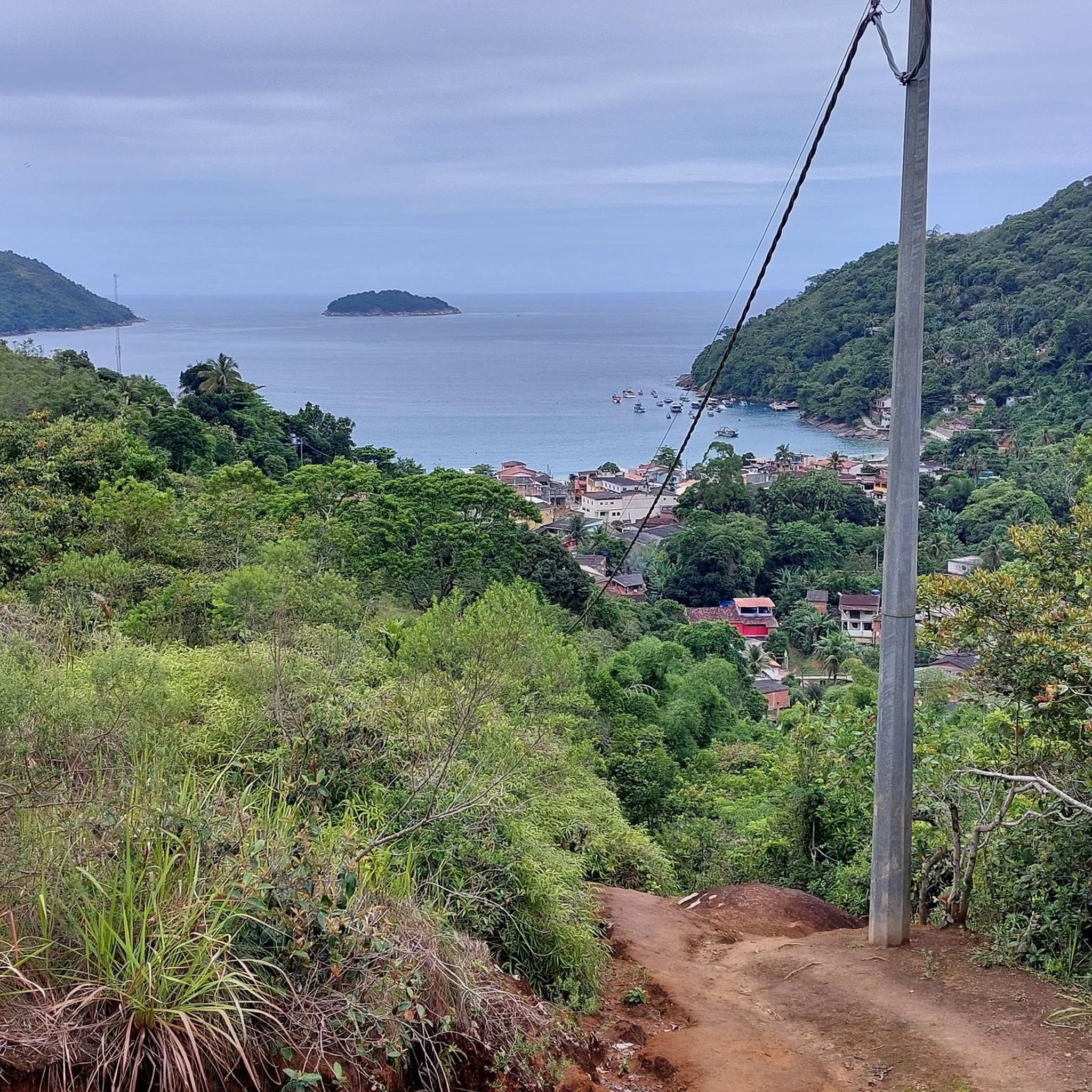
- The most popular attractions is São Francisco Xavier Center, a settlement known for its quiet square and local bakeries offering breakfast and lunch. It serves as a resting point for cyclists and visitors exploring the area.
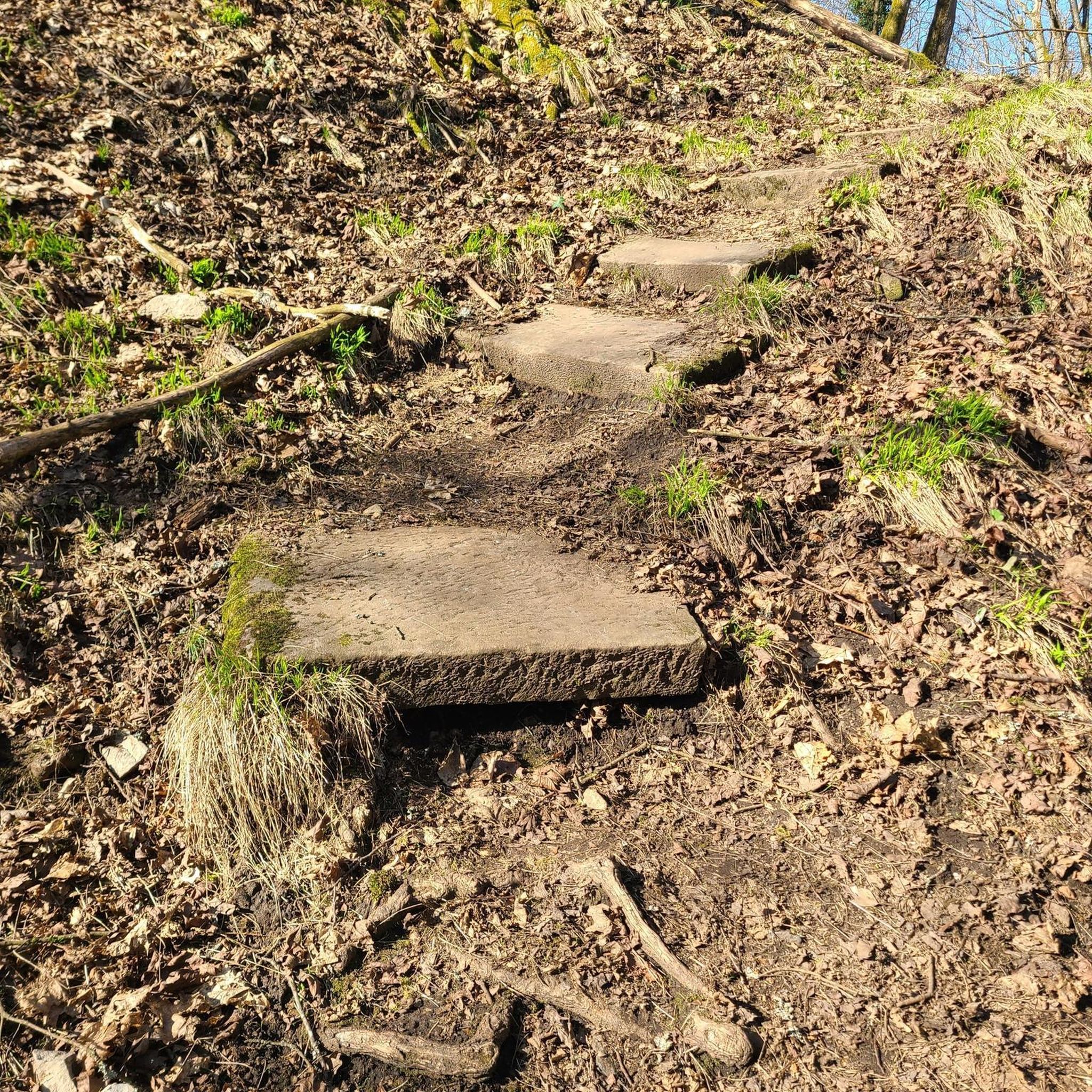
- Another must-see spot is Pedra do Baú Base, a climb that marks the starting point for ascending Pedra do Baú. Guides are often mandatory for the ascent, especially on weekends.
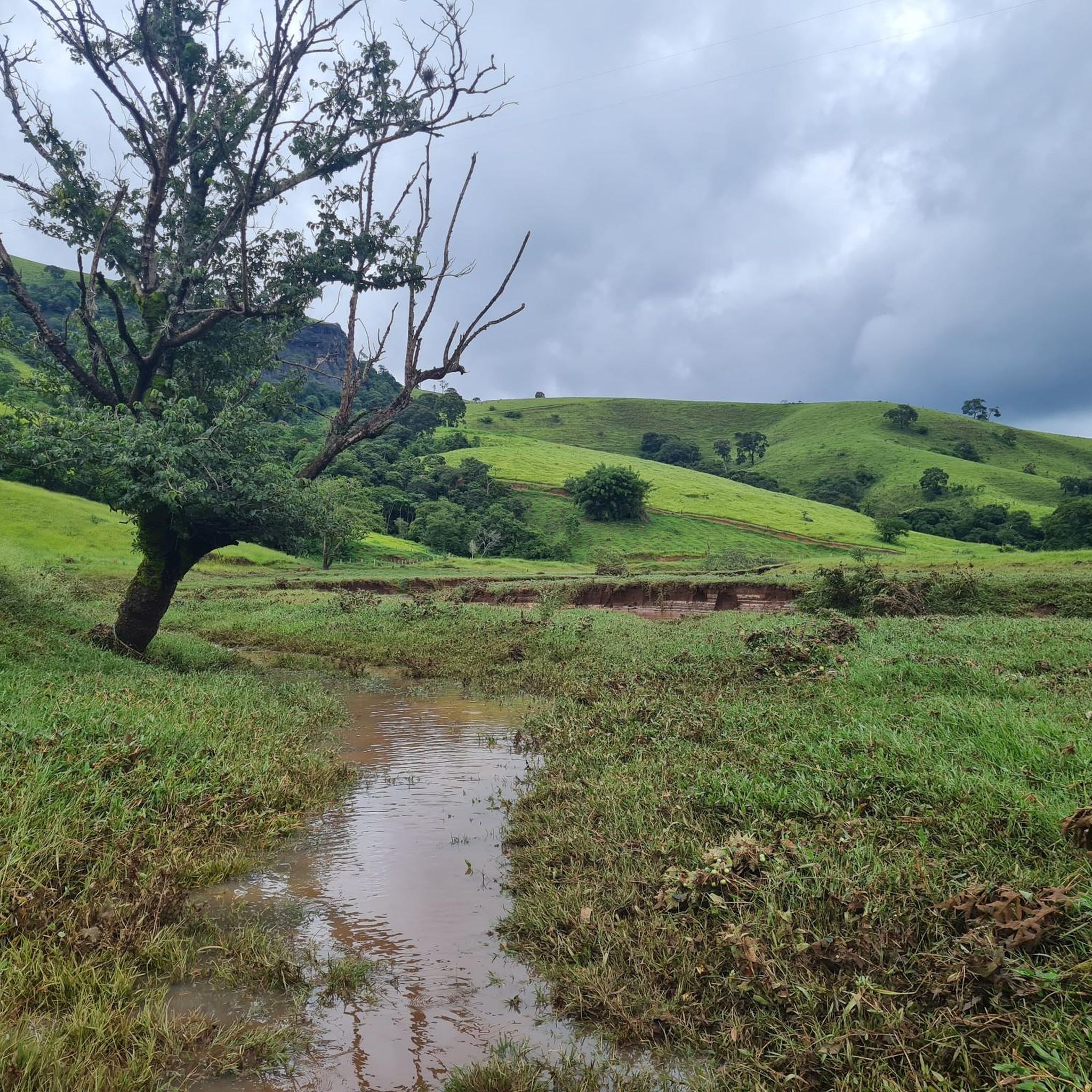
- Visitors also love Represa de Nazaré Paulista, a lake that is the largest dam in the Cantareira System. It offers quiet roads and lake views, popular for cycling.
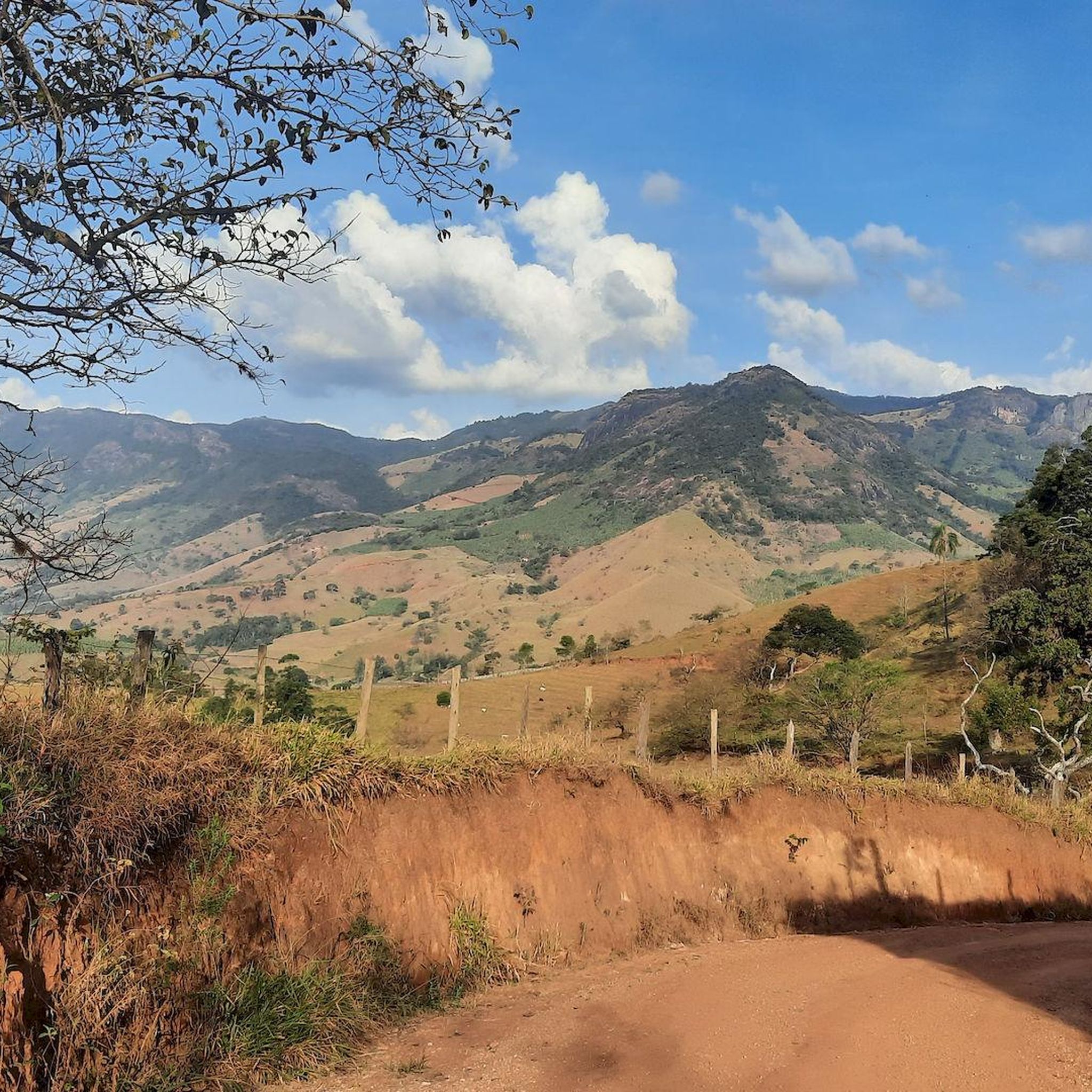
- Serra da Mantiqueira is known for its high peaks, numerous waterfalls, and historical sites. The region offers a variety of attractions, from natural monuments to charming settlements.
- The attractions in the Serra da Mantiqueira are appreciated by the komoot community, with 36 highlights, 4 upvotes, and 3 photos shared by visitors.
Last updated: July 20, 2026
Represa de Nazaré Paulista
Highlight • Lake
Visit the Aventrilha website for more information about cycling around the Dam: aventrilha.com/rotas/represa-de-nazare-paulista
Translated by Google •
Tip by

São Francisco Xavier Center
Highlight • Settlement
Translated by Google •
Tip by
Sign up now to discover places like this
Get recommendations on the best single tracks, peaks, & plenty of other exciting outdoor places.
Sign up for free
Fazenda Santa Clara
Highlight • Historical Site
The Bustamante Fortes family arrived in the region from São João Del Rey and settled on the banks of the Rio Preto, playing a prominent role in the history and development of the region.
Captain Francisco Dionísio de Sousa Fortes Bustamante (Francisco Tereziano's father), a bureaucrat of the Portuguese crown, had a lot of influence and, as a result, obtained a large extension of land on the banks of the Rio Preto from the crown.
While still alive, the Captain divided up his property and handed over the portions of land to the administration of his children and people he trusted.
The building is in the colonial style, from the 18th century, and has impressive numbers. The property has 6,000 m² of built area.
Translated by Google •
Tip by

Central do Brasil Tunnel
Highlight (Segment) • Structure
The tunnel was built between 1916 and 1918 for the Central do Brasil Railway, which brought the municipality a connection with the then capital of the Republic, the city of Rio de Janeiro.
After the closure of railway activities in the municipal headquarters, the tunnel became a place where residents and tourists enjoy cooling off with the cold water from its water springs.
The tour through the tunnel is part of the City Tour offered by Guide Gil Cunha and also takes visitors to another important tourist spot, the old Pontilhão da Rede.
Come by bike, on horseback, on foot or even by motorcycle or car, but don't forget to go through the tunnel and enjoy one of the best views of the city, with the Areal Waterfall opening the doors to the City of Waterfalls and a beautiful view of the Igreja Matriz in the background!
Sources:
Source: NOGUEIRA. Laudelina Marinho, The City of Waterfalls: Santa Rita de Jacutinga and its History. 2nd ed. rev. and expanded. (Santa Rita de Jacutinga, private edition, 1985).
Translated by Google •
Tip by
Main Church of Santa Rita de Cássia
Highlight • Religious Site
The site where the main church stands today was donated by Antônio Francisco de Mendonça and his wife Maria Vitória Ribeiro around 1832, when a chapel was built in honor of Santa Rita de Cássia. Over time, the chapel became too small to accommodate the faithful who came to thank or ask for favors from the saint.
With the need to expand the small temple, the founding families of the town donated land to the parish so that it could receive a main chapel worthy of its patron saint.
In 1835, the Gomes and Caetano families obtained authorization to build the main chapel. At the same time, Commander Francisco Teresiano Fortes (founder of the Santa Clara Farm), who had promised to build a church in the region, brought a large number of bricklayers, carpenters and construction materials to the site, but there was no consensus regarding the location of the main chapel.
The Commander wanted the chapel to be built facing north, where the local cemetery was already located, offering compensation for the services that had been performed, but his wish was not granted. In view of this, he left with his assistants (most of whom were his slaves) for Rio Preto, where he built the main church, whose patron saint is Nosso Senhor dos Passos.
By the 1950s, the chapel could no longer accommodate the population of Santa Catarina and the large number of faithful who visited it frequently. Soon, Father Francisco José Machado Filho (Father Machado) and his parishioners promoted the construction of the current church.
On July 2, 1951, the demolition of the old building began to make way for the new construction. In proportion to the grandeur of the construction, it did not take long for the city to have its long-awaited main church; on July 17, 1956, the new main church was inaugurated.
The interior of the church is breathtaking for its beauty and grandeur. Inspired by the Metropolitan Cathedral of Juiz de Fora, the church has imposing architectural lines and also has beautiful frescoes inside, which enchant with their colors and shapes made directly on the wall over the plaster – the work of the Italian painter Victorio Goretti. The artist was a cousin of Saint Maria Goretti, the young martyr canonized by Pope Pius XII in 1950.
Another highlight of the temple is the hydraulic tiles, forming various types of carpets. Its abundant and naturally lit interior is a great place to meditate, taking advantage of the calm and silent climate, recharging your batteries to enjoy many adventures in the City of Waterfalls.
Source: NOGUEIRA. Laudelina Marinho, The City of Waterfalls: Santa Rita de Jacutinga and its history. 3rd ed. rev. and expanded. (Santa Rita de Jacutinga, private edition, 2005).
Translated by Google •
Tip by
Joanópolis
Highlight • Settlement
Translated by Google •
Tip by

Maria Nossar Tunnel (Crying Tunnel)
Highlight (Segment) • Monument
This tunnel is a 19th-century engineering project and is part of the road that connects Valença to Conservatória. The tunnel is known for its water infiltrations, which create a "weeping" effect on its walls.
The Maria Nossar Tunnel is a historical and cultural heritage site in the region and is very popular with tourists and locals. It offers a unique and picturesque view of the region, with its walls covered in vegetation and its interior lit only by natural light that enters through the ends.
Translated by Google •
Tip by
Gruta dos Crioulos
Highlight • Cave
Translated by Google •
Tip by

Lago Azul, Itatiaia National Park
Highlight • Lake
Translated by Google •
Tip by

Pedra do Baú Base
Highlight • Climb
Guide is mandatory (at least on weekends)
Tip by

Sign up for free to discover even more attractions in the Serra da Mantiqueira.
Sign up for free
Already have an account?
Start today with a free account
Your next adventure awaits.
Login or Signup
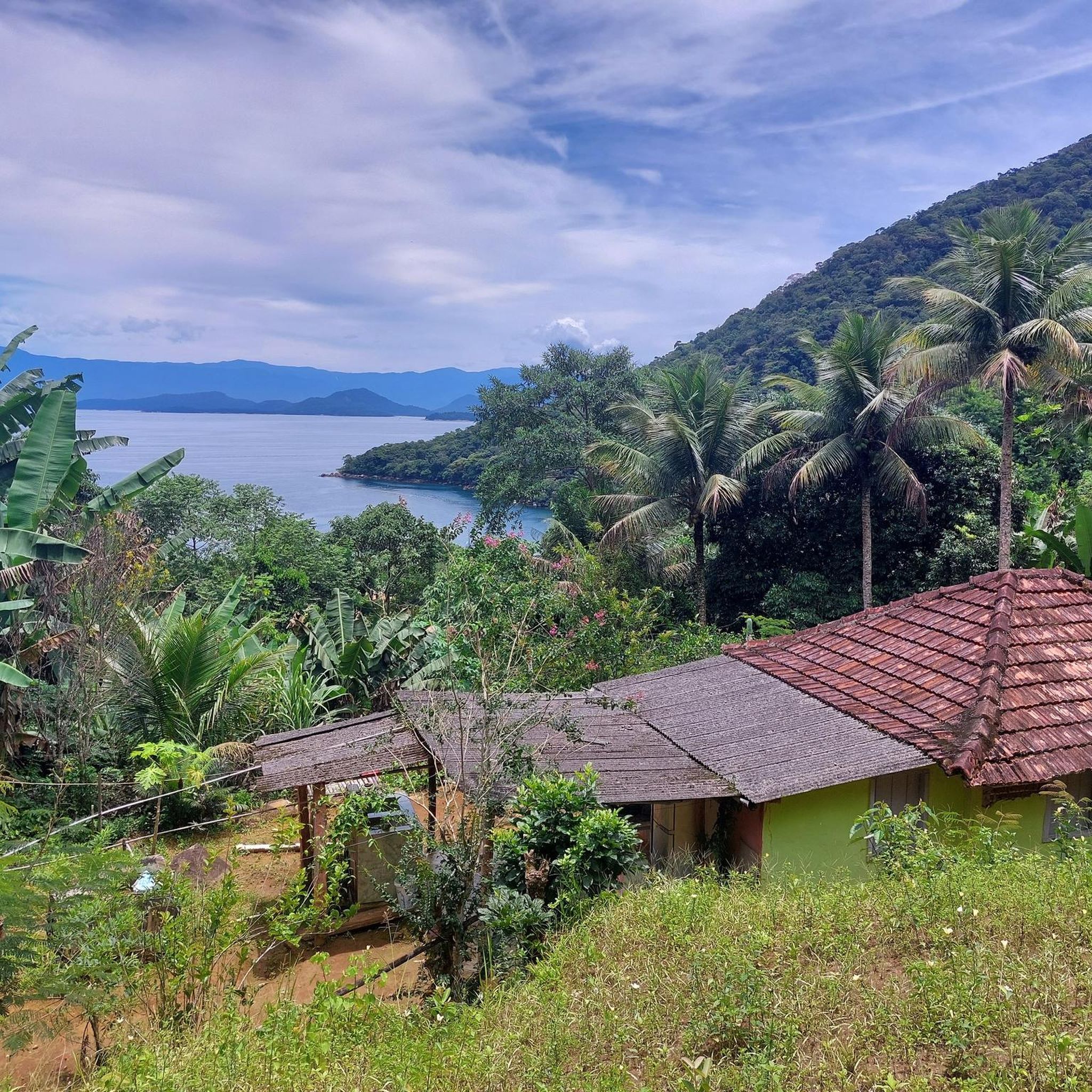
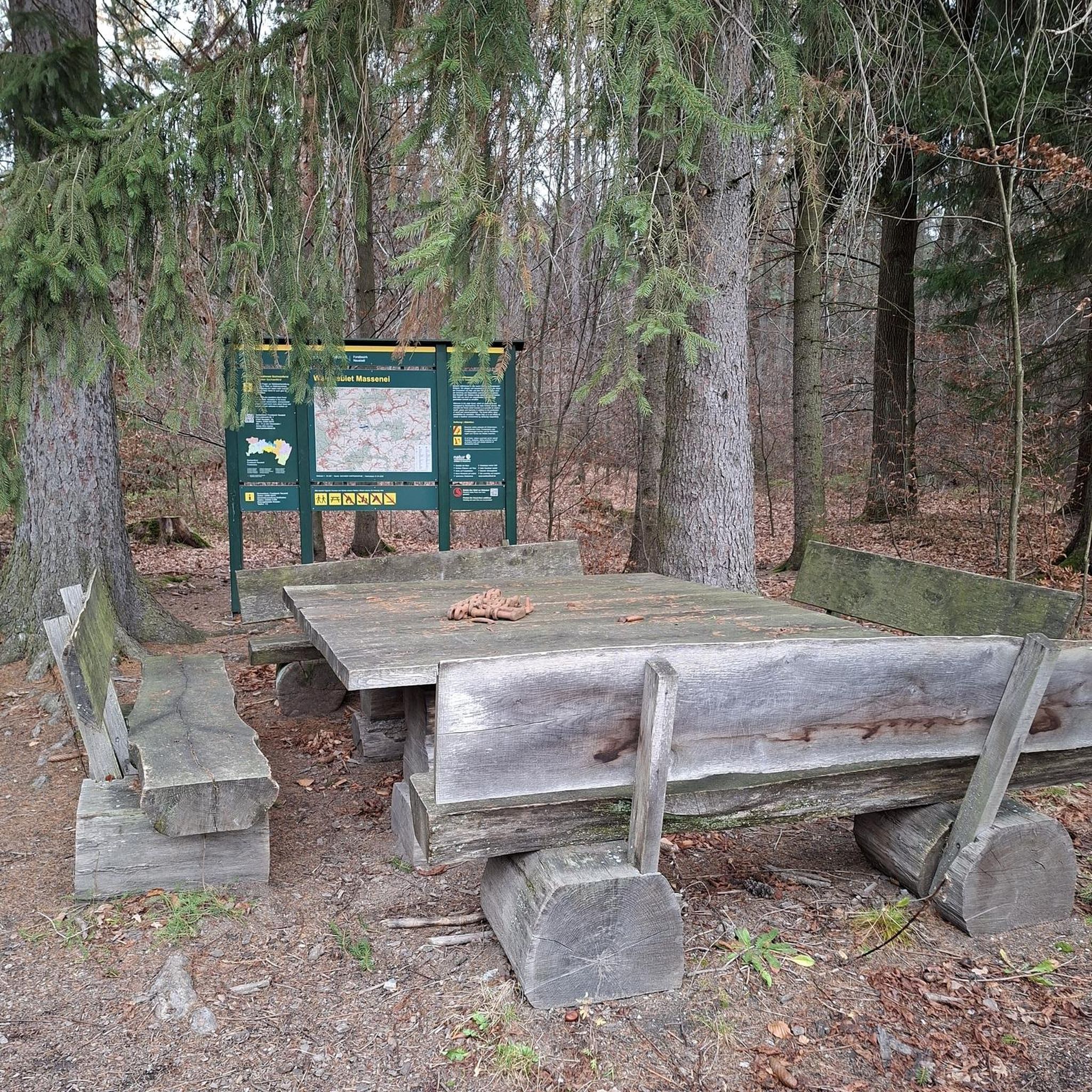
Tips from the Community

The Santa Clara Farm, for example, was once the second largest in Brazil in terms of the number of slaves, with a total of around 2,400, with the most rebellious being punished in a dungeon located beneath the house. Today, however, the place is open to the public and serves as a museum, with 6,000 m² of built area. The number of windows (365), rooms (52) and halls (12) is a reflection of the number of days, weeks and months in the calendar.
1
0
Religion is a strong characteristic of the population of Santa Rita. Located in one of the city's central points, the main church of the Santa Rita de Jacutinga Parish is a beautiful building that stands out from the surrounding landscape as an imposing symbol of the faith of its people. The site where the main church stands today was donated by Antônio Francisco de Mendonça and his wife Maria Vitória Ribeiro around 1832, when a chapel was built in honor of Santa Rita de Cássia. Over time, the chapel became too small to accommodate the faithful who came to thank or ask for favors from the saint. With the need to expand the small temple, the founding families of the town donated land to the parish so that it could receive a main chapel worthy of its patron saint. In 1835, the Gomes and Caetano families obtained authorization to build the main chapel. At the same time, Commander Francisco Teresiano Fortes (founder of the Santa Clara Farm), who had promised to build a church in the region, brought a large number of bricklayers, carpenters and construction materials to the site, but there was no consensus regarding the location of the main chapel. The Commander wanted the chapel to be built facing north, where the local cemetery was already located, offering compensation for the services that had been performed, but his wish was not granted. In view of this, he left with his assistants (most of whom were his slaves) for Rio Preto, where he built the main church, whose patron saint is Nosso Senhor dos Passos. By the 1950s, the chapel could no longer accommodate the population of Santa Catarina and the large number of faithful who visited it frequently. Soon, Father Francisco José Machado Filho (Father Machado) and his parishioners promoted the construction of the current church. On July 2, 1951, the demolition of the old building began to make way for the new construction. In proportion to the grandeur of the construction, it did not take long for the city to have its long-awaited main church; on July 17, 1956, the new main church was inaugurated. The interior of the church is breathtaking for its beauty and grandeur. Inspired by the Metropolitan Cathedral of Juiz de Fora, the church has imposing architectural lines and also has beautiful frescoes inside, which enchant with their colors and shapes made directly on the wall over the plaster – the work of the Italian painter Victorio Goretti. The artist was a cousin of Saint Maria Goretti, the young martyr canonized by Pope Pius XII in 1950. Another highlight of the temple is the hydraulic tiles, forming various types of carpets. Its abundant and naturally lit interior is a great place to meditate, taking advantage of the calm and silent climate, recharging your batteries to enjoy many adventures in the City of Waterfalls. Source: NOGUEIRA. Laudelina Marinho, The City of Waterfalls: Santa Rita de Jacutinga and its history. 3rd ed. rev. and expanded. (Santa Rita de Jacutinga, private edition, 2005).
1
0
“Many say, and it is true: whoever drinks water from the tunnel (...) will never forget this blessed land. It is as if it were a link uniting the useful with the pleasant.”
1
0
Known to the locals simply as the tunnel, it is a must-see for anyone visiting Santa Rita de Jacutinga. The tunnel was built between 1916 and 1918 for the Central do Brasil Railway, which brought the municipality a connection with the then capital of the Republic, the city of Rio de Janeiro. After the closure of railway activities in the municipal headquarters, the tunnel became a place where residents and tourists enjoy cooling off with the cold water from its water springs. The tour through the tunnel is part of the City Tour offered by Guide Gil Cunha and also takes visitors to another important tourist spot, the old Pontilhão da Rede. Come by bike, on horseback, on foot or even by motorcycle or car, but don't forget to go through the tunnel and enjoy one of the best views of the city, with the Areal Waterfall opening the doors to the City of Waterfalls and a beautiful view of the Igreja Matriz in the background! Sources: Source: NOGUEIRA. Laudelina Marinho, The City of Waterfalls: Santa Rita de Jacutinga and its History. 2nd ed. rev. and expanded. (Santa Rita de Jacutinga, private edition, 1985).
1
0
JuImposing is the word that defines the Santa Clara Farm. Built between 1760 and 1780, it was the most important farm owned by Commander Francisco Tereziano Fortes. For a long time, the farm was used for the reproduction of slaves during the colonial period. The Bustamante Fortes family arrived in the region from São João Del Rey and settled on the banks of the Rio Preto, playing a prominent role in the history and development of the region. Captain Francisco Dionísio de Sousa Fortes Bustamante (Francisco Tereziano's father), a bureaucrat of the Portuguese crown, had a lot of influence and, as a result, obtained a large extension of land on the banks of the Rio Preto from the crown. While still alive, the Captain divided up his property and handed over the portions of land to the administration of his children and people he trusted. The building is in the colonial style, from the 18th century, and has impressive numbers. The property has 6,000 m² of built area.
1
0
The Maria Nossar Tunnel, also known as the "Crying Tunnel", is located in Conservatória, Valença, in the state of Rio de Janeiro! This tunnel is a 19th-century engineering project and is part of the road that connects Valença to Conservatória. The tunnel is known for its water infiltrations, which create a "weeping" effect on its walls. The Maria Nossar Tunnel is a historical and cultural heritage site in the region and is very popular with tourists and locals. It offers a unique and picturesque view of the region, with its walls covered in vegetation and its interior lit only by natural light that enters through the ends.
3
0

A lake on a wooden bridge that doesn't inspire particular confidence. Nice stopover on the way to the waterfall.
0
0

Here you start the climb to Bau, with equipment and schedule (on weekends) Guide is mandatory (at least on weekends)
0
0
Frequently Asked Questions
What are some popular natural attractions in the Serra da Mantiqueira?
The Serra da Mantiqueira is rich in natural beauty. You can visit the Represa de Nazaré Paulista, the largest dam in the Cantareira System, popular for cycling with quiet roads and lake views. Another significant natural feature is the Pedra do Baú Base, which serves as the starting point for ascents to the iconic Pedra do Baú, offering challenging climbs and panoramic views. The region is also known for its numerous waterfalls and high peaks, such as Pico das Agulhas Negras and Pedra da Mina.
Are there any historical or cultural sites to explore in the Serra da Mantiqueira?
Yes, the region offers several historical and cultural sites. The Fazenda Santa Clara is a notable historical site. You can also visit the Maria Nossar Tunnel (Crying Tunnel), a 19th-century engineering marvel known for its 'weeping' walls. Another interesting spot is the Central do Brasil Tunnel in Santa Rita de Jacutinga, where visitors can cool off in its spring water. The Main Church of Santa Rita de Cássia is an imposing symbol of local faith with origins dating back to 1832.
What towns or settlements are worth visiting in the Serra da Mantiqueira?
Several charming towns dot the Serra da Mantiqueira. São Francisco Xavier Center is a quiet settlement known for its local bakeries and as a resting point for cyclists. Campos do Jordão, often called the 'Brazilian Switzerland,' offers European-inspired architecture and a lively atmosphere. Monte Verde is known for its romantic ambiance and outdoor activities, while Visconde de Mauá is famous for its waterfalls and ecotourism. São Bento do Sapucaí is a great base for hiking and climbing, and Santo Antônio do Pinhal provides a tranquil alternative with waterfalls and local gastronomy.
What kind of outdoor activities can I do in the Serra da Mantiqueira?
The Serra da Mantiqueira is ideal for various outdoor activities. You can enjoy extensive running trails, with options like the challenging Pedra Grande loop or the scenic Lago Capivari loop. For road cycling enthusiasts, there are difficult routes such as the Lago do Itapeva – Lago Capivari loop. Touring cyclists can explore routes like the Vista de Mellos – Fountain of Friendship loop. Many towns also offer hiking, climbing, and ATV rides. You can find more details on specific routes in our guides for Running Trails, Road Cycling Routes, and Cycling in the Serra da Mantiqueira.
Are there family-friendly attractions in the Serra da Mantiqueira?
Absolutely. Many attractions cater to families. The São Francisco Xavier Center is a pleasant spot for a family stop, with quiet squares and bakeries. The Fazenda Santa Clara is also listed as family-friendly. Additionally, towns like Campos do Jordão offer cable car rides and parks, while the Sítio do Picapau Amarelo in Monteiro Lobato is a museum dedicated to a renowned writer, offering an engaging experience for children.
Where can I find waterfalls and natural pools in the region?
The Serra da Mantiqueira, whose name means 'mountain that cries,' is abundant with water features. Visconde de Mauá is particularly famous for its numerous waterfalls and natural pools, including Escorrega, Poção da Maromba, Santa Clara, and Alcantilado. Aiuruoca in Minas Gerais also boasts over 40 cataloged waterfalls, such as Deus me Livre and Poço do Joaquim Bernardo. Santo Antônio do Pinhal is another town known for its beautiful waterfalls.
What are some of the highest peaks in the Serra da Mantiqueira?
The Serra da Mantiqueira is home to some of Brazil's most impressive high-altitude landscapes. Notable peaks include Pico das Agulhas Negras (2,821 meters), Pedra da Mina (2,797 meters), Pico dos Três Estados (2,665 meters), and Pico dos Marins (2,421 meters). These peaks offer challenging climbs and rewarding panoramic views for mountaineers and hikers.
What is the best time to visit the Serra da Mantiqueira?
The best time to visit largely depends on your preferred activities. The region is popular year-round. Winter (June to August) is a favorite for towns like Campos do Jordão and Monte Verde, known for their cold climate and European charm. For hiking and outdoor activities, the drier months from April to September generally offer more stable weather conditions and clearer skies, though some trails can be muddy during the rainy season.
Are there any unique cultural experiences or local products in the Serra da Mantiqueira?
Yes, the region offers unique cultural experiences. Penedo, in Rio de Janeiro, is Brazil's leading Finnish colony, reflected in its architecture and local culture. In towns like Passa Quatro, you can visit a buffalo farm (Pérola da Serra) for tours and tastings of buffalo milk cheeses and dulce de leche. Many towns also feature craft markets and stores selling local products, including pine nut-based dishes in Santo Antônio do Pinhal.
What is the Itatiaia National Park and what can I see there?
Itatiaia National Park is a significant conservation unit within the Serra da Mantiqueira, spanning parts of Minas Gerais and Rio de Janeiro. It's known for its diverse ecosystems and high-altitude landscapes. Within the park, you can visit attractions like Lago Azul, a beautiful lake that serves as a pleasant stopover on the way to waterfalls. The park offers various trails and opportunities to observe the rich Atlantic Forest flora and fauna.
What are some hidden gems or less-known spots in the Serra da Mantiqueira?
Beyond the more popular destinations, the Serra da Mantiqueira holds several hidden gems. The Gruta dos Crioulos is a cave offering a unique natural exploration. The district of São Francisco Xavier, affectionately known as 'São Xico,' provides ecotourism attractions like waterfalls and hiking trails, along with charming restaurants and craft markets in its town center. Aiuruoca, with its rugged terrain and numerous viewpoints and waterfalls, also offers a more off-the-beaten-path experience.
Most popular routes in the Serra da Mantiqueira
Most popular attractions in the Serra da Mantiqueira

Get inspired with the komoot mobile app


Explore more
Still not found the Highlight you’re looking for? See guides of the top attractions in other regions:
