Top 6 Castles around Frosolone
Best castles around Frosolone include significant historical structures and ancient defensive remains. Frosolone features the Palazzo Baronale, originally a castle transformed into an inquisition court, and remnants of ancient megalithic walls at Castellone and Civitella. These sites offer insights into the village's ancient origins and its evolution through the medieval period, providing a tangible link to the Samnite people and the region's foundational history. Several impressive castles are also found in the surrounding areas.
Best castles around Frosolone
- The most…
Last updated: July 14, 2026
Carpinone Historic Village
Highlight • Settlement
Translated by Google •
Tip by

Pesche
Highlight • Settlement
Translated by Google •
Tip by

Sign up now to discover places like this
Get recommendations on the best single tracks, peaks, & plenty of other exciting outdoor places.
Sign up for free
Castropignano
Highlight • Settlement
Translated by Google •
Tip by

Duronia
Highlight • Settlement
Translated by Google •
Tip by
Castello d'Evoli of Castropignano
Highlight • Castle
Translated by Google •
Tip by

Sign up for free to discover even more castles around Frosolone.
Sign up for free
Already have an account?
Start today with a free account
Your next adventure awaits.
Login or Signup
Tips from the Community

Don't miss the opportunity for a coffee break , in the small square and admire a beautiful view.
0
0

I knew the name for being the destination of the "Trans-Siberian of Italy" is a secondary railway line in Abruzzo and Molise. It is now crossed by tourist trains as part of the "Timeless Tracks" project
0
0

Castropignano is located a short distance from Campobasso in the Biferno river valley. There are many churches to visit and the Evoli castle.
2
0
The village of Duronia is located on the ancient Lucera-Castel di Sangro sheep track. The village has undergone great depopulation and currently there are around 400 inhabitants. In the historic center you can spot the ruins of the medieval castle.
2
0

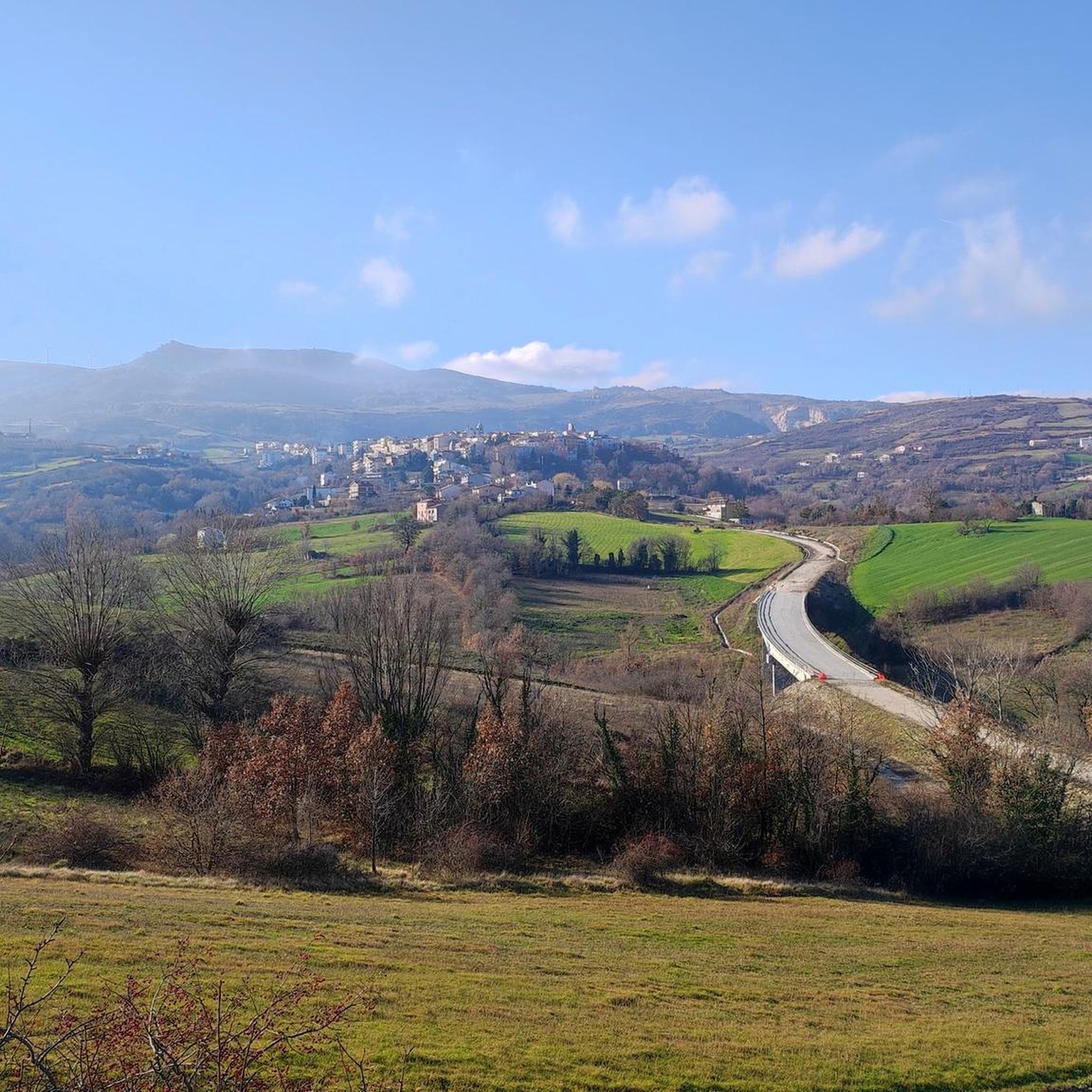
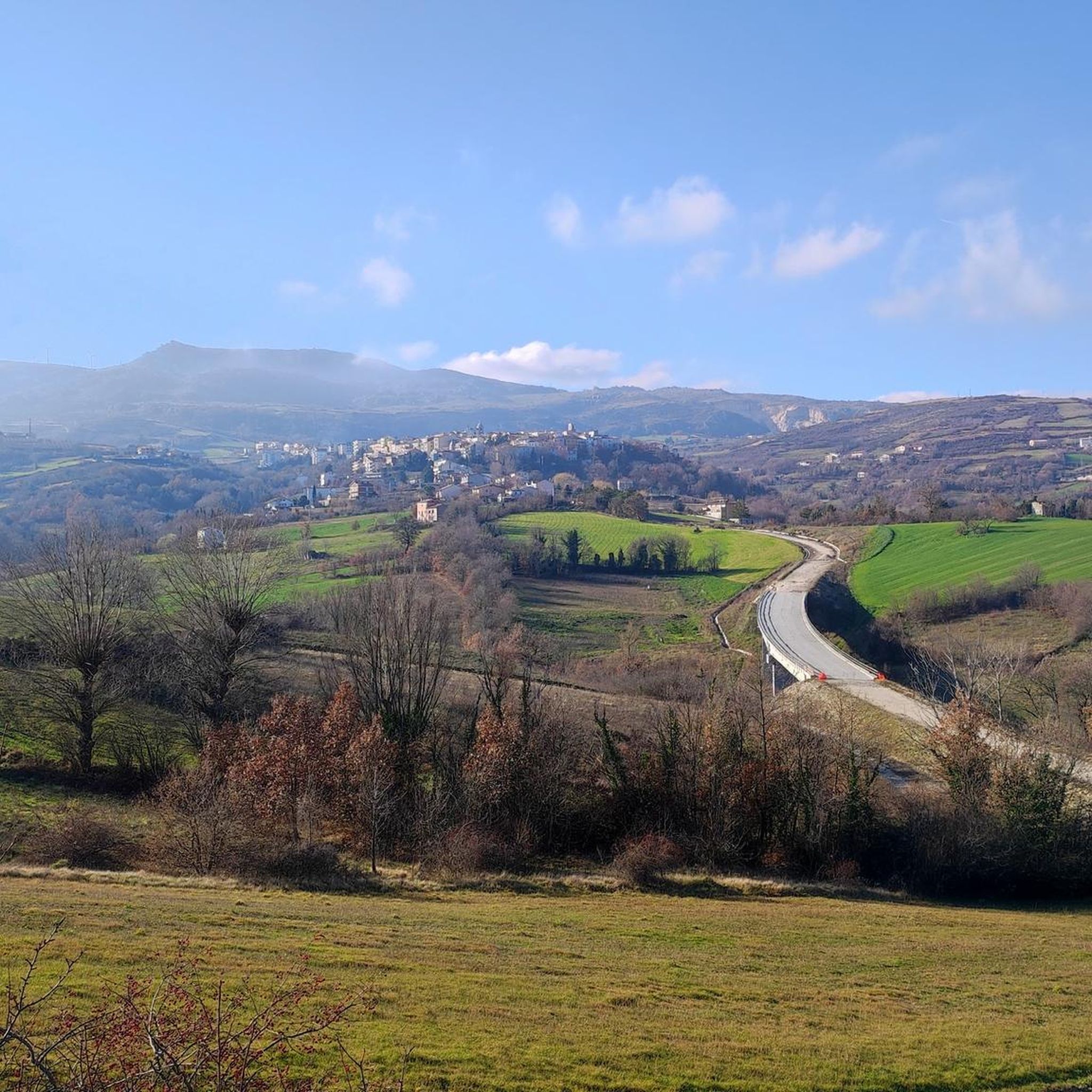
Castropignano is a town in Molise with about 2,000 inhabitants, whose origins date back to the 4th century BC. It is a beautiful village located on a rocky ridge with a view over the Biferno river valley. The main attraction is the castle of Evoli, a suggestive building erected during the Lombard domination and transformed by the Normans in the 11th century. The historic center offers narrow streets and bell towers that represent the charm of the medieval village. https://www.visitmolise.eu/scheda-localita/-/d/dms/1508576/castropignano
1
0

Very nice little village, at the top there is a beautiful panorama.
9
0

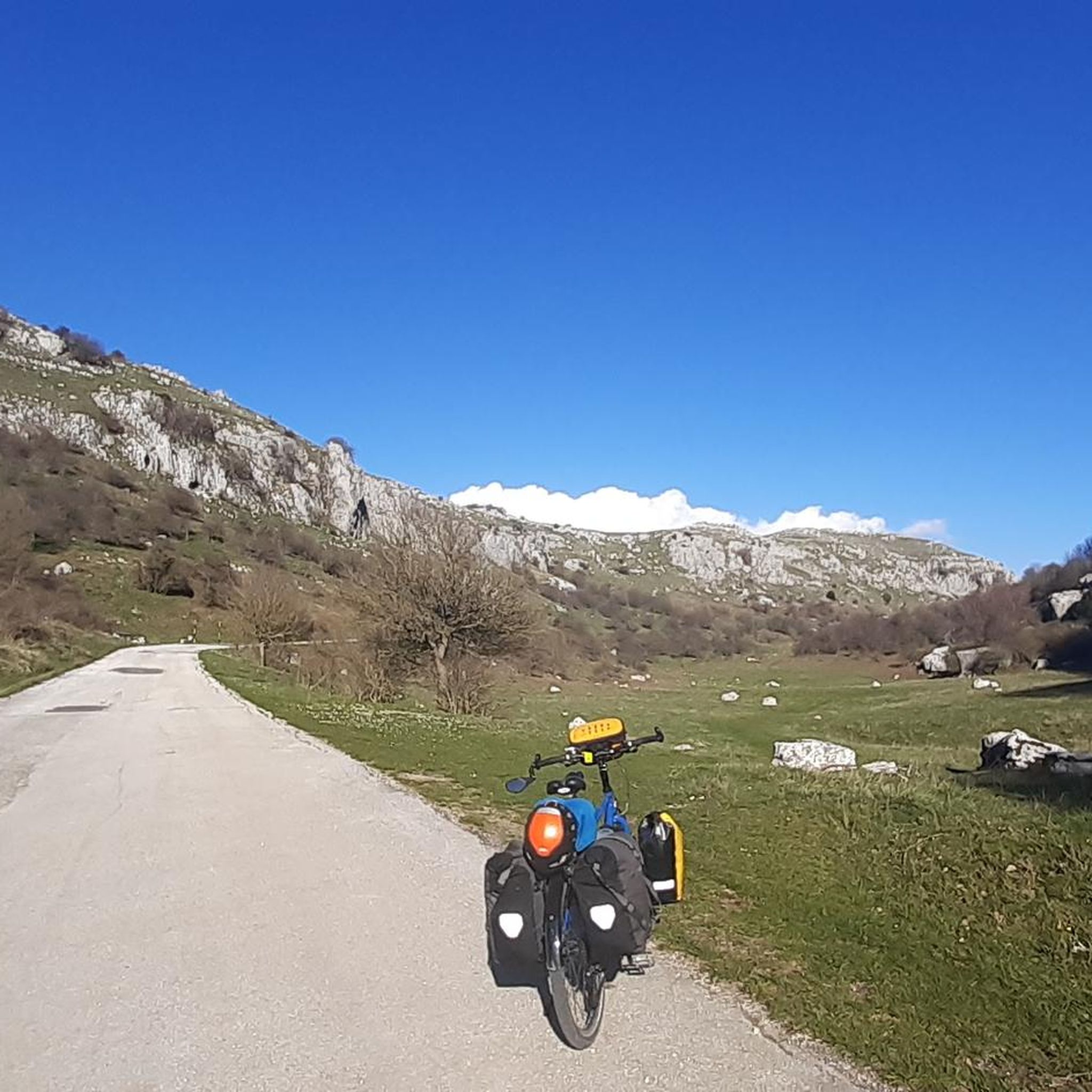
Small town, if you feel like it you can continue entering the uphill road that enters the town. The climb is short but quite tough and the surface is in san pietrini, not very easy to pedal. At the bottom, however, there is a truly impressive viewpoint!
2
0
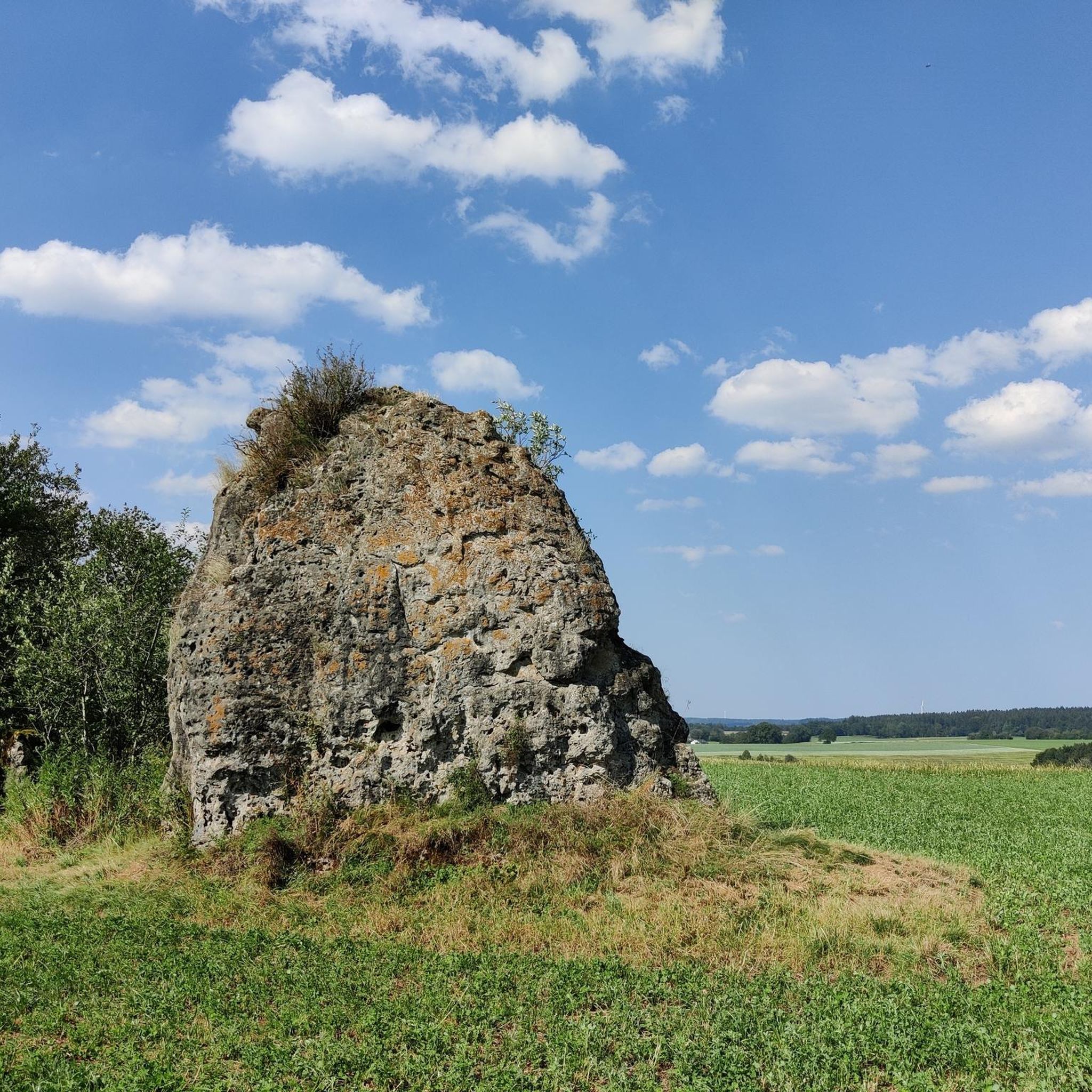
Ancient fortified city with a curious U shape due to the conformation of the rocks on which it stands. To visit, near the historic center, the two waterfalls, one artificial and one natural.
1
0
Frequently Asked Questions
What types of historical structures can I explore in Frosolone itself?
In Frosolone, you can visit the Palazzo Baronale, which was originally a castle transformed into an inquisition court in 1305 and now features significant historical frescoes. Additionally, explore the ancient Megalithic Walls (Pelasgic Walls) at Castellone and Civitella, which are remnants of Frosolone's deep historical roots, possibly dating back to the Samnite city of Fresilia.
Which castles are considered must-see attractions near Frosolone?
Among the must-see castles near Frosolone are Carpinone Historic Village, known for its 11th-century castle strategically placed on a high limestone rock. Another significant site is Castropignano, home to the Evoli castle, a building erected during the Lombard domination and transformed by the Normans.
Are there any castles with visible ruins or remains near Frosolone?
Yes, Pesche is a settlement where visible remains of a Lombard castle can still be seen, offering a historical landscape with its stone houses. Also, in Duronia, you can spot the ruins of a medieval castle in its historic center.
What is the best time of year to visit the castles around Frosolone?
The Molise region generally enjoys pleasant weather from spring to early autumn (April to October), making these months ideal for exploring castles and outdoor activities. Summer offers warm, sunny days, while spring and autumn provide milder temperatures and beautiful scenery.
Are there family-friendly castles or historical sites to visit near Frosolone?
Many of the historical villages and their castle ruins, like Duronia and Castropignano, are suitable for families. They offer opportunities to explore medieval architecture and enjoy scenic views in a relaxed setting. The historical context of Frosolone's Palazzo Baronale and Megalithic Walls can also be engaging for older children.
Can I find hiking trails that connect different castles or historical sites?
While there aren't specific trails directly connecting all castles, the region offers numerous hiking opportunities that allow you to explore historical areas. For example, you can find routes like 'The Carpinone waterfalls and the historic village – loop tour' which combines nature with historical exploration. You can find more hiking options in the Hiking around Frosolone guide.
What outdoor activities can I do near these castles?
The area around Frosolone offers diverse outdoor activities. You can enjoy hiking, mountain biking, and road cycling. There are specific guides for these sports, such as Hiking around Frosolone, MTB Trails around Frosolone, and Cycling around Frosolone, which feature routes near many of the historical sites.
Are there any castles near Frosolone that are currently undergoing renovation?
Yes, the Castello ducale di San Felice in Bagnoli del Trigno, approximately 11 km from Frosolone, is an imposing medieval fortress that is currently undergoing an ambitious renovation and redevelopment project.
What kind of views can I expect from the castles and historical villages?
Many of the castles and historical villages are situated on hills or elevated positions, offering panoramic views. For instance, Duronia provides a beautiful panorama from its top, and Castropignano is located on a hill overlooking the Biferno valley, offering stunning vistas.
What is the history behind the Palazzo Baronale in Frosolone?
The Palazzo Baronale in Frosolone has a rich history, originally serving as a castle. It was notably transformed into an inquisition court in 1305 and has been owned by the Zampini family since 1771. Its interiors are particularly noteworthy for their extensive collection of historically significant frescoes.
Are there any castles that are privately owned and not open to the public?
Yes, the castle within Carpinone Historic Village, known as Castello Caldera, is privately owned and not open for internal visits. However, it is still highly admired from the exterior for its medieval references and Renaissance adaptations.
What is the significance of the Megalithic Walls in Frosolone?
The Megalithic Walls (Pelasgic Walls) at Castellone and Civitella are evocative traces of Frosolone's deep historical roots. They are believed to be part of the ancient Samnite city of Fresilia, conquered by the Romans in 304 BC, and provide a tangible link to the pre-Roman and early Roman history of the area.
Most popular attractions around Frosolone

Get inspired with the komoot mobile app


Explore more
Looking for the best castles somewhere else? Discover other guides around Frosolone:
