Top 6 Caves around Grisolia
Best caves around Grisolia are found in the province of Cosenza, within the Calabria region of southern Italy. This area is characterized by its natural landscape and historical significance, offering a blend of cultural and geological interest. Grisolia is partly situated within the vast Pollino National Park, Italy's largest protected area. The region features various subterranean sites, including ancient cave systems and natural cavities.
Best caves around Grisolia
- The most popular caves is San Ciriaco Cave, a cave that…
Last updated: May 3, 2026
San Ciriaco Cave
Highlight • Cave
Translated by Google •
Tip by

U Vugliu Waterfall
Highlight • Waterfall
Translated by Google •
Tip by

Sign up now to discover places like this
Get recommendations on the best single tracks, peaks, & plenty of other exciting outdoor places.
Sign up for free
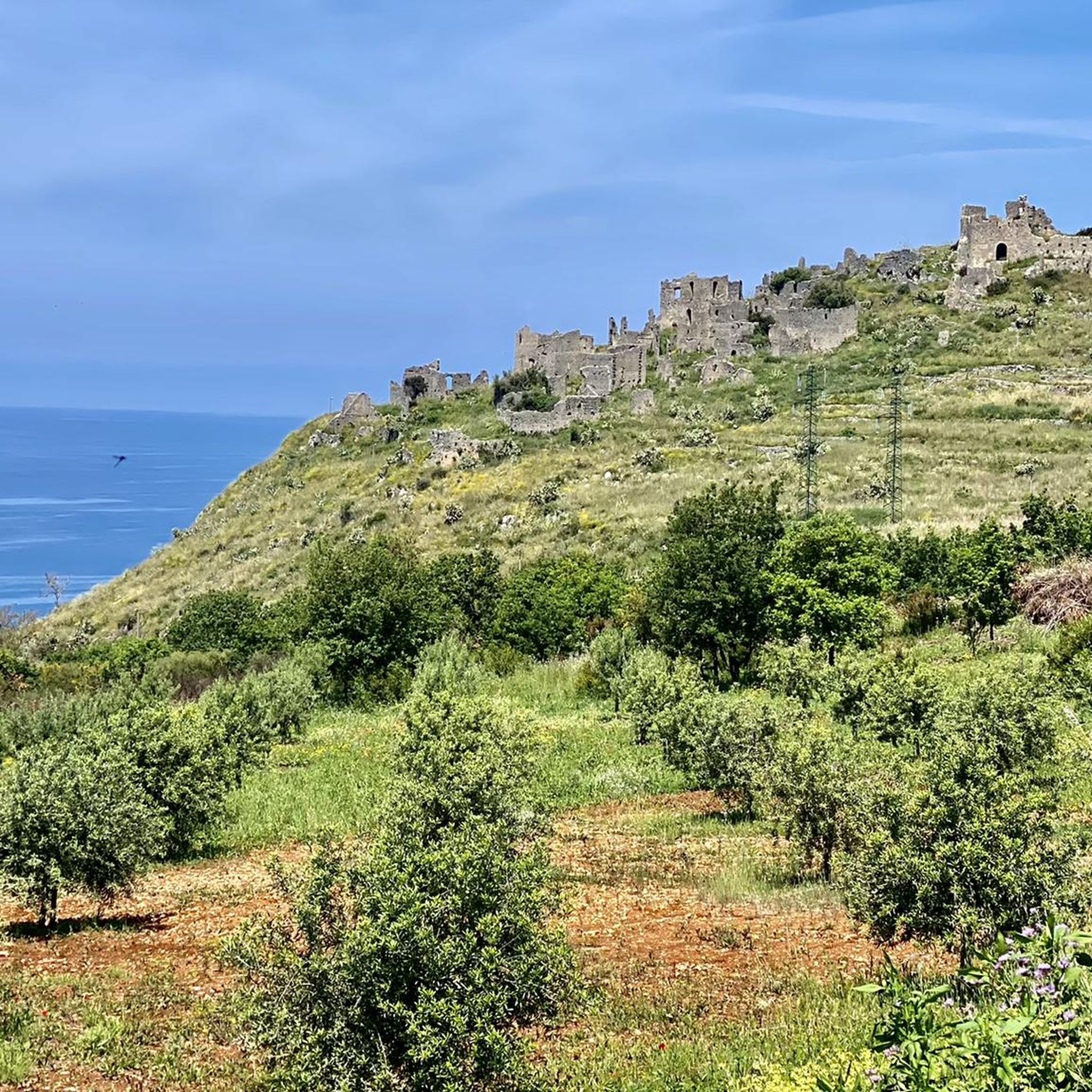
Maierà
Highlight • Settlement
Translated by Google •
Tip by

Madonna dell’Emigrato Cave
Highlight • Cave
Translated by Google •
Tip by
San Leonardo Cave and Church
Highlight • Cave
Translated by Google •
Tip by

Sign up for free to discover even more caves around Grisolia.
Sign up for free
Already have an account?
Start today with a free account
Your next adventure awaits.
Login or Signup
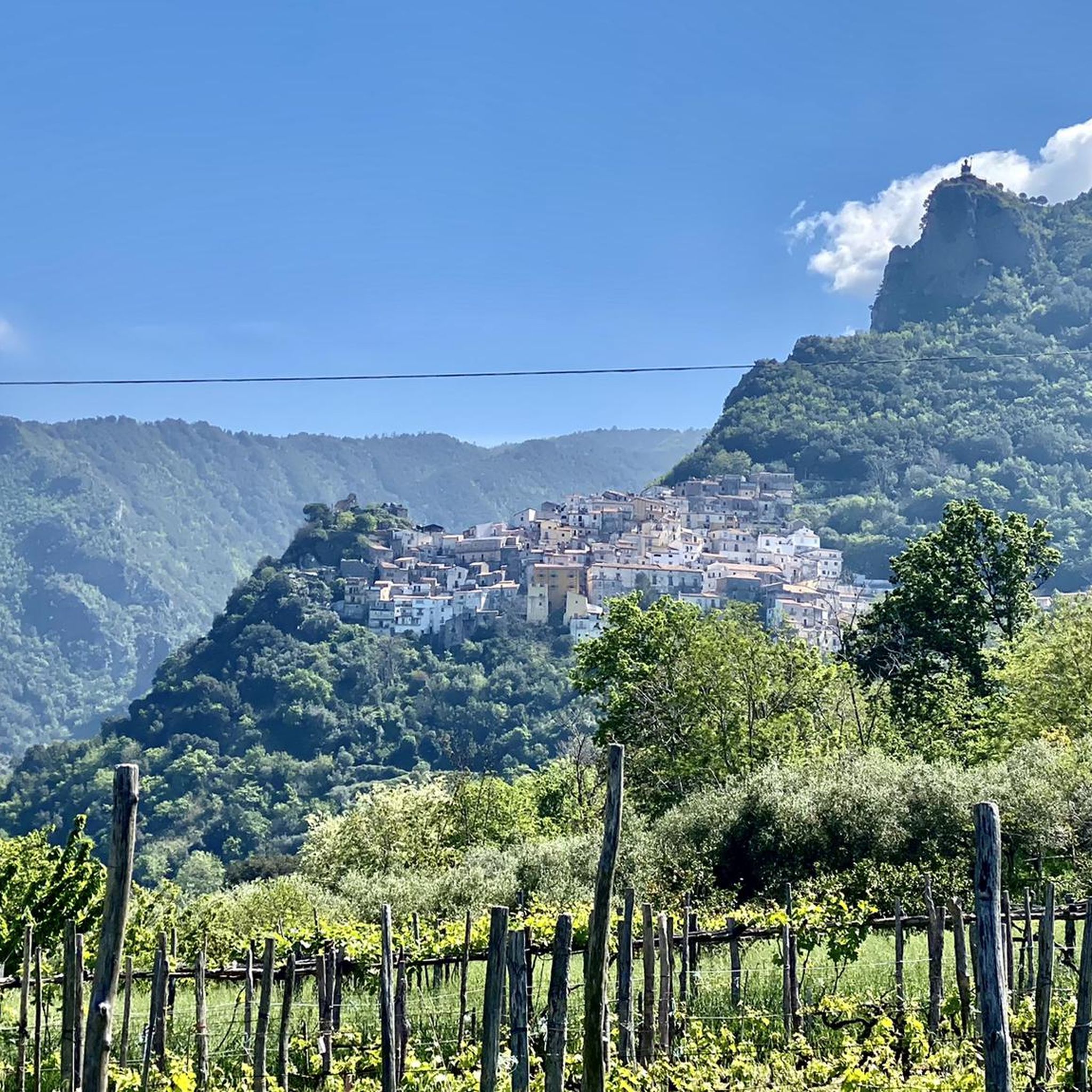
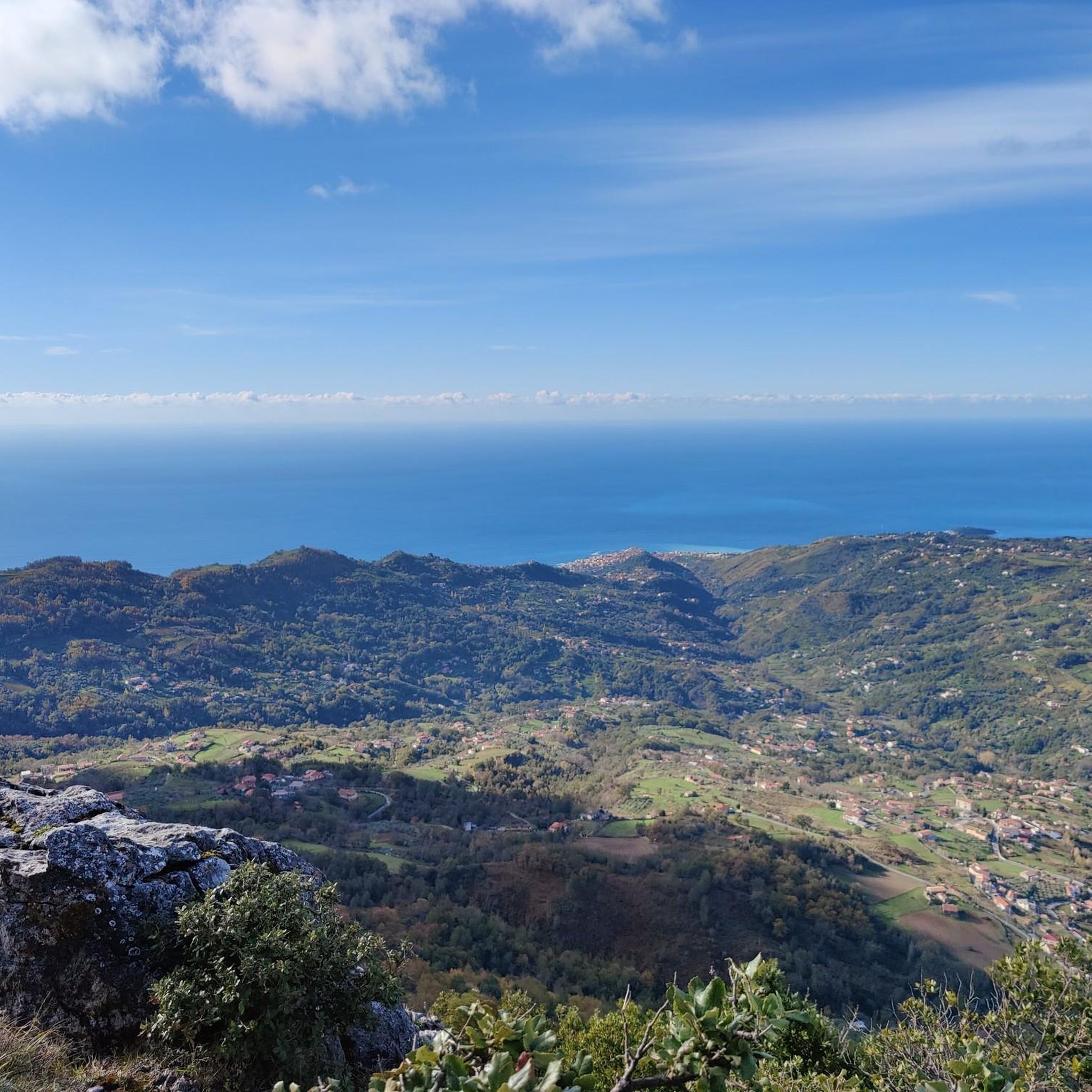
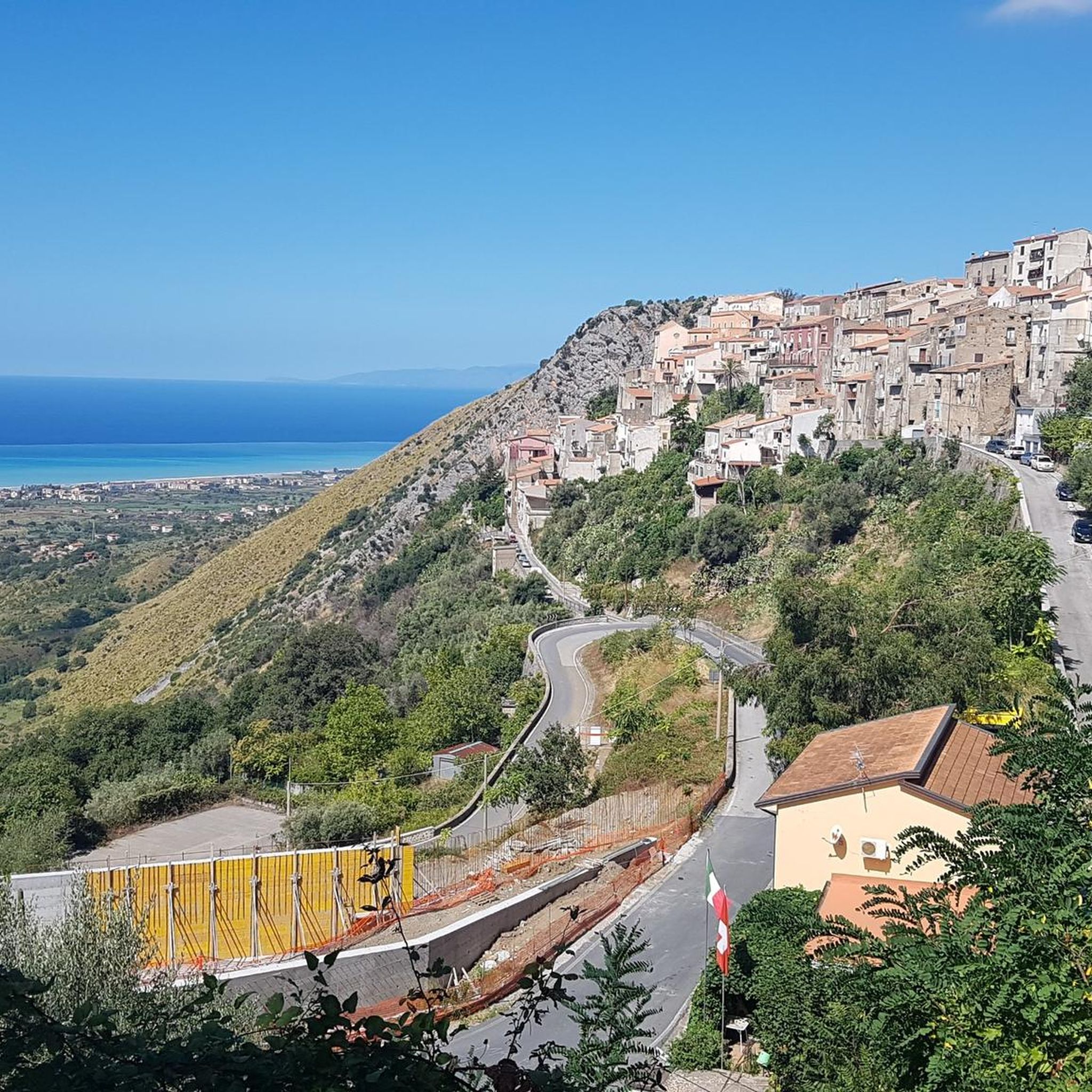
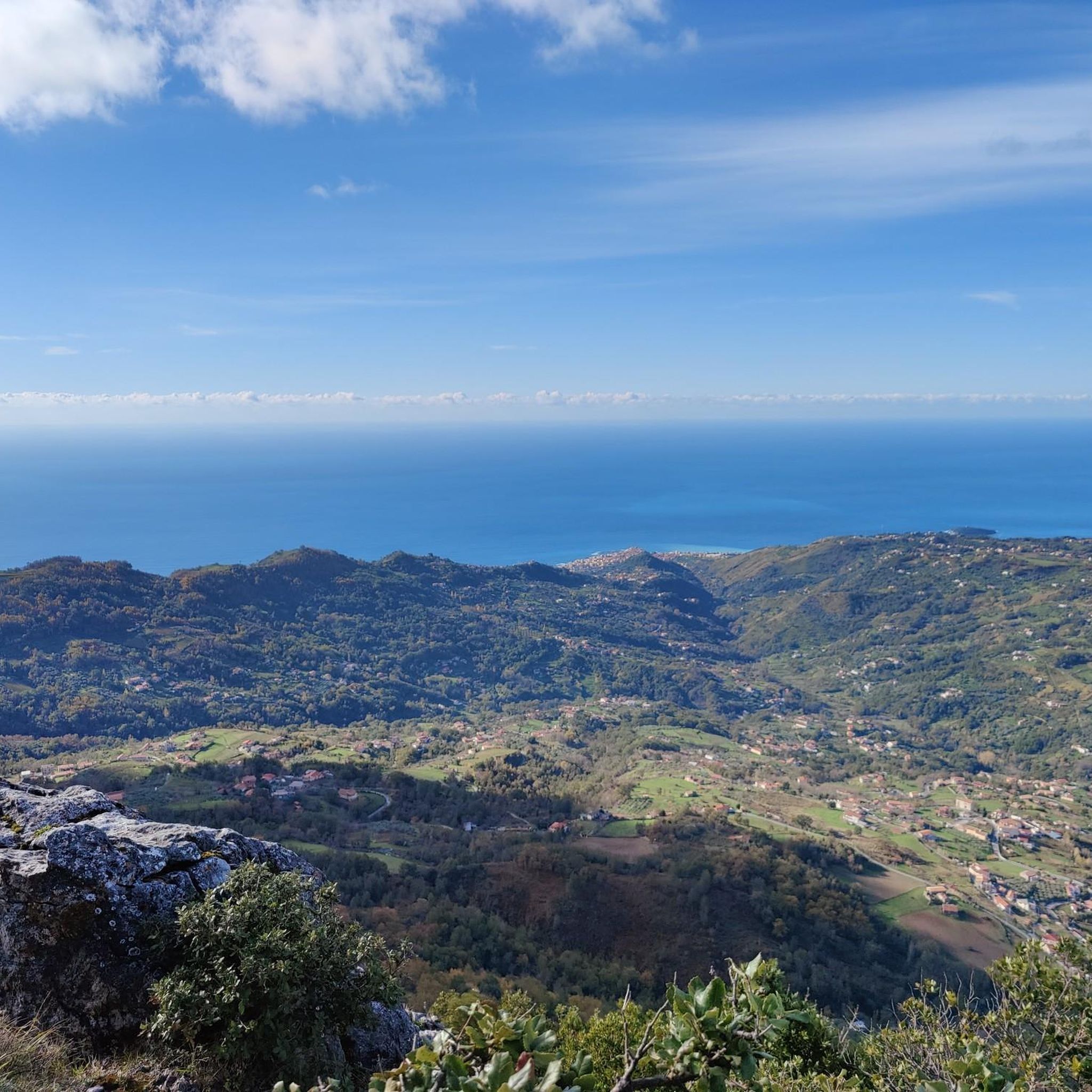
Tips from the Community

The Grotto of St. Cyriacus is the place where the saint prayed. A mystical and relaxing place where the sound of flowing water is amplified by the walls carved by the Corvino River, a natural spectacle.
0
0


The access to the waterfall is closed. The commune has installed a fence.
2
0
Going up to the historic center of Orsomarso there is the church of San Leonardo with an external panoramic point
0
0

A route immersed in nature, you may have some small difficulties near the waterfall, where the terrain is a bit rough, but then you are struck by its spectacle.
2
0

The Grota di San Ciarico offers a fantastic experience, even if the climb to Buonvicino is demanding. It is a magical cave, away from everything, which conveys a deep feeling of inner peace.
0
0

Ciriaco da Buonvicino, a priest and exorcist, is remembered with a pilgrimage to this cave every year on September 17th as in 2006 of the same year a rock had detached and fell into the city of Buonvicino, without any damage or injuries .
1
0
Frequently Asked Questions
What are the most historically significant caves in the Grisolia area?
The **Grotta di San Michele** in Grisolia holds significant historical and archaeological importance, with findings dating back to the Eneolithic Period. Further afield in the Pollino National Park, the Maierà settlement is named for its numerous natural cavities and historical context. The Romito Caves in Papasidero are also a crucial Paleolithic site with ancient human remains and rock art.
Are there any caves with religious significance near Grisolia?
Yes, the San Ciriaco Cave is known for its yearly pilgrimage on September 17th, commemorating a miraculous event. The Madonna dell’Emigrato Cave offers a reflective space for prayer. Additionally, the Grotta di San Michele has historical ties to ascetics, and the San Leonardo Cave and Church is another site of religious interest.
What unique natural features can I expect to see in the caves around Grisolia?
You can explore diverse natural formations. The U Vugliu Waterfall includes cave features within its natural monument. The Grotta di San Michele exhibits unique formations and human modifications, including ancient incisions. The Cave of the Nymphs in Cerchiara di Calabria is known for its hot sulphurous waters and therapeutic mud.
Are there family-friendly caves to visit near Grisolia?
The Madonna dell’Emigrato Cave is considered family-friendly, offering a suggestive cave environment with benches suitable for a moment of reflection.
What kind of outdoor activities can I do near the caves in Grisolia?
The region around Grisolia, particularly within the Pollino National Park, offers various outdoor activities. You can find numerous MTB trails, running trails, and road cycling routes. Many of these routes pass through scenic landscapes and offer opportunities to explore the natural beauty surrounding the cave sites.
What is the best time of year to visit the caves in Grisolia?
The best time to visit the caves and explore the surrounding region is generally during the spring (April to June) and autumn (September to October) months. During these periods, the weather is typically mild and pleasant, making outdoor activities and cave exploration more comfortable. Summers can be hot, and winters might bring cooler temperatures and more rainfall.
Are there any caves near Grisolia that require special equipment or permits?
While general access to sites like the Grotta di San Michele or San Ciriaco Cave may not require special permits, some deeper or more challenging cave systems, especially those within the Pollino National Park, might necessitate guided tours, specific equipment, or permits for safety and conservation reasons. It's advisable to check with local tourism offices or guides for specific requirements for less accessible caves.
What should I wear when visiting caves in the Grisolia area?
When visiting caves, it's recommended to wear comfortable clothing suitable for walking or light hiking. Sturdy, closed-toe shoes with good grip are essential, as cave floors can be uneven and damp. Even on warm days, cave interiors can be cool, so bringing a light jacket or sweater is advisable. For some sites, a headlamp or flashlight can be useful.
Are there any amenities like cafes or accommodation near the caves?
Grisolia and nearby towns offer various amenities. While direct amenities at the cave entrances might be limited, you can find cafes, restaurants, and accommodation options within Grisolia itself or in neighboring villages. It's a good idea to plan your visit and check for services in the closest populated areas.
What do visitors enjoy most about the caves around Grisolia?
Visitors appreciate the blend of natural beauty, historical depth, and spiritual tranquility. The mystical atmosphere of places like San Ciriaco Cave, the archaeological significance of the Grotta di San Michele, and the relaxing natural spectacle of the U Vugliu Waterfall are frequently highlighted. The region's connection to ancient history and local folklore also adds to its allure.
Can I find any challenging cave experiences or routes near Grisolia?
While some cave entrances are easily accessible, the terrain around many cave sites, especially within the Pollino National Park, can be rugged and challenging. For instance, the climb to San Ciriaco Cave from Buonvicino is described as demanding. Exploring the broader park offers opportunities for more strenuous hikes and potentially more challenging cave explorations for experienced adventurers.
Most popular attractions around Grisolia

Get inspired with the komoot mobile app


Explore more
Extend your search for the best caves by checking out these guides of the top ones around Grisolia:
