Top 5 Caves around Guidonia Montecelio
Best caves around Guidonia Montecelio are located in a region east of Rome, characterized by extensive travertine quarries and complex geological features. This area features significant man-made underground spaces, alongside natural karst formations and active speleological sites. The geological characteristics, including active fault lines and hydrothermal springs, contribute to unique underground environments. These sites offer insights into both natural geological processes and historical Roman engineering.
Best caves around Guidonia Montecelio
- The most popular caves is Sirens' Cave, a natural…
Last updated: August 24, 2026
Caves at Villa Gregoriana
Highlight • Cave
Translated by Google •
Tip by

Gattaceca and Barco Nature Reserve
Highlight • Forest
Translated by Google •
Tip by

Sign up now to discover places like this
Get recommendations on the best single tracks, peaks, & plenty of other exciting outdoor places.
Sign up for free
Sirens' Cave
Highlight • Cave
Translated by Google •
Tip by

Neptune's Grotto and Tivoli Waterfall
Highlight • Cave
The path is slippery, be careful.
Showing Translation
Tip by

Caves Along the Trail
Highlight • Cave
Translated by Google •
Tip by

Sign up for free to discover even more caves around Guidonia Montecelio.
Sign up for free
Already have an account?
Start today with a free account
Your next adventure awaits.
Login or Signup
Popular around Guidonia Montecelio

Other adventures around Guidonia Montecelio

Tips from the Community

Another cave of Villa Gregoriana, this one located right in front of the waterfall. The path is slippery, be careful.
1
0
The Grotta delle Sirene is a natural cavity carved by the action of the Aniene river. The name derives from local tradition and not from archaeological findings.
1
0
This place is wonderful, if you come to Tivoli you must visit it! Some advice: - It's better if you come in the morning so there will be more light. After a certain time in the afternoon, I believe that not much light will reach the lower part of the park. - It's better to bring hiking shoes and not flip-flops or smooth shoes because some parts of the trail are tricky.
1
0

Slightly hidden and covered by bush but still interesting to observe along the way
0
0

The nature reserve extends over about a thousand hectares between the Tiber Valley and the Cornicolani Mountains, in the Roman Sabina. The landscape is hilly, with pasture areas, crops and fragments of woods, remnants of the original forests. The area is known for its botanical value and for karst phenomena such as caves and sinkholes, including the Pozzo del Merro, one of the deepest in the world. The reserve also preserves historical evidence, from prehistory to the Middle Ages.
1
0

A place full of surprises and wonderful views! Challenging due to the climbs and steps but absolutely worth it!
2
0
You enter the park of Villa Gregoriana
2
0

A natural cave into which the Aniene river flows after giving a show of its wonderful waterfalls.
4
0
Frequently Asked Questions
What are the most notable natural caves and underground features around Guidonia Montecelio?
The region offers a mix of natural karst features and significant man-made underground structures. Notable natural sites include Sirens' Cave, where the Aniene river flows, and the Gattaceca and Barco Nature Reserve, which features various karst phenomena including the deep Pozzo del Merro sinkhole. The Grotta dell'Elefante is another prominent natural cave, known for ongoing speleological research.
Are there any family-friendly caves or underground attractions in the area?
While some natural caves may require specific equipment or expertise, the Caves at Villa Gregoriana offer a blend of natural beauty and historical significance within a park setting, making it a more accessible option for families. The planned guided tours of the ancient travertine quarries could also be an engaging historical experience for families.
What historical underground sites can be explored near Guidonia Montecelio?
The area is rich in historical underground sites. The vast travertine quarries, active since Roman times, supplied stone for iconic structures like the Colosseum. Initiatives are underway to offer guided tours through these ancient quarries. Additionally, the Mausoleo di Monte dell'Incastro, an ancient Roman underground funerary structure in Inviolata Park, offers a fascinating glimpse into Roman burial practices and architecture.
What kind of geological features can I expect to see in the caves around Guidonia Montecelio?
The region's unique geological setting, characterized by active fault lines and hydrothermal springs, has led to diverse features. You can observe karst phenomena like sinkholes, such as the Pozzo del Merro, one of the deepest explored globally. Caves like Grotta dell'Elefante show signs of endogenous erosion from sulfureous water, indicating connections to extensive underground systems.
Are there opportunities for speleology or advanced cave exploration?
Yes, the region is an active site for speleological research. The Grotta dell'Elefante, for instance, is known for ongoing explorations, including speleosub activities. Groups like the Gruppo Speleologico Guidonia Montecelio (GSGM) are involved in exploring and studying these complex cave systems. Access for general tourism to such sites might be restricted due to their technical nature and ongoing scientific work.
What outdoor activities can I do near these caves?
Beyond cave exploration, the area around Guidonia Montecelio offers various outdoor activities. You can find numerous routes for hiking, including trails near the Gattaceca and Barco Nature Reserve. There are also options for gravel biking and running trails, allowing you to explore the diverse landscapes surrounding the underground sites.
What is the best time to visit the caves and underground sites in Guidonia Montecelio?
Generally, spring and autumn offer pleasant weather for exploring both above-ground natural areas and underground sites. These seasons avoid the peak heat of summer and the colder, potentially wetter conditions of winter, making outdoor activities and access to sites more comfortable.
Are there any caves that are easy to visit for beginners?
For those new to cave exploration, the Caves at Villa Gregoriana provide a more managed and accessible experience within a park. While it involves climbs and steps, it's generally considered less technically demanding than undeveloped natural caves, offering surprising views without requiring specialized equipment.
Can I find hiking trails that lead to or past caves?
Yes, several hiking opportunities exist. For example, the Gattaceca and Barco Nature Reserve, which includes the Pozzo del Merro, has trails that allow you to explore its karst landscape. Additionally, the Caves Along the Trail highlight suggests that some caves can be observed directly from hiking paths.
What are the travertine quarries and why are they significant?
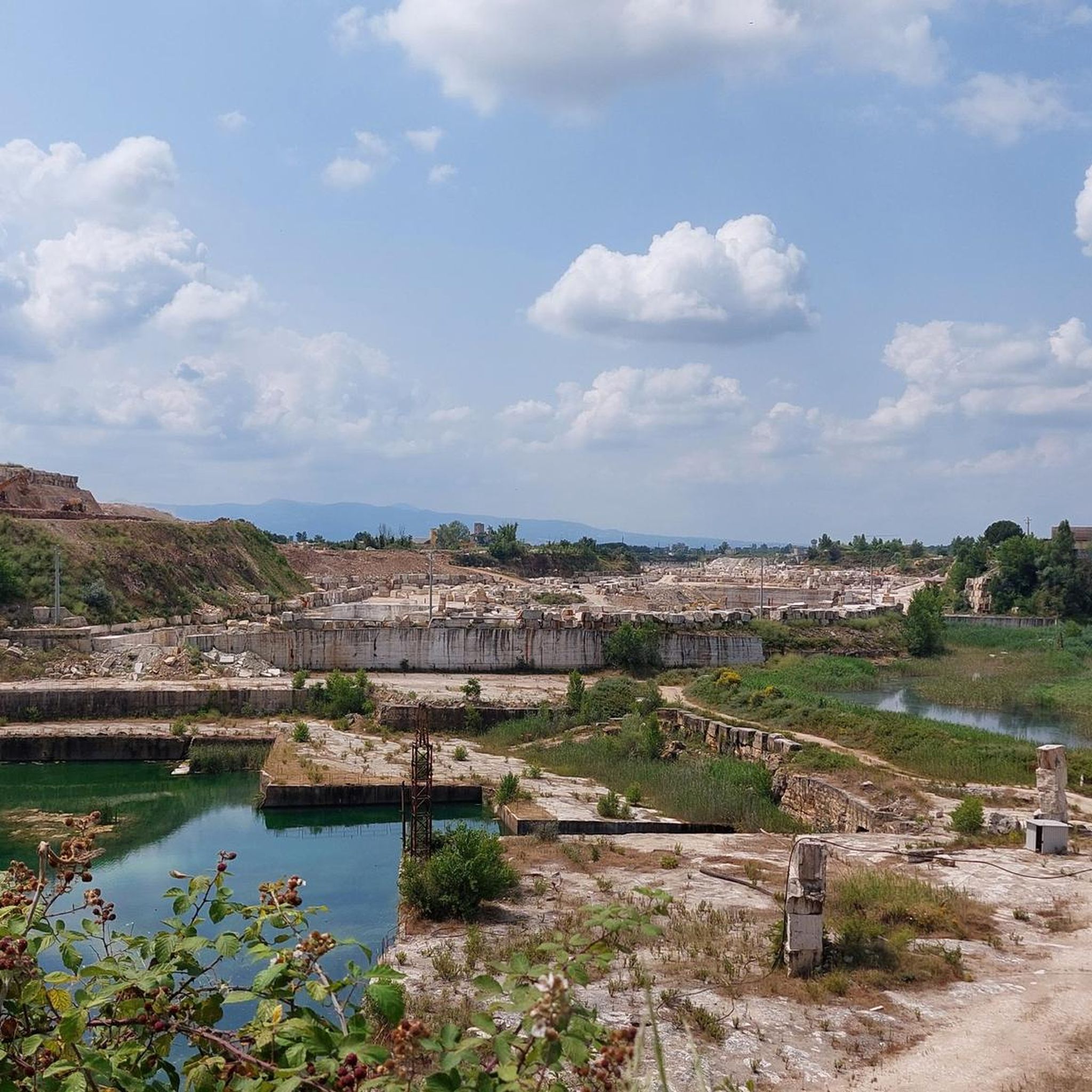
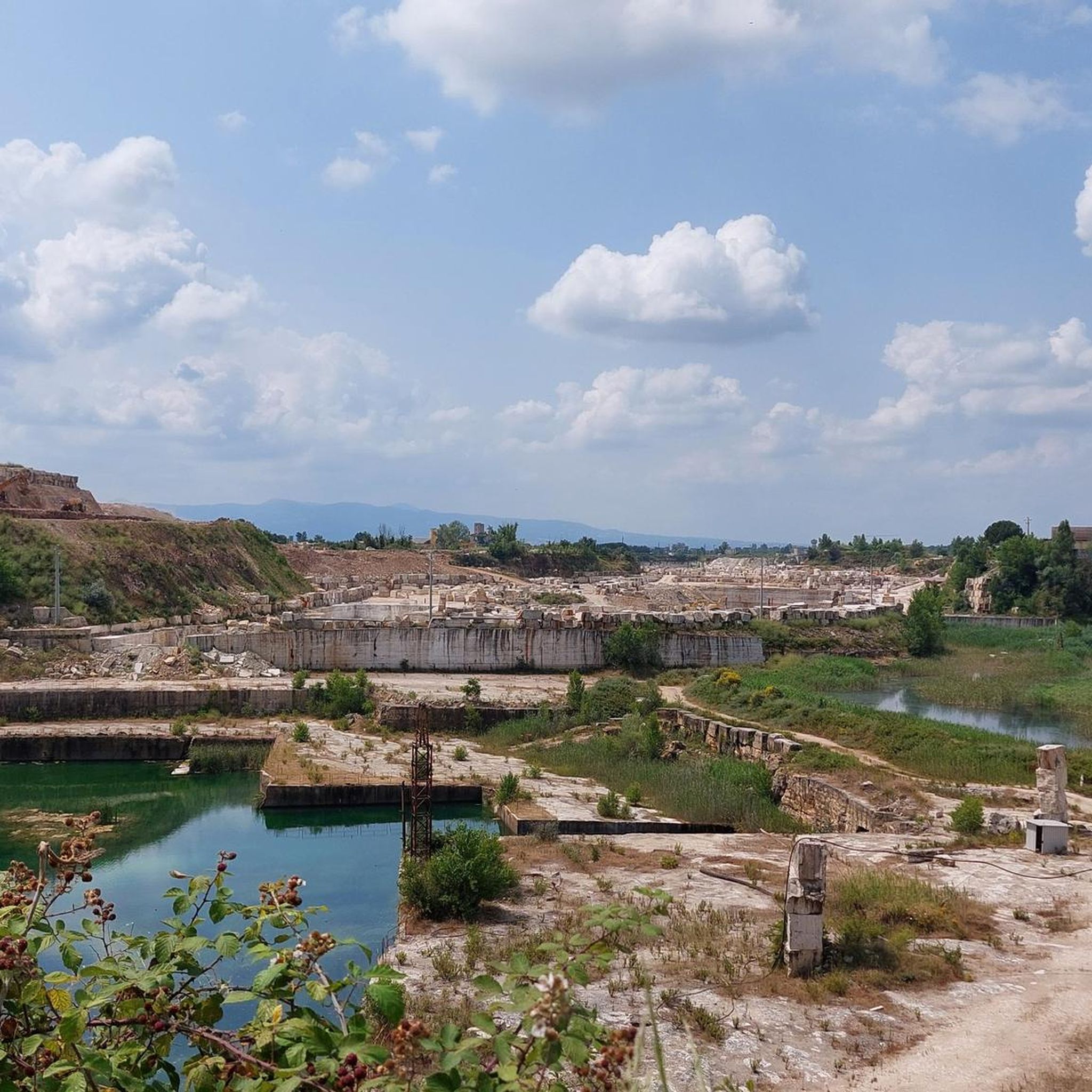
The travertine quarries between Bagni di Tivoli and Guidonia Montecelio are immense man-made excavations, not natural caves. They are historically significant because they have been a primary source of travertine stone since ancient Roman times, used to build iconic structures like the Colosseum, St. Peter's Square, and the Trevi Fountain. They represent a unique blend of geological formation and human engineering.
What do visitors enjoy most about the caves and underground sites in this region?
Visitors appreciate the unique combination of natural beauty and historical depth. The surprising views and historical significance of sites like the Caves at Villa Gregoriana are highly rated. The geological wonders, such as the deep sinkholes and the natural flow of rivers into caves like Sirens' Cave, also captivate explorers.
Most popular routes around Guidonia Montecelio
Most popular attractions around Guidonia Montecelio

Get inspired with the komoot mobile app


Explore more
Extend your search for the best caves by checking out these guides of the top ones around Guidonia Montecelio:
