Top 20 Lakes around Sint-Lievens-Houtem
Best lakes around Sint-Lievens-Houtem are primarily found in the broader region, as the municipality itself does not feature prominent natural lakes. Sint-Lievens-Houtem is located in East Flanders, within the Denderstreek and bordering the Flemish Ardennes. The nearby Kalkense Meersen, a vast natural area of approximately 950 hectares, offers a significant water-rich landscape shaped by the Scheldt river. This area provides diverse natural experiences for those exploring the region.
Best lakes around Sint-Lievens-Houtem
- The most popular lakes is Kalkense Meersen,…
Last updated: July 14, 2026
Kalkense Meersen
Highlight • Natural
Translated by Google •
Tip by

Berlare Castle Park
Highlight • Castle
The castle and outbuildings are not open to the public, but the park is.
Translated by Google •
Tip by

Sign up now to discover places like this
Get recommendations on the best single tracks, peaks, & plenty of other exciting outdoor places.
Sign up for free
Aelmoeseneiebos Stream and Wooden Bridge
Highlight • Forest
It includes more than 60 tree species, including all native trees of Flanders, as well as a number of park trees.
It is currently …
Translated by Google •
Tip by
Paardeweide Wetlands
Highlight • Natural
Translated by Google •
Tip by

Aalst City Park 1915 - 1916
Highlight • Natural
Translated by Google •
Tip by

Sign up for free to discover even more lakes around Sint-Lievens-Houtem.
Sign up for free
Already have an account?
Start today with a free account
Your next adventure awaits.
Login or Signup
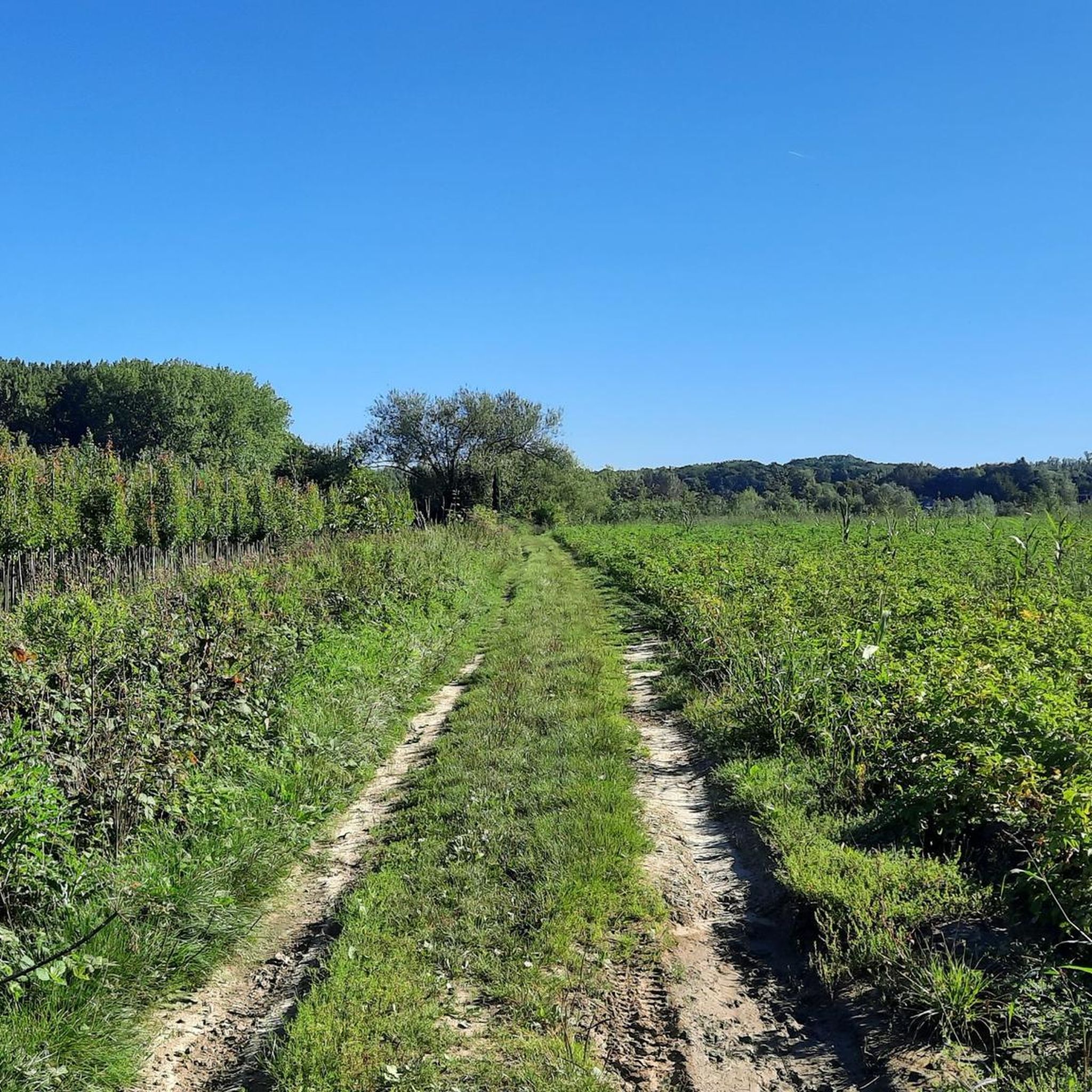
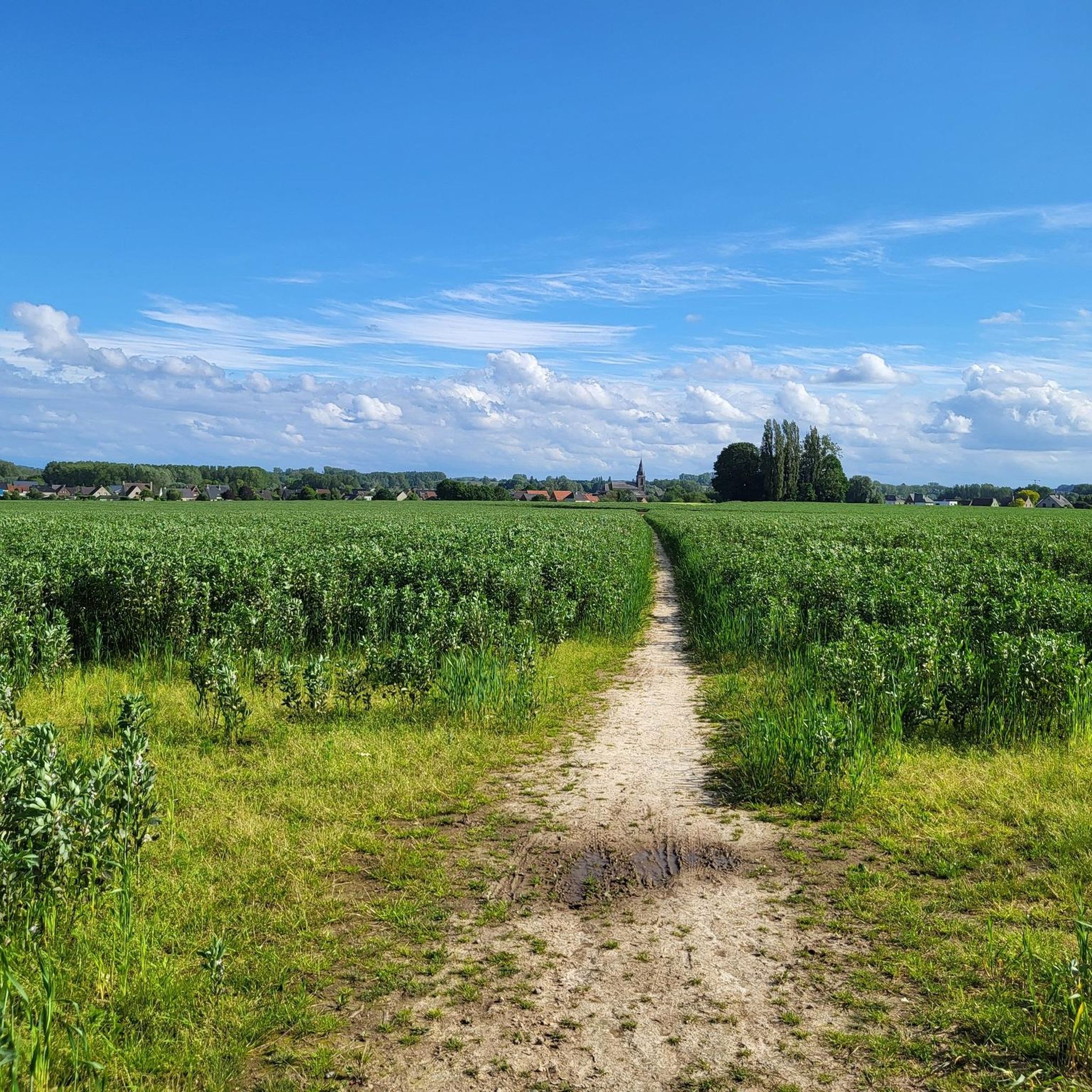

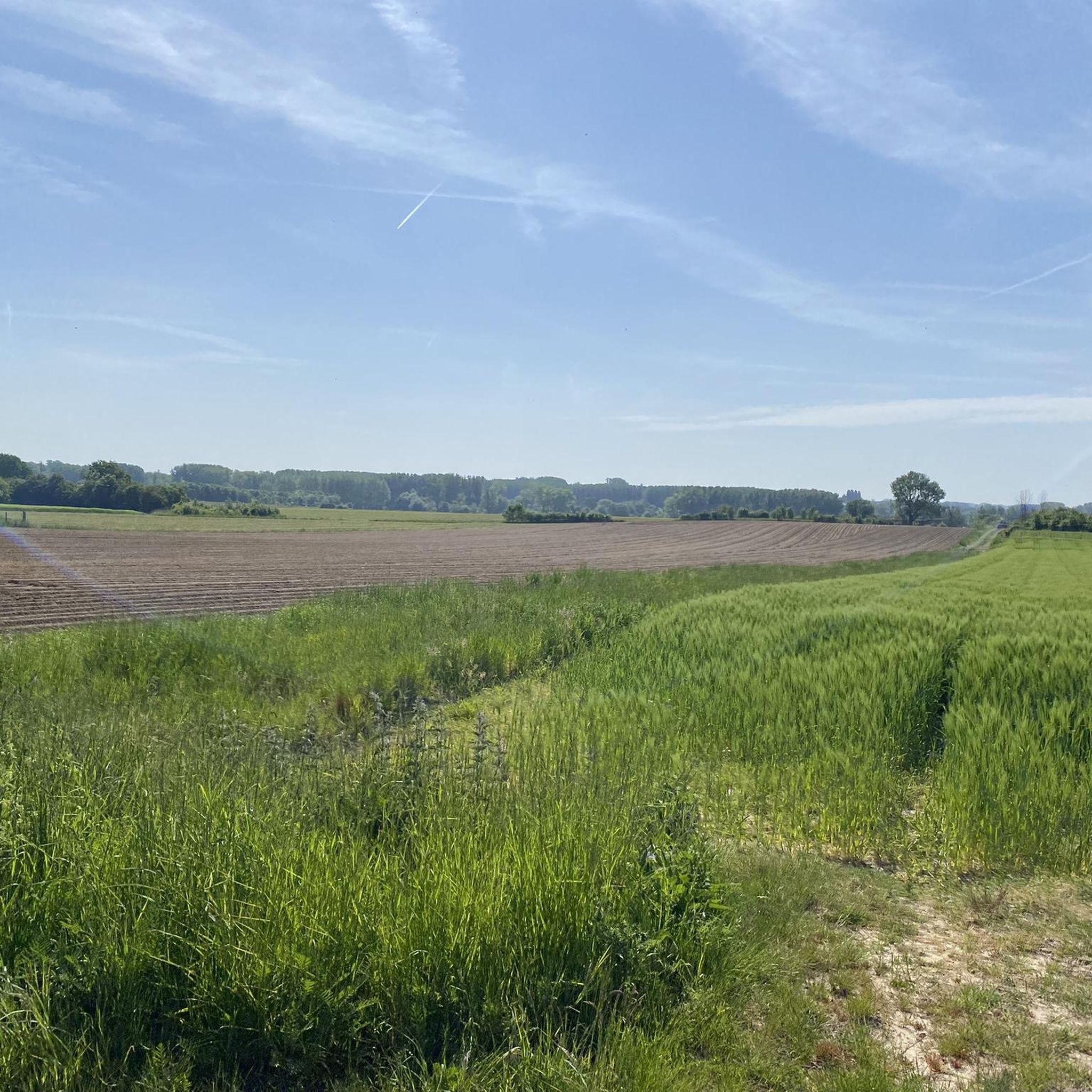
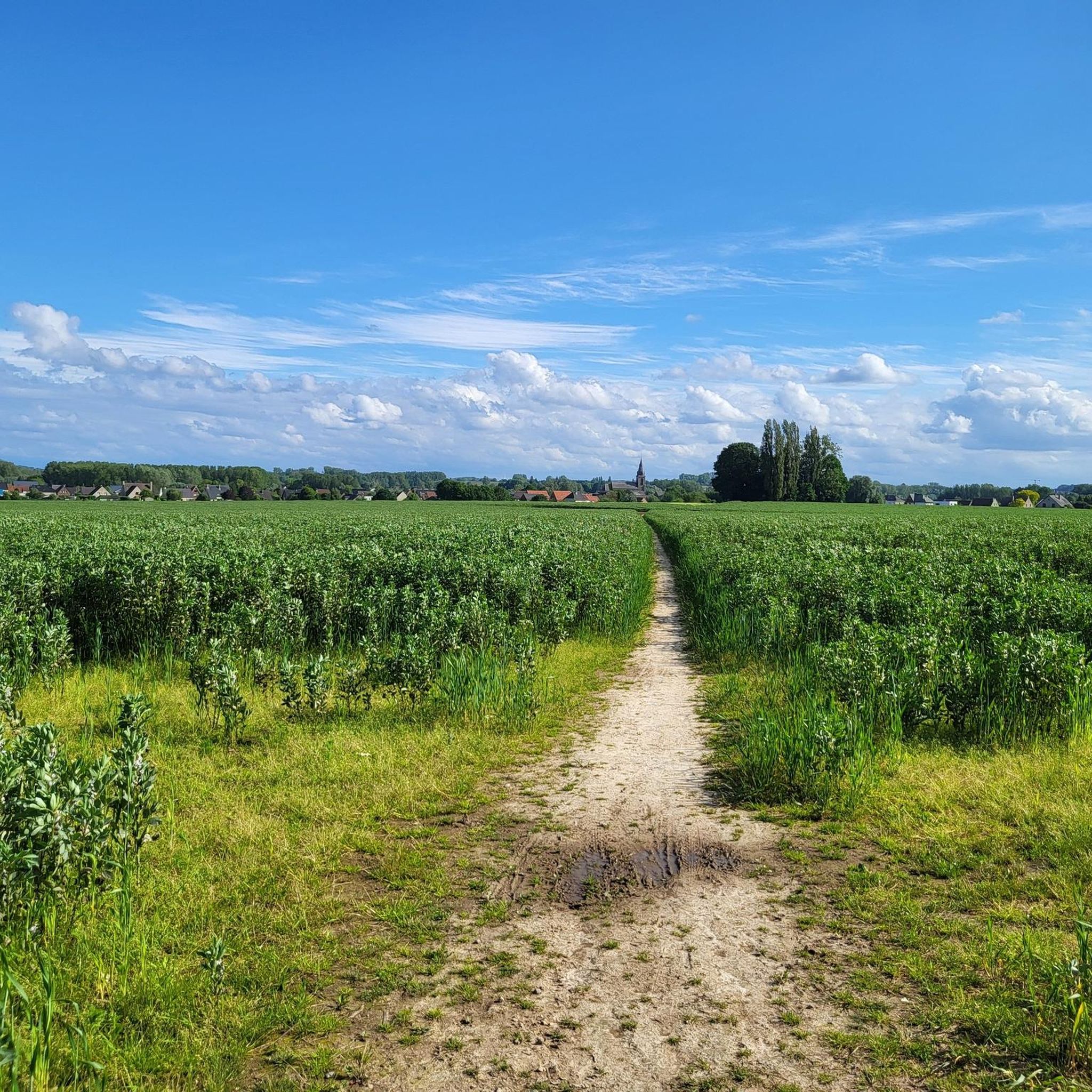
Tips from the Community

Aalst City Park, also known as Park Schepen De Wolf, is a 15-hectare green oasis southeast of the city center. The park was created between 1915 and 1916 by landscape architect Louis-Julien Breydel, under the direction of Alderman Désiré De Wolf, to provide employment for residents during the First World War. You'll find charming water features such as the Balloon Pond and Mirror Pond, walking paths, playgrounds, and historic buildings like the garden, card, and milk houses. Since 1977, the park has been a protected cultural-historical landscape and offers a perfect blend of nature, history, and relaxation.
2
0


The Stadspark van Aalst, also known as the Groot Park or Park Schepen de Wolf, is a beautiful park located southeast of the city center of Aalst. The park covers an area of approximately 15 hectares. The history of the park begins in the period around the First World War. In 1910-1911, the Osbroek was purchased by alderman of finance Moyersoen for public use. Under the policy of alderman of public works Désiré De Wolf, the park was laid out between 1915 and 1916 by landscape architect Louis-Julien Breydel. The park was specially designed to provide work for the residents of Aalst and to remove them from the war conditions. The park consists of several water features, including the Ballonvijver and the Spiegelvijver, surrounded by lawns and groups of tall trees. There are also several walking paths and playgrounds, and some of the original structures, such as the garden, card and milk house, are still present. The park has also been a protected cultural-historical landscape since 1977.
13
1

The Aelmoeseneiebos (or Aalmoezenijebos) is a nature reserve on the territory of the municipalities of Melle (Gontrode) and Oosterzele (Landskouter). The forest is 28.5 hectares in size and is owned by the University of Ghent. The forest area is now managed by the university Lab for Forest & Nature. The railway line Ghent-Geraardsbergen divides the forest in two. The Aelmoeseneiebos is an old forest area that already appeared on the Ferraris map in 1775. The forest was owned by the Saint Bavo's Abbey of Ghent for centuries. During the French period (1794-1815) it was transferred to the public poor relief of the city of Ghent. In 1967-1968 the Belgian State bought the forest so that the University of Ghent could use it as a test forest. The most important tree species are summer oak and beech, with ash and maple in the stream valleys. The Aelmoeseneiebos is known for its spring flora such as wood anemone, slender primrose, yellow dead-nettle and small periwinkle. During the First World War, the forest was largely cut down but replanted in 1920. Adjacent to the western part of the Aelmoeseneiebos, 10 hectares of plots of land belonging to Natuurpunt, Oosterzele department, are located in the valley of the Gondebeek. With the 'Rodeland landscape project' [1], the aim is to connect the Aelmoeseneiebos with the Makegemse forests through afforestation in the valleys of the Gondebeek, Kerkesbeek and Driesbeek[2][3]. In 2021, 5 amphibian tunnels were constructed in the Gondebeek valley[4]. Inventories and research in the Aelmoeseneiebos found 1329 different species: including 64 tree and shrub species and 599 species of invertebrates. The Aelmoeseneiebos is protected in Europe as part of the Natura 2000 area (habitat directive area) 'Forests of the south-east of the Zandleemstreek' (BE2300044). The forest is freely accessible on the footpaths.
1
0

This nature reserve is a remnant of an extensive forest area that gradually had to make way for agriculture in the 18th century. The surrounding land and the forest were owned for centuries by the Aalmoezenij, the poor relief of the Ghent Saint Bavo's Abbey. The production of wood was the main function at that time. The forest was purchased by the Belgian state in 1967-1968 so that the University of Ghent could use it as a test forest. In the early years, it was mainly used for studies on the growth and management of forests with a view to wood production. It also had a recreational and educational function. Railway line 122 Melle-Geraardsbergen divides the forest in two. In the western part (where we walked) an arboretum was created in 1973. With the 'Rodeland landscape project', the aim is to connect the Aelmoeseneiebos with the Makegemse forests through further afforestation of a number of stream valleys.
4
0

During the preparation of the works, all areas of the castle and the outbuildings were cleared of "disturbing elements", so that the rooms now show their spaciousness of yesteryear in all their glory. Some interesting notes also emerged that provide a unique view of the history of the castle. This is how they came across the signatures of the craftsmen who worked in the castle in the distant past. Source: https://www.berlare.be/
2
0
In-depth restoration work on the castle has started since May 2023. The historic castle, outbuildings and orangery will be repurposed as the administrative center for municipal services. The works will last two years. The castle park will remain accessible during the works. Although certain parts are currently closed due to the site organization and the safety of visitors. The castle is now barely visible (as my photos show).
2
0

A beautiful and educational green walk through a unique forest! In beautiful autumn weather we enjoyed the variety of this forest and the information we received during the walk from the signs provided. The open parts of the walk with the views and the view of the old airport are also worth a visit. Recommended !
1
0
Frequently Asked Questions
What kind of water bodies can I expect to find near Sint-Lievens-Houtem?
While Sint-Lievens-Houtem itself doesn't have prominent natural lakes, the broader region is rich in water-influenced landscapes. You'll find vast wetlands like the Kalkense Meersen, which is shaped by the Scheldt river, as well as nature reserves with large water surfaces that evolved from old river meanders, such as Berlarebroek Nature Reserve. There are also streams and ponds within forested areas like the Aelmoeseneiebos.
Are there family-friendly areas with water features near Sint-Lievens-Houtem?
Yes, several areas are suitable for families. The Kalkense Meersen offers extensive hiking and cycling opportunities through its dynamic landscape. Berlarebroek Nature Reserve and Aelmoeseneiebos Stream and Wooden Bridge also feature accessible paths and natural settings that families can enjoy. Additionally, Berlare Castle Park has ponds and is accessible for walkers.
What kind of wildlife can be observed in the water-rich areas?
The Kalkense Meersen is particularly known for its rich biodiversity, providing refuge for thousands of meadow birds, making it a fantastic spot for birdwatching. You might also see grazing Galloway cattle, which contribute to nature management. The wetlands and nature reserves are vital habitats for various aquatic and terrestrial species.
What outdoor activities can I do near these water bodies?
The region offers a variety of outdoor activities. You can explore extensive hiking route networks, such as the 'Kalkense Meersen Donkmeer' with 165 kilometers of tranquil green pathways. Cycling is also very popular. For more specific routes, you can find options for gravel biking, road cycling, and mountain biking around Sint-Lievens-Houtem, many of which pass through or near these natural areas.
Are there any historical sites or parks with water features?
Yes, Berlare Castle Park is a notable historical site. While the castle itself is not open to the public, the park is accessible and features a large landscaped garden with avenues, a forest, and ponds. The park has a rich history dating back to the 17th century, with its current structure from the 18th century.
What is the best time of year to visit the water-rich areas?
The spring and autumn months are generally ideal for visiting, offering pleasant temperatures for hiking and cycling. Spring brings blooming flora, especially in areas like Paardeweide Wetlands, while autumn showcases beautiful foliage. The Kalkense Meersen is dynamic year-round, with its landscape constantly interacting with the Scheldt river, offering unique views even in winter.
Are there viewpoints to appreciate the landscape?
Yes, from the Scheldt dike in the Kalkense Meersen, you can enjoy a splendid panorama of the expansive land and water landscape. The Paardeweide Wetlands also offers good views from the dike, particularly of the reed atoll.
Can I find accessible paths for walking in these natural areas?
Many areas offer accessible paths. The Aelmoeseneiebos Stream and Wooden Bridge, for instance, has freely accessible paths for walkers. The extensive hiking route network in the Kalkense Meersen also includes tranquil green pathways suitable for exploration.
Are there any specific nature reserves worth visiting for their water features?
Absolutely. The Kalkense Meersen is a vast natural highlight, encompassing approximately 950 hectares where the Scheldt river constantly interacts with the land, creating a unique environment. Another significant area is Berlarebroek Nature Reserve, which evolved into a large water surface from an old Scheldt meander and is partly accessible to the public.
What do visitors enjoy most about the water-rich areas near Sint-Lievens-Houtem?
Visitors frequently praise the tranquility, the imposing expanse of the landscapes, and the beautiful combination of land and water. The abundance of birds, especially in the Kalkense Meersen, is also a highlight. Many appreciate the extensive cycling and walking opportunities that allow them to immerse themselves in nature.
Are there any areas where wild swimming is permitted?
Information regarding designated wild swimming spots near Sint-Lievens-Houtem is not readily available. It's generally advisable to check local regulations and safety guidelines before attempting to swim in natural water bodies, as many are protected nature reserves or have strong currents.
What should I wear for walks around these water bodies?
Given the dynamic nature of the wetlands and river areas, it's recommended to wear comfortable, waterproof footwear, especially during wetter seasons or after rain. Layered clothing is also advisable to adapt to changing weather conditions. A waterproof jacket can be useful, and binoculars are great for birdwatching.
Most popular routes around Sint-Lievens-Houtem
Most popular attractions around Sint-Lievens-Houtem

Get inspired with the komoot mobile app


Explore more
Still not found your perfect lake around Sint-Lievens-Houtem? Check out the guides of these regions to see even more beautiful places.
