Top 9 Gorges around Jimera De Líbar
Best canyons around Jimera De Líbar are situated within the Serranía de Ronda, providing access to diverse natural features. The region is characterized by river valleys and deep gorges carved by waterways like the Guadiaro River. These areas offer both scenic hiking routes and opportunities for canyoning adventures. The landscape includes dense oak forests and Mediterranean thicket, with minimal elevation changes along some river paths.
Best canyons around Jimera De Líbar
- The most popular canyons is Puente Nuevo (New Bridge)…
Last updated: July 3, 2026
New Bridge
Highlight • Bridge
Showing Translation
Tip by

View of the Puente Nuevo
Highlight • Viewpoint
Translated by Google •
Tip by

Sign up now to discover places like this
Get recommendations on the best single tracks, peaks, & plenty of other exciting outdoor places.
Sign up for free
Arab Bridge of Ronda
Highlight • Bridge
Translated by Google •
Tip by

Cuenca Gardens
Highlight • Viewpoint
Translated by Google •
Tip by

Tajo de Ronda (Ronda Gorge)
Highlight • Gorge
Translated by Google •
Tip by

Sign up for free to discover even more gorges around Jimera De Líbar.
Sign up for free
Already have an account?
Start today with a free account
Your next adventure awaits.
Login or Signup
Popular around Jimera De Líbar
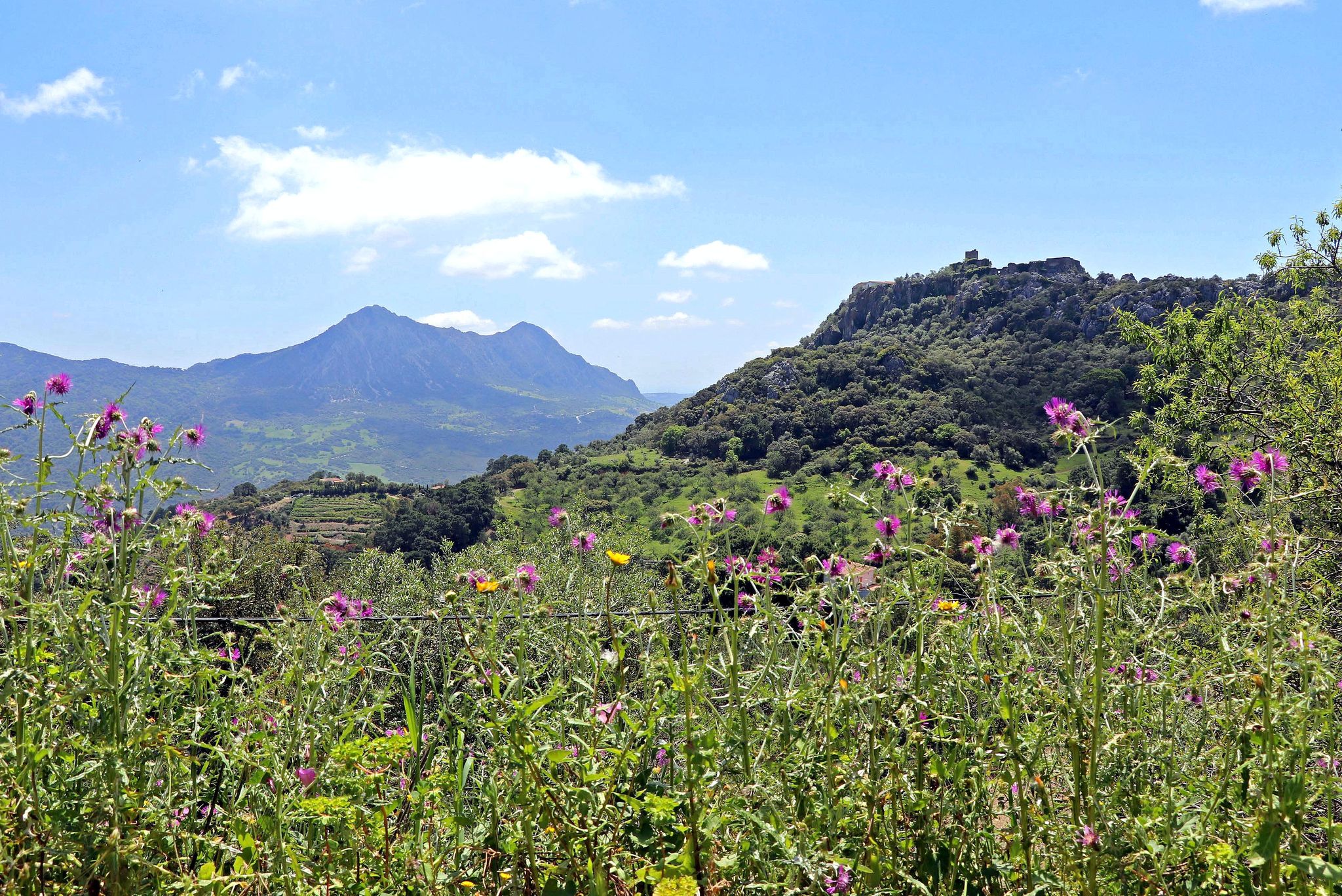
A jewel of Malaga – Gran Senda de la Serranía de Ronda (GR 141)
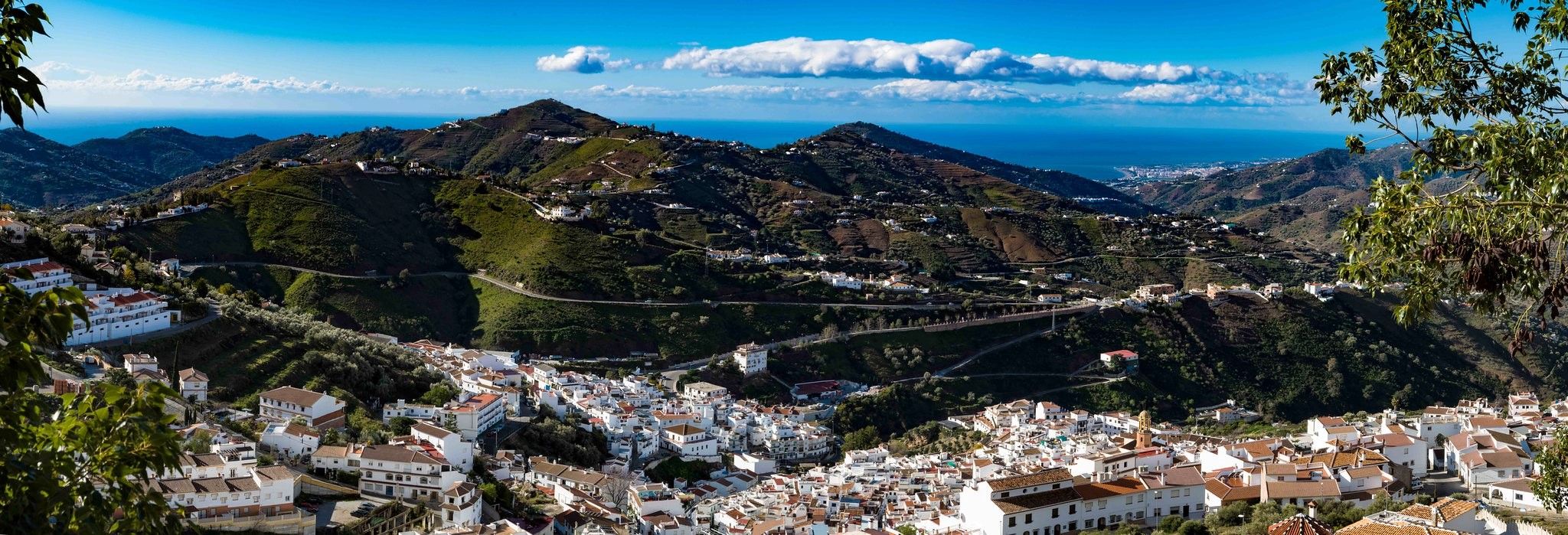
Hike between sea and mountains — Gran Senda de Málaga (GR 249)
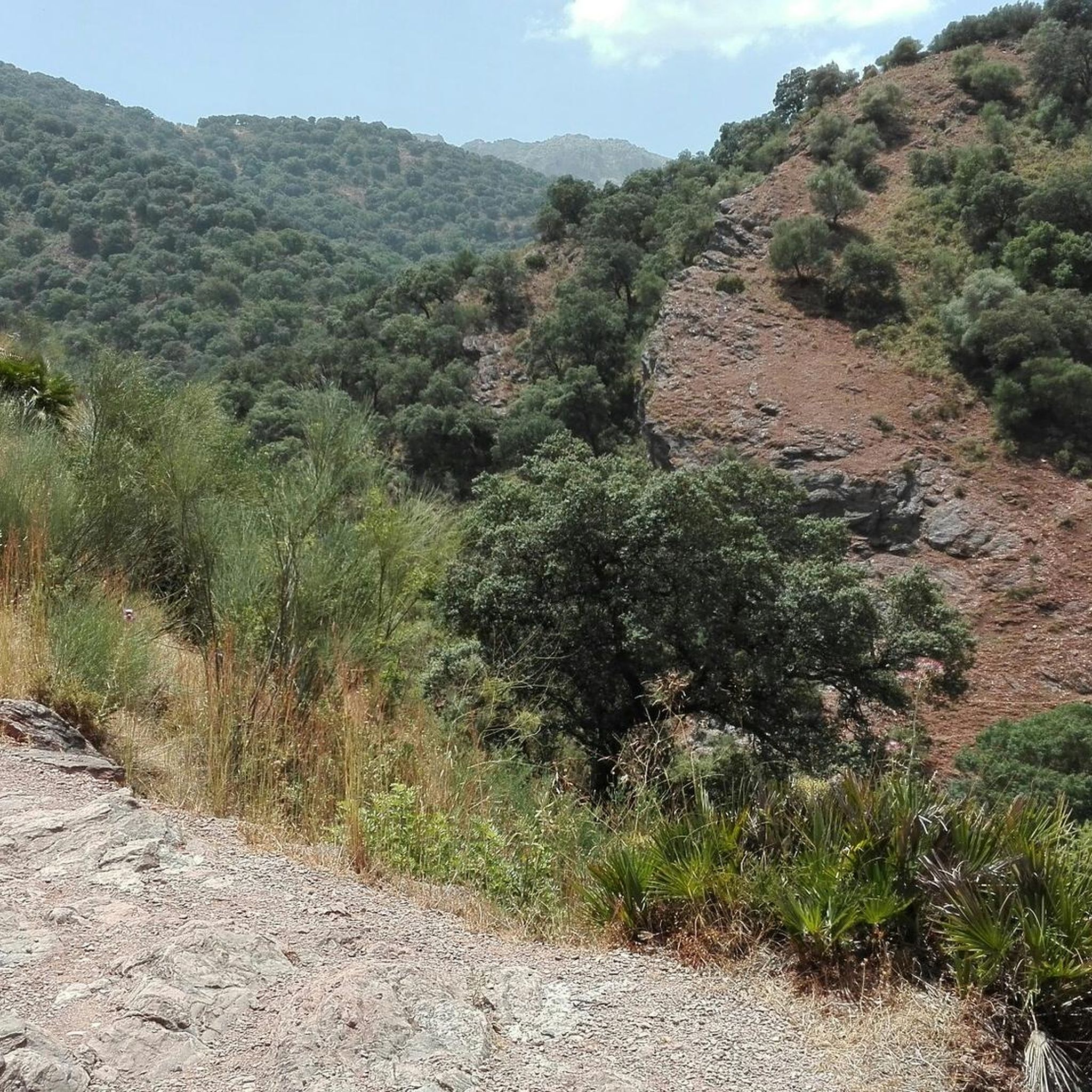
Road Cycling Routes around Jimera De Líbar
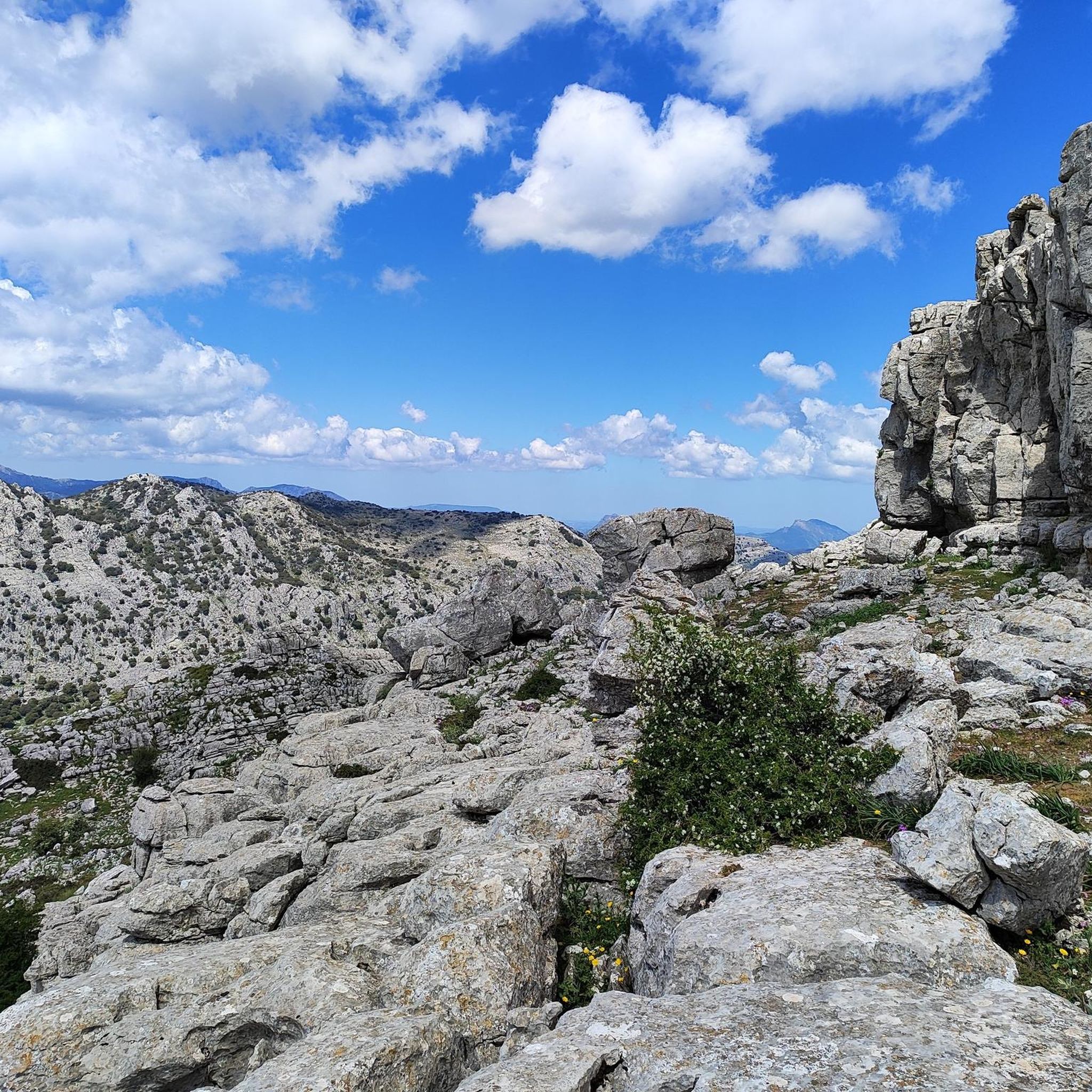
Hiking around Jimera De Líbar
Running Trails around Jimera De Líbar
Cycling around Jimera De Líbar
MTB Trails around Jimera De Líbar

Gravel biking around Jimera De Líbar

Tips from the Community

A hiking trail leads from Ronda to below the bridge.
0
0

The Tajo de Ronda is the spectacular gorge that literally splits the heart of Ronda in two. 🌄 • It is approximately 120 meters deep and carved out by the Guadalevín River, which flows right through the city. • Impressive bridges stand above the gorge, the most famous and iconic of which is the Puente Nuevo. This bridge connects the old Moorish city with the newer part of Ronda. • For centuries, the Tajo served as both a natural defense against enemies and a challenge to urban expansion. • From its edges, you have breathtaking views of the Ronda valley, the Serranía mountains, and the white villages in the distance. It is one of the most photographed places in Andalusia and a highlight of Ronda's charm: nature and architecture in a dramatic interplay.
1
0

The view of Ronda from the plains is breathtaking and one of the most impressive panoramas in Andalusia. From the flat plain below the city, Ronda appears as a spectacularly situated cluster of whitewashed buildings perched on a high plateau, crisscrossed by the dramatic Tajo de Ronda gorge. Ronda is literally perched on the steep cliffs and seems almost interwoven with the landscape. Particularly striking is the Puente Nuevo (New Bridge), which connects the two parts of the city across the deep gorge. From the valley below, the bridge appears monumental and showcases the engineering skills of the 18th century.
4
0

From the new bridge there is a good view of Puente Viejo: an old stone bridge that is one of three bridges that spans the deep Tajo de Ronda gorge with the Guadalevín river in it.
19
1

The Arab Bridge of Ronda or Puente de las Curtiderías is located a few meters from the famous Arab Baths of the city. It is accessed by going down from the old bridge and Arco de Felipe V. Popularly known as Puente Romano, there is nothing in the current plant that betrays such an origin. However, it cannot be ruled out that there was a bridge from Roman times in the same place, since the location was the only one that allowed access to the city from the north.
9
0
The Puente Árabe "Arab Bridge" is the oldest of the three bridges in Ronda. The stone bridge spans the Guadalevín River, which flows in the Tajo de Ronda gorge. The bridge is located outside the city walls of Ronda and is lower than the neighboring Puente Viejo.
12
0
The Puente Nuevo is certainly the most famous landmark of the city of Ronda. It spans the spectacular El Tajo gorge, which separates the old town "La Ciudad" from the newer town "El Mercadillo". The bridge is about 98 meters high and was built in the 18th century to connect the two parts of the city. The construction of the bridge began in 1751, lasted 42 years, and was completed in 1793. The structure is made of massive stone and offers breathtaking views of the surrounding mountains and the gorge below. Inside the bridge, there is a small room that was formerly used as a prison. A symbol of Ronda's impressive architecture and history. The Puente Nuevo in Ronda is a real highlight and an absolute must for those seeking impressive views and an unforgettable experience. A visit to the Puente Nuevo is therefore not only a visual highlight but also an experience that combines history, nature, and adventure. There are places where you should have been. This is certainly one of them! The fascinating impressions leave a lasting impression.
16
1
The Puente Nuevo is certainly the most famous landmark in the city of Ronda. It spans the spectacular El Tajo gorge, which connects the old town "La Ciudad" with the newer town "El Mercadillo". The bridge is about 98 meters high and was built in the 18th century to connect the aforementioned districts. It is not only a masterpiece of engineering, but also a popular photo location. The view from the bridge of the gorge below is spectacular.
11
1
Frequently Asked Questions
What are the main types of canyons and gorges to explore near Jimera de Líbar?
The region around Jimera de Líbar offers a variety of canyon experiences. You can find scenic river routes like Las Angosturas del Guadiaro, which is suitable for hiking and offers natural swimming spots. For canyoning, there are options ranging from moderate descents with natural slides, such as Sima del Diablo, to more challenging experiences with vertical walls and rappels like Cañón de las Buitreras.
Are there any family-friendly canyoning or hiking options near Jimera de Líbar?
Yes, Las Angosturas del Guadiaro is an 8-kilometer route between Jimera de Líbar and Benaoján that is considered relatively easy and suitable for families. It offers opportunities to get close to the river and observe aquatic fauna. For canyoning, Sima del Diablo is ideal for beginners and families with older children, as it requires no prior experience beyond knowing how to swim.
What natural features can I expect to see in the canyons around Jimera de Líbar?
You'll encounter diverse natural beauty, including dense oak forests, gall oaks, and Mediterranean thicket along river valleys. The Tajo de Ronda (Ronda Gorge), for instance, is a deep gorge carved by the Guadalevín river. Canyons like Sima del Diablo are known for lush vegetation and waterfalls, while Cañón de las Buitreras features spectacular geological formations with vertical rock walls and gigantic vaults.
What is the best time of year for canyoning near Jimera de Líbar?
For Sima del Diablo, the constant water flow throughout the year makes it a refreshing adventure even in summer. For Cañón de las Buitreras, canyoning is typically allowed from May 15th to November 30th, depending on water levels, offering optimal conditions during these warmer months.
What historical sites are associated with the canyons in this region?
The rugged terrain of Las Angosturas del Guadiaro has historical significance, having been a route towards Gibraltar and witnessing events like the Battle of Conio in 1869. The city of Ronda, with its famous Puente Nuevo (New Bridge) and Arab Bridge of Ronda, is built over the deep Tajo de Ronda (Ronda Gorge), showcasing centuries of human interaction with the dramatic landscape.
Are there opportunities for wild swimming near the canyons?
Yes, Las Angosturas del Guadiaro features numerous bathing areas along the Guadiaro River, such as Charca de la Llana, which are popular spots for wild swimming during periods of balanced water levels. Sima del Diablo also offers refreshing pools and waterfalls suitable for swimming as part of the canyoning experience.
What outdoor activities can I do near these canyons besides canyoning?
The area around Jimera de Líbar is excellent for various outdoor activities. You can find numerous hiking trails, including routes that follow the Great Málaga Path (GR 249) and the Great Serranía de Ronda Path (GR 141). For more options, explore the hiking routes around Jimera de Líbar. There are also opportunities for road cycling and gravel biking.
What is the difficulty level for canyoning in the region?
Canyoning difficulty varies. Sima del Diablo is considered moderate and suitable for beginners, requiring basic swimming skills. Cañón de las Buitreras, however, offers a more challenging experience, requiring a medium-high level of physical and technical skill due to its deep gorge, jumps, and rappels.
What makes Cañón de las Buitreras a unique canyoning destination?
Often called the 'Cathedral of Andalusian Ravines,' Cañón de las Buitreras is a Natural Monument known for its spectacular geological formations, including vertical rock walls over 100 meters high. It's also home to a significant colony of griffon vultures, offering unique wildlife viewing opportunities during your descent. The Puente de los Alemanes provides breathtaking views before entering the canyon.
How accessible are the canyons from Jimera de Líbar?
Las Angosturas del Guadiaro is directly connected to Jimera de Líbar, with one end of the route at the village's train station. Sima del Diablo in Júzcar is about a 40-50 minute drive from Jimera de Líbar. Cañón de las Buitreras, with El Colmenar as a common access point, is approximately an hour's drive away.
What should I bring for a canyoning trip in this area?
For canyoning, it's essential to bring appropriate gear, which typically includes a wetsuit, helmet, harness, and suitable footwear. Many guided tours provide this equipment. Always ensure you have enough water, snacks, and sun protection. For Sima del Diablo, knowing how to swim is a prerequisite.
Can I combine a canyon visit with a train journey?
Yes, the Las Angosturas del Guadiaro route offers a unique feature where you can walk the 8-kilometer path between Jimera de Líbar and Benaoján, and then return to your starting point by train. This railway line, built in 1892, provides a different perspective of the spectacular mountainous landscape.
Most popular routes around Jimera De Líbar
Most popular attractions around Jimera De Líbar

Get inspired with the komoot mobile app


Explore more
Already discovered everything in this region? See additional gorges around Jimera De Líbar for your next adventure:
