Top 4 Caves around La Riba
Caves around La Riba offer a diverse range of natural and historical underground formations within a mountainous landscape. The region features various cave types, from natural rock shelters to more extensive cave systems. These natural features provide opportunities for exploration and insight into the area's geological and human history.
Best caves around La Riba
- The most popular caves is Cave of the Cranes, a cave that features a Romanesque apse-shaped formation and a seasonal waterfall. It is considered a…
Last updated: July 3, 2026
Cave of the Cranes
Highlight • Cave
Translated by Google •
Tip by

Cave Refuge
Highlight • Cave
Translated by Google •
Tip by

Sign up now to discover places like this
Get recommendations on the best single tracks, peaks, & plenty of other exciting outdoor places.
Sign up for free
Cova de Nialó
Highlight • Cave
Translated by Google •
Tip by

Mas d'en Llort Rock Shelter – Cave Paintings
Highlight • Historical Site
Translated by Google •
Tip by

Cova del Lladre
Highlight • Cave
Free access cave without the need to be equipped.
Translated by Google •
Tip by

Start today with a free account
Your next adventure awaits.
Login or Signup
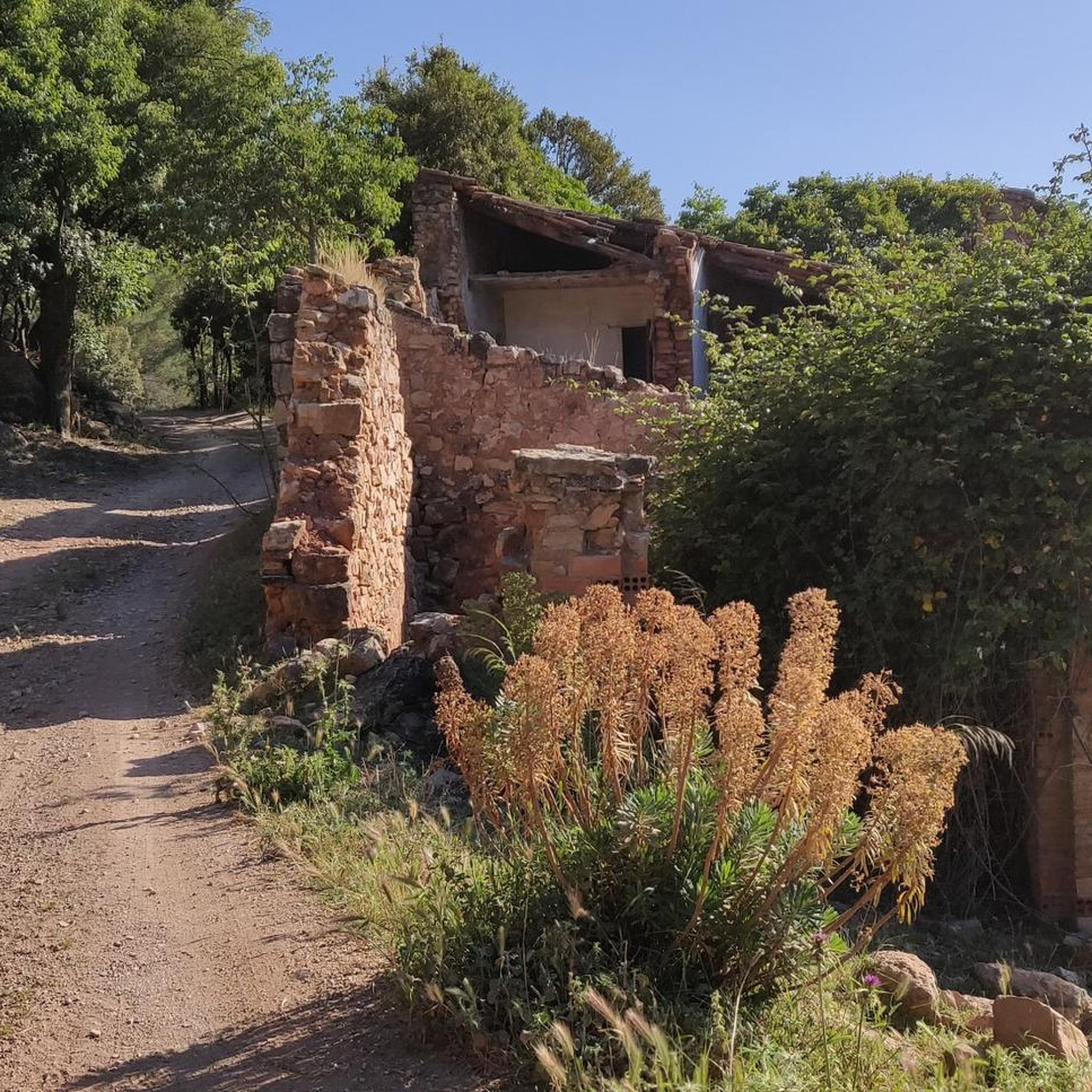
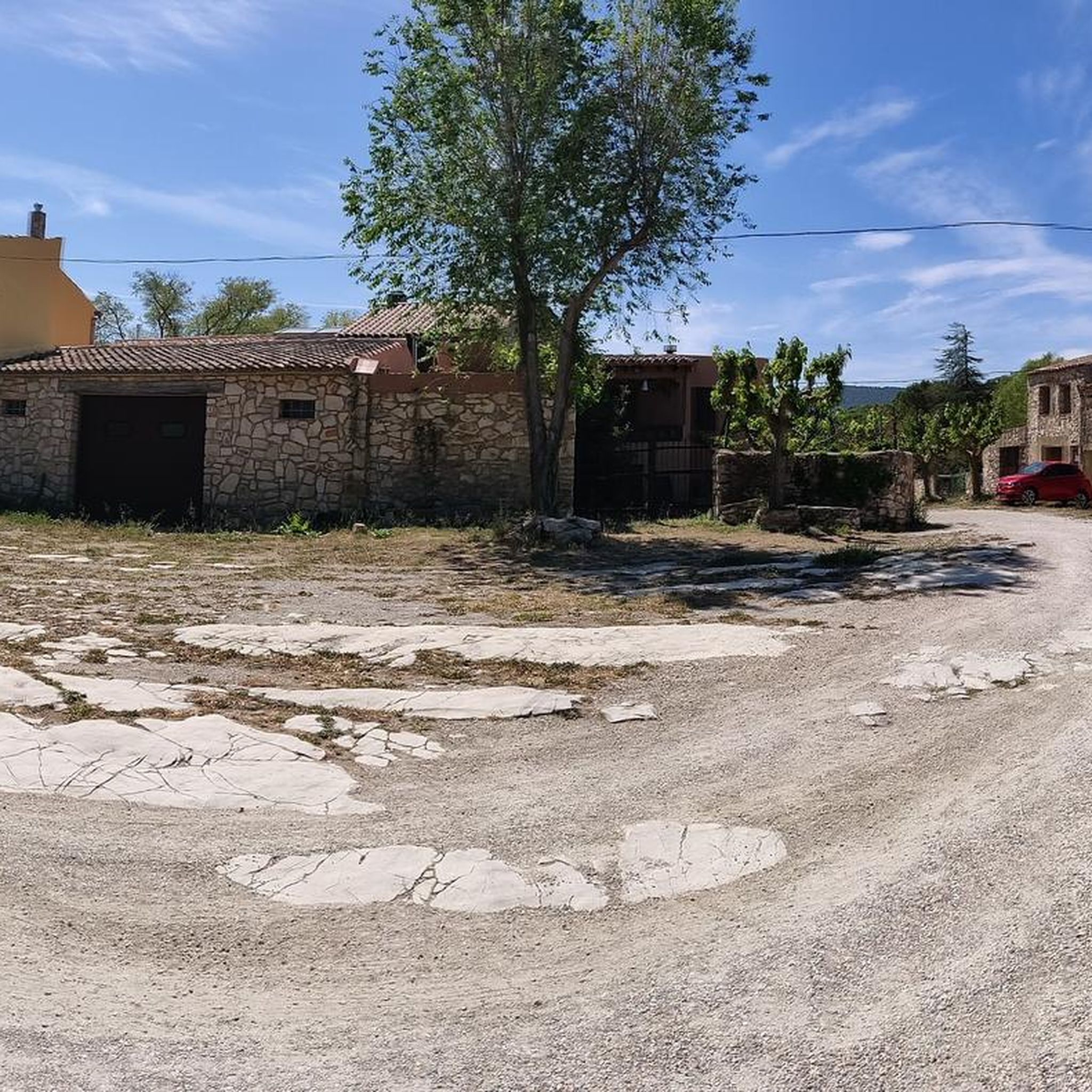

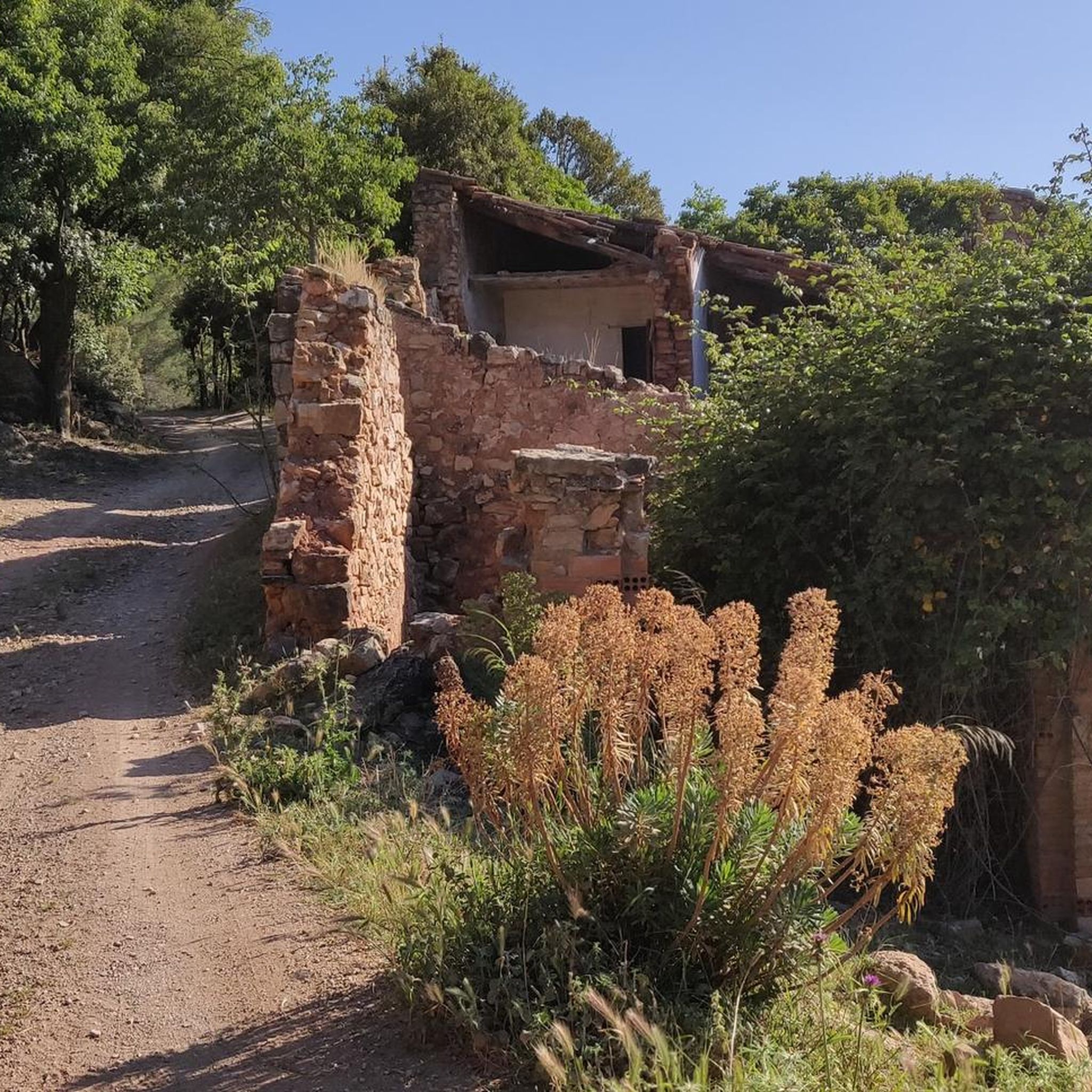
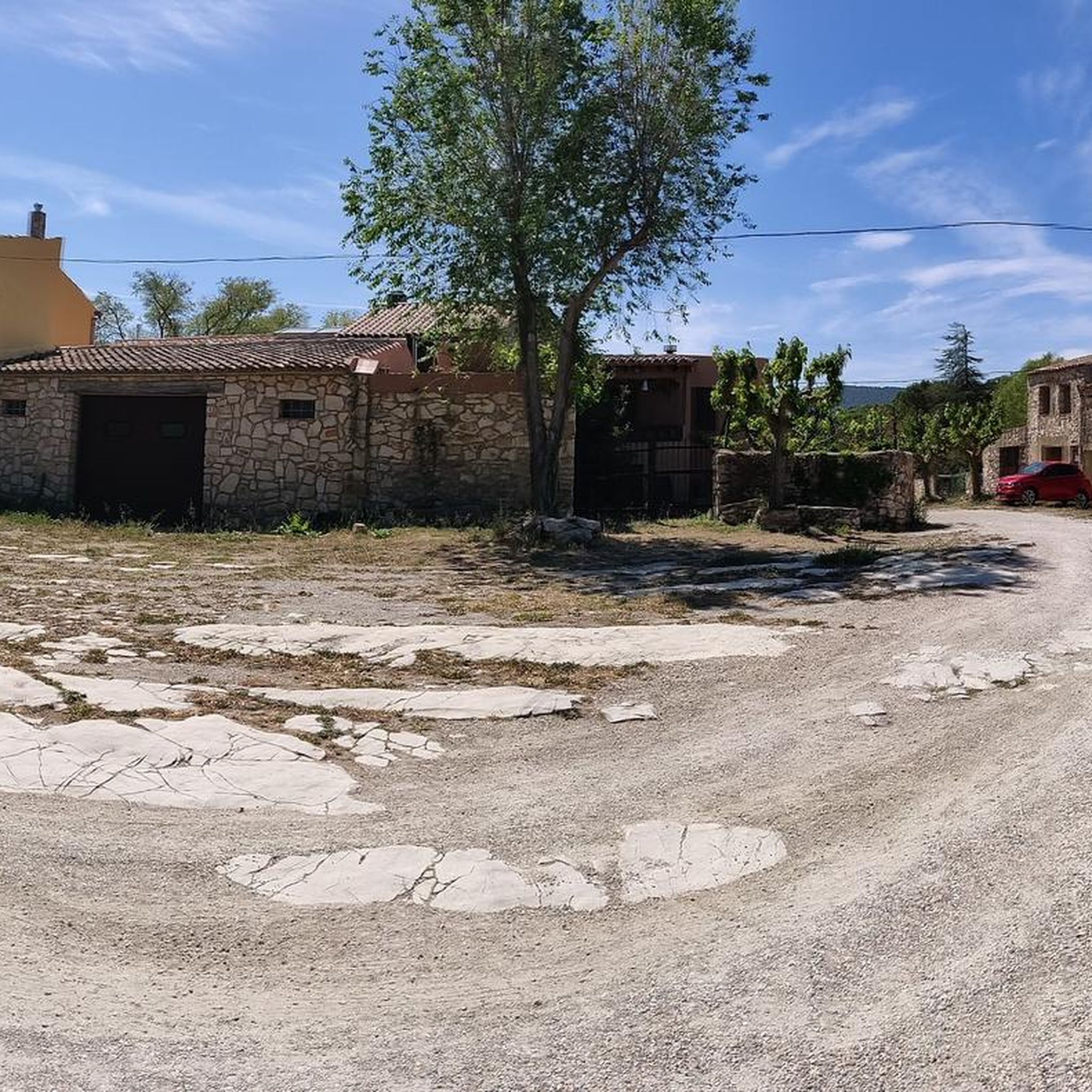
Tips from the Community

The cave can only be reached from the lower footpath. You have to hike back the same way.
0
0

Nice detour on the approach to the via ferrata.
3
0

Nice hike to the Pont de Goi. Check out my Youtube video: https://youtu.be/zpCHxHeNRp0
0
0
Beautiful landscape an a fantastic hike up to Pont de Goi. Check my Youtube video: https://youtu.be/zpCHxHeNRp0
1
0
A small metal shelter. For a small bivouac or to take shelter in case of bad weather.
0
0

Cave that is located just above the hermitage of Sant Joan de Muntanya, in the Coma del Castlà. The cave has a stepped access and has a length of more than 20 meters where you reach the outside on both sides. The entrance barrier is high with a sign indicating the entrance.
0
0
Cave that is more than 100 meters deep, close to Mas de la Pascuala. The cave is known because there is a local legend that explains that the Vallenc bandit Joan Serra, known as La Pera, lived there, hiding in this cave.
0
1

This balm is a unique place, perhaps the most unique in the valley and of all the Prades mountains. The cave in the form of a Romanesque apse, the fifty-meter waterfall and the small lake that forms in front make up an area of great uniqueness and beauty. The waterfall is only present during the rainy season, because the ravine originates above the Montllats and has a short route. For those with nimble legs, and in the dry season when the ravine is not wide, it is recommended to get there by going along the ravine that leads to the place from the source of the Llódriga; a course full of steps and a maze of stone blocks make for an interesting exercise; those who do not know how to climb better refrain. You go up there along a well-marked path that starts next to the source of the Llódriga. When you reach the Morral de la Devesa, from below the cliff you can see, opposite, the Pixera. Put on the telephoto lens and you'll get the best possible shot of the waterfall. The cave is at the bottom of the ravine, a little higher, and also has a very good perspective. If you want to see the cave with the water pouring down from above, make sure it has rained recently. If it doesn't leak, you'll like it too.
1
0
Frequently Asked Questions
What are the most popular caves to explore around La Riba?
Among the most appreciated caves in the area is the Cave of the Cranes, known for its unique Romanesque apse-shaped formation and a seasonal waterfall. Another significant site is the Mas d'en Llort Rock Shelter – Cave Paintings, a UNESCO World Heritage site showcasing ancient rock art.
Are there any caves with historical or archaeological significance in the La Riba region?
Yes, the Mas d'en Llort Rock Shelter – Cave Paintings is a notable historical site. It features Levantine and schematic art dating from the Paleolithic to the Neolithic-Bronze periods and is part of the Catalan rock art ensemble, recognized as a UNESCO World Heritage site.
What kind of natural features can I expect to see in the caves around La Riba?
The caves offer diverse natural features. The Cave of the Cranes is famous for its Romanesque apse-shaped formation and a seasonal waterfall that creates a small lake. Other caves are natural rock shelters and formations carved by water over time.
Are there any caves around La Riba that offer shelter or bivouac options?
Yes, the Cave Refuge provides a small metal shelter. It's suitable for a small bivouac or as protection from adverse weather conditions during your outdoor activities.
What is the difficulty level for accessing these caves?
Access difficulty varies. The Cave of the Cranes and Mas d'en Llort Rock Shelter – Cave Paintings are considered challenging. Cave Refuge and Cova del Lladre are rated as intermediate to challenging. The Cova de Nialó also has challenging access, with a stepped entrance.
Can I visit the caves without special caving equipment?
Some caves, like the Cova del Lladre, offer free access without the need for special equipment. However, for more challenging caves, appropriate footwear and preparation are recommended, especially if the terrain is steep or wet.
What outdoor activities can I combine with a visit to the caves near La Riba?
The region around La Riba offers various outdoor activities. You can find numerous running trails, road cycling routes, and gravel biking routes. Many of these routes pass through scenic areas, allowing you to explore the natural beauty of the region alongside cave visits.
Are there any caves with local legends or interesting stories?
Yes, the Cova del Lladre (Thief's Cave) is associated with a local legend. It's said that the Vallenc bandit Joan Serra, known as La Pera, once lived and hid in this cave.
What should I know about visiting the <a href="https://www.komoot.com/highlight/265083" target="_blank" rel="noopener">Cave of the Cranes</a>?
The Cave of the Cranes is a spectacular spot, especially when the seasonal waterfall is active. It's advisable to wear a swimsuit if visiting in warm weather to cool off in the small lake. If you want to see the waterfall in full flow, ensure it has rained recently. The path to it is well-marked, starting near the source of the Llódriga.
What do visitors enjoy most about the caves around La Riba?
Visitors frequently appreciate the unique natural formations, such as the Romanesque apse-shaped cave and seasonal waterfalls. The historical significance of sites like the Mas d'en Llort Rock Shelter – Cave Paintings also draws considerable interest, offering a glimpse into ancient human history and art.
Is there a cave that is part of a larger natural park or protected area?
While the guide data doesn't explicitly state all caves are within a specific park, the Cave of the Cranes is described as a unique natural monument in the Prades mountains, indicating its importance within the natural landscape of the region.
Most popular routes around La Riba
Most popular attractions around La Riba

Get inspired with the komoot mobile app


Explore more
Extend your search for the best caves by checking out these guides of the top ones around La Riba:
