Top 20 Gorges around Sabiñánigo
Best canyons around Sabiñánigo are found in the surrounding Aragonese Pyrenees, particularly in the Sierra de Guara and the Tena Valley. This municipality in Huesca serves as a strategic base for exploring a variety of gorges and ravines. The region is characterized by its limestone massifs and glacial formations, sculpted by water into impressive natural landscapes. These areas offer diverse canyoning experiences suitable for various skill levels.
Best canyons around Sabiñánigo
- The most popular canyons include Vadiello Dam, a…
Last updated: July 3, 2026
Salto Roldán Viewpoint
Highlight • Viewpoint
Translated by Google •
Tip by

Vadiello Dam
Highlight • Lake
Translated by Google •
Tip by
Sign up now to discover places like this
Get recommendations on the best single tracks, peaks, & plenty of other exciting outdoor places.
Sign up for free
Culivillas Gorge
Highlight (Segment) • Gorge
Translated by Google •
Tip by

Canal Roya
Highlight • Gorge
Translated by Google •
Tip by

Gorgol Gorge
Highlight • Gorge
with guide also more guara.info/guara-base-de-datos/descenso-de-barrancos/pirineo/barranco-gorgol
Translated by Google •
Tip by

Sign up for free to discover even more gorges around Sabiñánigo.
Sign up for free
Already have an account?
Start today with a free account
Your next adventure awaits.
Login or Signup
Popular around Sabiñánigo
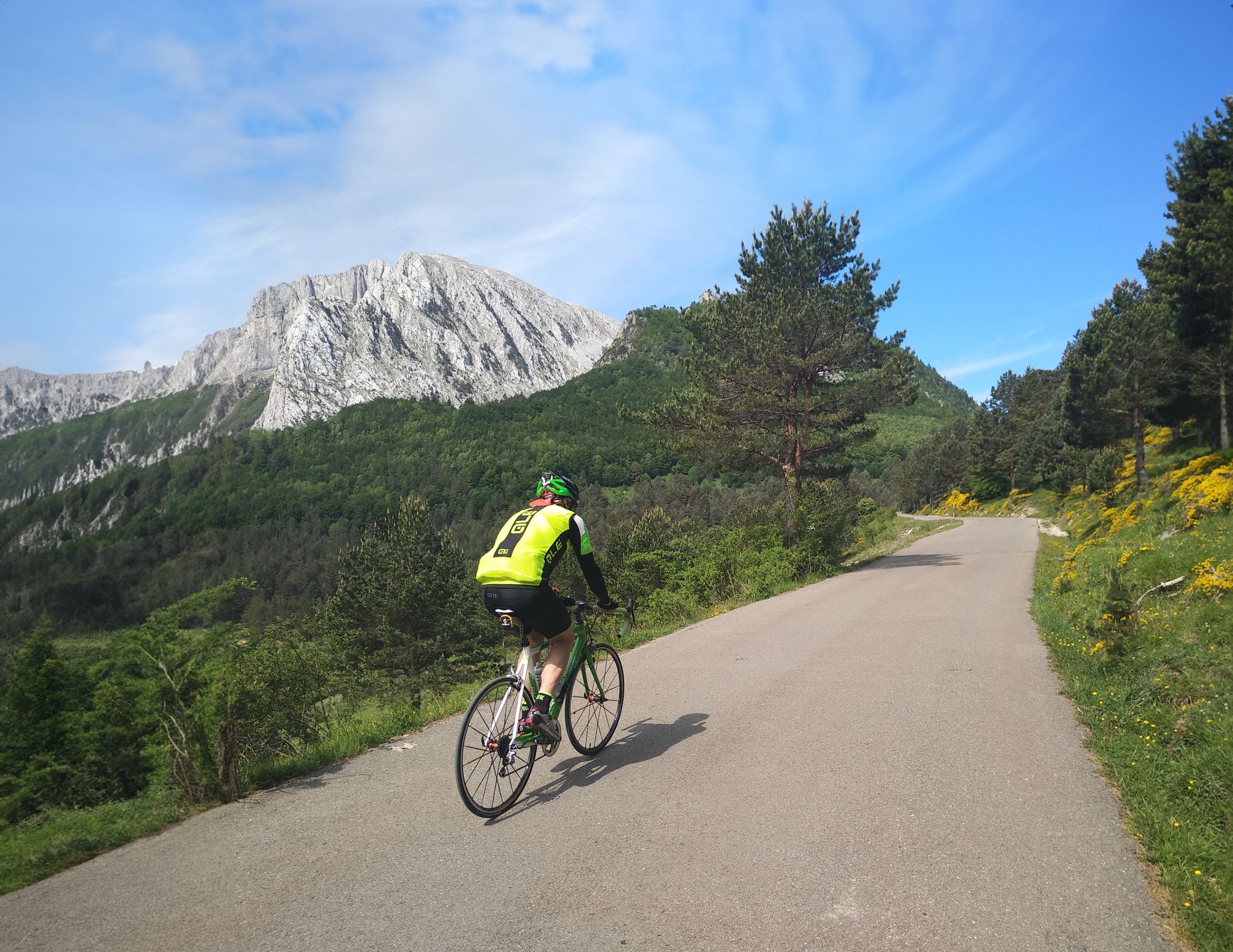
The Bay of Biscay to the Mediterranean — southern Pyrenees cycle tour
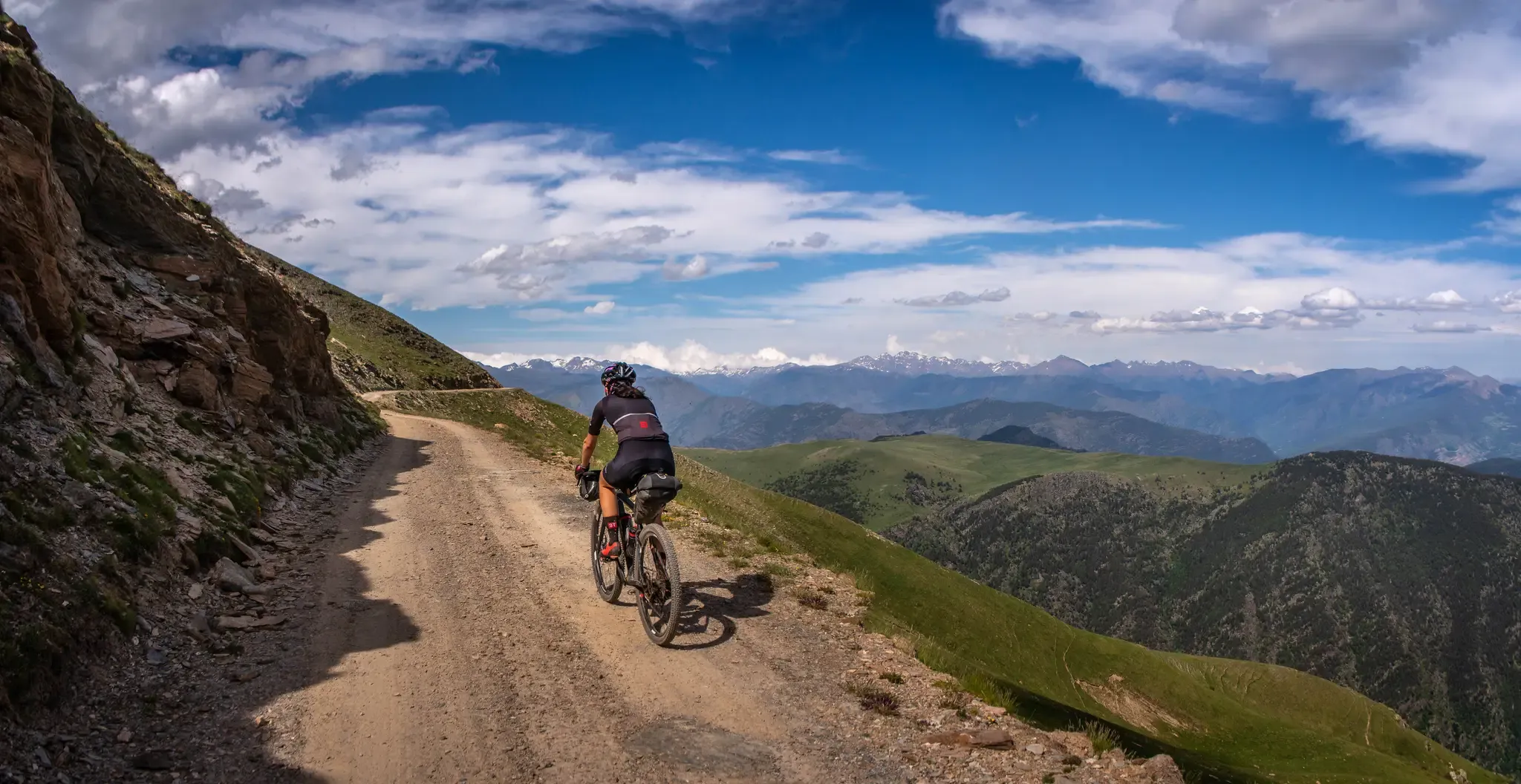
A high-altitude journey – Transpirenaica MTB
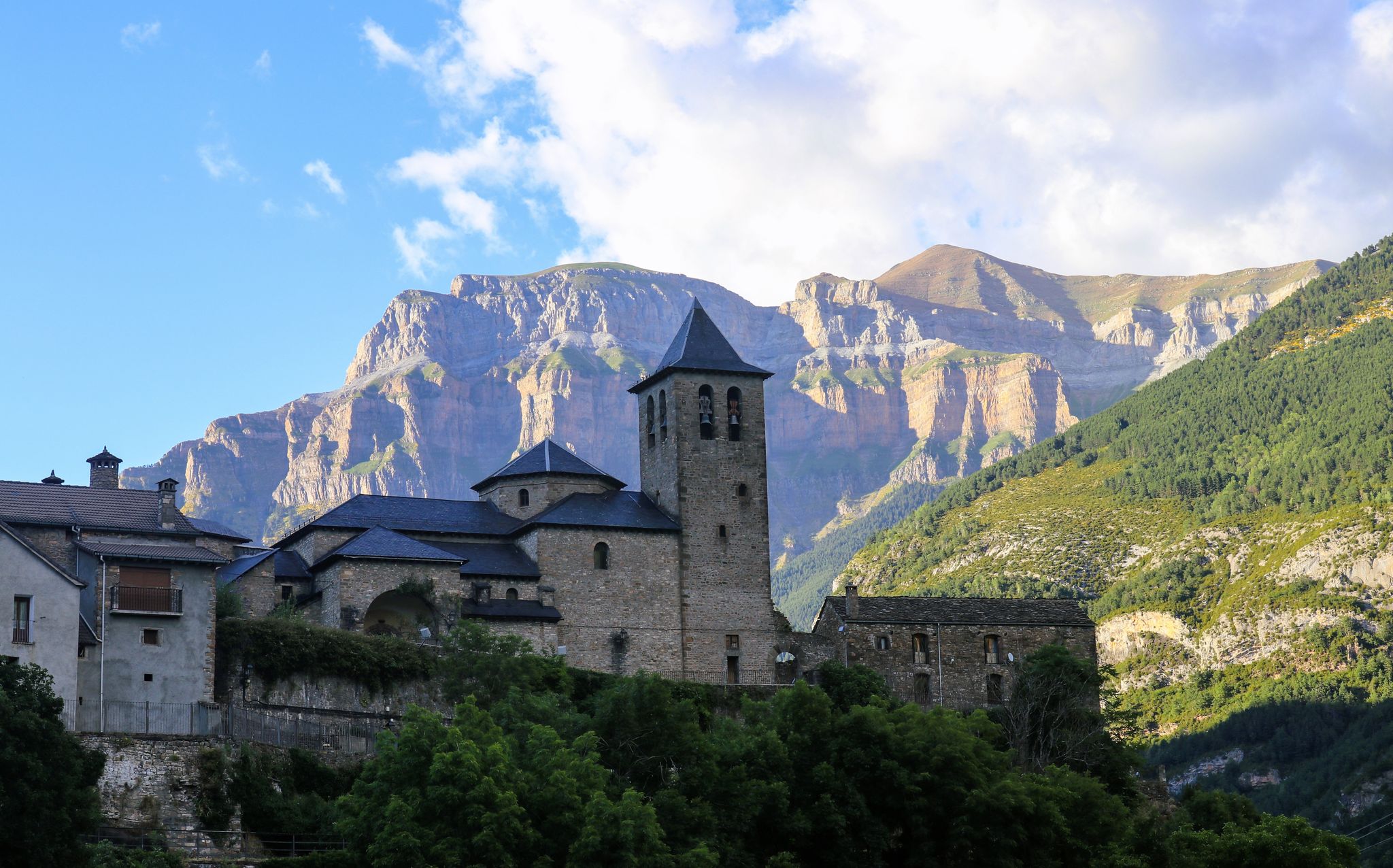
Between summits and villages – magical Pre-Pyrenees Trail (GR 15)
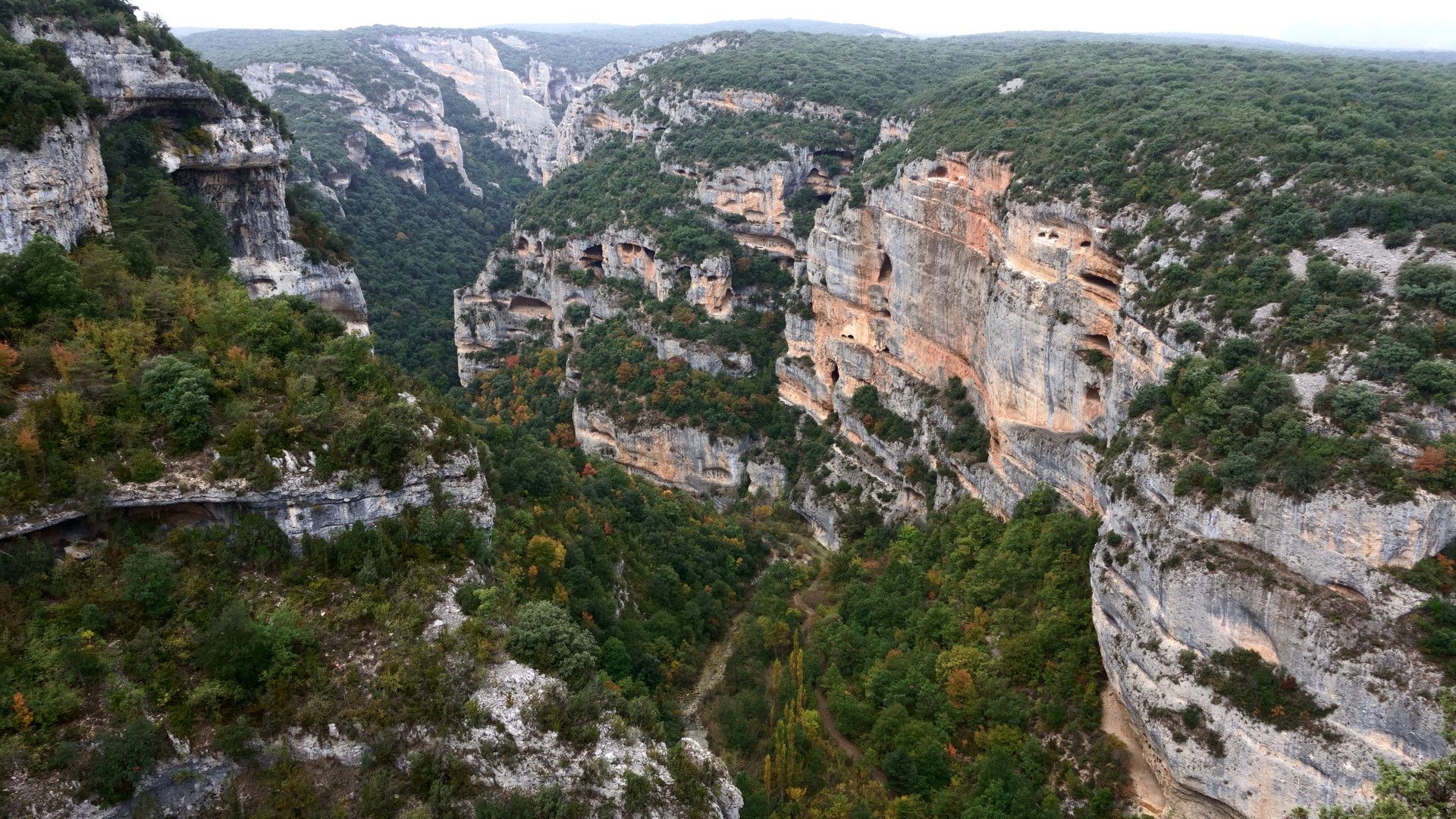
Trails and paths – Sierra de Guara and Biello Sobrarbe
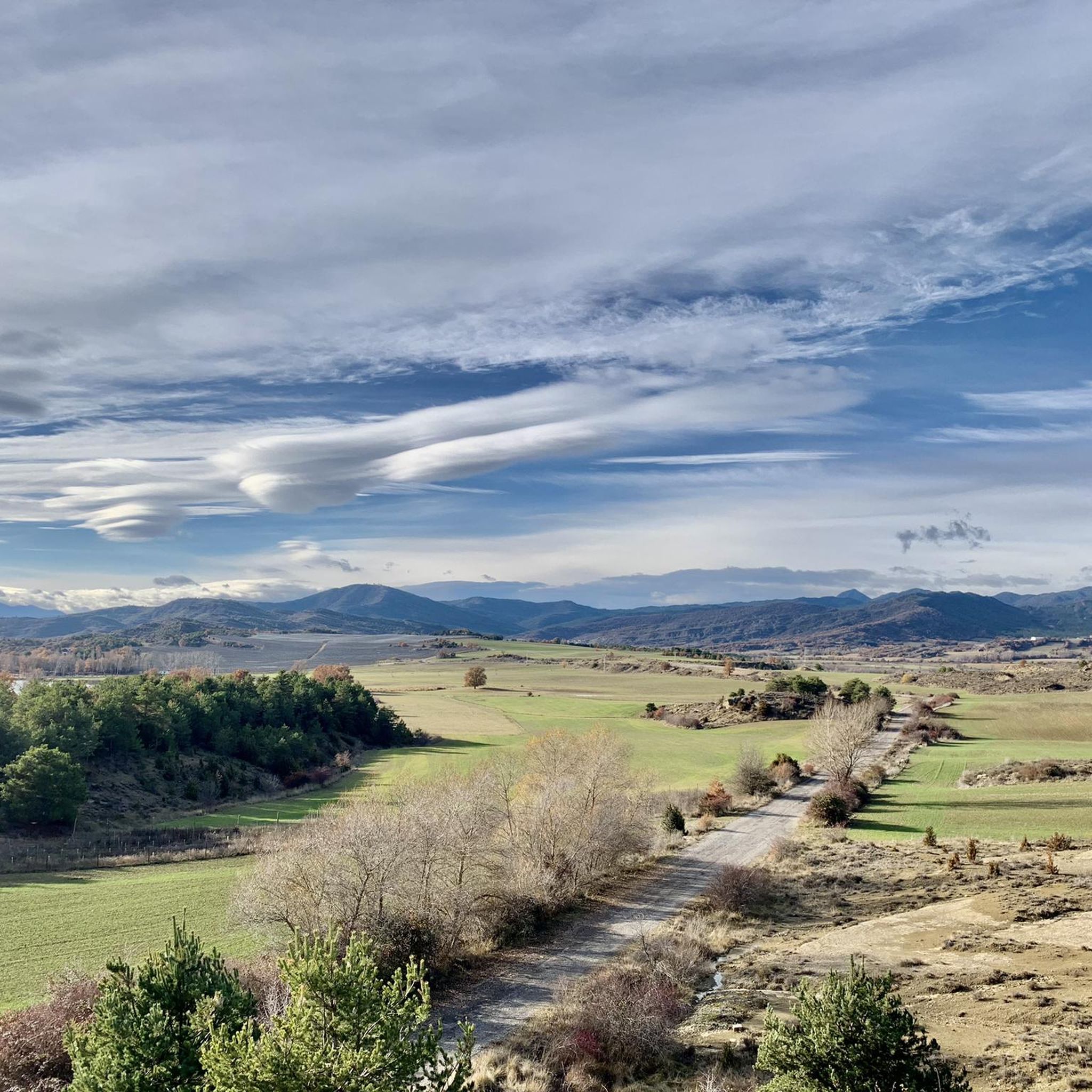
Road Cycling Routes around Sabiñánigo
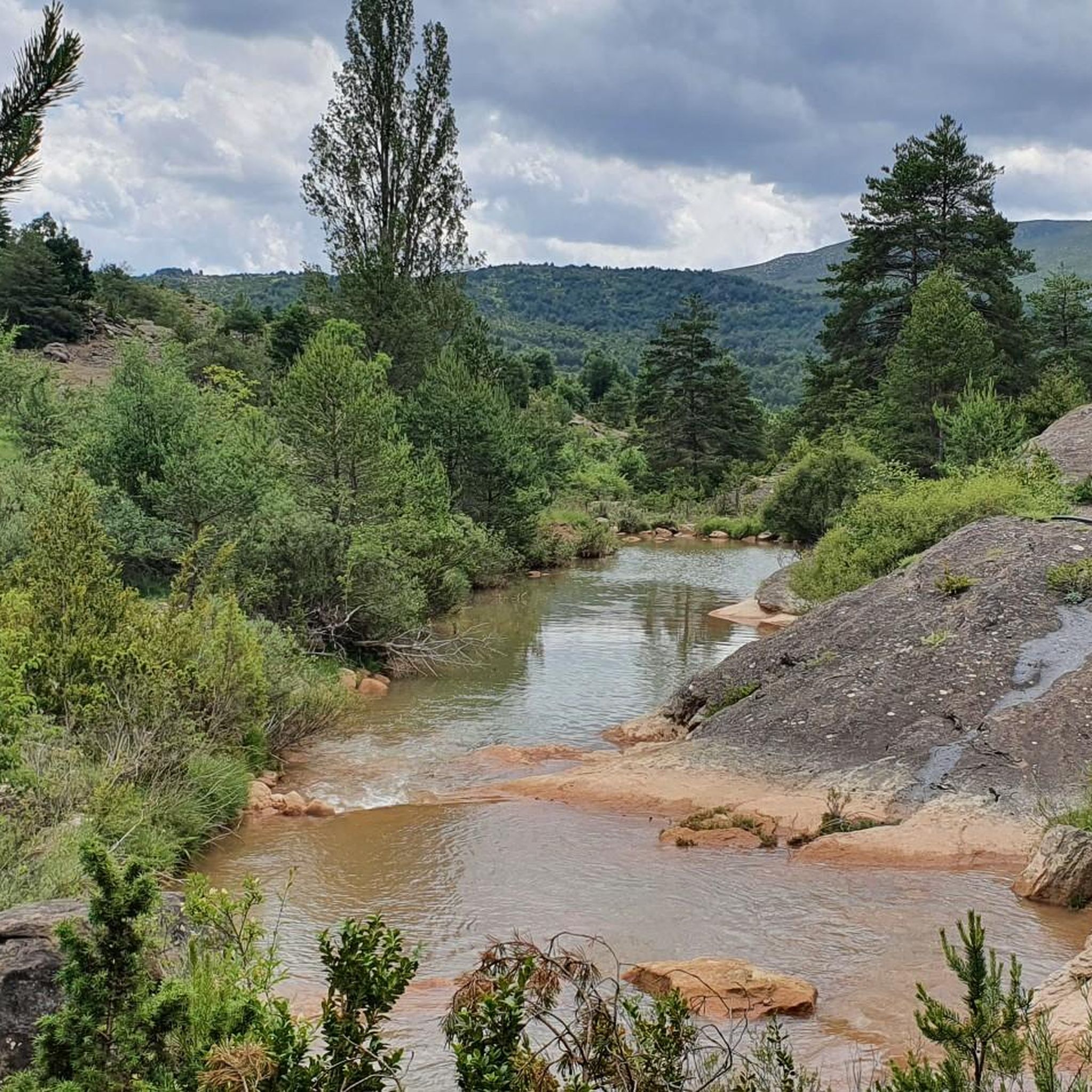
Cycling around Sabiñánigo
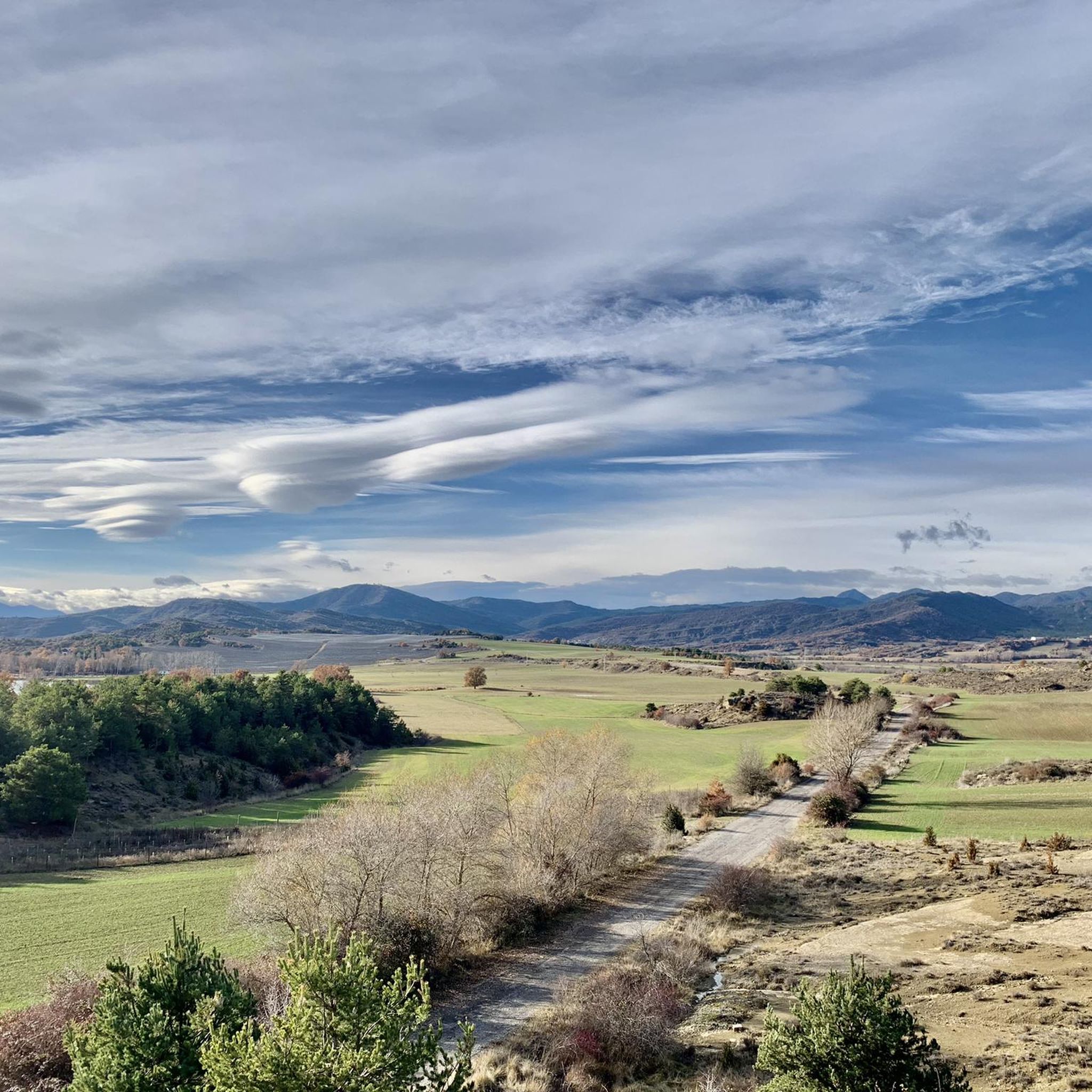
MTB Trails around Sabiñánigo
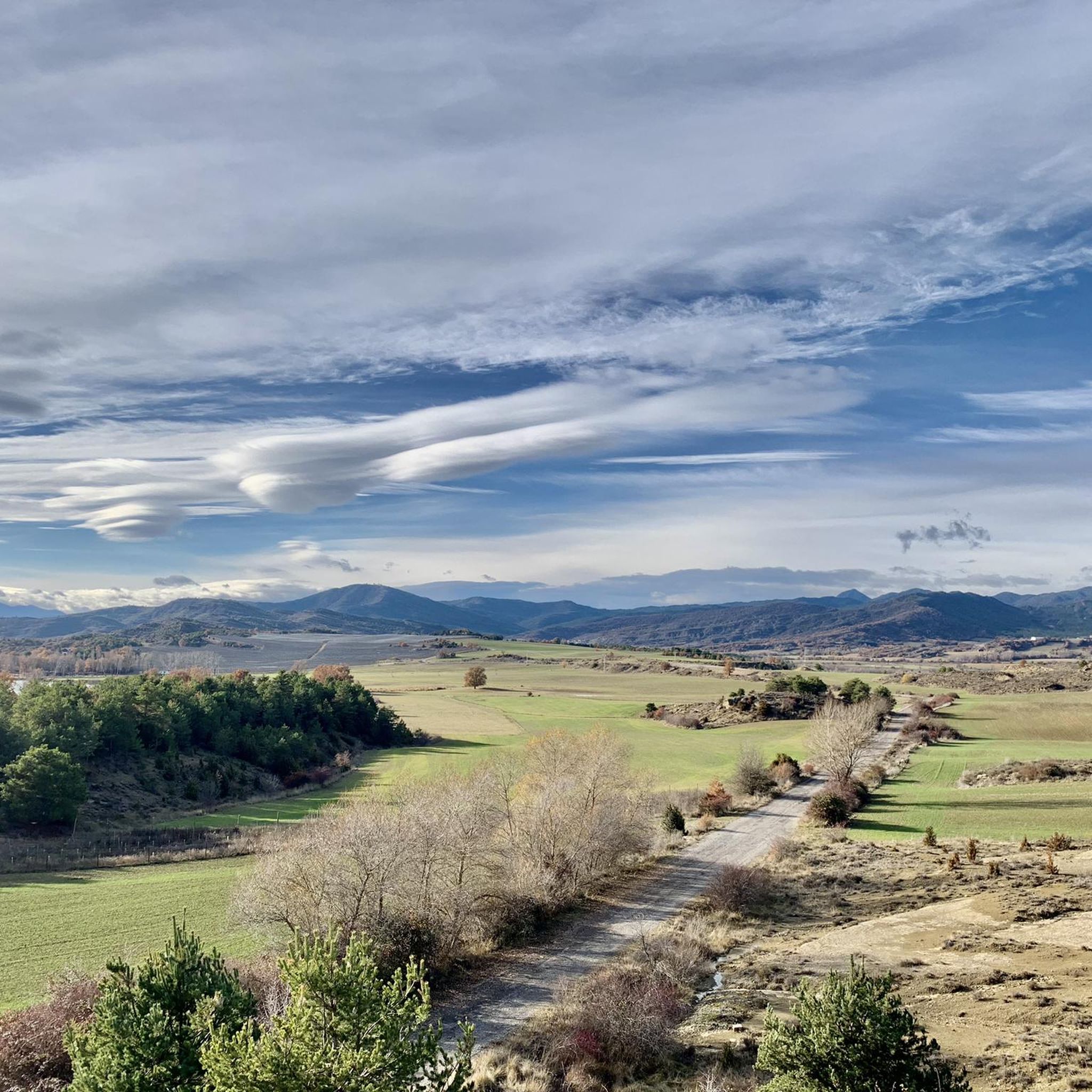
Hiking around Sabiñánigo

Gravel biking around Sabiñánigo
Running Trails around Sabiñánigo
Other adventures around Sabiñánigo


Tips from the Community

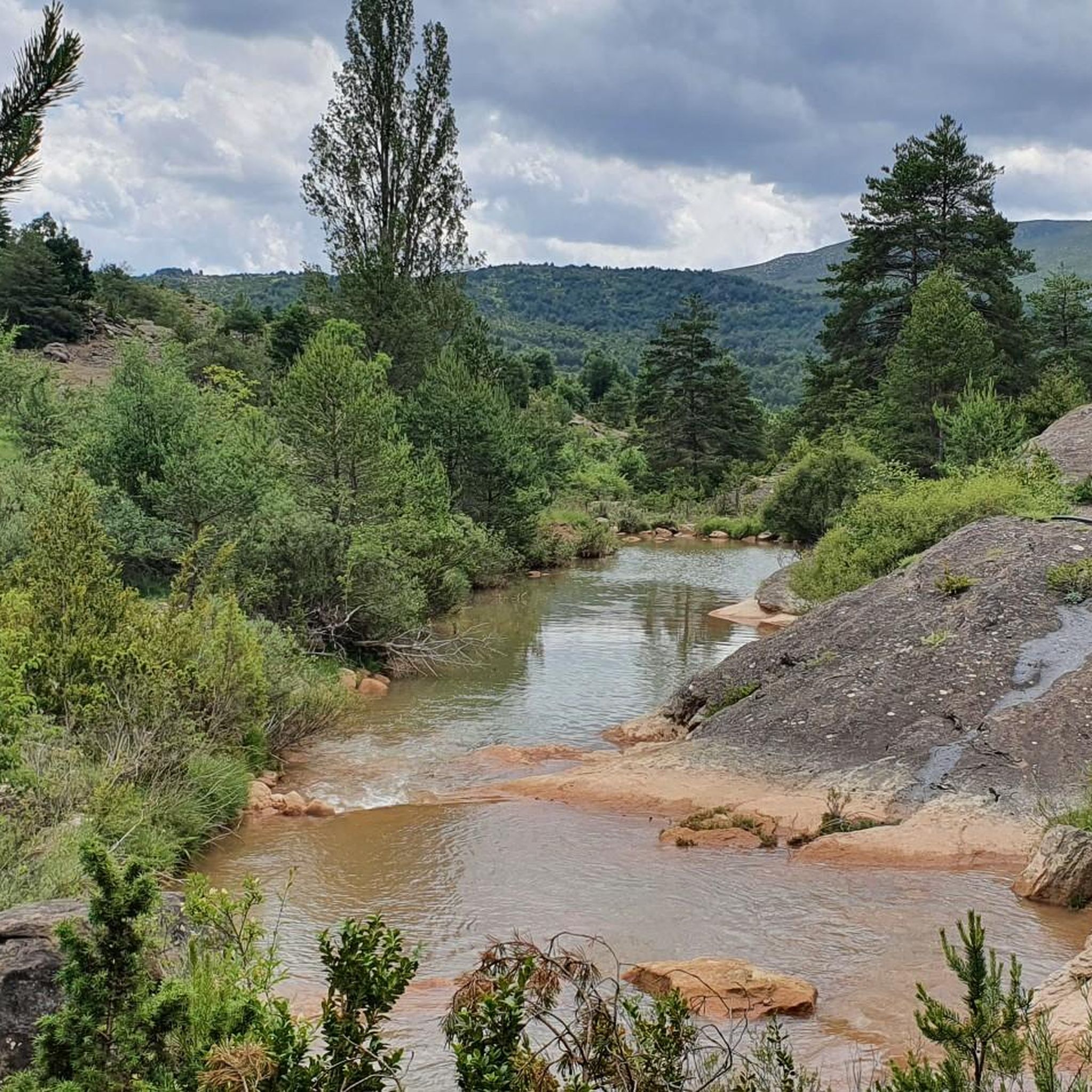
There are several pools where you can swim. Always be careful and check the signs.
0
0

Gorgeous, and the trails in the area are spectacular.
0
0

An area to enjoy the climb. Always with the water by our side. Rapids and waterfalls everywhere.
2
0
Precious ascent towards the lakes of Anayet.
2
0

Steep ascent from Formigal towards the Anayet lakes (or descent in the opposite direction) that runs boxed in the shadow of the Culivillas peak and follows the water course.
1
0

Narrow gorge for viewing and climbing, departs from the Camino del Betato with guide also more https://www.guara.info/guara-base-de-datos/descenso-de-barrancos/pirineo/barranco-gorgol/
0
0

The mountainous massifs have the abrupt and alpine character of the great calcareous peaks, they form superb towers over the glacial channels and the mountain valleys carved by the tongues of ice that gave shape and environmental quality to the high Aragon mountains. The Canal Roya is a perfect glacial creation. The current reliefs of the valley were sculpted by the great masses of ice from the last glaciation of the Quaternary, some glaciers could be 400 meters thick at the head. The retreat of the ice gave rise to periglacial modelling, slope slides, fluvial erosion, avalanches and the rest of the environmental agents that have completed the current landscape.
1
0

This idyllic and solitary spot formed by the water of the reservoir, the river itself and its ravines and the monumental mallos that surround it, is a must-see for anyone who wants to get to know the Guara Natural Park and enjoy nature and silence. just fifteen minutes from the city of Huesca.
8
0
Frequently Asked Questions
What types of natural features can I expect to see in the canyons around Sabiñánigo?
The canyons around Sabiñánigo, particularly in the Sierra de Guara and Tena Valley, offer a diverse range of natural features. You'll encounter impressive limestone massifs, sculpted rock walls, crystal-clear pools, and dramatic gorges. For instance, the Vadiello Dam area features monumental 'mallos' (rock formations) and a reservoir, while Culivillas Gorge is known for its rapids and waterfalls. The Canal Roya showcases a perfect glacial creation with reliefs sculpted by ice masses.
Are there canyons suitable for beginners or families near Sabiñánigo?
Yes, several canyons in the Sierra de Guara region are ideal for beginners and families. The Formiga Canyon is often recommended as an excellent introduction to canyoning, allowing participants to learn basic techniques. Peonera Canyon is also popular, offering a variety of jumps and siphons that can be bypassed, making it adaptable for different skill levels. These routes provide a great way to experience canyoning in a less challenging environment.
What are some of the most popular canyoning routes for experienced adventurers?
For experienced canyoning enthusiasts, the Vero River Canyon in Sierra de Guara is highly regarded as one of the most beautiful and significant in Spain, winding for 15 kilometers through diverse terrain. The Alcanadre and Isuala river basins also feature canyons like Balces Superior and Oscuros de Balces, which are known for providing some of the longest and most continuous canyoning experiences in the region.
What is the best time of year to go canyoning around Sabiñánigo?
The best time for canyoning around Sabiñánigo is typically during spring and summer. Spring offers vibrant landscapes and good water levels, with canyons like Virgen and Petit Mascún being ideal. Summer provides warmer temperatures, making the water activities more enjoyable. However, it's always advisable to check current weather conditions and water levels before planning your trip, as conditions can vary.
Do I need permits for canyoning in the areas around Sabiñánigo?
Some canyons in the Sierra de Guara Natural Park and other protected areas may require permits, especially during peak seasons, to manage visitor numbers and protect the environment. It's crucial to check the specific regulations for each canyon you plan to visit. Local active tourism companies based in Sabiñánigo can provide up-to-date information on permit requirements and often handle them as part of their guided trips.
What outdoor activities can I do near these canyons besides canyoning?
Beyond canyoning, the areas around Sabiñánigo offer a wealth of outdoor activities. You can explore numerous hiking trails, such as those found in the Vero River canyon area, including the Tozal de Guara route. There are also extensive opportunities for cycling and road cycling. For more ideas, you can check out guides like Hiking around Sabiñánigo, Cycling around Sabiñánigo, and Road Cycling Routes around Sabiñánigo.
Are there any historical or cultural landmarks near the canyons?
While the primary focus of the canyons is natural beauty and adventure, some areas have historical significance. For example, the Isuela River Valley and Tunnel Road was historically known as the "Cañada Real de Huesca a Monrepós," serving as a passage between the capital and northern towns. Exploring these areas can offer a glimpse into the region's past alongside its natural wonders.
What is the Gorgol Gorge like in the Tena Valley?
The Gorgol Gorge in the Tena Valley is a notable destination for canyoning. It is characterized by its narrow passages and offers opportunities for climbing and viewing. There are also several pools within the gorge where swimming is possible, though visitors should always be careful and heed any signs regarding safety.
What makes the Sierra de Guara a significant canyoning destination?
The Sierra de Guara, located south of the Pyrenees, is renowned for having one of the highest concentrations of canyons in Europe. Its limestone massif has been sculpted by water over millennia, creating a unique landscape of impressive gorges, diverse rock formations, and crystal-clear pools. This geological richness provides an unparalleled variety of canyoning experiences, from easy descents to challenging routes, making it a premier destination for the sport.
What should I know about the biodiversity in the canyon regions?
The canyon regions around Sabiñánigo, particularly the Sierra de Guara, are rich in biodiversity. The Vero River canyon area, for instance, is part of a larger natural network and is home to one of Europe's largest reserves of birds of prey. Exploring these canyons not only offers adventure but also a chance to observe diverse flora and fauna in their natural habitats.
Can I find guided canyoning tours from Sabiñánigo?
Yes, Sabiñánigo serves as a convenient base for accessing guided canyoning tours. Numerous local active tourism companies operate in and around Sabiñánigo, offering guided trips to the various canyons in Sierra de Guara and the Tena Valley. These companies typically provide necessary equipment and ensure safety, catering to different skill levels from beginners to experienced canyoners.
Are there any specific viewpoints to appreciate the canyon landscapes?
Many canyons and gorges offer spectacular viewpoints. The Vadiello Dam provides excellent views of the reservoir, river, and surrounding monumental mallos. Similarly, the Culivillas Gorge offers scenic vistas during the ascent towards the lakes of Anayet, with rapids and waterfalls enhancing the natural beauty.
Most popular routes around Sabiñánigo
Most popular attractions around Sabiñánigo

Get inspired with the komoot mobile app


Explore more
Already discovered everything in this region? See additional gorges around Sabiñánigo for your next adventure:
