Top 7 Castles around Crespià
Best castles around Crespià offers a glimpse into the region's rich medieval heritage. This small municipality in the Pla de l'Estany region is characterized by historical architecture and ancient buildings. While Crespià itself features notable religious sites like the Romanesque Church of Santa Eulàlia, the surrounding area provides access to several historical fortifications. These sites contribute to the medieval ambiance, inviting exploration of the past.
Best castles around Crespià
- The most popular castles is Castell d'Esponellà, a castle that is undergoing archaeological research and reconstruction. This site offers insights into historical building practices and preservation efforts.
- Another must-see spot is Espinavessa, a settlement featuring a medieval fortification. From its rooms, visitors can see the Pyrenees mountains and the Mediterranean coast.
- Visitors also love Santa Caterina d'Espasens and Espasens Castle Ruins, a Romanesque church from the 12th-13th century alongside a 15th-century fortification. This location combines religious history with defensive architecture.
- Crespià is known for medieval fortifications, castle ruins, and religious buildings integrated into defensive structures. The area offers a variety of historical sites to see and explore, from reconstructed castles to ancient church-fortresses.
- The castles around Crespià are appreciated by the komoot community, with 9 upvotes and 4 photos.
Last updated: May 6, 2026
Espinavessa
Highlight • Settlement
One of the most notable points of interest in Espinavessa is the Espinavessa Castle, a medieval fortification built by the Peralada lordship. This castle, which was erected to protect the area from attacks, especially from pirates, is today a historical and tourist monument of great value. From its rooms, you can see the Pyrenees mountains and the Mediterranean coast, which makes it a relevant tourist attraction in the region.
The town of Espinavessa is located on the left bank of the Fluvià river, at its confluence with the Sant Jaume stream. Historically, the town was part of the Navata batllia until the 17th century. The population center is compact, with houses dating from the 17th and 18th centuries.
Among the places of interest in Espinavessa is the parish church of Sant Llorenç, which dates from the late 18th century but contains earlier elements, such as a Romanesque-style carreu and a 14th-century Gothic tombstone. Another notable place is the Font d'Espinavessa, surrounded by vegetation and formerly used by the town's inhabitants to wash clothes.
Translated by Google •
Tip by

Castell d'Esponellà
Highlight • Castle
Translated by Google •
Tip by

Sign up now to discover places like this
Get recommendations on the best single tracks, peaks, & plenty of other exciting outdoor places.
Sign up for free
Navata (medieval town)
Highlight (Segment) • Historical Site
The urban center of Navata was born around the Old Hospital which was founded near a very busy medieval road, the one that went from Figueres to Besalú. The institution, which was also known as the hospital for the poor, was already in operation in 1283. The first homes and small industries were established around it very soon. In fact, this first urban grouping was called "Villa Hospitalis", the Villa de l'Hospital. From the 15th century onwards, the town council governed by juries, i.e. the town hall of the time, has been documented.
Before the existence of the current urban center, and since 1051 Navata was already an important barony with the Navata castle as a political power and the church of Sant Pere Vell or Can Miró as a religious power and even today the shield of the town bears the baron's crown.
Navata, walled town
The title of town, which has been held by Navata since ancient times, indicates that it was a town that, without being a city, had some privileges that made it distance itself from being a town. Being a town was important because it represented the general recognition of Navata's pre-eminence over neighboring towns.
The small medieval town was important as a strategic point, as a place of passage and defense against the penetration of possible invasions, south of the Pyrenees ridge. And that is why, probably in the 14th or 15th century, a wall was built to protect it. Few canvases remain of the old defensive construction, as a significant part of the stone was used to build new buildings or the current church and the other was demolished. There is also a part of the layout of the wall that is found in modern houses on top of each other.
The Valls portal
The wall had a trapezoidal plan and four portals. In this space was the portal of the northern part of the wall, the Valls portal. The valley or moat was the deep excavation that was made around the fortification to make it difficult for the enemy to pass from outside to the wall of the wall, like the Gorg square, since in the past it is believed that in the area there was a gorg or a pool that collected water, probably naturally, and that must have been used by the villagers.
empordaturisme.com/es/event/visita-guiada-a-la-villa-medieval-de-navata
Translated by Google •
Tip by
Saint Stephen's Church
Highlight (Segment) • Religious Site
The parish church of Sant Esteve d'Avinyonet, with elements from a different chronology, is currently a one-nave building, rectangular in plan, with crenellated and buttressed walls as it remains integrated into the neighboring castle. The Romanesque temple was rebuilt in the 15th century (period of fortification) and reformed in the 18th century. With the entrance to the east and the altar at the west end, the orientation is reversed in relation to the traditional layout of Christian temples. The tympanum of the Romanesque portal was placed over the 18th-century door, which had an image of Jesus Christ, which today is very damaged.
Translated by Google •
Tip by
Santa Caterina d'Espasens and Espasens Castle Ruins
Highlight • Castle
Translated by Google •
Tip by
Sign up for free to discover even more castles around Crespià.
Sign up for free
Already have an account?
Start today with a free account
Your next adventure awaits.
Login or Signup
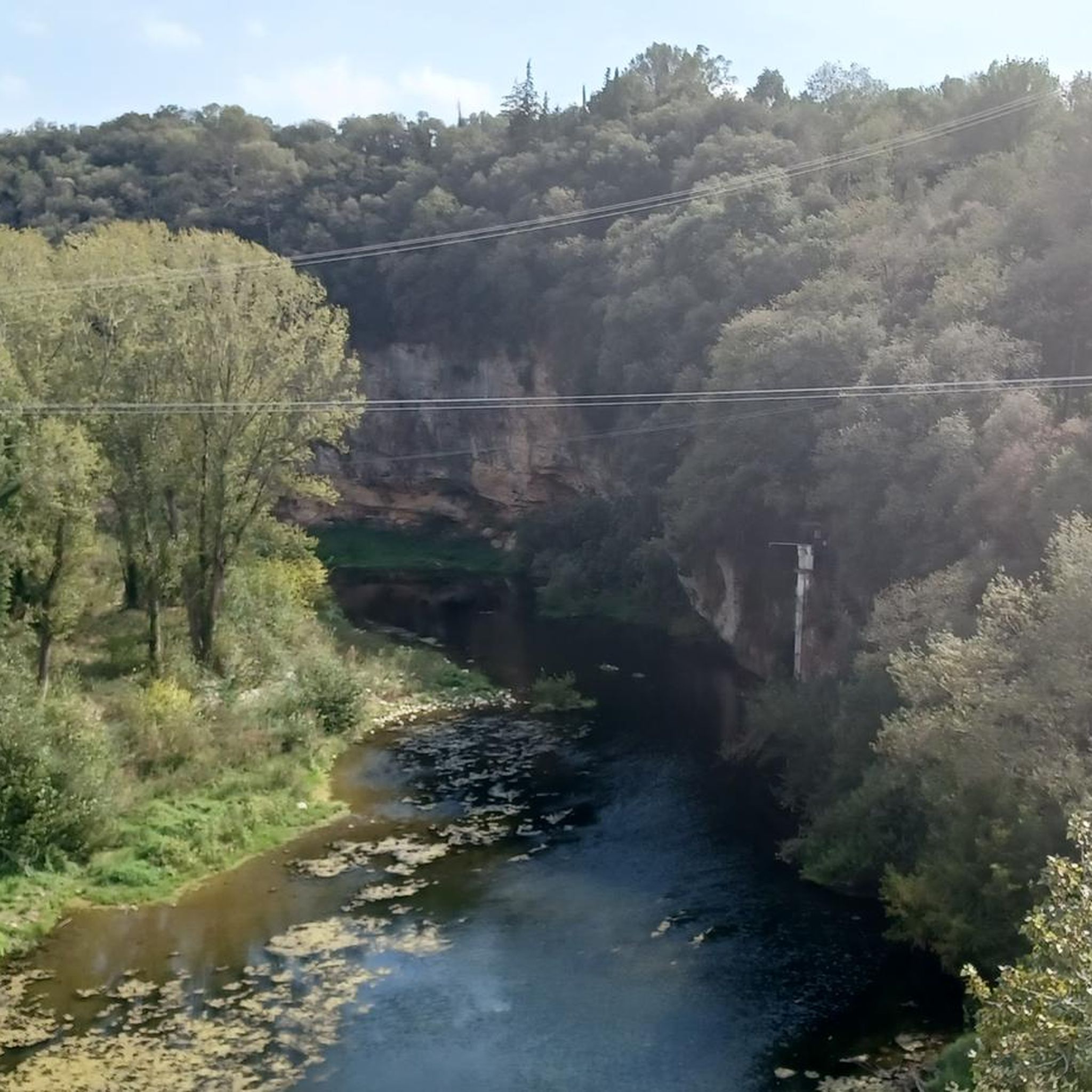
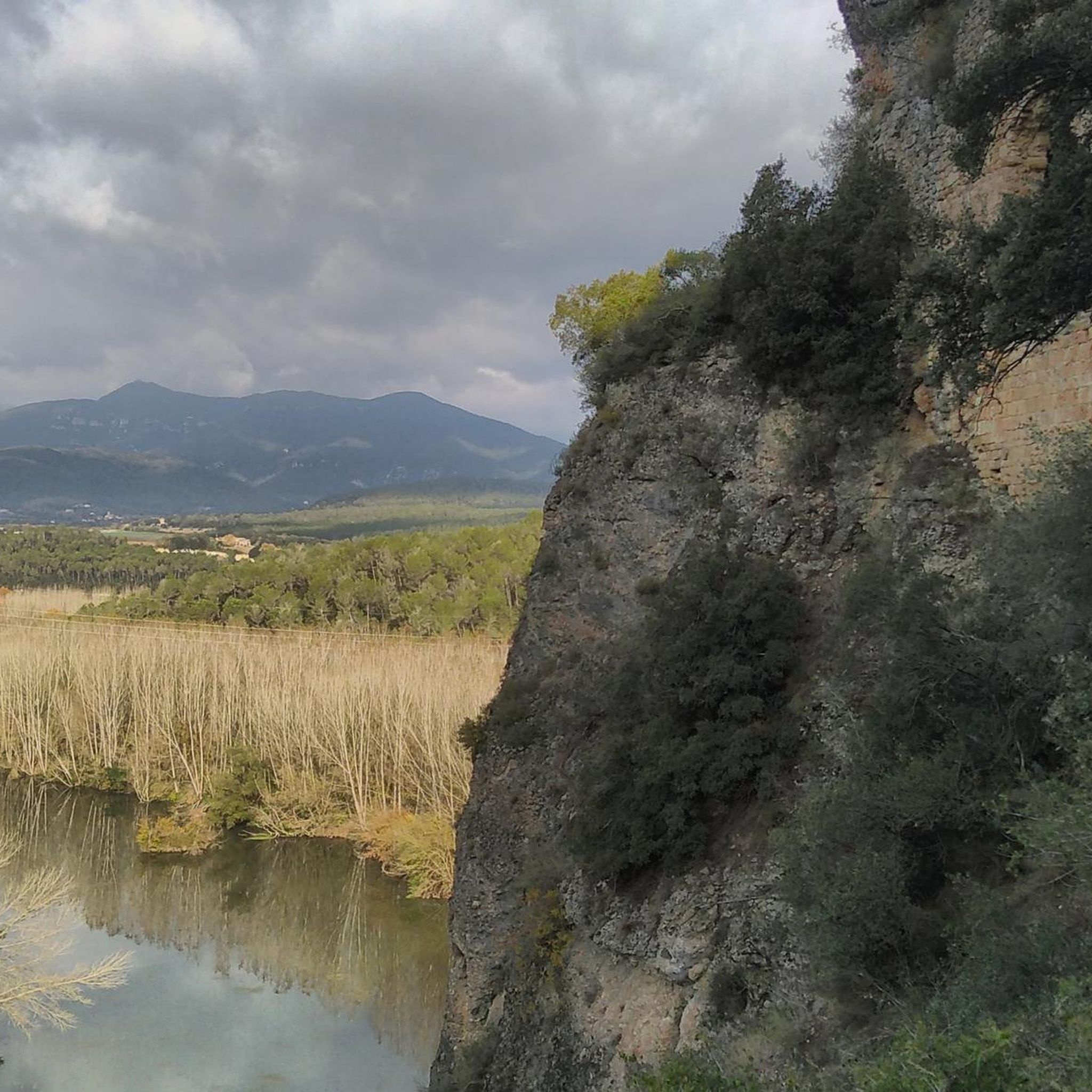
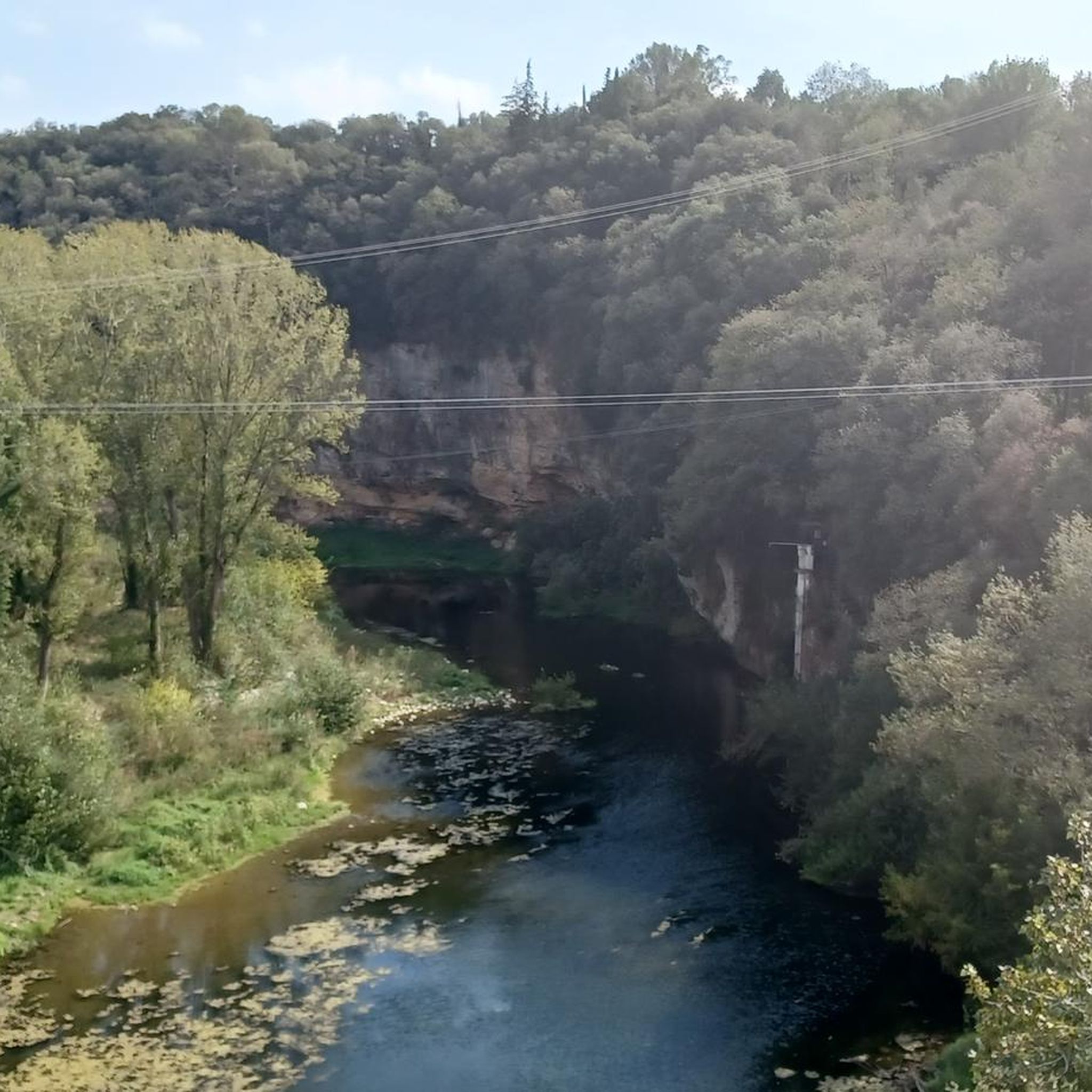
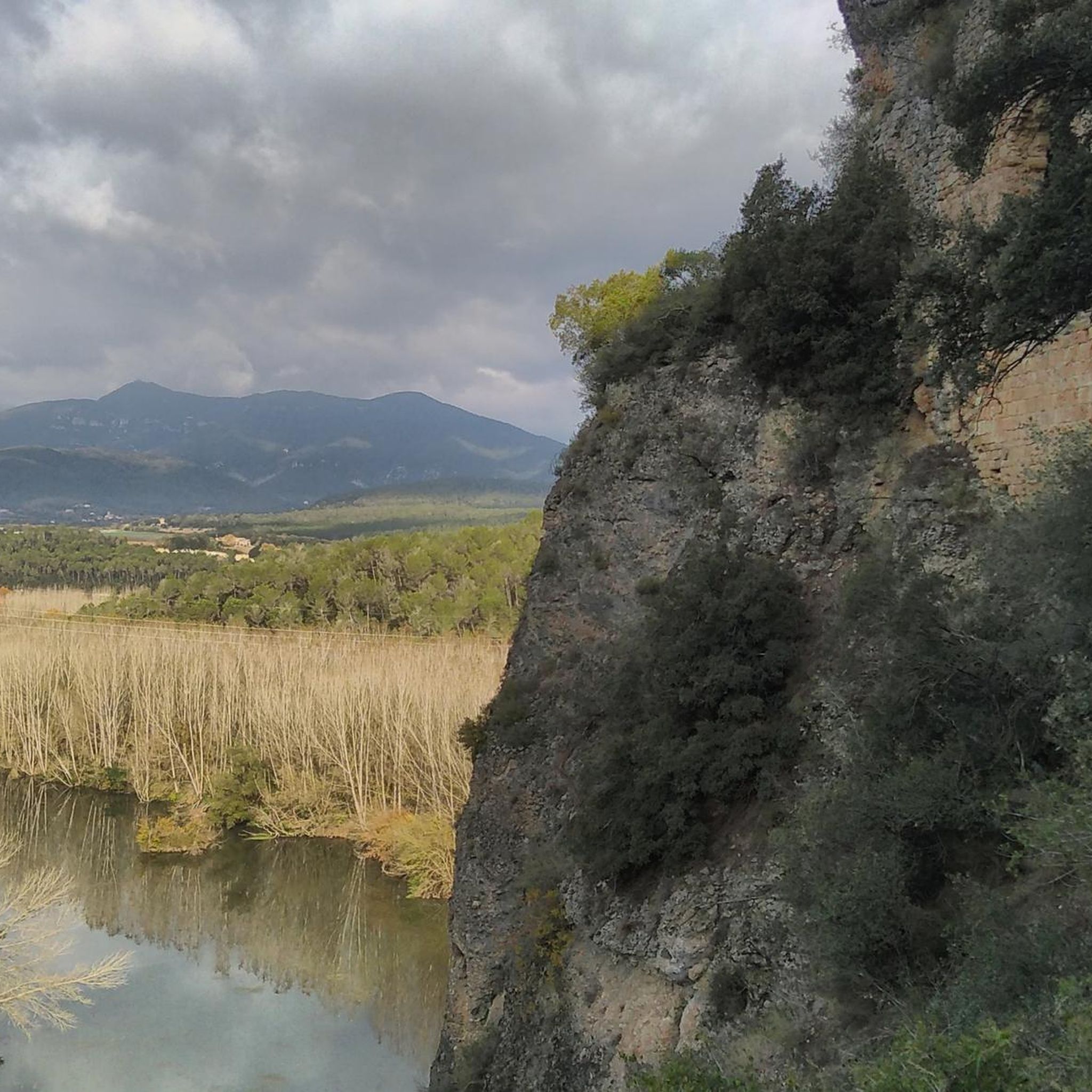

Tips from the Community

Romanesque church from the end of the s. XII and early XIII. Right next to it you can visit the ruins of Castell d'Espasens, a 15th century fortification.
2
0
The reconstruction work seems to be finished, today I discovered a small underground entrance, but it leads nowhere.
0
0

Religious building built at the beginning of the 15th century by the men of the town, with the support of the Hospitallers, to replace the old parish church destroyed years before by a flood of the Manol. As was usual in a military order, such as that of Sant Joan, the building is a true fortress, given that it has a defensive moat and battlements and battlements at the top. It is currently located within the Castle of the Hospital Command of Avinyonet. The parish church of Sant Esteve d'Avinyonet, with elements from a different chronology, is currently a one-nave building, rectangular in plan, with crenellated and buttressed walls as it remains integrated into the neighboring castle. The Romanesque temple was rebuilt in the 15th century (period of fortification) and reformed in the 18th century. With the entrance to the east and the altar at the west end, the orientation is reversed in relation to the traditional layout of Christian temples. The tympanum of the Romanesque portal was placed over the 18th-century door, which had an image of Jesus Christ, which today is very damaged.
2
0
Espinavessa is part of the municipality of Cabanelles and, according to the 2011 census, it had 58 inhabitants. One of the most notable points of interest in Espinavessa is the Espinavessa Castle, a medieval fortification built by the Peralada lordship. This castle, which was erected to protect the area from attacks, especially from pirates, is today a historical and tourist monument of great value. From its rooms, you can see the Pyrenees mountains and the Mediterranean coast, which makes it a relevant tourist attraction in the region. The town of Espinavessa is located on the left bank of the Fluvià river, at its confluence with the Sant Jaume stream. Historically, the town was part of the Navata batllia until the 17th century. The population center is compact, with houses dating from the 17th and 18th centuries. Among the places of interest in Espinavessa is the parish church of Sant Llorenç, which dates from the late 18th century but contains earlier elements, such as a Romanesque-style carreu and a 14th-century Gothic tombstone. Another notable place is the Font d'Espinavessa, surrounded by vegetation and formerly used by the town's inhabitants to wash clothes.
2
0
Espinavessa is a small municipality located in the Alt Empordà region, in the province of Girona, Catalonia, Spain. It is part of the municipal area of Cabanelles and, according to the 2011 census, it had 58 inhabitants. One of the most notable points of interest in Espinavessa is the Espinavessa Castle, a medieval fortification built by the Peralada lordship. This castle, which was erected to protect the area from attacks, especially from pirates, is today a historical and tourist monument of great value. From its rooms, you can see the Pyrenees mountains and the Mediterranean coast, which makes it a relevant tourist attraction in the region. The town of Espinavessa is located on the left bank of the Fluvià river, at its confluence with the Sant Jaume stream. Historically, the town was part of the Navata batllia until the 17th century. The population center is compact, with houses dating from the 17th and 18th centuries. Among the places of interest in Espinavessa is the parish church of Sant Llorenç, which dates from the late 18th century but contains earlier elements, such as a Romanesque-style carreu and a 14th-century Gothic tombstone. Another notable place is the Font d'Espinavessa, surrounded by vegetation and formerly used by the town's inhabitants to wash clothes.
2
0
The medieval origins of Navata (14th-15th century) The urban center of Navata was born around the Old Hospital which was founded near a very busy medieval road, the one that went from Figueres to Besalú. The institution, which was also known as the hospital for the poor, was already in operation in 1283. The first homes and small industries were established around it very soon. In fact, this first urban grouping was called "Villa Hospitalis", the Villa de l'Hospital. From the 15th century onwards, the town council governed by juries, i.e. the town hall of the time, has been documented. Before the existence of the current urban center, and since 1051 Navata was already an important barony with the Navata castle as a political power and the church of Sant Pere Vell or Can Miró as a religious power and even today the shield of the town bears the baron's crown. Navata, walled town The title of town, which has been held by Navata since ancient times, indicates that it was a town that, without being a city, had some privileges that made it distance itself from being a town. Being a town was important because it represented the general recognition of Navata's pre-eminence over neighboring towns. The small medieval town was important as a strategic point, as a place of passage and defense against the penetration of possible invasions, south of the Pyrenees ridge. And that is why, probably in the 14th or 15th century, a wall was built to protect it. Few canvases remain of the old defensive construction, as a significant part of the stone was used to build new buildings or the current church and the other was demolished. There is also a part of the layout of the wall that is found in modern houses on top of each other. The Valls portal The wall had a trapezoidal plan and four portals. In this space was the portal of the northern part of the wall, the Valls portal. The valley or moat was the deep excavation that was made around the fortification to make it difficult for the enemy to pass from outside to the wall of the wall, like the Gorg square, since in the past it is believed that in the area there was a gorg or a pool that collected water, probably naturally, and that must have been used by the villagers. https://empordaturisme.com/es/event/visita-guiada-a-la-villa-medieval-de-navata/
1
0
It is in the process of archaeological research and reconstruction.
0
0
Frequently Asked Questions
What historical sites can I explore in Crespià itself?
While Crespià doesn't feature traditional castles, its medieval atmosphere is notable. You can visit the Romanesque Church of Santa Eulàlia and the unique Hermitage of Sant Miquel de la Roca, which is built into a cave overlooking the Fluvià River. These sites offer a glimpse into the region's ancient past.
Which castles near Crespià offer significant historical insights or unique features?
You can visit Castell d'Esponellà, which is currently undergoing archaeological research and reconstruction, providing insights into preservation efforts. Another notable site is Santa Caterina d'Espasens and Espasens Castle Ruins, combining a Romanesque church with a 15th-century fortification.
Are there any castles near Crespià with panoramic views?
Yes, the settlement of Espinavessa features a medieval fortification from which you can see the Pyrenees mountains and the Mediterranean coast. In the wider Girona province, Montgrí Castle also offers spectacular panoramic views of the Costa Brava.
What kind of outdoor activities can I do near the castles around Crespià?
The area around Crespià offers various cycling opportunities. You can find numerous routes for road cycling, touring, and gravel biking. For example, there are moderate to difficult road cycling routes like the 'Lake Banyoles – Lake Banyoles loop from Navata', or gravel biking trails such as the 'Lake Banyoles – Saint Mary of Porqueres loop from Serinyà'.
Are there family-friendly options among the castles or historical sites?
Yes, Espinavessa is categorized as family-friendly, offering a medieval fortification that can be explored. Additionally, the medieval town of Navata, with its historical origins and remnants of a defensive wall, provides an engaging experience for families.
What is the best time of year to visit the castles and historical sites around Crespià?
The region generally enjoys a Mediterranean climate. Spring (April-May) and autumn (September-October) typically offer pleasant temperatures for exploring historical sites and engaging in outdoor activities like cycling, avoiding the hotter summer months and potentially cooler, wetter winter days.
Are there any castles in the wider Girona province that are particularly unique?
Yes, the Girona province boasts several unique castles. The Gala-Dalí Castle in Púbol, for instance, was the residence of Salvador Dalí's muse, Gala, and was decorated by the artist himself. Sant Ferran Castle in Figueres is also notable as Europe's largest 18th-century fortress.
Can I find medieval towns or settlements with castle remnants near Crespià?
Absolutely. The medieval town of Navata, which was once a significant barony, still preserves parts of its 14th or 15th-century defensive wall. Its urban center grew around an old hospital, offering a rich historical context.
What kind of religious buildings with defensive features can be found in the area?
The Saint Stephen's Church, built in the early 15th century, is integrated into the Castle of the Hospital Command of Avinyonet. It features a defensive moat, battlements, and buttressed walls, reflecting its dual role as a religious building and a fortress.
What do visitors appreciate most about the castles and historical sites near Crespià?
Visitors often appreciate the rich medieval heritage and the opportunity to explore ancient fortifications and religious buildings integrated into defensive structures. The komoot community has given the castles around Crespià 9 upvotes and shared 4 photos, highlighting their appeal.
Are there any specific cycling routes that pass by historical sites or castles?
Yes, for touring cyclists, the 'Old Bridge – Sant Martí de Crespià Church loop from Esponellà' is a difficult route that takes you through historical areas. For gravel biking, the 'Crespià – Sant Martí de Crespià Church loop from Maià de Montcal' offers a challenging ride through the region's landscape and past historical points. You can find more options in the cycling guide for Crespià.
What is the general character of the historical architecture in Crespià?
Crespià is characterized by charming medieval architecture, with stone houses and ancient buildings that evoke a strong sense of the past. The village's streets and lanes have preserved an ancient character, inviting visitors to explore its historical ambiance.
Most popular routes around Crespià
Most popular attractions around Crespià

Get inspired with the komoot mobile app


Explore more
Looking for the best castles somewhere else? Discover other guides around Crespià:
