Top 5 Castles around Longás
Castles around Longás offer insights into the historical significance of the region. Longás is situated in an area known for its defensive fortresses and medieval architecture. The landscape features promontories and plains, providing strategic locations for historical sites. Exploring these castles near Longás Aragon reveals the rich heritage of the area.
Best castles around Longás
- The most popular castles is Arrés, a settlement that preserves the ruins of a fifteenth-century Gothic castle. This restored castle is located on a promontory in the province of Huesca and is part of the Aragonese Way.
- Another must-see spot is Biel Castle, a prominent castle and historical site. Its impressive keep is visible from afar in the plains of the province of Zaragoza, and the village of Biel has a notable history.
- Visitors also love View of Biel Castle and Church, a viewpoint offering magnificent views of the town of Biel, its church, and the imposing castle. This spot provides a comprehensive perspective of the historical structures within their natural environment.
- Longás is known for its restored Gothic castles and impressive medieval keeps. The region offers a variety of castles to see and explore, often integrated into historical settlements.
- The castles around Longás are appreciated by the komoot community, with 12 upvotes and 7 photos shared across the highlights.
Last updated: July 4, 2026
Sibirana Castle
Highlight • Castle
Translated by Google •
Tip by

Arrés
Highlight • Settlement
Translated by Google •
Tip by

Sign up now to discover places like this
Get recommendations on the best single tracks, peaks, & plenty of other exciting outdoor places.
Sign up for free
Biel Castle
Highlight • Castle
Translated by Google •
Tip by

View of Biel Castle and Church
Highlight • Viewpoint
The town of Biel has a very interesting history and the natural environment is beautiful. Without a doubt, it is worth getting lost in its streets.
Translated by Google •
Tip by
Start today with a free account
Your next adventure awaits.
Login or Signup

Tips from the Community

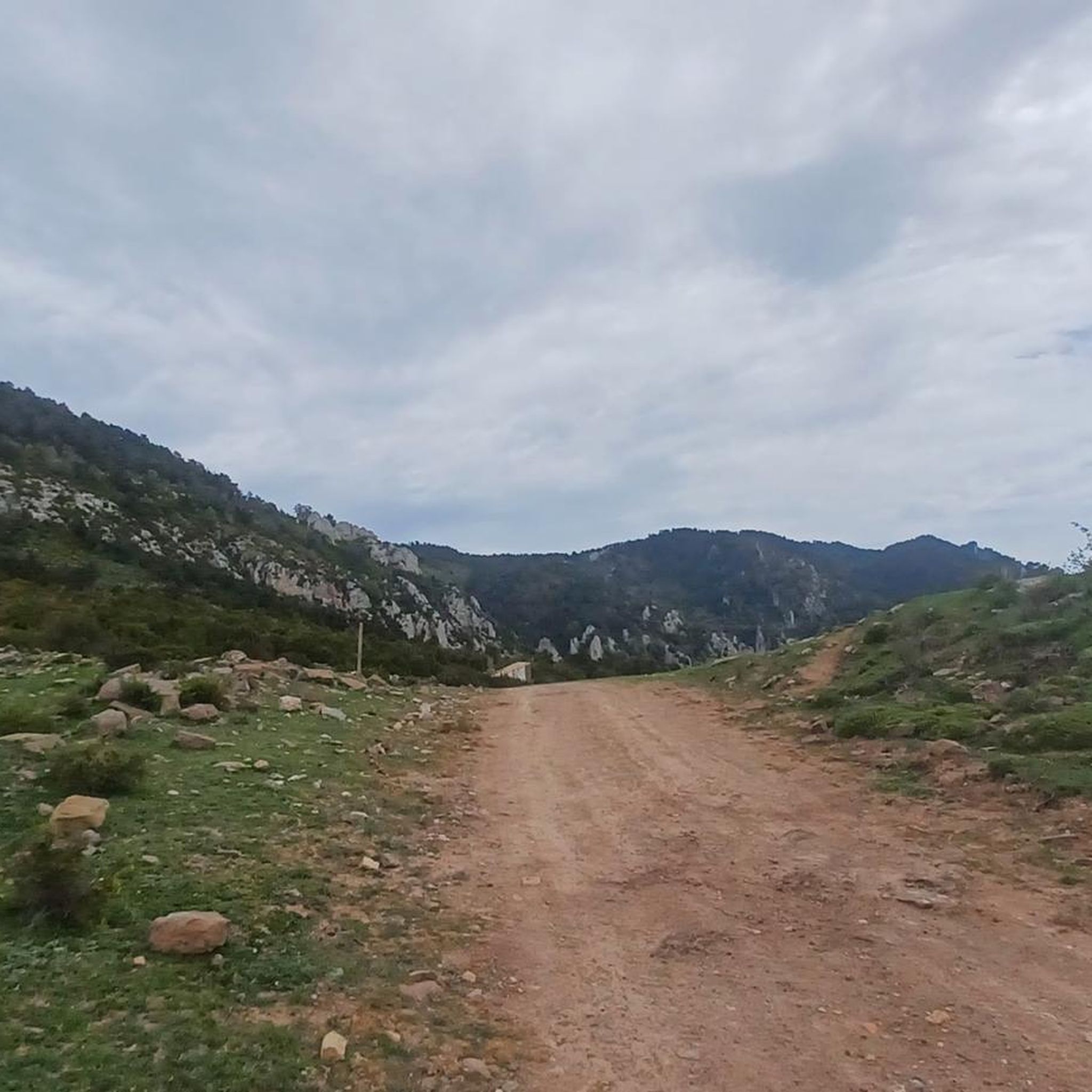
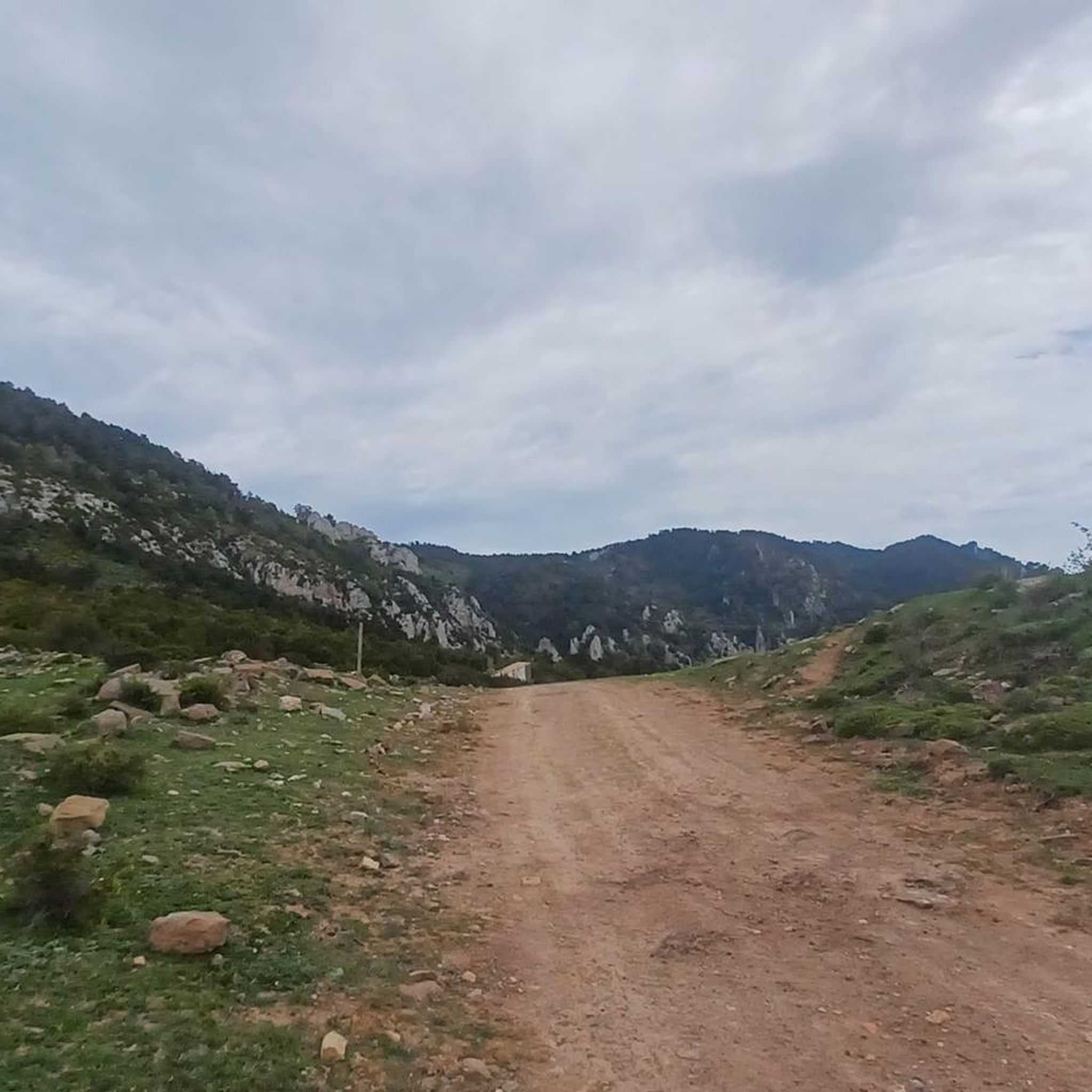
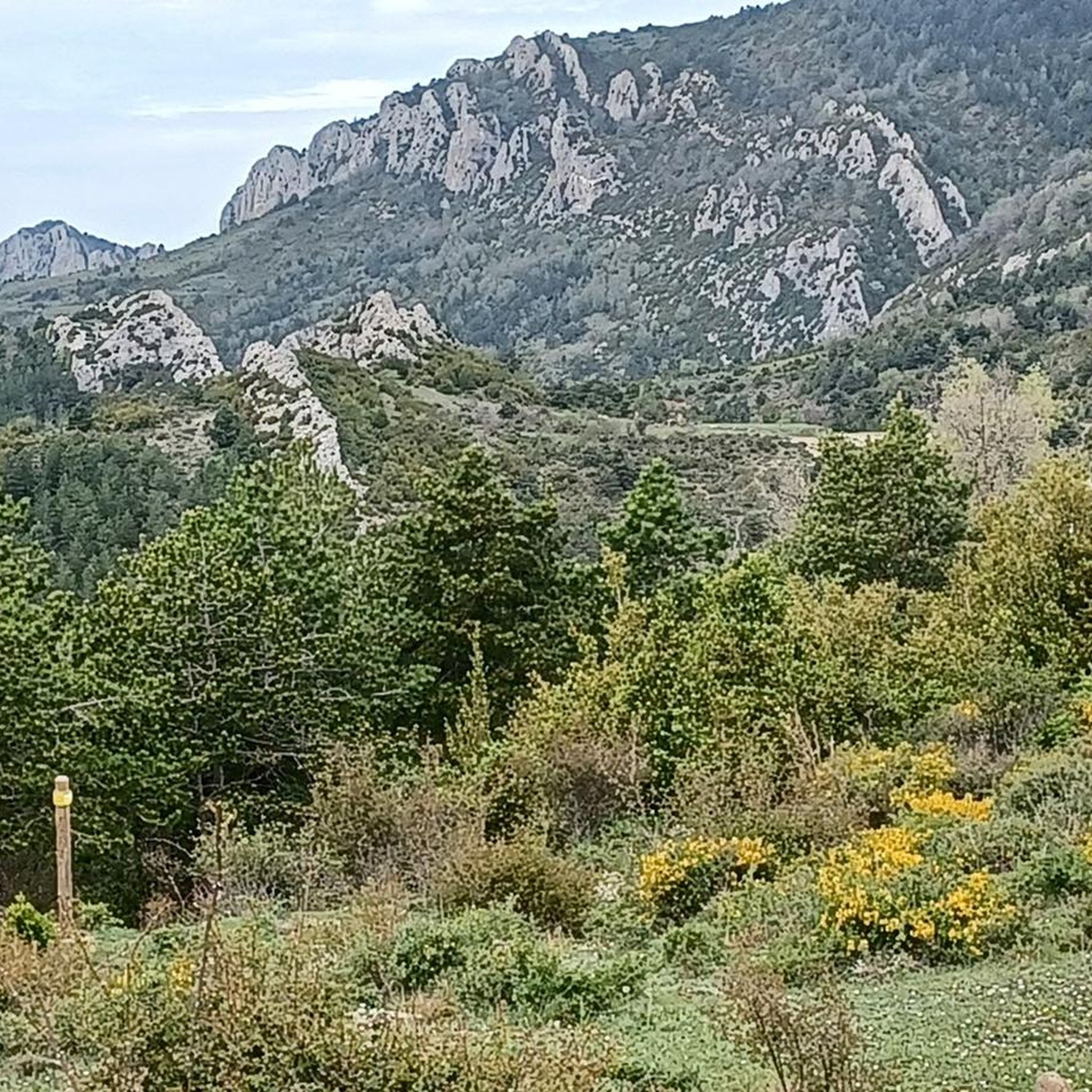
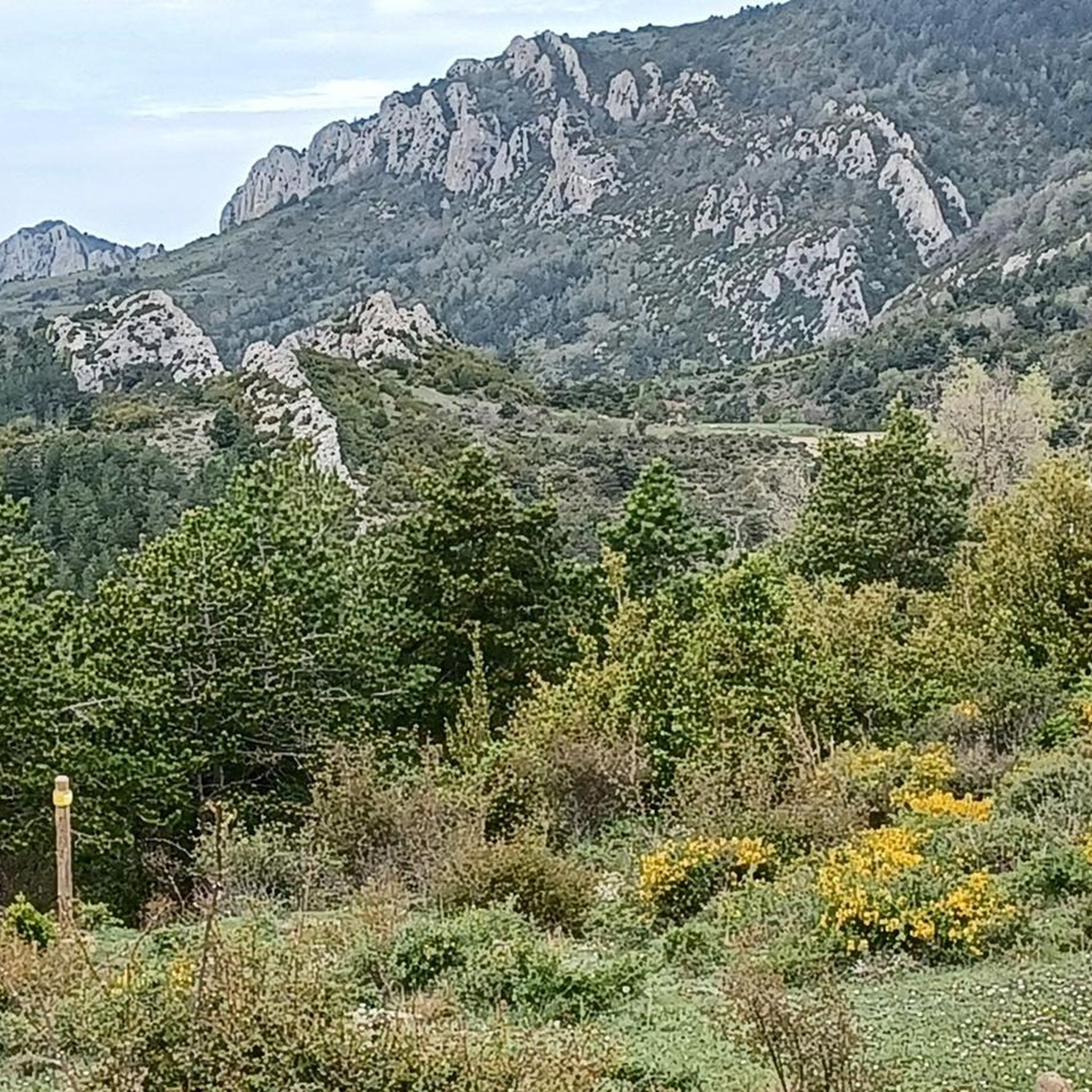
The ruins found on the track that connects Luesia with the Pígalo pools are known as the castle of Sibirana. The ruins of the hermitage of Santa Quiteria also remain from this deserted area. This nucleus is part of a defensive line ordered to be built in the 10th century by King Sancho Garcés I of Pamplona. The sight of the towers erected on two stone masses gives an idea of the magnitude and engineering of these structures.
1
0

This village does not go unnoticed! In its center, you cannot miss its impressive castle. In the plains of the province of Zaragoza, its imposing keep is indeed visible from afar.
1
0

On our way along the track from Luesia to the Pígalo pools, we come across the castle of Sibirana built to control the passage from Uncastillo and from Luesia through the Onsella river valley. In addition to the castle, there are remains of the hermitage of Santa Quiteria, both in the Aragonese Romanesque style and of a dozen houses at the foot of the castle on its south face.
1
0
We are in the old town of Biel, in the Altas Cinco Villas region, together with the church and this imposing castle. The town of Biel has a very interesting history and the natural environment is beautiful. Without a doubt, it is worth getting lost in its streets before starting our route.
1
0
We are located on the outskirts of the town of Biel, in the Altas Cinco Villas region with magnificent views of the town, the church and the imposing castle. The town of Biel has a very interesting history and the natural environment is beautiful. Without a doubt, it is worth getting lost in its streets.
1
0
We are in the old town of Biel, in the Altas Cinco Villas region, together with the church and this imposing castle. The town of Biel has a very interesting history and the natural environment is beautiful. Without a doubt, it is worth getting lost in its streets before starting our route.
1
0

The tower-like castle is typical for Aragon, this one dates from the 11th century.
0
1

Arrés is a pretty town located on a promontory in the province of Huesca. It preserves the ruins of a fifteenth-century Gothic castle, now restored. It is part of the Aragonese Way and therefore has a pilgrim hostel and a restaurant.
2
0
Frequently Asked Questions
What castles can I visit around Longás?
While there isn't a specific castle named 'Longás' open to the public, the region offers several historically significant sites. Notable options include Arrés, a settlement with a restored 15th-century Gothic castle, and Biel Castle, known for its impressive keep visible across the plains of Zaragoza.
Are there any family-friendly castles or activities near Longás?
Yes, the View of Biel Castle and Church is categorized as family-friendly, offering magnificent views of the town and its historical structures. Exploring the charming streets of Biel village itself can also be an enjoyable family activity.
What is the historical significance of castles in the Longás region?
The castles around Longás, particularly in the broader Aragón region, reflect a rich history of defensive fortresses and medieval architecture. They were strategically built on promontories and plains, highlighting the area's importance in past conflicts and trade routes. These sites offer a glimpse into the region's heritage.
What natural features or viewpoints can I find near these castles?
The View of Biel Castle and Church offers magnificent panoramic views of the town of Biel, its church, and the imposing castle, set within a beautiful natural environment. The village of Biel itself is noted for its natural surroundings.
What outdoor activities can I do near the castles around Longás?
The area around Longás is excellent for outdoor enthusiasts. You can find various routes for hiking, road cycling, and mountain biking. For example, there are challenging hiking trails like the 'Peak and Hermitage of Santo Domingo from Longas' or moderate road cycling routes such as the 'Biel Castle – Santuario de Monlora loop from Biel'. You can explore more options on the dedicated guides for Hiking around Longás, Road Cycling Routes around Longás, and MTB Trails around Longás.
Are there hiking trails near Biel Castle?
Yes, there are several hiking trails near Biel Castle. You can find routes like the 'Biel - GR 1 Historic Trail Loop' which is a moderate option, or more challenging ones such as the 'Ermita de Santo Domingo – Summit of Santo Domingo loop from Biel'. For more details, refer to the Hiking around Longás guide.
What amenities are available near Arrés castle?
Arrés is a pretty town that serves as part of the Aragonese Way. It offers a pilgrim hostel and a restaurant, making it convenient for visitors looking for accommodation or a meal.
What do visitors enjoy most about the castles in this region?
Visitors appreciate the historical insights offered by the castles, the impressive architecture like the keep of Biel Castle, and the beautiful natural environments surrounding these sites. The restored Gothic castle in Arrés and the panoramic views from the View of Biel Castle and Church are particularly popular.
Is there a specific castle named Longás in Spain that I can visit?
Based on available information, there is no prominent castle specifically named 'Longás' in Spain that is open to the public. The castles mentioned in this guide are located *around* the Longás region in Aragón, Spain, offering a rich historical experience.
How long should I plan for a visit to the castles around Longás?
To fully appreciate the historical sites and the surrounding natural beauty, plan at least half a day for each major castle or village you wish to explore, such as Biel or Arrés. This allows time to wander through the old towns, take in the views, and perhaps enjoy a meal.
Are there any hidden gem castles in the Longás region?
While not widely publicized, the charm of the smaller, historically integrated settlements like Arrés, with its restored Gothic castle ruins, can feel like a hidden gem. These locations offer a more intimate experience of the region's medieval past away from larger crowds.
What is the best time of year to visit the castles around Longás?
The best time to visit is generally during spring (April-June) and autumn (September-October) when the weather is mild and pleasant for exploring historical sites and engaging in outdoor activities. Summers can be hot, and winters can be chilly, though both seasons offer their own unique atmosphere.
Most popular attractions around Longás

Get inspired with the komoot mobile app


Explore more
Looking for the best castles somewhere else? Discover other guides around Longás:
