Top 5 Castles around Lobera De Onsella
Best castles around Lobera De Onsella are found in the surrounding region, offering insights into medieval history. Lobera de Onsella itself is a village in the Pre-Pyrenees with a medieval urban core and historical references to past fortifications. While prominent, well-preserved castles are limited within the village, the area provides a historical context of strategic border positions. The landscape features mountains and abundant vegetation, complementing the historical sites.
Best castles around Lobera De Onsella
- The most popular castles is Biel…
Last updated: July 4, 2026
Sibirana Castle
Highlight • Castle
Translated by Google •
Tip by

Biel Castle
Highlight • Castle
Translated by Google •
Tip by

Sign up now to discover places like this
Get recommendations on the best single tracks, peaks, & plenty of other exciting outdoor places.
Sign up for free
Luesia Castle and Church of El Salvador
Highlight • Castle
Translated by Google •
Tip by
View of Biel Castle and Church
Highlight • Viewpoint
The …
Translated by Google •
Tip by
Start today with a free account
Your next adventure awaits.
Login or Signup
Tips from the Community

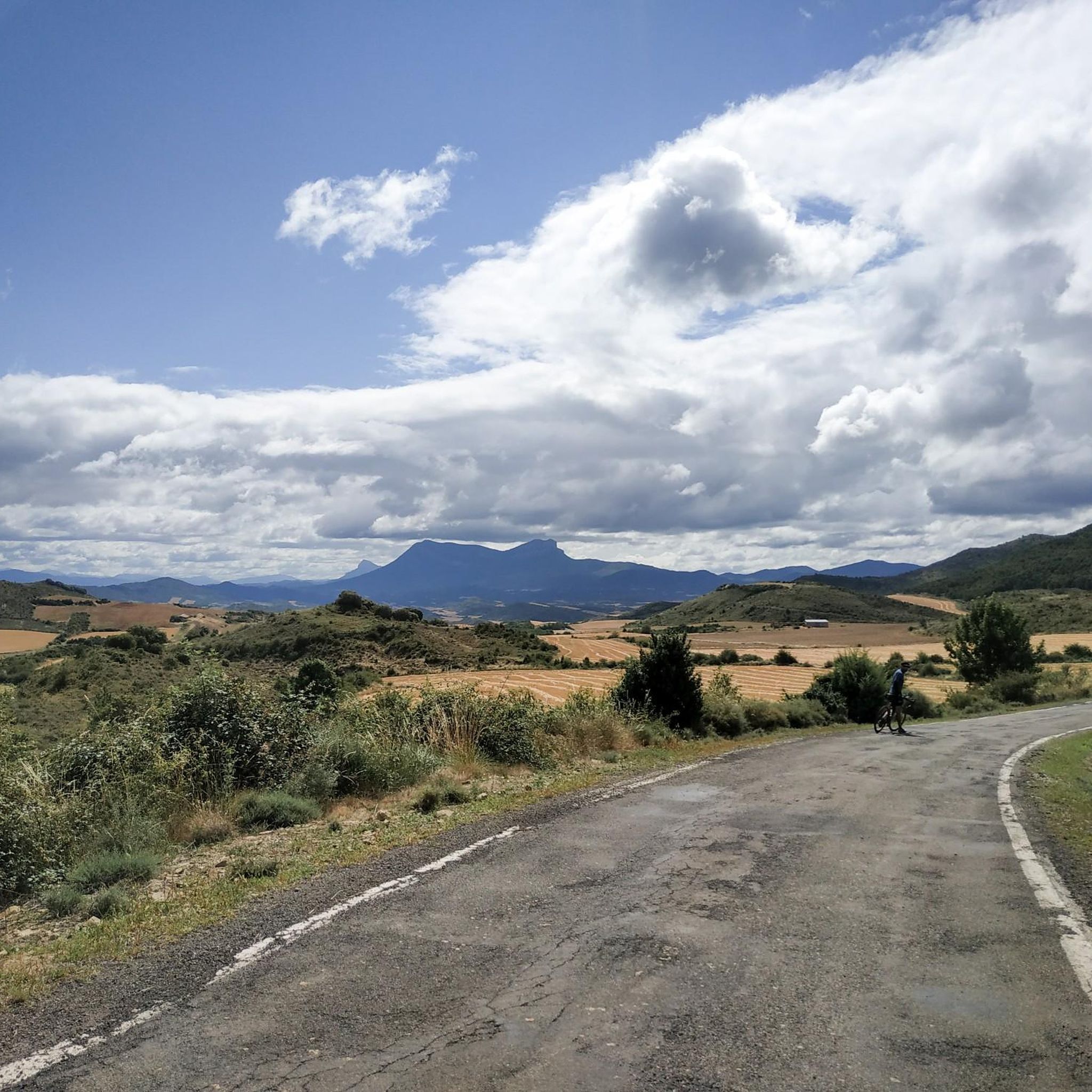
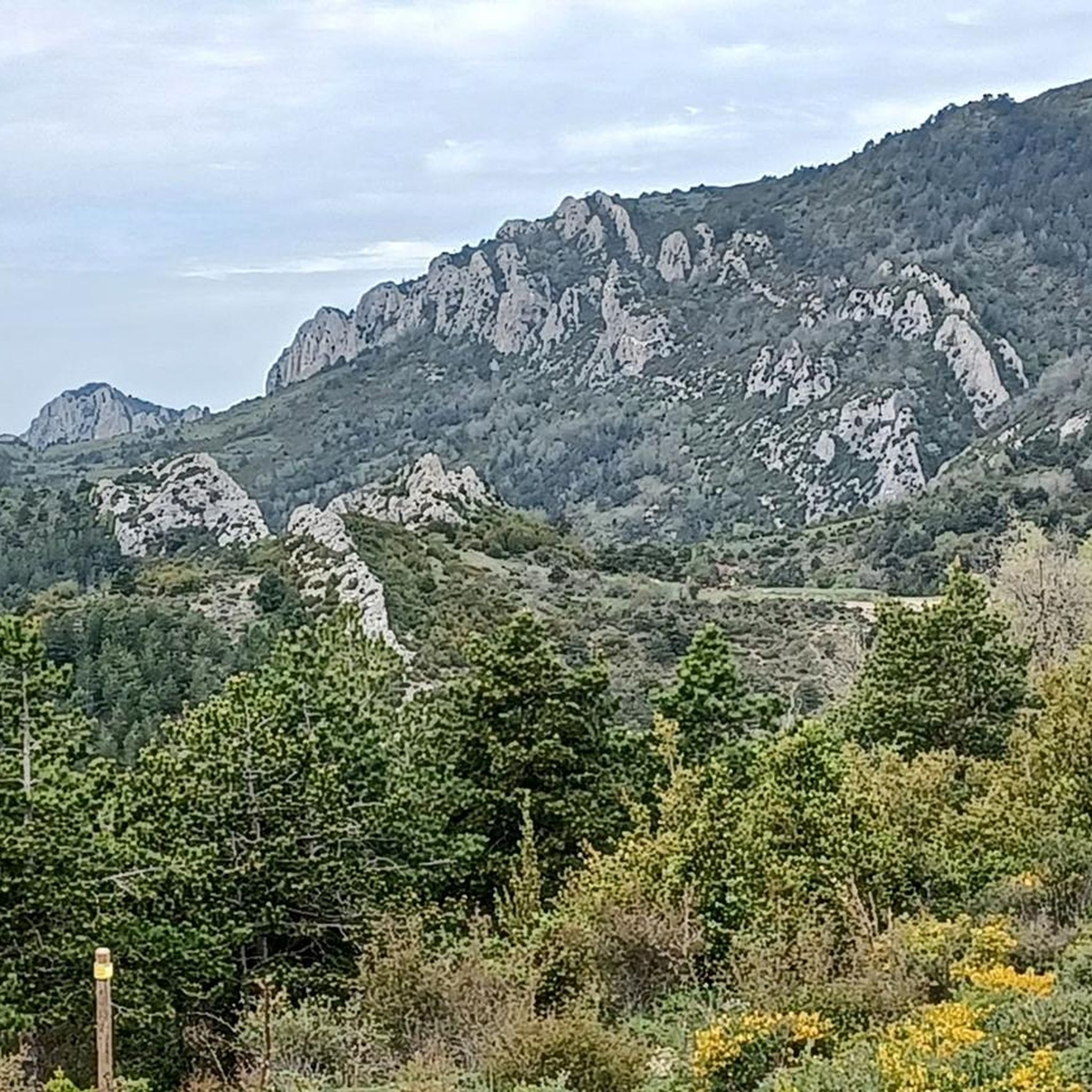
The ruins found on the track that connects Luesia with the Pígalo pools are known as the castle of Sibirana. The ruins of the hermitage of Santa Quiteria also remain from this deserted area. This nucleus is part of a defensive line ordered to be built in the 10th century by King Sancho Garcés I of Pamplona. The sight of the towers erected on two stone masses gives an idea of the magnitude and engineering of these structures.
1
0

This village does not go unnoticed! In its center, you cannot miss its impressive castle. In the plains of the province of Zaragoza, its imposing keep is indeed visible from afar.
1
0

On our way along the track from Luesia to the Pígalo pools, we come across the castle of Sibirana built to control the passage from Uncastillo and from Luesia through the Onsella river valley. In addition to the castle, there are remains of the hermitage of Santa Quiteria, both in the Aragonese Romanesque style and of a dozen houses at the foot of the castle on its south face.
1
0
We are in the old town of Biel, in the Altas Cinco Villas region, together with the church and this imposing castle. The town of Biel has a very interesting history and the natural environment is beautiful. Without a doubt, it is worth getting lost in its streets before starting our route.
1
0
We are in the Aragonese town of Luesia, a picturesque town where one of the oldest fortresses in Aragon is located or the Church of El Salvador, located at the top of the municipality.
1
0
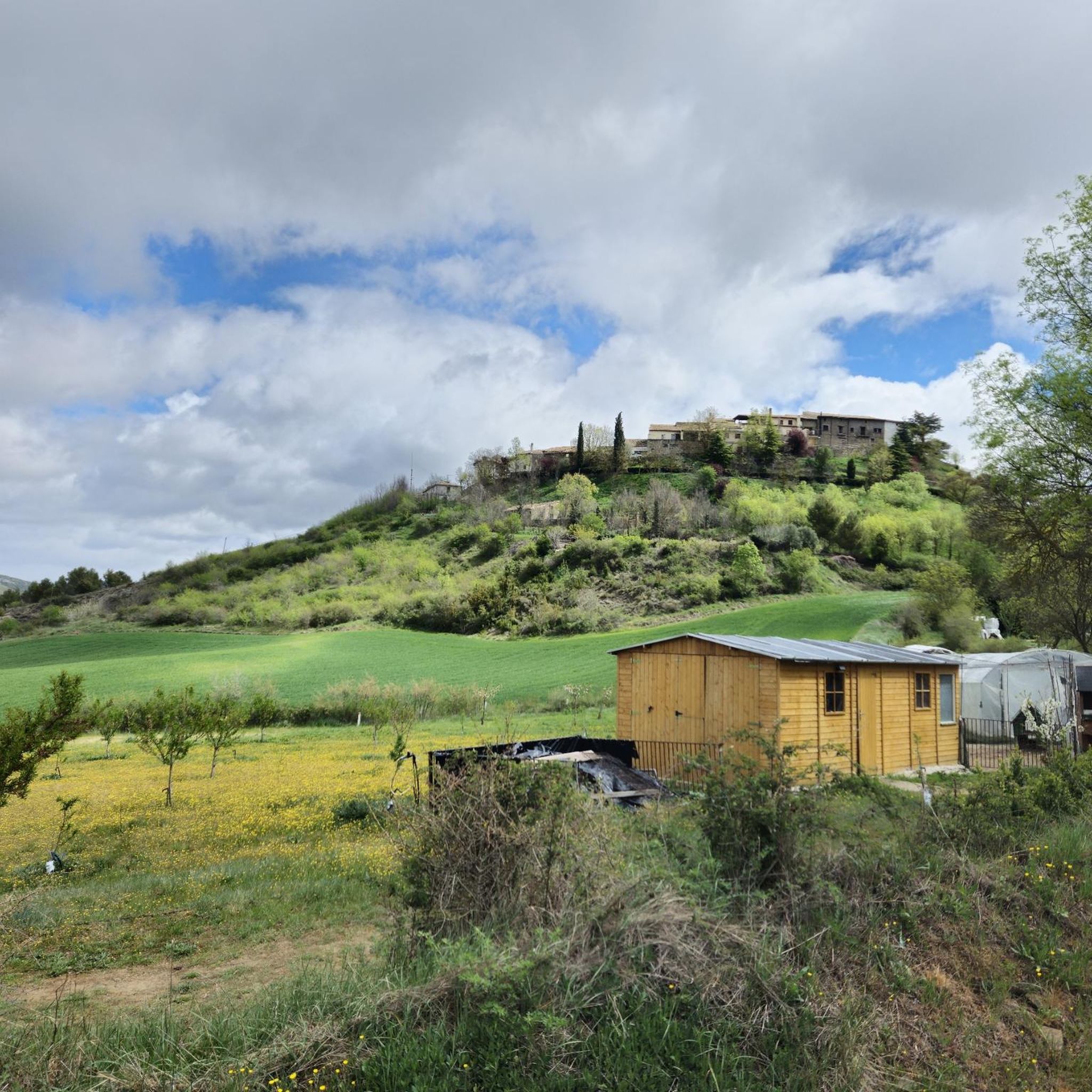
We are located on the outskirts of the town of Biel, in the Altas Cinco Villas region with magnificent views of the town, the church and the imposing castle. The town of Biel has a very interesting history and the natural environment is beautiful. Without a doubt, it is worth getting lost in its streets.
1
0
We are in the old town of Biel, in the Altas Cinco Villas region, together with the church and this imposing castle. The town of Biel has a very interesting history and the natural environment is beautiful. Without a doubt, it is worth getting lost in its streets before starting our route.
1
0

In Luesia there is also a tower-like castle complex
0
0
Frequently Asked Questions
What historical sites can I explore in Lobera de Onsella beyond castles?
While Lobera de Onsella is not primarily known for prominent, well-preserved castles within the village itself, its rich medieval history is evident in other significant sites. You can visit the unique Medieval Necropolis of Cerro de San Miguel, featuring 10th and 11th-century tombs unlike any other found in Spain. The Church of the Assumption, built on the ruins of an earlier Gothic church, also showcases Romanesque elements. Additionally, the village's well-preserved medieval urban core with narrow streets and stone houses offers a tangible connection to its past.
Which castles are recommended to visit around Lobera de Onsella?
Around Lobera de Onsella, you can explore several historical fortifications. We recommend visiting Biel Castle, known for its impressive keep visible from afar in the old town of Biel. Another significant site is Luesia Castle and Church of El Salvador, one of Aragon's oldest fortresses located at the top of Luesia municipality.
Are there good viewpoints to see the castles and surrounding area?
Yes, for a comprehensive perspective of the historical settlements and their castles, we recommend the View of Biel Castle and Church. This viewpoint offers magnificent views of the town of Biel, its church, and the imposing castle, set against a beautiful natural environment.
What outdoor activities can I do near the castles around Lobera de Onsella?
The region around Lobera de Onsella offers various outdoor activities. For mountain biking, you can explore routes like the 'Biel Castle – Biel Castle loop from Biel' or 'Pígalo Pools – Biel Castle loop from Luesia'. Road cyclists can enjoy routes such as 'Uncastillo Historic Center – Luesia Castle loop from Peña Cervera'. For general cycling, consider the 'Pozas Pígalo by the Castillo de Sibirana from Luesia' or the 'Asín and Luesia Castles Route'. You can find more details on these and other routes in the MTB Trails, Road Cycling Routes, and Cycling around Lobera De Onsella guides.
Is the terrain around Lobera de Onsella suitable for hiking and exploring castles?
The region is part of the Pre-Pyrenees, characterized by a landscape of mountains and abundant vegetation. While Lobera de Onsella itself is set on a small hill, the terrain for exploring nearby castles and historical sites can vary. Some routes, particularly for cycling, are rated as 'difficult', suggesting varied elevation and potentially challenging paths. It's advisable to check specific route details for difficulty before planning your visit.
What is the best time of year to visit the castles and historical sites in this region?
The Pre-Pyrenees region, with its mountains and abundant vegetation, is generally pleasant for exploration during spring and autumn when temperatures are milder. Summer can be warm, while winter might bring colder weather, especially at higher elevations. Visiting during spring allows you to enjoy the lush greenery, while autumn offers beautiful foliage.
Are there family-friendly options for visiting castles or historical sites?
Yes, some sites are considered family-friendly. For instance, the View of Biel Castle and Church is categorized as family-friendly, offering an accessible way to appreciate the historical settlement. When planning, look for routes or highlights specifically marked as family-friendly for easier access and enjoyment with children.
Can I bring my dog to the castle trails and historical areas?
While specific regulations for each site may vary, many outdoor trails and historical areas in natural settings are generally dog-friendly, provided dogs are kept on a leash and owners clean up after them. It's always best to check local signage or specific site rules before visiting with your pet, especially for indoor areas of castles or churches.
What kind of natural features can I expect to see around Lobera de Onsella?
Lobera de Onsella is nestled in the Pre-Pyrenees, offering a landscape of mountains and abundant vegetation. The village itself overlooks the Onsella river. Exploring the area will expose you to a tranquil natural environment that complements the historical sites, providing scenic views and opportunities for enjoying the outdoors.
Are there any accommodations or places to eat near Lobera de Onsella and its surrounding castles?
Lobera de Onsella is a small village, and while specific details on cafes, pubs, or restaurants are not provided, the presence of a medieval urban core suggests local amenities. For broader options, nearby towns like Biel and Luesia, where the main castles are located, are more likely to offer accommodation and dining choices. It's recommended to check local listings for these towns when planning your visit.
What makes the Medieval Necropolis of Cerro de San Miguel unique?
The Medieval Necropolis of Cerro de San Miguel is particularly unique due to its distinct tomb typology, categorized as 'Tipo Lobera de Onsella'. These 10th and 11th-century tombs feature lateral walls constructed from thick, superimposed slabs, a style not found anywhere else in Spain. This archaeological find provides fascinating insights into the early medieval population and their burial customs.
How long should I plan to explore the castles and historical sites in the region?
The time needed depends on which sites you choose to visit. For Lobera de Onsella itself, exploring the medieval urban core, the Church of the Assumption, and the Necropolis could take a few hours. Visiting Biel Castle or Luesia Castle and Church of El Salvador, including travel time between locations, could easily fill a half-day or a full day if you wish to explore the towns thoroughly and enjoy the viewpoints.
Most popular attractions around Lobera De Onsella

Get inspired with the komoot mobile app


Explore more
Looking for the best castles somewhere else? Discover other guides around Lobera De Onsella:
