Top 5 Caves around Vallés
Caves around Vallés offer diverse natural formations and historical insights for outdoor enthusiasts. This region provides opportunities to explore unique geological features and archaeological sites. Visitors can discover a variety of underground landscapes, from ancient human settlements to impressive rock formations. The area combines natural beauty with historical significance, making it suitable for exploration.
Best caves around Vallés
- The most popular caves is Cova Negra, a cave that is a cavity located in a gorge called the Strait of…
Last updated: July 4, 2026
Cova Negra
Highlight • Cave
Translated by Google •
Tip by

Trail from Xàtiva to the Albaida River and the Cova Negra
Highlight • Trail
Translated by Google •
Tip by

Sign up now to discover places like this
Get recommendations on the best single tracks, peaks, & plenty of other exciting outdoor places.
Sign up for free
La Cabrenta Cave
Highlight • Cave
Picnic area, and good walk.
You can park on the …
Translated by Google •
Tip by

Start today with a free account
Your next adventure awaits.
Login or Signup

Tips from the Community

The La Cova Negra municipal natural area is located in the municipality of Játiva, province of Valencia. In the Cova Negra is the Middle Paleolithic site in which remains of Homo Neanderthal have appeared. This natural area is located in the narrow valley formed by the Albaida River, as it crosses the reliefs of the Sierra Grossa, at the exit of the so-called Estret de les Aigües. In the widest meander formed by the Albaida River, at the height of Pico del Paller, you can see the Cova Negra, named for the blackish appearance of its walls.
2
1

Spectacular scene with the Sellent River in the background.
0
0

La Cova Negra is a cavity that is located in a gorge called the Strait of Waters. Its black color is mainly due to the smoke from the bonfires made by its former inhabitants, the Neanderthals who occupied it for a few months of the year. An important amount of flint tools and other archaeological remains have been found here.
3
0

La Cova Negra is an important archaeological site, located in the widest meander of the Albaida river. It was home to Neanderthal man in the Paleolithic. The cave gets its name from the dark color of the walls. Human remains and paintings have been found inside.
2
0
La Cova Negra is an important archaeological site, located in the widest meander of the Albaida river. It was home to Neanderthal man in the Paleolithic. The cave gets its name from the dark color of the walls. Human remains and paintings have been found inside. It is a space of fundamental importance for understanding the culture of the Mosterian and the reality of the Neanderthals. The Almodí Museum exhibits an exact reproduction of a parietal bone from the period, discovered in the cave.
2
0
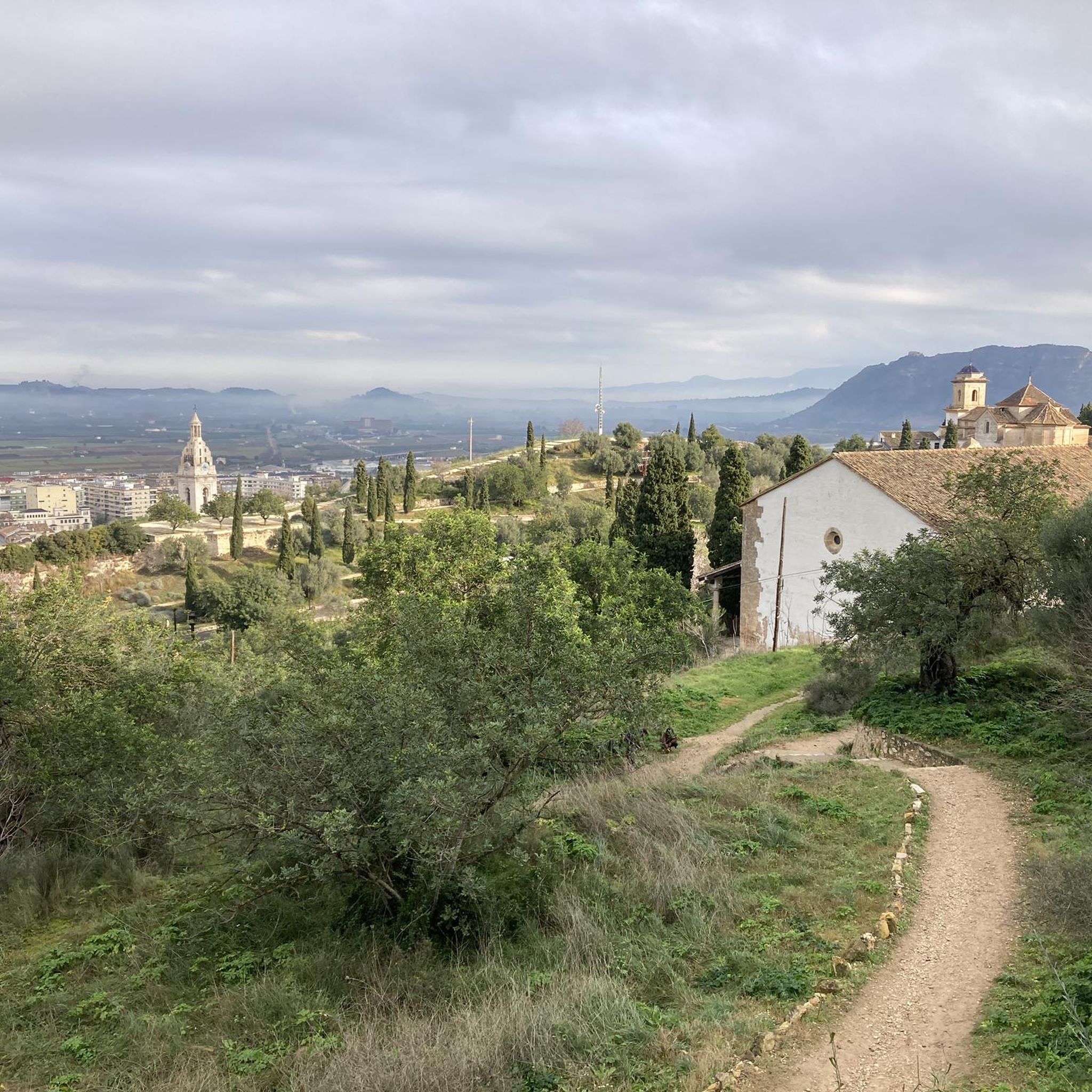
Mountain path that allows you to approach the banks of the Albaida river and also to the Cova Negra by a path. It runs through beautiful pine forests.
1
0

Cave within the natural area of the same name with great historical and landscape value. It is a very nice place with trails that run along the Albaida River. You can get to the foot of the cave.
1
1

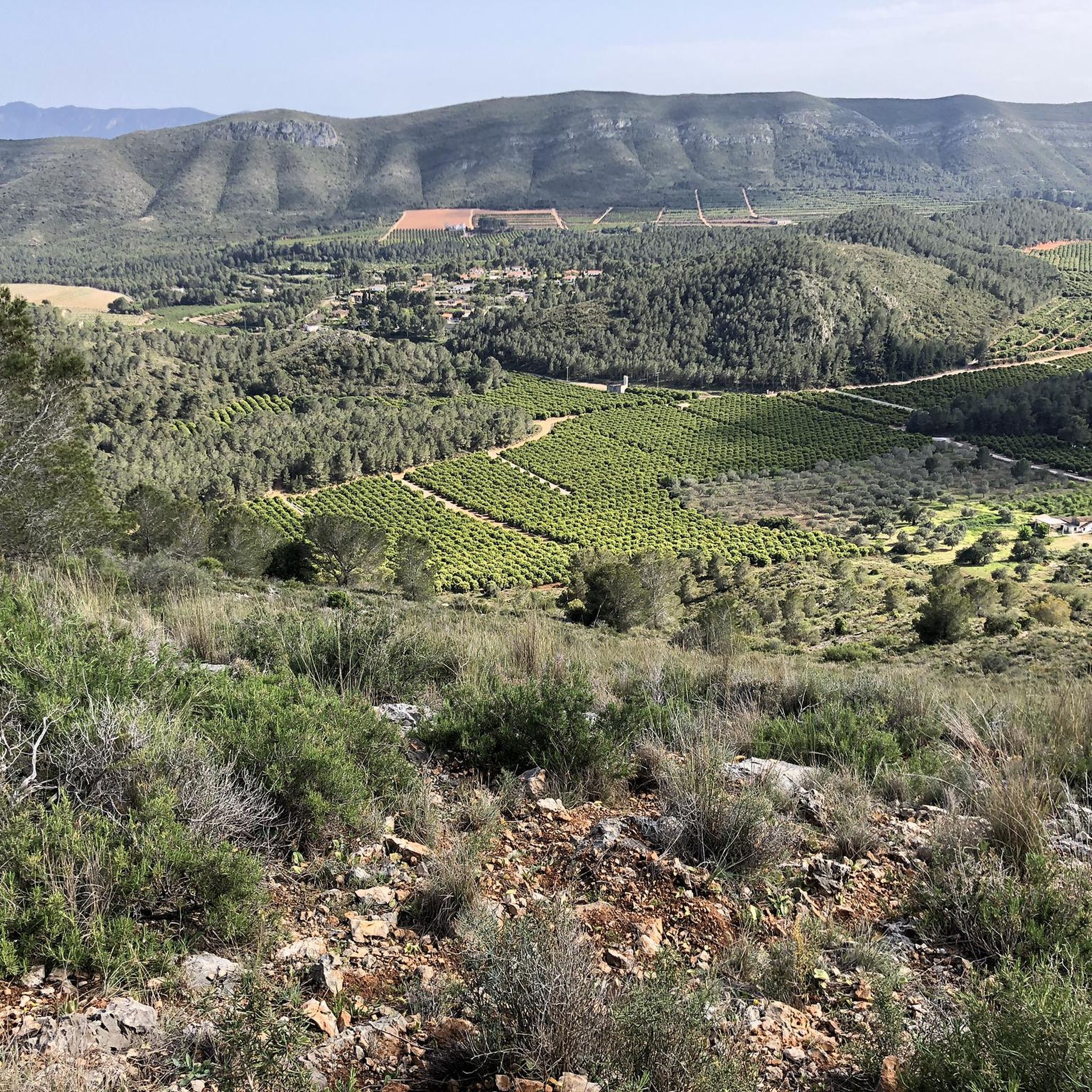
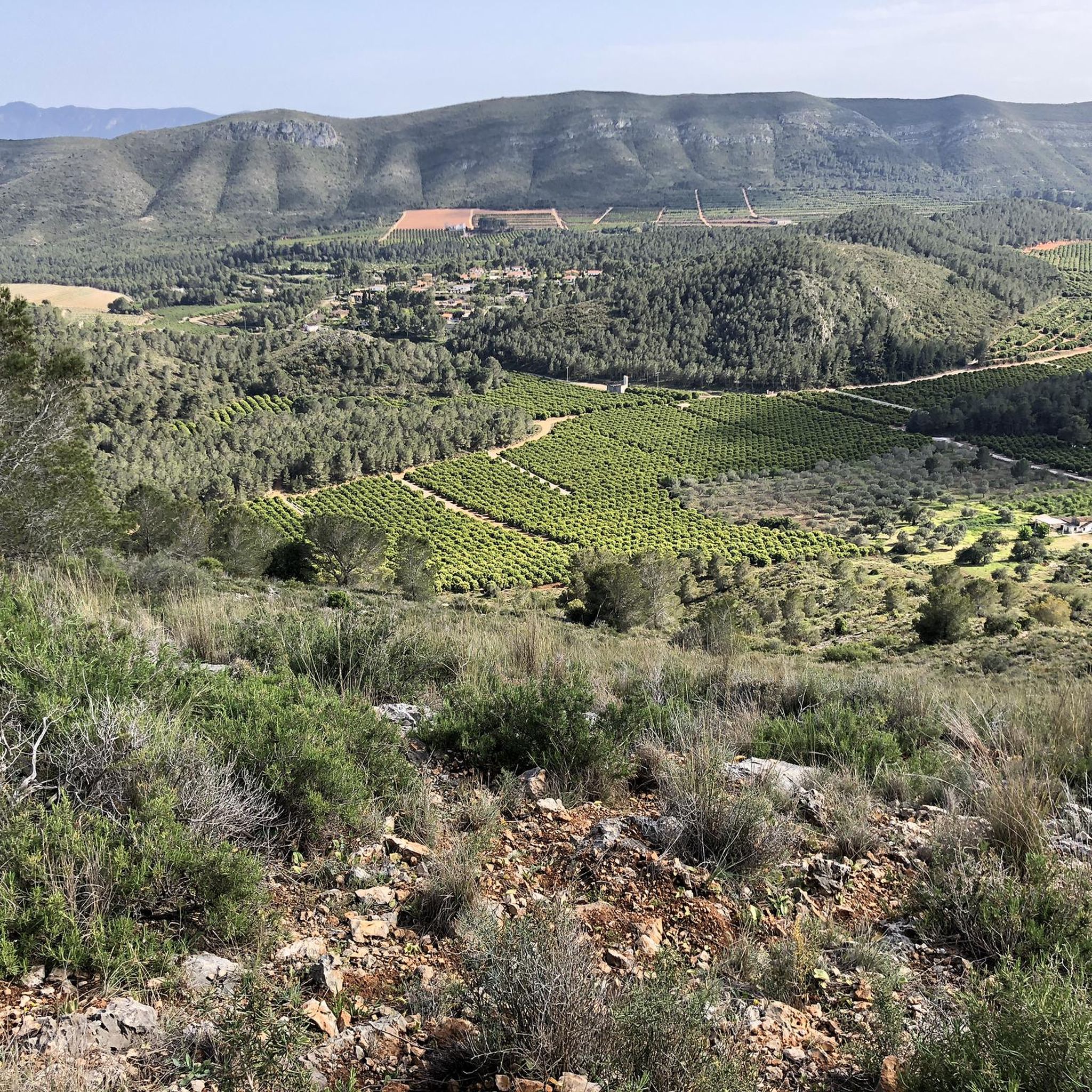
Mediterranean jungle in the middle of the Valencian Community. Looking for a place to escape the heat? It is here. Picnic area, and good walk. You can park on the street that leads to the picnic area (there is usually space on the side) or, if not, in the town.
0
0
Frequently Asked Questions
What unique geological features can I expect to see in the caves around Vallés?
The caves in the Vallés region and nearby areas offer a variety of geological formations. For instance, the Salnitre Caves of Collbató are renowned for their calcareous rock formations, rich phosphate minerals, and impressive organic shapes, including stalactites, stalagmites, and columns. The Caves of El Toll also feature diverse stalactites, stalagmites, and columns formed by water over time. Additionally, the Cultural Park of the Salt Mountain of Cardona presents a unique geological formation of a salt mountain with remarkable mineral diversity.
Are there any caves in the Vallés region with historical or archaeological significance?
Yes, several caves in and around Vallés hold significant historical and archaeological value. Cova Negra is notable for its Neanderthal inhabitants, with flint tools and other archaeological remains found there. The Caves of El Toll in Moià contain historical remains from the Neolithic period and the Battle of the Ebro. The Cultural Park of the Salt Mountain of Cardona showcases a long history of salt exploitation since Roman times. Furthermore, the Can Nadal Caves in Vilanova del Vallès have revealed Chalcolithic artifacts and were later used as a hermit's dwelling.
Which caves are suitable for families with children?
For families, La Cabrenta Cave is an excellent choice. It is specifically highlighted as family-friendly, offering a Mediterranean jungle environment with the Sellent River in the background, a picnic area, and a pleasant walk. The Salnitre Caves of Collbató also provide a guided underground walk in a natural cavity, which can be an engaging experience for families.
What outdoor activities can I do near the caves in Vallés?
The region around Vallés offers various outdoor activities. You can find numerous running trails, such as the 'El Castell de Xativa' or 'The Ice House loop from Xàtiva'. For hiking enthusiasts, there are routes like the 'Landscapes of Xàtiva Trail' or the 'Arcadetes d’Alboi Aqueduct – Cova Negra loop'. Road cycling is also popular, with routes like the 'Bellús Reservoir Loop from Xàtiva'. You can explore more options on the Running Trails around Vallés, Hiking around Vallés, and Road Cycling Routes around Vallés guide pages.
Are there any caves in Vallés associated with local legends or unique cultural aspects?
Yes, the Morral del Drac (Dragon's Crag) in Matadepera is deeply intertwined with local legend, specifically the ancient tale of the dragon of Sant Llorenç. Additionally, the Caves of Sant Llorenç del Munt include the Cau de la Moneda, an interior cavity where counterfeit money was allegedly made, adding a historical and somewhat mythical layer to its natural features. The Hermitage of Santa Agnès, built under a rock, also blends natural formations with religious history.
What is the best time of year to visit the caves in the Vallés region?
Many caves, such as the Salnitre Caves of Collbató, maintain a constant cool temperature (around 14 °C) year-round, making them a comfortable visit regardless of the season. This makes them an excellent option to escape the summer heat or find shelter during cooler months. For caves that involve outdoor trails, like those leading to Cova Negra or La Cabrenta Cave, spring and autumn generally offer the most pleasant weather for hiking and exploration.
Are there guided tours available for the caves in the Vallés area?
Yes, guided tours are available for some of the prominent caves. The Salnitre Caves of Collbató offer a guided underground walk through their 400-meter passage. Similarly, the Cultural Park of the Salt Mountain of Cardona provides a one-hour guided tour through its galleries. It's advisable to check the specific cave's official website or local tourism information for tour schedules and booking details.
What should I bring when visiting caves in Vallés?
When visiting caves, especially those with guided tours or longer passages, it's recommended to wear comfortable walking shoes with good grip. Even if it's warm outside, the interior of caves can be cool, so a light jacket or sweater is often a good idea. For caves that involve hiking to reach, bring water, and consider a headlamp or flashlight for better visibility in less illuminated sections, though guided tours usually provide adequate lighting.
Can I find parking easily near the main cave attractions in Vallés?
Parking availability varies by location. For popular sites like La Cabrenta Cave, visitors can often find parking on the street leading to the picnic area or within the nearby town. For other caves, especially those within natural parks or more remote areas, designated parking lots might be available, or you might need to park in a nearby village and walk. Always check specific access information for each cave you plan to visit.
What do visitors enjoy most about the caves around Vallés?
Visitors particularly appreciate the blend of natural beauty and historical significance. The impressive geological formations, such as those in the Salnitre Caves, are a major draw. The historical connections, from Neanderthal settlements at Cova Negra to ancient salt mining at Cardona, offer a unique educational experience. The family-friendly atmosphere and the opportunity to escape the heat in places like La Cabrenta Cave are also highly valued. The komoot community has shared over 50 photos and given more than 110 upvotes, highlighting the region's appeal.
Are there any caves in the Vallés region that inspired famous artists or architects?
Yes, the organic and undulating shapes found within the Salnitre Caves of Collbató are widely believed to have inspired the modernist architect Antoni Gaudí. His visits to these caves are thought to have influenced his unique architectural style, making them a point of interest for those interested in art and design history.
Are there any lesser-known or 'hidden' caves worth exploring in Vallés?
While many caves are well-known, the region also offers opportunities to discover less frequented spots. The Can Nadal Caves in Vilanova del Vallès, for example, are set within the Parc de la Serralada Litoral and offer archaeological significance and historical uses, providing a more secluded exploration experience. The various cavities within the Sant Llorenç del Munt Natural Park, beyond the main highlights, can also offer a sense of discovery for those willing to explore.
Most popular attractions around Vallés

Get inspired with the komoot mobile app


Explore more
Extend your search for the best caves by checking out these guides of the top ones around Vallés:
